7 Heat-Loving Vegetables That Still Thrive When Planted In Texas In May
Texas summers are no joke. The heat rolls in fast, and by May, temperatures are already climbing well above 90 degrees.
But here is the good news: some vegetables actually love that kind of heat. Instead of struggling against the sun, these tough, heat-loving plants use it as fuel to grow bigger, faster, and more productive than ever.
If you have been wondering what to plant in your Texas garden this May, you are in the right place. Whether you are gardening in Houston, Dallas, San Antonio, or anywhere else across the Lone Star State, these seven vegetables are built for the conditions you already have.
They handle the blazing sun, the dry spells, and the heavy humidity that Texas summers bring. You do not need a fancy greenhouse or special equipment.
You just need good soil, some water, and a little patience. Gardening in Texas during late spring and summer can feel overwhelming, especially when you watch cool-season crops wilt in the rising heat.
But the secret is simple: stop fighting the climate and start planting with it. These seven vegetables thrive in the exact conditions Texas offers in May and beyond.
From fast-growing okra to heat-tough Armenian cucumber, each one brings something special to your garden and your dinner table. Read on to find out which plants belong in your garden this season.
1. Okra
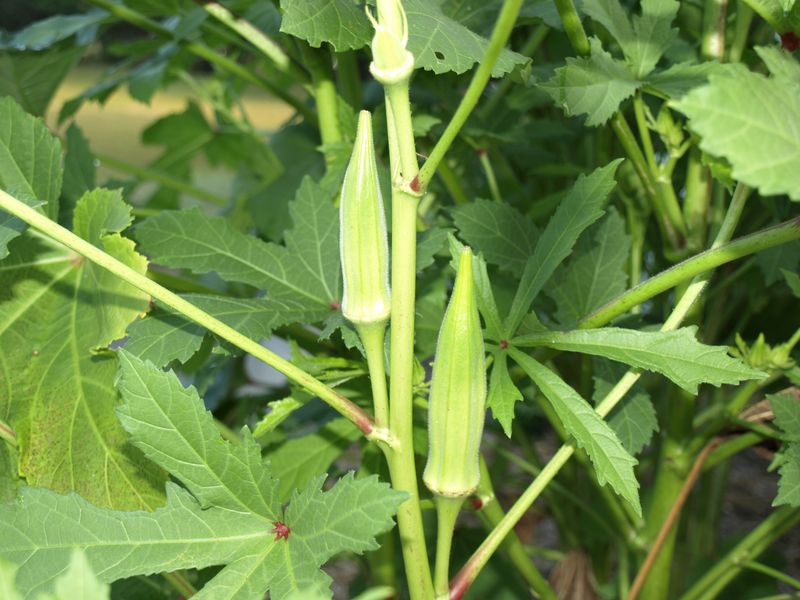
Walk through any old Southern garden in Texas during summer, and chances are you will spot tall okra plants standing proud in the heat.
Okra is one of those vegetables that seems to get stronger as the temperatures rise. Plant it in May, when Texas soil has warmed up nicely, and it will take off fast.
Okra grows best when soil temperatures are at least 65 degrees Fahrenheit, and in Texas, May delivers exactly that. The plants can grow several feet tall and produce pods quickly once they get going.
You can expect to start harvesting within 50 to 65 days after planting seeds directly in the ground.
Harvest the pods when they are about 3 to 4 inches long. If you leave them on the plant too long, they get tough and stringy.
Check your plants every two to three days during peak growing season because okra grows surprisingly fast in heat.
Give okra full sun and well-drained soil. It does not like sitting in wet conditions, so avoid overwatering.
A deep watering two to three times per week is usually enough, even during the hottest stretches.
Okra is also packed with nutrients, including fiber, vitamin C, and folate. It is a staple in Southern cooking, especially in Texas, where fried okra, gumbo, and pickled okra are all popular favorites.
Planting okra in May sets you up for a long, productive harvest that can last well into the fall months.
2. Southern Pea
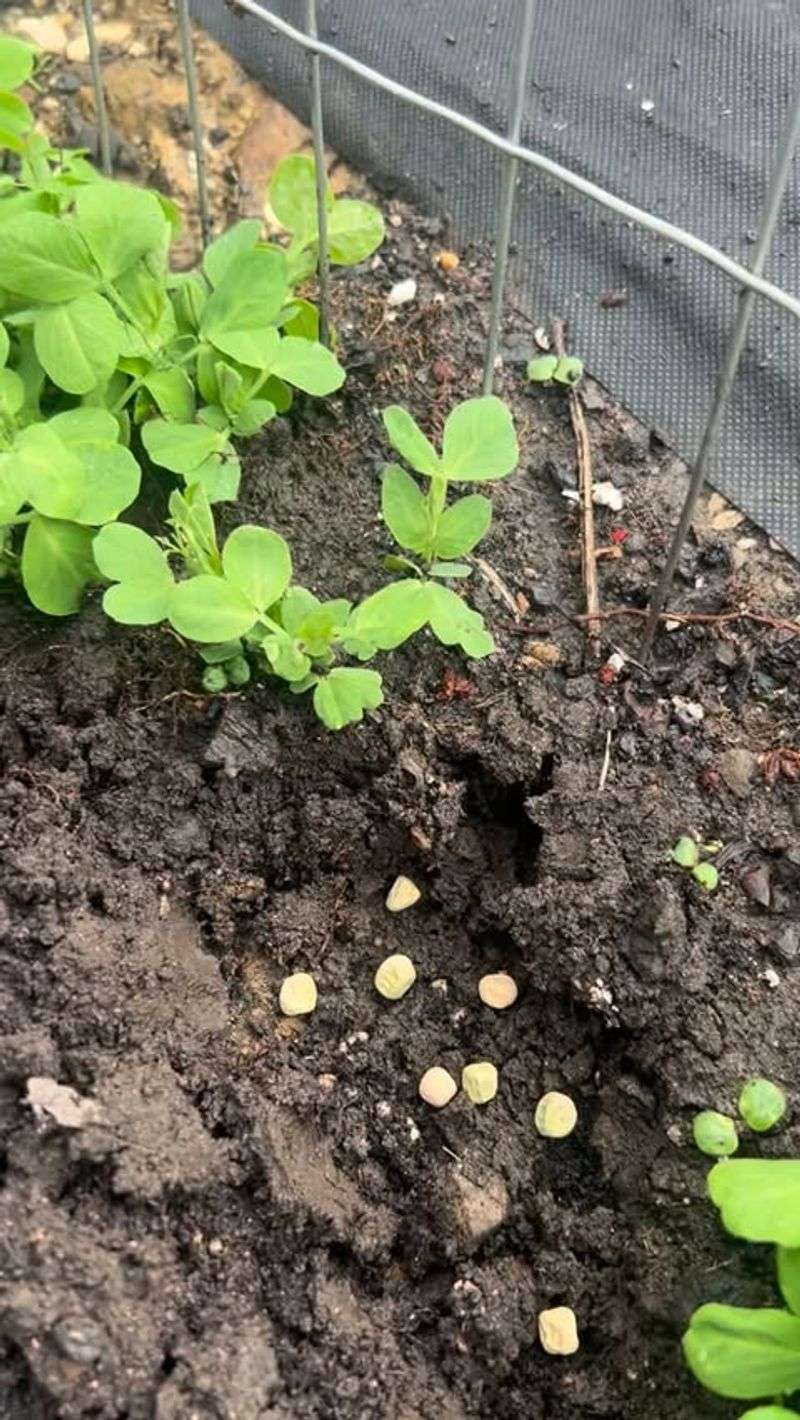
Also known as cowpeas, Southern peas have fed families across Texas for generations. They are tough, reliable, and perfectly built for the kind of heat that shows up in May and stays all summer long.
Your Texas Garden Changes Every Week. Your Plan Should Too.
Gardening in Texas changes quickly throughout the season. Every Friday you’ll receive a simple weekly plan showing exactly what to plant, prune, fertilize, harvest, and protect so you never miss the right timing.
These plants are not just survivors; they are true performers in hot weather. Southern peas thrive in temperatures between 70 and 95 degrees Fahrenheit, which matches Texas summer conditions almost perfectly.
They also fix nitrogen in the soil, which means they actually improve your garden while they grow. That is a win-win for any gardener looking to build healthy soil over time.
Plant seeds directly in the ground about an inch deep and six inches apart. They sprout quickly in warm Texas soil and do not need much fussing over.
One of the best things about Southern peas is their drought tolerance. Once established, they can handle dry spells without much extra watering.
Popular varieties include Black-Eyed Peas, Purple Hull Peas, and Crowder Peas. All of these grow well across Texas and are ready to harvest in about 60 to 70 days. You can eat them fresh, freeze them, or dry them for storage.
Did you know cowpeas were brought to the Americas from Africa centuries ago? They became a cornerstone of Southern cooking and remain a beloved staple in kitchens today.
Whether you boil them with ham hock or toss them into a salad, Southern peas bring real flavor and serious garden value to your May planting plan.
3. Sweet Potato
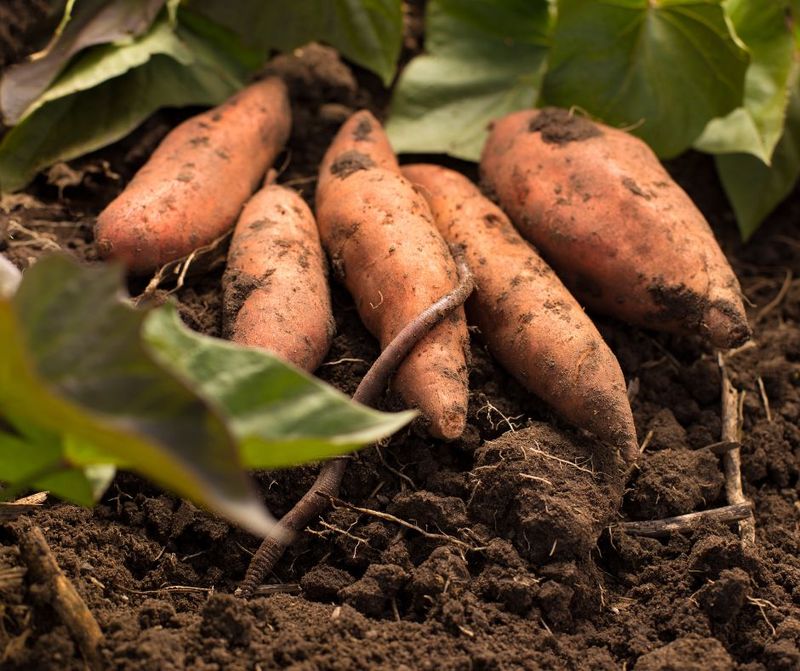
Sweet potatoes are practically made for Texas. They love long, hot summers, and Texas delivers those in abundance.
Plant them in May and you set yourself up for a generous harvest come fall. Few vegetables reward patience the way sweet potatoes do.
Unlike most vegetables, sweet potatoes are grown from slips, which are small rooted shoots that grow from a mature sweet potato. You can buy slips from a local nursery or garden center across Texas.
Plant the slips about 12 inches apart in loose, well-drained soil with full sun exposure. Sweet potatoes need about 90 to 120 days to mature, so planting in May means they will be ready to dig up in September or October.
That long growing window is one reason gardeners love them. The summer heat keeps the vines spreading and the roots developing underground.
Water them regularly during the first few weeks after planting to help the slips establish strong roots. After that, sweet potatoes are fairly drought-tolerant and do not need constant attention.
Too much water late in the season can actually cause the roots to crack, so ease up as harvest time approaches.
A single sweet potato plant can produce several pounds of tubers, making them one of the most productive crops you can grow in your garden. They are also incredibly nutritious, loaded with vitamin A, potassium, and fiber.
Roasted, mashed, or baked into a pie, sweet potatoes bring serious satisfaction from garden to table.
4. Pepper Plant
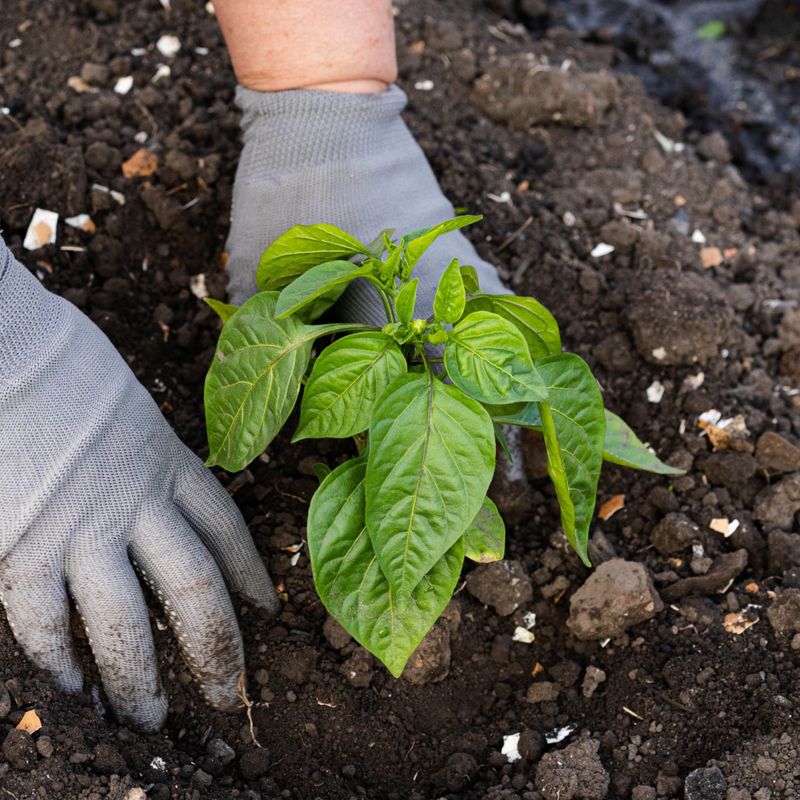
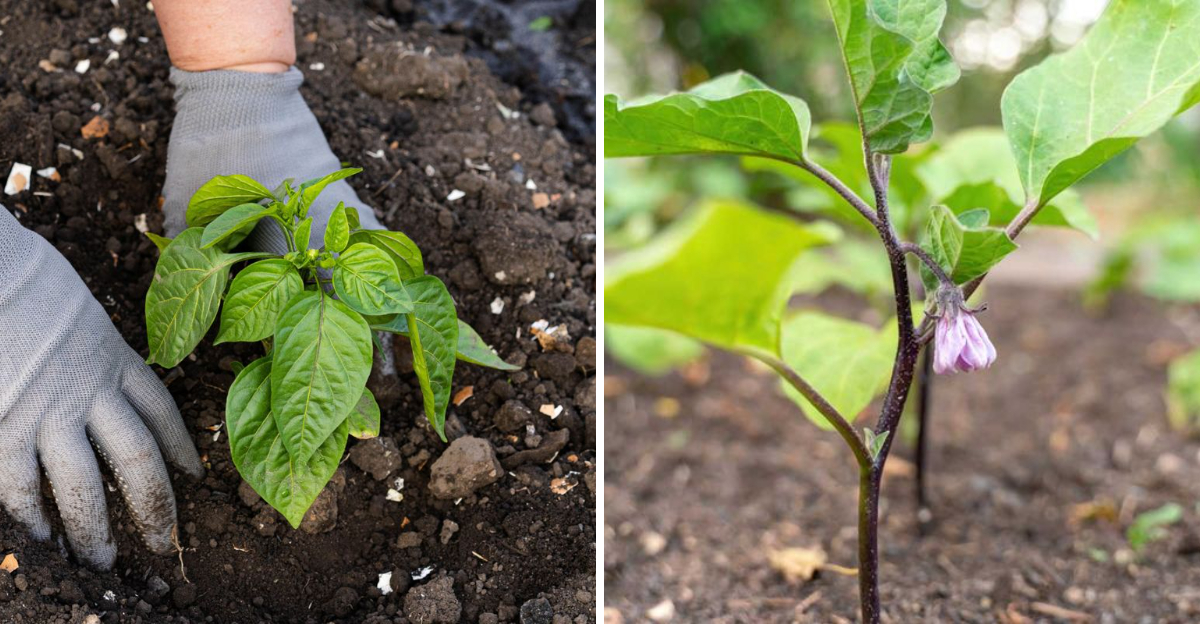
Peppers and Texas heat go together like barbecue and brisket. Whether you prefer sweet bell peppers or fiery jalapeños, peppers planted in May across Texas will keep producing well into fall.
They absolutely love warm nights and blazing daytime temperatures. Peppers prefer soil temperatures above 65 degrees and air temperatures between 70 and 90 degrees during the day. Texas in May checks every one of those boxes.
The warm conditions encourage strong root development and steady fruit production throughout the summer growing season.
Space pepper transplants about 18 to 24 inches apart in a sunny garden bed. They need at least six to eight hours of direct sunlight each day.
Consistent watering is important because peppers that dry out too much between waterings can drop their flowers before the fruit even forms.
Mulching around the base of your pepper plants helps retain soil moisture and keeps roots cool during the hottest parts of the Texas summer.
A layer of two to three inches of straw or wood chip mulch makes a noticeable difference in how well your plants hold up through August.
Texas gardeners have a huge selection of pepper varieties to choose from. Jalapeños, serranos, poblanos, and bell peppers all perform well in the state.
Hot pepper varieties tend to do especially well in heat, often producing more intensely flavored fruit as temperatures climb.
Peppers are one of the most versatile vegetables you can grow, perfect for salsas, stir-fries, stuffed dishes, and fresh snacking straight from the garden.
5. Eggplant
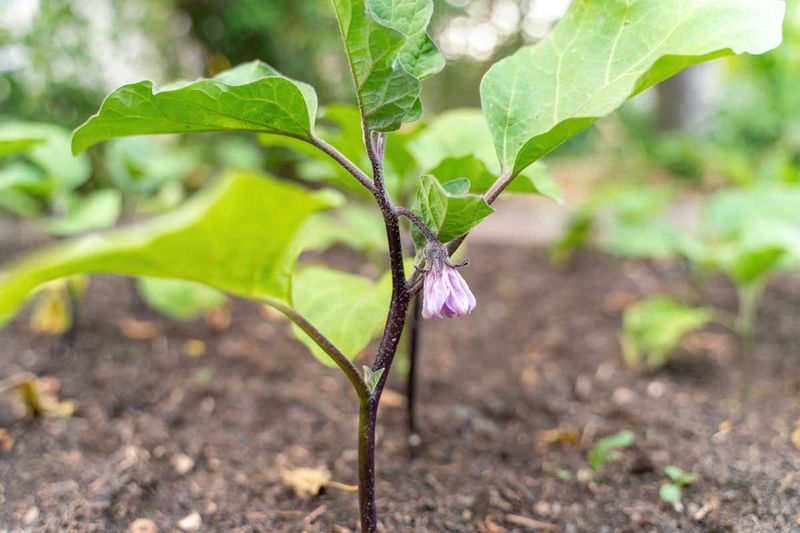
Eggplant has a reputation for being fussy, but that reputation does not apply in Texas. Give eggplant heat, sunshine, and decent soil, and it will produce more than you ever expected. May is one of the best months to get eggplant transplants in the ground across the state.
Originally from South Asia, eggplant evolved in hot, humid conditions, which is exactly what Texas summers provide. Plants grow bushy and strong, often reaching three to four feet tall.
The glossy purple fruits hang heavy on the branches when conditions are right, and heat makes those conditions happen reliably.
Set transplants in the ground about 18 to 24 inches apart. Full sun is non-negotiable for eggplant.
Shady spots will slow growth and reduce fruit production significantly. In Texas, finding a sunny garden spot is rarely a problem, which works in your favor.
Water eggplant deeply but not too frequently. Letting the top inch of soil dry out between waterings encourages the roots to grow deeper, which helps the plants handle heat better.
Fertilize every three to four weeks with a balanced vegetable fertilizer to keep production going strong.
Eggplant is incredibly versatile in the kitchen. Grilled, roasted, baked into casseroles, or turned into baba ganoush, it absorbs flavors beautifully.
Texas gardeners who plant eggplant in May often find themselves harvesting well into October. With multiple fruits per plant and a long season, eggplant delivers outstanding value for the space it takes up in your garden bed.
6. Malabar Spinach
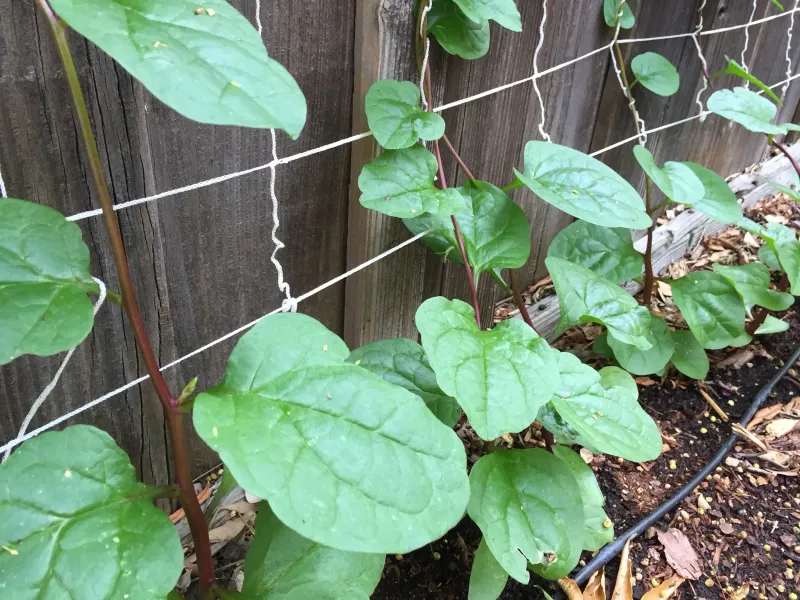
Regular spinach gives up the moment Texas heat kicks in, turning bitter and bolting almost overnight. Malabar spinach plays by completely different rules.
This climbing vine thrives in hot, humid weather and keeps producing lush, dark green leaves all summer long. It is one of the best-kept secrets in Texas gardening.
Malabar spinach is not actually related to regular spinach. It is a tropical vine native to Asia and Africa, and it behaves like one.
It climbs enthusiastically up a trellis, fence, or any vertical structure you give it. The large, glossy leaves have a mild, slightly mucilaginous texture that works well in cooked dishes.
Plant seeds or transplants in full sun after the last frost, which in most of Texas falls well before May. The vines grow quickly once temperatures climb above 80 degrees.
In Houston and other humid parts of Texas, Malabar spinach is especially productive because it loves moisture in the air as much as it loves heat.
Use the leaves just like regular spinach in soups, stir-fries, and egg dishes. The flavor is mild and slightly earthy, making it easy to incorporate into everyday cooking.
Younger leaves tend to be more tender and less sticky than mature ones, so harvest regularly to keep fresh growth coming.
Set up a sturdy trellis before planting because these vines can reach six to eight feet tall by midsummer. Once established, Malabar spinach needs very little care beyond regular watering. It is a fantastic, low-maintenance green that fills a real gap in the summer garden lineup.
7. Armenian Cucumber
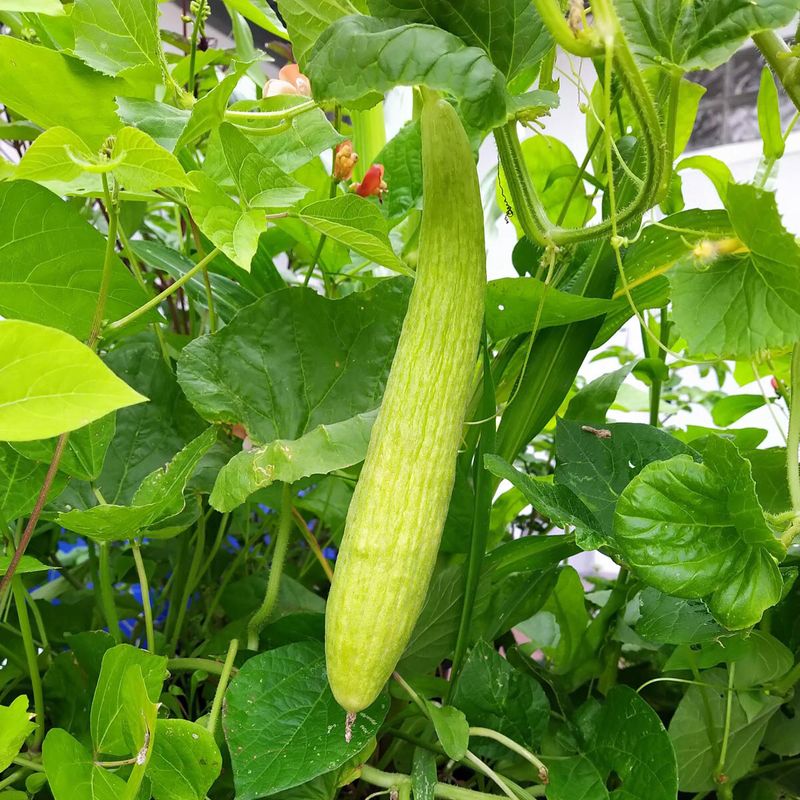
If regular cucumbers have let you down in the heat, Armenian cucumber is about to change your mind.
Technically a type of muskmelon, this long, pale green vegetable looks and tastes like a cucumber but handles intense heat far better than traditional cucumber varieties. Texas gardeners who discover it rarely go back.
Armenian cucumbers can handle temperatures well above 100 degrees without skipping a beat. In Texas, where summer heat can be relentless, that kind of toughness is incredibly valuable.
The fruits grow long and slender, sometimes reaching 18 inches or more, with a light, crisp flavor and very few seeds.
Plant seeds directly in the ground in May, about half an inch deep. Armenian cucumbers grow on sprawling vines, so give them room to spread or train them up a strong trellis.
Growing vertically saves space and keeps the fruits straight and easy to harvest. Water consistently, especially during fruit development. Inconsistent watering can cause the fruits to taste bitter or develop an uneven texture.
A drip irrigation system works great for Armenian cucumbers in Texas, delivering steady moisture directly to the roots without wetting the leaves.
Harvest Armenian cucumbers when they reach about 12 to 15 inches long. At that size, they are crisp, mild, and perfect for slicing into salads or eating fresh with a little salt.
Leave them too long and they can become seedy and slightly tough. With regular harvesting, the vines keep producing new fruits throughout the summer, giving you a steady supply of cool, refreshing cucumbers even on the hottest days.