7 Pennsylvania Garden Plants That Smell Amazing After Rain
There’s a specific kind of magic that happens in a Pennsylvania garden right after a good rain, and it has everything to do with scent.
The combination of wet soil, activated plant oils, and that particular petrichor quality that follows rainfall creates an aromatic experience that’s genuinely hard to replicate under any other conditions.
For gardeners who pay attention to it, a rainy afternoon in a well-planted Pennsylvania garden is one of the better sensory experiences the season has to offer.
What most people don’t realize is that some plants release their fragrance most intensely in the moments after rain, as moisture activates the essential oils in their leaves and flowers in a way that dry conditions simply don’t trigger as powerfully.
Choosing plants specifically for their rain-activated scent adds a dimension to a Pennsylvania garden that goes well beyond visual appeal.
These are the plants worth growing if you want your garden to smell absolutely incredible after the next storm rolls through.
1. Lavender
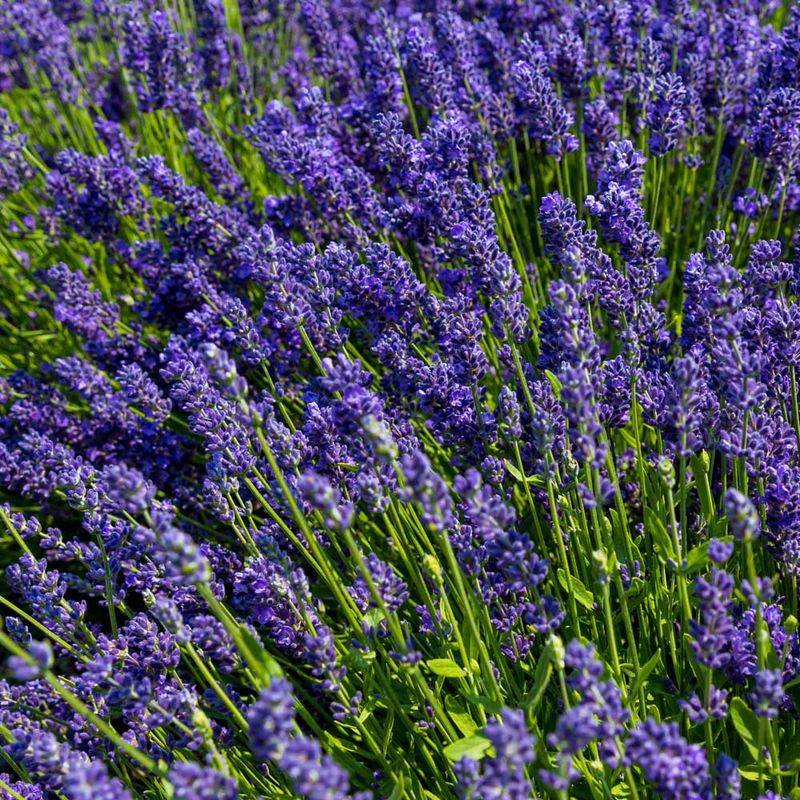
Close your eyes and imagine walking past a row of lavender right after a summer rain in Pennsylvania. That calm, soothing scent drifting through the wet air is one of the most satisfying garden experiences you can have.
Lavender has been loved for thousands of years, and it is easy to understand why once you smell it on a damp afternoon.
Rain and humidity work together to help release the essential oils locked inside lavender’s tiny purple flowers and silvery leaves. When moisture hits the plant, those oils lift into the air and travel farther than they would on a dry day.
This is why your garden can smell like a French countryside after even a light drizzle. Lavender grows best in full sun and well-drained soil. In Pennsylvania, it does especially well in raised beds or sloped areas where water does not pool around the roots.
Sandy or gravelly soil works great. If your soil stays too wet for too long, the roots can suffer, so good drainage is key.
English lavender varieties like Hidcote and Munstead are the most reliable choices for Pennsylvania gardeners.
They handle cold winters better than other types and still produce plenty of fragrant blooms each summer. Planting them near a walkway or patio lets you enjoy that rainy-day scent up close.
Beyond the smell, lavender also attracts bees and butterflies, making it a fantastic choice for pollinator-friendly gardens across the state. It truly earns its place in any yard.
2. Lilac
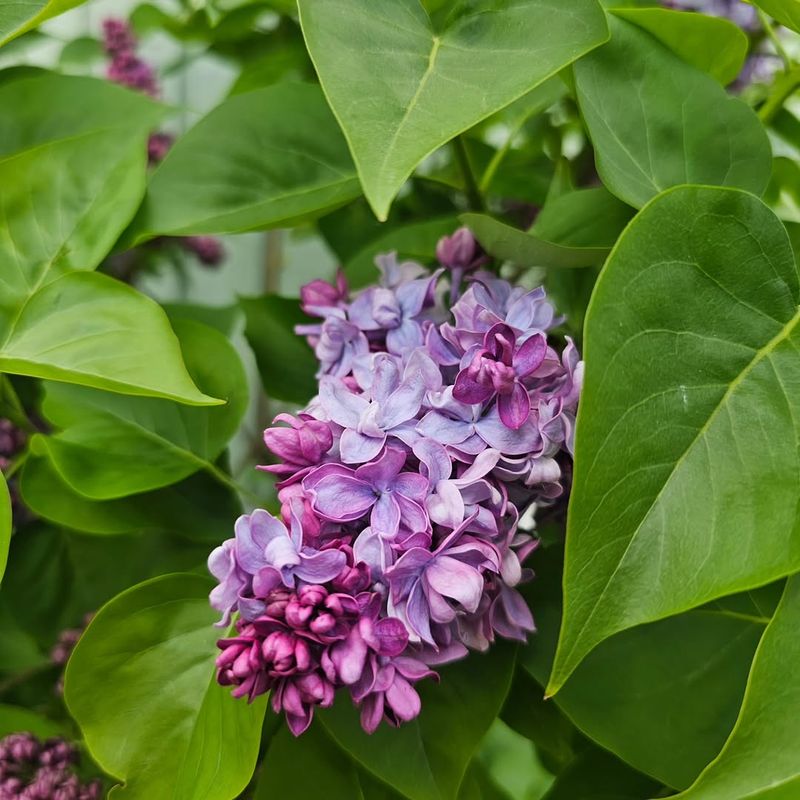
Ask any longtime Pennsylvania gardener what their favorite spring scent is, and there is a good chance lilac will be at the top of the list. There is something deeply nostalgic about that rich, sweet fragrance drifting across the yard on a cool April or May afternoon.
Lilacs have been a staple of American gardens for centuries, and they have never gone out of style.
After a cool Pennsylvania rain, lilac blooms seem to come alive with scent. The moisture soaks into the flower clusters and helps release their natural fragrance even more strongly than on dry days.
Your Pennsylvania Garden Changes Every Week. Your Plan Should Too.
Gardening in Pennsylvania changes quickly throughout the season. Every Friday you’ll receive a simple weekly plan showing exactly what to plant, prune, fertilize, harvest, and protect so you never miss the right timing.
Standing near a lilac bush right after a spring shower is one of those simple pleasures that gardeners look forward to all year long.
Lilacs are hardy shrubs that handle winters very well. They actually need cold temperatures to bloom properly, which makes them a perfect match for the state’s climate.
Plant them in a sunny spot with good air circulation, and they will reward you with stunning blooms every spring.
Common lilac, also called Syringa vulgaris, comes in shades of purple, white, and pink. Newer varieties like Bloomerang bloom again in late summer, giving you two rounds of fragrance each season.
That is a great bonus for anyone who loves the smell of lilac after rain.Did you know lilacs can live for over 100 years? Many old Pennsylvania farmhouses still have lilac bushes planted by families generations ago, still blooming and smelling just as sweet.
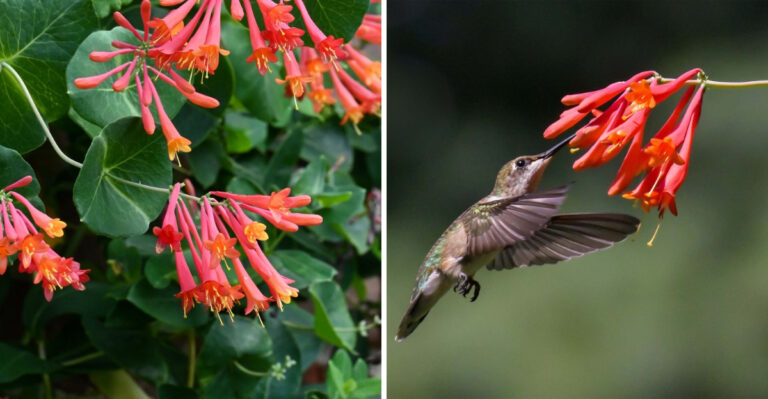
3. Bee Balm
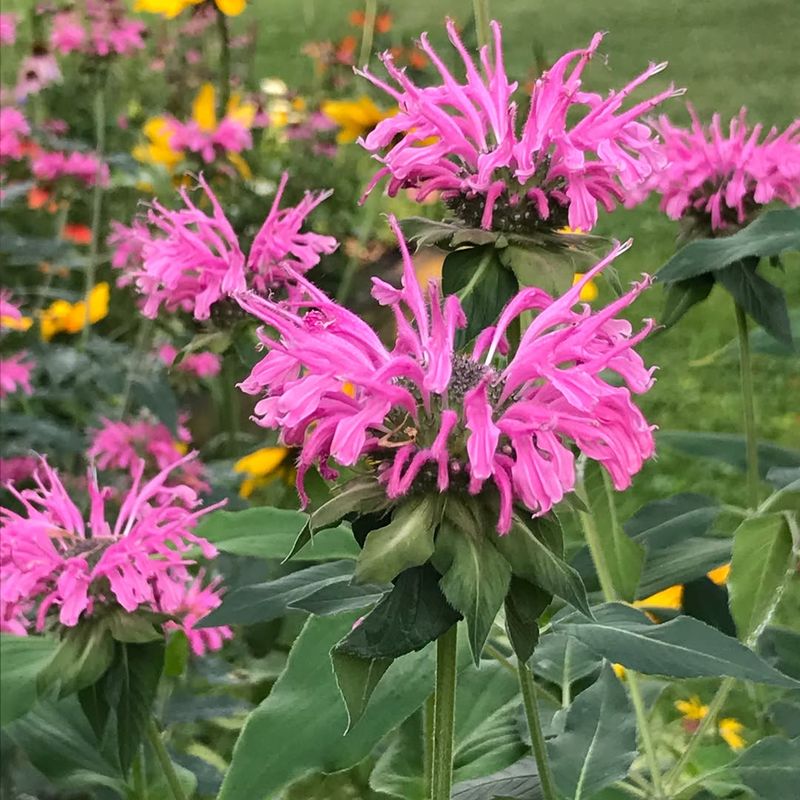
Bee balm is one of those plants that surprises people the first time they brush against its leaves on a rainy day. That burst of minty, slightly spicy fragrance is unexpected and completely wonderful.
Native to North America, bee balm has been used for centuries by Indigenous peoples for teas and herbal remedies, and it has earned a permanent place in Pennsylvania gardens.
Its minty fragrance becomes noticeably stronger when the leaves and flowers get wet. Rain releases the aromatic oils stored in the plant’s fuzzy leaves, sending that refreshing scent into the air around your garden.
On a humid Pennsylvania summer afternoon after a storm, the smell of bee balm can fill an entire backyard.
Bee balm thrives in Pennsylvania’s warm, humid summers. It prefers moist, well-drained soil and partial to full sun.
Once established, it spreads steadily, so give it room to grow or plant it in a contained bed. It comes back reliably every year as a perennial, which means you only have to plant it once.
The bold, spiky flowers come in red, pink, purple, and white. They are absolute magnets for hummingbirds, bees, and butterflies, making your garden buzz with life all summer long.
Varieties like Jacob Cline and Raspberry Wine are popular choices across Pennsylvania for their strong scent and resistance to powdery mildew.
Planting bee balm near a seating area means you get to enjoy that rainy-day minty fragrance while relaxing outside. It is a sensory experience that never gets old.
4. Peony
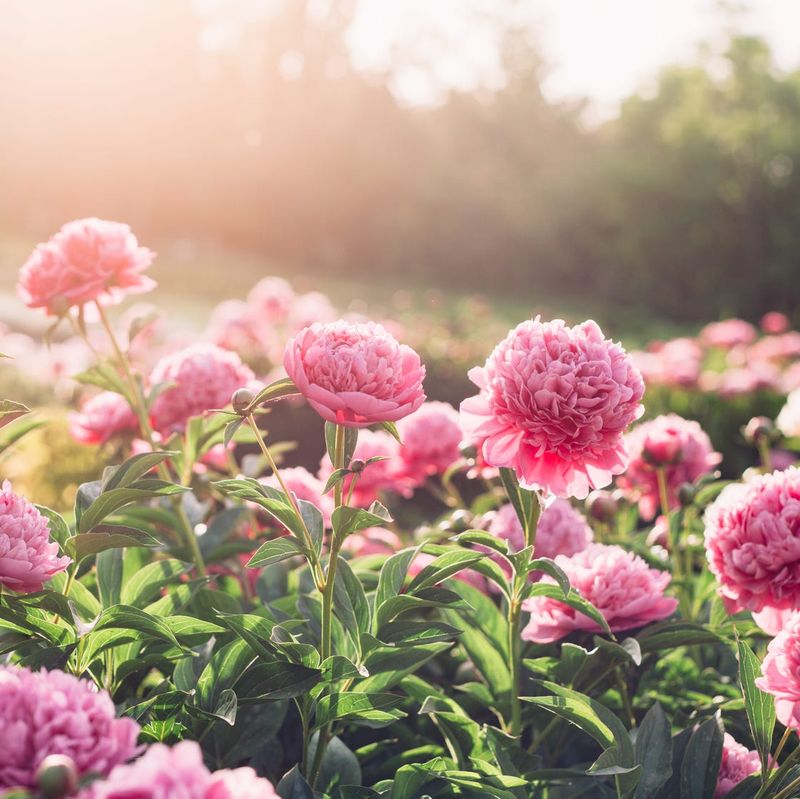
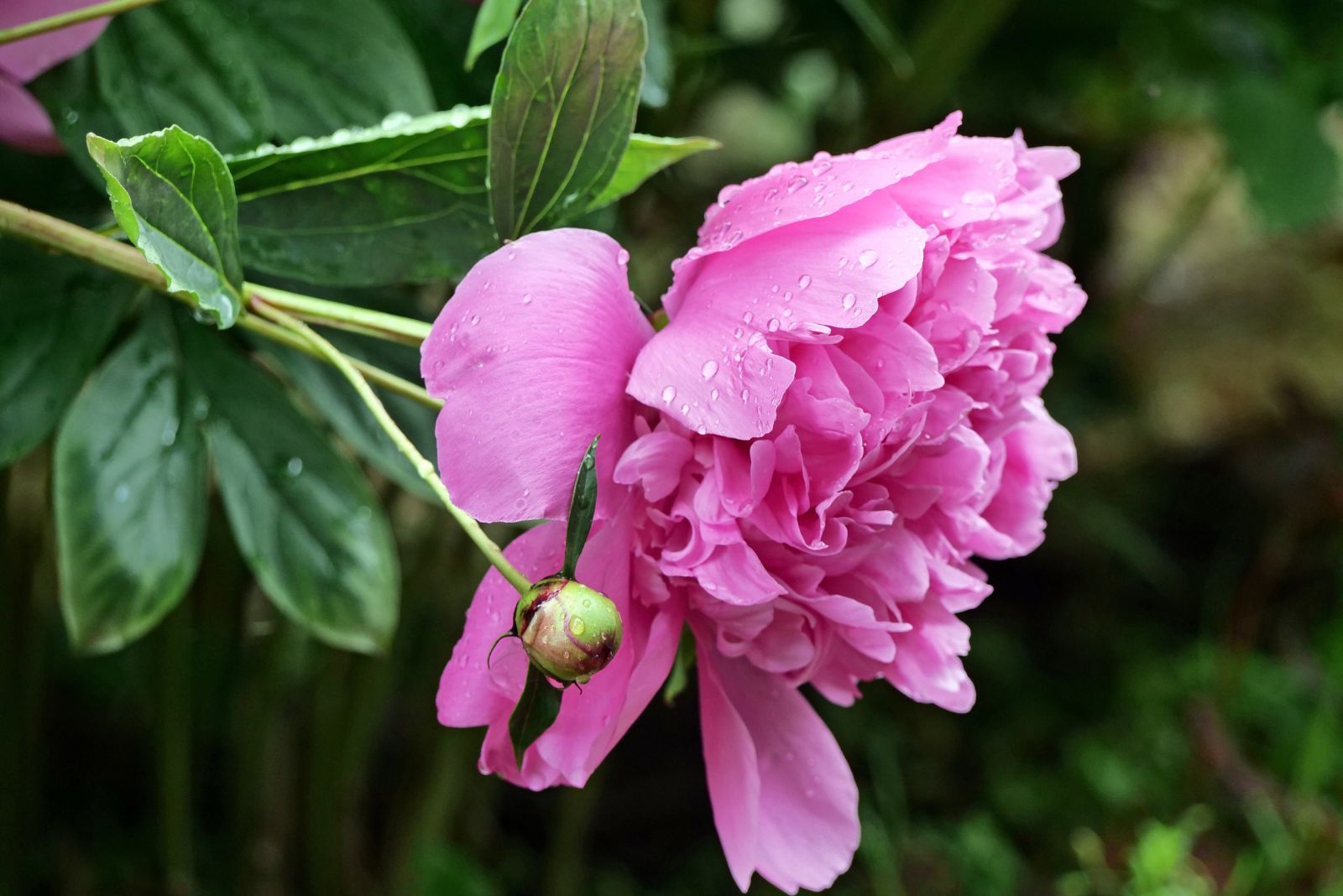
Few flowers in the garden world match the showstopping beauty of a peony in full bloom. Those big, ruffled flowers packed with layers of petals have been celebrated in art and poetry for centuries.
But here is something that not every gardener knows: peonies often smell even better after it rains.
Peony blooms release a stronger, sweeter floral scent after rainfall soaks into their petals. The moisture seems to unlock something deep inside the flower, pushing that classic rosy fragrance out into the surrounding air.
In Pennsylvania, where late spring rains are common, this means peony season and peak fragrance often arrive together at just the right time.
Peonies are one of the most reliable perennials you can grow in Pennsylvania. Once planted, they can bloom for 50 years or more with very little care.
They prefer full sun and well-drained soil. The most important rule is to plant them with the eyes, which are the little pink buds on the root, no more than one to two inches below the soil surface. Too deep and they will not bloom.
Fragrant varieties like Sarah Bernhardt, Festiva Maxima, and Duchesse de Nemours are classic choices that Pennsylvania gardeners have treasured for generations. Their soft pink and white blooms look stunning in the garden and smell absolutely incredible after a good rain.
Cutting a few stems and bringing them indoors after rainfall fills your entire home with fragrance. Peonies are truly one of the most rewarding plants a gardener can grow.
5. Phlox
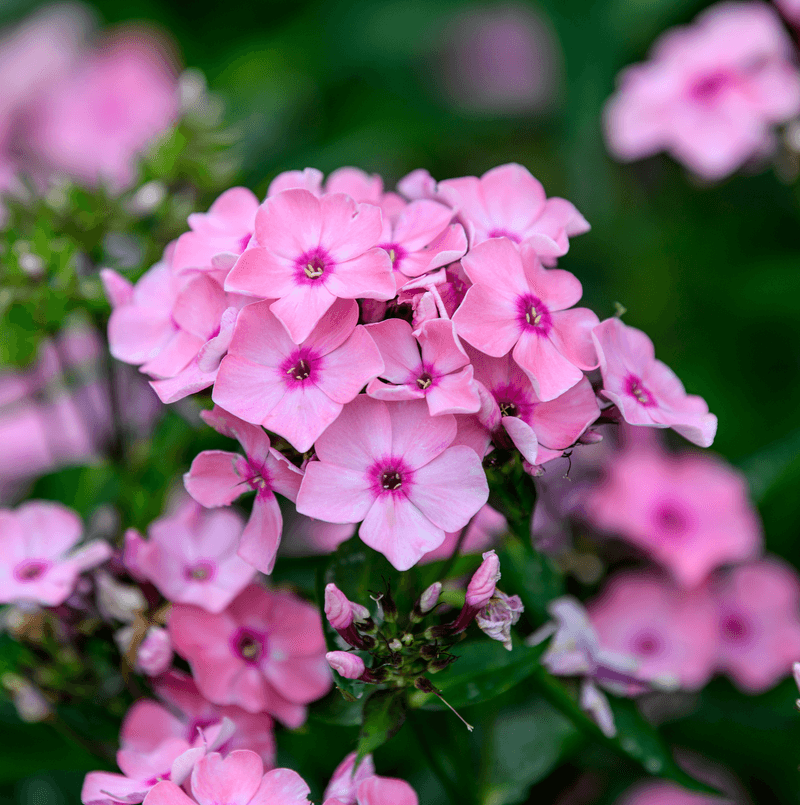
Walk past a patch of garden phlox on a warm, humid Pennsylvania evening after a summer storm, and you will stop in your tracks. That sweet, slightly spicy floral scent drifting through the damp air is one of summer’s greatest pleasures.
Garden phlox is a classic American perennial, and Pennsylvania’s steamy summers bring out its best fragrance.
Phlox fills the air with fragrance during humid summer weather, and rain makes the effect even more powerful. The moisture activates the plant’s natural oils, sending waves of sweet scent across the garden.
Tall garden phlox, known as Phlox paniculata, blooms from mid to late summer, which lines up perfectly with Pennsylvania’s rainiest and most humid months.
Growing phlox in Pennsylvania is straightforward. It loves full sun to light shade and moist, fertile soil.
Good air circulation around the plants helps prevent powdery mildew, which can be a common issue in the state’s humid summers. Spacing plants about 18 inches apart and avoiding overhead watering when possible keeps the foliage healthier.
Varieties like David, which produces pure white blooms and strong mildew resistance, and Robert Poore, with its bright purple flowers, are excellent picks for gardens. Planting phlox in groups creates a bigger impact, both visually and in terms of fragrance after a rainstorm.
Phlox also works beautifully as a cut flower, and a fresh bouquet brought inside after rain carries that gorgeous scent right into your home. It is a plant that truly delivers on every level for Pennsylvania gardeners.
6. Sweet Alyssum
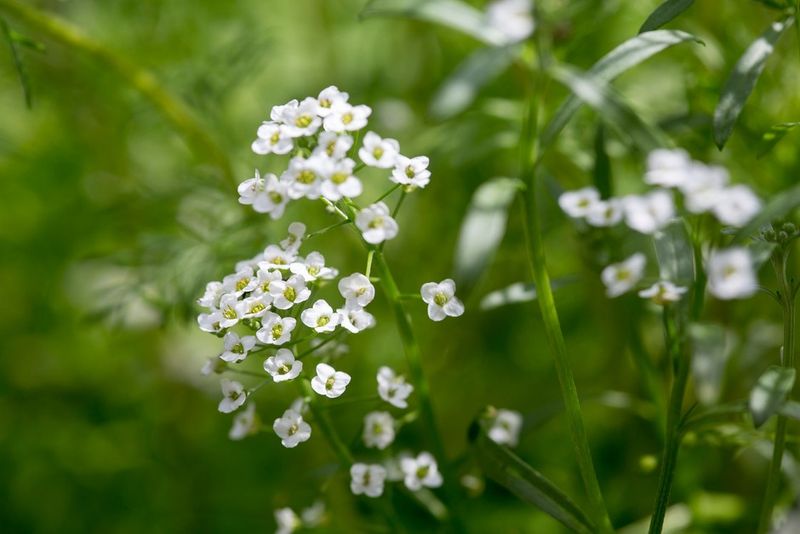
Do not let its small size fool you. Sweet alyssum is one of the most powerfully fragrant plants you can grow in a Pennsylvania garden, and its honey-like scent becomes even more intense after rain.
This compact little flower grows close to the ground, forming soft mounds of tiny blooms that seem almost too delicate to produce such a strong fragrance.
After a light rain shower, sweet alyssum releases a warm, sweet scent that some people describe as a mix of honey and vanilla. The moisture pulls the fragrance right out of the tiny flowers and sends it drifting across garden beds and pathways.
In Pennsylvania, where spring and early summer bring plenty of gentle rains, sweet alyssum is at its most fragrant during exactly that time.
Sweet alyssum is an annual in Pennsylvania, meaning it completes its life cycle in one growing season. But it self-seeds so freely that it often comes back on its own year after year, popping up in the same spots without any help from you.
Plant it along borders, in containers, or tucked between stepping stones for a carpet of fragrance right at ground level.
It prefers full sun to light shade and grows well in average garden soil. It is also remarkably heat-tolerant once established, bouncing back from summer heat with fresh blooms when cooler temperatures return in late summer and fall.
Sweet alyssum also attracts beneficial insects like hoverflies and parasitic wasps, making it a smart and fragrant addition to any garden. Small but mighty is the best way to describe it.
7. Mock Orange
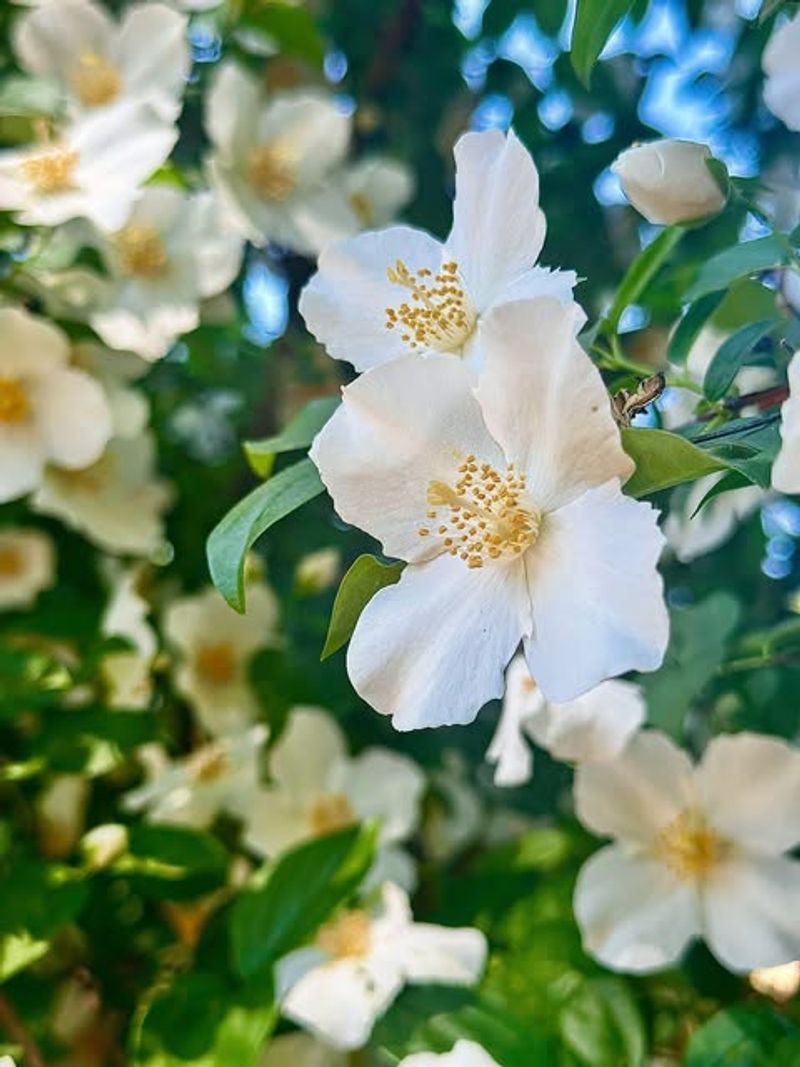
If you have ever walked past a blooming mock orange shrub after a Pennsylvania rain and thought someone nearby was slicing fresh oranges, you are not imagining things. Mock orange earns its name from the citrusy, almost tropical fragrance its white flowers produce.
During damp weather, that scent becomes especially noticeable, drifting far beyond the shrub itself.
Its citrus-like fragrance becomes particularly strong during wet and humid conditions. Rain seems to amplify the essential oils in the blossoms, releasing waves of sweet, fruity scent into the surrounding air.
In Pennsylvania, where early summer often brings warm rains, mock orange blooms at exactly the right time to take full advantage of the moisture.
Mock orange is a deciduous shrub that grows well throughout Pennsylvania. It is tough, adaptable, and handles both cold winters and hot summers with ease.
Plant it in full sun to partial shade in well-drained soil, and it will reward you with clusters of white, four-petaled flowers every June. Once established, it needs very little attention.
Popular varieties like Snowbelle and Natchez offer particularly strong fragrance and compact growth habits, making them good choices for smaller yards.
Larger varieties can reach eight feet tall and wide, so they work well as privacy screens or background plantings in bigger spaces.
Pruning mock orange right after it blooms each year keeps the shrub looking tidy and encourages more flowers the following season. Plant it near a window or outdoor seating area to enjoy that unforgettable citrus scent every time it rains across Pennsylvania.