7 Flowers That Keep Blooming In Pennsylvania After Spring Flowers Fade Away
Spring in Pennsylvania puts on a genuinely impressive show, and then it ends. The tulips finish, the bleeding hearts fade back, the early perennials wrap up their performance, and suddenly the garden that looked so full and colorful a few weeks ago has hit a lull that catches a lot of gardeners off guard every single year.
It’s one of the most predictable disappointments in the Pennsylvania gardening calendar, and it’s almost entirely avoidable with the right plant choices.
The secret to keeping a Pennsylvania garden colorful after spring is building in plants that are specifically timed to pick up where the early bloomers leave off.
Not plants that bloom in spite of the warmer temperatures that follow spring, but ones that genuinely hit their stride as conditions shift and carry the garden’s color story forward through summer and into fall.
These are the flowers that make sure the show in your Pennsylvania garden never really stops.
1. Coneflower
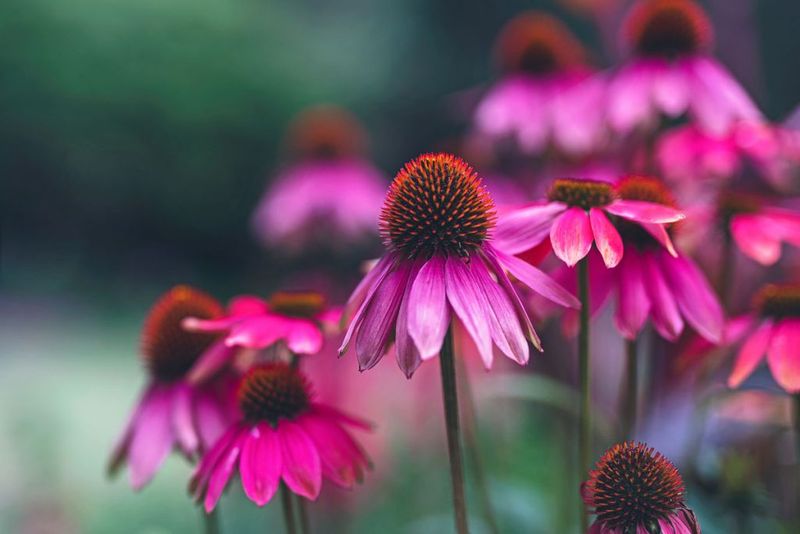
Few flowers earn their place in a Pennsylvania garden quite like the coneflower. Bold, cheerful, and tough as nails, coneflowers start blooming in early summer and just keep going, often producing fresh flowers well into September.
That kind of staying power is hard to beat. Coneflowers, also known by their botanical name Echinacea, come in shades of purple, pink, orange, yellow, and white.
The classic purple variety is the most popular, and it looks stunning growing along fences, in raised beds, or mixed into wildflower patches.
They grow well in full sun and tolerate the heat and humidity that Pennsylvania summers are known for.
One of the best things about coneflowers is how much wildlife they attract. Bees, butterflies, and even goldfinches love them.
If you leave the seed heads standing after blooming, birds will visit throughout fall and winter looking for a snack. That makes coneflowers a gift that keeps on giving long after summer ends.
Planting coneflowers is straightforward. They prefer well-drained soil and do not need much fertilizer.
Once established, they are drought-tolerant, which means less watering during dry Pennsylvania summers. They also spread slowly over time, so one small planting can grow into a fuller patch year after year.
Deadheading spent blooms encourages more flowers, but it is completely optional. Even without deadheading, coneflowers keep producing new blooms throughout the season.
For a low-effort, high-reward flower in Pennsylvania, coneflowers are absolutely worth growing.
2. Black-Eyed Susan
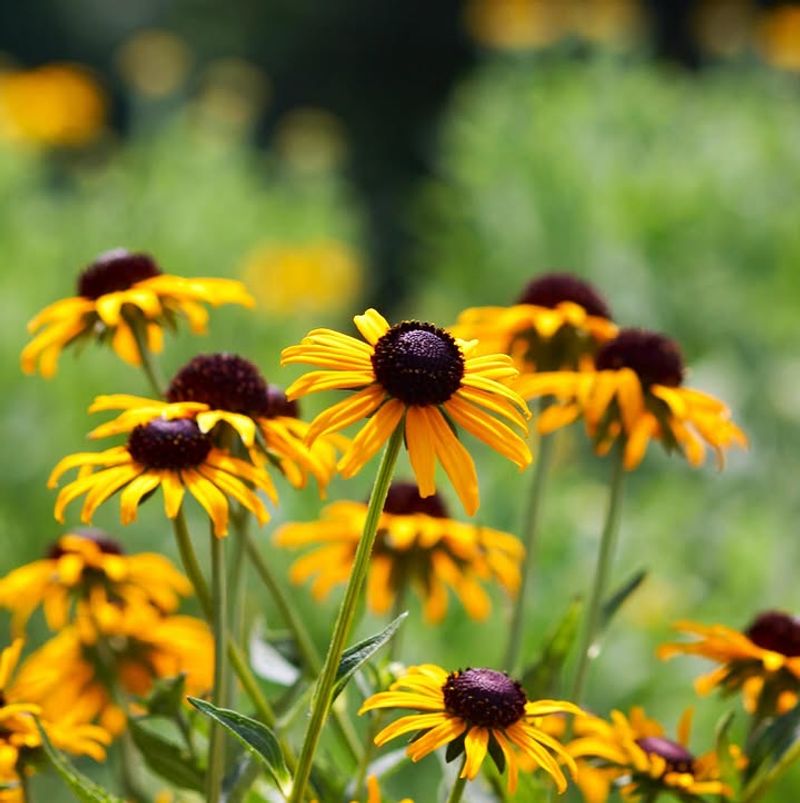
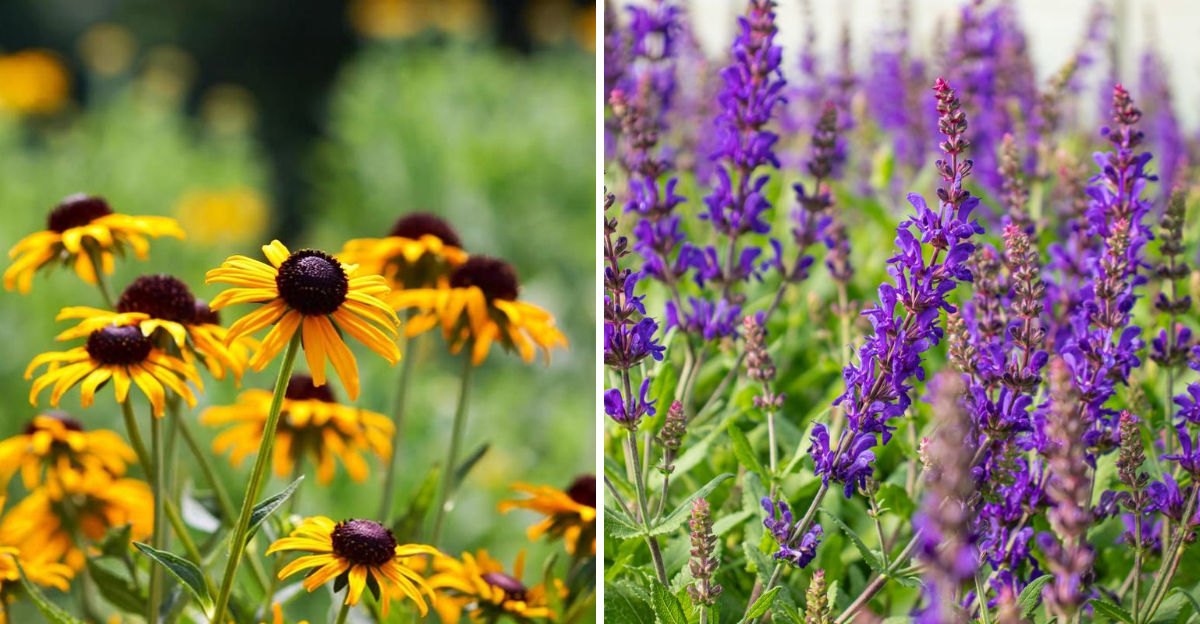
If there is one flower that practically screams summer in Pennsylvania, it is the Black-Eyed Susan. Those cheerful yellow petals surrounding a dark brown center are impossible to miss, and they pop up all over the state from roadsides to formal garden beds.
They bloom from late June through September, right when many spring flowers have already called it quits.
Black-Eyed Susans love the sun and thrive in the kind of hot, humid weather that Pennsylvania summers often deliver. They grow best in well-drained soil and do not need much extra water once they are established.
Your Pennsylvania Garden Changes Every Week. Your Plan Should Too.
Gardening in Pennsylvania changes quickly throughout the season. Every Friday you’ll receive a simple weekly plan showing exactly what to plant, prune, fertilize, harvest, and protect so you never miss the right timing.
Compared to many other flowers, they are remarkably forgiving, making them a great choice for beginner gardeners.
These flowers are native to North America, which means they evolved to handle the local climate without much fuss. Their deep root systems help them survive dry spells, and they come back year after year as perennials.
That means you plant them once and enjoy them for many seasons to come. Pollinators absolutely love Black-Eyed Susans. Bees, butterflies, and skippers flock to them throughout the summer months.
Planting a generous patch near a vegetable garden can even help boost your harvest by bringing in more pollinators.
For the best results, plant Black-Eyed Susans in a spot that gets at least six hours of direct sunlight each day. Deadhead spent blooms to encourage more flowers, or let them go to seed so birds can enjoy them. Either way, you win.
3. Coreopsis
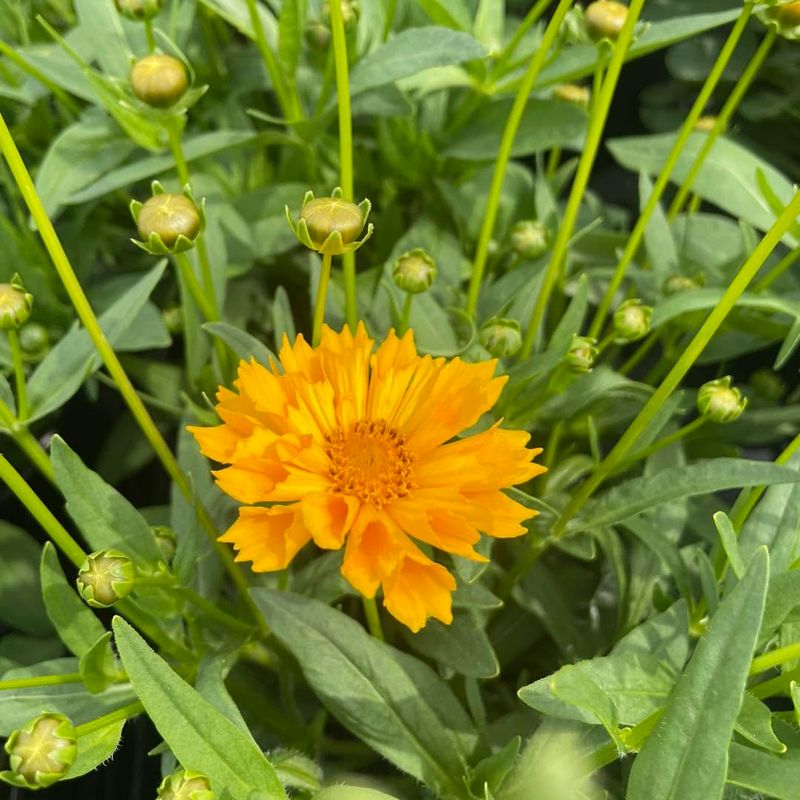
Gardeners who want color without constant work should get to know Coreopsis right away. Sometimes called tickseed, this cheerful yellow flower is one of the most reliable bloomers you can grow in Pennsylvania.
Once the temperatures climb, Coreopsis shifts into high gear and produces nonstop flowers with very little help from you.
Coreopsis grows well in full sun and tolerates poor, dry soil better than most flowers. That makes it a smart choice for spots in your yard where other plants struggle.
Along driveways, on sunny slopes, or in containers on a hot patio, Coreopsis handles it all without complaint. It typically starts blooming in late spring and keeps going strong through summer and into early fall.
One fun fact about Coreopsis: it was named the state wildflower of Florida, but it thrives just as beautifully in Pennsylvania gardens. The thread-leaf varieties are especially popular because their fine, feathery foliage adds texture even when the plant is not in full bloom.
Colors range from bright yellow to golden orange and soft pink, giving gardeners plenty of options.
Regular deadheading keeps Coreopsis looking tidy and encourages even more blooms. Simply pinch or snip off the faded flowers every week or so during peak season.
It only takes a few minutes but makes a big difference in how long the plant keeps flowering.
Coreopsis also attracts butterflies and bees, adding extra life and movement to your Pennsylvania garden all summer long. It is a true workhorse of the warm-weather garden.
4. Bee Balm
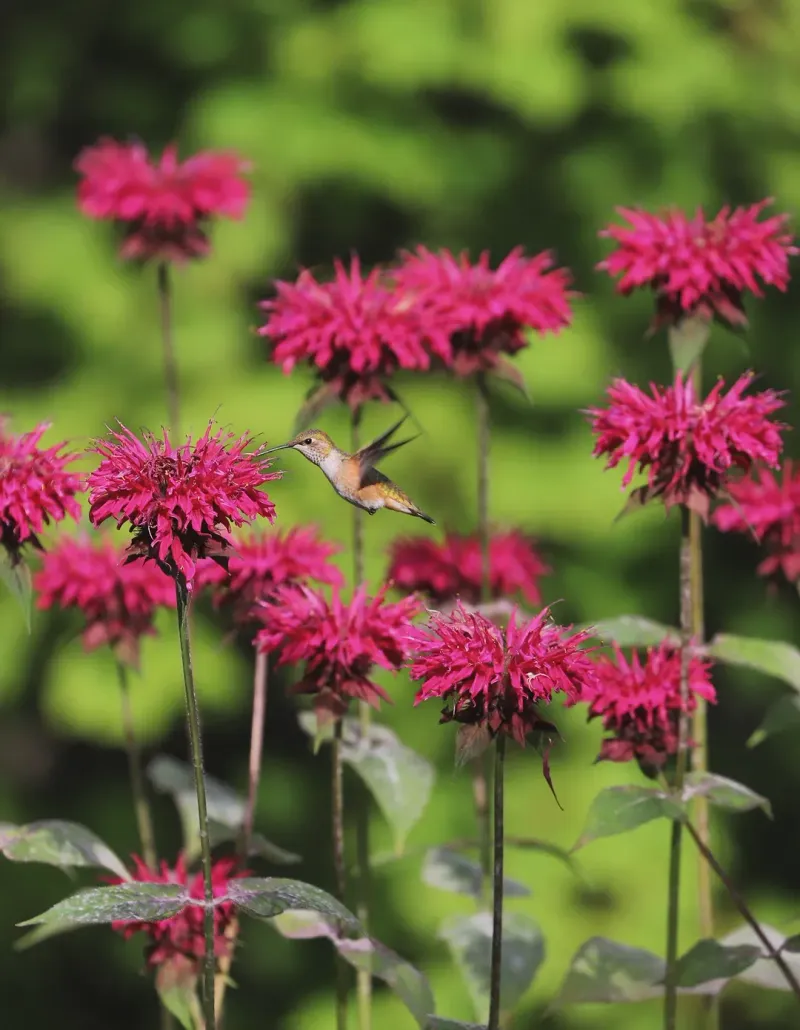
Walk past a patch of Bee Balm on a warm Pennsylvania afternoon and you will quickly understand how it got its name.
The spiky, wildly colorful blooms act like a magnet for bees, butterflies, and hummingbirds. Few plants bring as much movement and life to a summer garden as this one does.
Bee Balm, also known as Monarda, is a native North American plant that blooms from July through August in Pennsylvania. It produces clusters of tubular flowers in shades of red, pink, purple, and white.
The red varieties are especially popular for attracting hummingbirds, which use their long beaks to reach the nectar inside each small bloom. Planting Bee Balm near a window or patio gives you a front-row seat to all that activity.
Beyond its beauty, Bee Balm has a long history of practical uses. Native American tribes used it as a medicinal herb, and its leaves have a pleasant minty, citrusy scent when crushed.
The leaves can even be used to make a fragrant herbal tea. That combination of beauty and usefulness makes it a standout choice for any Pennsylvania garden.
Bee Balm grows best in moist, well-drained soil and prefers full sun to partial shade. It spreads over time, so give it a little room to expand.
To prevent powdery mildew, a common issue in humid Pennsylvania summers, look for mildew-resistant varieties like Jacob Cline or Marshall’s Delight.
Cutting back spent flower heads encourages a second round of blooms later in the season, stretching the color show even further into late summer.
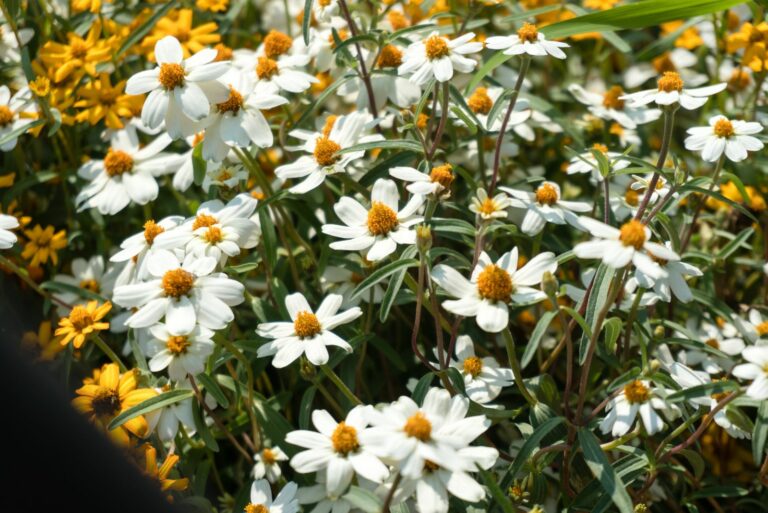
5. Zinnia
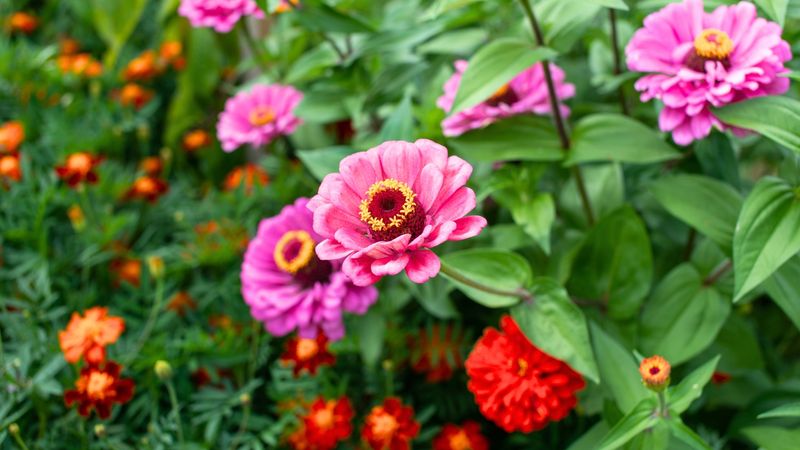
Zinnias are the kind of flower that makes you feel like summer is in full swing. Their bold, round blooms come in almost every color imaginable, and they just keep coming from early summer all the way until the first frost hits Pennsylvania in fall.
No other annual matches that kind of long-running performance. Unlike many flowers that slow down in the heat, Zinnias actually love hot weather. They are one of the few plants that genuinely perform better when Pennsylvania summers turn scorching.
Plant them in a sunny spot with well-drained soil, water them at the base to keep the leaves dry, and they will reward you with weeks upon weeks of blooms.
The secret to keeping Zinnias blooming nonstop is regular deadheading. When a flower fades, snip it off just above a set of leaves.
Within a week or two, new buds will form in its place. Keep up with this simple routine and your Zinnia plants will stay covered in flowers all season long.
Zinnias are also one of the easiest flowers to grow from seed. Direct sow them into the garden after the last frost date in Pennsylvania, which is usually around mid-May depending on your region.
They sprout quickly and reach blooming size in about eight weeks. That fast growth makes them a great choice for filling in gaps in the garden.
Butterflies adore Zinnias, especially the larger-flowered varieties. Planting a wide row of mixed colors creates a butterfly buffet that adds extra charm to any Pennsylvania yard all summer long.
6. Salvia
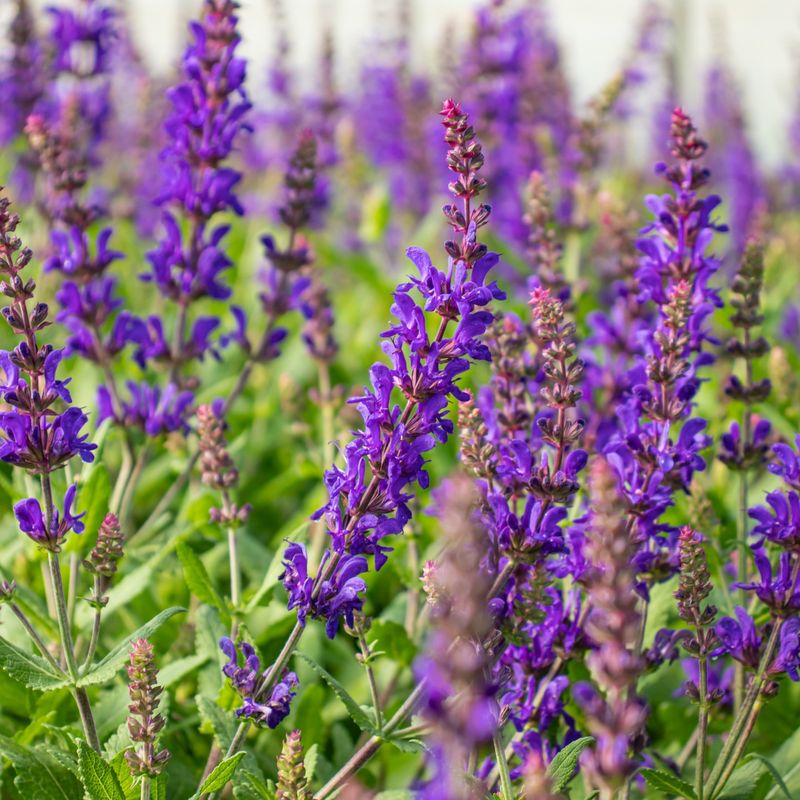
Some flowers struggle when Pennsylvania summers turn hot and dry. Salvia is not one of them.
This reliable, spike-flowered plant handles summer heat with ease and keeps producing blooms for months on end without much fuss. Gardeners who have dealt with fading flowers in July and August quickly learn to appreciate just how dependable Salvia really is.
Salvia comes in both annual and perennial forms, giving Pennsylvania gardeners options for every type of garden. Annual Salvia, like the bright red Victoria Blue or the deep blue Black and Blue variety, blooms from late spring through frost.
Perennial Salvias, such as May Night and East Friesland, come back every year and bloom heavily in early summer with a possible repeat show in fall if cut back after the first flush.
The tall, elegant flower spikes come in shades of blue, purple, red, pink, and white. Blue and purple varieties are especially popular because those colors are less common in the summer garden, making them stand out beautifully against bright yellow or orange companions like Coreopsis or Zinnias.
Hummingbirds and bees are frequent visitors to Salvia flowers, drawn in by the nectar-rich blooms. Planting a mix of Salvia varieties near a seating area turns any Pennsylvania porch or patio into a lively nature spot throughout the summer months.
Salvia grows best in full sun and well-drained soil. It handles drought conditions better than many plants, which makes it a smart, low-maintenance choice for busy gardeners across the state who want reliable summer color without constant watering.
7. Shasta Daisy
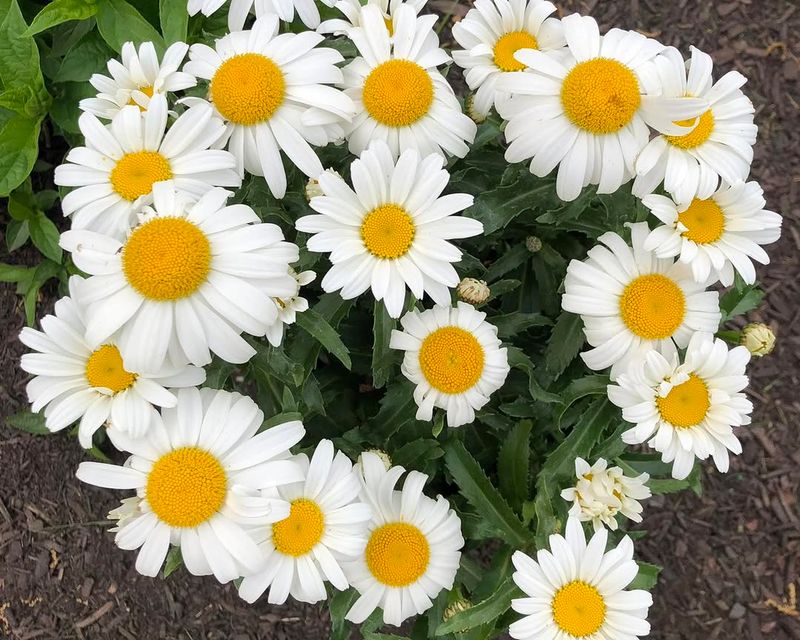
There is something timeless and cheerful about a Shasta Daisy. Those crisp white petals surrounding a sunny yellow center have a classic look that never goes out of style, and they fit beautifully into any Pennsylvania garden from casual wildflower patches to more formal flower beds.
Best of all, they bloom generously through the heat of summer when many other white flowers have already faded.
Shasta Daisies are perennials, which means they come back year after year once established. They typically start blooming in June and continue producing flowers through August, sometimes even into September depending on the weather.
Each plant can produce dozens of blooms over the course of the season, creating a bright, eye-catching display for weeks at a time.
These daisies grow best in full sun and well-drained soil. They can handle the warm, humid summers that are common across Pennsylvania, though good air circulation helps prevent foliar issues.
Dividing the clumps every two to three years keeps the plants vigorous and encourages even more blooms each season.
Deadheading is the key to keeping Shasta Daisies blooming at their best. Removing spent flowers regularly prevents the plant from putting energy into seed production and redirects it into making more blooms instead.
A light trim after the first main flush of flowers can also encourage a second round of blooming later in the season.
Butterflies and bees visit Shasta Daisies regularly, adding extra life to the garden. For a clean, bright look that holds up all summer long in Pennsylvania, Shasta Daisies are a dependable and beautiful choice.