The Reasons Why Every Pennsylvania Garden Needs A Sage Bush
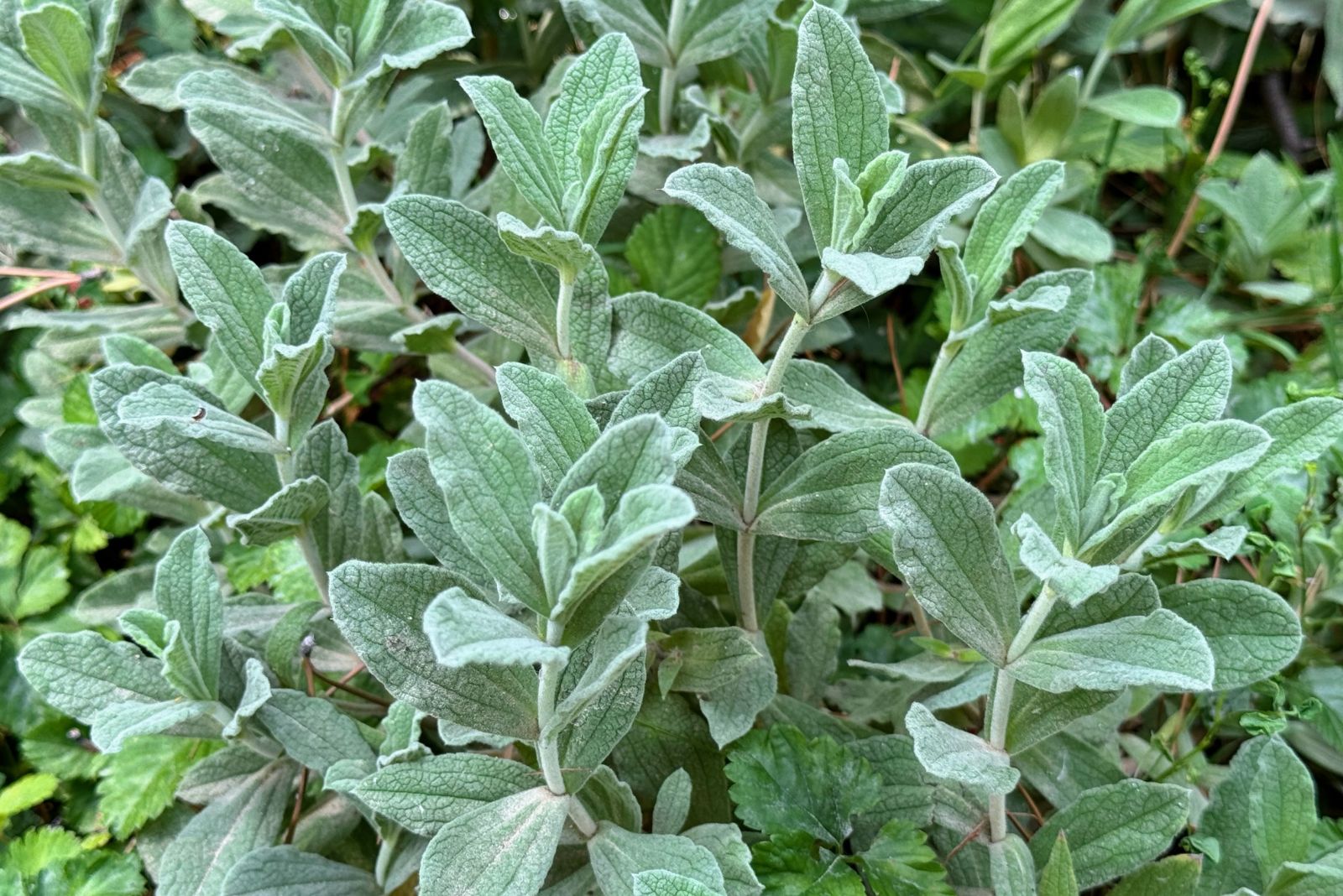
Sage doesn’t get nearly the attention it deserves in Pennsylvania gardens, and that’s honestly a little baffling once you understand what this plant actually brings to the table.
It sits in the herb section at most nurseries, gets picked up occasionally by people who want fresh leaves for cooking, and rarely gets considered as a serious landscape plant despite having qualities that would make it a standout in almost any garden setting.
The reality is that sage behaves like a plant that was specifically designed for Pennsylvania conditions.
It handles the cold winters without complaint, comes back reliably each spring, tolerates periods of dry weather that stress other plants, and produces some of the most beautifully textured and colored foliage you can find in a low-maintenance shrub.
The flowers it puts out are a bonus that pollinators go genuinely crazy for. Once you see everything sage brings to a Pennsylvania garden, the only real question is why you waited this long to plant one.
1. Sage Is Easy To Grow
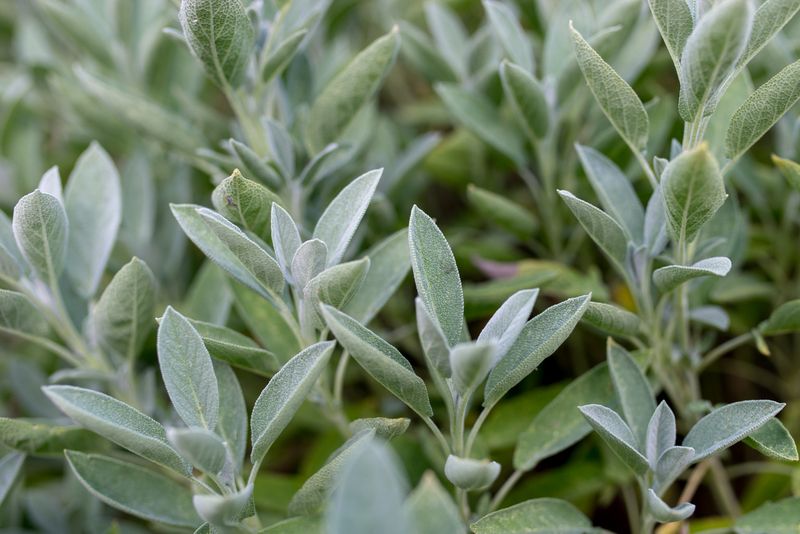
Gardening can feel overwhelming, especially when plants refuse to cooperate with Pennsylvania’s wild weather swings. Sage is not one of those plants.
From the humid summers of Philadelphia to the cooler mountain regions of central Pennsylvania, sage adapts without much fuss.
Once you plant sage in a sunny spot with decent drainage, it pretty much takes care of itself. It does not need rich soil or constant attention.
In fact, sage actually prefers soil that is a little lean, meaning you do not need to load it up with fertilizer or special amendments.
Sage grows best in full sun, so pick a spot that gets at least six hours of sunlight daily. Plant it in spring after the last frost, which in most parts of Pennsylvania falls between late April and mid-May.
Within a few weeks, you will see strong, sturdy growth forming. One of the best things about sage is how forgiving it is for beginners. Forget to water it for a few days? No big deal. Plant it in slightly rocky soil?
It will still thrive. Even Pennsylvania’s cold winters do not bother most varieties, especially common garden sage, which is reliably cold-hardy in Zones 5 and 6 where much of the state falls.
Gardeners across Pennsylvania have discovered that sage is one of the most rewarding plants to grow. It looks beautiful, smells amazing, and asks for very little in return.
For anyone looking to add something both practical and attractive to their garden, sage is truly a no-brainer choice.
2. Drought-Tolerant After Establishment
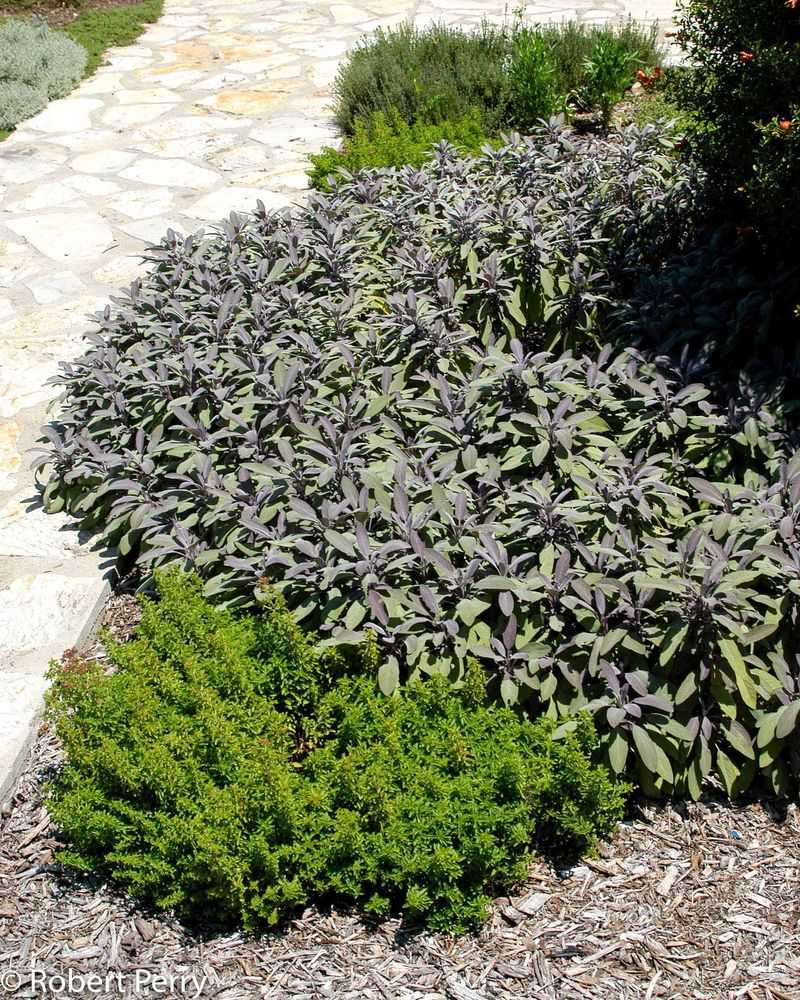
Pennsylvania summers can surprise you. One week you are dealing with heavy rainstorms, and the next you are watching your lawn turn brown under a blazing July sun. Many plants struggle during these dry stretches, but sage handles them with ease.
After sage gets established in your garden, usually within its first growing season, it becomes remarkably drought-tolerant. Its roots dig deep into the soil, seeking out moisture that other shallow-rooted plants simply cannot reach.
Your Pennsylvania Garden Changes Every Week. Your Plan Should Too.
Gardening in Pennsylvania changes quickly throughout the season. Every Friday you’ll receive a simple weekly plan showing exactly what to plant, prune, fertilize, harvest, and protect so you never miss the right timing.
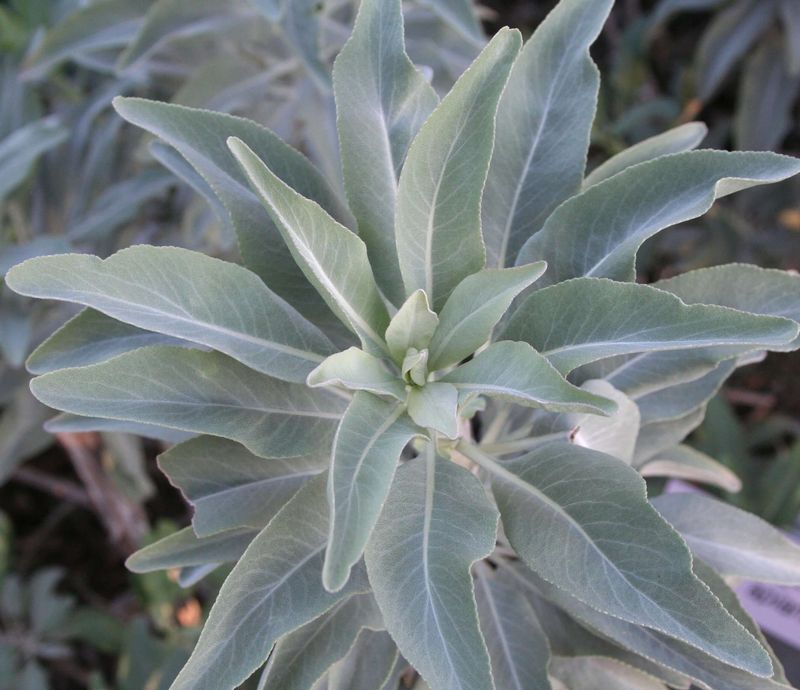
Those fuzzy, silvery-gray leaves also help by reflecting sunlight and reducing water loss. During dry spells, most Pennsylvania gardeners find they barely need to water their sage at all.
While vegetable gardens and flower beds may need daily watering in August heat, a mature sage bush can go a week or more without a drop and still look perfectly healthy. That saves time, effort, and money on your water bill.
This drought-resistant quality makes sage especially valuable in parts of Pennsylvania that experience summer water restrictions.
Communities in the southeastern part of the state, including areas around Lancaster and Harrisburg, sometimes face dry conditions that stress traditional garden plants. Sage breezes right through those conditions.
Did you know sage is native to the Mediterranean region? That warm, dry climate shaped sage into the tough, water-smart plant it is today.
When you plant it in a Pennsylvania garden, you are bringing centuries of natural resilience right to your backyard. For gardeners who want beauty without constant babysitting, sage delivers exactly that, even when the rain decides to take a long vacation.
3. Naturally Repels Some Garden Pests
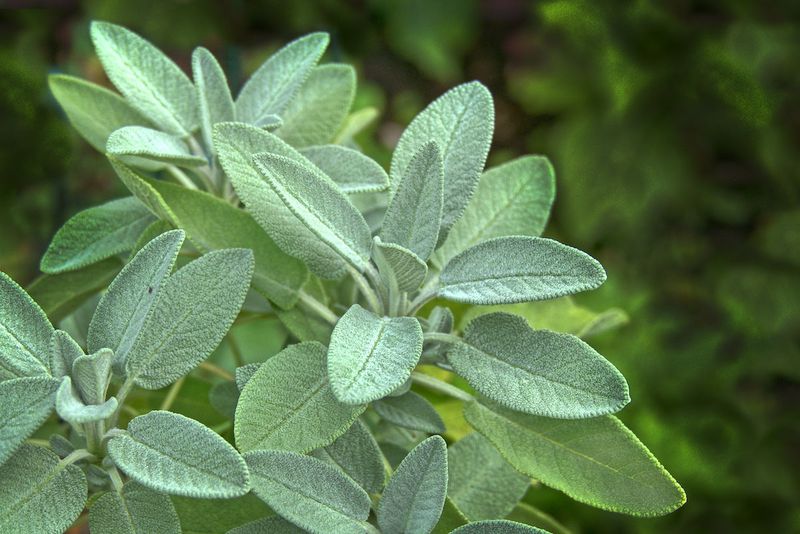
Walk past a sage bush and you will immediately notice that bold, earthy scent that clings to your fingers. Gardeners love it.
Many common garden pests, however, absolutely cannot stand it. That powerful aroma is one of sage’s secret weapons in the garden.
Sage contains natural oils, including thujone and camphor, that create a scent barrier around your garden beds. Cabbage moths, carrot flies, and certain beetles tend to steer clear of areas where sage is growing nearby.
Planting sage close to your vegetables is a smart, chemical-free way to add an extra layer of protection to your crops.
Pennsylvania gardeners who grow cabbage, broccoli, and kale have long used companion planting strategies to protect their crops.
Tucking a sage plant near these brassicas can help reduce the number of cabbage white butterflies that lay eggs on the leaves. Fewer eggs mean fewer hungry caterpillars munching through your hard work.
Sage also has a reputation for deterring slugs, which are a real problem in the wetter parts of Pennsylvania, especially in the western regions near Pittsburgh where summer rainfall tends to be higher.
While sage is not a guaranteed solution, it adds a natural deterrent that works alongside other garden practices.
Best of all, you are not spraying anything harmful into your garden. No chemicals, no residue, no worries about what ends up on your food.
Sage simply does what it has always done, growing strong and fragrant while quietly helping protect the plants around it. For Pennsylvania gardeners who prefer organic methods, sage is a genuine garden ally worth having around.
4. Attracts Pollinators
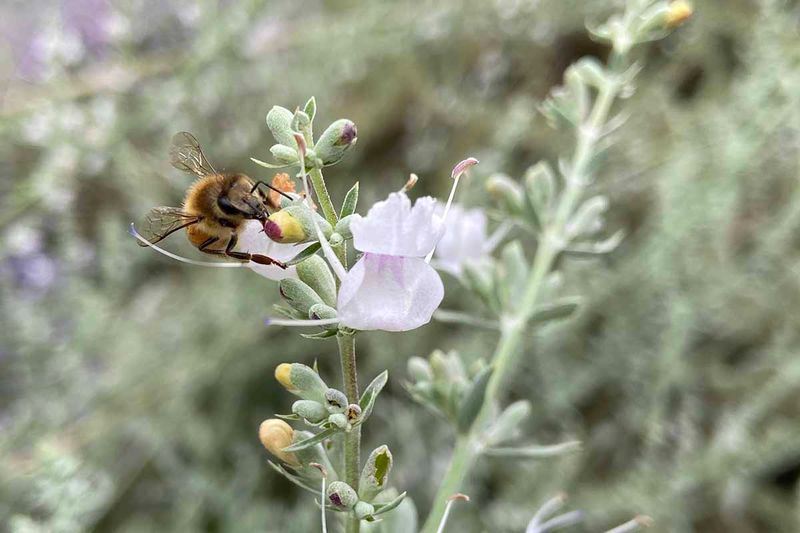
Every spring and early summer, something magical happens when a sage bush starts to bloom. Tall spikes of purple, tubular flowers shoot up from the plant, and within days, bees arrive in droves.
If you have ever wanted to turn your Pennsylvania garden into a buzzing, lively ecosystem, planting sage is one of the easiest ways to do it.
Bees are wild about sage blossoms. Both honeybees and native bumblebees flock to the flowers, drawn in by the rich nectar inside those deep purple tubes.
Pennsylvania is actually home to over 400 native bee species, and many of them benefit directly from flowering herbs like sage. Supporting these pollinators in your own backyard matters more than most people realize.
Beyond bees, sage flowers also attract hummingbirds, especially in rural and suburban parts of central and western Pennsylvania where these tiny birds pass through during migration.
Watching a hummingbird hover over a sage bloom is a genuinely delightful garden moment that never gets old.
Butterflies are frequent visitors too. Species like the Eastern Tiger Swallowtail and the Cabbage White butterfly both enjoy sage flowers, adding splashes of color to your garden throughout the warmer months.
The more pollinators you attract, the better your entire garden performs, since these insects help fertilize your vegetables and flowers.
Planting sage is essentially like putting out a welcome mat for the entire local pollinator community.
In a time when pollinator populations are under pressure across the country, including right here in Pennsylvania, every garden plant that supports bees and butterflies truly counts. Sage makes that contribution effortlessly and beautifully.
5. Great For Cooking
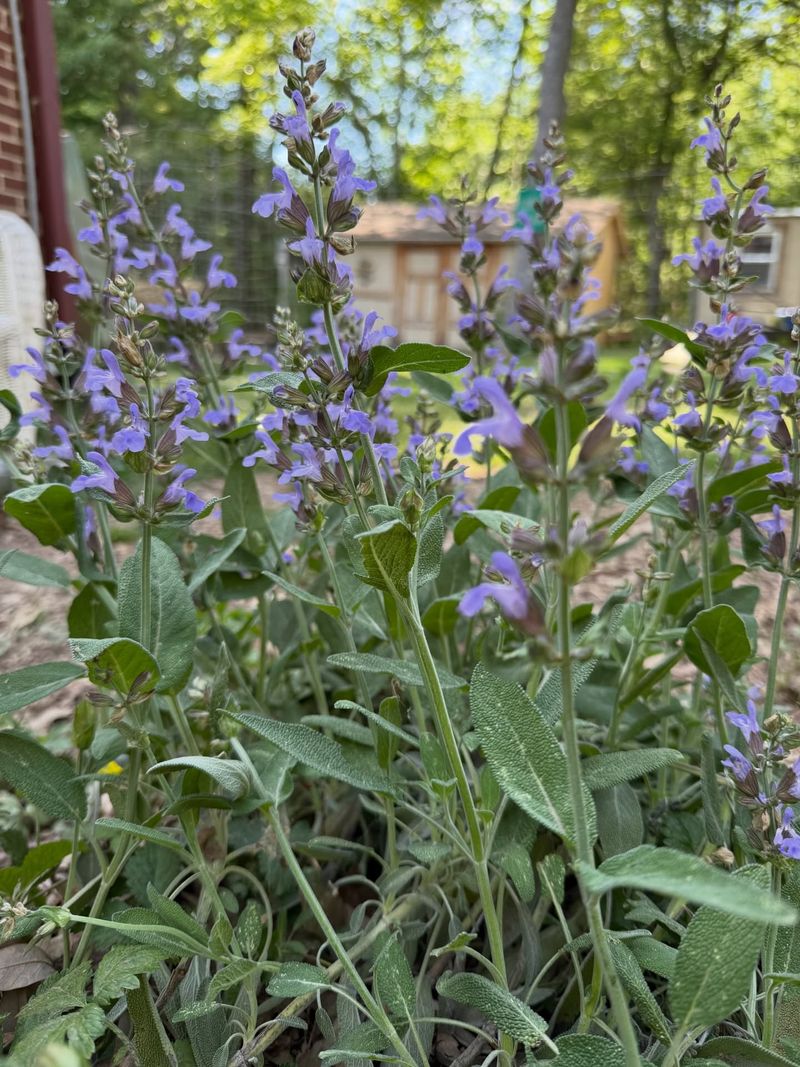
There is something deeply satisfying about walking out to your garden, snipping a few fresh sage leaves, and bringing them straight into the kitchen.
No grocery store run, no wilted herbs from a plastic clamshell package. Just fresh, fragrant sage picked at its peak.
Sage has a bold, slightly peppery, and earthy flavor that works beautifully in a wide range of recipes. Brown butter sage sauce is a classic that pairs perfectly with pasta, gnocchi, or roasted squash.
Chopped fresh sage tucked under the skin of a roasted chicken adds incredible depth of flavor. Even a few leaves fried quickly in olive oil become a crispy, flavorful garnish that elevates simple dishes.
Pennsylvania has a rich food culture with deep German and Italian roots, and sage fits right into many traditional recipes from both traditions. Sausage stuffing, pork roasts, and bean soups all benefit from a handful of fresh sage.
Growing your own means you always have it on hand, especially in fall when sage is at its most flavorful.
Fresh sage is far more potent than the dried version you find in a spice jar. A few fresh leaves can replace a much larger amount of dried herb, which means your garden plant stretches a long way in the kitchen.
You can also freeze or dry excess sage at the end of the season to enjoy all winter long.
Having a sage bush in your Pennsylvania garden essentially gives you a free, renewable ingredient that makes everyday cooking taste noticeably better. For food lovers and home cooks, that alone is reason enough to plant one today.
6. Low Maintenance And Long-Lasting
Some plants demand constant attention. They need fertilizing every few weeks, careful watering schedules, and endless pruning just to stay alive.
Sage is nothing like that. Once it settles into your Pennsylvania garden, it basically runs itself, and it keeps doing so year after year.
Sage is a perennial plant, meaning it comes back every spring without needing to be replanted. In most parts of Pennsylvania, including the colder northern counties and the milder southeastern regions, common sage survives winter just fine.
When spring arrives, new growth pushes out from the woody base, and the plant looks fresh and full again.
Pruning sage is simple and quick. Once a year, right after it finishes blooming in early summer, trim it back by about a third to keep it tidy and encourage bushy new growth.
That is really all the maintenance it needs. No complex care routines, no special winter protection in most cases, just a quick trim and you are done.
A well-planted sage bush can thrive for five to ten years or even longer with basic care. That makes it an incredibly cost-effective addition to any Pennsylvania garden.
Buy one plant, and it rewards you with beauty, fragrance, and fresh herbs for a decade or more.
For busy homeowners across Pennsylvania, from the suburbs of Pittsburgh to the countryside of York County, sage offers something rare in gardening: real, lasting value without demanding much back.
It grows strong, looks good through multiple seasons, and never really asks for much. If you want a plant that works hard and stays loyal, sage is exactly that kind of garden companion.