Why Arizona Gardeners Are Growing Lemongrass In Pots This Time Of Year
Arizona evenings start feeling very different around this time of year. Patio lights stay on longer, windows open more often, and suddenly people start paying much closer attention to what is growing near seating areas, walkways, and backyard corners.
Lemongrass keeps showing up in more pots once the weather shifts because it handles Arizona heat surprisingly well while also doing something many common patio plants simply do not.
Tall green stalks grow fast, containers fill out quickly, and the fresh citrus smell becomes hard to ignore once the plant settles in properly.
One healthy pot near a patio chair or doorway can end up becoming far more useful than people expected when they first planted it.
1. Lemongrass Is Often Grown In Pots To Help Repel Mosquitoes

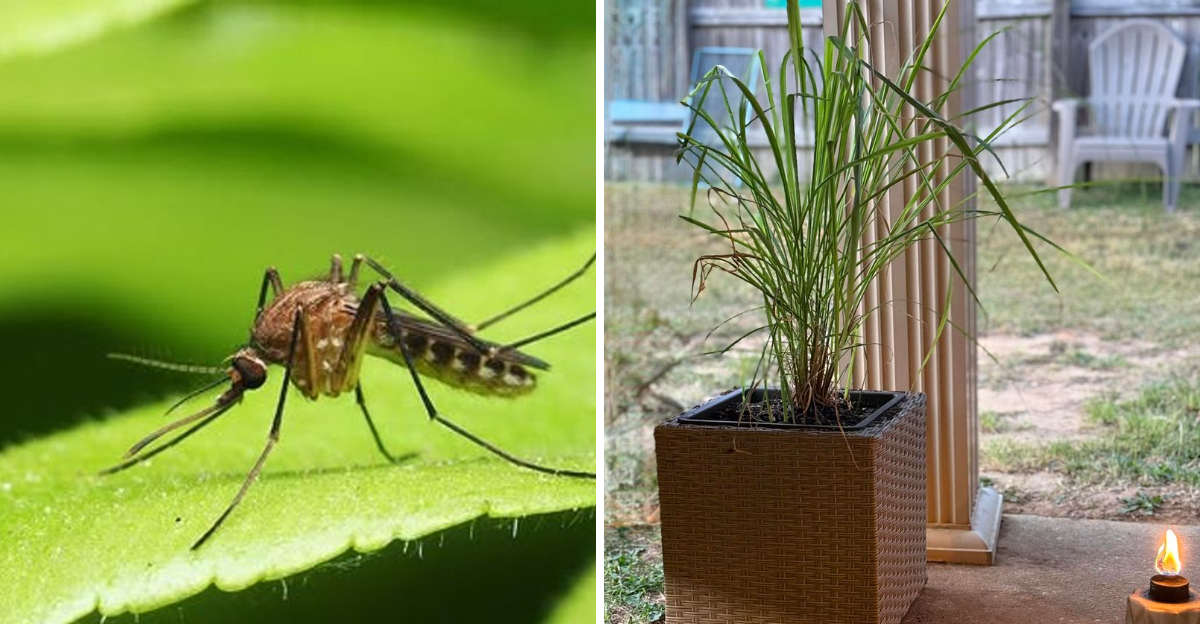
Mosquitoes in Arizona get aggressive fast, especially once the summer monsoon moisture rolls in. Lemongrass contains a natural oil called citronella, which is the same compound used in many commercial bug repellents.
Placing pots of lemongrass near seating areas, doorways, or patios can help reduce how many mosquitoes hang around your outdoor space.
Pot placement matters a lot here. When you grow lemongrass in containers, you can move the pots exactly where you need them most.
If you are hosting a backyard dinner or sitting outside in the evening, slide the pot closer to where people gather. That kind of flexibility is hard to get with plants stuck in the ground.
Brushing against the leaves releases more of the citronella scent, so placing pots where people will naturally walk past them adds an extra layer of protection. Some Arizona gardeners keep two or three pots in different spots around the yard and rotate them based on where they spend the most time.
Worth noting: lemongrass is not a guaranteed mosquito solution on its own. It works best as one part of a broader approach, not a complete replacement for other protective measures.
2. Large Pots Help Lemongrass Grow Stronger Root Systems
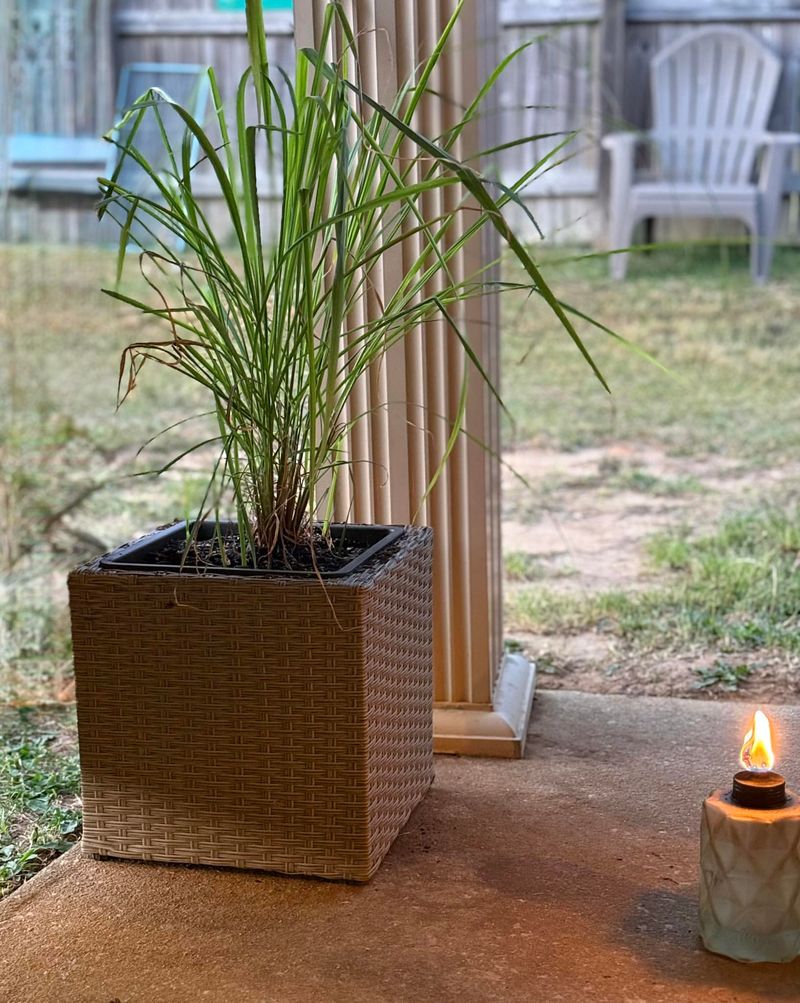
Lemongrass roots spread out wide and go deep when given the room to do it. In Arizona, where summer temperatures can push past 110 degrees, a cramped root system has a much harder time staying healthy and pulling in enough water.
Giving the plant a large container from the start sets it up for stronger, more stable growth.
A container that is at least 15 to 20 inches wide and equally deep is a good target. Smaller pots restrict root expansion and cause the plant to get rootbound quickly, which slows growth and leads to thinner, weaker stalks.
When roots have space, the whole plant performs better above ground too.
Arizona summers are not forgiving, and a cramped pot heats up faster and dries out more quickly than a larger one. More soil volume means more moisture retention and more insulation around the roots during those brutal afternoon heat spikes.
Larger pots also tend to stay more temperature-stable throughout the day.
Gardeners across the Phoenix and Tucson areas have noticed that lemongrass planted in bigger containers tends to produce thicker clumps with taller stalks compared to plants left in smaller starter pots.
Your Arizona Garden Changes Every Week. Your Plan Should Too.
Gardening in Arizona changes quickly throughout the season. Every Friday you’ll receive a simple weekly plan showing exactly what to plant, prune, fertilize, harvest, and protect so you never miss the right timing.
Repotting into a larger container mid-season is possible but a little disruptive, so starting big saves the hassle.
3. Full Sun Keeps Lemongrass Growing Thick And Healthy
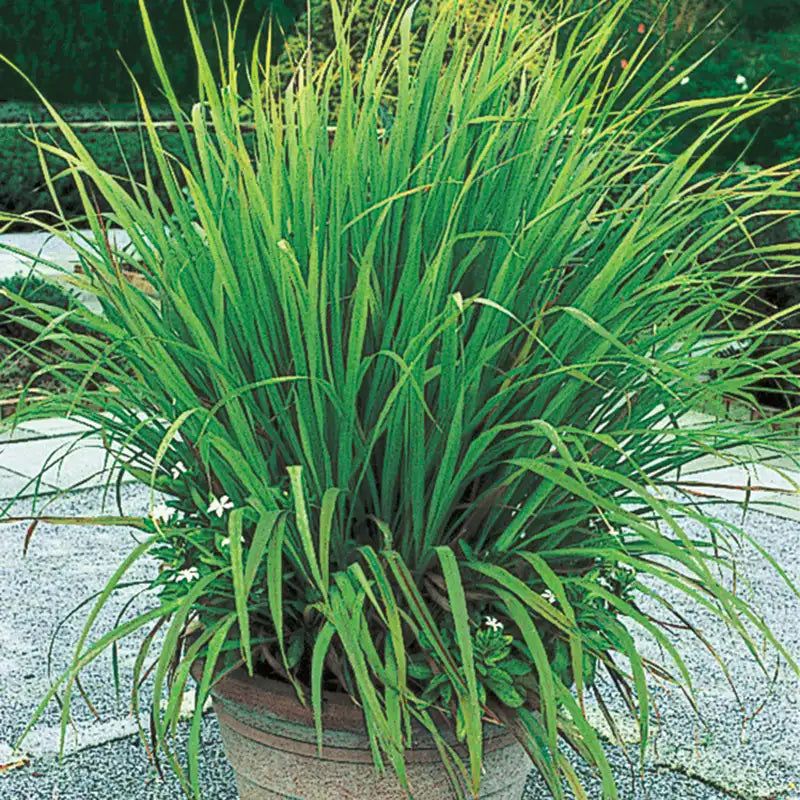
Lemongrass is a tropical plant that genuinely loves heat and sunlight, which makes Arizona one of the better places in the country to grow it. Six to eight hours of direct sun each day is the sweet spot, and in most parts of Arizona that is easy to hit without any extra effort.
Full sun exposure drives faster growth and produces thicker, more flavorful stalks.
Shaded spots tend to produce leggy, pale plants that lean toward whatever light they can find. Lemongrass grown in too much shade stays thin, grows slowly, and does not develop the same strong citrus aroma that makes it useful in the kitchen or around the yard.
Arizona has plenty of sun to go around, so there is rarely a reason to shortchange the plant on light.
One thing to keep in mind during peak summer in places like Phoenix or Yuma is that extreme afternoon heat combined with direct sun can stress even sun-loving plants.
Watching the plant during the hottest weeks of summer and providing some light afternoon shade on days above 110 degrees can prevent leaf scorch without sacrificing overall growth.
Morning sun is generally the most beneficial, giving the plant strong light without the brutal late-day intensity.
4. Fast Draining Soil Helps Prevent Soggy Roots In Heat
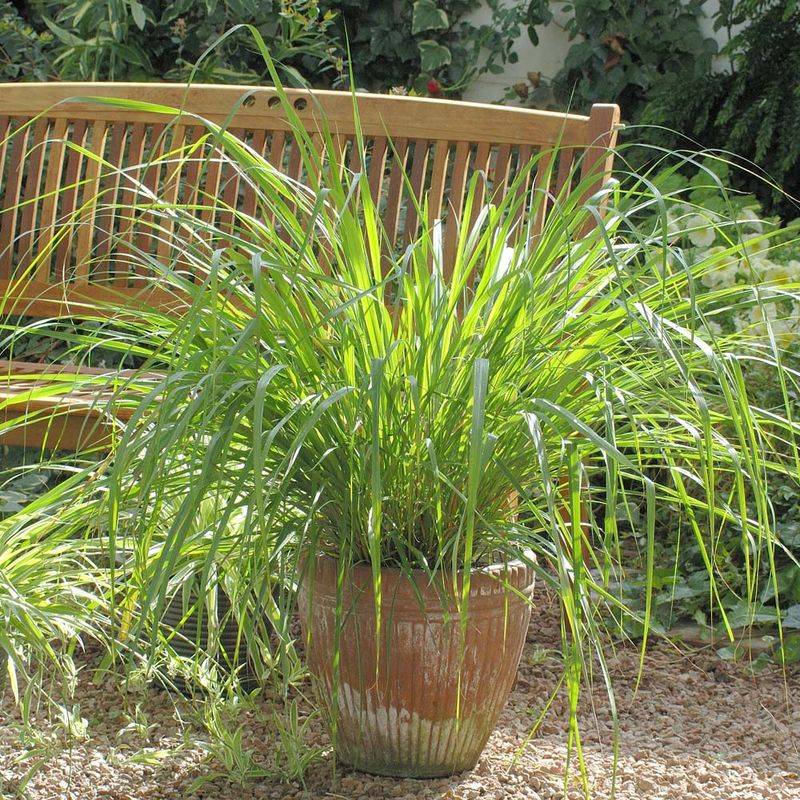
Soggy roots are a real problem in Arizona, especially during monsoon season when unexpected rain can dump several inches of water in just a few hours. Even though lemongrass likes consistent moisture, it absolutely cannot sit in waterlogged soil.
Roots that stay wet for too long in hot conditions break down quickly and stop functioning properly.
A fast-draining potting mix is the right move for container lemongrass in Arizona. A standard potting mix blended with perlite or coarse sand improves drainage significantly.
Aim for a mix that feels loose and gritty rather than dense and heavy, so excess water moves through quickly and air can reach the roots between waterings.
Drainage holes at the bottom of the pot are non-negotiable. Even the best soil mix cannot save a plant sitting in a container that traps water with nowhere to go.
Make sure the holes are large enough and not blocked by compacted soil or a solid surface underneath the pot. Elevating the container slightly on pot feet or bricks helps water escape freely.
5. Deep Watering Encourages Taller And Fuller Growth
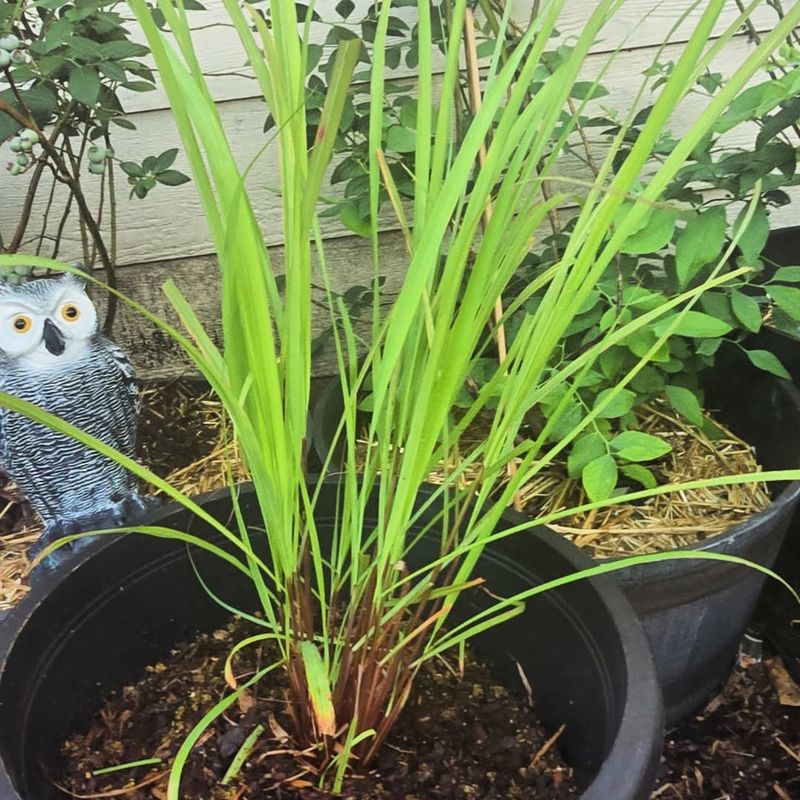
Shallow watering is one of the most common mistakes container gardeners make with lemongrass in Arizona. When only the top inch or two of soil gets wet, the roots stay near the surface instead of pushing downward.
Shallow roots make for a weaker, shorter plant that struggles during dry spells between watering sessions.
Deep watering means soaking the soil all the way through until water runs out of the drainage holes at the bottom. Doing this less frequently is far better than giving the plant a small amount of water every single day.
Letting the top inch of soil dry out between waterings encourages roots to chase moisture deeper into the pot, which builds a stronger root structure over time.
In Arizona summers, lemongrass in pots may need deep watering every two to three days depending on pot size, soil type, and how hot the weather gets. Smaller pots dry out faster and need more frequent attention.
Checking the soil with a finger before watering is a simple habit that prevents both overwatering and underwatering.
Watering in the early morning works best in Arizona. Morning watering gives the plant a full supply of moisture before the intense afternoon heat peaks, and it reduces evaporation loss compared to midday watering.
Evening watering is acceptable but can leave foliage damp overnight, which is less ideal in humid monsoon conditions.
6. Regular Harvesting Helps New Lemongrass Stalks Keep Forming
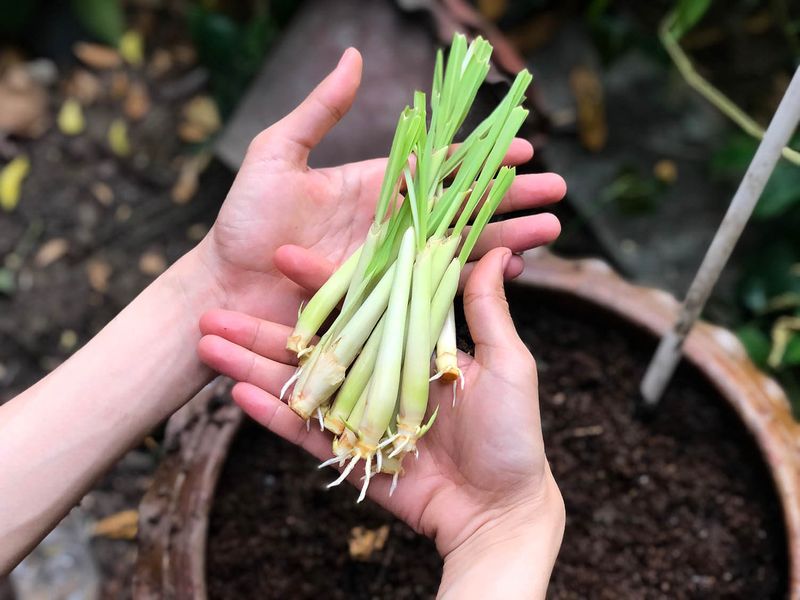
Lemongrass behaves a lot like many clumping grasses in that harvesting actually encourages it to produce more.
When you regularly cut mature stalks from the outside of the clump, the plant redirects energy toward pushing out fresh new growth from the center.
Skipping harvests for too long allows older stalks to crowd the pot and slow down new production.
Stalks are ready to harvest once they reach about a foot tall and feel firm at the base. Gently pull or cut the outer stalks close to the soil line rather than snipping them high up.
Taking from the outside and leaving the inner growth untouched keeps the clump healthy and actively producing throughout the growing season.
Arizona’s long warm season gives lemongrass an extended production window compared to many other states.
Gardeners in the Phoenix metro area and Tucson can often harvest from spring all the way through late fall, making regular cutting a practical and rewarding habit.
Fresh lemongrass from your own pot is noticeably more aromatic than store-bought stalks that have been sitting in cold storage.
Even if you are not cooking with it right away, harvesting keeps the plant productive and prevents it from getting overcrowded. Stalks you are not ready to use can be wrapped and stored in the refrigerator for a couple of weeks, or frozen for longer storage.
Building a simple harvest routine every few weeks makes a real difference in how well your lemongrass performs all season long in Arizona.
7. Trimming Older Stalks Helps Pots Stay Productive Longer
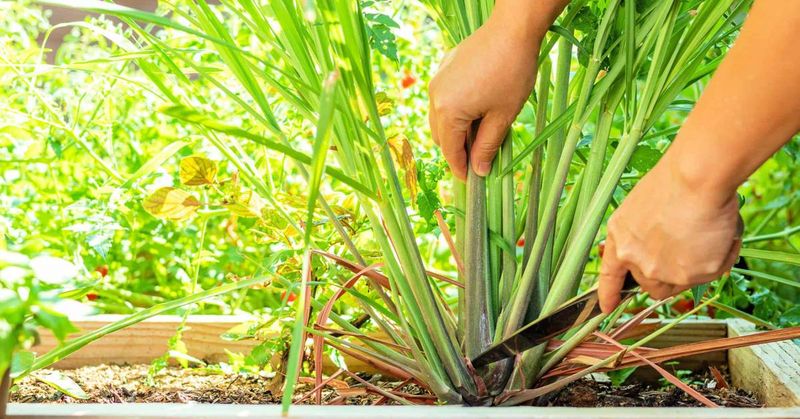
Older lemongrass stalks that turn brown, dry out, or stop producing new growth do not just look untidy. They actively compete with younger growth for space, nutrients, and airflow inside the pot.
Trimming them out regularly keeps the clump from getting choked and gives healthier stalks room to develop properly.
Brown or dried outer stalks should be removed by cutting them close to the base of the plant. Clean cuts with sharp scissors or pruning shears heal faster and reduce the risk of introducing issues to the plant.
Dull blades can crush rather than cut, which leaves ragged tissue that takes longer to recover.
In Arizona, lemongrass can grow rapidly during the warm months, and a pot that looked perfectly manageable in spring can become a dense tangle by midsummer if left untrimmed.
Staying ahead of old growth by doing a light cleanup every three to four weeks prevents the clump from becoming unmanageable and keeps airflow moving through the center of the plant.
Good airflow matters more than many people realize, especially during Arizona’s monsoon season when humidity spikes unexpectedly. Dense, crowded clumps trap moisture against stalks and soil, creating conditions where fungal problems can develop.
Keeping the clump tidy reduces that risk and helps the plant stay vigorous well into fall.