5 Florida Poolside Plants That Cause Fewer Deck And Filter Problems (And 3 To Avoid)
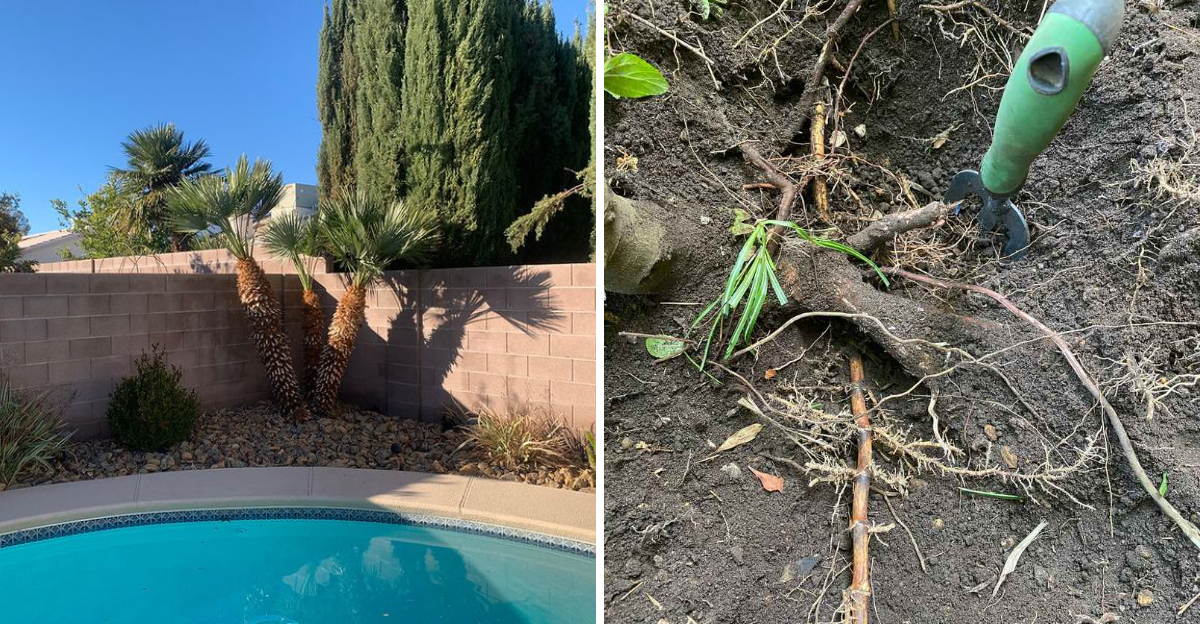
A pool is supposed to be the centerpiece of a backyard, not a source of constant maintenance headaches. But put the wrong plants anywhere near it and that’s exactly what it becomes.
Cracked decking from roots that had no business growing that direction, skimmer baskets packed with debris every other day, and filtration systems working twice as hard because the landscaping choice looked good in the moment and caused problems for years afterward.
Florida pool landscaping is a specific discipline that most homeowners treat like general landscaping, and the results reflect that pretty consistently.
The plants that belong near a Florida pool share a short list of qualities. Minimal litter, nonaggressive roots, heat and splash tolerance, and enough visual impact to actually justify their spot in the design.
That combination narrows the field considerably, and the plants that make the cut earn their place every single season without creating work in the process. The ones to avoid are just as important to know.
A few common Florida landscaping choices look perfectly reasonable poolside until the root system matures or the seed drop starts, and by that point the damage is already underway.
Knowing both sides of that list before anything goes in the ground saves a lot of trouble.
1. Plant Bird Of Paradise For Poolside Color With Less Leaf Litter
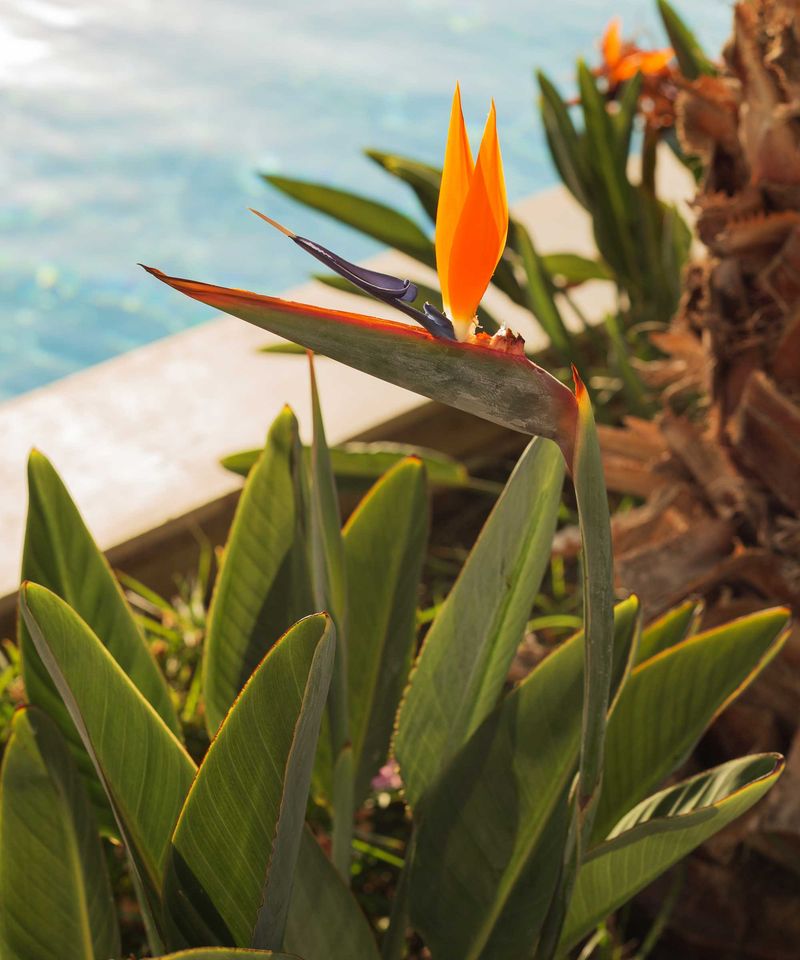
Few plants deliver the bold tropical look that Florida pool owners dream about while also keeping leaf litter manageable.
Bird of paradise is one of them, and UF/IFAS identifies it as a classic poolside plant that does not tend to generate the heavy leaf drop associated with large canopy trees.
That distinction matters a lot when your pool filter is running every day and every floating leaf adds to the workload.
The upright growth habit and dramatic orange blooms make it a natural fit for poolside beds, patio borders, and landscaped corners near screened enclosures.
Because the foliage grows in structured clumps rather than spreading overhead, it creates far less overhead debris risk than a fruiting or flowering tree planted in the same spot.
Still, older leaves and spent flower stalks do need to be removed regularly, so budget time for that grooming.
Mature plants can spread wider than they appear in a nursery pot, so spacing matters. Crowding bird of paradise against pool coping, drains, or screen frames creates maintenance problems over time.
In warmer parts of Central and South Florida, it performs especially well year-round. North Florida gardeners should consider a sheltered location or container planting to reduce cold stress during winter snaps.
Wind direction also plays a role, since even low-litter plants can shed debris into the pool if planted upwind of the water.
2. Use Cordyline For Tropical Foliage That Stays Manageable
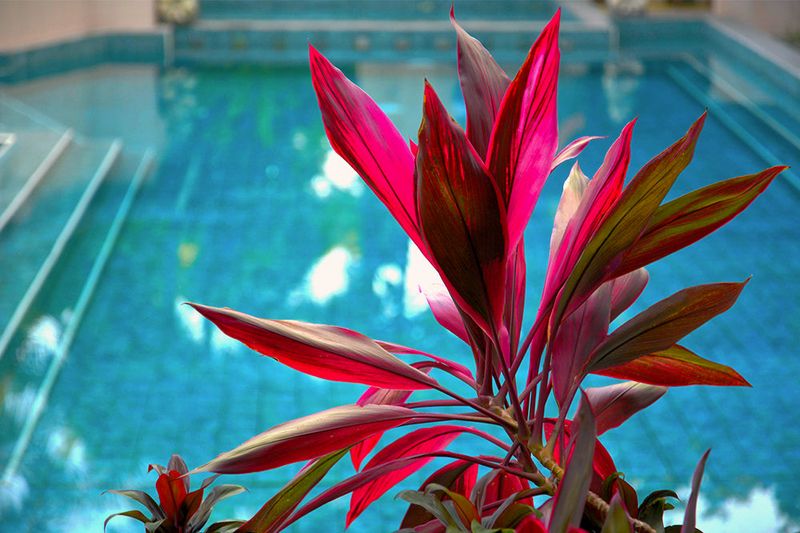
Bold color without the chaos is exactly what cordyline brings to a poolside bed.
Unlike large canopy trees that shade the pool, drop fruit, or spread roots toward underground plumbing, cordyline grows in tidy upright clumps that fit naturally into narrow borders, raised beds, and large containers near pool areas.
Your Florida Garden Changes Every Week. Your Plan Should Too.
Gardening in Florida changes quickly throughout the season. Every Friday you’ll receive a simple weekly plan showing exactly what to plant, prune, fertilize, harvest, and protect so you never miss the right timing.
The foliage ranges from deep burgundy to bright pink and green, giving a tropical feel that holds up well in heat.
Container planting is worth considering, especially in Central and North Florida where cold snaps can stress or damage the foliage.
A well-draining container lets you move the plant to a sheltered spot during cold weather and gives you more control over placement near pool equipment, screens, and coping.
Just remember that containers still need drainage holes and consistent watering during dry stretches.
Cordyline does shed older lower leaves over time, and after a cold snap, drought stress, or poor placement in harsh afternoon sun, leaf drop can increase noticeably. Cleaning up those fallen leaves before they reach the pool is part of the routine.
Some varieties prefer filtered light rather than full blazing afternoon exposure, so check the specific cultivar before placing it on the west-facing side of a pool deck.
South Florida gardeners generally find it easier to grow year-round, while North Florida landscapes should treat it as a cold-sensitive accent plant and plan placement accordingly.
3. Add Croton For Bright Color Away From Heavy Splash Zones
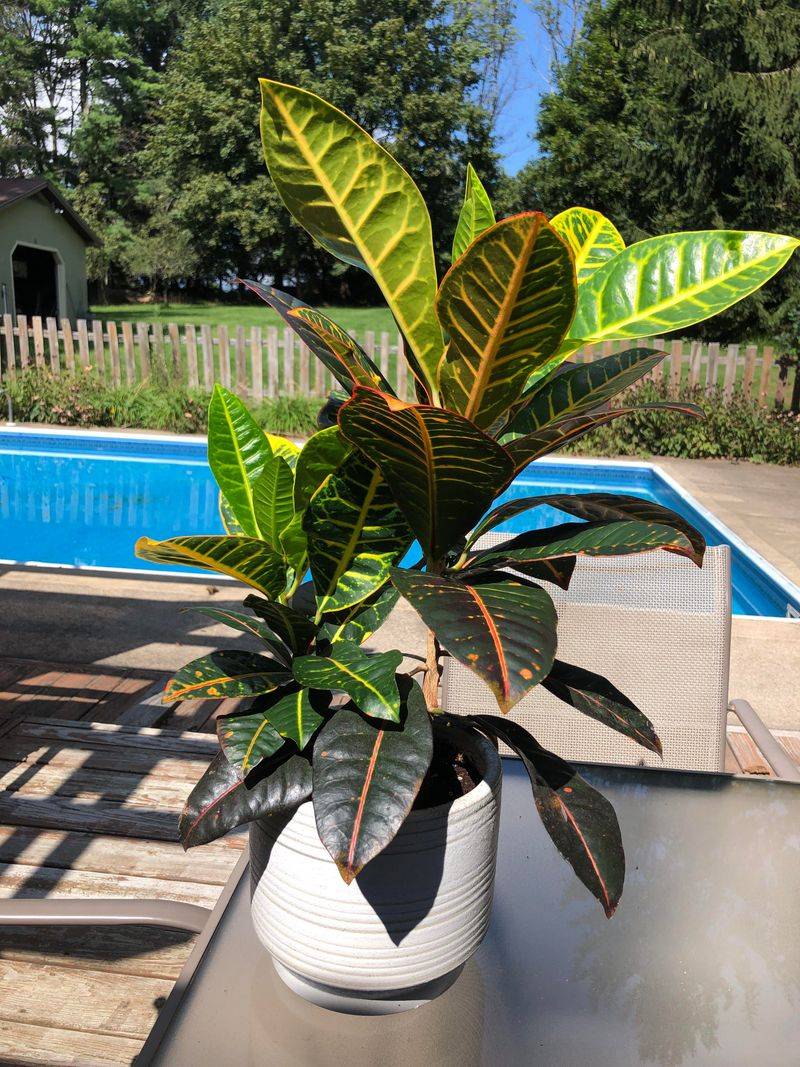
Croton is one of the most eye-catching foliage plants in South Florida landscapes, and its intense leaf colors, ranging from fiery orange to deep red and golden yellow, can make a poolside bed look like a painting.
Unlike flowering plants that constantly shed petals into the water, croton holds its color in the foliage itself, which means less flower debris floating toward your filter on a breezy afternoon.
Placement is critical with croton near pools. It performs best in warm, protected spots with excellent drainage and enough sunlight to keep the foliage colors vivid.
Putting it right against the pool deck edge or in a heavy splash zone is asking for trouble. Wet roots from constant splash, combined with compacted soil near coping, can stress the plant and trigger leaf drop.
A stressed croton sheds leaves, and those leaves end up in the pool.
Croton also reacts strongly to cold, drought, and transplant shock. In North Florida, cold snaps can cause significant leaf loss, making it a risky choice unless planted in a very sheltered spot or kept in a container that can move indoors.
Central Florida gardeners should choose protected microclimates near walls or fencing. South Florida and coastal areas with mild winters are where croton genuinely thrives year-round.
Use it as a colorful accent rather than a dense hedge pressed against pool structures, and groom it regularly before storm season.
4. Try European Fan Palm For A Slow Growing Poolside Accent
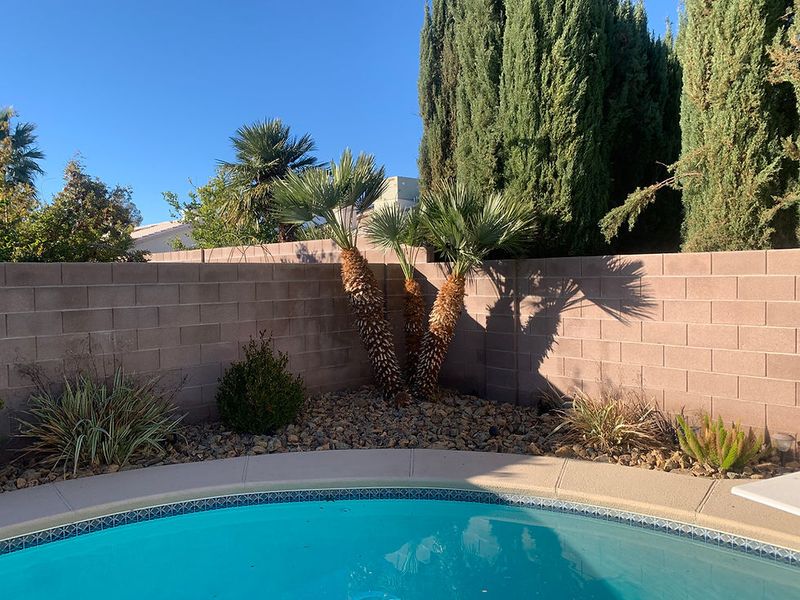
Palms and pools seem made for each other, and European fan palm earns its place on the lower-risk list for good reason.
UF/IFAS describes it as slow-growing and suitable for poolside ambiance, which sets it apart from fast-growing palms or large broadleaf trees that quickly outgrow a tight pool area.
Its clumping form stays relatively compact compared to tall single-trunk palms, and it generally causes fewer root concerns near hardscape than large shade trees planted at the same distance.
That said, palms are not maintenance-free. European fan palm drops fronds as it grows, and those fronds need to be removed before they become poolside debris.
Frond removal also keeps the plant looking tidy and prevents old material from collecting moisture near pool equipment or screens.
Scheduling cleanup before storm season is especially smart in Florida, where strong winds can send loose fronds directly into the water or against screen frames.
One serious placement caution: European fan palm has sharp spines or teeth along the leaf stems. Planting it where people walk past, where children play, or beside a narrow pool gate is genuinely risky.
It works well in larger containers or properly spaced beds where foot traffic stays clear of the foliage. Coastal Florida gardeners appreciate its reasonable salt tolerance, while colder inland areas in North Florida should confirm cold hardiness ratings before planting.
Give it room, keep it groomed, and position it thoughtfully away from walkways and pool edges.
5. Use Coontie For A Low Growing Native Near Pool Edges
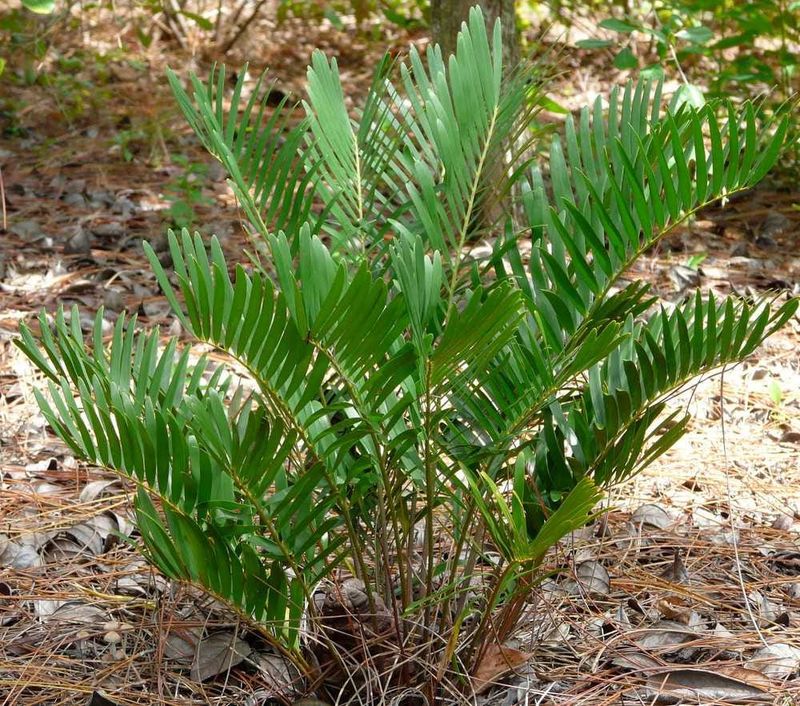
Coontie has something most poolside plants cannot claim: it is a true native with deep roots in the state’s natural landscape.
This low-growing cycad stays compact, rarely topping two feet in height, which makes it a smart fit for pool edges, patio borders, and low-maintenance beds where you want greenery without overhead litter or aggressive spreading roots.
Unlike large trees or palms, coontie does not create the same canopy debris risk, and its slow, tidy growth habit fits well into tight poolside spaces.
Florida ecology fans will appreciate that coontie supports the Atala butterfly, a once-rare South Florida species that uses coontie as its sole larval host plant. Encouraging native plants near your pool also contributes to local biodiversity, which is a real benefit beyond aesthetics.
Coontie grows well in a wide range of soils, including sandy and well-drained sites, and it handles heat and drought reasonably well once established.
There is an important safety nuance every pool owner should know before planting coontie. The plant is toxic if ingested, and female plants produce bright orange-red seeds that can attract curious pets or small children.
If your pool area is frequently used by young kids or animals that investigate plants, factor that risk into your placement decision.
Good drainage, proper spacing away from pool coping, and occasional cleanup of shed older fronds keep coontie looking sharp with minimal effort throughout most of state.
6. Avoid Running Bamboo Near Pool Decks And Plumbing
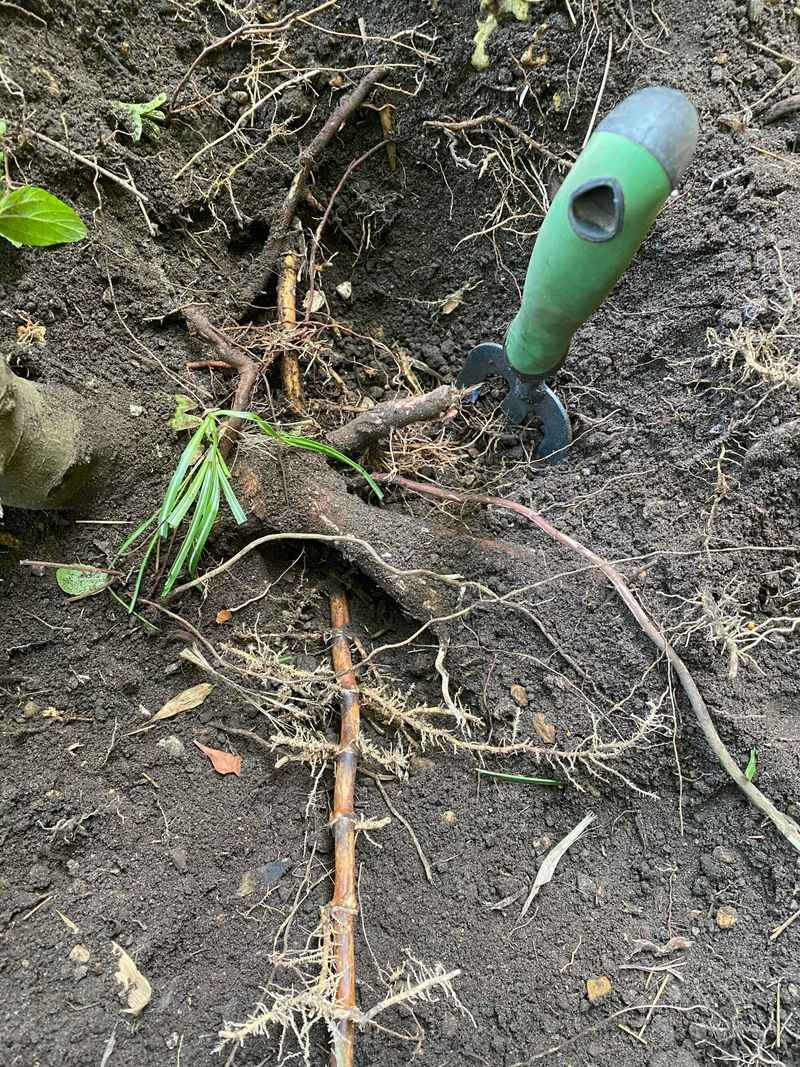
Running bamboo might look dramatic and tropical in a garden catalog, but planting it near a pool is one of the most disruptive landscaping decisions a homeowner can make. The problem is underground.
Running bamboo spreads by rhizomes, which are horizontal root-like stems that travel through the soil and send up new shoots far beyond the original planting area.
UF/IFAS warns that running bamboo can spread aggressively and is not recommended for home landscapes because of exactly this behavior.
Near a pool, that underground spread becomes a serious structural concern. Rhizomes can travel beneath pool decks, patios, fences, and drains, creating pressure against hardscape and potentially interfering with underground plumbing over time.
Once established, running bamboo is extremely difficult to remove completely. Shoots can emerge through cracks in concrete, and any rhizome fragment left in the soil can regenerate.
The maintenance burden alone makes it the wrong choice for any poolside landscape.
Some homeowners assume clumping bamboo is a safe alternative, and clumping types do behave differently since they expand outward slowly rather than running underground.
However, clumping bamboo still grows large and needs significant space, making it a poor fit directly beside pool structures, coping, or equipment.
If you love the look of bamboo near your pool, consult an Extension office about site-appropriate alternatives before planting. Running bamboo, in particular, should simply stay out of any pool area.
7. Skip Schefflera Actinophylla In Central And South Florida
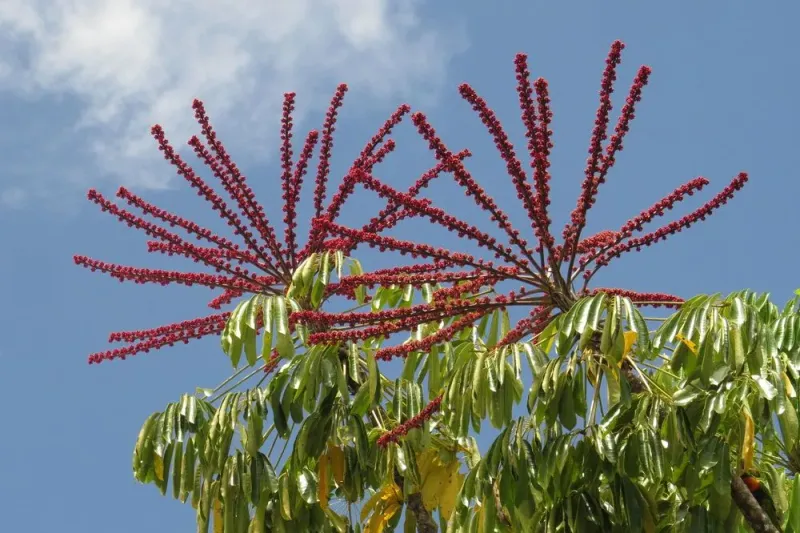
Walk through any older neighborhood and you may spot a large tree with dramatic umbrella-shaped canopies and thick aerial roots reaching toward the ground.
That is likely Schefflera actinophylla, commonly called the Queensland umbrella tree or octopus tree, and UF/IFAS identifies it as invasive and not recommended in Central and South Florida.
Despite its eye-catching look, this is a plant that pool owners should actively steer clear of.
The name confusion around schefflera causes real problems at garden centers. Many shoppers pick up a plant labeled schefflera thinking it is the same as the small houseplant variety, which is a completely different species called dwarf schefflera.
Schefflera actinophylla grows into a large, aggressive tree with spreading roots, heavy canopy, and a documented history of escaping into natural areas in the state.
Its invasive classification means it can spread beyond your yard and crowd out native vegetation in nearby natural areas.
Near a pool, the problems multiply. The canopy drops debris, the roots can spread aggressively, and the overall size quickly outgrows any tight poolside landscape.
If you see any plant labeled schefflera at a nursery, ask the staff to confirm the exact species before purchasing. Dwarf schefflera is a separate plant with a different growth profile, but the name overlap creates genuine confusion.
For poolside landscaping in Central or South Florida, the safest approach is to skip anything labeled schefflera tree entirely and choose a clearly identified alternative.
8. Keep Large Ficus Trees Far From Pool Structures
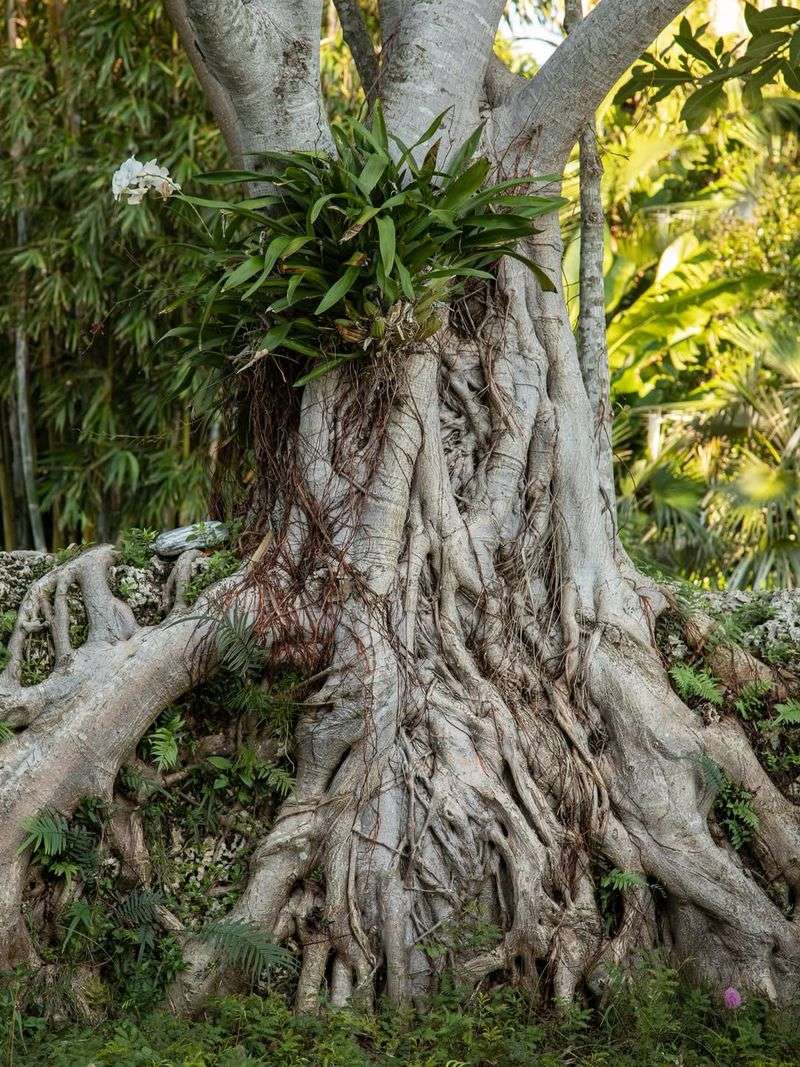
Large ficus trees have a well-earned reputation here for one thing above all else: powerful, wide-spreading root systems that can lift concrete, crack hardscape, and travel toward underground plumbing with surprising force.
For pool owners with limited yard space, that combination creates a recipe for expensive structural repairs.
Many large ficus species grow fast in warm climate, which means the root pressure builds quickly once a tree establishes itself near pool decks, patios, or foundations.
Some ficus species are also listed as invasive or ecologically problematic in parts of the state, particularly in South Florida where the climate supports aggressive year-round growth.
Strangler fig and a few other species have documented impacts on natural areas, and several large ficus types are considered poor choices for residential landscapes near structures.
Before planting any large ficus near a pool, check the specific species against UF/IFAS or Florida Invasive Species Council guidance, because the ficus group includes many species with very different behavior profiles.
The core message for pool owners is straightforward. Large ficus trees need far more space than most pool areas can safely provide.
Even if a young tree looks manageable in a five-gallon container, the mature size and root spread of many large ficus species will eventually conflict with nearby hardscape and plumbing.
If you want shade near your pool, work with an Extension agent or certified arborist to identify species with less aggressive root behavior and a size that actually fits your yard.