Hard To Find Native Arizona Desert Plants Worth Tracking Down This Spring
Spring shopping at Arizona nurseries starts looking the same after a while. Rows of familiar cactus, the same desert shrubs everywhere, and plants people have already seen in a hundred other yards.
Then a small native plant shows up that almost nobody recognizes and suddenly it becomes the one everybody keeps asking about before it disappears again.
Some native Arizona desert plants stay surprisingly hard to find even though they handle heat, dry soil, and harsh conditions better than many common landscape choices.
A few bloom at the perfect time during spring, while others stand out because they look completely different from the usual desert landscaping repeated across the state.
Smaller nurseries often carry the most unusual native varieties, but many only stay available for a short time once spring demand starts building.
1. Little Leaf Cordia Handles Extreme Dry Heat Well
Most plants would struggle to survive in the kind of punishing heat Arizona summers are known for, but Little Leaf Cordia seems almost unfazed by it.
Found growing naturally in the Sonoran Desert region, this tough little shrub has earned a loyal following among native plant enthusiasts and low-water gardeners across southern Arizona.
Its small, rough-textured leaves are actually a clever adaptation that helps reduce water loss during the hottest months of the year.
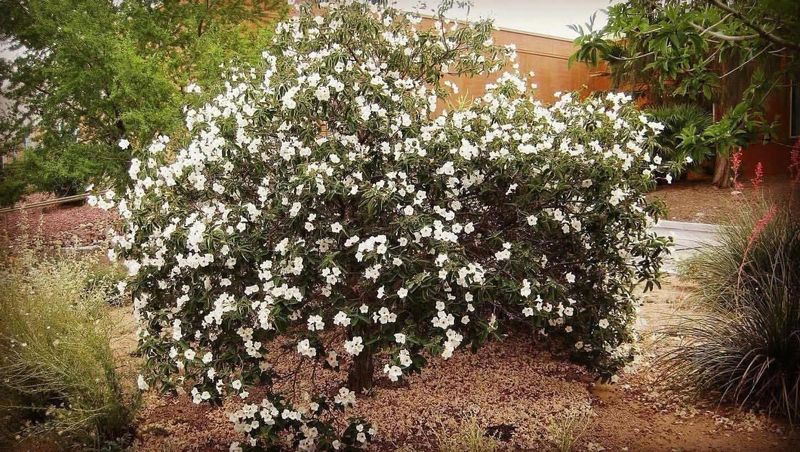
During spring, Little Leaf Cordia produces clusters of small white flowers that attract native bees and butterflies, making it both beautiful and beneficial to local pollinators.
The plant typically stays compact, reaching about three to six feet tall, which makes it a great fit for residential yards where space might be limited.
Homeowners in Tucson and Phoenix have started using it as a natural hedge or border plant because of its tidy growth habit.
Finding this plant at a regular nursery can be tricky, so your best bet is to check specialty native plant nurseries in Arizona or attend local plant sales hosted by native plant societies.
Once established, Little Leaf Cordia requires almost no supplemental watering, which is a huge bonus in a state where water conservation is always a priority.
Pair it with other native desert shrubs for a low maintenance landscape that still looks full through spring in Arizona. It also handles reflected heat from walls and pavement well, which makes it useful in tight Arizona yards.
2. White Globe Mallow Brings Soft Color To Harsh Landscapes
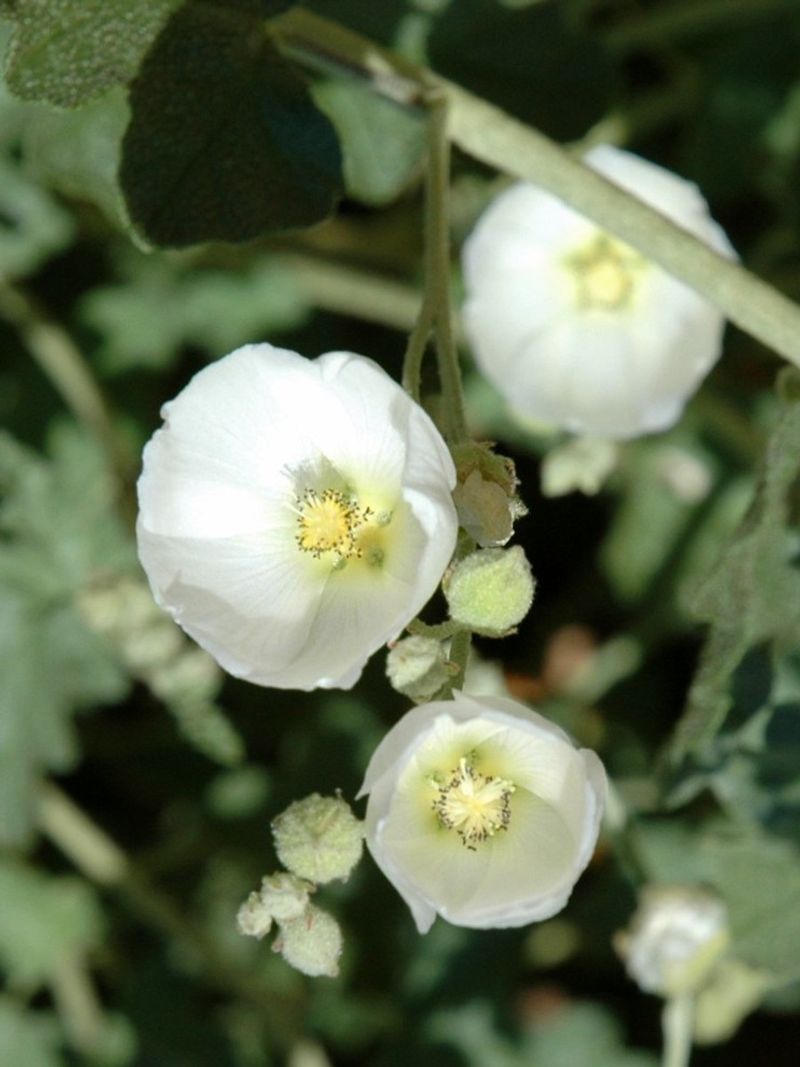
Few native Arizona plants manage to look this delicate while surviving in such demanding conditions.
White Globe Mallow grows naturally across the desert Southwest, and in spring, its cup-shaped flowers in soft white and pale peachy tones create a gentle contrast against the rugged, sun-dried landscape.
Spotting one in the wild feels like discovering something that does not quite belong there, even though it absolutely does.
Unlike many ornamental plants that demand regular watering and rich soil, White Globe Mallow thrives in poor, sandy, or gravelly desert soil with very little moisture.
Pollinators absolutely love it, and you will often find native bees hovering around the blooms from early morning through the afternoon hours.
Your Arizona Garden Changes Every Week. Your Plan Should Too.
Gardening in Arizona changes quickly throughout the season. Every Friday you’ll receive a simple weekly plan showing exactly what to plant, prune, fertilize, harvest, and protect so you never miss the right timing.
Gardeners in Arizona who want to support local wildlife while keeping their water bills low have started incorporating this plant into xeriscapes and natural-style gardens with great results.
Globe Mallow can cause mild skin irritation for some people because of the tiny hairs on the leaves and stems, so gloves are a good idea when handling it. The plant also self seeds easily once established, often filling bare spots on its own over time.
Check native plant nurseries in Tucson, Phoenix, or Flagstaff for availability, and try planting it near boulders or along dry creek beds for a natural desert look that feels completely at home in the Arizona landscape.
Once established, it tends to spread naturally into open areas, helping fill out dry spaces in a very low-effort way.
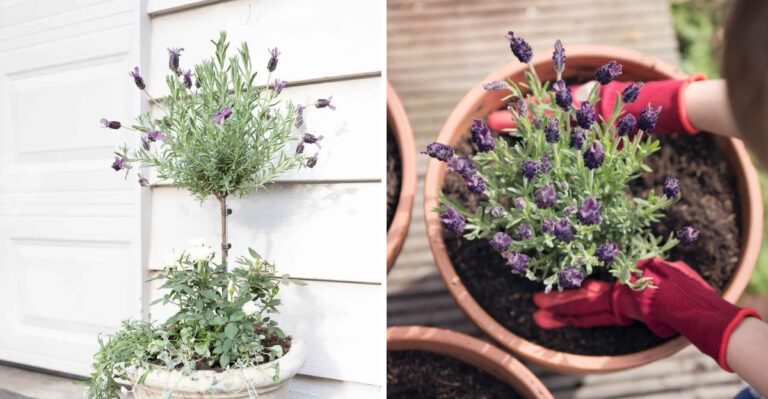
3. Desert Lavender Fills Dry Areas With Fragrant Purple Flowers
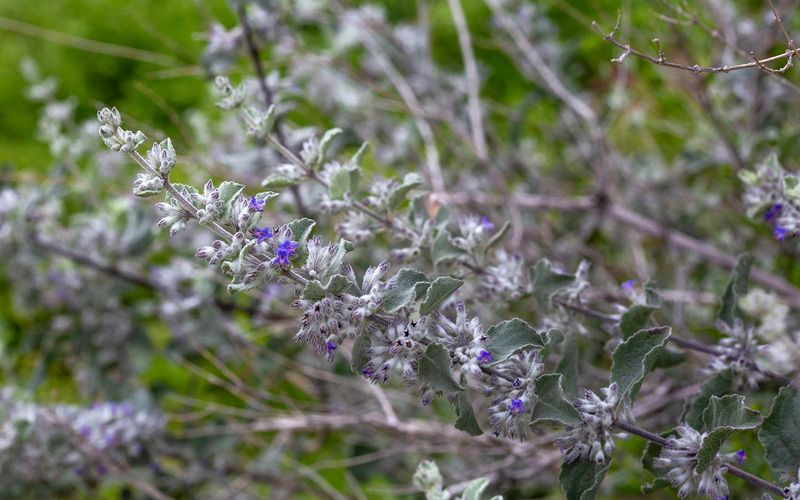
Imagine walking through a dry Arizona canyon in early spring and suddenly catching a wave of sweet, herbal fragrance drifting through the warm air.
Desert Lavender is usually the source of that unexpected sensory surprise, and once you smell it, you will never forget it.
Native to the Sonoran Desert and parts of the Mojave, this tall, silvery-leafed shrub produces spikes of tiny purple-blue flowers that are just as beautiful as they are aromatic.
Hummingbirds, native bees, and butterflies treat Desert Lavender like a favorite neighborhood restaurant, visiting repeatedly throughout the bloom season.
Growing up to eight feet tall in some conditions, it can serve as a natural privacy screen or windbreak in larger Arizona yards and properties.
Gardeners who have added it to their landscapes often say it became one of their most rewarding choices because it practically takes care of itself once established in well-drained, rocky soil.
Desert Lavender is not the same as the culinary lavender you find at grocery stores, but Indigenous communities in the Southwest have used it historically for medicinal and ceremonial purposes, which adds a layer of cultural richness to an already fascinating plant.
Finding it at a commercial nursery is genuinely challenging, so connecting with the Arizona Native Plant Society or visiting specialty desert nurseries in the Tucson or Phoenix area is your most reliable path to getting one.
Plant it on a sunny slope with good drainage and minimal irrigation, and watch it reward you with fragrance and color every spring.
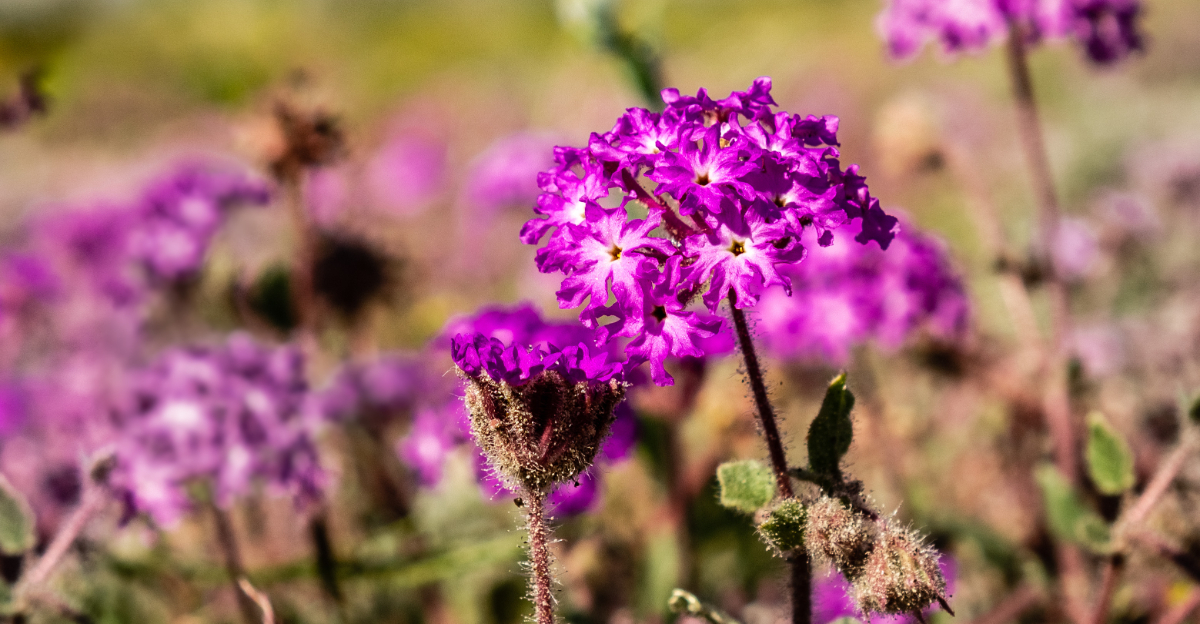
4. Sand Verbena Spreads Quickly Across Sandy Desert Soil
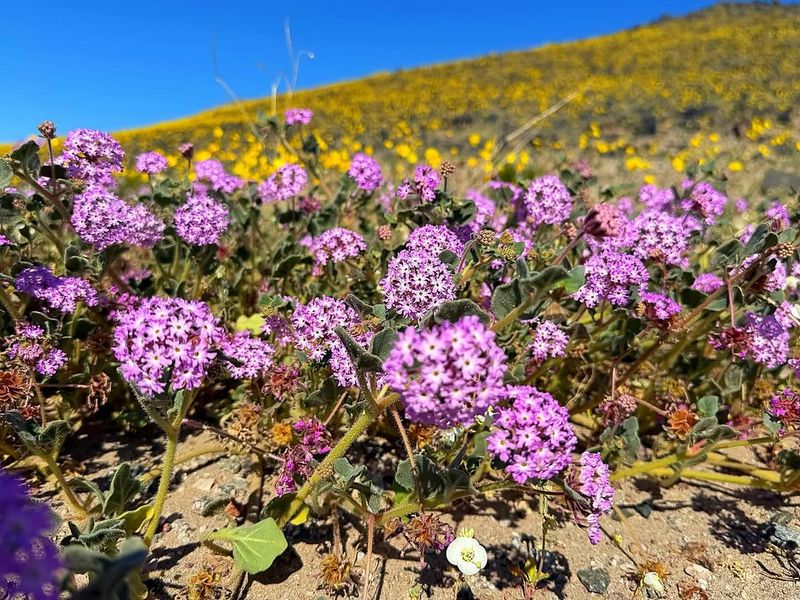
One of the most cheerful sights in the Arizona desert during spring is a patch of Sand Verbena spreading across the ground in a carpet of vivid pink and purple blooms.
Low-growing and sprawling, this native annual or short-lived perennial hugs the sandy soil and can cover surprisingly large areas when conditions are right.
After a wet winter, entire stretches of desert floor in Arizona can turn brilliant shades of magenta thanks to this enthusiastic little plant.
Sand Verbena is especially well-suited to areas with loose, sandy, or disturbed soil where other plants might struggle to get started. Its sticky stems and leaves trap small sand particles, which actually helps anchor it in place during desert windstorms.
Beyond its visual appeal, the plant produces a mild, sweet fragrance in the evening hours that attracts sphinx moths and other night-flying pollinators, adding another layer of wildlife value to an already impressive resume.
Growing Sand Verbena from seed is often the most practical approach since established plants can be hard to find at nurseries, even specialty ones focused on Arizona natives.
Scatter seeds in a sunny, open area with sandy soil in late fall or early winter, and let the natural rainfall do the rest of the work for you.
Restoration projects across the Sonoran Desert region have used Sand Verbena successfully to stabilize sandy soils and bring native color back to disturbed land, proving that small plants can make a genuinely big impact on the Arizona desert ecosystem.
5. Desert Mariposa Lily Appears Briefly During Spring Bloom Season
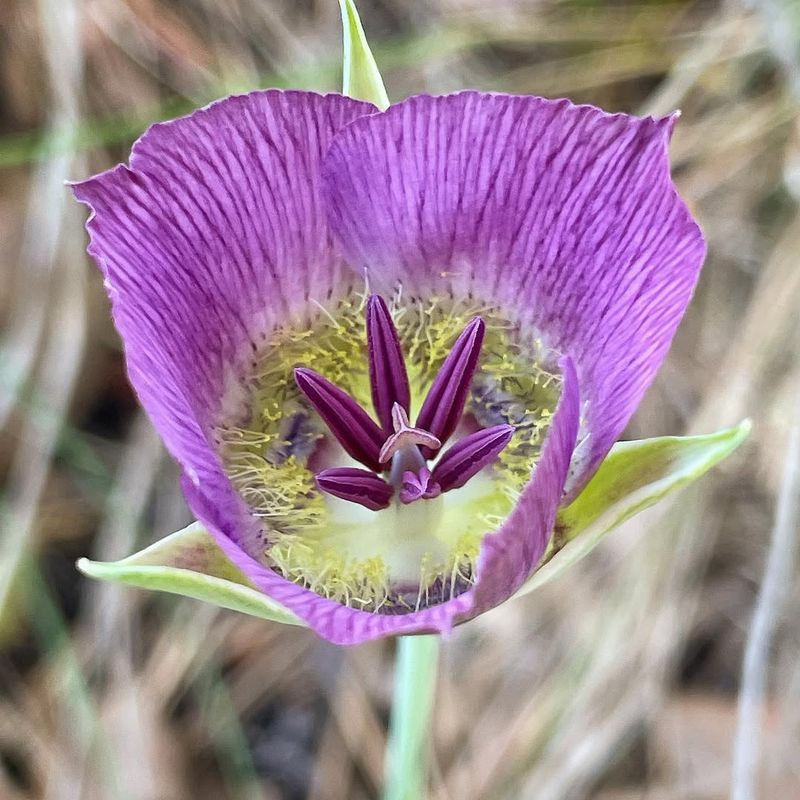
Rare, fleeting, and breathtakingly beautiful, Desert Mariposa Lily is the kind of plant that makes experienced botanists stop in their tracks.
Native to the rocky slopes and grasslands of Arizona and neighboring states, this member of the lily family produces large, showy, cup-shaped flowers in shades of white, cream, or pale lavender with distinctive yellow and purple markings near the center.
Seeing one in bloom feels like stumbling onto something genuinely precious.
Here is what makes tracking it down so exciting and so challenging at the same time: Desert Mariposa Lily blooms for only a short window in spring, often just a few weeks depending on winter rainfall and temperature patterns.
If conditions are not quite right in a given year, plants may skip blooming entirely and simply remain dormant underground as bulbs.
Hikers in central and southern Arizona who know where to look often plan specific spring trips just to catch the bloom at its peak.
Growing Desert Mariposa Lily in a home garden requires patience and specific conditions, including excellent drainage, full sun, and very little summer moisture, which can be hard to control in a typical yard setting.
Native plant enthusiasts in Arizona sometimes grow them in containers so they can better manage watering during the critical summer dormancy period.
Specialty bulb suppliers and native plant sales in the Phoenix and Tucson areas occasionally carry them, making spring the ideal time to start searching if you want to add this extraordinary native gem to your collection.
Because of that short bloom window, spotting it in the wild often feels unpredictable, which is exactly what makes each sighting so memorable.
6. Palmer’s Penstemon Thrives In Rocky Desert Landscapes
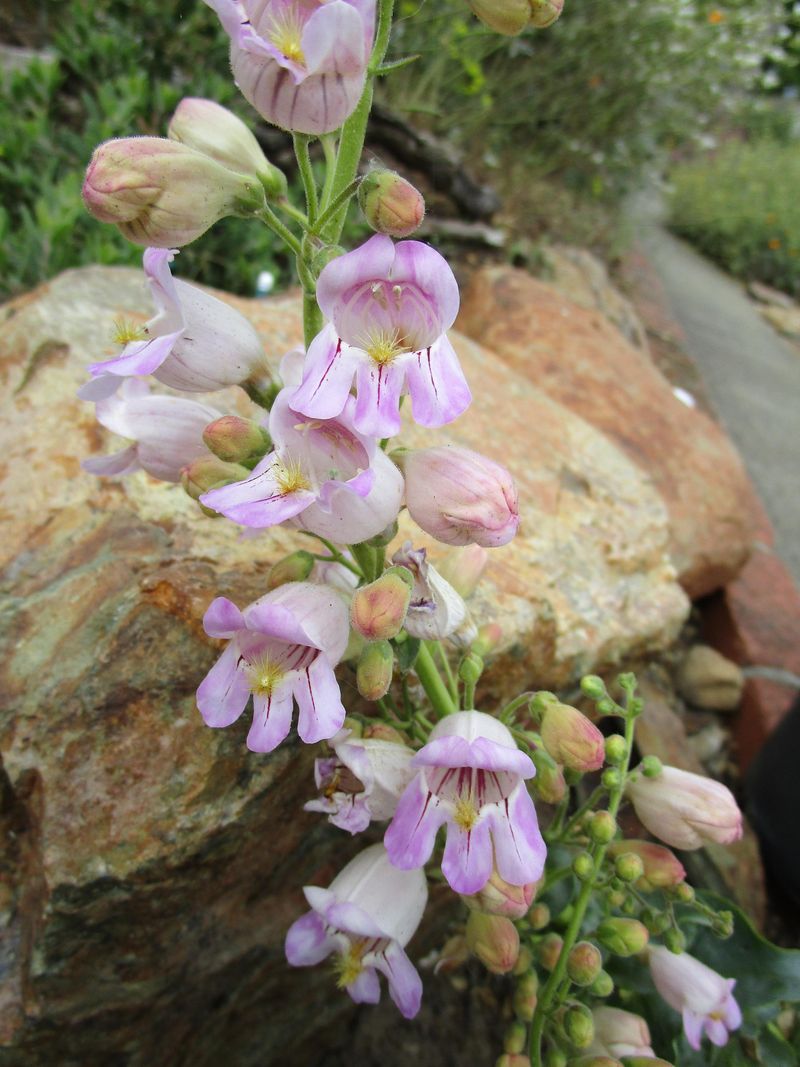
Bold, tall, and absolutely loved by hummingbirds, Palmer’s Penstemon is one of the most striking native wildflowers you can find growing in the rocky terrain of Arizona.
Unlike many delicate wildflowers that fade quickly, this plant sends up dramatic flower stalks that can reach three to five feet tall, covered in large, fragrant, pale pink to white tubular blooms that practically glow in the spring sunlight.
Hikers exploring rocky canyons in central and northern Arizona often encounter it growing straight out of cracks in boulders, which only adds to its impressive reputation.
Hummingbirds are the plant’s biggest fans. During bloom season, it is common to see multiple birds competing for the same flower stalk.
Native bees visit regularly too, making Palmer’s Penstemon one of the most active plants in a desert garden.
Landscape designers working on naturalistic Arizona projects have started incorporating it more frequently because it provides vertical structure that most low-growing desert plants simply cannot offer.
Getting Palmer’s Penstemon established in a home garden requires well-drained, rocky, or gravelly soil and full sun exposure, conditions that mimic its natural habitat across the Arizona highlands.
Overwatering is the most common mistake gardeners make with this plant, so treating it like the desert native it truly is will lead to much better results.
Check native plant nurseries in Flagstaff, Prescott, or the greater Phoenix area during spring sales for the best chance of finding healthy starts ready to go into the ground.
7. Trailing Indigo Bush Survives Long Periods Without Rain
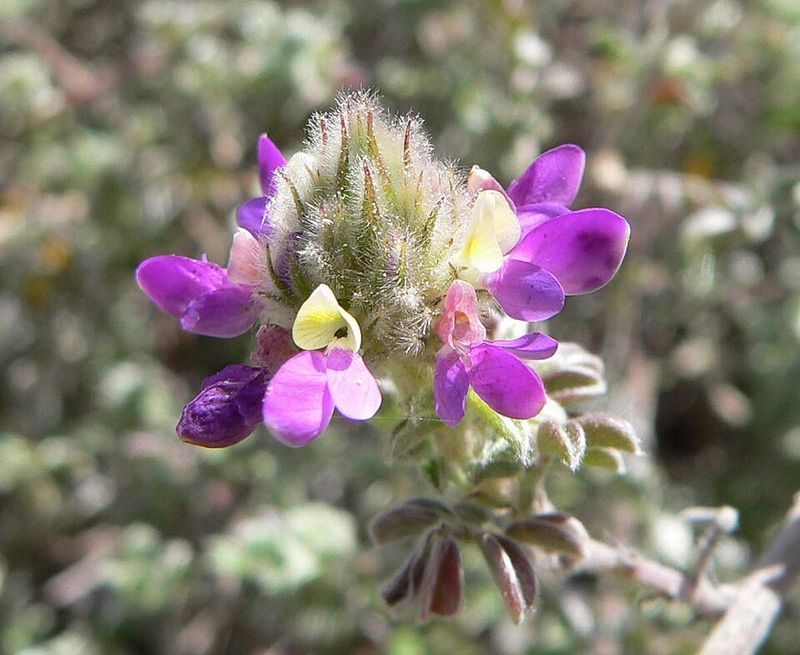
Drought tolerance is a quality every Arizona gardener dreams about in a plant, and Trailing Indigo Bush delivers on that front in a serious way.
Native to the desert Southwest, this low-growing, sprawling shrub can go weeks or even months without rainfall and still look presentable, which is practically a superpower in a region as dry as Arizona.
Come spring, it rewards that patience with a generous flush of tiny but vivid deep purple and indigo flowers that cover the trailing branches in a way that stops people in their tracks.
Beyond its drought credentials, Trailing Indigo Bush is also a valuable plant for erosion control on slopes and hillsides, where its spreading growth habit helps hold sandy or gravelly soil in place.
Native bees and other small pollinators are strongly attracted to the flowers, and the plant plays a supporting role in the broader Sonoran Desert food web by providing both nectar and shelter.
Gardeners in the Phoenix and Tucson areas have used it successfully as a ground cover alternative in spots where traditional lawn grass would never survive without constant irrigation.
Finding Trailing Indigo Bush at mainstream garden centers is genuinely difficult, but native plant nurseries and conservation organization plant sales across Arizona stock it more regularly than most people realize.
Spring is the best time to plant it since cooler temperatures help roots establish before the intense summer heat arrives.
Give it full sun, fast-draining soil, and very occasional deep watering during the first season, and this resilient Arizona native will practically take care of itself from that point forward.
Once established, Trailing Indigo Bush usually needs very little pruning to keep looking neat and healthy. Its soft gray green foliage also contrasts beautifully with rocks, gravel, and other desert plants commonly used in Arizona landscapes.
Many gardeners end up appreciating how much coverage it provides without demanding constant attention or extra water.