These 7 Ground Covers North Carolina Gardeners Divide Once And Never Have To Buy Again
Some plants are a one time purchase that quietly turns into a lifetime supply. Ground covers are the best example of this, and North Carolina gardeners who figure it out early save themselves years of unnecessary spending at the nursery.
The logic is simple. Certain ground covers spread and multiply on their own, and once a clump gets established, you can pull sections apart and replant them anywhere you want.
Bare slope along the fence, patchy area under a tree, that awkward strip between the driveway and the sidewalk. A single plant bought three years ago can fill all of it.
Most gardeners don’t realize how generous these plants are until they accidentally discover it while doing routine maintenance. What looked like a chore turns out to be free landscaping material.
These seven ground covers are the ones worth getting to know, because once you have them, you really never need to buy them again.
1. Creeping Phlox (Phlox subulata)
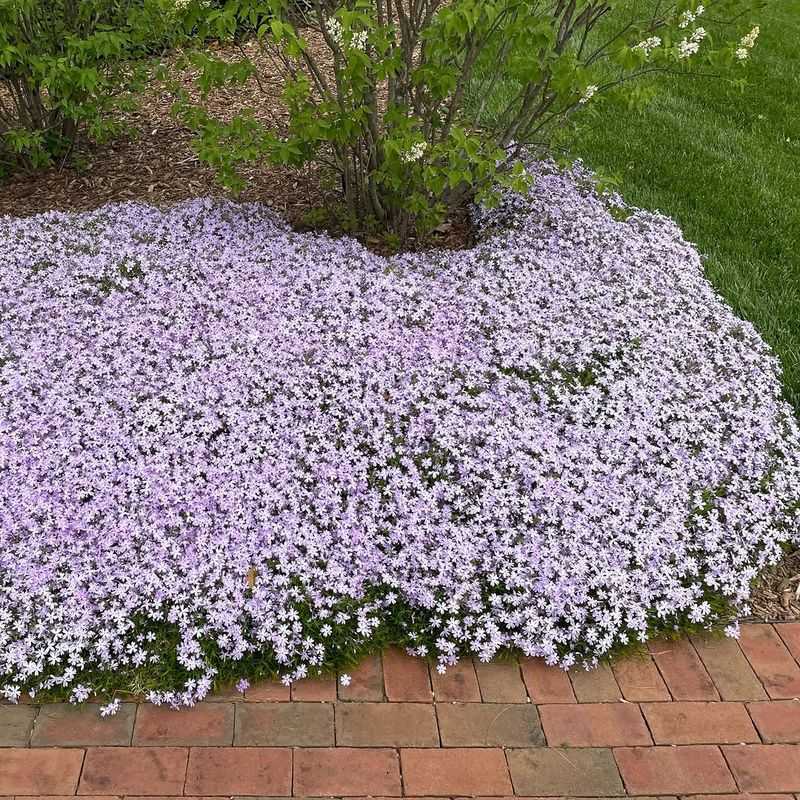
Few things stop people in their tracks like a hillside covered in blooming Creeping Phlox. Every spring, this low-growing evergreen bursts into a carpet of pink, purple, or white flowers that almost looks too good to be real.
North Carolina gardeners have loved it for decades, and once you see it in person, you will understand exactly why.
Creeping Phlox thrives in full sun and well-drained soil, making it a perfect match for slopes, rock gardens, or sunny borders across the Piedmont and mountain regions of North Carolina.
It stays green all year long, which means your garden always has some color and texture, even in the middle of winter. The plant spreads steadily outward, forming a dense mat that chokes out weeds naturally.
Dividing Creeping Phlox is surprisingly simple. After it finishes blooming in spring, just dig up a section, pull it apart into smaller clumps, and replant them wherever you want more coverage.
Water them in well, and they take off quickly. Within a season or two, each new division fills out into a full, flowering mat.
One original plant can multiply into dozens over the years, saving you serious money at the garden center. For North Carolina gardeners looking for a low-effort, high-reward ground cover, Creeping Phlox is hard to beat.
2. Green And Gold (Chrysogonum virginianum)
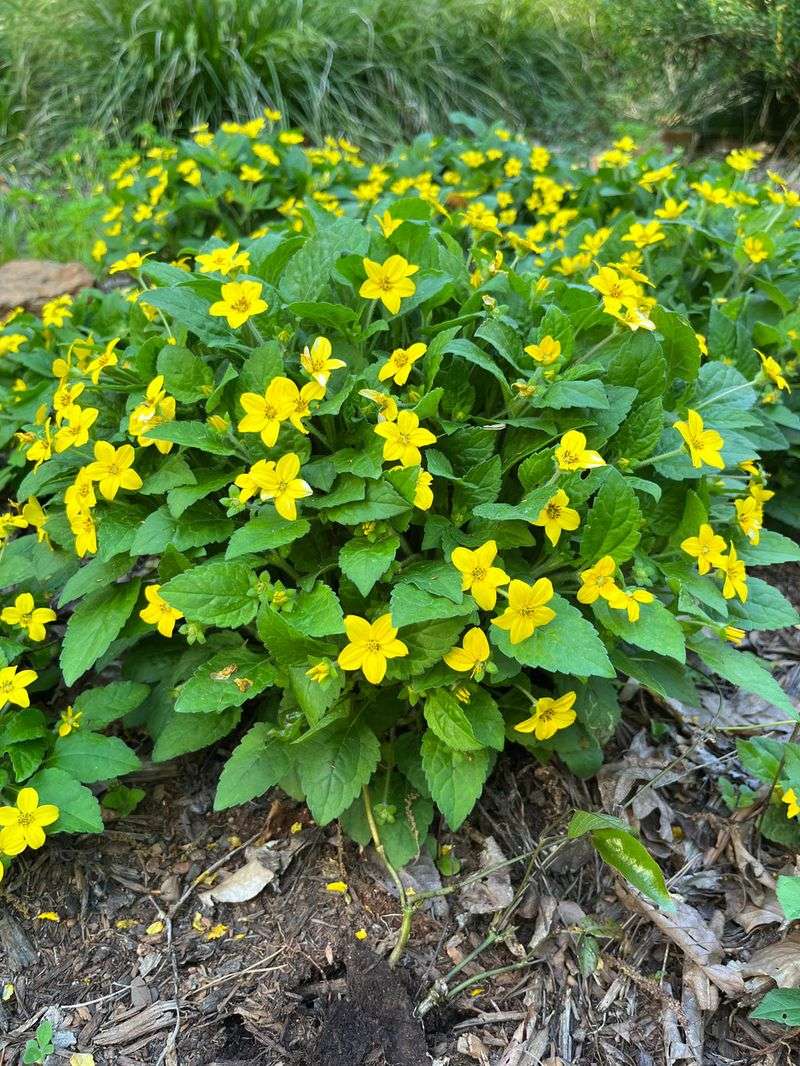
Green and Gold is one of North Carolina’s own native treasures, and it deserves a spot in every shade garden across the state.
This cheerful little plant produces bright yellow, star-shaped flowers from early spring well into summer, and its glossy green leaves stay attractive even when it is not in bloom. It is one of those plants that quietly earns its keep all season long.
What makes Green and Gold especially valuable is how well it handles part shade, which is something a lot of North Carolina yards have plenty of under mature trees and along woodland edges.
It spreads steadily through rhizomes, slowly filling in gaps without ever getting aggressive or taking over areas where it is not wanted. That steady, polite spreading habit makes it easy to manage and enjoy.
Your North Carolina Garden Changes Every Week. Your Plan Should Too.
Gardening in North Carolina changes quickly throughout the season. Every Friday you’ll receive a simple weekly plan showing exactly what to plant, prune, fertilize, harvest, and protect so you never miss the right timing.
Dividing Green and Gold is as easy as gardening gets. Once a clump has been growing for a year or two, you can dig up sections of the spreading rhizomes and replant them in new spots.
They root quickly and settle in without much fuss. Water regularly during the first growing season, and after that, established plants handle dry spells well.
Because it is native to North Carolina, it supports local pollinators and fits naturally into the ecosystem. Starting with just a few plants, you can expand your coverage across an entire shaded area over time without spending another dollar.
3. Woodland Phlox (Phlox divaricata)
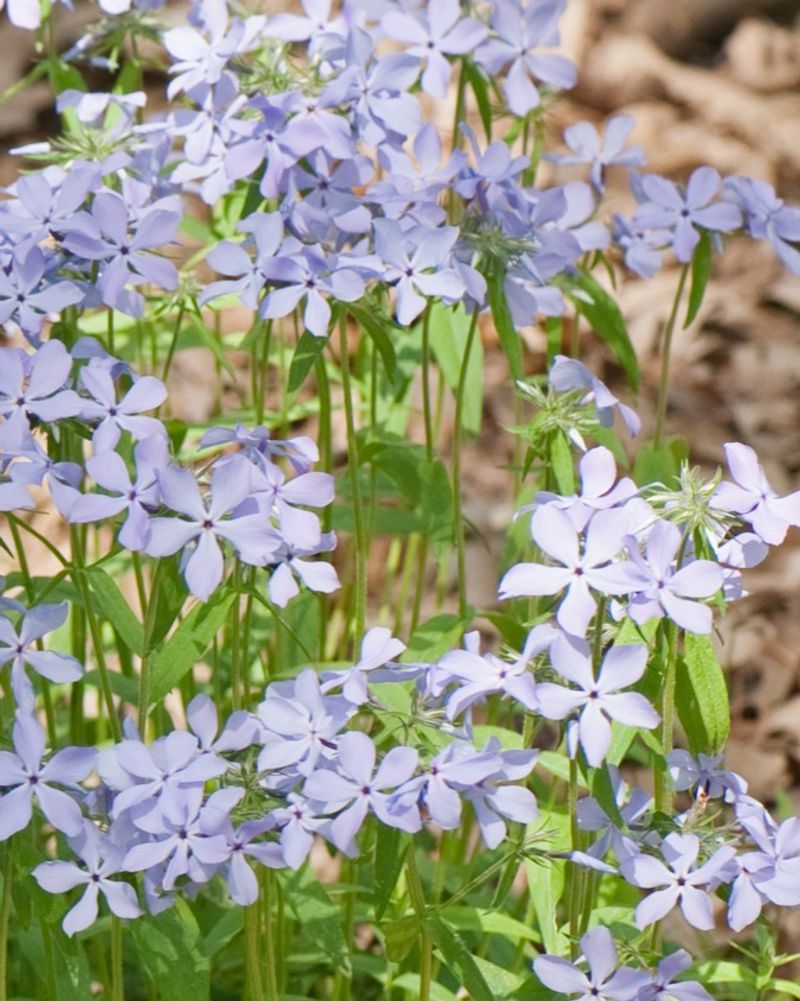
There is something almost magical about walking through a North Carolina woodland in spring and stumbling across a soft blue haze of Woodland Phlox in full bloom. This native beauty grows naturally across the state and has been charming gardeners for generations.
Its fragrant, lavender-blue flowers bloom in April and May, filling shaded garden beds with color right when you need it most after a long winter.
Woodland Phlox prefers moist, part-shade conditions, which makes it a natural fit for gardens under deciduous trees or along the shaded north-facing sides of homes across North Carolina.
It forms loose, spreading colonies over time, gradually expanding outward as it matures. The foliage stays semi-evergreen in milder parts of the state, giving the garden a tidy look through most of the year.
Once your clumps have matured and filled out, dividing them is a straightforward process. Dig up an established clump in early fall or right after flowering in spring, separate it into smaller sections, and replant them in prepared soil with good moisture retention.
Each division establishes itself quickly when kept consistently watered. Over several seasons, a single original plant can cover a surprisingly large area.
Because it is native, Woodland Phlox also feeds early pollinators like bumblebees and butterflies, adding real ecological value to your garden beyond just good looks. North Carolina gardeners get beauty, ease, and purpose all in one plant.
4. Ajuga (Ajuga reptans)
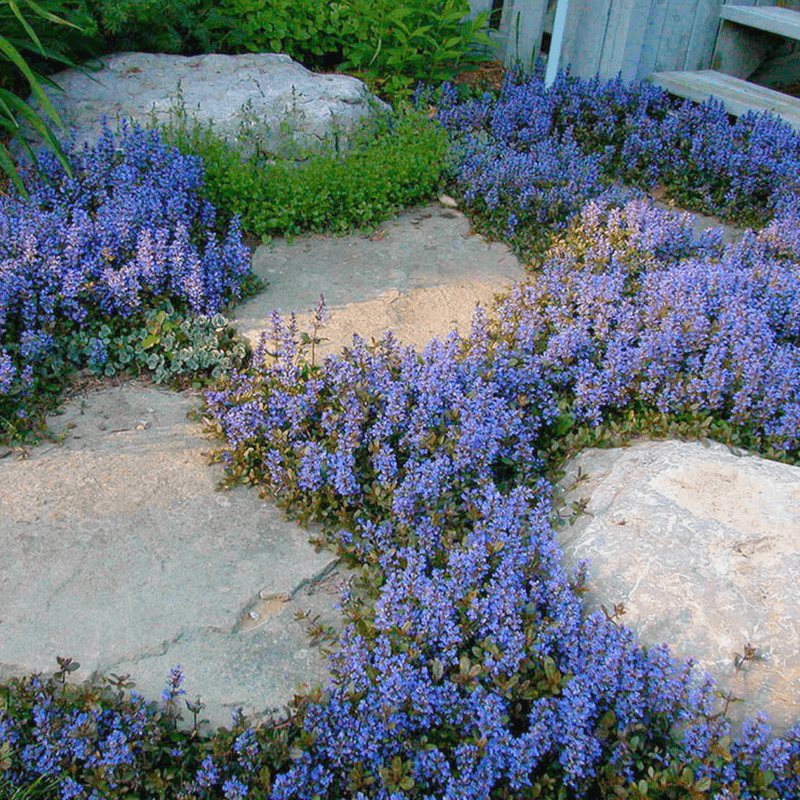
Bold, tough, and packed with personality, Ajuga is one of those ground covers that makes gardeners feel like they really know what they are doing.
The deep burgundy or bronze foliage looks striking all year long, and in spring, tall spikes of bright blue or purple flowers shoot up above the leaves, creating a dramatic display that draws plenty of compliments.
It is a showstopper in any North Carolina garden. Ajuga spreads through surface runners called stolons, which root wherever they touch the ground.
This makes it one of the fastest-expanding ground covers you can grow, and it handles a wide range of conditions including part shade, full shade, and even moderate foot traffic.
It works beautifully under trees, along pathways, or in any spot where grass struggles to grow across the Carolinas.
Dividing Ajuga could not be simpler. The rooted runners can be snipped off and replanted almost any time during the growing season.
Each little rooted section becomes a new plant within weeks, filling in bare spots faster than most other ground covers.
One thing to keep in mind is that Ajuga can spread enthusiastically in ideal conditions, so a quick tidy-up along the edges once or twice a year keeps everything looking neat.
Given how easy it is to divide and replant, you can fill an entire garden bed from a single original purchase and never need to buy more. That kind of value is hard to argue with.
5. Golden Ragwort (Packera aurea)
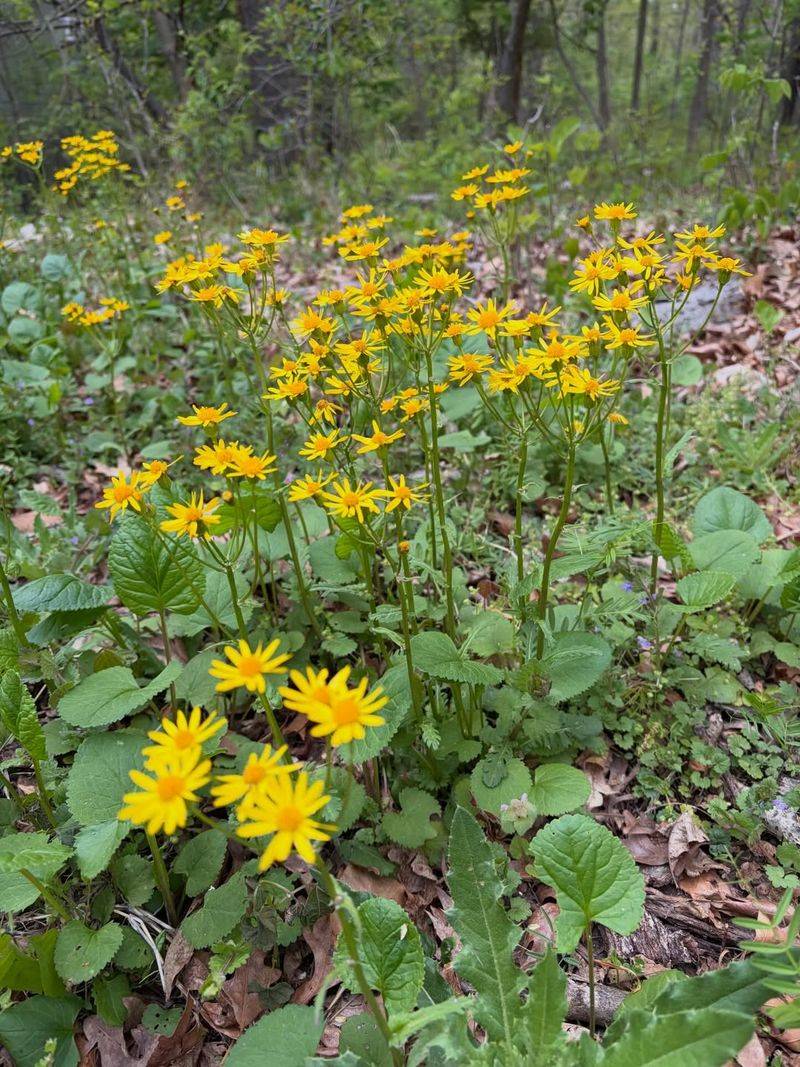
Golden Ragwort does not get nearly enough credit, and that is a shame because it is one of the most hardworking native ground covers you can grow in North Carolina.
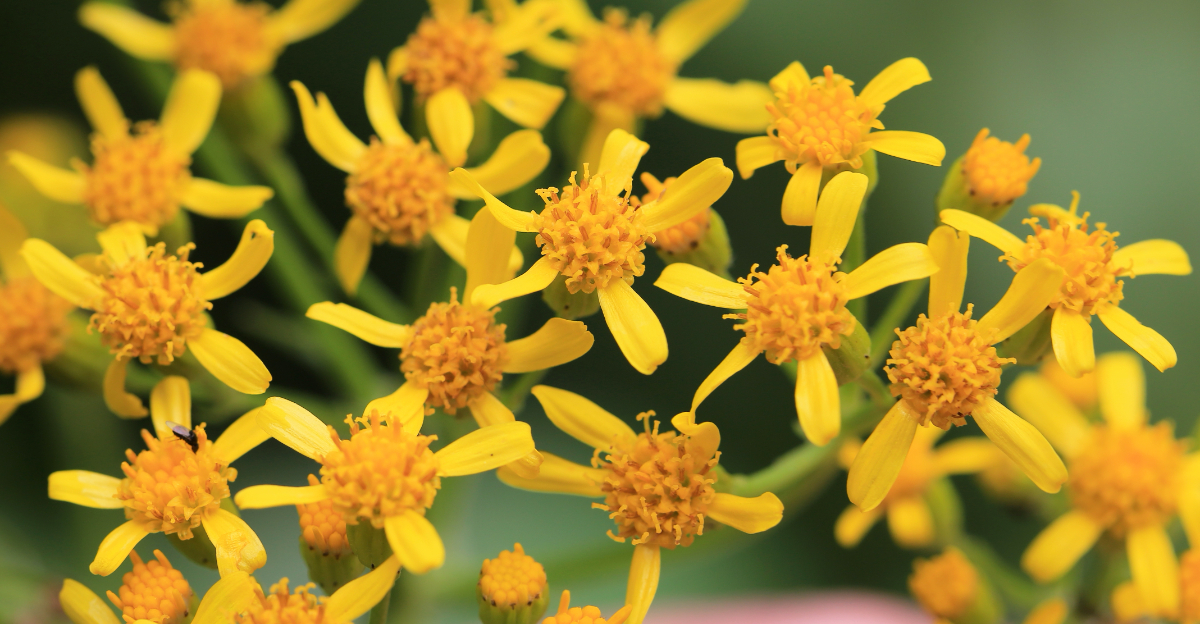
Come spring, it produces a spectacular flush of bright golden-yellow flowers that rise above deep green, heart-shaped leaves.
The display lasts for weeks and brings in an impressive number of early pollinators, including native bees and butterflies that are just waking up for the season.
This plant is native to North Carolina and thrives in moist soil and part to full shade, which makes it an excellent choice for rain gardens, stream edges, or any low-lying area that stays damp.
It spreads steadily through rhizomes, gradually forming a thick, weed-suppressing mat that practically takes care of itself once it gets going. Few plants handle wet feet as gracefully as Golden Ragwort does.
Expanding your Golden Ragwort patch is incredibly satisfying. Once established, you can divide the rhizome clumps in early fall or early spring, replanting the sections wherever you need more coverage.
Each division roots quickly in moist soil and begins spreading within its first growing season. Because it is a North Carolina native, it fits naturally into the local food web and supports wildlife beyond just pollinators.
Gardeners who plant it often find themselves giving divisions away to neighbors and friends, sharing one of the best-kept secrets in native plant gardening across the state.
6. Foamflower (Tiarella cordifolia)
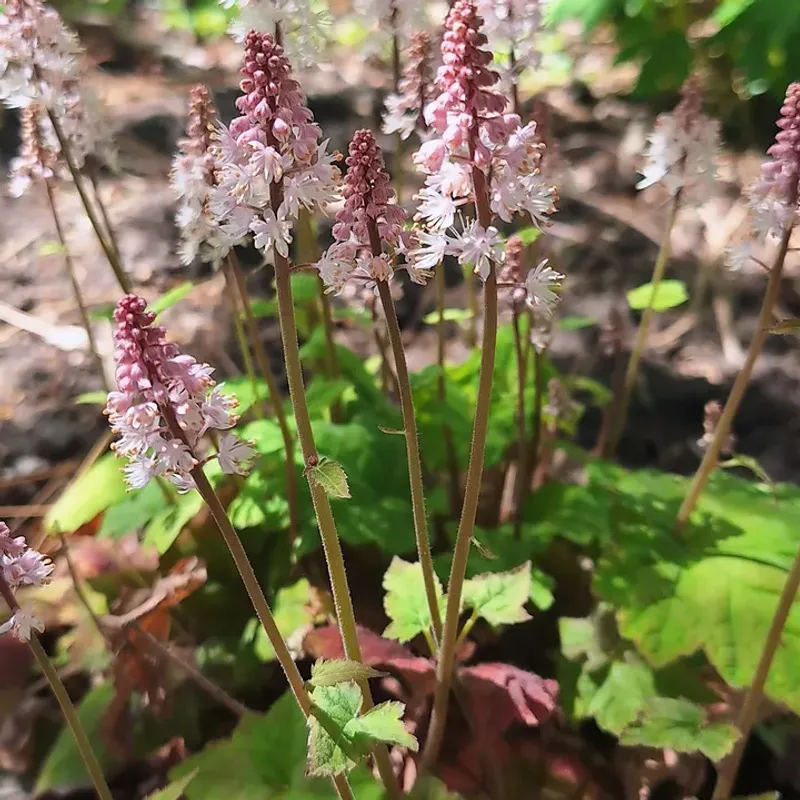
Foamflower earned its name honestly. In spring, it sends up airy, bottle-brush spikes of tiny white flowers that look like someone spilled a little cloud across the garden floor.
The effect is soft, delicate, and genuinely beautiful, especially in the dappled shade of a North Carolina woodland garden. Beyond the flowers, the patterned, maple-like leaves add texture and interest through the rest of the growing season.
Native to the eastern United States and very much at home in North Carolina, Foamflower thrives in moist, humus-rich soil under the filtered shade of trees.
It spreads slowly through short stolons, creating a gradually expanding colony that never feels invasive or out of control.
That measured pace makes it ideal for gardeners who want coverage without constant maintenance or worry about one plant taking over everything else.
Dividing Foamflower is a relaxed, rewarding process. Once a colony has been growing for two or three years, you can carefully dig up sections, tease the stolons apart, and replant them in new spots with similar shade and moisture conditions.
Water them in consistently for the first few weeks, and they settle in without complaint. Each new division begins spreading on its own within a single growing season.
Over time, a small original planting can quietly fill an entire shaded garden bed. For North Carolina gardeners who love native plants with a graceful, unhurried personality, Foamflower is a genuinely special choice that keeps on giving.
7. Wild Ginger (Asarum canadense)
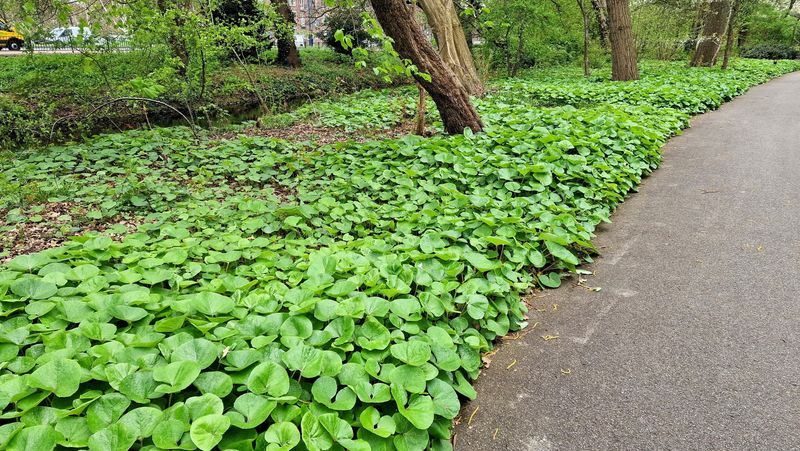
Wild Ginger is the quiet achiever of the North Carolina shade garden. It does not flower in a showy way, it does not spread aggressively, and it rarely demands attention.
What it does do is form one of the most handsome, weed-suppressing carpets of large, rounded, heart-shaped leaves you will ever see growing in deep shade. Once you have it, you will wonder how your garden ever looked complete without it.
This native ground cover grows naturally in woodland settings across North Carolina and neighboring states, thriving in the kind of deep, dry to moderately moist shade where most other plants simply refuse to cooperate.
The leaves emerge fresh and bright green in spring, hold their rich color all summer, and slowly fade as temperatures drop in fall.
It spreads through underground rhizomes at a slow, steady pace that feels reassuring rather than worrying.
Dividing Wild Ginger works best once a colony has had a few years to establish itself and expand.
Dig up a section of the rhizomes in early spring before new growth begins, divide them into pieces with at least one or two growth nodes each, and replant them in shaded spots with loose, organic soil.
Keep the divisions moist through their first growing season, and they will take hold reliably. Because Wild Ginger is native to North Carolina, it supports native wildlife and blends beautifully into naturalistic garden designs.
Patient gardeners who invest in it early are always glad they did.