8 Georgia Perennials That Bloom Multiple Times A Year
Georgia gardens can look incredible in spring, then suddenly feel tired by the time the real heat and humidity settle in.
A lot of flowers come out strong early, disappear for weeks, and leave people wondering why everything already looks worn out before summer even starts.
That is usually when gardeners start paying more attention to perennials that keep blooming instead of fading after one big show.
Some varieties handle Georgia weather far better than others once temperatures climb and afternoon storms start rolling through. A few bounce back with fresh flowers after a quick trim.
Others keep blooming much longer than expected without needing constant attention every week. Those repeat blooms make a huge difference in beds, borders, and front yards that need color for more than a couple of weeks.
1. Catmint Comes Back With More Blooms After Trimming
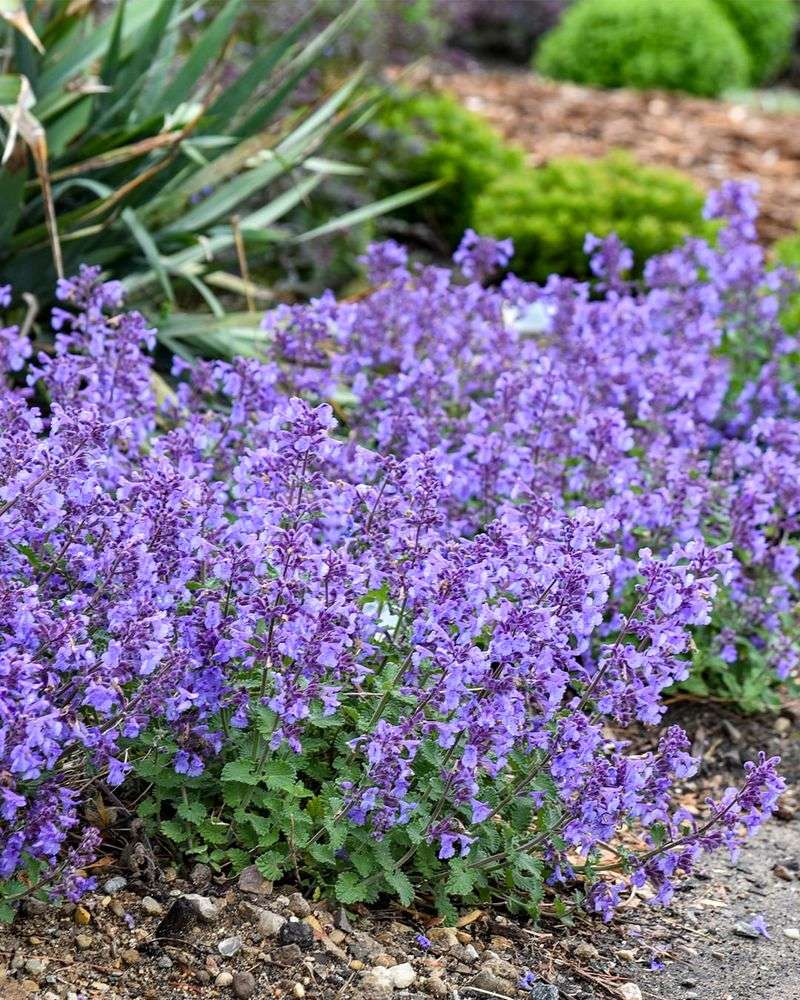
Cut it back hard and watch it reward you.
Catmint, especially the popular ‘Walker’s Low’ variety, produces a generous first flush of lavender-blue flower spikes in spring, and all it takes is a firm shearing after that first bloom fades to trigger a second wave of flowers within a few weeks.
In Georgia, catmint thrives in full sun with well-drained soil and handles summer heat reasonably well, though it appreciates some afternoon shade in the hottest inland areas.
It is naturally drought-tolerant once established, which makes it a practical choice for gardeners who want reliable color without heavy watering schedules.
The silvery-green foliage also holds up attractively between bloom cycles.
One thing worth knowing is that catmint sprawls. Without trimming, it can flop outward and crowd nearby plants, so keeping a pair of shears nearby is genuinely useful.
After the second flush fades later in summer, another light trim can sometimes coax out a third round of blooms before frost arrives in Georgia. Pollinators absolutely swarm catmint when it is in flower, so expect bees and butterflies to show up in force.
It pairs beautifully with roses, salvia, and ornamental grasses for a layered, long-season border that holds interest from spring well into fall without much intervention on your part.
In Georgia gardens, it also tends to bounce back quickly after heat stress, making it one of those dependable perennials that keeps its shape and color even when summer conditions get a bit rough.
2. Reblooming Daylilies Keep Pushing Out Flowers Through Summer
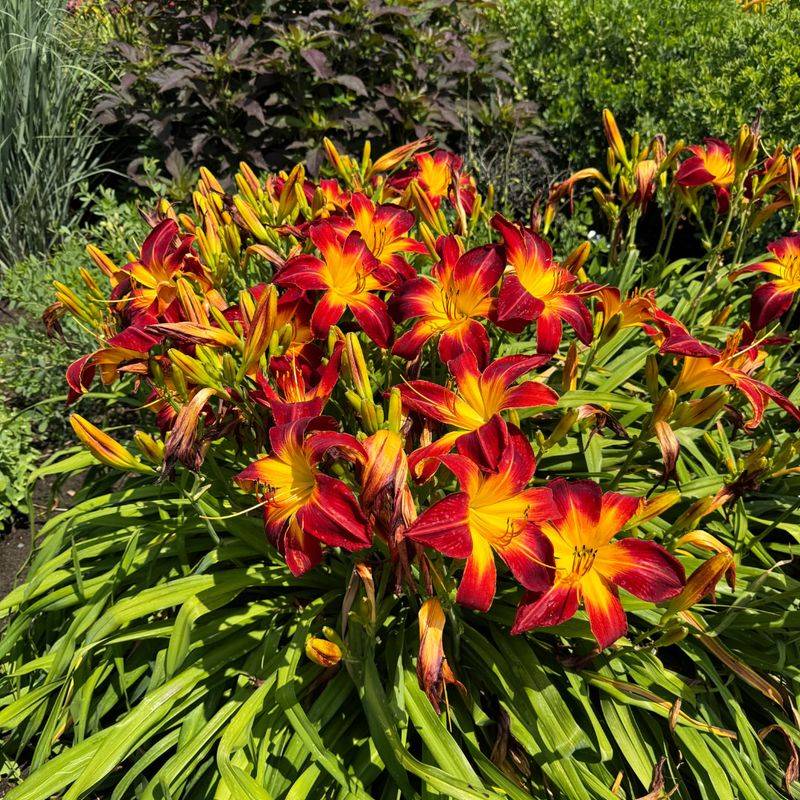
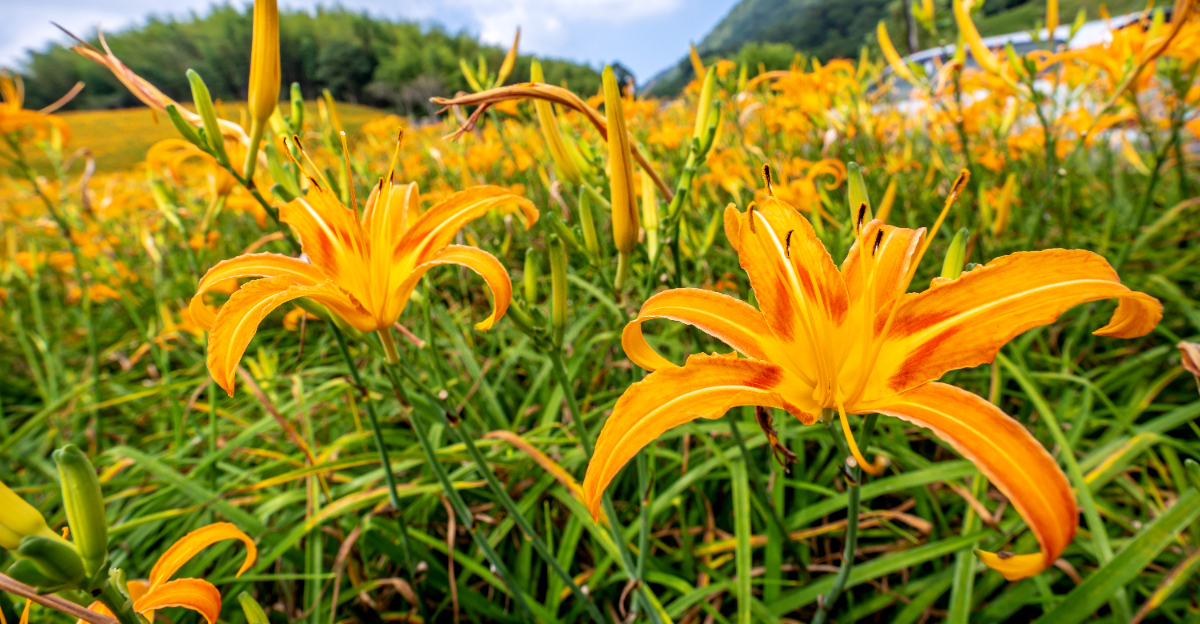
Most daylilies bloom once and call it a season, but reblooming varieties completely change that expectation. Cultivars like ‘Stella de Oro,’ ‘Happy Returns,’ and ‘Pardon Me’ are bred specifically to push out multiple flushes of flowers from late spring straight through summer and sometimes into early fall.
In Georgia’s long growing season, that translates to real color payoff.
Reblooming daylilies perform best in full sun, though they can handle a bit of afternoon shade in the hottest parts of the state. Well-drained soil and consistent watering during dry spells will encourage each new bloom cycle.
Deadheading spent flowers is not strictly required, but removing old scapes can sometimes nudge the plant toward its next round of blooms.
Your Georgia Garden Changes Every Week. Your Plan Should Too.
Gardening in Georgia changes quickly throughout the season. Every Friday you’ll receive a simple weekly plan showing exactly what to plant, prune, fertilize, harvest, and protect so you never miss the right timing.
Dividing clumps every three to four years keeps plants vigorous and flowering more reliably. Overcrowded clumps tend to produce fewer blooms over time, so splitting them up in early fall or early spring gives each section room to recharge.
Georgia gardeners who have grown reblooming daylilies often say they are one of the most rewarding low-effort perennials in their entire yard. Once established, these plants are tough, drought-tolerant, and remarkably consistent about putting on a show season after season without much fuss from you.
In many Georgia gardens, they also perform best when given a light layer of mulch to help conserve moisture and keep roots more stable during heat swings.
3. Salvias Stay Colorful Long After Spring Ends
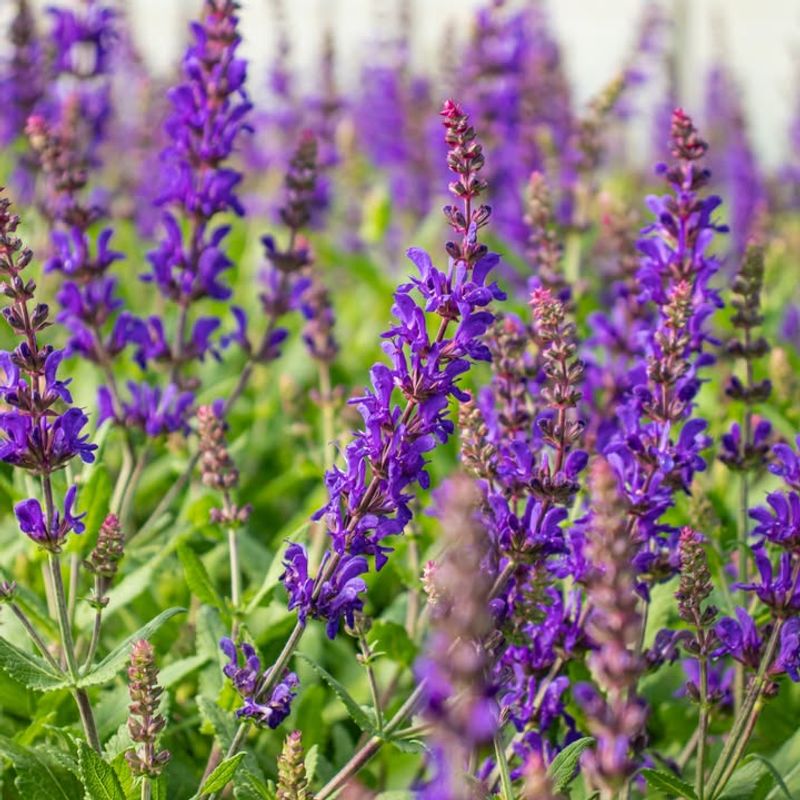
Salvia is one of those plants that earns its spot in a Georgia garden over and over again. Perennial salvias like ‘May Night,’ ‘East Friesland,’ and native Georgia species such as Salvia azurea start blooming in spring and, with a little encouragement, keep producing color well into fall.
The secret is deadheading or light trimming after each bloom cycle wraps up.
Full sun is non-negotiable for the best performance. Salvias planted in partial shade will grow but tend to get leggy and bloom less aggressively.
In Georgia’s clay-heavy soils, amending with compost and ensuring good drainage goes a long way toward keeping roots healthy through wet winters and dry summers alike.
What makes salvias especially useful in Georgia landscapes is their heat tolerance. Unlike some perennials that shut down when temperatures climb into the nineties, salvias keep pushing out flower spikes through the hottest stretches of summer.
Hummingbirds are reliably drawn to the tubular red and purple blooms, adding extra life to the garden during peak heat.
Spacing plants at least eighteen inches apart improves airflow and reduces the risk of powdery mildew, which can show up during humid Georgia summers.
A mid-summer trim of about one-third of the plant height usually brings on a strong second flush that carries color through September and sometimes into October depending on conditions.
4. Coreopsis Keeps Flowering During The Hottest Months
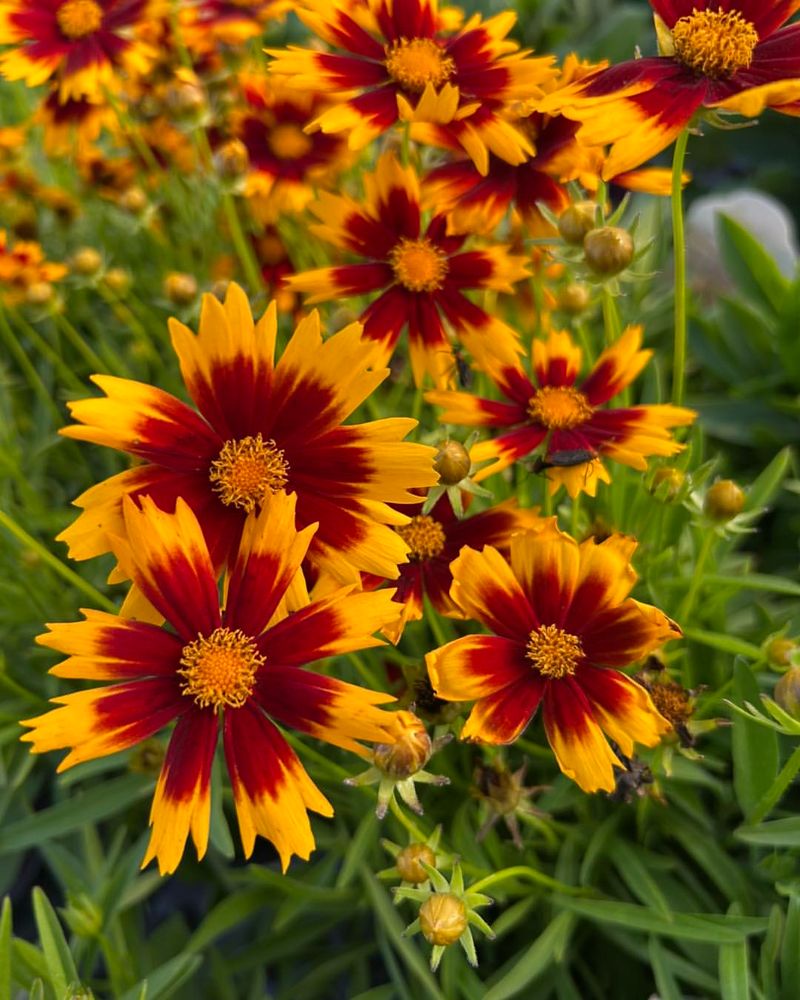
Few perennials handle Georgia summers with as much cheerfulness as coreopsis. Known commonly as tickseed, this plant opens bright yellow or gold daisy-like flowers from late spring and just keeps going through the heat of July and August when a lot of other plants take a noticeable break.
Some varieties, like ‘Moonbeam’ and ‘Zagreb,’ bloom almost continuously without much deadheading at all.
Coreopsis prefers full sun and well-drained soil, and it actually performs better in lean conditions than in rich, heavily amended beds. Over-fertilizing with nitrogen pushes leafy growth at the expense of flowers, so go easy on feeding.
Once established, most coreopsis varieties are impressively drought-tolerant, which suits Georgia’s occasional dry spells between summer thunderstorms.
Cutting plants back by about half in midsummer, even if they are still blooming lightly, typically triggers a strong fresh flush of flowers within two to three weeks. Georgia gardeners often find this simple step makes a noticeable difference in late-season color.
Coreopsis also self-seeds modestly, so you may find small volunteer plants appearing nearby each spring.
Thread-leaf varieties tend to be more heat-resilient than broad-leaf types in Georgia’s climate, so if you want the most consistent summer performance, those are worth seeking out at local nurseries.
Overall, it is a low-maintenance, high-reward plant.
Coreopsis can also handle light neglect surprisingly well, continuing to flower even when conditions aren’t perfectly maintained.
5. Yarrow Often Produces Another Flush Of Flowers
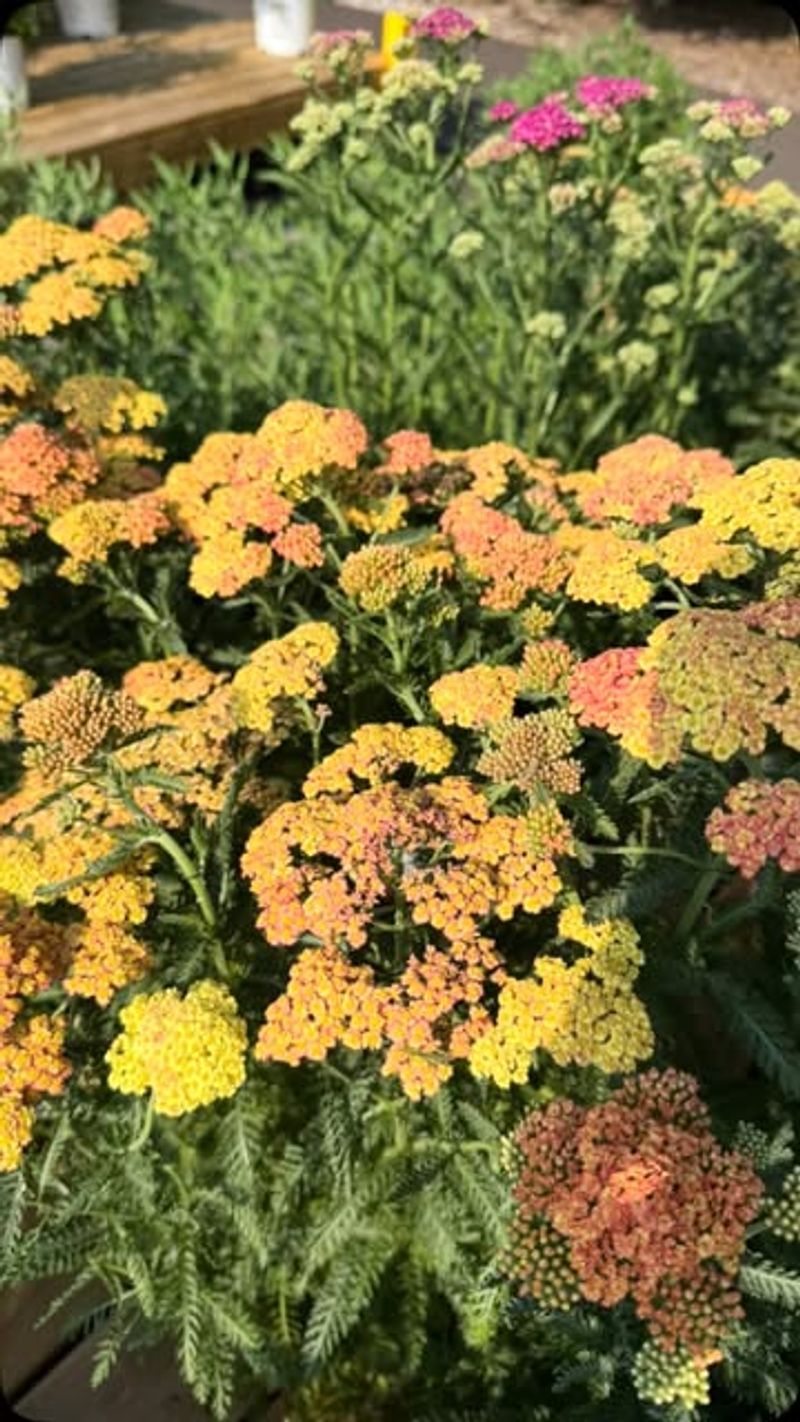
Yarrow does not get nearly enough credit in Georgia gardens. After its first bold flush of flat-topped flower clusters in late spring or early summer, cutting the spent stems back to the basal foliage often encourages a second, sometimes third round of blooms before the season closes out.
It is not always as showy as the first wave, but it adds real color when many other plants are struggling in the heat.
Planted in full sun and well-drained soil, yarrow is tough in ways that genuinely matter in Georgia. Sandy or rocky soil is fine.
Dry stretches do not set it back significantly once it is established. In fact, overly rich, moist soil tends to cause yarrow to flop and become more prone to root problems, so resist the urge to pamper it.
Color options have expanded considerably in recent years. Beyond the classic yellow, you can now find yarrow in shades of red, pink, cream, and soft orange, which opens up a lot of design possibilities in the garden.
Fernleaf foliage stays attractive between bloom cycles, giving the plant ornamental value even when flowers are absent.
One honest note: yarrow spreads by rhizome and can move into neighboring areas over time, so keeping an eye on its boundaries and dividing clumps every few years in Georgia’s growing conditions will help keep it manageable without much trouble.
6. Blanket Flower Keeps Blooming Through Heat And Drought
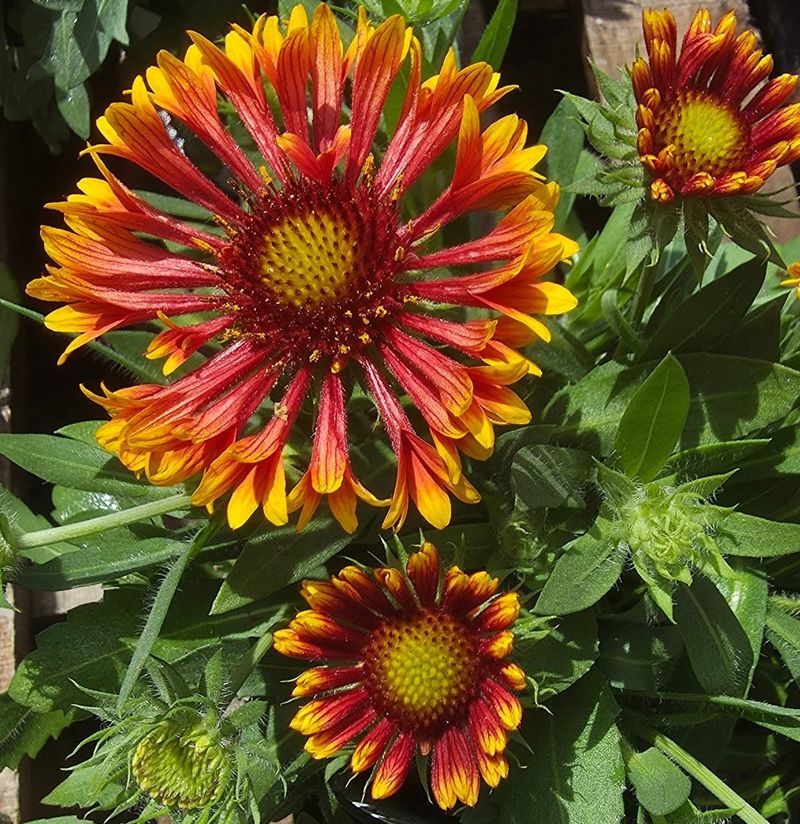
Blanket flower, or gaillardia, earns its reputation as one of the toughest reblooming perennials you can grow in Georgia.
Fiery red, orange, and yellow petals radiate from dark centers, and the plant produces flowers almost nonstop from late spring through fall without much intervention.
Hot, dry conditions that stress other perennials barely slow it down.
Full sun and excellent drainage are the two things blanket flower genuinely needs. In Georgia’s heavier clay soils, raising beds slightly or mixing in coarse sand and compost helps prevent the root rot that can cut the plant’s life short.
Avoid planting in low spots where water collects after rain, because soggy conditions are far more damaging to gaillardia than summer drought ever would be.
Deadheading spent blooms regularly encourages the plant to keep producing fresh flowers rather than channeling energy into seed production. That said, leaving a few seed heads toward the end of the season lets gaillardia self-seed, which can fill in gaps in the garden naturally over time.
Individual plants sometimes only last two to three years in Georgia gardens, but because they self-seed freely, colonies tend to persist and even expand.
‘Goblin’ and ‘Arizona Sun’ are two compact varieties that hold up particularly well in Georgia’s climate and are widely available at nurseries and garden centers throughout the state.
7. Veronica Starts Flowering Again Later In Summer
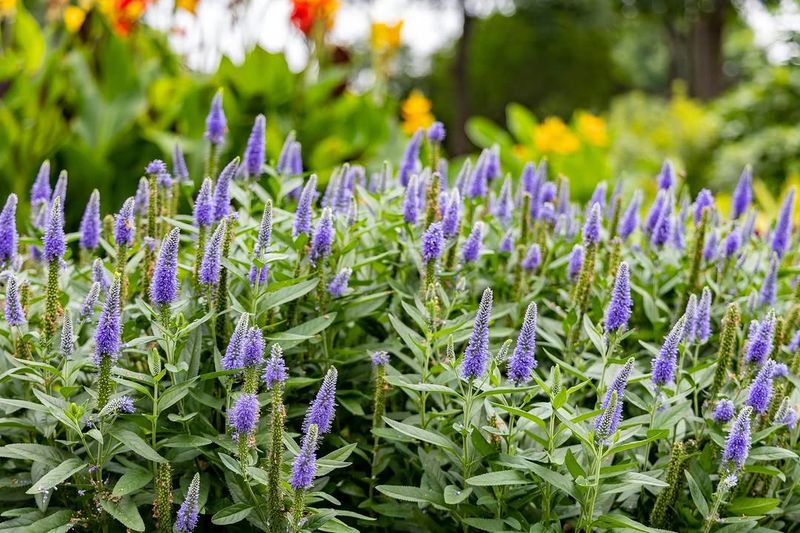
Veronica, commonly called speedwell, surprises a lot of Georgia gardeners who write it off after its spring bloom fades.
Given a trim after the first flower spikes finish, many varieties push out fresh growth and bloom again in late summer or early fall, providing a second round of the upright blue, purple, or pink spikes that make this plant so visually useful in a mixed border.
‘Sunny Border Blue’ and ‘First Love’ are two varieties with solid rebloom potential in Georgia’s climate. Both prefer full sun to light shade and moist but well-drained soil.
Unlike some heat-loving perennials, veronica can actually struggle during the most intense Georgia heat if it dries out too frequently, so consistent moisture through summer matters more here than it does for drought-tolerant species.
Powdery mildew is a real concern during Georgia’s humid summers, especially when plants are crowded or airflow is limited. Spacing plants properly and avoiding overhead watering in the evening can significantly reduce the problem.
Dividing clumps every two to three years keeps veronica vigorous and less prone to disease. The upright form pairs well with mounding plants like coreopsis or catmint, creating contrast in height and texture that makes the overall planting feel more dynamic.
When the second flush arrives in late summer, it tends to be shorter but still genuinely showy and worth the wait.
8. Bee Balm Can Bloom More Than Once In One Season
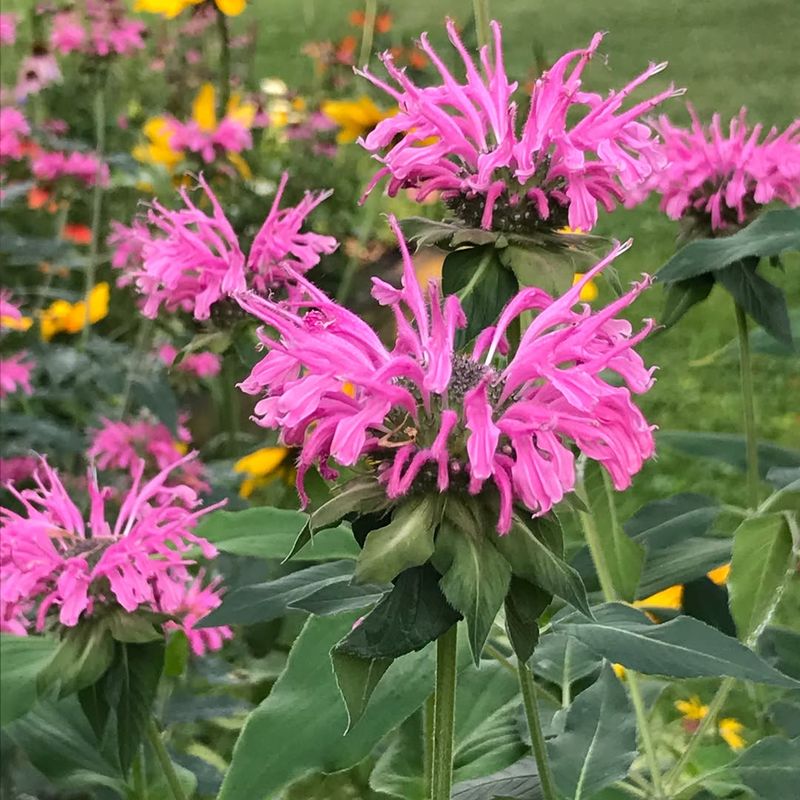
Walk past a patch of bee balm in full bloom and you will immediately understand why gardeners keep growing it despite its quirks.
Monarda’s wild, shaggy flower heads in red, pink, purple, and white are genuinely striking, and in Georgia’s long growing season, cutting plants back after the first summer flush often brings on a second round of blooms before the season ends.
Native to North America, bee balm attracts hummingbirds, bees, and butterflies in impressive numbers. In Georgia, where pollinators are active for much of the year, a reblooming patch of monarda adds real ecological value to the garden alongside its visual appeal.
Planting it in a spot with morning sun and some afternoon shade helps reduce heat stress during Georgia’s most brutal summer weeks.
Powdery mildew is the main challenge with bee balm, and Georgia’s humidity makes it a genuine concern. Choosing mildew-resistant varieties like ‘Jacob Cline,’ ‘Raspberry Wine,’ or the native Monarda fistulosa makes a meaningful difference.
Good air circulation, proper spacing, and removing affected foliage promptly also help keep the plant looking presentable through the season.
After the first bloom cycle, cutting stems back to about six inches from the ground and giving the plant a good drink of water and a light feeding typically sets it up for a second flush of flowers in late summer or early fall, which is a satisfying finish to the growing season in Georgia.