7 Ways To Get Bigger Rose Blooms In Georgia This Summer
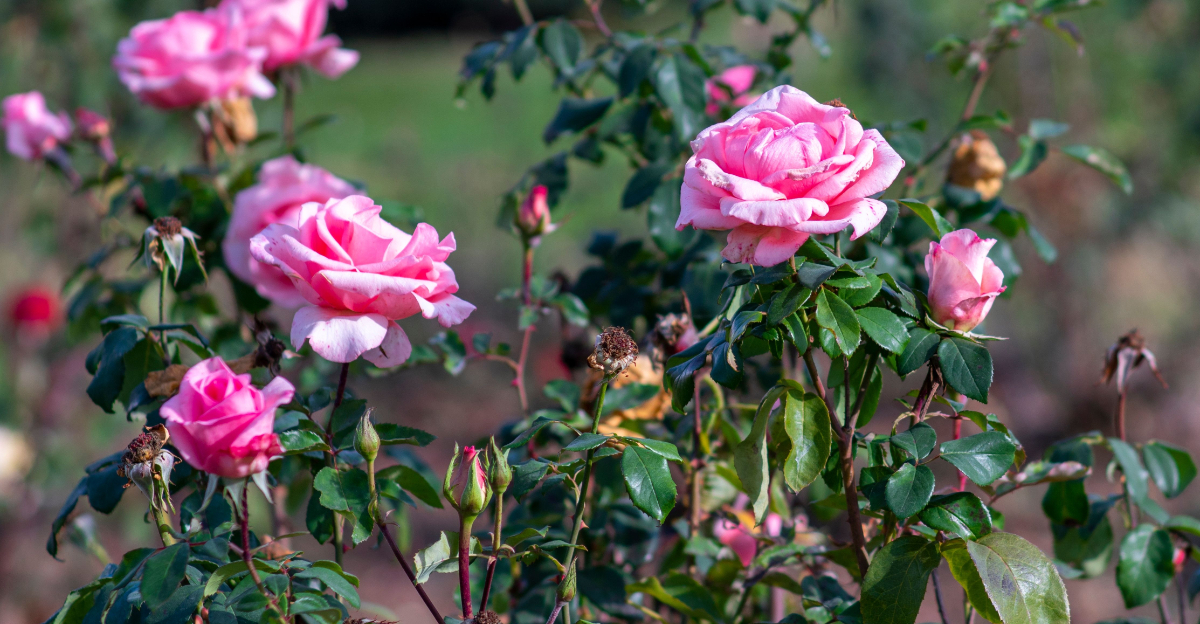
Roses in Georgia can look strong and full in early summer, yet the blooms do not always match that same energy once the heat starts to settle in.
Many gardeners notice the plant itself stays healthy while the flowers come out smaller or less impressive than expected.
It is not just about weather since how the plant is cared for through growth stages and timing can change how much strength goes into each bloom. Even small adjustments during the season can shift how the plant performs when it matters most.
With the right approach, roses can put more focus into flower size and bring a stronger display through the summer months.
1. Prune At The Right Time To Encourage Larger Blooms
Bad timing with pruning is one of the most common reasons Georgia rose growers end up with weak, small blooms year after year. Cutting back at the wrong moment can confuse the plant and delay flowering well into the season.
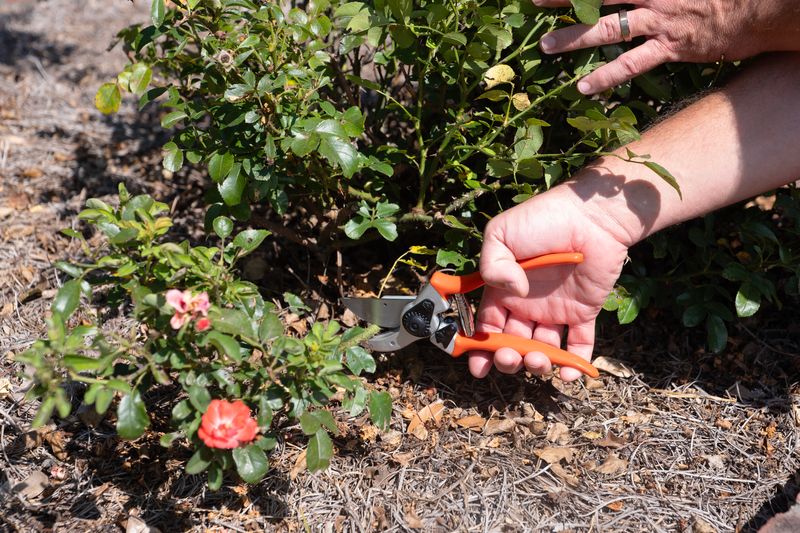
In Georgia, late February to early March is generally the sweet spot for major pruning before new growth pushes hard. You want to cut back to healthy, outward-facing buds and remove any canes that look damaged or are crossing over each other.
Aim to leave three to five strong canes on each plant.
Clean cuts matter more than most people realize. A dull blade tears the cane instead of slicing cleanly, which can invite fungal issues in Georgia’s humid climate.
Sharp bypass pruners are worth the investment.
When you remove the weaker growth, the plant redirects its energy into fewer, stronger stems. Fewer stems typically mean bigger, more developed blooms rather than a scattered bunch of small ones.
It is not complicated, just intentional.
During summer, you can also do lighter shaping cuts after each bloom cycle. Cutting just above a five-leaflet leaf node encourages the plant to rebloom faster.
Avoid cutting too deep in the heat, since the plant is already working hard to manage the Georgia summer temperatures.
2. Feed Regularly With A Balanced Rose Fertilizer
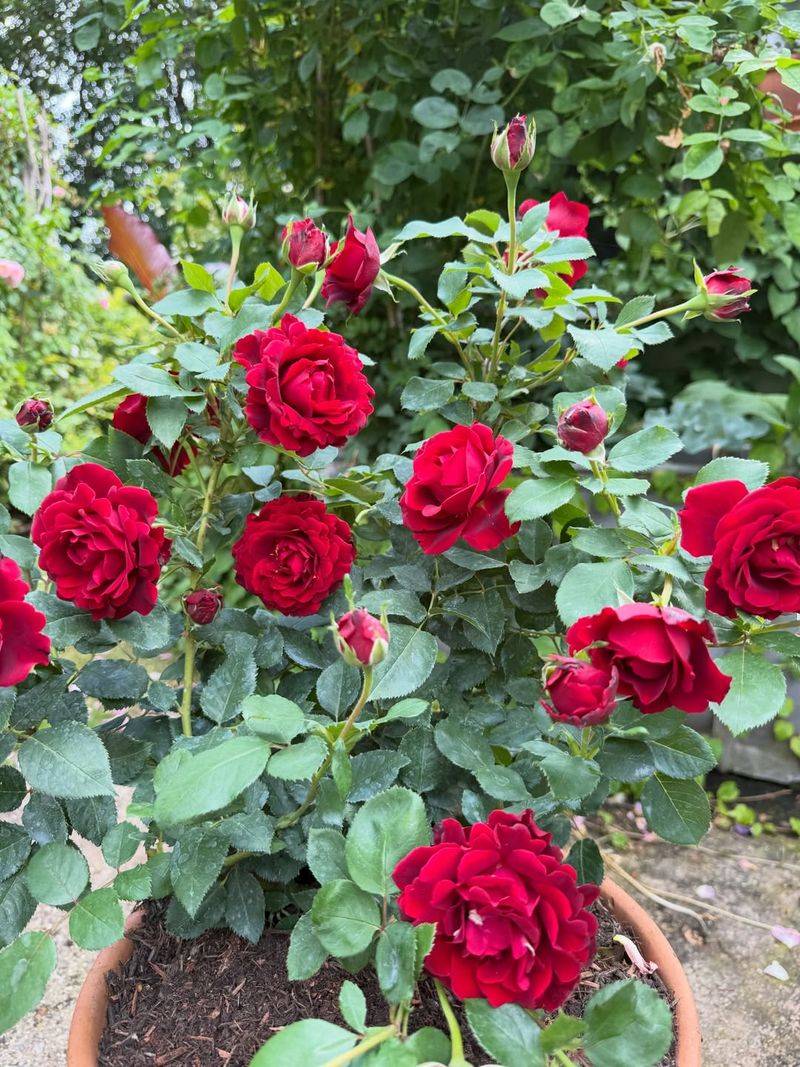
Roses are heavy feeders, and in Georgia’s long growing season, they burn through nutrients faster than you might expect. Skipping fertilizer or feeding inconsistently is a quick way to end up with pale, undersized blooms by midsummer.
A balanced fertilizer with roughly equal parts nitrogen, phosphorus, and potassium works well for general feeding. Nitrogen pushes leafy growth, while phosphorus supports root strength and flower development.
Potassium helps the overall plant handle heat and stress, which matters a lot during a Georgia July.
Feeding every four to six weeks during the growing season keeps a steady supply of nutrients available.
Granular slow-release fertilizers are convenient and reduce the risk of overfeeding, which can actually reduce bloom production by pushing too much leaf growth instead.
If you prefer liquid fertilizers, they act faster and can give a noticeable boost right before a bloom cycle. Just follow the label directions carefully, since applying too much concentrated fertilizer in the summer heat can stress the roots.
Your Georgia Garden Changes Every Week. Your Plan Should Too.
Gardening in Georgia changes quickly throughout the season. Every Friday you’ll receive a simple weekly plan showing exactly what to plant, prune, fertilize, harvest, and protect so you never miss the right timing.
Stop fertilizing around late August or early September in Georgia. Feeding too late in the season encourages soft new growth that will not have time to harden before cooler temperatures arrive in fall.
3. Water Deeply To Support Strong Flower Development
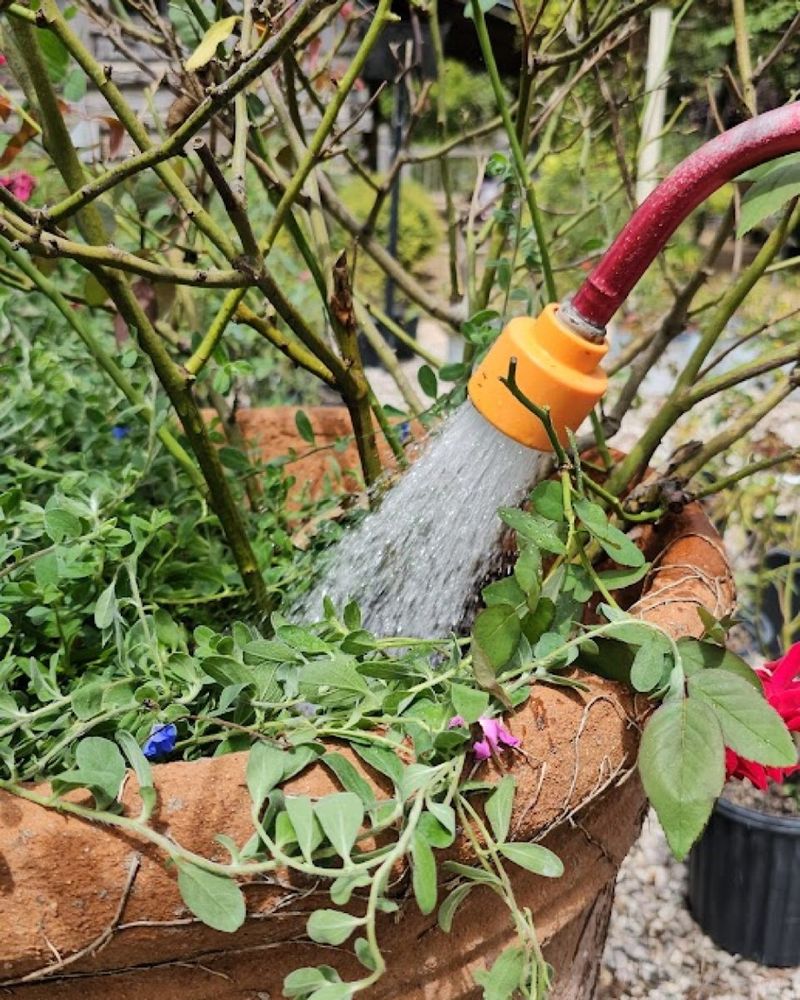
Shallow watering is one of those habits that seems fine on the surface but quietly limits how well your roses perform. Roots that only reach a few inches down have no buffer when Georgia’s summer heat turns intense and dry spells stretch for days.
Deep watering once or twice a week encourages roots to grow further into the soil where moisture stays more stable. A good rule of thumb is around an inch to two inches of water per week, including rainfall.
During hot stretches with no rain, you may need to water more often, especially for roses planted in containers or sandy soil.
Soaker hoses and drip irrigation are worth setting up if you have not already. Getting water directly to the root zone keeps foliage dry, which matters in Georgia because wet leaves in humid conditions invite fungal problems like black spot and powdery mildew.
Morning watering works better than evening watering. Any moisture that splashes onto the leaves has time to evaporate before nightfall, reducing the chance of disease setting in overnight.
Checking the soil before watering is a simple habit that prevents both underwatering and overwatering.
4. Provide Full Sun For Maximum Bloom Size
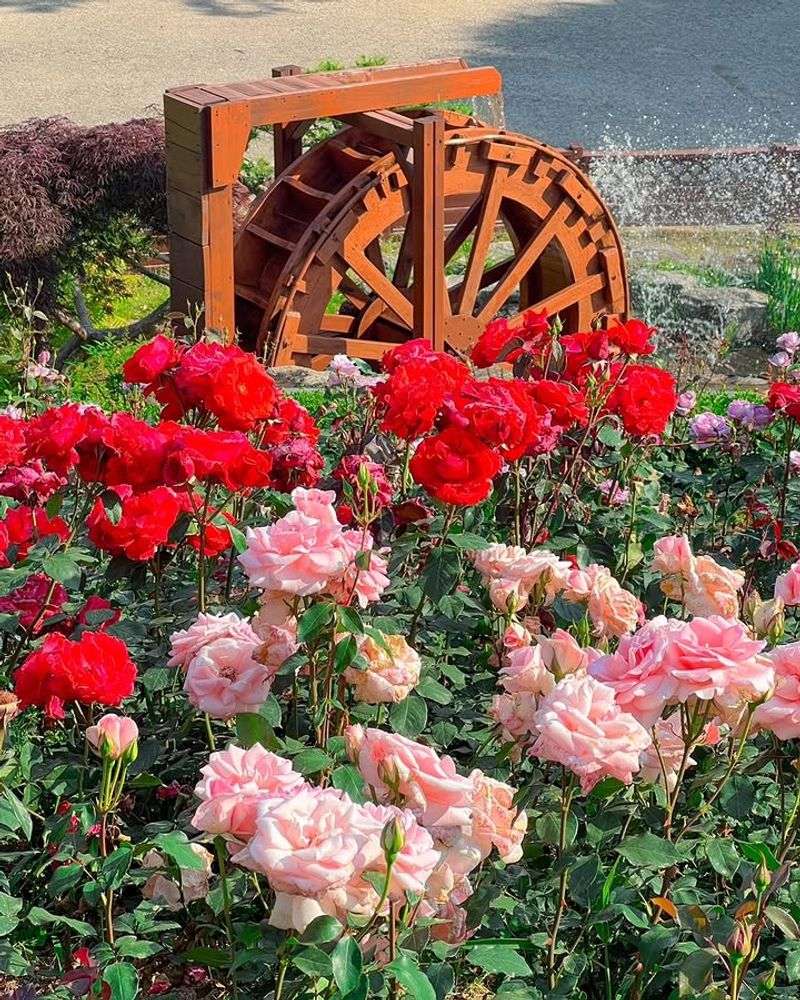
Sunlight is not optional for roses, it is the engine that drives bloom production. Roses planted in shady spots or areas that get partial sun will grow, but the blooms tend to be smaller, fewer, and less vibrant than they should be.
Six hours of direct sunlight per day is the minimum for decent performance. Eight hours or more is where most rose varieties really start to produce the kind of big, full blooms that make the effort worthwhile.
In Georgia, that kind of sun exposure is achievable in most yards from spring through fall.
If your roses are currently in a spot that gets shaded out by a tree or building in the afternoon, it might be worth transplanting them in late fall when the plant is dormant.
Moving established roses is stressful, but placing them in better sun can improve bloom size noticeably over the following season.
One thing worth knowing about Georgia summers specifically: intense afternoon sun combined with heat and drought can occasionally stress roses.
Morning sun with some light afternoon shade is acceptable for sensitive varieties, though most modern rose types handle full sun well when properly watered and mulched.
5. Deadhead Spent Flowers To Redirect Energy
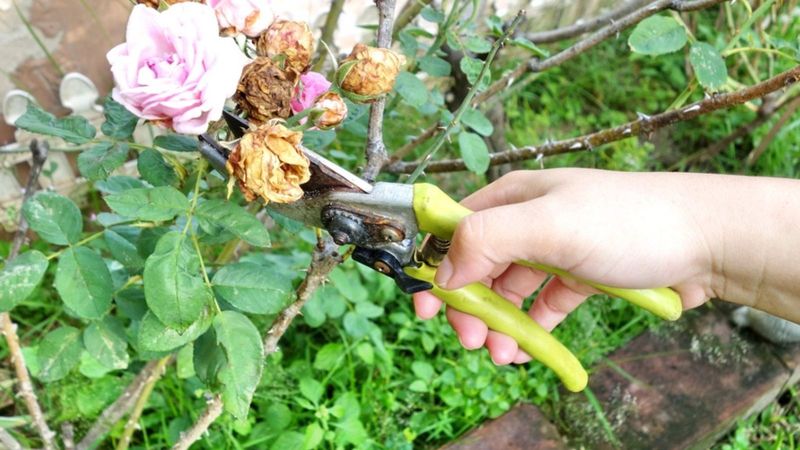
Leaving old blooms on the plant after they fade is one of the easiest ways to accidentally slow down your rose’s flowering cycle. Once a flower is spent, the plant starts putting energy into forming seeds inside the hip rather than pushing out new buds.
Deadheading, which just means removing the finished blooms, interrupts that seed-forming process and signals the plant to focus back on flower production.
In Georgia’s long summer season, consistent deadheading can keep repeat-blooming varieties producing new flowers from late spring well into fall.
Cut spent flowers back to the first set of five-leaflet leaves below the bloom. That is the point where new growth is most likely to emerge.
Cutting higher, just below the flower head, tends to produce weaker stems that support smaller blooms on the next cycle.
Deadheading does not need to be a long, complicated task. Spending five to ten minutes walking through your rose beds a couple of times a week is usually enough to stay on top of it.
Carry a clean pair of snips and a small bucket to drop the cuttings into as you go.
Avoid leaving cut stems or fallen petals on the ground around the base of the plant. In Georgia’s humid summers, decaying plant material can harbor fungal spores and pests that affect bud health over time.
6. Improve Soil With Organic Matter For Better Growth
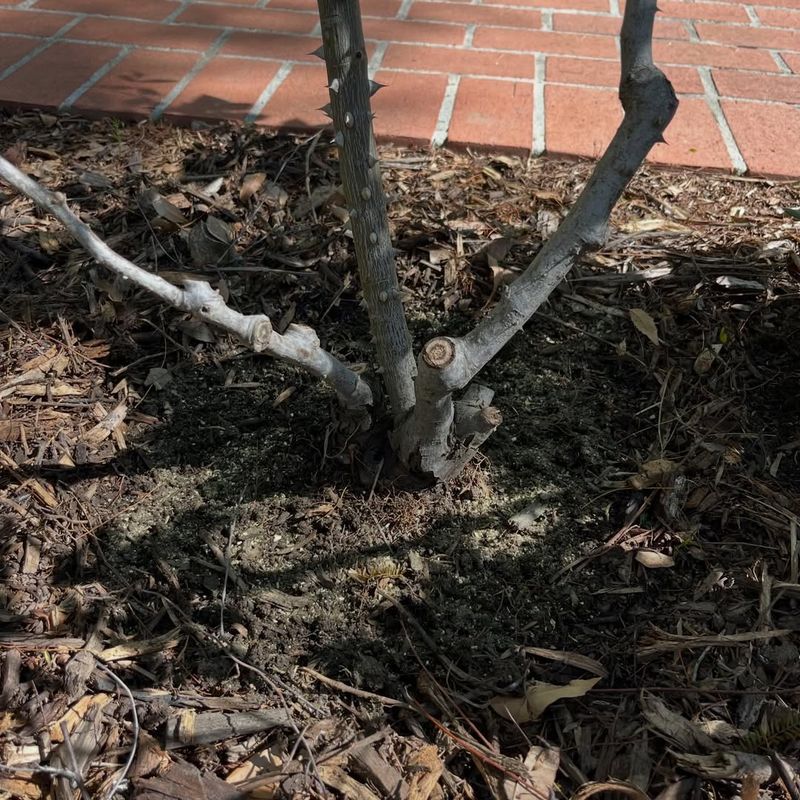
Georgia soils can be a challenge for rose growers. Much of the state sits on red clay or sandy soil, and neither extreme gives roses the balanced drainage and nutrient retention they need to produce their best blooms.
Adding organic matter is the most practical way to improve soil structure over time. Compost is the go-to option for most home gardeners.
Working two to three inches of finished compost into the top layer of soil before planting, or spreading it as a top dressing around established plants, improves both drainage in clay soil and moisture retention in sandy soil.
Aged wood chips, shredded leaves, and well-rotted manure also contribute organic content as they break down. Worm castings are another option if you want something that also adds a mild nutrient boost without the risk of burning roots.
Soil pH matters too, and this is something Georgia gardeners should pay attention to. Roses prefer a pH between 6.0 and 6.5.
Georgia soils often run slightly acidic, which can be fine for roses, but going too far below 6.0 can limit how well the plant absorbs nutrients even when fertilizer is applied regularly.
A basic soil test from your local county extension office gives you accurate pH and nutrient readings without guesswork.
7. Control Pests Early To Prevent Damage To Buds
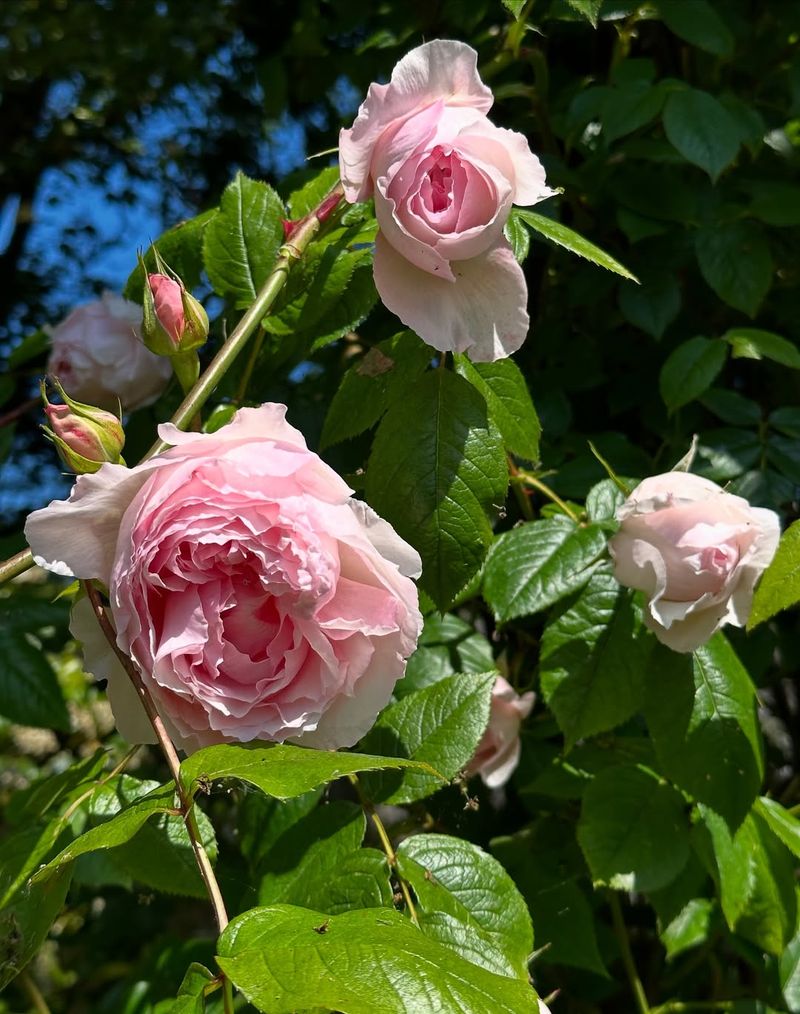
A bud that gets hit by pests before it fully opens rarely becomes the bloom you were hoping for. Aphids, thrips, Japanese beetles, and spider mites are all common in Georgia during summer, and each one can distort or damage rose buds in different ways.
Checking your roses regularly is the most effective form of pest management available. Walking through the garden two or three times a week gives you a chance to catch small infestations before they spread.
Look under leaves, along new growth, and inside partially opened buds where insects like to hide.
Aphids cluster on tender new growth and can be knocked off with a firm spray of water from the hose. For heavier infestations, insecticidal soap spray is effective and less disruptive to beneficial insects than broad-spectrum pesticides.
Japanese beetles are a real problem across Georgia from late June through August. Hand-picking in the early morning when they are sluggish is surprisingly effective for small gardens.
Drop them into a bucket of soapy water rather than leaving them on the ground.
Spider mites tend to show up during dry, hot stretches. Tiny stippled or bronzed patches on the leaves are the usual sign.
Keeping plants well-watered and occasionally misting the undersides of leaves helps reduce their numbers.