The May Gardening Mistakes That Often Lead To Fungus Problems In Georgia
May in Georgia can make a garden explode with growth almost overnight. Tomatoes shoot upward, roses fill out fast, lawns green up, and suddenly everything looks lush and thriving.
Then the humidity rolls in, afternoon rainstorms start popping up, and fungus problems quietly begin creeping through the garden like uninvited guests who refuse to leave. A lot of common May gardening habits can accidentally make things worse.
Wet leaves sitting overnight, crowded plants, soggy soil, and poor airflow create the kind of conditions fungal issues absolutely love.
The frustrating part is that many gardeners do not notice a problem until spots, mildew, or leaf damage suddenly show up everywhere at once.
Georgia’s warm, damp spring weather keeps gardeners on their toes this time of year, but a few smart adjustments can make a surprisingly big difference.
1. Watering Over The Leaves Late In The Day
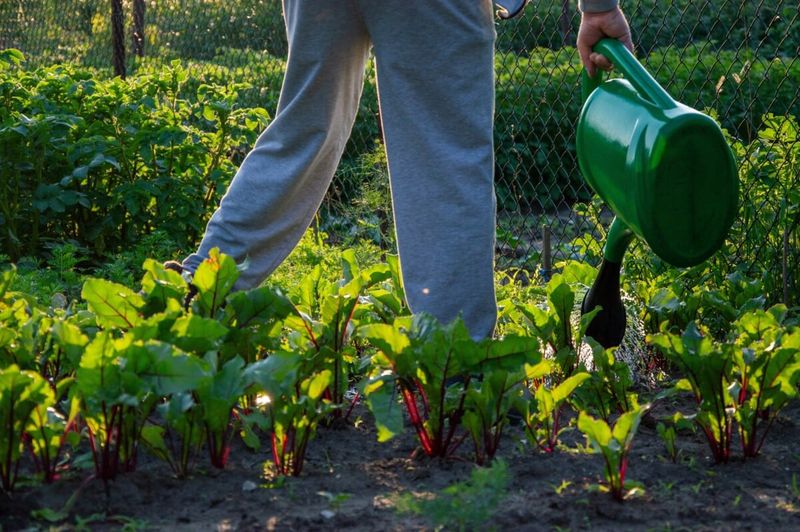
Watering over leaves late in the day can directly raise fungus pressure in Georgia gardens because damp foliage may stay wet for hours after sunset.
In May, warm nights and humid air already create favorable conditions for leaf spot, powdery mildew, downy mildew, and other moisture-loving problems.
When water sits on tomato leaves, rose foliage, squash vines, peppers, or crowded ornamentals overnight, fungal spores have more time to settle and spread.
This mistake becomes even more risky after cloudy days or evening storms, when plants dry slowly.
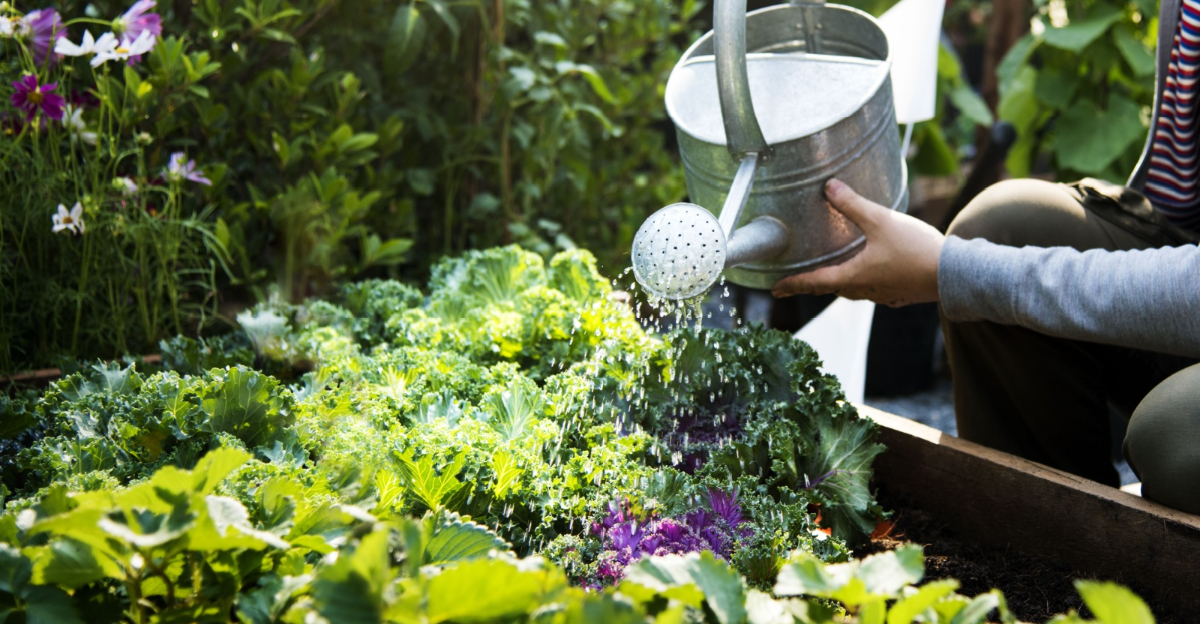
A safer approach is to water near the base of each plant so moisture reaches the root zone instead of coating the leaves. Morning watering is usually better when overhead watering cannot be avoided, because sunlight and airflow can help foliage dry sooner.
Drip irrigation, soaker hoses, or careful hand watering also reduce splash from soil onto lower leaves, which can move disease organisms onto plants.
Georgia gardeners should see late day leaf watering as a fungus-friendly habit, not just a watering choice.
Changing the timing and keeping leaves drier can help reduce disease pressure before spots, mildew, or damaged foliage become harder to manage.
2. Crowding Plants Too Close Together
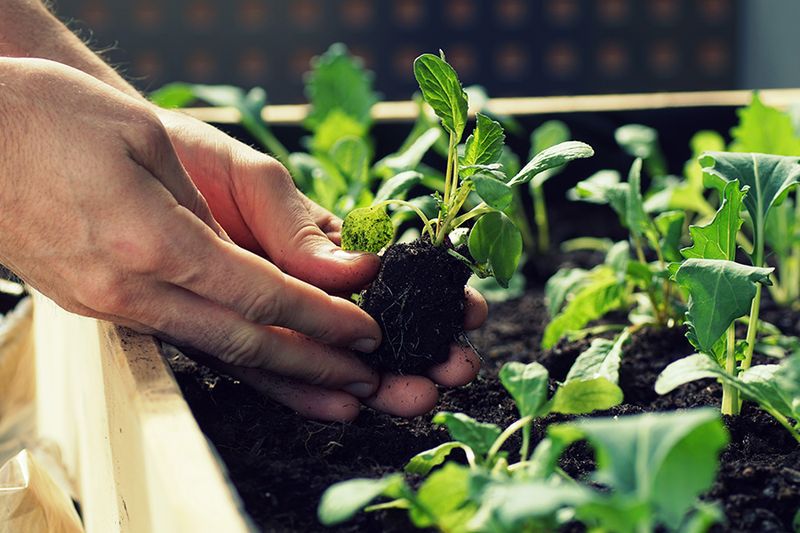
Crowding plants too close together is one of the fastest ways to create fungus-friendly conditions in Georgia gardens during May.
Tight spacing traps humidity between leaves, slows airflow, and keeps foliage damp longer after rain, irrigation, or heavy morning dew.
Those damp pockets can encourage leaf spot, powdery mildew, downy mildew, and other fungal problems on vegetables, roses, herbs, and ornamentals.
The issue often sneaks up because young transplants may look small when planted, then expand quickly as Georgia weather warms.
Tomatoes, squash, cucumbers, peppers, zinnias, and dense bedding plants can all become harder to manage when leaves overlap heavily. Crowding also hides early symptoms, so small spots or mildew patches may go unnoticed until the problem has spread.
Following spacing recommendations on plant tags, seed packets, or trusted extension guidance gives plants room to dry. In established beds, thinning seedlings, staking tall plants, or pruning lightly can help open the canopy.
Your Georgia Garden Changes Every Week. Your Plan Should Too.
Gardening in Georgia changes quickly throughout the season. Every Friday you’ll receive a simple weekly plan showing exactly what to plant, prune, fertilize, harvest, and protect so you never miss the right timing.
Georgia gardeners do not need empty-looking beds, but plants need enough room for air to move. Better spacing lowers fungus pressure by helping leaves dry faster and making disease checks much easier during humid May weather.
It also helps watering reach roots without soaking tangled foliage every time.
3. Working In The Garden When Plants Are Wet
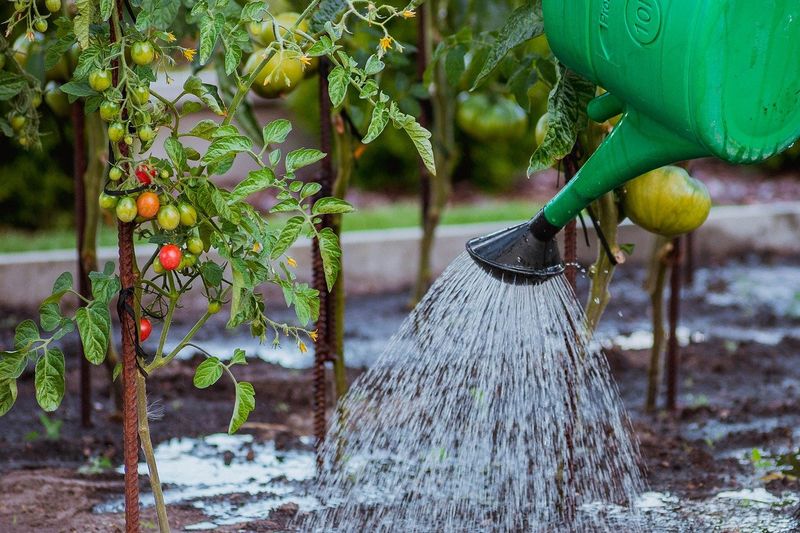
Working in the garden while plants are wet can help fungal problems move through a Georgia garden more easily.
After rain, heavy dew, or overhead watering, leaves and stems hold moisture, and that wet surface can carry spores or disease organisms as gardeners touch, prune, tie, harvest, or brush past plants.
In May, when Georgia gardens are warm, humid, and growing quickly, this mistake can turn one small fungus issue into a wider problem.
Tomatoes, beans, roses, squash, cucumbers, and many ornamentals are especially worth handling carefully during damp weather.
Wet gloves, pruners, sleeves, and plant ties can transfer material between plants if gardeners move too quickly through a bed. Waiting until foliage dries before pruning or harvesting is a simple way to reduce disease spread.
It also helps prevent unnecessary bruising or damage to soft new growth. If work must happen after rain, focus on paths, containers, or tasks that do not require touching leaves.
Clean tools between plants when symptoms are visible. In Georgia’s humid May weather, patience after wet mornings can lower fungus pressure and keep garden maintenance from accidentally spreading leaf spots, mildew, or other problems.
This small habit can protect healthy plants nearby too.
4. Skipping Mulch Around Disease Prone Plants
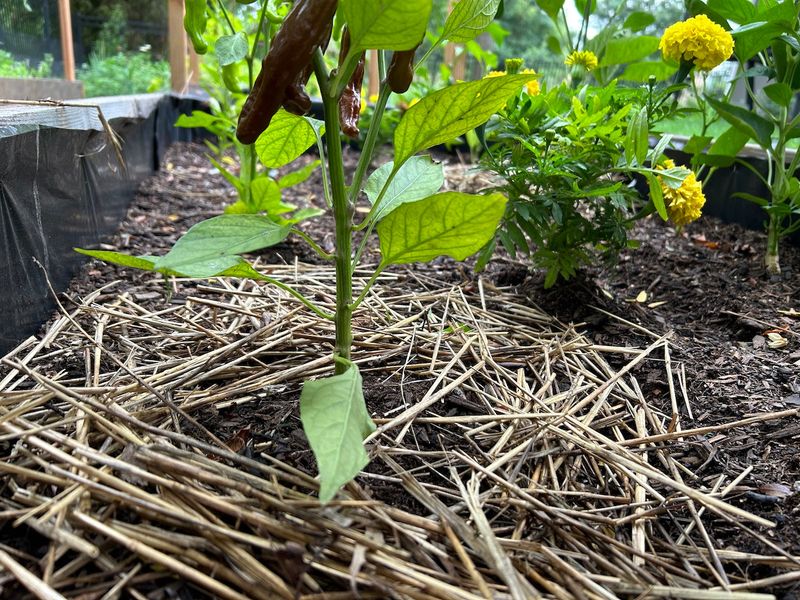
Skipping mulch around disease-prone plants can increase fungus problems in Georgia gardens because bare soil splashes easily during rain or irrigation.
When water hits exposed soil, tiny particles can bounce onto lower leaves and stems, carrying organisms that contribute to leaf spots and other diseases.
This matters in May, when Georgia often brings warm weather, spring storms, and fast plant growth.
Tomatoes, peppers, squash, cucumbers, roses, and many ornamentals can show problems first on lower leaves, especially when soil splash and humidity combine.
A sensible mulch layer creates a barrier between the soil and foliage, helping reduce splash while also conserving moisture and limiting weeds. Pine straw, shredded bark, clean straw, or suitable composted materials can work when applied correctly.
The key is to keep mulch slightly away from stems or crowns so moisture does not sit tightly against the plant base. Mulch is not a cure-all, but it can reduce one common pathway for disease organisms to reach foliage.
Georgia gardeners should think of mulch as a quiet disease-prevention tool, not just a neat finishing touch.
Covering bare soil in May can help lower fungus pressure before lower leaves become spotted, yellowed, or messy after repeated rains.
5. Letting Airflow Get Blocked By Dense Growth
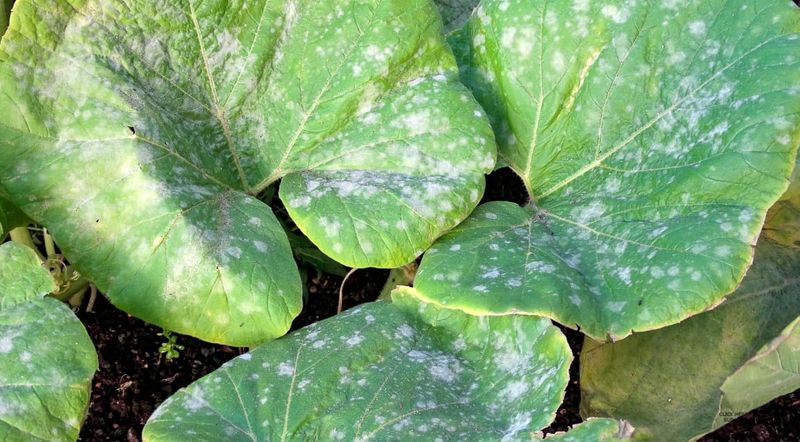
Letting airflow get blocked by dense growth can make fungus problems much more likely in Georgia gardens during May. Warm weather pushes plants to grow quickly, and thick foliage can trap humid air inside the canopy.
When air movement slows, leaves dry more slowly after rain, irrigation, or morning dew, creating conditions that favor leaf spot, powdery mildew, downy mildew, and other fungal issues.
Roses, tomatoes, cucumbers, squash, herbs, shrubs, and crowded flower beds can all develop hidden damp areas when growth becomes too thick.
The first signs may appear on lower or inner leaves where sunlight and airflow are limited. Light pruning, staking, thinning, and proper spacing can help open the plant without removing too much growth.
Gardeners should also watch plants near fences, walls, porch corners, or foundation beds, since those areas may already have reduced air movement. Containers grouped tightly together can create the same problem.
In Georgia’s humid May weather, airflow acts like invisible disease prevention.
When leaves dry faster and gardeners can see into the plant more clearly, fungus problems are easier to catch early and less likely to build unnoticed in crowded garden spaces.
6. Overwatering Or Watering Too Often
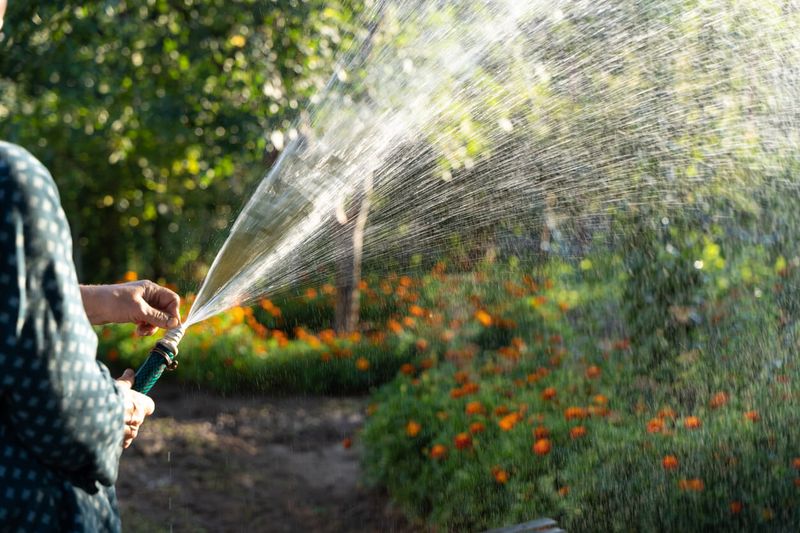
Overwatering or watering too often can create damp conditions that encourage fungus problems in Georgia gardens. In May, the soil surface may look dry after a sunny afternoon, while deeper soil still holds moisture from rain or previous watering.
Adding more water without checking can keep the root zone soggy and the area around plants overly humid.
This can stress roots and make some fungal and root-related problems more likely, especially in clay soils, low spots, dense beds, and containers with poor drainage.
Repeated shallow watering can also keep the soil surface and lower foliage damp, which supports leaf spot and mildew pressure. A better habit is to check soil moisture before watering.
Push a finger or small trowel below the surface to see if water is actually needed. Many garden plants benefit from deeper, less frequent watering instead of quick daily splashes.
Containers still need close attention, but they need drainage holes and a mix that does not stay soggy. Georgia gardeners should count rainfall as part of the watering plan.
Watering based on real soil moisture helps reduce the wet conditions that allow fungus problems to gain momentum in humid May gardens and keeps plants better balanced.
7. Ignoring Infected Leaves And Plant Debris
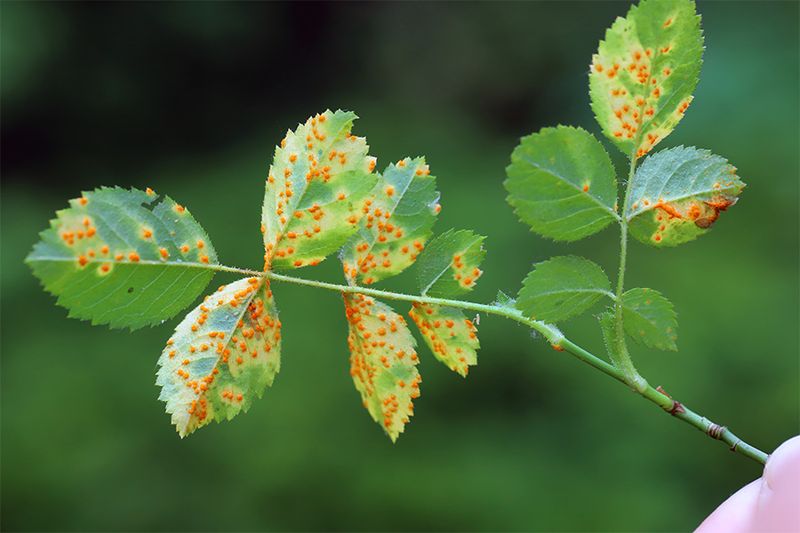
Ignoring infected leaves and plant debris can allow fungus problems to build quietly in Georgia gardens during May.
Warm, humid weather helps disease issues develop quickly, and spotted leaves, mildewed growth, old stems, and fallen plant material can hold moisture around the base of plants.
When rain or irrigation splashes through that debris, disease organisms may move back onto healthy foliage. This is especially concerning around tomatoes, squash, cucumbers, roses, shrubs, containers, and dense ornamental beds.
Lower leaves often show symptoms first, but fast spring growth can hide them until the problem becomes more noticeable. Removing clearly infected leaves when practical can reduce disease pressure and make the plant easier to inspect.
Gardeners should use clean tools or gloves and avoid handling damp foliage. A tidy garden floor also improves airflow near the soil surface, which helps leaves and stems dry faster after wet weather.
Debris cleanup does not mean removing every natural bit of mulch or organic matter, but unhealthy plant material should not sit against active growth.
In Georgia’s May humidity, regular sanitation helps keep fungus problems from spreading quietly under plants where gardeners may not look often.
It also makes future disease checks quicker and more useful.
8. Overfertilizing Lawns Or Plants During Disease Pressure
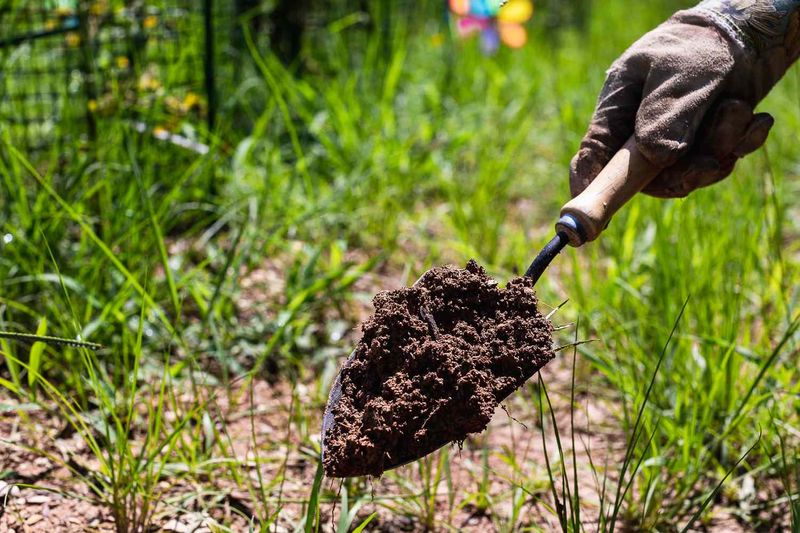
Overfertilizing lawns or plants during disease pressure can make fungus problems harder to manage in Georgia’s warm, humid May weather.
Extra nitrogen may push a flush of tender, lush growth, and soft new leaves can be more vulnerable when moisture and humidity are already high.
In lawns, vegetables, roses, shrubs, and ornamentals, heavy feeding is not a substitute for good airflow, proper watering, sanitation, or spacing.
If leaf spots, mildew-like growth, weak patches, or other disease symptoms are already visible, adding fertilizer before identifying the issue may increase stress instead of helping.
Different plants and turfgrasses also have different fertilizer needs, so guessing can lead to poor timing or excessive rates. Soil testing and plant-specific recommendations are better guides than applying more fertilizer because growth looks slow.
Georgia gardeners should be especially careful with lawns in May, since warm-season and cool-season grasses require different timing. Fertilizer works best as part of balanced care, not as a quick fix for disease symptoms.
When fungus pressure is active, pause and look at moisture, drainage, airflow, and symptoms first. Careful feeding supports steadier growth without encouraging overly soft foliage during humid May conditions.