8 Native Michigan Plants That Grow Themselves And 5 That Humble Even Experienced Gardeners
Michigan has a reputation for tough growing conditions, and anyone who has gardened here for a few seasons knows it’s well earned. Late frosts, heavy clay, stretches of summer heat followed by weeks of rain, the climate keeps gardeners humble.
Native plants are supposed to be the answer to all of that, and for the most part they are. Grown in the region they evolved in, they handle the weather, the soil, and the seasons without needing much from you.
But native doesn’t automatically mean easy, and that’s a distinction worth making before you plan your garden around it. Some Michigan natives practically tend themselves once established, spreading reliably and coming back stronger each year.
Others are native to the region but finicky about exactly where and how they’re planted, enough to frustrate gardeners with decades of experience. Knowing which is which before you dig a single hole saves a lot of time and a fair amount of second guessing.
1. Wild Bergamot Is One Of The Easiest Native Michigan Flowers To Grow
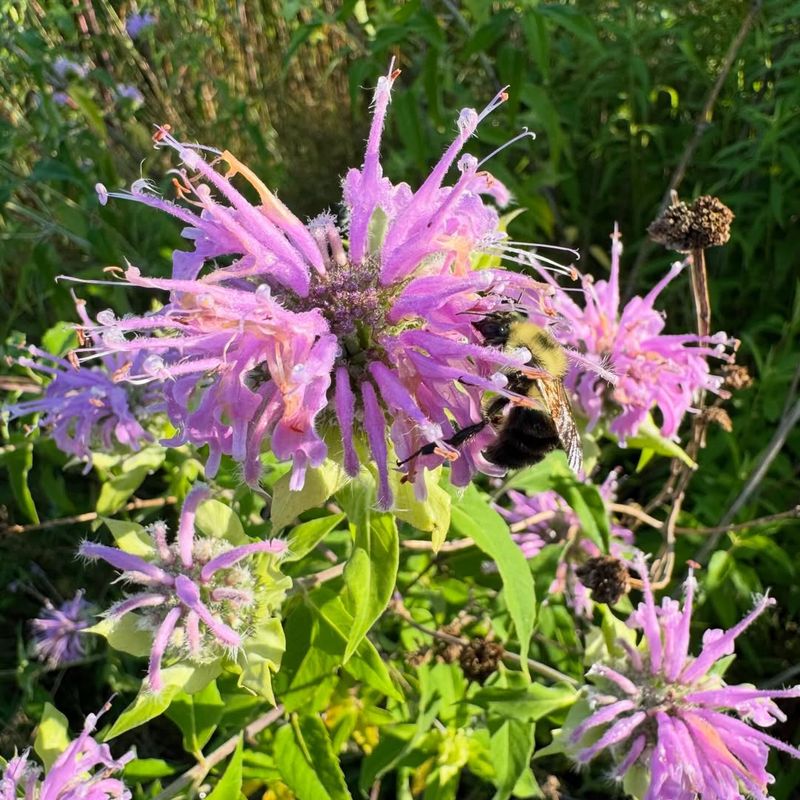
Few plants feel as at home in a Michigan garden as Wild Bergamot. This native wildflower has been growing across Michigan’s prairies and open meadows for centuries, and it brings that same rugged reliability to backyard gardens across the state.
Its soft lavender blooms appear in midsummer and last for weeks, drawing in bees, butterflies, and hummingbirds like a natural magnet.
Wild Bergamot handles Michigan’s summer heat and humidity without complaint, and it shrugs off the cold winters just as easily. Sandy soils, average soils, even slightly rocky ground, this plant works with whatever you have.
Once it settles in after its first season, watering becomes mostly optional except during extended dry stretches.
Plant it in a sunny spot with at least six hours of direct light each day for the best flowering results. Space plants about 18 to 24 inches apart so air can circulate freely between them.
In rich garden soil, Wild Bergamot can spread aggressively, so dividing clumps every few years keeps things tidy.
Michigan gardeners in both the south and north of the state find it equally rewarding, making it one of the most versatile native plants available for any landscape style or size.
2. Purple Coneflower Handles Michigan Weather With Very Little Care
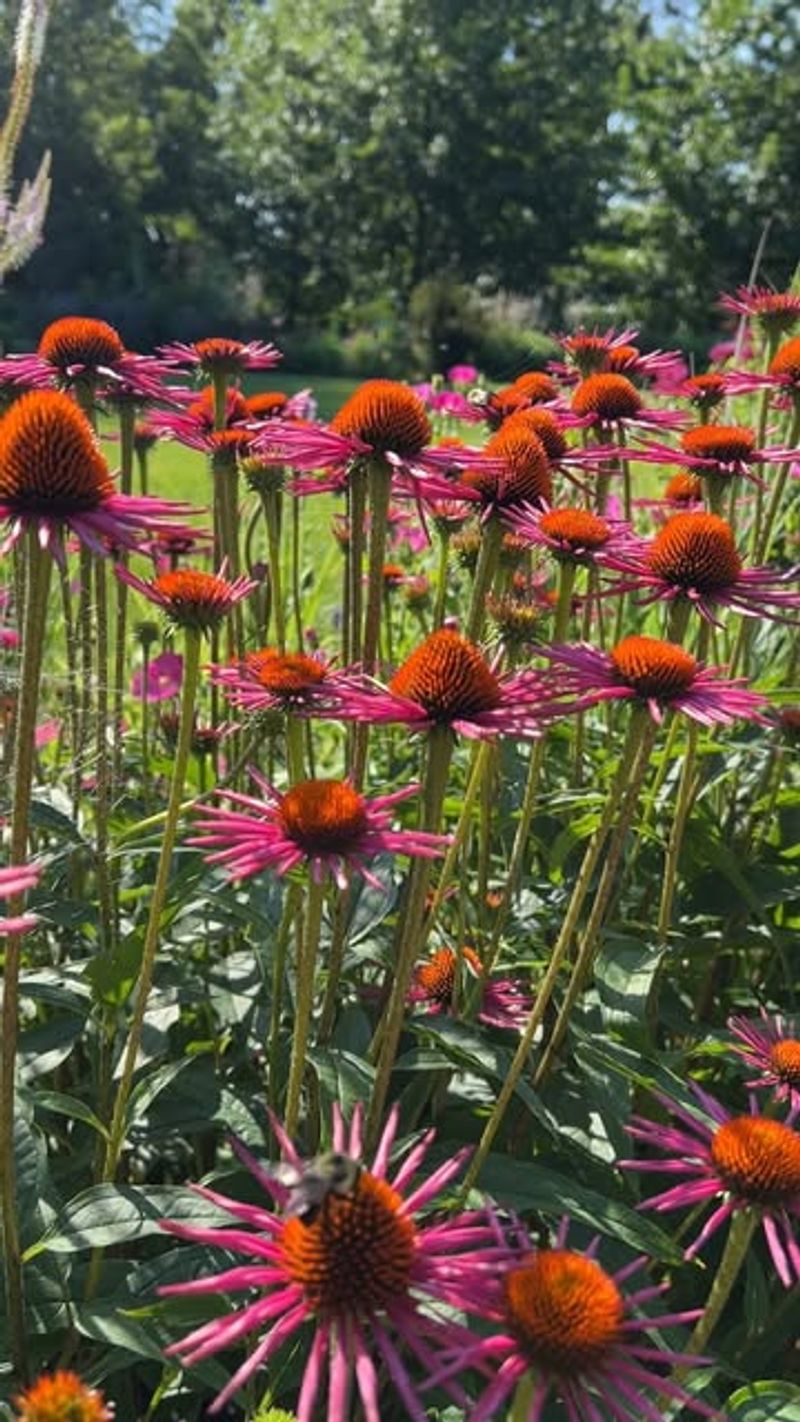
Purple Coneflower has earned a loyal following among Michigan gardeners for one very simple reason: it just works. Rain or shine, hot summer or early frost, this tough perennial keeps coming back year after year without asking for much in return.
Its bold blooms brighten gardens from July through September, giving pollinators a reliable food source during the peak of Michigan’s growing season.
The deep root system is what really makes this plant so dependable. Those roots reach far down into the soil, pulling up moisture and nutrients even during the dry spells that hit Michigan summers.
That same root depth helps it survive hard winters with ease. Both clay-heavy soils common in southern Michigan and the sandier ground found further north suit this plant well.
Your Michigan Garden Changes Every Week. Your Plan Should Too.
Gardening in Michigan changes quickly throughout the season. Every Friday you’ll receive a simple weekly plan showing exactly what to plant, prune, fertilize, harvest, and protect so you never miss the right timing.
One thing to keep in mind is that overwatering can actually work against you with established plants. Too much moisture encourages weaker stems and reduces the plant’s natural drought toughness over time.
Water regularly during the first growing season while roots develop, then back off. Give plants full sun and space them 18 to 24 inches apart to prevent overcrowding.
Let spent flower heads stay through winter since birds love the seeds and the structure adds beauty to the cold-season Michigan landscape.
3. Black Eyed Susan Thrives In Tough Michigan Growing Conditions
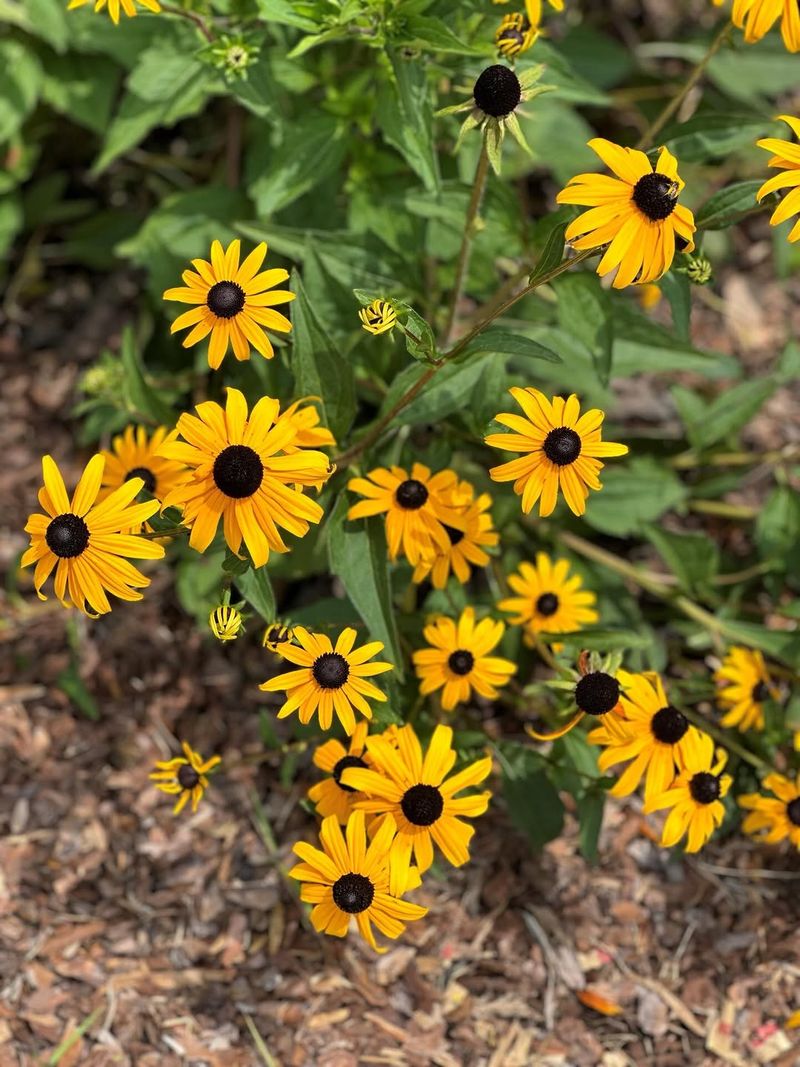
Black Eyed Susan is the kind of plant that makes new gardeners feel like pros. Bright golden-yellow petals surrounding a dark chocolate center, this cheerful Michigan native blooms reliably from late June through September without needing much help from you.
It adapts to clay soil, sandy soil, and everything in between, which makes it a great fit for nearly every corner of the state.
Michigan summers can swing between wet and dry pretty quickly, and Black Eyed Susan barely notices. Its fibrous root system holds steady through inconsistent rainfall, and it handles heat waves without wilting dramatically.
Southern Michigan gardens with heavier clay soils see strong performance, and northern Michigan’s shorter growing season is no problem since this plant blooms fast and reseeds naturally in favorable spots.
Spacing plants 12 to 18 inches apart gives each one room to breathe and helps prevent the fungal issues that can pop up during humid Michigan summers.
Black Eyed Susan often reseeds on its own, so you may notice new plants popping up around the original clump each spring.
That natural spreading makes it excellent for filling in large sunny areas without extra effort. Removing spent blooms can extend flowering, but leaving some seed heads standing rewards birds with a late-season snack.
4. Little Bluestem Looks Better Every Year In Michigan Landscapes
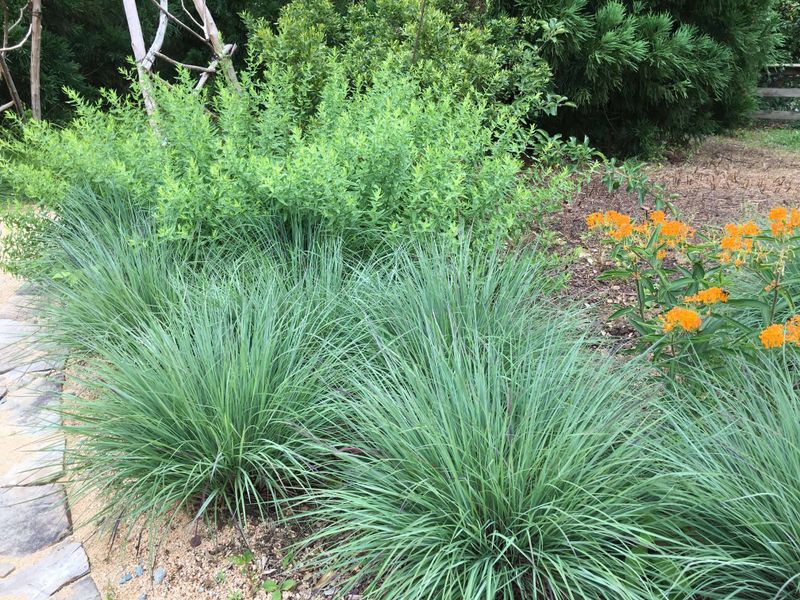
Not many plants change as dramatically through the seasons as Little Bluestem does. In summer, its slender blue-green stems create a soft, airy texture in the garden.
By fall, the whole plant transforms into shades of copper, orange, and deep red, looking almost like it was painted by hand. Michigan gardeners who plant this native prairie grass often say it gets more beautiful with every passing year.
Little Bluestem is built for Michigan’s toughest conditions. Poor sandy soils, rocky slopes, dry summer stretches, and cold winters are all situations where this grass thrives rather than struggles.
It actually performs worse in rich, heavily fertilized soil because excess nutrients cause floppy, weak stems that fall over by midsummer. Keep the soil lean and well-drained for the best results.
Full sun is non-negotiable for Little Bluestem. Plant it in an open sunny spot with good drainage and space clumps about 18 to 24 inches apart to allow good airflow.
Wildlife benefits are real too since birds use the seed heads for food and the dense clumps offer shelter during Michigan winters. Cut the plant back to about four inches in late winter before new growth begins.
Once established, this grass is essentially self-sufficient, making it one of Michigan’s most rewarding native landscape plants.
5. Joe Pye Weed Grows Easily In Damp Michigan Gardens
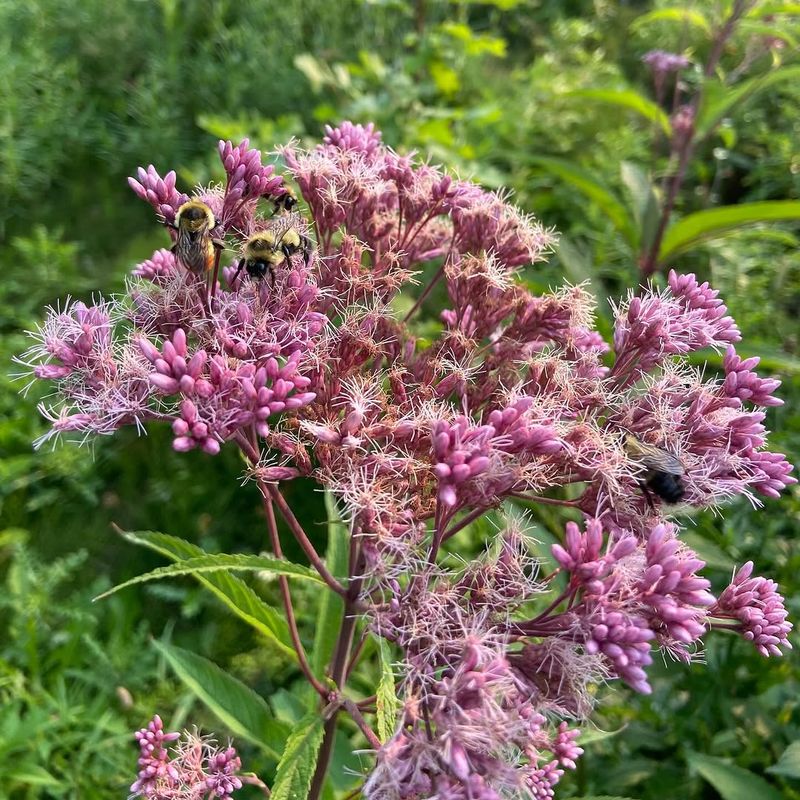
If your Michigan yard has a low spot that stays damp after rain, Joe Pye Weed is about to become your new favorite plant.
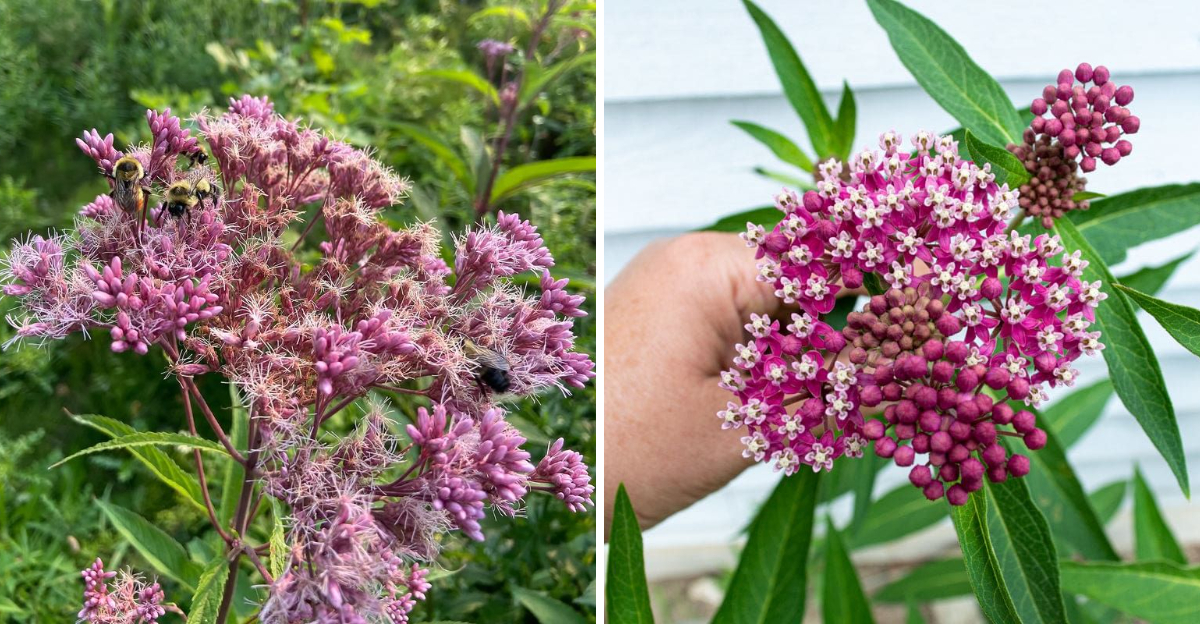
This tall native perennial can reach six to eight feet in height, creating a dramatic late-summer display of dusty rose-pink flower clusters that butterflies absolutely cannot resist.
It blooms from August into September, right when many other garden plants are winding down for the season.
Joe Pye Weed performs especially well in areas with regular rainfall and consistently moist soil. Rain gardens, pond edges, and low-lying areas common in Michigan yards are ideal planting spots.
The plant handles Michigan’s summer humidity without issue and recovers quickly after heavy rains. It does tolerate average garden soil too, but it truly shines when moisture is reliable throughout the growing season.
A two to three inch layer of mulch around the base helps keep soil moisture steady between rain events, which is especially helpful during drier Michigan summers. Space plants three to four feet apart since mature specimens fill in generously.
Full sun to light shade both work, though full sun encourages the most flowers. Monarch butterflies, swallowtails, and native bees all flock to the blooms, making Joe Pye Weed one of the most pollinator-friendly native plants you can grow anywhere in Michigan.
6. Butterfly Weed Loves Michigan’s Sandy And Well-Drained Soils
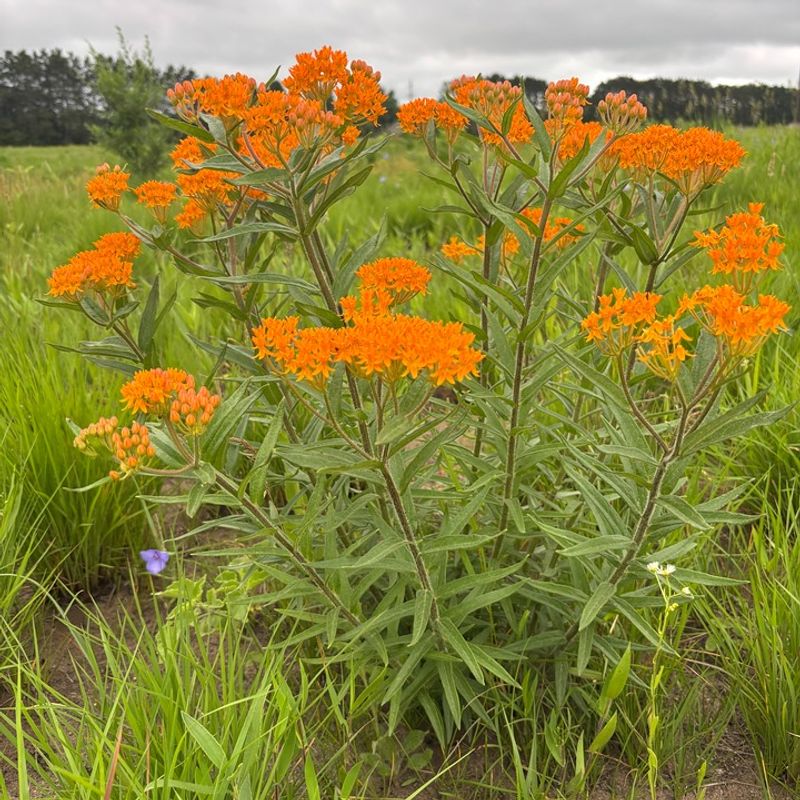
Bright orange flower clusters rising from dry sandy soil, that is the signature look of Butterfly Weed in a Michigan garden.
This native milkweed relative is one of the showiest plants you can grow in a sunny, well-drained spot, and it earns extra points for being a critical host plant for monarch butterflies.
Female monarchs lay their eggs on the leaves, making this plant a genuine conservation tool right in your own backyard.
Butterfly Weed is built for the dry sandy soils found across many parts of Michigan, especially in the western and northern regions of the state. Once established, it handles drought with ease and actually struggles when soil stays too wet for too long.
Poorly drained clay soil or overwatered garden beds are the main reasons this plant underperforms, so placement matters a great deal.
Here is something worth knowing before you plant: Butterfly Weed often spends its entire first year building a deep taproot rather than putting on a big show above ground. That slow start is completely normal and worth the wait.
Plant it in full sun and avoid disturbing the roots once it settles in since mature plants dislike being moved. By year two or three, expect strong flowering and a steady stream of pollinators visiting from early summer through early fall across Michigan gardens.
7. Prairie Dropseed Barely Needs Attention In Michigan Gardens
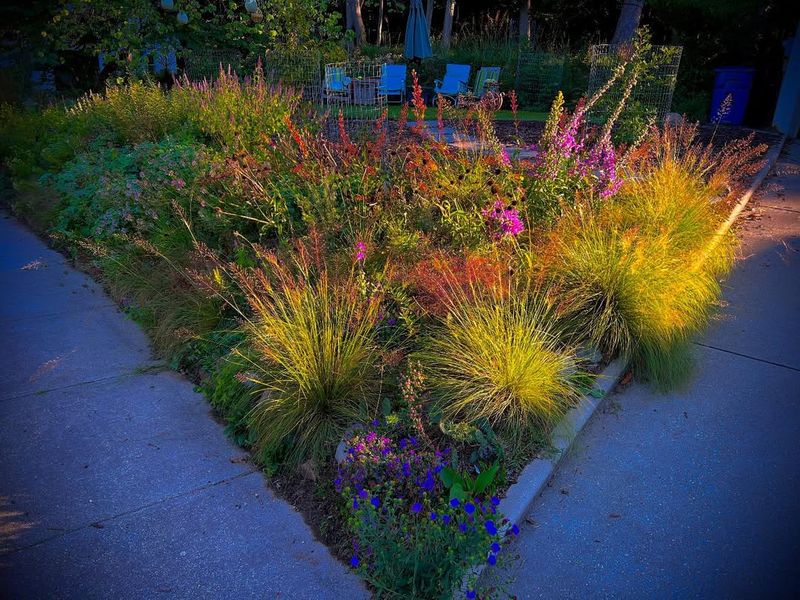
Prairie Dropseed is the kind of native grass that experienced Michigan gardeners quietly love and beginners often overlook. Its fine, hair-like blades create a soft, fountain-shaped mound that looks elegant in almost any landscape setting.
In late summer, tiny fragrant flower clusters appear above the foliage, releasing a subtle scent that some gardeners describe as buttery or coriander-like. It is a genuinely surprising plant once you get to know it.
Snow, wind, drought, and poor soil are no match for this tough Michigan native. Prairie Dropseed evolved on open prairies where conditions were harsh and unpredictable, so it carries that resilience into garden settings naturally.
Fall color is another highlight, with the blades turning golden-orange before winter settles in across Michigan. The seed heads also provide food for sparrows and other small birds through the colder months.
Plant Prairie Dropseed in full sun with well-drained soil and space clumps about 18 to 24 inches apart so each plant can develop its natural rounded form.
Overwatering and heavy fertilizer are the two quickest ways to reduce its beauty, causing the blades to flop outward instead of holding their graceful shape.
Cut plants back to about three inches in late winter before new growth emerges. After the first season, Prairie Dropseed in Michigan landscapes requires almost no maintenance at all.
8. New England Aster Keeps Michigan Pollinators Active Into Fall
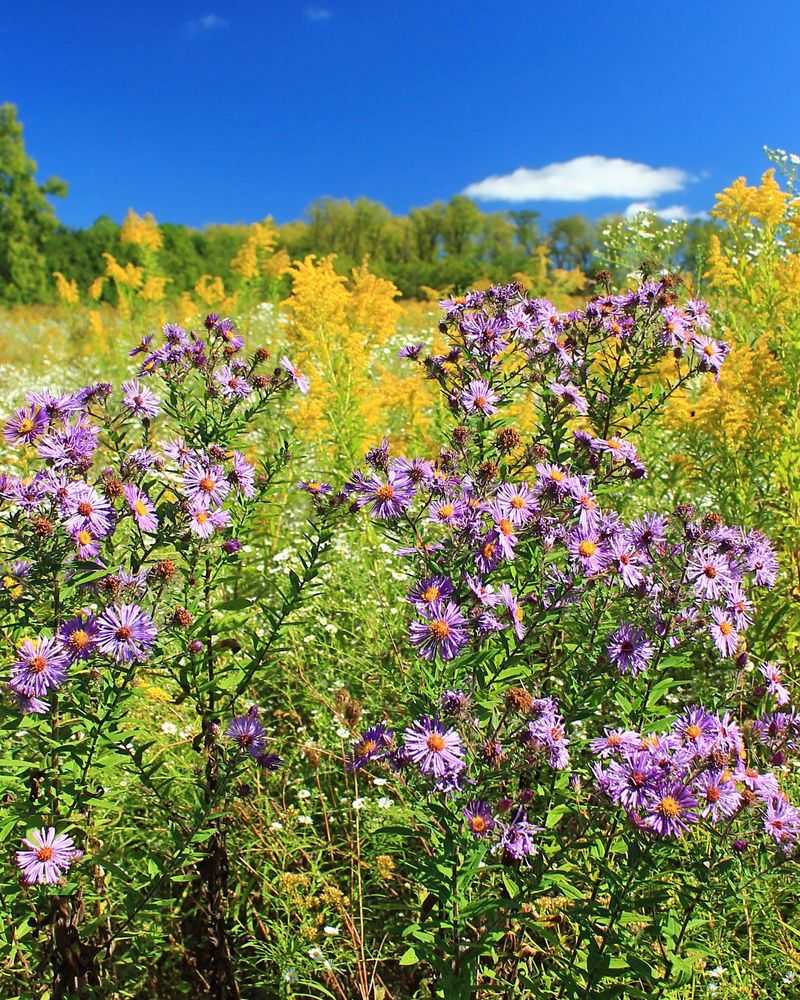
When most garden flowers are calling it a season, New England Aster is just hitting its stride.
This reliable Michigan native bursts into bloom from late August through October, covering itself in vivid purple, pink, or violet flowers that arrive exactly when pollinators need them most.
Bees and butterflies preparing for winter depend heavily on late-season nectar sources, and New England Aster delivers consistently across Michigan’s fall landscape.
Getting the best performance from this plant starts with the right location. Full sun encourages the most flowers and the strongest stems, while shadier spots often lead to floppy growth that sprawls across neighboring plants.
Michigan’s late-summer humidity can encourage powdery mildew on the lower leaves, so spacing plants 24 to 36 inches apart allows good airflow through the clump and keeps foliage healthier into the season.
Pinching stems back by about half in early June delays blooming slightly but results in a bushier, more compact plant with more flower heads overall. This simple trick is especially useful for gardeners who want a tidier look without staking.
New England Aster grows well in average to moist soils and handles both clay and loam commonly found across Michigan.
Once established, it spreads gradually into a full clump that rewards you with more flowers each autumn, making it one of the most satisfying native perennials in the state.
9. Native Columbine Can Struggle In Hot Michigan Summers
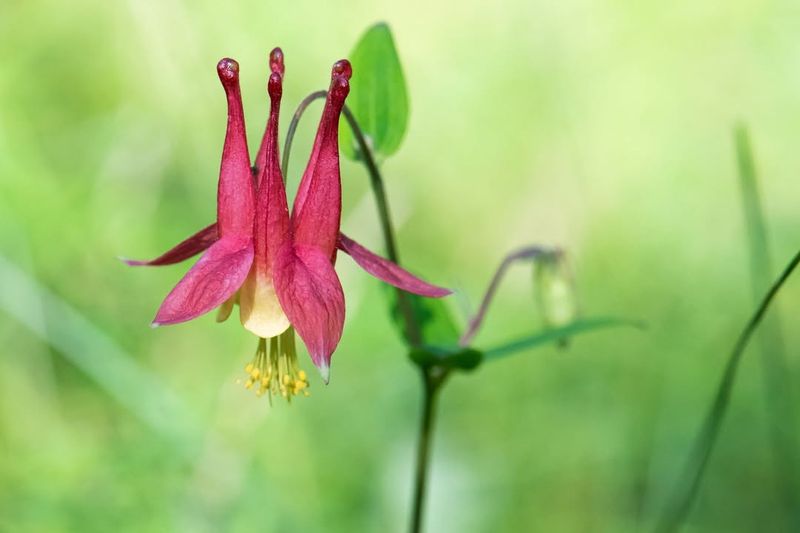
Native Columbine dazzles in spring with its delicate red and yellow spurred flowers, and hummingbirds make a beeline for it the moment blooms open.
However, Michigan gardeners who expect it to perform like a carefree perennial through summer often find themselves disappointed.
This woodland native has specific needs, and when those needs are not met, the plant declines faster than most people expect.
Intense summer heat, excess soil moisture, and crowded planting conditions are the three main reasons Columbine struggles in Michigan gardens. It prefers part shade, especially afternoon shade, which protects the foliage during the hottest hours of summer days.
Well-drained soil is equally important since wet roots during warm weather invite fungal problems that can weaken the plant significantly over time.
Michigan’s humid late summers create ideal conditions for powdery mildew and leaf miners, both of which target Columbine regularly. Improving airflow by spacing plants 12 to 15 inches apart and removing crowded foliage helps reduce these issues noticeably.
The best locations in Michigan for Columbine are woodland garden edges, shaded slopes, and spots beneath deciduous trees where filtered light and cool soil conditions mimic its natural habitat.
Short-lived by nature, Columbine typically reseeds itself when happy, so allowing seed pods to mature and drop naturally gives you the best chance of keeping this beautiful but particular plant coming back each spring.
10. Cardinal Flower Needs The Right Moisture Balance To Thrive In Michigan
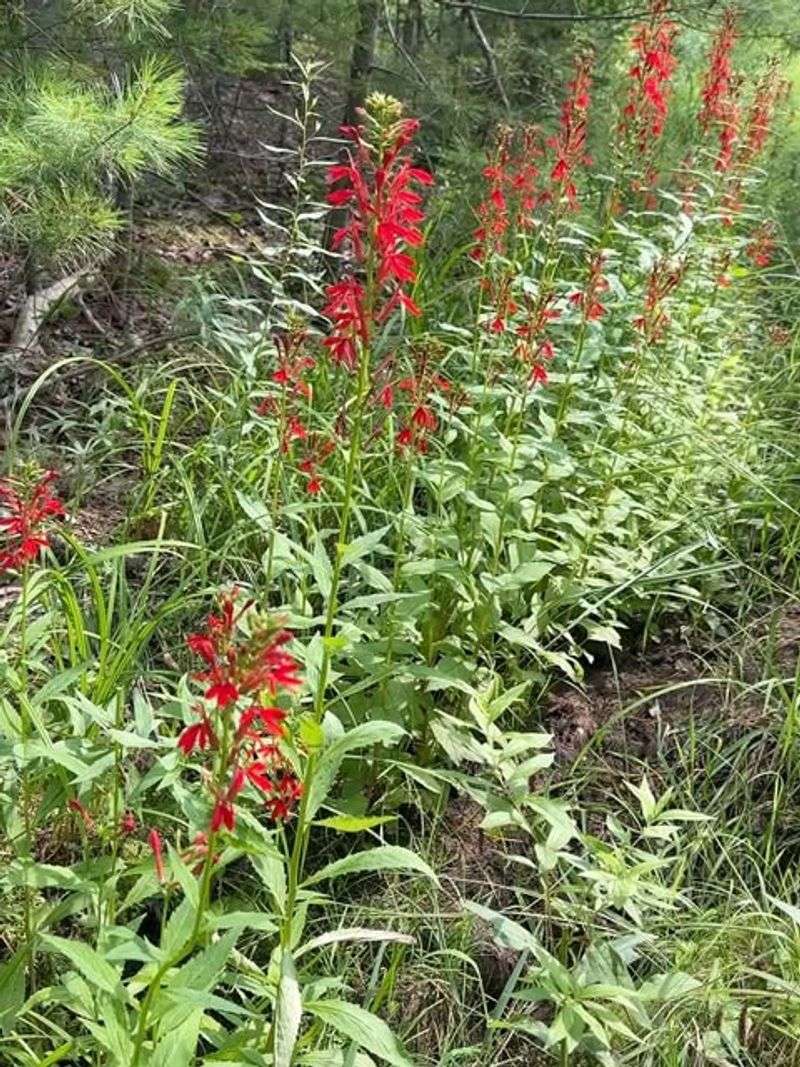
Cardinal Flower stops people in their tracks. Its tall spikes of brilliant scarlet red blooms are among the most eye-catching sights in any Michigan garden, and hummingbirds treat it like a personal buffet from mid-July through September.
Native to Michigan’s stream banks and moist meadows, this perennial can be absolutely spectacular when conditions suit it, and genuinely frustrating when they do not.
The challenge with Cardinal Flower is moisture consistency. It wants soil that stays reliably moist without becoming waterlogged or bone dry at any point during the growing season.
Michigan summers can swing between heavy rains and extended dry spells, and Cardinal Flower feels every one of those swings. Plants in overly dry spots produce fewer flowers, develop smaller leaves, and often fade out before the season ends.
Placing Cardinal Flower near rain gardens, pond edges, or low spots in the yard where moisture naturally collects gives it the steady conditions it craves.
A two to three inch layer of mulch around the base helps retain soil moisture during dry stretches and keeps roots cooler during Michigan’s hottest summer weeks.
Good drainage still matters though since standing water causes root problems just as quickly as drought. Full sun to part shade both work, but consistent moisture is always the deciding factor for how well this stunning Michigan native performs each season.
11. Michigan Gardeners Often Underestimate How Picky Trilliums Can Be
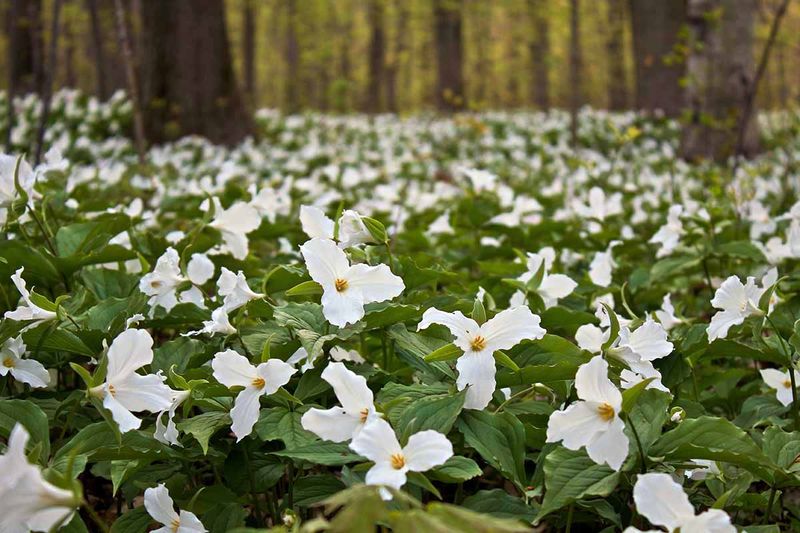
Trilliums are woodland royalty in Michigan, and they know it. These iconic spring wildflowers grow naturally in the state’s rich hardwood forests, emerging each spring from deep organic soil beneath a canopy of trees.
Getting them to perform that same magic in a home garden requires patience, the right conditions, and a willingness to work on the plant’s timeline rather than your own.
Rich, well-amended soil with plenty of organic matter is the starting point. Trilliums need consistent shade, steady moisture, and a cool root environment to establish properly.
Even with perfect conditions, newly planted Trilliums can take two to three years before producing reliable blooms, and transplanted wild plants often take even longer to recover from the stress of being moved.
Buying nursery-propagated plants rather than wild-collected ones gives you a much better starting point.
Disturbing mature Trillium plants is one of the most common mistakes Michigan gardeners make. Moving an established clump sets it back significantly, sometimes by years, and the plant may not recover its full vigor for a very long time.
Leaf litter left in place over winter acts as natural mulch, feeding the soil and protecting roots through Michigan’s cold months.
Trilliums reward patience in ways few other native plants can match, but they ask for respect in return, making them one of the most humbling plants in the Michigan native garden world.
12. Marsh Milkweed Can Struggle In Dry Michigan Gardens
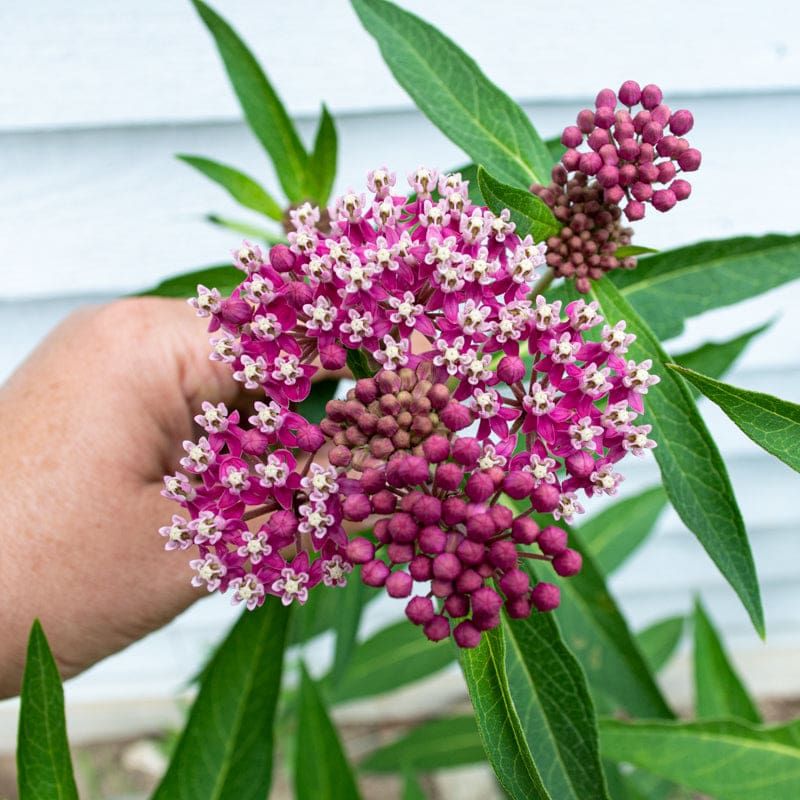
Marsh Milkweed earns its name honestly. Native to Michigan’s wetlands, stream banks, and low meadows, this milkweed species carries expectations built into its very identity.
Its clusters of rosy-pink flowers bloom in July and August, drawing monarch butterflies, native bees, and swallowtails in impressive numbers. As a monarch host plant, it plays a genuinely important role in supporting one of North America’s most beloved butterflies.
The difficulty for many Michigan gardeners comes when Marsh Milkweed ends up in a location that is too dry. Sandy, fast-draining soil causes the plant to struggle visibly, with smaller leaves, reduced flowering, and poor overall vigor.
Unlike its cousin Butterfly Weed, which thrives in dry conditions, Marsh Milkweed needs consistent moisture to perform at its best through Michigan’s warm growing months.
Rain gardens, low spots, pond margins, and moisture-retaining garden beds are the ideal placements for this plant across Michigan landscapes.
Watering consistently during hot summer stretches makes a real difference, especially in years when rainfall is unpredictable.
A layer of mulch two to three inches deep slows evaporation and keeps roots cooler during peak heat. Full sun encourages the most flowering, so avoid shady spots even when moisture is adequate.
With the right placement and steady moisture, Marsh Milkweed becomes a standout native plant that supports wildlife beautifully through Michigan summers.
13. Michigan Gardeners Sometimes Struggle To Keep Blue Flag Iris Happy
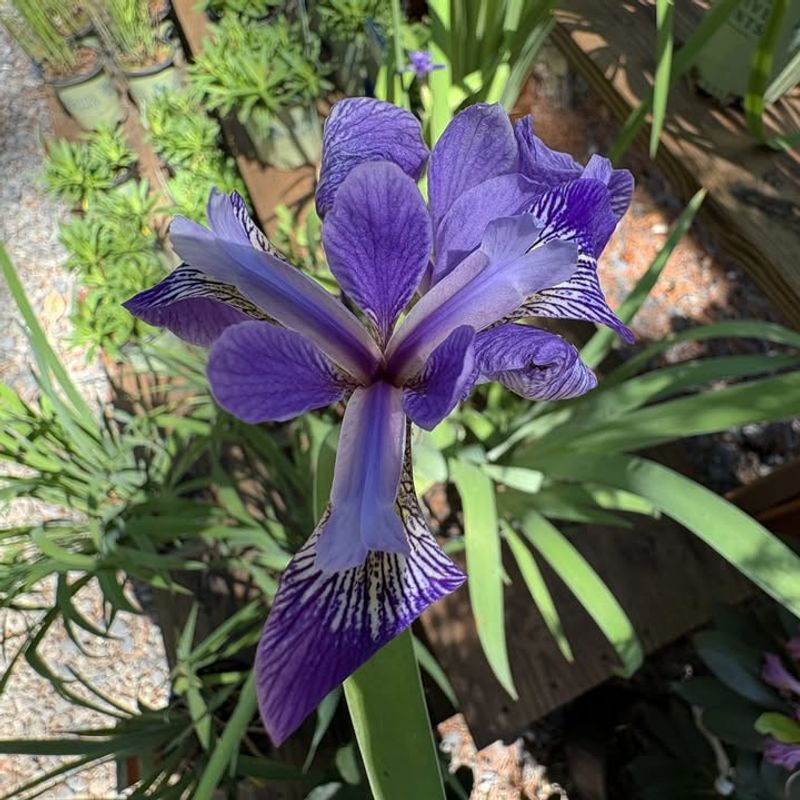
Blue Flag Iris is one of Michigan’s most beautiful native wildflowers, with its intricate violet-blue blooms appearing in late May and June near ponds, marshes, and stream edges across the state.
Experienced gardeners who fall in love with it at a native plant sale sometimes bring it home only to watch it underperform year after year in standard garden conditions. The reason almost always comes back to moisture and root temperature.
Overly dry soil is the fastest way to reduce Blue Flag Iris performance. When roots dry out between watering sessions, flowering declines noticeably and the foliage loses its healthy upright posture.
Michigan summers, especially in drier inland areas, can push this plant beyond its comfort zone if placement is not carefully chosen from the start. It genuinely thrives where moisture is reliable and roots stay relatively cool even during the hottest weeks.
Pond margins, rain garden edges, and low-lying areas that collect runoff are the sweet spots for Blue Flag Iris in Michigan landscapes. Planting in full sun to part shade both work well as long as moisture conditions are met.
A consistent layer of mulch, refreshed each spring, slows moisture loss significantly and keeps the root zone cooler through summer heat.
Once planted in the right spot, Blue Flag Iris rewards you with gorgeous early summer blooms and bold, architectural foliage that adds structure to the Michigan water garden or naturalized landscape all season long.