8 Backyard Birds That Become More Active Around Georgia Gardens In May
May changes the whole mood around Georgia gardens. Feeders suddenly empty faster, mornings get louder, and yards that felt quiet a few weeks ago start feeling busy from sunrise onward.
Something always seems to land near the flower beds, bird bath, or vegetable patch this time of year.
Fresh mulch, blooming shrubs, and regular watering pull in far more backyard activity than most people expect. Some birds start chasing insects through garden beds while others perch nearby almost like they’re watching everything going on in the yard.
A quiet backyard in early spring can feel completely different by mid May.
Plenty of Georgia gardeners notice the extra movement without realizing certain backyard birds follow the same seasonal patterns every year. Once late spring settles in, a few become almost impossible to ignore around the garden.
1. Carolina Wrens Stay Busy Around Garden Beds
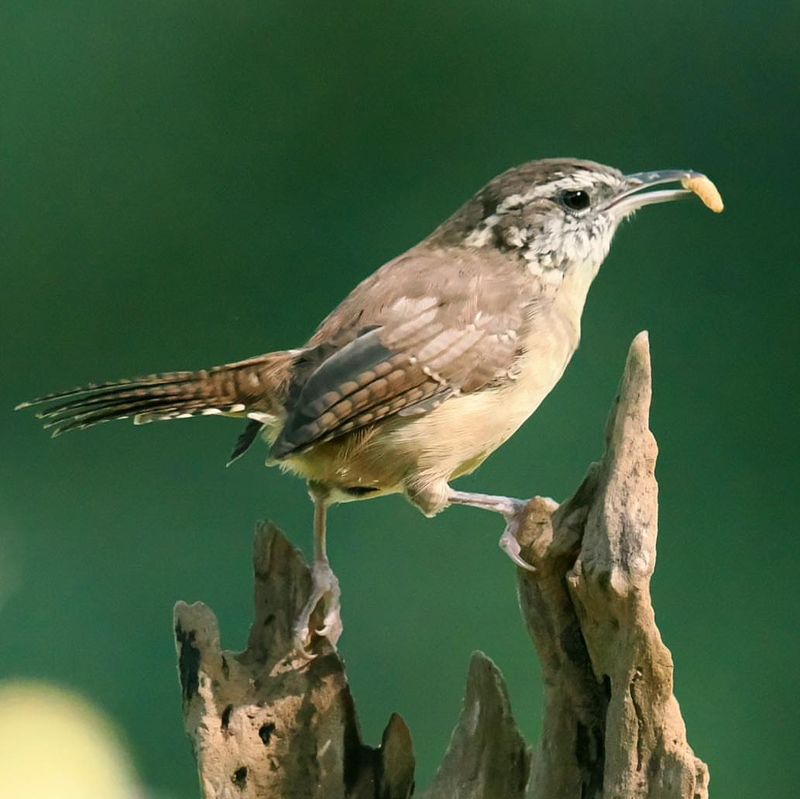
Carolina Wrens are small, but they make sure you know they are around. A bird this tiny producing a song this loud is genuinely surprising the first time you hear it echo across a Georgia yard in May.
Around garden beds, these wrens are relentless foragers. They flip through mulch, poke into crevices, and investigate every corner of a raised bed looking for beetles, spiders, caterpillars, and other small insects.
May is prime time because warm soil brings insects closer to the surface, giving wrens a steady food supply right where Georgia gardeners tend to spend their own time.
Carolina Wrens are also famous for nesting in unusual spots. Flowerpots, old boots left on a porch, open toolboxes, and hanging baskets have all been used as nest sites in Georgia gardens.
Once they pick a spot, they commit to it, so try not to disturb anything that looks like it could hold a nest during late April and May. Both parents raise the chicks together, and you may see them darting in and out of the nest dozens of times each day.
Leaving a brush pile near your garden gives wrens extra shelter and hunting ground, which keeps them coming back all season long.
Carolina Wrens are also year-round residents in Georgia, so once they settle into a yard they often stay nearby through every season.
2. Northern Cardinals Grow More Active During Nesting Season
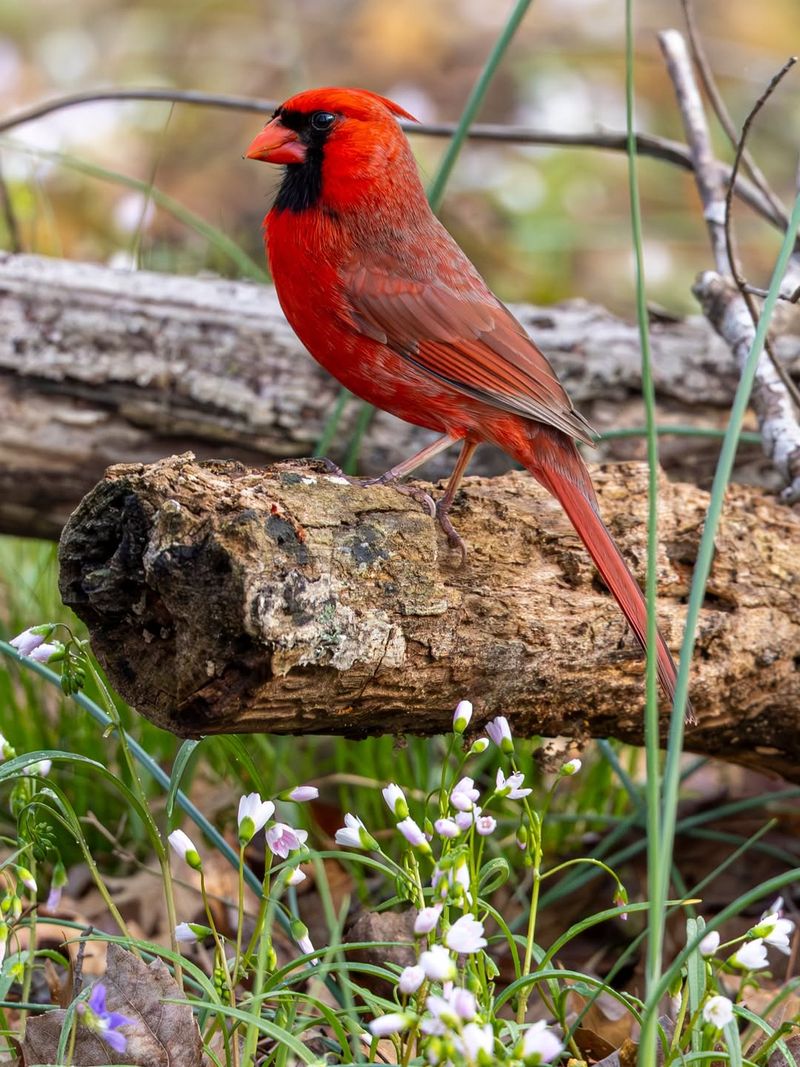
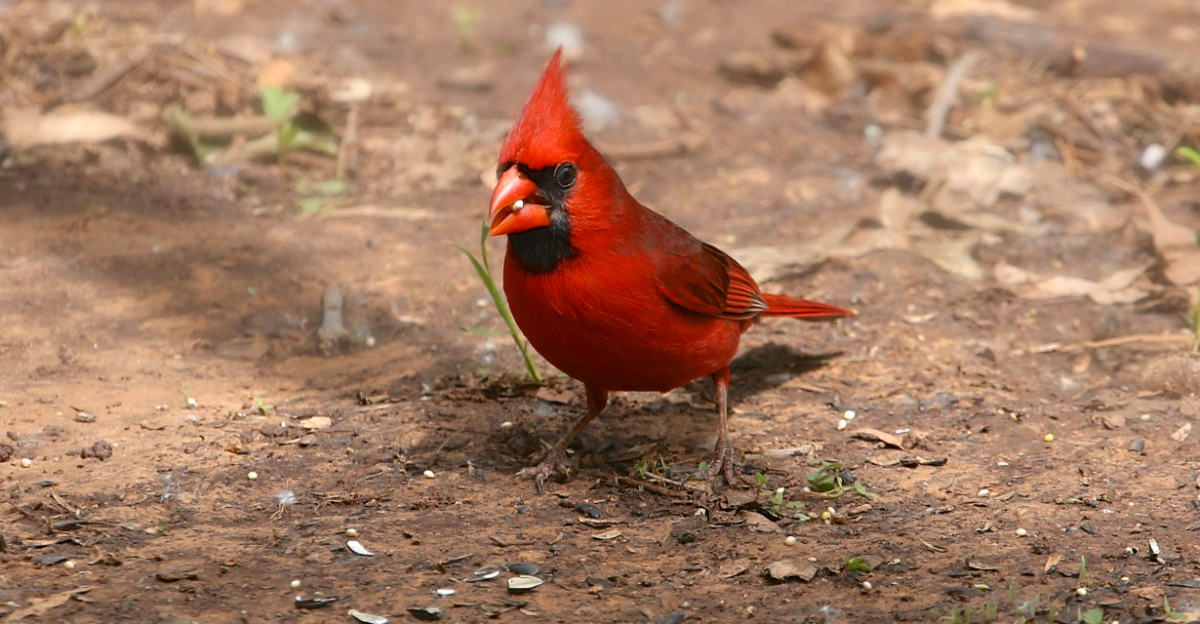
Few sights in a Georgia garden are as striking as a male Northern Cardinal blazing red against fresh green leaves. May is when these birds shift into high gear, and you will notice them moving constantly between shrubs, feeders, and nesting spots throughout the day.
Female cardinals are equally busy during this time, gathering nesting material like twigs, bark strips, and dried grass. Both parents share feeding duties once eggs hatch, which means they make frequent trips back and forth across your yard.
If you watch closely near dense shrubs or tangled vines, you may spot a nest tucked just a few feet off the ground.
Cardinals prefer feeders stocked with sunflower seeds, so keeping one filled in May gives them reliable fuel during their most demanding weeks. Planting native shrubs like beautyberry or elderberry also gives them cover and natural food sources right in your yard.
Your Georgia Garden Changes Every Week. Your Plan Should Too.
Gardening in Georgia changes quickly throughout the season. Every Friday you’ll receive a simple weekly plan showing exactly what to plant, prune, fertilize, harvest, and protect so you never miss the right timing.
Georgia gardeners who add a water source nearby often see cardinals visiting multiple times daily. Males will also sing loudly from high perches, defending their territory against rivals, which makes May mornings especially lively.
Watching a pair of cardinals work together through the season is one of the most rewarding parts of having a Georgia backyard garden.
Cardinals also tend to return to the same safe feeding and nesting areas year after year when the habitat stays quiet, sheltered, and dependable.
3. Eastern Bluebirds Hunt More In Open Yards
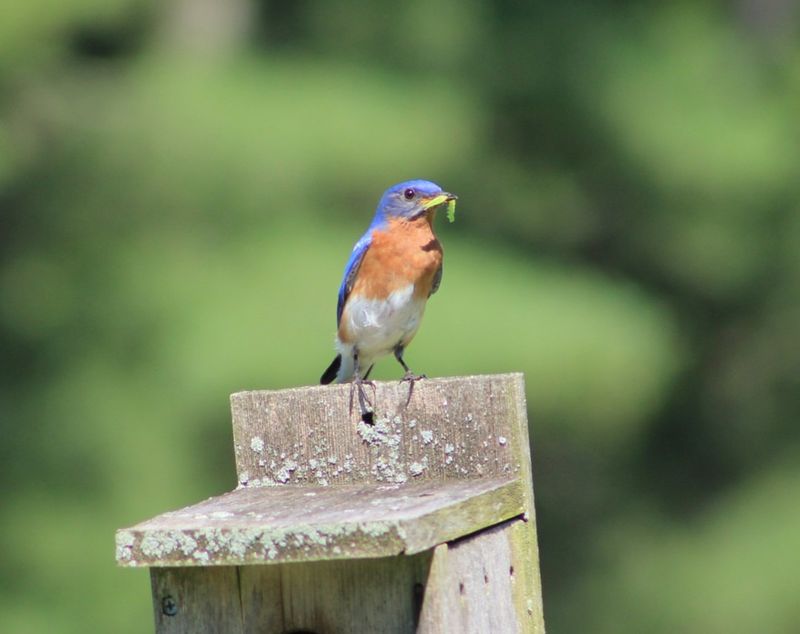
Eastern Bluebirds are visual hunters, and an open lawn is basically their ideal hunting ground. Watching one drop from a fence post or low branch to snatch an insect from the grass is one of those simple pleasures that Georgia gardeners genuinely look forward to each spring.
May is when bluebird activity peaks in Georgia because nesting is underway and both parents need to feed themselves and their growing chicks. Insects make up the bulk of their spring diet, including beetles, grasshoppers, and caterpillars.
Mealworms placed in a shallow dish feeder can be a reliable way to bring them into close view, especially if natural insect numbers are lower after a cool stretch of weather.
Bluebirds nest in cavities, and they will readily use nest boxes if placed correctly. A box mounted four to five feet high on a metal pole, away from tree cover, gives them the open sightlines they prefer.
Georgia gardeners who avoid using broad pesticide treatments on their lawns tend to see more bluebird activity because the insects they rely on remain available. Keeping grass cut short also helps, since bluebirds spot prey more easily in shorter turf.
If you already have a bluebird box up, check it carefully in May because a second clutch of eggs may already be on the way.
They often raise two, and sometimes even three, broods in a single Georgia season when conditions and food supply stay favorable.
4. Mockingbirds Become More Territorial In May
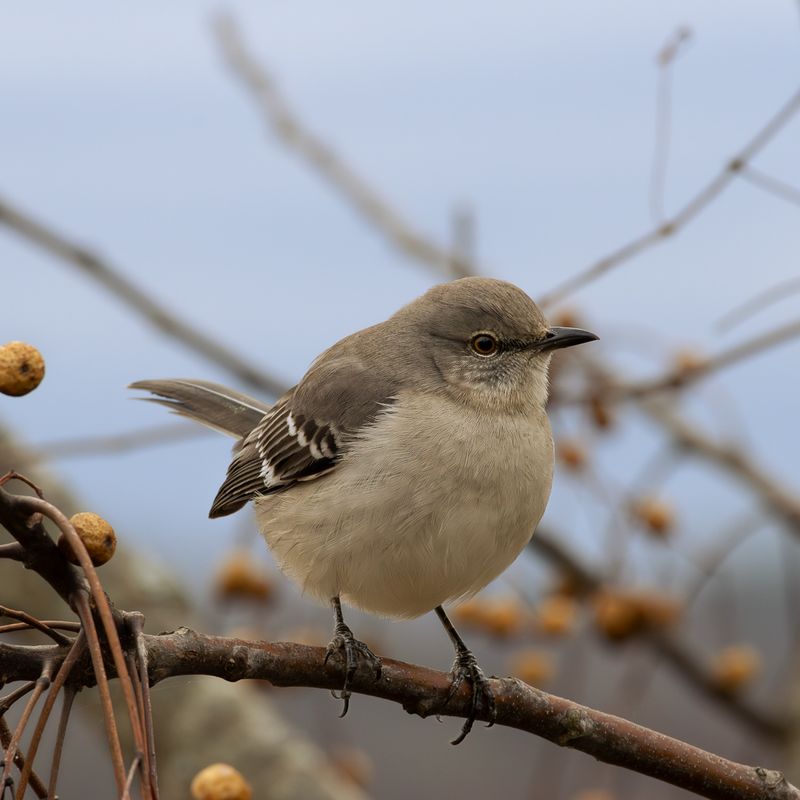
Nobody owns a yard quite like a Northern Mockingbird thinks it does. Come May in Georgia, these birds shift from curious visitors to full-on property managers, and they will let every other bird, cat, dog, or person know it.
Mockingbirds establish and defend territories aggressively during nesting season. You might see one chasing a crow three times its size away from a shrub or diving repeatedly at a neighborhood cat that wandered too close to a nest.
Males also ramp up their singing in May, sometimes going through dozens of different songs in a single session, including imitations of other Georgia birds like jays, cardinals, and even tree frogs. They are known to sing through the night when conditions are right.
Nests are usually built low in dense shrubs or small trees, and both parents defend them fiercely. Holly bushes, wax myrtles, and hawthorns are common nesting spots in Georgia gardens, and planting these gives mockingbirds the kind of cover they prefer.
Fruit is also a major food source for them, so gardens with berry-producing plants tend to attract mockingbirds throughout the season. If one has claimed your yard this May, consider it a compliment.
Mockingbirds are selective about where they settle, and a garden with good food, cover, and water is exactly what draws them in.
They also feed heavily on insects during nesting season, which can help naturally reduce some common garden pests without any effort from the gardener.
5. Red Bellied Woodpeckers Feed Chicks Throughout Spring
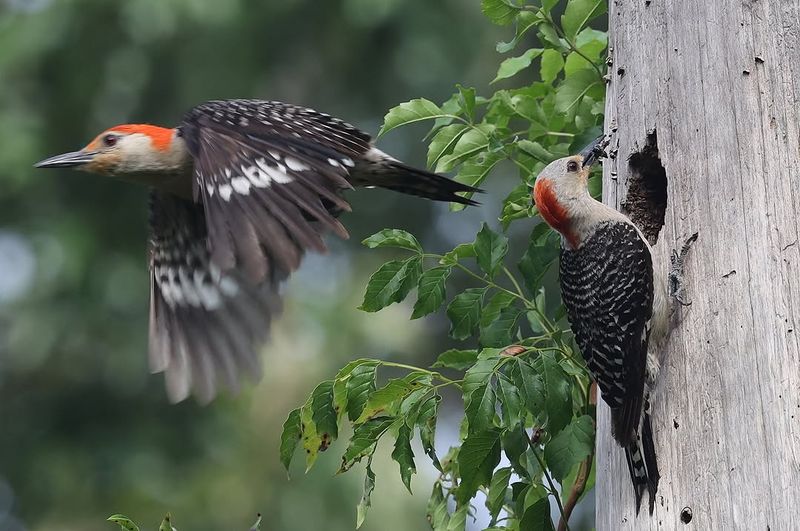
Red-bellied Woodpeckers are one of those birds that announce themselves before you even see them. A sharp, rolling call from somewhere in the tree canopy usually means one is nearby, working its way along a branch or trunk in search of food.
May is a demanding month for these woodpeckers in Georgia because chicks in the nest require constant feeding. Both parents make repeated trips to find insects, berries, and seeds.
Suet feeders are especially effective for attracting them during this period because suet provides the high-energy fat content woodpeckers need when feeding a brood. Placing a suet cage on a tree trunk or wooden post mimics a natural foraging surface and tends to bring them in quickly.
Red-bellied Woodpeckers also cache food, storing insects and seeds in bark crevices to retrieve later. Georgia gardeners with large oaks, pecans, or pines in the yard have a natural advantage because these trees offer both foraging surfaces and nesting cavities.
The nest hole is typically excavated in a naturally decaying or partially decayed section of a tree, so leaving standing older wood in a safe part of your yard can genuinely support their nesting success.
Watching a parent woodpecker arrive at a nest hole with a bill full of food and disappear inside for a few seconds is a genuinely satisfying spring moment.
6. Ruby Throated Hummingbirds Visit More Flowers In Late Spring
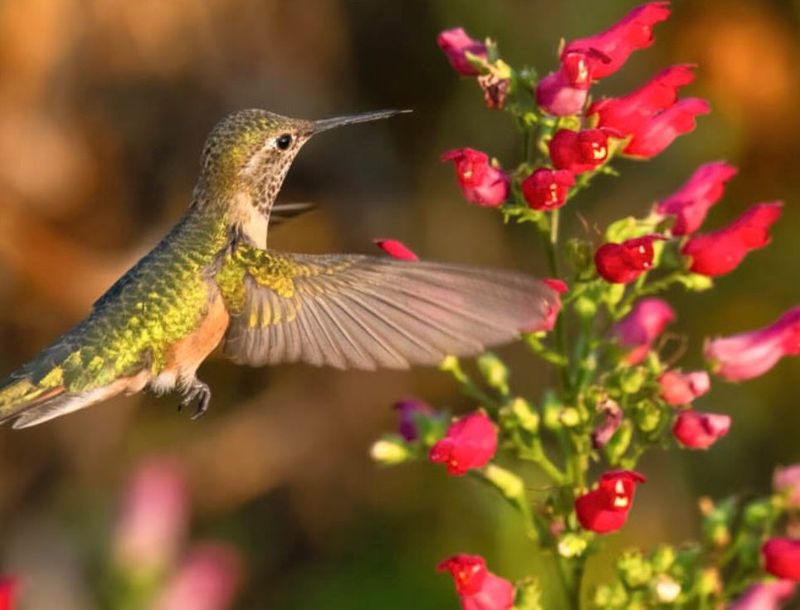
Ruby-throated Hummingbirds return to Georgia each spring, and by May they are fully settled in and working every flower in sight.
Watching one hover perfectly still in front of a bloom, wings beating faster than the eye can follow, never gets old no matter how many times you see it.
Late spring is when hummingbird activity really builds in Georgia gardens. Females are nesting and need extra calories to sustain themselves through incubation and chick-rearing.
Males, meanwhile, are actively patrolling feeding territories and chasing off rival hummingbirds with surprising aggression for such a tiny bird. Having multiple feeders spaced apart in your garden can reduce competition and allow more individuals to feed at once.
Native flowering plants are the most reliable food source for hummingbirds in Georgia. Red salvia, coral honeysuckle, cardinal flower, and trumpet vine are all strong choices that bloom well into summer.
Feeders filled with plain sugar water mixed at a four-to-one ratio of water to sugar also work well, but they require cleaning every two to three days in May’s warm weather to prevent spoilage. Avoid red dye in the solution since plain sugar water works just as effectively.
Hummingbirds also eat small insects and spiders, so a garden with diverse plant life naturally supports them beyond just nectar sources.
7. American Robins Search Lawns For Worms And Insects
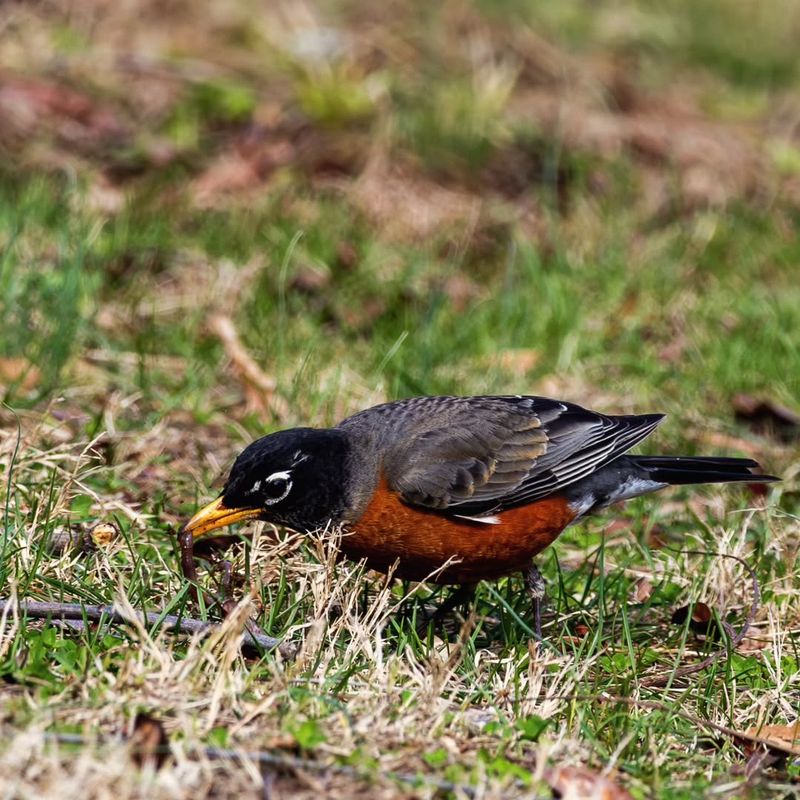
An American Robin tilting its head sideways on a lawn is not just a cute pose. It is actually listening for the movement of earthworms beneath the soil, using both sight and sound to pinpoint exactly where to strike.
Robins are extremely active in Georgia gardens throughout May, covering lawns in a distinctive run-stop-listen pattern that is easy to recognize once you know what to look for. Earthworms come closer to the surface in spring after rain, and robins take full advantage of this.
Beetles, caterpillars, and other soil insects also round out their diet during nesting season, when protein demand is high for both parents and chicks.
Keeping a section of your lawn free from pesticide use can make a real difference in how many robins visit. A lawn that supports healthy earthworm populations will consistently attract robins throughout May and into summer.
Robins also love shallow birdbaths, and a clean water source at ground level tends to bring them in regularly. Nests are usually built in the fork of a tree or on a horizontal branch, often incorporating mud as a binding material.
Georgia gardeners who have large shade trees in the yard often find robin nests within easy viewing distance, which makes it possible to follow an entire nesting cycle from egg to fledgling over just a few weeks.
8. Brown Thrashers Become Easier To Hear In May
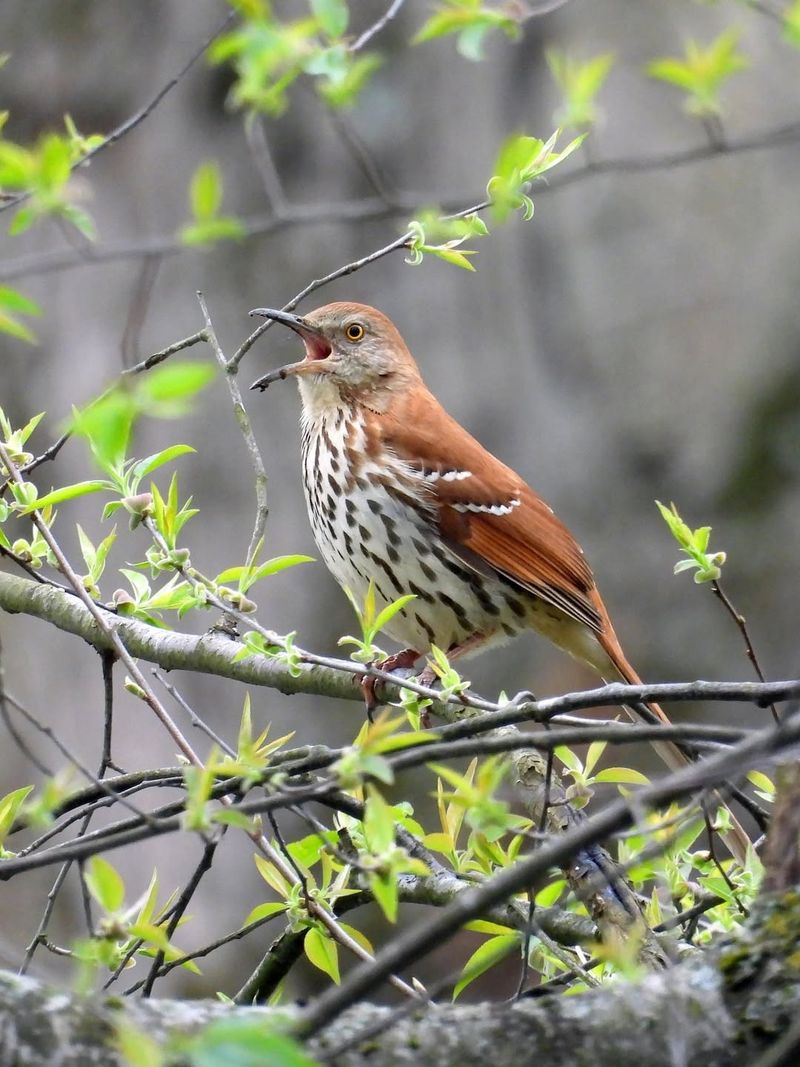
Brown Thrashers are Georgia’s state bird, and May is the month when they truly earn the spotlight. A thrasher singing from the top of a shrub sounds like it is performing two of every phrase, which is actually how you tell it apart from a mockingbird.
Unlike mockingbirds, which imitate other birds, thrashers repeat each phrase twice in a row in a consistent musical pattern. In May, males sing loudly and persistently to attract mates and defend nesting areas.
Dense thickets, brushy garden edges, and overgrown hedgerows are their preferred habitats in Georgia, so a yard with a bit of wild character tends to attract them more reliably than a perfectly manicured space.
Thrashers forage mostly on the ground, using their long, curved bill to sweep through leaf litter and loose soil in search of beetles, ants, berries, and small fruits.
A leaf litter border along a garden bed or a brush pile near the back fence gives them exactly the kind of foraging habitat they look for.
Nests are built low in thorny shrubs like hawthorn or Cherokee rose, and both parents raise the chicks together. Georgia gardeners who let a corner of the yard grow a little wild often find thrashers moving in quickly.
Leaving fallen leaves in place rather than raking everything clean is one of the simplest ways to support them.