Fast-Growing Flowers To Plant In May In Ohio For Instant Color
Let’s be honest: a patchy, half-empty garden in late May is nobody’s idea of a good time. The good news?
Ohio gardeners are sitting on a serious opportunity right now. Frost risk is mostly behind us, the soil is finally warming up, and flower beds that looked like a whole lot of nothing just weeks ago are basically begging for some color.
The even better news is that you don’t have to wait all summer to see results.
Some flowers go from transplant to full-on showstopper in just a few weeks, which means a little effort in May can completely transform your yard by June.
Sunny beds, shady corners, porch pots, you name it. Fast-growing flowers don’t discriminate.
They just show up, bloom hard, and make your neighbors a little jealous. Let’s get into it.
1. Zinnias Bring Instant Color To Sunny Spots
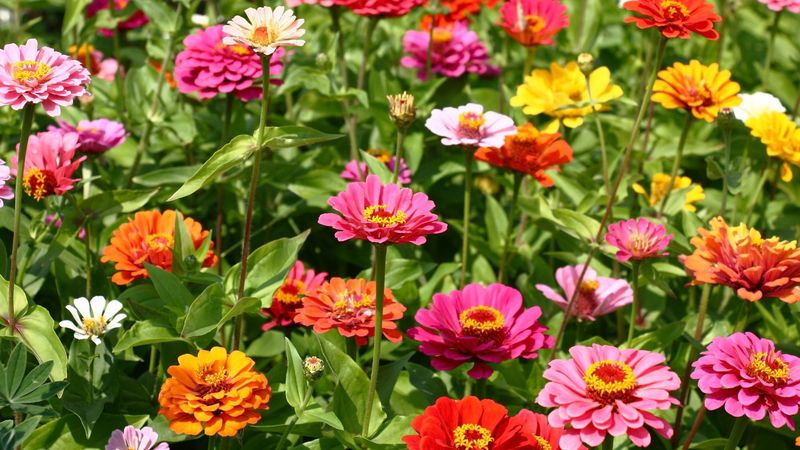
Few flowers reward an Ohio gardener with color as quickly and generously as zinnias do. Planted from seed directly into warm garden soil in May, zinnias can sprout within a week and begin setting blooms in as little as six to eight weeks.
That kind of turnaround is hard to beat when you want a bare bed to look full and festive before summer takes hold.
Zinnias come in a wide range of heights, from compact mounding types that work well along borders to taller varieties that make a bold statement in the back of a bed.
They love full sun, which Ohio beds get plenty of in May and June, and they handle warm temperatures without much fuss.
Deadheading spent blooms encourages the plant to keep producing new flowers through late summer.
For Ohio gardeners who want maximum visual impact with minimal effort, zinnias check nearly every box. They attract butterflies and pollinators, fill in gaps fast, and bring rich, saturated color in shades of red, orange, coral, pink, yellow, and white.
Starting them from seed in May is simple and budget-friendly, making them a go-to choice for anyone who wants a bright, full bed without a long wait.
2. Marigolds Add Quick Cheer To May Beds
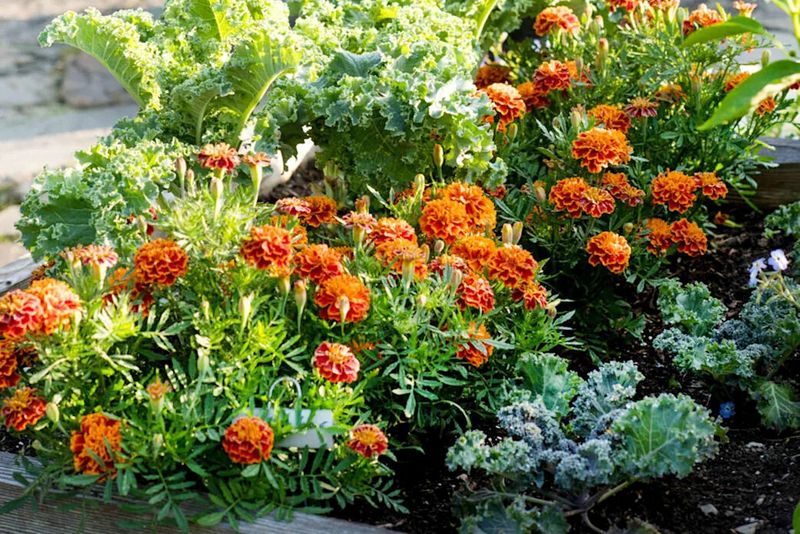
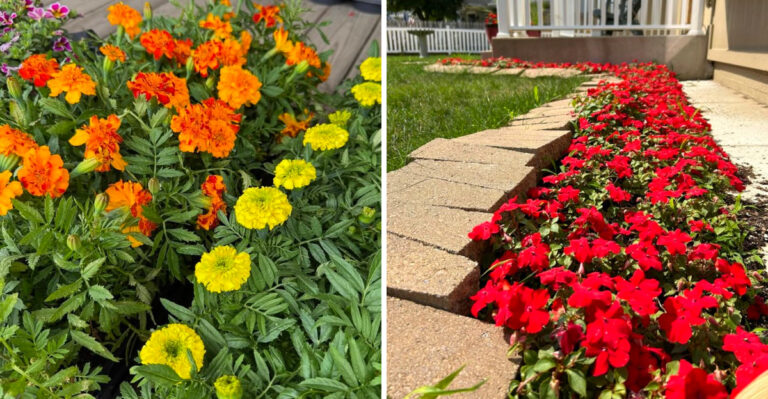
Warm, golden, and endlessly cheerful, marigolds are one of the most reliable fast-color choices for Ohio gardens in May.
Transplants from a nursery can begin blooming within days of being placed in the ground, while seeds sown directly into the bed in May typically sprout in under a week and start blooming within about eight weeks.
Either way, the wait is short and the reward is big.
Marigolds thrive in full sun and adapt well to the kind of warm, gradually lengthening days that Ohio sees from May onward.
They tend to grow in dense, mounding clumps that fill in bare spaces quickly, making them especially useful along walkways, in foundation plantings, and at the front of mixed borders.
Their strong scent is said to help deter certain garden insects, which is a practical bonus in a home flower bed.
French marigold varieties stay compact and tidy, while African types grow taller and produce larger blooms. Both types work well in Ohio gardens and containers.
Your Ohio Garden Changes Every Week. Your Plan Should Too.
Gardening in Ohio changes quickly throughout the season. Every Friday you’ll receive a simple weekly plan showing exactly what to plant, prune, fertilize, harvest, and protect so you never miss the right timing.
Keeping faded blooms removed helps the plant channel energy into producing more flowers, which means marigolds can stay colorful and productive well into fall if the season cooperates.
3. Petunias Make Bare Spaces Look Fuller Fast
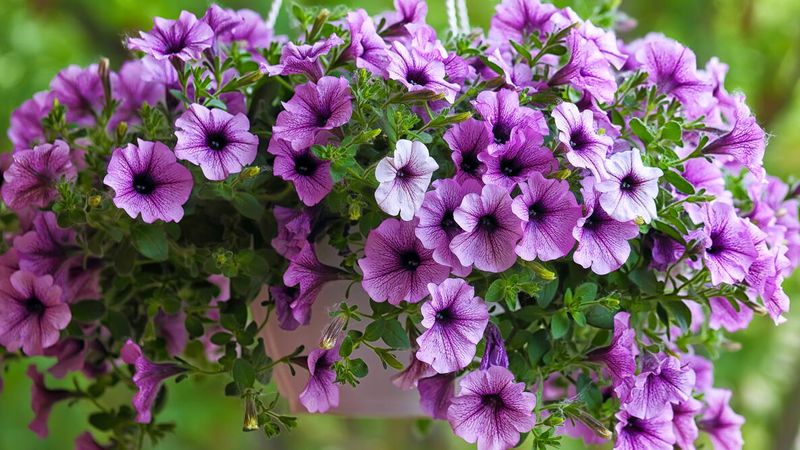
Walk through any Ohio garden center in May and petunias will likely catch your eye before almost anything else.
Their wide, trumpet-shaped blooms come in nearly every color imaginable, from deep purple and hot pink to soft white and bi-colored varieties with striking patterns.
Nursery transplants settle in quickly and can begin filling out noticeably within just a couple of weeks of planting.
Petunias work especially well in containers, hanging baskets, and window boxes where their trailing stems can spill over the edges and create a lush, overflowing look.
Spreading types like Wave petunias can cover a lot of ground in a short time, making them useful for filling in patches of bare soil along borders or under taller plants.
In sunny Ohio beds, they tend to grow vigorously once temperatures climb into the 70s.
One thing worth knowing is that petunias can get a bit leggy by midsummer if they are not trimmed back occasionally. A light shearing of the stems encourages fresh growth and a new flush of blooms, keeping the plant looking full rather than stretched out.
With a little attention, petunias can stay colorful and attractive from May planting all the way through the first cool nights of Ohio fall.
4. Cosmos Bring Light Color And Easy Height
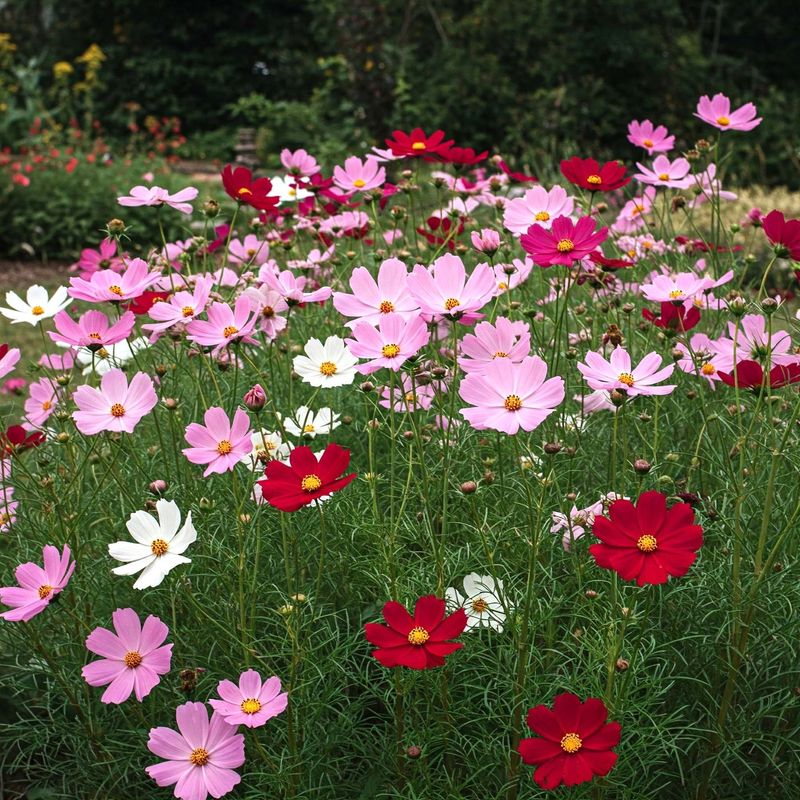
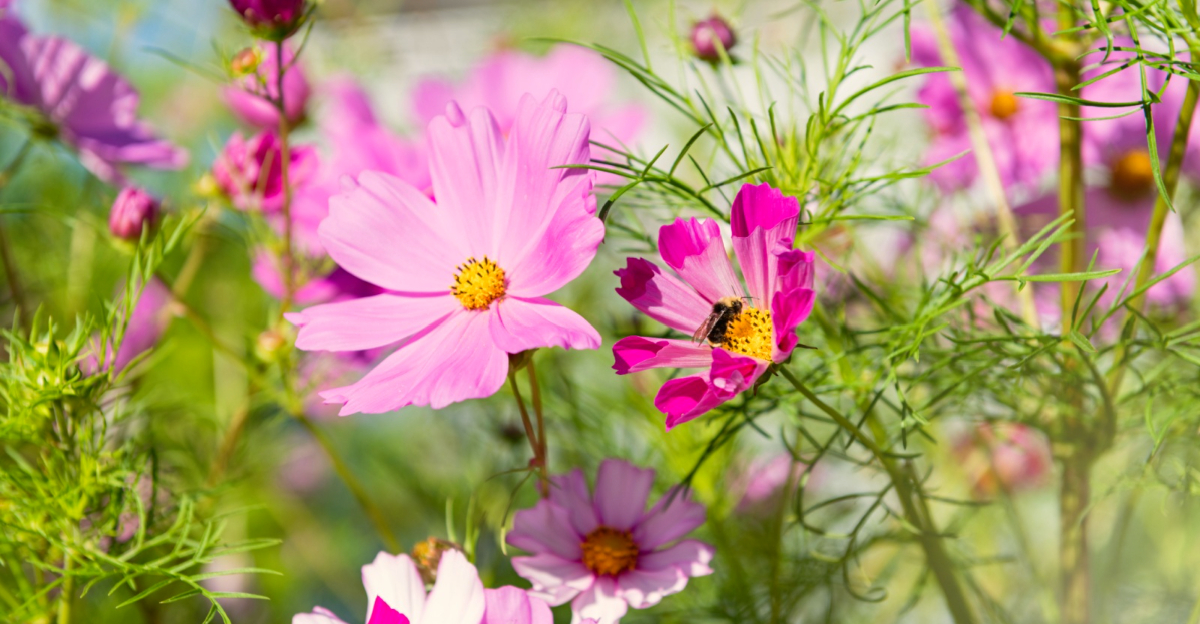
Cosmos have a relaxed, almost wildflower quality that makes them stand out in a garden full of tidy bedding plants.
Their feathery, fern-like foliage and daisy-shaped blooms in shades of pink, white, lavender, and crimson create a soft, airy look that adds height and movement to a bed without feeling heavy or overpowering.
In Ohio, direct-seeding cosmos in May works well once soil has warmed and frost risk has passed.
One of the most appealing things about cosmos is how quickly they grow from seed. Under good May conditions with plenty of sun, seedlings emerge fast and plants can reach blooming size in roughly seven to nine weeks.
They grow tall, often reaching two to four feet, which makes them a natural choice for the back of a border or a spot where you want to add some vertical interest without fuss.
Cosmos actually prefer lean soil and do not need heavy fertilizing. In rich, overly fertilized ground, they tend to produce more foliage than flowers, so a straightforward garden bed or even a slightly sandy spot suits them well.
They are also drought-tolerant once established, which is useful during the warmer stretches Ohio typically sees from June onward. Pollinators visit them regularly, adding extra life to the garden.
5. Nasturtiums Add Bright Blooms And Spillover Charm
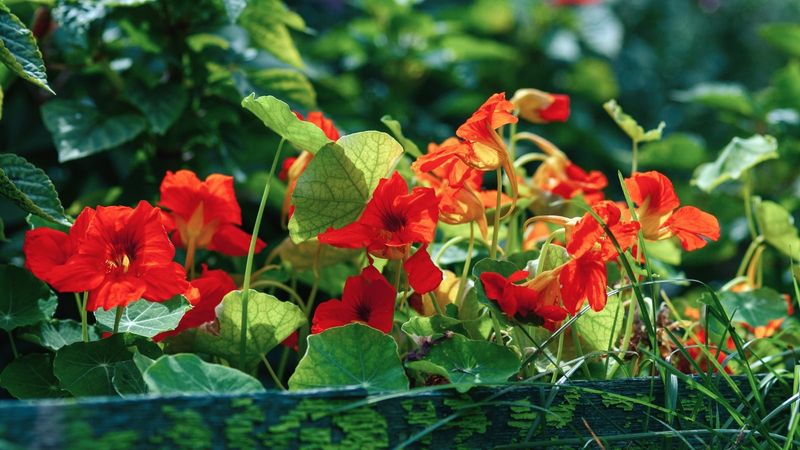
Nasturtiums have a playful, sprawling personality that sets them apart from most bedding flowers.
Their round, lily-pad-like leaves and vivid blooms in orange, yellow, red, and cream tumble over the edges of containers, raised beds, and borders in a way that looks effortlessly natural.
Planted from seed directly into Ohio garden soil in May, nasturtiums germinate surprisingly fast, often within one to two weeks.
One of the more interesting things about nasturtiums is that both the flowers and the leaves are edible, with a peppery flavor that works well in salads. That alone makes them a conversation starter in any home garden.
Beyond the edible novelty, they genuinely are one of the easiest flowers to grow from seed, requiring little more than a sunny or partly sunny spot and regular moisture to get started.
Nasturtiums tend to do better in average or even poor soil. Soil that is too rich can push the plant toward leafy growth at the expense of blooms.
In Ohio, where many garden soils are heavy clay or have been amended over the years, finding a spot with moderate fertility is usually not difficult.
They bloom reliably through early summer and often pick up again when temperatures cool slightly in late August and September.
6. Celosia Brings Bold Color In A Flash

Celosia is not a flower that blends into the background. Its blooms are bold and unusual, coming in feathery plume forms or crinkled cockscomb shapes that look almost too vivid to be real.
Shades of red, magenta, orange, yellow, and pink show up intensely in the garden, making celosia one of the most visually striking flowers you can plant in an Ohio bed in May.
Transplants from a garden center establish quickly and begin adding color almost immediately. Seed-grown celosia planted in May can start blooming in roughly eight to ten weeks, which still puts color in the bed well before midsummer.
The plants handle heat well and actually seem to perform better as Ohio temperatures climb into the 80s, which makes them a strong choice for sunny spots that can get intense during July and August.
Celosia works well in mixed containers where its upright form adds structure, and it fits naturally into flower borders where you want something that holds its color without fading quickly.
The blooms tend to hold their color for a long time, even as temperatures climb.
Keeping the soil consistently moist during the first few weeks after planting helps the plant establish well and begin producing its signature vivid blooms on a reliable schedule.
7. Portulaca Thrives In Heat And Bright Sun
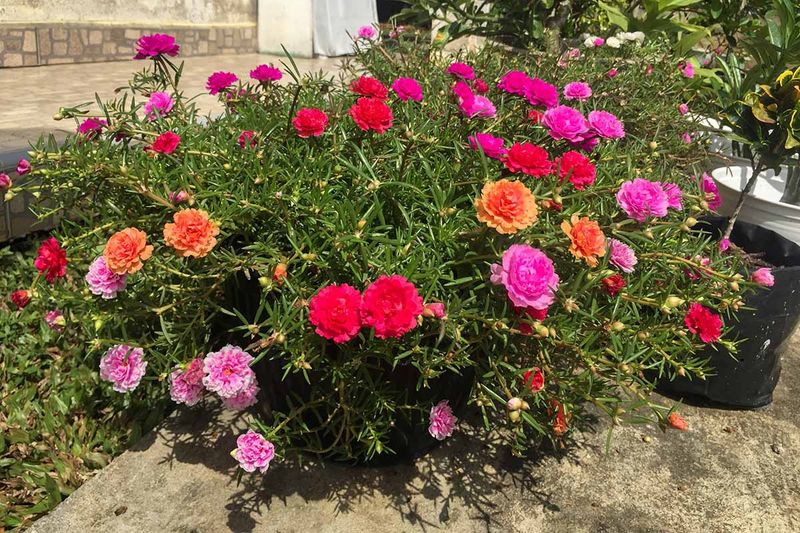
If you have a spot in your Ohio yard that gets baking afternoon sun and tends to dry out quickly, portulaca might be exactly what that area needs.
Also called moss rose, this low-growing annual produces jewel-toned flowers in pink, orange, red, yellow, and white that open wide in full sun and close at night or on cloudy days.
Planted in May, portulaca fills in quickly and starts blooming fast, often within six to eight weeks from seed.
Portulaca has succulent-like stems and leaves that hold moisture well, which helps it handle dry spells without much struggle.
This makes it a genuinely useful flower for Ohio gardeners dealing with sandy or rocky soil, sunny slopes, or spots near pavement where heat builds up during the day.
It spreads low and wide, creating a colorful mat that covers bare ground effectively.
Container planting is another good use for portulaca, especially in pots that dry out quickly between waterings. It pairs nicely with other heat-tolerant annuals and adds a carpet of color at the base of taller plants.
Overwatering is one of the few things that can cause problems with portulaca, so planting it in well-drained soil and avoiding soggy conditions keeps it looking its best through the Ohio summer season.
8. Sweet Alyssum Softens Edges With Tiny Flowers
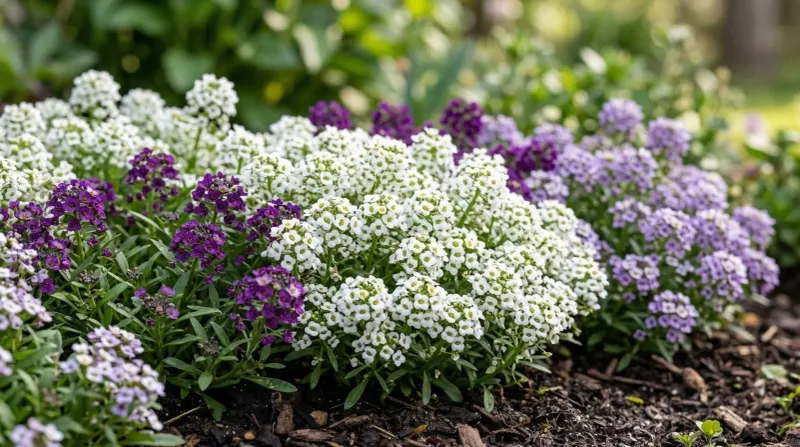
Sweet alyssum has a quiet elegance that makes it one of the most useful edging flowers you can plant in an Ohio garden in May.
Its tiny, honey-scented flowers cluster together in rounded mounds of white, lavender, or soft pink, creating a delicate frothy look that softens the hard edges of borders, walkways, and container rims.
Despite its dainty appearance, alyssum is a tough and fast-growing plant that fills in quickly once it settles in.
Planted from transplants or direct-seeded in May, sweet alyssum can begin blooming within a few weeks and tends to spread outward steadily as the season progresses.
It prefers full sun to light shade, which makes it adaptable to a variety of spots in the average Ohio yard.
The light fragrance it produces is most noticeable in the early morning and evening, making it a pleasant addition near a porch or garden seating area.
One helpful habit of sweet alyssum is that it often self-sows, meaning it may return in nearby spots the following spring without any extra effort.
In Ohio, it tends to slow down during the hottest weeks of midsummer but often bounces back nicely when temperatures ease in late August.
Light shearing after the first flush of blooms can encourage a fresh round of flowering as the season continues.
9. Gomphrena Keeps Color Coming Through Summer
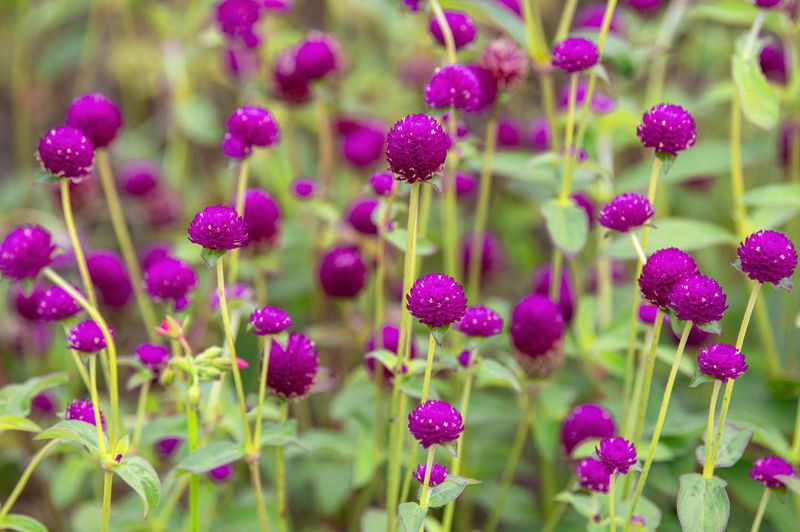
Gomphrena, often called globe amaranth, earns its place in Ohio gardens by doing something not every flower manages to do well – looking good consistently from early summer through fall.
Its round, clover-like blooms in purple, magenta, pink, orange, and white hold their color for weeks without fading, even in intense heat.
Planted in May, gomphrena gets established during the mild stretch and hits its stride once summer temperatures climb.
Starting from transplants gives gomphrena a head start and puts blooms in the garden faster, though seed-grown plants started in May can also produce flowers by midsummer.
The plant grows upright, typically reaching one to two feet tall, with a tidy, well-behaved shape that works well in mixed borders, foundation plantings, and containers.
It handles Ohio’s summer heat and humidity far better than many other flowering annuals.
Gomphrena also has good drought tolerance once established, which is a real advantage during the dry stretches Ohio sometimes sees in July and August.
The blooms are popular with butterflies and make excellent cut flowers that hold their shape even when dried.
For anyone who wants a flower that requires relatively little fuss but delivers reliable color from May planting through the end of the Ohio growing season, gomphrena is a strong and practical choice.
10. Salvia Adds Bright Spikes Of Color
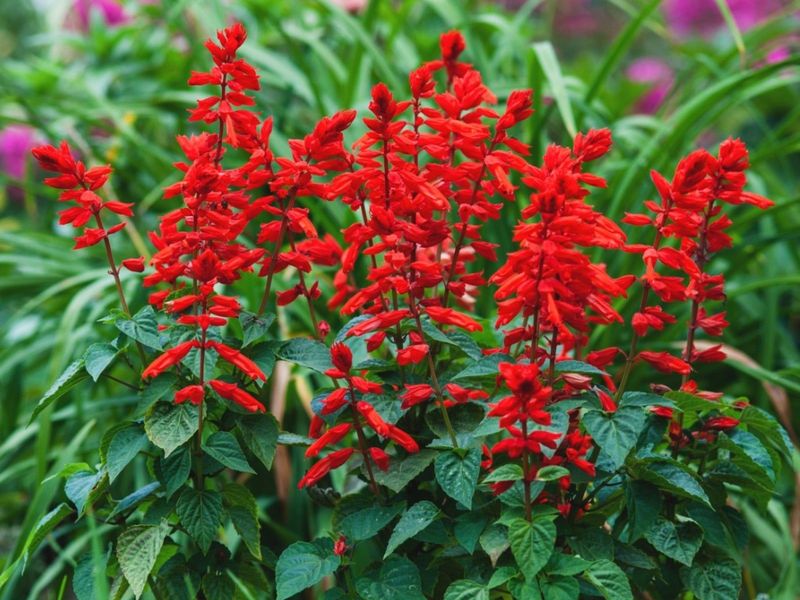
Scarlet salvia planted in May has a way of making an Ohio flower bed look polished and intentional almost immediately.
Its tall, upright spikes of vivid red, purple, coral, or white blooms rise above the foliage in a way that draws the eye and gives a border structure and energy.
Nursery transplants settle in quickly after May planting and often begin showing blooms within a short time of going into the ground.
Annual salvia, particularly Salvia splendens varieties, thrives in full sun and handles Ohio’s warm summers with ease. The plants grow steadily through June and July, filling out into bushy, upright clumps that hold their shape well in a bed.
Hummingbirds are strongly attracted to the tubular blooms, which adds a lively and entertaining element to any garden where salvia is planted near a window or seating area.
Salvia fits naturally into mixed borders alongside marigolds, zinnias, and petunias, where its vertical form provides contrast to rounder, mounding plants. It also works well in large containers where height and bold color are needed.
Keeping the soil evenly moist during the first few weeks after planting helps the root system establish quickly.
Once settled, salvia is a relatively low-maintenance flower that keeps producing colorful spikes through the Ohio growing season with minimal intervention needed.