10 Spots In Florida Gardens Where Cucumbers Struggle In Summer (And What To Grow Instead)
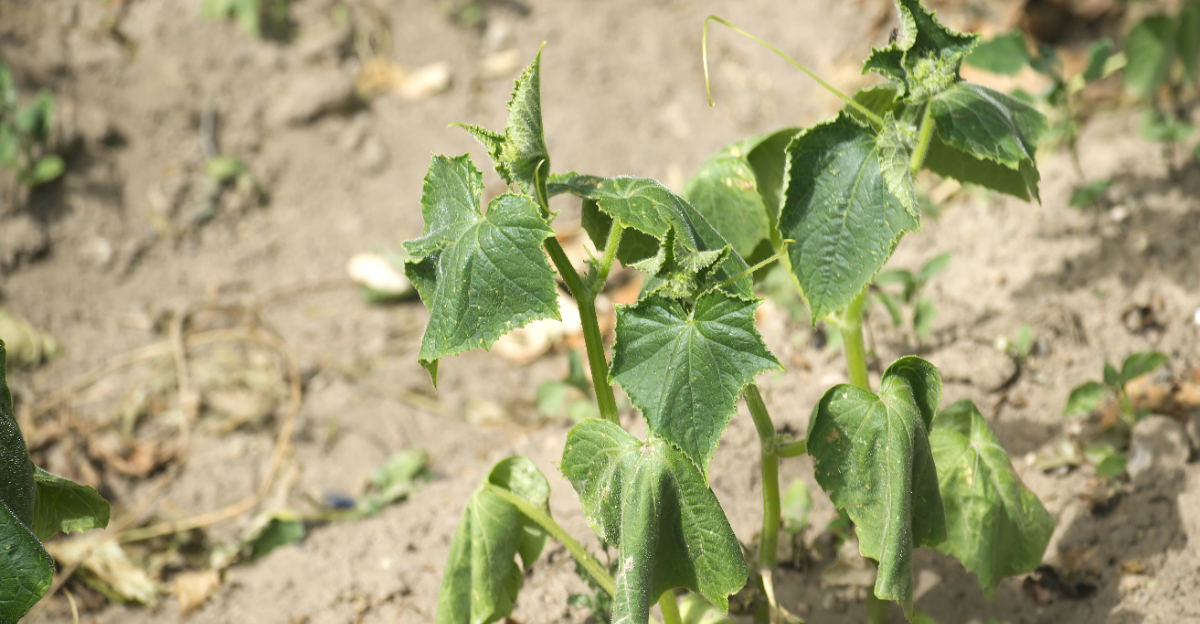
Florida gardeners give cucumbers everything: full sun, fresh soil, consistent water, and still watch them collapse before July arrives. Summer in Florida is not a cucumber-friendly season, and location inside the garden makes a difficult situation worse.
Low spots trap humidity and invite fungal rot overnight. Spots near concrete or pavers absorb and radiate heat that pushes soil temperatures well past what cucumber roots can tolerate.
Areas with even minor drainage issues become standing water problems the moment afternoon storms roll through daily. The vine looks fine for a few weeks, then crashes fast.
Most gardeners blame the variety, buy something new, and repeat the same mistake in the same spot the following season.
Florida’s intense summer heat, relentless humidity, and near-daily rain create a very specific list of problem locations that defeat cucumbers reliably and predictably.
Recognizing those spots before planting saves an entire season. For every location that fails cucumbers, a better-suited alternative thrives with far less effort and frustration.
1. Skip Beds That Bake All Afternoon
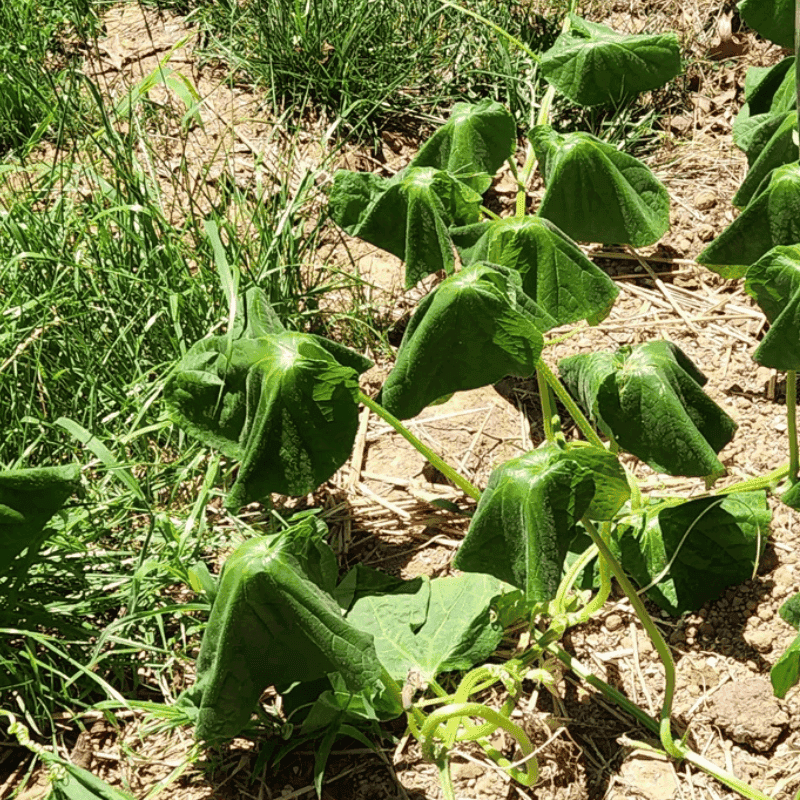
Afternoon sun in Florida summer is no joke. Temperatures in garden beds can climb well above 100 degrees Fahrenheit, turning the soil surface into something closer to a griddle than a growing space.
Cucumber vines prefer warm conditions, but extreme heat causes them to wilt dramatically, produce bitter or misshapen fruit, and struggle with poor pollination because the flowers drop before bees can do their job.
Signs to watch for include limp vines that do not recover even after watering, pale or yellowed leaves, and very few fruits setting despite plenty of flowers. The plants look stressed no matter how much water you give them.
Okra and eggplant are much smarter choices for these sun-baked afternoon beds. Both are heat-lovers that actually perform better as temperatures rise.
Okra especially thrives in full sun and produces heavily through the hottest months.
Eggplant needs consistent moisture and benefits from a thick layer of mulch to keep roots cooler, but it handles afternoon sun far better than cucumbers ever will.
Improving soil with compost before planting either crop will help retain moisture and support steady growth through the summer heat.
2. Avoid Containers That Dry Out Fast
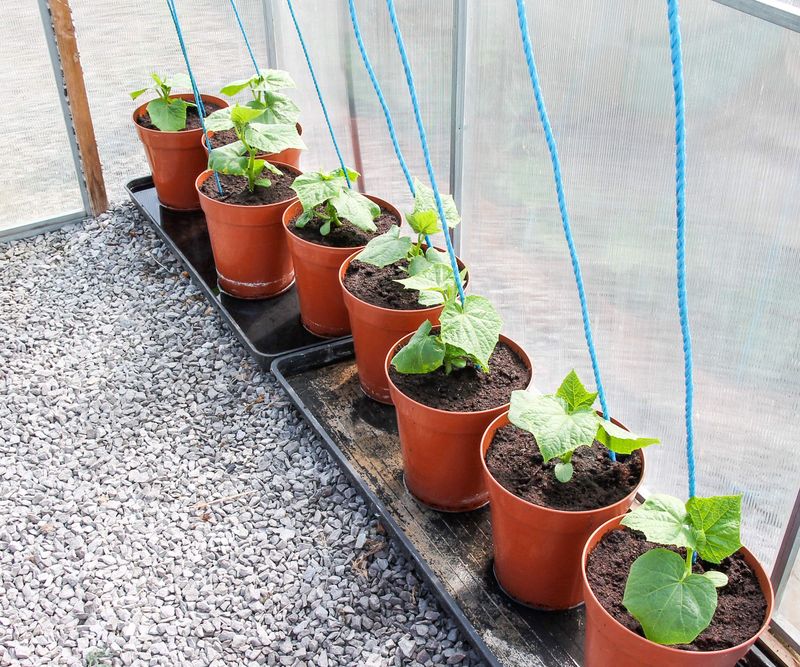
Grow bags and small pots look great on a patio, but in summer they can become traps for cucumber plants.
The heat radiating from pavement, decking, or concrete can raise container temperatures dramatically. Small containers lose moisture so fast that the soil can go from wet to bone dry within hours on a hot afternoon.
Cucumbers need steady, consistent moisture to produce well. When containers swing between soaking wet and completely dry, the plants respond with bitter fruit, blossom drop, and stunted vines.
You may also notice the leaves curling or developing crispy brown edges even right after watering.
Compact eggplant varieties do surprisingly well in larger containers, especially when mulch is added on top of the soil to slow moisture loss.
Peppers are another solid container pick because they handle heat better and do not punish you as quickly for an occasional dry spell.
Your Florida Garden Changes Every Week. Your Plan Should Too.
Gardening in Florida changes quickly throughout the season. Every Friday you’ll receive a simple weekly plan showing exactly what to plant, prune, fertilize, harvest, and protect so you never miss the right timing.
Basil fills smaller pots beautifully and keeps producing all summer with regular pinching.
No matter what you grow, always choose the largest container you have space for, water consistently, and keep pots off hot pavement with risers or pot feet.
3. Rethink Corners With Stagnant Air
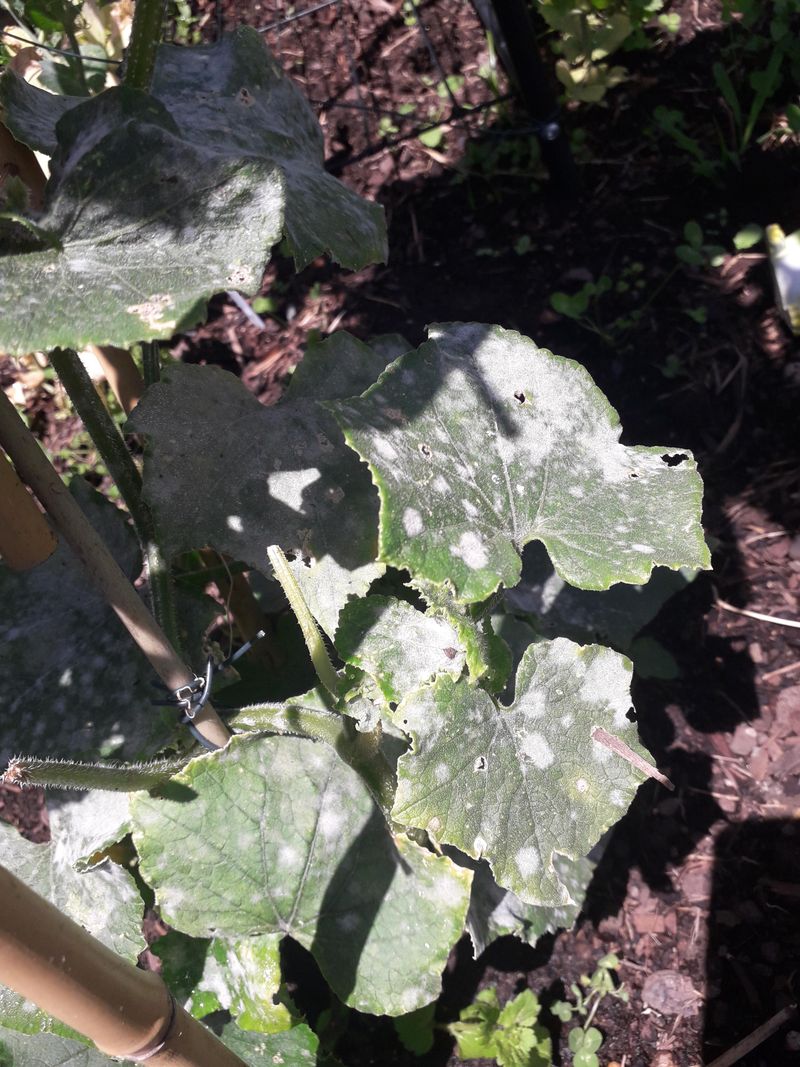
Some garden corners feel sheltered and cozy, but in summer, a spot with no airflow is practically an invitation for fungal disease. Powdery mildew can spread across cucumber leaves almost overnight when humidity is high and air movement is low.
Leaves develop a white, dusty coating, and the vines quickly lose their ability to produce.
Beyond mildew, stagnant corners also trap moisture on leaf surfaces, which invites other leaf spot diseases and makes aphid infestations harder to manage. Cucumber plants in these spots often look fine for a week or two, then decline rapidly once disease takes hold.
Southern peas, sometimes called cowpeas or field peas, handle summer heat and humidity much better than cucumbers. Varieties like Iron and Clay or Pinkeye Purple Hull are proven performers across the state.
Yardlong beans are another great swap for these spots because they grow upward on a trellis, which naturally improves airflow around the plant.
Both crops need proper spacing so air can still move between plants, and yardlong beans benefit from a sturdy support structure.
Neither crop is completely immune to disease, but both are far more forgiving in humid, low-airflow corners than cucumbers tend to be.
4. Move Away From Waterlogged Soil
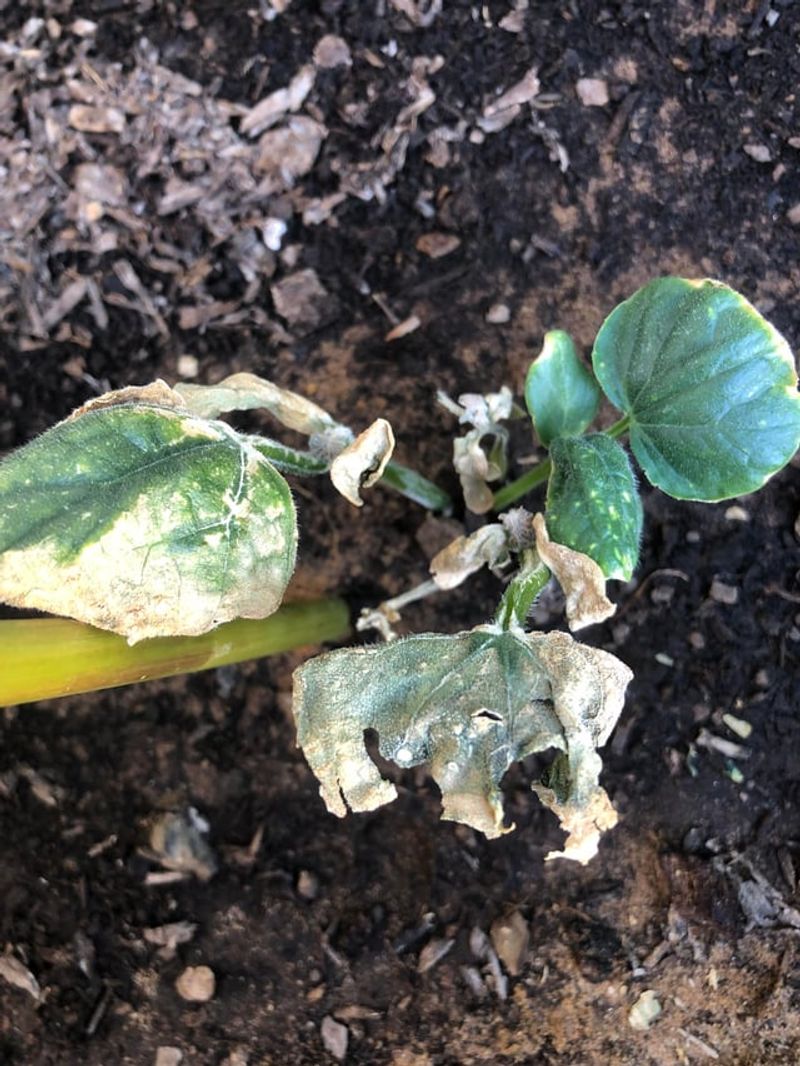
Florida summer rain can be relentless. A quick afternoon storm can dump two inches of rain in thirty minutes, and low-lying areas or compacted beds hold onto that water long after the clouds clear.
Cucumbers are especially sensitive to waterlogged roots and can decline quickly when the soil stays soggy for even a day or two.
Gardeners often notice yellowing leaves that look a lot like nutrient deficiency, but the real problem is that roots sitting in water cannot absorb oxygen or nutrients properly. Vines may also develop stem rot near the soil line, which usually means the plant will not recover.
Malabar spinach is a surprisingly heat-loving green. It can handle more moisture than most vegetables, making it a reasonable fit for spots that stay slightly moist but not flooded.
It needs a trellis and grows vigorously through summers.
For spots that truly flood after rain, the better approach is to build a raised bed and grow okra there instead. Okra tolerates heat and some drought once established, and a raised bed gives roots the drainage they need.
Even malabar spinach and okra should never sit in standing water, so improving drainage is still a smart first step regardless of what you plant.
5. Stop Planting Under Heavy Shade
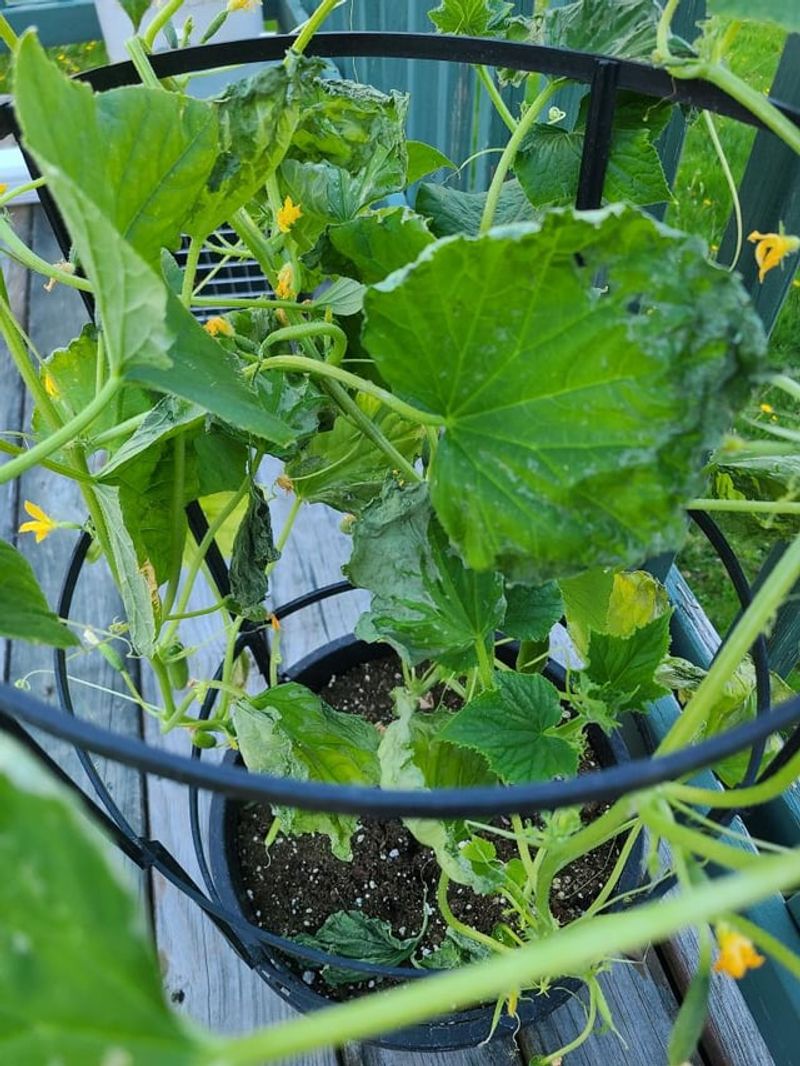
Shade from large oaks, tall fences, or solid structures might feel like a relief from heat, but cucumbers planted in heavy shade rarely reward the effort. Cucumbers need strong, direct sunlight to flower and set fruit.
Without enough light, vines may grow long and leafy but produce almost nothing worth harvesting.
The telltale signs are vines that stretch toward any available light, pale yellow-green leaves, very few flowers, and almost no fruit. The plants may look alive but are essentially just surviving rather than producing.
Sweet potatoes are one of the better options for partially shaded spots. They are grown primarily for their edible roots, but the leaves are also nutritious and can be harvested throughout summer.
They do not need full sun to produce reasonable harvests, though more light still helps. Ginger is another option for warm, shaded areas with moist, well-drained soil and good organic matter.
It grows slowly but steadily through summers and requires minimal attention once established. Full, deep shade is still a challenge for almost any edible crop, so managing expectations is important.
Even the most shade-tolerant vegetables need some filtered or indirect light to produce a meaningful harvest throughout the season.
6. Watch Trellises Against Hot Walls
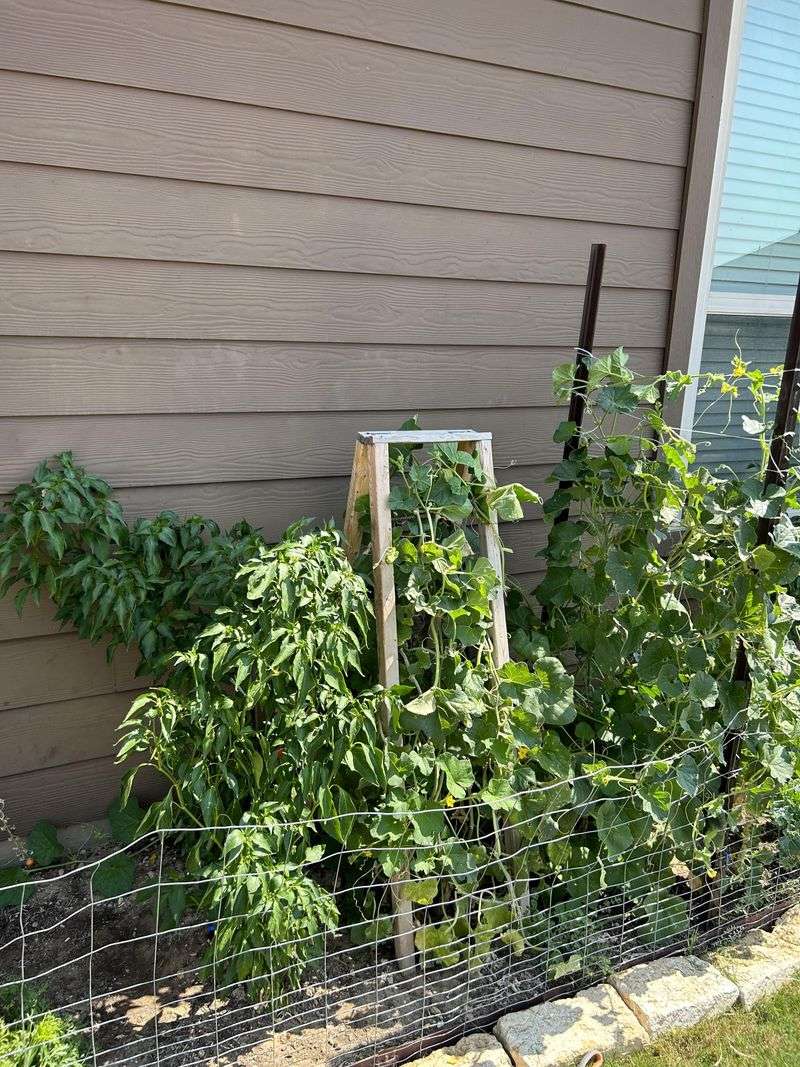
Stucco walls, concrete block fences, and paved patios absorb heat all day and radiate it back outward well into the evening.
Trellises placed directly against these surfaces put cucumber vines right in the path of that reflected heat. It compounds the stress from direct sun and raises soil temperatures around the roots even further.
Gardeners growing cucumbers on wall-adjacent trellises often notice the soil drying out much faster than expected. Also, fruit that looks scorched or turns yellow prematurely, and vines that wilt by noon even on days when watering was done in the morning.
Yardlong beans handle reflected heat better than cucumbers and produce reliably on trellises through the summer.
They need the same vertical support structure and appreciate consistent moisture, but they do not punish you as harshly for the extra warmth bouncing off a nearby wall.
Heat-tolerant eggplant varieties also work well near warm walls because they actually benefit from the extra warmth in early summer.
Moving any trellis even a few feet away from a heat-reflecting surface makes a real difference in plant health.
Whenever the layout allows it, create some breathing room between the structure and the planting area to reduce heat buildup around the roots and foliage.
7. Avoid Beds With Old Cucurbit Problems
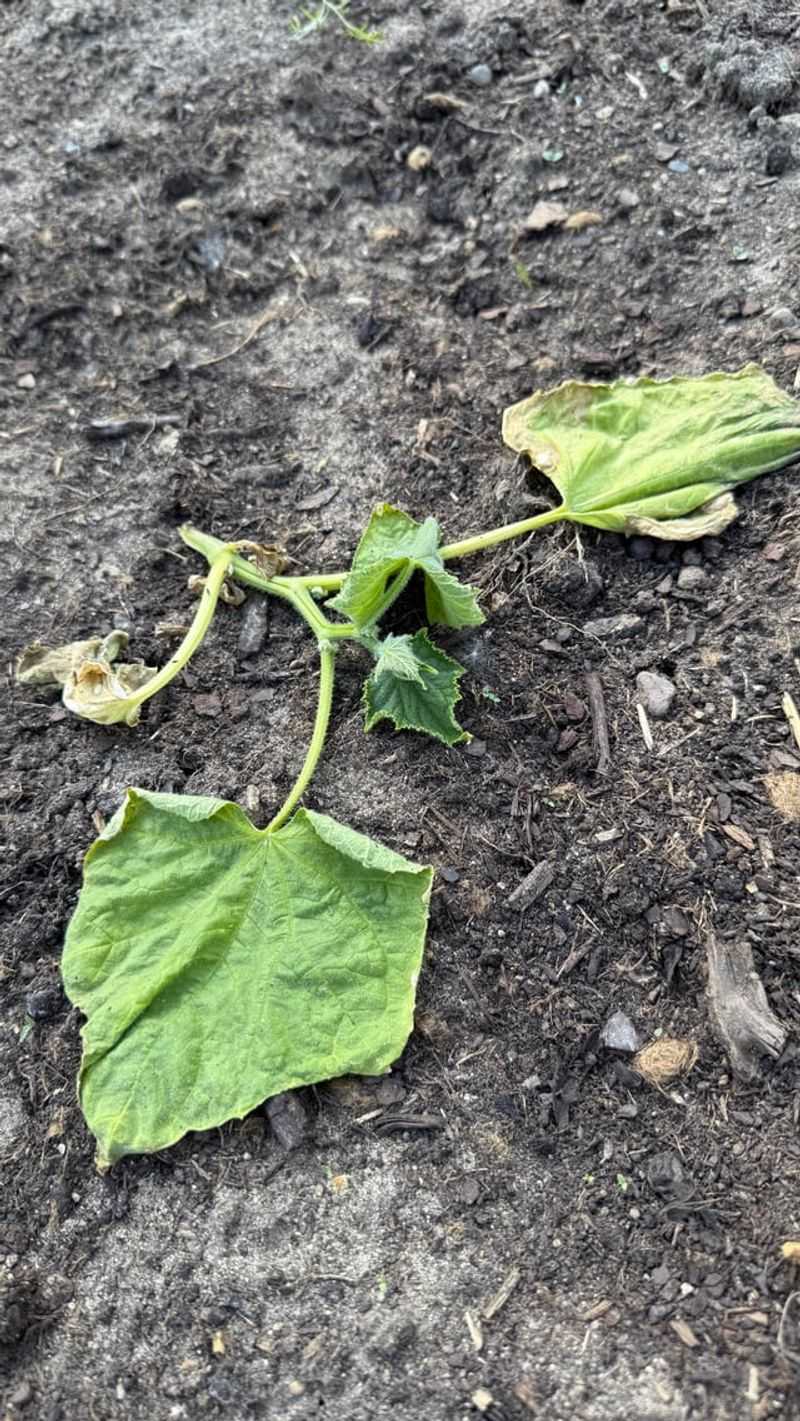
Beds where squash, melons, pumpkins, or cucumbers grew last season may be hiding problems that are ready to flare up again.
Cucumber beetles, squash vine borers, bacterial wilt pathogens, and fungal spores can all survive in the soil or on plant debris through the mild winter and spring.
Planting cucumbers back into these beds almost guarantees a repeat of whatever went wrong before.
Gardeners may notice seedlings that look fine at first but then collapse suddenly, or established vines that develop wilting on individual branches before spreading to the whole plant.
The best strategy is to rotate completely out of the cucurbit family in any bed with a history of problems. Southern peas, okra, and sweet potatoes are all excellent rotational crops because they belong to entirely different plant families.
Southern peas actually improve soil by fixing nitrogen, which helps restore beds that have been depleted by heavy-feeding cucurbits. Before planting any replacement crop, remove all old plant debris thoroughly, including roots when possible.
Leaving stems and root fragments in the bed can allow disease and pests to persist even when you switch crops, so a clean start makes a meaningful difference in long-term garden health.
8. Skip Sandy Soil Without Compost
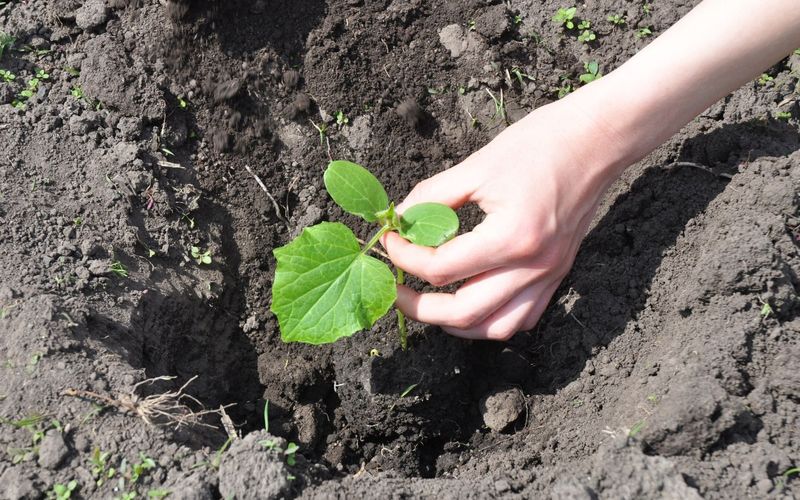
Much of Florida sits on sandy, nutrient-poor soil that drains so fast it barely holds moisture between waterings.
For cucumbers, which are heavy feeders that need steady water and consistent nutrients, unimproved sandy soil is one of the most challenging conditions possible.
Vines may germinate and grow for a couple of weeks, then stall out and produce weak, pale growth with little fruit.
Bitter cucumbers, hollow fruits, and vines that never fully size up are common complaints from gardeners who skip the soil prep step.
Without organic matter to hold moisture and nutrients, even regular watering and fertilizing often cannot keep up with what the plants need.
Okra is a better starting point in sandy beds because it tolerates leaner conditions and handles dry spells once it gets established. Southern peas are even more forgiving of poor soil, partly because they fix their own nitrogen and do not rely as heavily on soil fertility.
That said, adding compost before planting either crop is still worth the effort.
Working two to three inches of compost into the top layer of sandy soil improves water retention and nutrient availability noticeably. It’s giving any summer crop a much better foundation to grow from throughout the season.
9. Move Vines Away From Sprinkler Spray
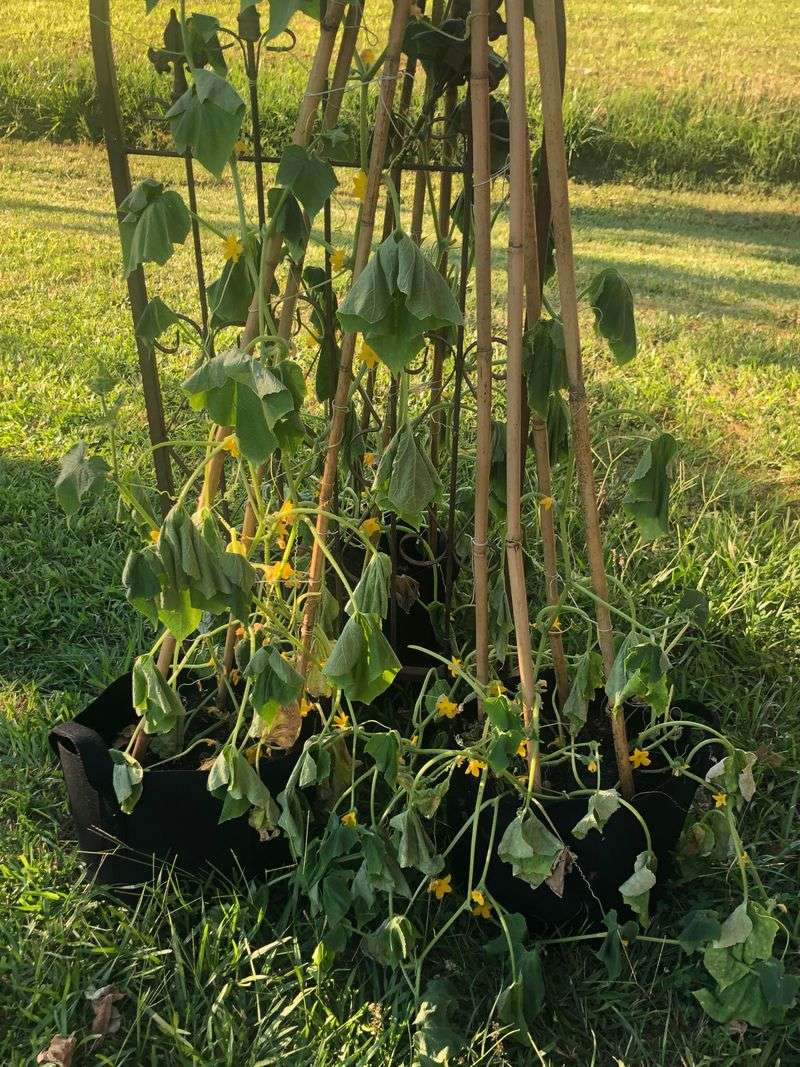
Overhead irrigation is common in landscapes, but cucumber vines planted within the spray zone of a sprinkler head are set up for trouble.
Wet foliage in hot, humid weather is practically a welcome mat for powdery mildew, downy mildew, and angular leaf spot. These are diseases that spread quickly on cucumber plants and are very difficult to reverse once they take hold.
Gardeners often notice the first signs of mildew as white or gray powdery patches on the upper surface of leaves, followed by yellowing, browning, and complete leaf loss.
By the time the problem is visible, it has usually already spread to multiple plants.
Moving to a nearby spot where foliage stays drier makes a big difference. Peppers, eggplant, and basil all tolerate some overhead moisture better than cucumbers, though they still prefer drier leaves when possible.
Drip irrigation or soaker hoses are the best long-term solution for any vegetable bed in Florida because they deliver water directly to the root zone without wetting foliage at all.
Hand watering at the base of plants is another practical option for smaller gardens.
Keeping leaves dry is one of the most effective and overlooked disease-prevention strategies available to home gardeners.
10. Give Up Tiny Spaces With No Airflow
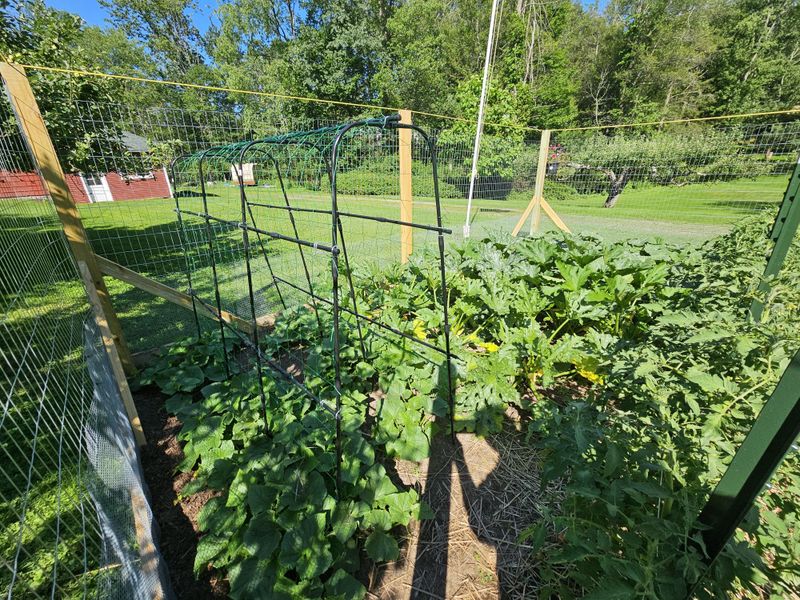
Squeezing cucumber vines into a tight space between containers, a fence, and other plants might seem like smart use of limited garden real estate. But crowded conditions in summer create a perfect storm of problems.
Trapped humidity, reduced airflow, and tangled vines make it nearly impossible to spot pest damage early, and harvesting becomes a frustrating game of hunting through dense foliage.
Packed spaces also mean that any disease on one plant spreads to neighboring plants faster because leaves are constantly touching.
Spider mites and aphids love crowded, humid spots and can build up populations quickly when plants are pressed together without room to breathe.
Vertical growers like yardlong beans are actually a smart choice for narrow spaces because they grow up rather than out, keeping a smaller footprint while still producing well.
Compact pepper varieties fit nicely between other plants without overwhelming the space, and herbs like basil, lemongrass, or chives fill corners productively without crowding.
Whatever you plant in a tight space, leave enough room between plants for air to circulate, and do not be afraid to prune back leaves that are blocking airflow.
A little extra spacing and occasional light pruning can make a noticeable difference in plant health and harvest quality through the long summer.