Why Your Missouri Tomatoes Are Already Having A Crisis (Before You Even Grab A Basket)?
Growing tomatoes in Missouri sounds like a dream, right?
You plant them, water them, maybe talk to them a little, and then wait for that perfect red, juicy reward. But if you have spent even one summer gardening in the Show-Me State, you already know the truth. Missouri does not make it easy on tomatoes.
Between the unpredictable rain, the punishing heat, and the soil that never quite does what you need it to, your tomatoes deserve a standing ovation just for showing up. Every single one that makes it to your basket has genuinely earned its moment.
Cracked skin, blossom drop, root stress, and variety failures are all part of the Missouri tomato experience. Understanding why these problems happen is the first step to actually fixing them. No matter if you’re a backyard beginner in Kansas City or a seasoned grower in the Ozarks, the challenges are real and surprisingly predictable. Sound like your garden?
Keep reading, because your tomatoes have been trying to tell you something.
1. Inconsistent Watering Turns Small Cracks Into Big Ones
There’s nothing more heartbreaking for a Missouri gardener than walking out to the garden after a good rain and finding your tomatoes cracked open like they just couldn’t hold it together. Well, they literally couldn’t.
Here’s what’s happening beneath that red skin. During a dry stretch, your tomato slows down.
Growth stalls, and the skin tightens around whatever the fruit has managed to build. It’s survival mode.
Then the skies finally open up, and the plant goes from famine to feast almost overnight.
Water rushes in, the inside of the fruit starts expanding rapidly, and the skin, stiff and stubborn from weeks of drought, simply can’t keep up.
Something has to give. That something is usually a jagged crack radiating out from the stem or splitting down the side.
Missouri summers are practically designed to trigger this cycle. Blistering heat, bone-dry weeks, then a thunderstorm that drops two inches in an afternoon.
Your tomatoes never stood a chance.
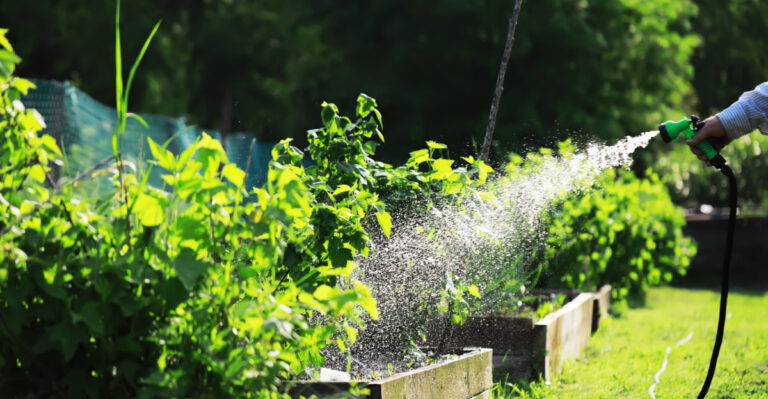
The real fix isn’t complicated, but it does require consistency. Water deeply and evenly, especially during those relentless July and August hot spells.
A drip line or soaker hose is worth every penny because it delivers moisture straight to the roots without the drama of feast-or-famine cycles.
Lay down a generous layer of mulch around the base of each plant to slow evaporation and keep the soil from swinging between extremes.
Steady moisture means steady growth and tomatoes that stay beautiful all the way to the table.
2. Bare Soil Makes Moisture Swings Worse
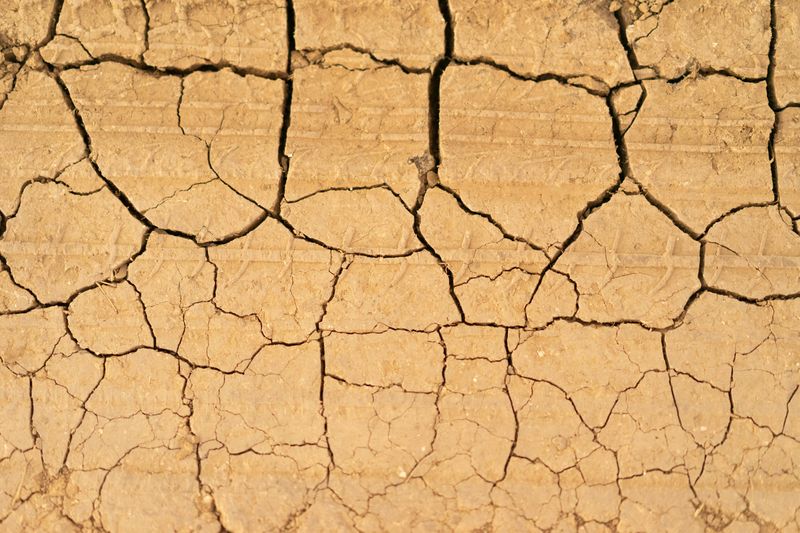
I once left a garden bed uncovered over summer and came back to soil that looked like a cracked pottery glaze.
Nobody warned me that bare soil is essentially a moisture drama machine. Without any cover, the sun bakes the surface within hours of rain, pulling moisture upward and out before roots ever get a chance at it.
Your Missouri Garden Changes Every Week. Your Plan Should Too.
Gardening in Missouri changes quickly throughout the season. Every Friday you’ll receive a simple weekly plan showing exactly what to plant, prune, fertilize, harvest, and protect so you never miss the right timing.
Then a heavy shower hits and the water runs straight off because the top layer has sealed into a crust. The soil swings from parched to saturated and back again, sometimes within the same week.
Plants sitting in that environment are working twice as hard just to regulate.
Tomatoes suffer this particularly hard, splitting and cracking when inconsistent moisture causes the fruit to expand faster than the skin can stretch.
The structure of the soil itself suffers too. Repeated wet and dry cycles break apart the natural aggregates, those small crumb-like clusters that give good soil its spongy feel and allow air to move through.
Once those break down, compaction follows. Water infiltration slows.
The moisture swings actually get worse over time, not better.
A simple two-inch layer of mulch changes the entire equation. It slows evaporation, softens the impact of rain so water soaks in rather than running off, and moderates soil temperature enough that moisture levels stay far more consistent between waterings.
Wood chips, straw, and shredded leaves all work beautifully.
I started mulching my beds the following spring and the difference in soil feel by midsummer was noticeable.
Covering the soil is not optional. It is just good math.
3. Dry Spells Followed By Storms Crack The Fruit
The tomatoes looked fine on a Tuesday and by Friday they had split open like they were auditioning for a produce horror film.
No pests, no disease, just a week of dry heat followed by a heavy rain.
That combination is one of the more frustrating things about growing fruit at home, because the damage happens fast and the cause is invisible until it is too late. When fruit develops during a dry stretch, the skin toughens and the interior growth slows to match the available moisture.
Then a storm rolls in and the plant drinks deeply and quickly. The interior of the fruit expands faster than the skin can stretch to accommodate it.
Something has to give, and it is almost always the skin.
Tomatoes are the most talked-about example, but the same thing happens with figs, stone fruits like cherries and plums, and even peppers under the right conditions.
The crack itself is not always dramatic. Sometimes it is a shallow split near the stem.
Other times it runs deep and opens the fruit to rot within a day or two. The fix is not complicated, but it does require consistency.
Mulching around the base of plants helps buffer soil moisture between rain events, slowing the dramatic swings that trigger cracking.
Drip irrigation set on a steady schedule does more good than occasional deep soaks.
I learned that the hard way on a Friday, standing over a colander of cracked tomatoes. Consistency is the cheapest tool in the garden, and somehow the easiest to forget.
4. Late Harvesting Leaves Ripe Tomatoes Vulnerable
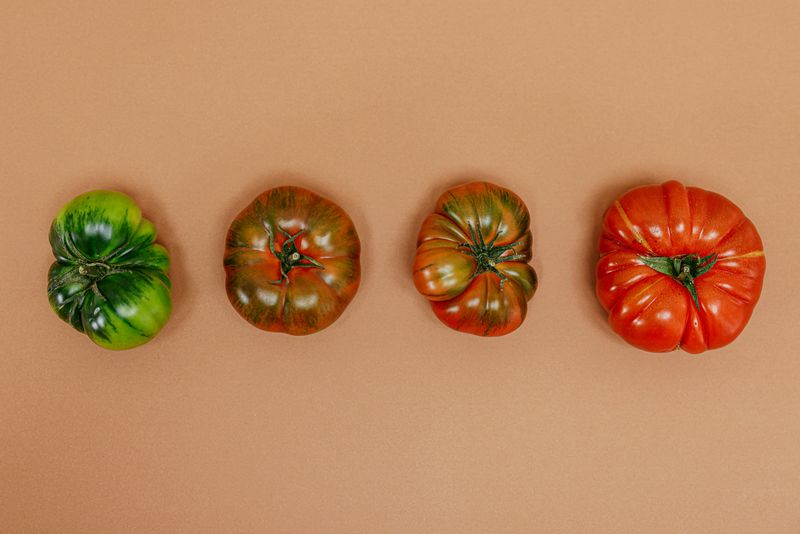
There is a particular kind of gardener’s regret that comes from leaving tomatoes on the vine two days too long, and I have felt it more times than I care to admit.
The fruit looks fine, maybe even better than ready, and then life gets busy.
By the time you circle back, the skin has gone soft, the color has deepened past its peak, and something has already found it before you did.
Tomatoes reach full ripeness and then keep going, whether you are watching or not. At peak ripeness, the skin is under its highest tension and the sugar content is at its most attractive point for insects, birds, and fungal spores.
A small puncture from a bird peck or a crack from overnight rain is enough to start a chain of deterioration that moves quickly in warm weather.
The window between perfectly ripe and overripe is genuinely narrow, sometimes less than forty-eight hours during a hot stretch.
What most home growers do not realize is that tomatoes continue to ripen off the vine without any meaningful loss in flavor, provided they are brought in while still firm and fully colored.
Storing them stem side down at room temperature slows moisture loss and keeps the skin intact longer. Picking slightly early during a heat wave or before a forecasted storm is not impatience.
It is strategy.
The vine did its job. Your job is knowing when to step in and finish what it started.
5. Some Tomato Varieties Just Crack Faster
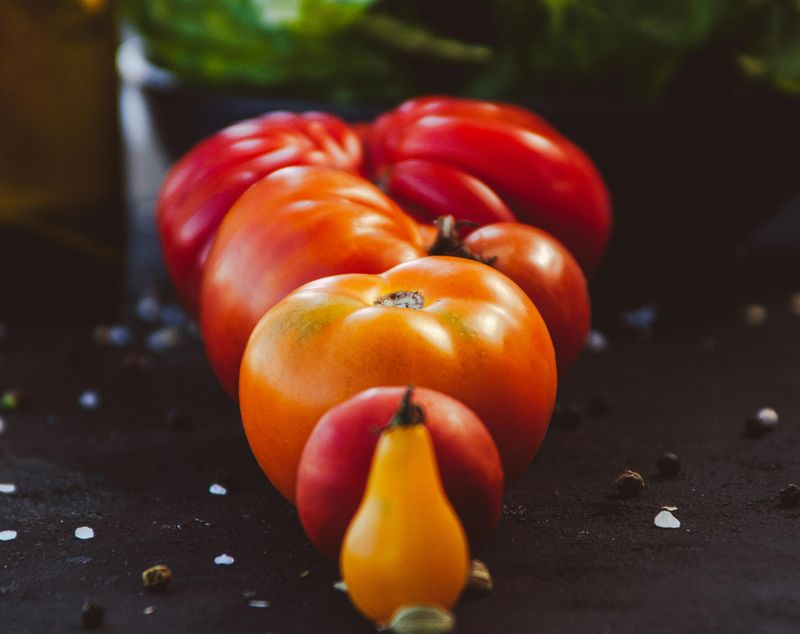
Variety selection is genuinely one of the most powerful decisions you make as a Missouri tomato grower, and it happens before you ever dig a hole.
Think of it as matching the right tool to the job. Not every tomato was built for a Missouri summer.
Pick one that was and everything else gets a whole lot easier.
Not every tomato variety is built to handle the heat, humidity, and wild weather swings that define a Missouri summer.
Choosing the right one can mean the difference between a basket full of fruit and a season full of frustration.
Celebrity is one of the most consistently recommended varieties for Missouri because it was specifically bred for disease resistance and adaptability. It handles heat reasonably well, sets fruit across a wide temperature range, and resists common fungal diseases that thrive in Missouri’s humid conditions.
For gardeners who want a reliable slicer without a lot of drama, Celebrity is a smart starting point.
Heatmaster is another variety worth knowing about, especially for gardeners in the hotter southern parts of Missouri. It was developed specifically to maintain fruit set during peak summer heat, which makes it a practical choice for Missouri’s July conditions.
For smaller spaces or container growing, Juliet and Sun Gold cherry tomatoes tend to perform well across Missouri because they are vigorous, crack-resistant, and productive even under stress.
Heirloom varieties like Brandywine are beautiful but require more consistent conditions than Missouri typically offers, so they work better with extra protection and careful watering.
Not all variety advice is created equal, and a Missouri extension office knows your county’s conditions better than any national seed catalog does. One conversation there can save an entire season of guesswork.
6. The Missouri Tomato Survival Guide
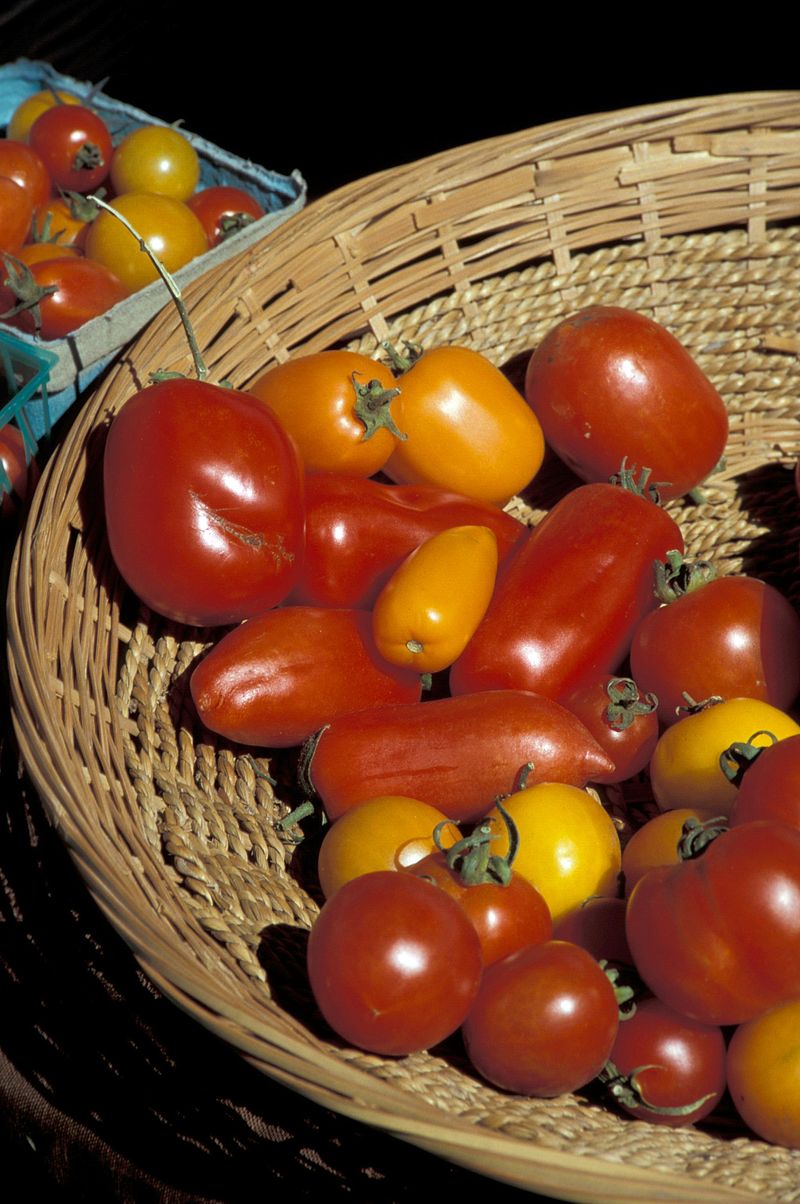
Getting your Missouri tomatoes from stressed and struggling to actually basket-ready is totally doable once you have a clear plan in place.
Missouri will still do its thing, you will just finally know exactly what to do about it.
The good news is that most of the fixes are not complicated or expensive, they just require a little timing and consistency.
Gardeners who see strong harvests year after year are usually doing a handful of simple things right, repeatedly.
Start with soil preparation every spring before transplanting.
Add two to four inches of compost, check your pH, and make sure drainage is working properly in your chosen spot.
If your garden sits in heavy clay, consider building even a simple raised bed structure to give your roots a better environment from day one.
Water deeply and consistently rather than lightly and often.
Tomatoes prefer to receive about one to two inches of water per week, delivered slowly so the soil absorbs it without runoff.
A soaker hose on a timer is one of the most effective investments a Missouri tomato grower can make because it removes the guesswork from watering entirely.
Mulch heavily, at least three inches deep, to stabilize soil moisture between rain events and reduce the temperature swings at the root zone.
Stay ahead of fungal disease by removing lower leaves that touch the soil and spacing plants far enough apart for good airflow.
Harvest fruit as soon as it reaches mature color so rain events do not catch ripe tomatoes on the vine.
With these habits in place, Missouri’s wild summers become a challenge you can genuinely manage, one basket at a time.
So go ahead and grab that basket. Your tomatoes are finally ready to stop having a crisis and start showing up for you.