9 Best Fragrant Flowers For Small Ohio Gardens That Don’t Overwhelm
Small gardens deserve big rewards, and fragrance is one of the fastest ways to transform an ordinary yard into something that stops people mid-step. The challenge in Ohio is finding flowers that deliver genuine scent without taking over a compact space.
Some fragrant varieties spread aggressively. Others grow too tall, block sunlight, and crowd out everything nearby.
A few smell incredible in a large open landscape but become suffocating at close range in a small garden bed. Ohio’s climate adds another layer of complexity.
A flower that performs beautifully in Georgia struggles here. Late frosts, clay soil, and humid summers filter out the weak options fast, leaving only the varieties tough enough to thrive and fragrant enough to matter.
The best choices deliver real scent, stay manageable in tight spaces, and survive Ohio seasons without constant intervention. Get the selection right and your garden rewards you every single time you walk past it.
1. Let Wild Bergamot Bring The Summer Scent
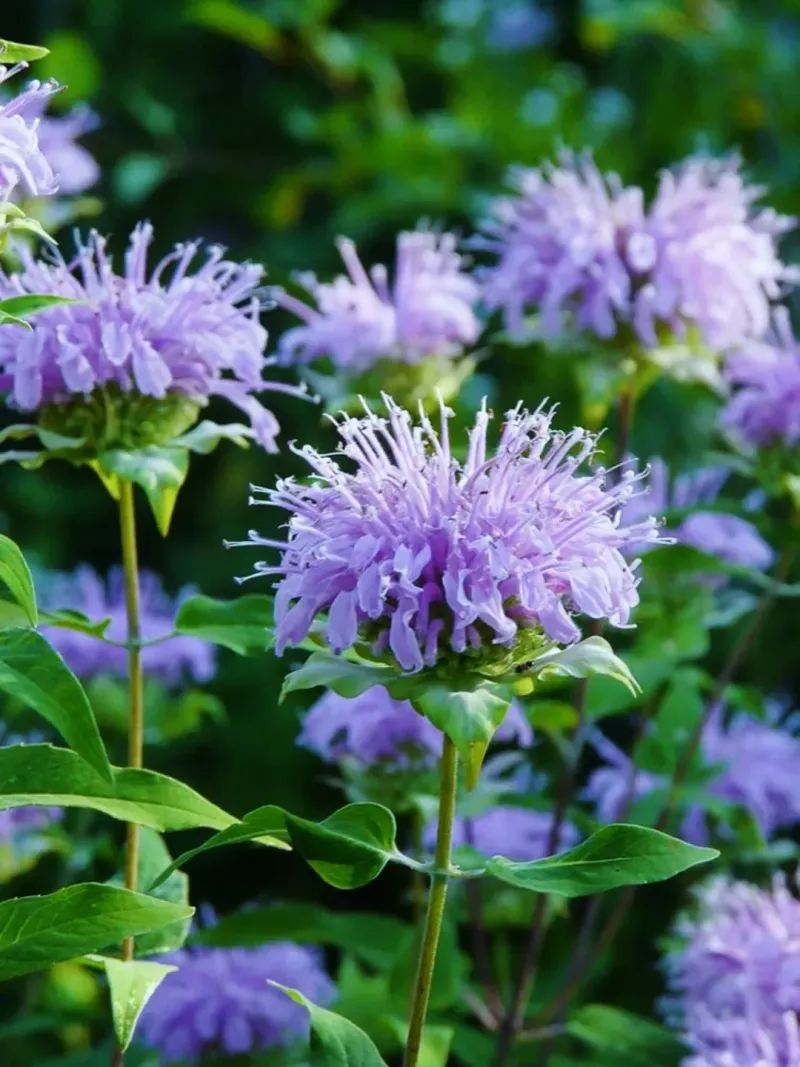
Step outside on a warm July afternoon near a patch of wild bergamot, and you will catch a herbal, slightly spicy scent that smells like a cross between oregano and mint.
Wild bergamot, Monarda fistulosa, is a true native that earns its place in sunny borders, meadow-style patches, and pollinator gardens all across the state.
Its lavender-pink blooms appear from midsummer into early fall and attract bees, butterflies, and hummingbirds in impressive numbers.
Full sun is ideal, though it tolerates a bit of light afternoon shade. Plant it in average to lean soil rather than rich, fertilized ground – overly fertile conditions encourage floppy, dense growth that invites powdery mildew.
Good airflow around each plant makes a noticeable difference in keeping it healthy.
In a small garden, wild bergamot does spread modestly over time by underground rhizomes. Divide clumps every two to three years in early spring to keep the planting tidy and contained.
Placing it where a path, edging stone, or lawn edge creates a natural boundary helps prevent it from wandering. Plant it near a seating area or open window where that lovely herbal fragrance drifts in on summer evenings.
2. Tuck Woodland Phlox Into Shady Corners
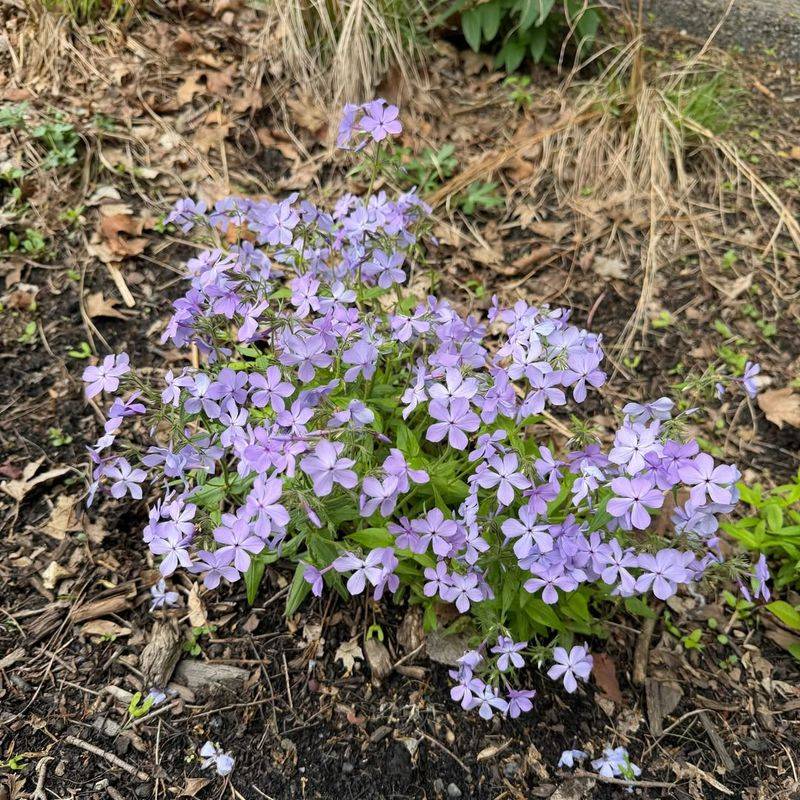
Not every fragrant flower needs a sunny spot to shine.
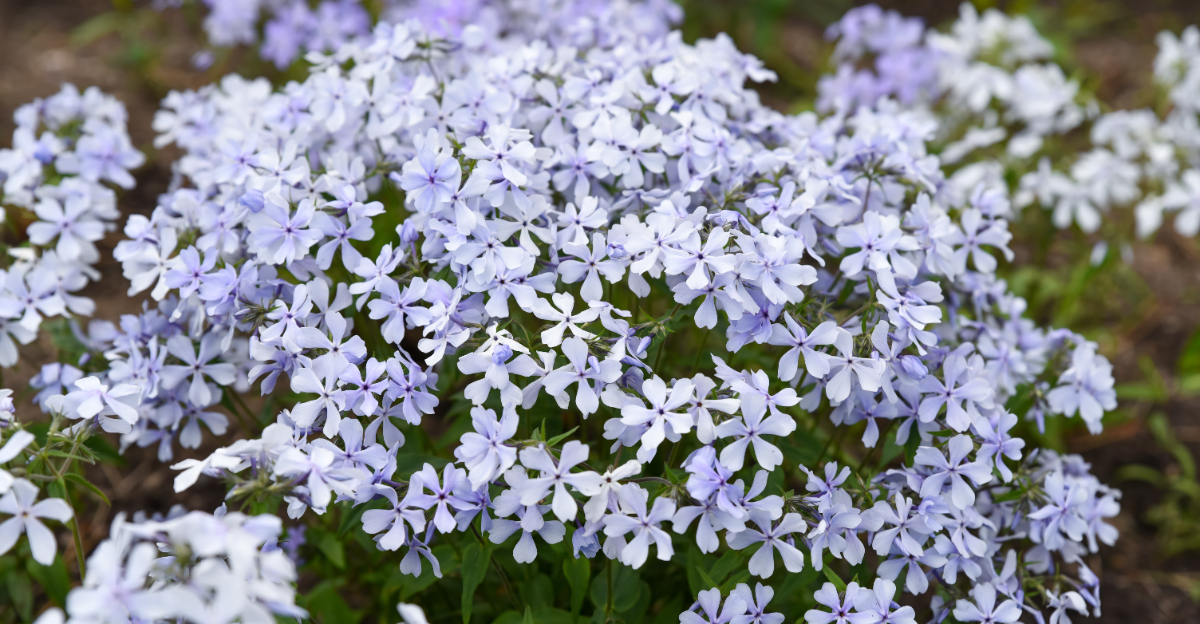
Woodland phlox, Phlox divaricata, is an Ohio native wildflower that blooms in soft shades of blue and lavender each spring, filling shaded corners with a sweet, lightly floral scent that feels fresh and quiet rather than heavy or overpowering.
Tucking it under a small ornamental tree, along a shaded path, or beside a patio where filtered light reaches the ground gives it exactly what it needs.
It forms low, spreading patches that are gentle rather than aggressive, slowly filling space without crowding out other shade-loving plants.
That makes it one of the most trustworthy choices for small gardens where space under trees or near fences often goes unused.
Woodland phlox prefers moist, well-drained soil with plenty of organic matter. It pairs beautifully with native ferns, wild ginger, and Virginia bluebells for a layered spring display.
Your Ohio Garden Changes Every Week. Your Plan Should Too.
Gardening in Ohio changes quickly throughout the season. Every Friday you’ll receive a simple weekly plan showing exactly what to plant, prune, fertilize, harvest, and protect so you never miss the right timing.
After blooming, the foliage usually stays low, though it may thin out or go semi-dormant in hot, dry, or overly sunny conditions. Plant it close to a path or seating area so you can lean in and catch the scent as you pass.
Dividing established patches every few years keeps growth fresh and prevents any single clump from becoming too wide.
3. Add Garden Phlox For Big Fragrance In A Small Spot
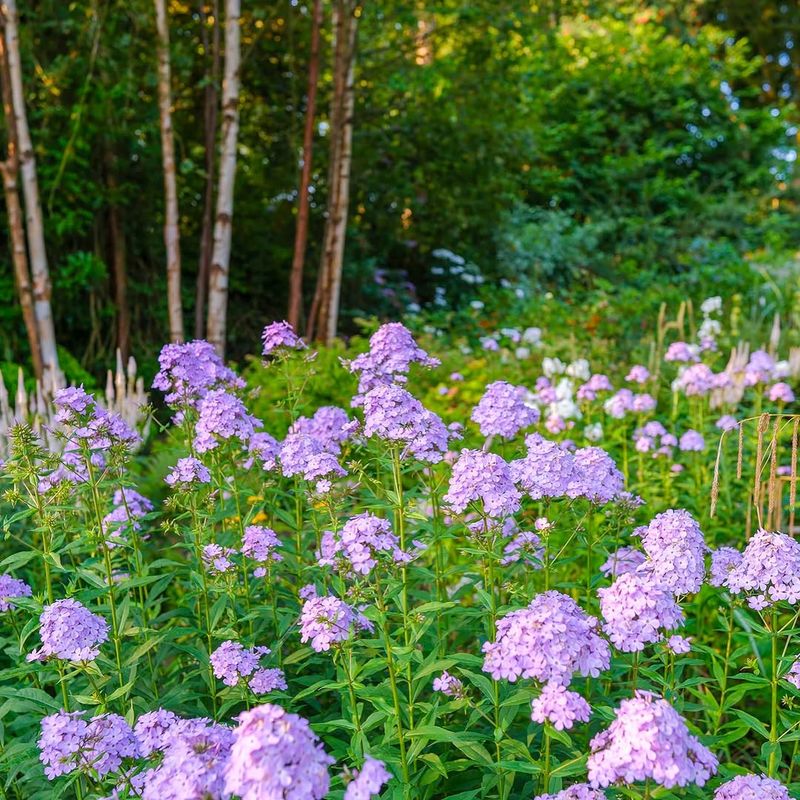
Few summer flowers deliver fragrance as generously as garden phlox, Phlox paniculata.
The scent is sweet, full, and floral – strong enough to notice from several feet away on a still evening, yet not so sharp that it becomes unpleasant in a small yard.
Tall flower heads in shades of pink, white, lavender, and red bloom from midsummer into early fall, offering both height and color without demanding a wide footprint.
Garden phlox grows upright rather than spreading wide, which is a real advantage in tight borders. Choose mildew-resistant cultivars like ‘David,’ ‘Robert Poore,’ or ‘Jeana’ to avoid the powdery mildew that can affect older varieties in humid summers.
Space plants at least 18 to 24 inches apart and always water at the base rather than overhead to keep foliage dry and healthy.
Cutting back spent flower heads encourages a second flush of blooms and prevents excessive self-seeding. Removing extra seedlings in spring keeps the planting neat and controlled.
Position garden phlox near a patio edge, back fence, or open window where the evening fragrance can be fully appreciated. A single well-placed clump adds dramatic scent without overwhelming the rest of the bed.
4. Plant Sweet Joe Pye Weed For A Compact Pollinator Cloud
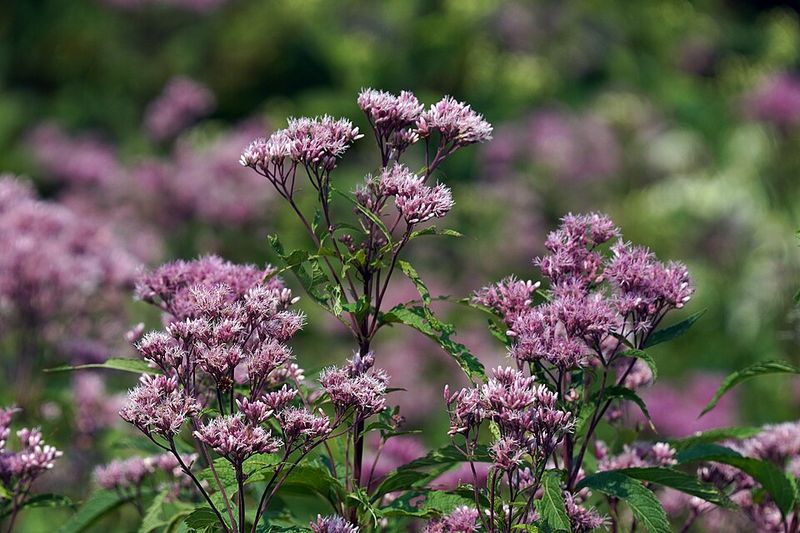
Stand near a blooming clump of sweet Joe Pye weed on a warm August afternoon and you will catch a faint, pleasant vanilla-like scent drifting from the dusty pink flower clusters overhead.
Joe Pye weeds are native perennials that pollinators absolutely love – monarch butterflies, swallowtails, and native bees flock to them from late summer into fall when many other flowers have finished blooming.
The standard species can grow quite tall, sometimes reaching six feet or more, which may feel like too much for a compact yard. For small gardens, compact selections such as Eutrochium dubium ‘Little Joe’ are much better choices.
These selections typically stay around three to four feet tall and wide, making them manageable at the back of a sunny border without blocking shorter plants in front.
Sweet Joe Pye weed prefers moist, well-drained soil and full to part sun. It does not spread aggressively, so one well-placed plant or a small grouping of two or three is usually enough.
Give each plant adequate room to stand upright without crowding its neighbors. Planting it near a patio or garden seating area lets you enjoy both the fragrance and the steady parade of visiting pollinators throughout late summer.
5. Use Mountain Mint For Fresh Scent Without Fuss
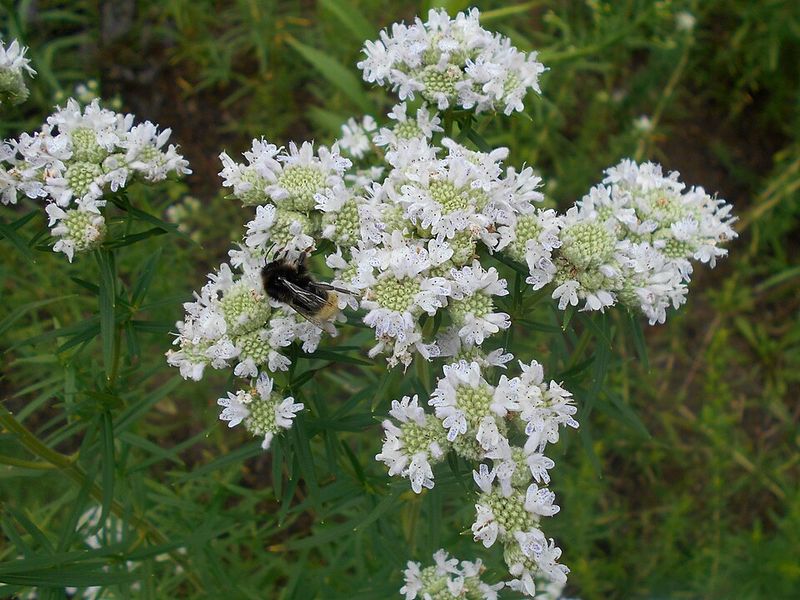
Brushing your hand lightly across a stem of mountain mint releases one of the cleanest, most refreshing scents in the native plant palette.
Pycnanthemum virginianum and the closely related slender mountain mint, Pycnanthemum tenuifolium, both offer that crisp, cool minty fragrance that carries well on a breeze without ever feeling heavy or medicinal.
Pollinators treat these plants like a buffet – on a sunny afternoon, a single clump can host dozens of native bees at once.
Mountain mint does spread by rhizomes in favorable conditions, so honesty here matters. In a very small bed with no natural boundaries, it can gradually expand beyond its original spot.
The practical solution is to plant it where a lawn edge, paving stone, or garden border provides a clear stopping point. Edging around it once or twice a season and dividing the clump every two to three years keeps it exactly where you want it.
Full sun and average to dry soil bring out the best in mountain mint. It handles summers with minimal watering once established.
Place it near a path or seating area where passing visitors will brush against the leaves and release that wonderful fresh scent. A contained pollinator patch is an ideal home for this reliable, hardworking native.
6. Grow Purple Coneflower For Easy Summer Charm
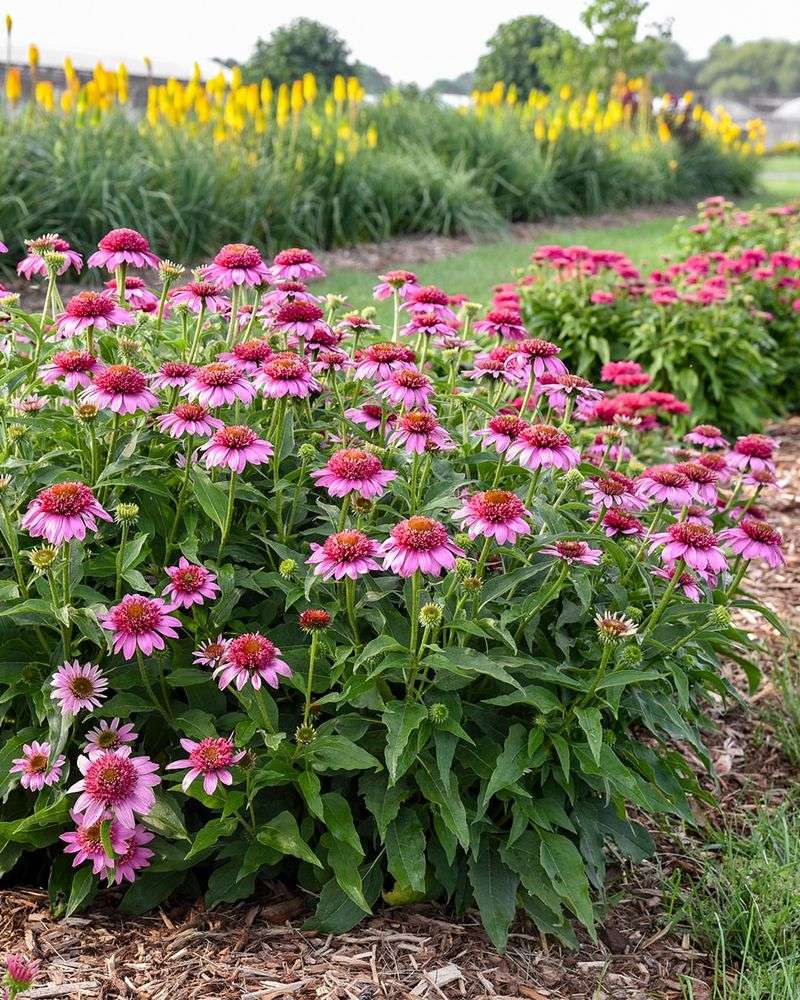
Purple coneflower, Echinacea purpurea, might surprise you with its fragrance. The scent is light and faintly sweet rather than bold, something you notice most when you lean in close on a warm afternoon rather than from across the yard.
What makes it such a strong choice for small gardens is everything else it brings – sturdy upright stems, long-lasting blooms from midsummer into fall, and seed heads that goldfinches and other birds love to visit once the petals drop.
Purple coneflower is native-region friendly and widely recommended across Ohio by extension sources. It grows well in full sun and tolerates a range of soil types, including the clay soils common in many yards.
Plants typically reach two to four feet tall and spread gradually through self-seeding over time.
To keep a small planting neat, simply pull or transplant extra seedlings in spring before they get established. Spacing plants 18 to 24 inches apart gives each one room to develop without crowding.
Leaving seed heads standing through winter adds bird interest and structure to the garden during cold months. Place purple coneflower in a sunny border, near a mailbox, or along a front walk where its cheerful blooms and gentle scent can be enjoyed up close.
7. Choose Wild Blue Indigo For Soft Spring Fragrance
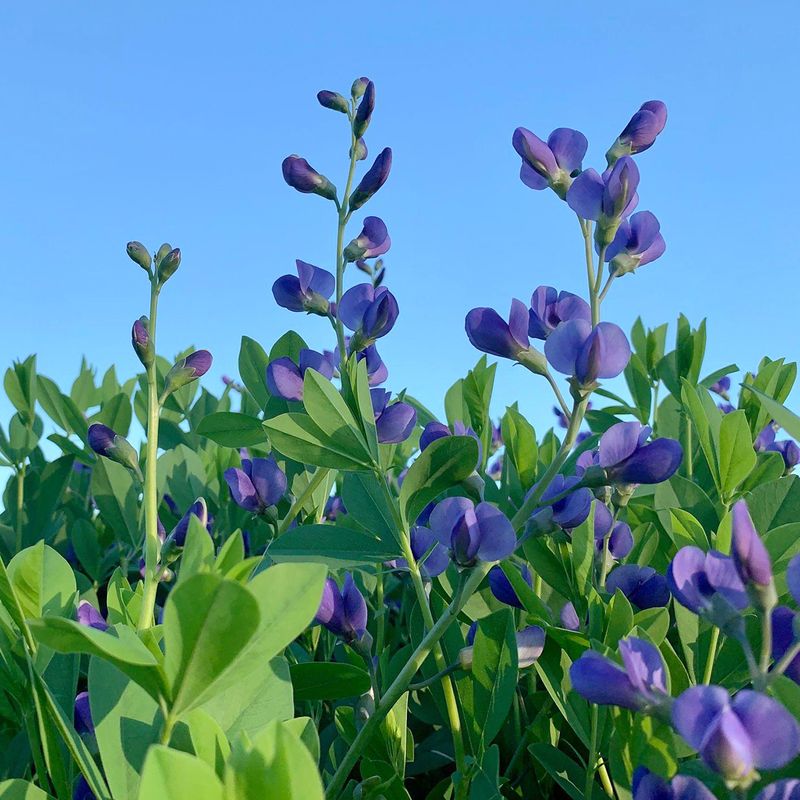
There is something quietly impressive about wild blue indigo, Baptisia australis.
In late spring, it sends up tall spikes of deep blue-purple flowers that carry a soft, sweet fragrance – not overwhelming, but noticeable when you walk nearby or sit close to a border where it is planted.
Native to much of the eastern United States and well-suited to Ohio gardens, it is also one of the longest-lived perennials you can choose, sometimes thriving in the same spot for decades.
Wild blue indigo grows into a substantial, rounded shrub-like clump over several years, eventually reaching three to four feet tall and wide. In a small garden, it works best as a single anchor plant rather than a mass planting.
Its deep taproot means it dislikes being moved once it is established, so take time to choose the right spot before planting. Full sun to light part shade and well-drained soil suit it best.
In a small garden, choose wild blue indigo carefully and give it enough room; some cultivars can become just as large as, or larger than, the straight species. After blooming, the blue-green foliage stays attractive through summer, and the inflated seed pods add fall interest.
Position it where the spring fragrance drifts toward a path, gate, or outdoor seating area.
8. Edge Paths With Cheddar Pinks For Spicy Scent
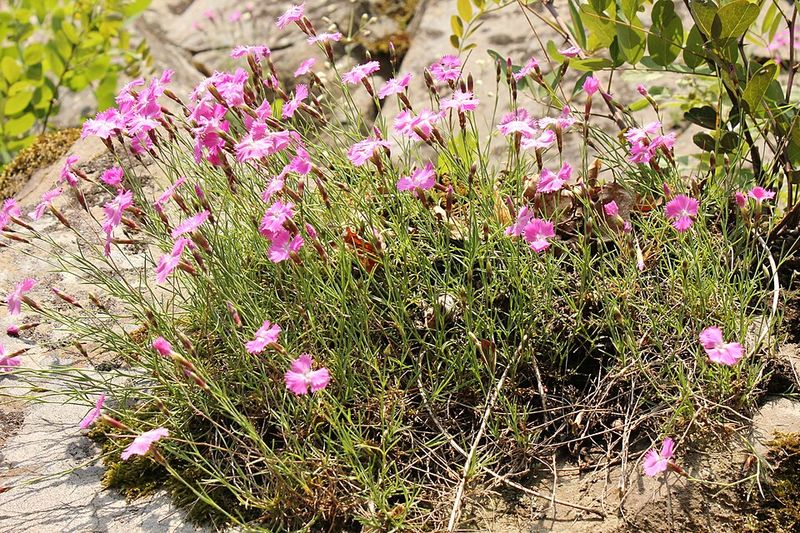
Cheddar pinks pack a surprising amount of fragrance into a very small plant.
Dianthus gratianopolitanus produces low mats of silvery-green, grass-like foliage topped with small, deeply fringed flowers in shades of pink and rose, and the scent is unmistakably spicy and clove-like – one of the most distinctive fragrances in the spring garden.
Planting it along a path edge means every time you walk past, you catch that warm, sweet spice at ankle level.
Cheddar pinks are not native to Ohio, but they are compact, well-behaved, and show no invasive tendencies in typical garden settings.
They prefer full sun and excellent drainage, making them excellent choices for raised beds, rock gardens, patio cracks, and front border edges where soil tends to be lean and dry.
Ohio’s wet winters can be hard on them if drainage is poor, so amending heavy clay soil or planting in raised spots helps them thrive.
Plants stay low – usually six to twelve inches tall – and spread slowly into tidy mats rather than aggressive patches. Trimming back lightly after the main flush of bloom encourages fresh foliage and sometimes a second round of flowers.
Place them where foot traffic brushes the leaves or flowers, releasing that wonderful clove fragrance right at nose-catching height.
9. Fill Pots With Sweet Alyssum For Gentle Honey Fragrance
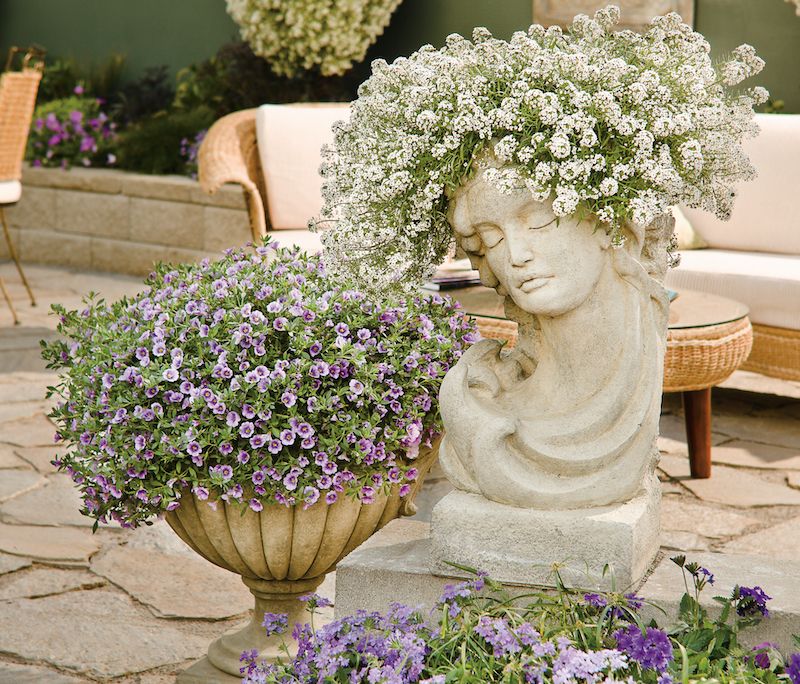
Some of the best garden fragrances come in the smallest packages.
Sweet alyssum, Lobularia maritima, is a low-growing annual that produces clusters of tiny flowers with a soft, sweet honey scent that floats gently around patios, doorsteps, and window boxes on warm afternoons.
It is not native to Ohio, but it earns its place every season by staying compact, blooming reliably, and never threatening to take over permanent beds.
Containers and window boxes are the ideal home for sweet alyssum in a small garden.
Growing it in pots means you control exactly where the fragrance lands – set a pot near the back door, beside a patio chair, or on a front step, and the scent greets you every time you pass.
It also works as a soft edging annual in seasonal borders where it fills gaps without competing with permanent plants.
Sweet alyssum grows best in full sun to light part shade and cool to moderate temperatures.
Ohio’s midsummer heat sometimes causes it to slow down or look tired, but trimming it back lightly encourages fresh growth and more blooms once temperatures ease in late summer.
Water consistently and avoid letting containers dry out completely. With minimal effort, sweet alyssum delivers weeks of gentle honey fragrance from spring through fall.