This Is What Your Ohio Roses Need In April For Bigger, Healthier Blooms
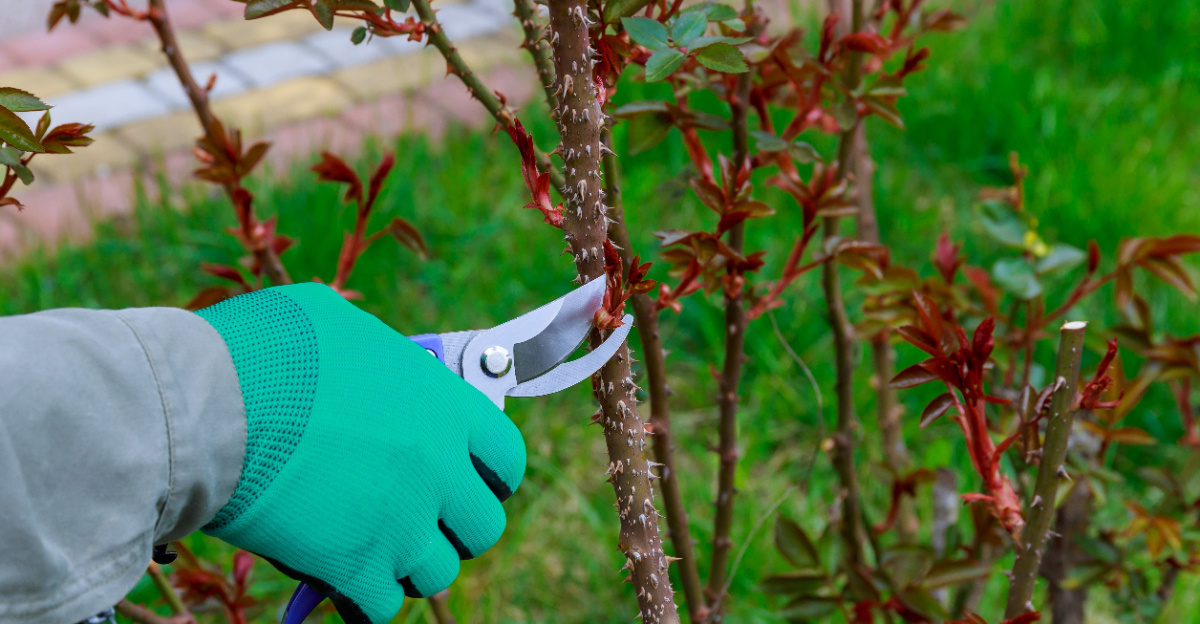
April can make Ohio rose bushes look full of promise one day and a little rough the next.
New growth starts to show, old canes tell on winter, and every gardener with roses feels that familiar itch to step in and do something before the season takes off.
This month really does set the tone for what comes later. Get the timing right, show your roses a little tough love, and you can head into late spring with stronger stems, cleaner leaves, and far better flower power.
Miss the moment, and you may spend the rest of the season playing catch-up. That is why April matters so much in Ohio.
It is the sweet spot between winter damage and peak bloom, when a few smart moves can pay off in a big way. Your roses do not need miracles right now.
They need the right care, right on cue.
1. Prune At The Right Spring Moment
Forsythia blooming along your fence line is not just a pretty sight. In Ohio, it is actually one of nature’s most reliable signals that it is time to prune your roses.
Most Ohio gardeners should aim for early to mid-April, once new growth begins to appear on the canes themselves.
Pruning too early, before growth starts, risks exposing fresh cuts to a late frost. Waiting too long means you are cutting into energy the plant has already spent pushing new shoots.
The sweet spot is when you see those small, reddish buds swelling along the canes but before they have stretched into full leafy stems.
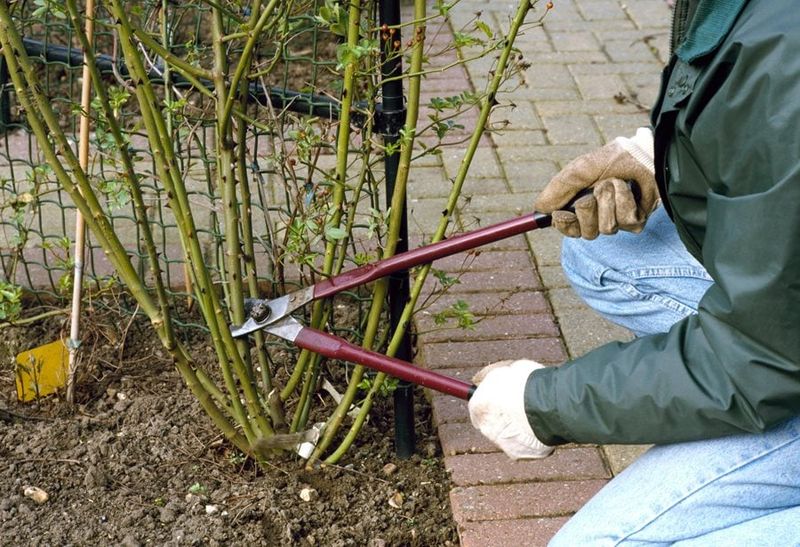
Use sharp, clean bypass pruners and cut at a 45-degree angle, about a quarter inch above an outward-facing bud. This angle helps water run off the cut rather than sitting on it.
Keeping your cuts angled and positioned above outward-facing buds encourages the plant to grow outward rather than inward, which improves airflow and reduces crowding later in the season.
Ohio State University Extension recommends watching local plant cues rather than following a fixed calendar date, since spring arrival varies by region across the state. Northern Ohio gardeners may prune a week or two later than those in central or southern Ohio.
Trust what you see in your own yard more than any general schedule.
2. Cut Out Winter Damage First
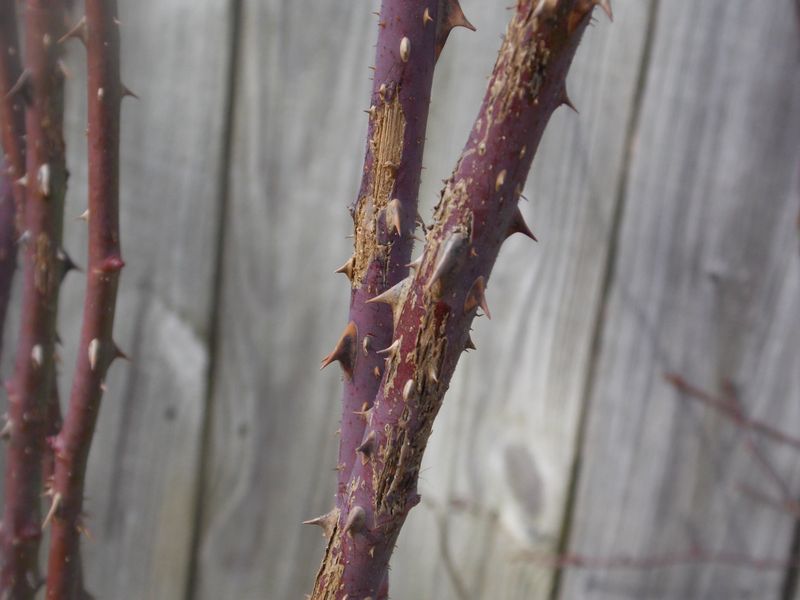
Before you shape anything, your first job is removal. Ohio winters can be rough on roses, and canes that look questionable in early April usually are.
Scratch the bark of a cane gently with your fingernail. If the tissue underneath is green, the cane is alive and worth keeping.
If it is brown, dry, or mushy, that cane needs to go.
Damaged canes are not just cosmetically unpleasant. They can become entry points for fungal disease and insects as the season warms up.
Removing them early clears the way for healthy canes to receive more of the plant’s energy and resources, which directly supports stronger bloom production.
Cut all damaged canes back to healthy wood, or all the way to the base if no healthy tissue is found. If you see any canes with dark, sunken areas or unusual discoloration, remove those too.
Your Ohio Garden Changes Every Week. Your Plan Should Too.
Gardening in Ohio changes quickly throughout the season. Every Friday you’ll receive a simple weekly plan showing exactly what to plant, prune, fertilize, harvest, and protect so you never miss the right timing.
Canker disease can overwinter on canes and spread quickly in spring if left in place.
Always wipe your pruner blades with rubbing alcohol between cuts, especially when removing clearly unhealthy material. This simple habit prevents you from accidentally spreading disease from one cane to another.
A small bottle of isopropyl alcohol and a rag kept nearby while you prune makes this easy to do without interrupting your workflow.
3. Shape The Plant For Better Airflow
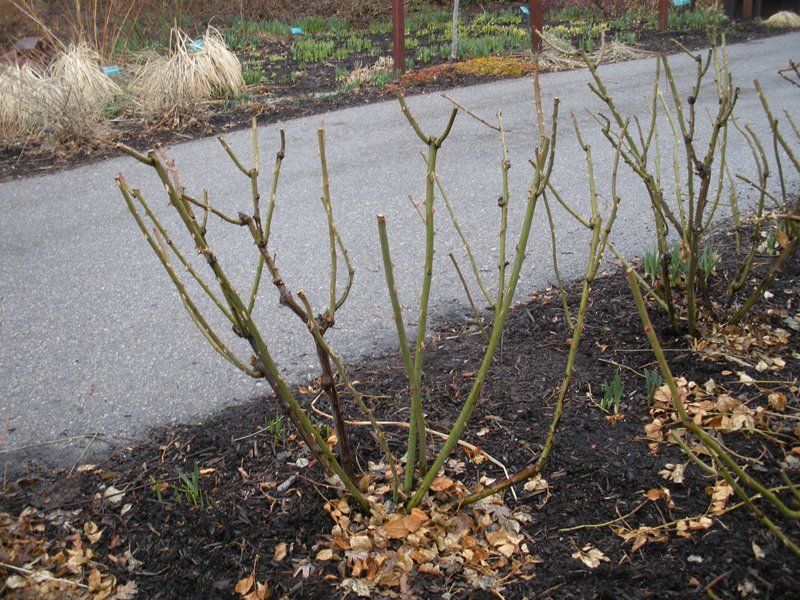
Once the damaged material is gone, step back and look at what remains. A well-shaped rose bush should resemble a vase or an open cup, wider at the top and open in the center.
That open center is not just about appearance. It is one of the most effective ways to reduce fungal disease pressure all season long.
When canes cross and rub against each other, they create wounds that invite disease. When foliage is packed too tightly in the center of the plant, moisture gets trapped and air cannot circulate.
That warm, damp environment is exactly what black spot and powdery mildew thrive in during Ohio’s humid spring and summer months.
Remove any canes that grow toward the center of the plant rather than outward. Also remove any thin, twiggy growth that is too weak to support blooms.
A rose with five to seven strong, outward-facing canes is better positioned than one with a dozen canes fighting for light and air.
After shaping, the plant may look more cut back than you expected, and that is completely fine. Roses are vigorous growers and will fill back in quickly once temperatures climb.
The energy that would have gone into maintaining weak or inward-facing growth now goes directly into the canes and blooms that actually matter. A little patience here pays off significantly by June.
4. Don’t Prune Climbers Too Early
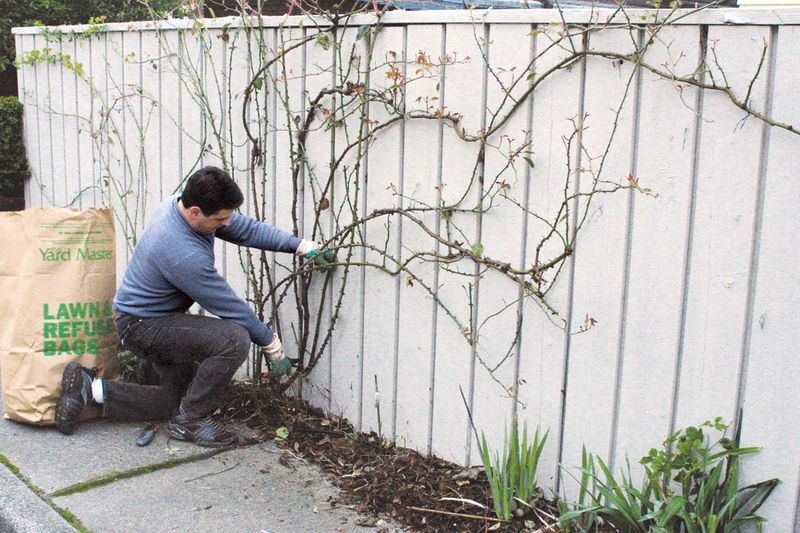
Climbing roses play by their own rules, and April is when a lot of gardeners accidentally make a costly mistake with them. Unlike shrub roses or hybrid teas, most climbing roses bloom on wood that grew the previous year.
Pruning them hard in early spring removes exactly the wood that would have given you flowers.
The general approach for climbers in spring is light and selective. Focus on removing any canes that are clearly damaged from winter, any withered wood, and any thin, weak side shoots.
Leave the main structural canes alone. Those long, arching canes are your flower producers for the coming season.
Major reshaping or heavy pruning of climbing roses is best done after they finish their first big bloom flush, usually in late spring or early summer. At that point, you can remove older canes to encourage fresh growth while the plant is actively producing new shoots to replace them.
If your climber suffered significant winter damage to many of its main canes, you may need to make harder cuts, but do so knowing you might sacrifice some blooms this year in exchange for a healthier structure going forward.
Ohio winters can be tough on climbers, especially in northern parts of the state.
Providing some winter protection for climbers in future years can help preserve those valuable blooming canes through the cold months.
5. Start Watching For Black Spot Now

Black spot does not wait for summer to show up in Ohio gardens. The spores that cause it can begin spreading as soon as temperatures rise and rain becomes frequent, which describes April in Ohio almost perfectly.
Starting your monitoring routine now, before you see any symptoms, puts you in a much stronger position than reacting after the damage is done.
Walk your rose beds every few days and flip leaves over to check the undersides. Black spot typically appears as circular dark spots with fringed or feathery edges, often surrounded by yellowing leaf tissue.
Leaves that are affected will eventually drop, and repeated defoliation weakens the plant significantly over the course of a season.
Prevention habits started in April make a real difference. Water roses at the base rather than overhead, since wet foliage is a primary driver of fungal spread.
Clean up any old fallen leaves from around the base of the plant, as those can harbor overwintered spores from last season.
If you have had consistent black spot problems in previous years, consider applying a fungicide labeled for black spot as a preventive measure early in the season, before symptoms appear. Products containing chlorothalonil or copper-based formulas are commonly used.
Always follow label directions carefully. Ohio State University Extension notes that preventive applications are far more effective than trying to treat an active infection after it has taken hold.
6. Feed Roses As Growth Kicks In
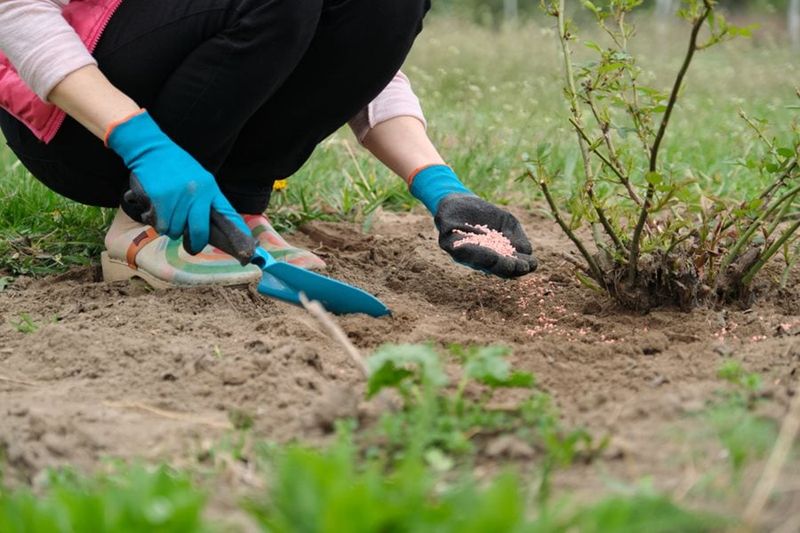
Fertilizing roses the moment you plant them or the moment the calendar says April is not the right approach. The better signal is the plant itself.
Wait until you see consistent new growth emerging from the canes, typically small, reddish-green leaves beginning to unfurl. That visible growth means the roots are active and ready to absorb nutrients.
A balanced fertilizer, such as a 10-10-10 granular formula, works well for spring feeding. Sprinkle it evenly around the base of the plant, keeping it a few inches away from the main canes to avoid any potential burning at the crown.
Water the area thoroughly after applying so the nutrients move down into the root zone where the plant can actually use them.
Slow-release fertilizers are a popular choice for roses because they feed steadily over several weeks rather than delivering a sudden surge. This steady supply supports sustained growth rather than a quick burst followed by a lull.
Some gardeners also use alfalfa meal or compost as an organic option, which feeds more gently and also improves soil structure over time.
Avoid fertilizing too heavily or too early in the season. Pushing a lot of lush, soft growth too fast can actually make the plant more attractive to aphids and other soft-bodied insects that love tender new tissue.
Moderate, well-timed feeding produces stronger, more resilient growth that holds up better throughout the season.
7. Mulch Only After The Soil Settles
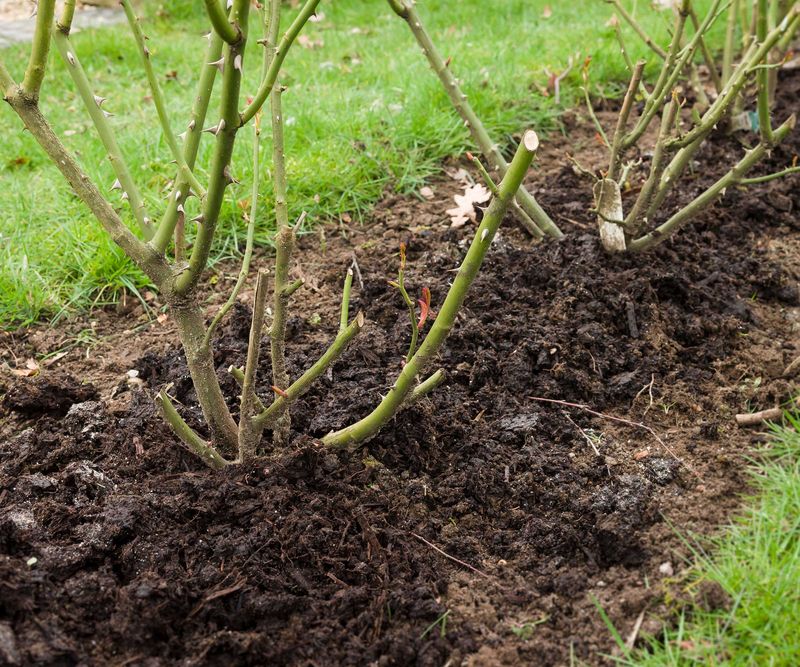
Mulching in April is one of the best things you can do for your roses, but timing matters more than most people realize.
Applying mulch while the soil is still cold and wet from winter can actually slow down the warming process and keep root activity sluggish longer than necessary.
Give the soil a chance to warm up first.
Mid to late April is usually the right window for mulching in most parts of Ohio. By then, the soil has had time to drain from winter saturation and begin warming with the longer days.
A 2 to 3-inch layer of organic mulch, such as shredded bark, wood chips, or shredded leaves, applied around the base of each plant does several important things at once.
Mulch holds moisture in the soil during dry spells, which reduces how often you need to water. It also suppresses weeds that would otherwise compete with your roses for water and nutrients.
As organic mulch breaks down over the season, it adds small amounts of organic matter back into the soil, gradually improving its texture and nutrient content.
Always leave a gap of a few inches between the mulch and the main canes. Piling mulch directly against the stems traps moisture against the bark and creates conditions that encourage rot and disease.
Pull the mulch back slightly from each plant, creating a small ring of open soil around the base, and your roses will thank you for it.
8. Clean Up Early For Stronger Bloom Season

Old leaves hanging around the base of your roses are not harmless leftovers from last fall.
They are potential storage sites for fungal spores, insect eggs, and other problems that can jump-start disease and pest cycles the moment spring temperatures arrive.
Getting rid of them early is one of the simplest and most effective things you can do for your roses in April.
Rake up and remove any leaf litter, fallen petals, or old mulch that looks matted and decomposed from around the base of each plant. Do not compost rose debris if you suspect it was affected by disease last season.
Bag it and put it in the trash instead, since backyard compost piles do not always reach temperatures high enough to neutralize fungal spores.
Once the ground is clear, take a close look at the soil surface around each plant. If you see any small, dried hips or old stem stubs left from last season, remove those too.
Clean growing conditions at the base of the plant reduce the number of hiding spots available to overwintering insects and spores.
Spring cleanup also gives you a fresh look at each plant’s overall health and structure before the season fully kicks in. You might notice a cane you missed during pruning, or spot early signs of an emerging problem before it has a chance to spread.
Starting clean in April makes every step that follows easier and more effective throughout the growing season.