Pennsylvania Native Plants To Replace Your Liriope Borders (They Look Better And Need Less Water)
Liriope has been the default border plant in Pennsylvania landscapes for so long that most gardeners use it without giving the choice much thought. It’s familiar and it does a reasonable job of edging beds and filling in borders without demanding a lot of attention.
For a plant that’s been around this long, the loyalty it inspires is more about habit than genuine enthusiasm. The honest truth is that Pennsylvania has native alternatives that outperform liriope in almost every category that actually matters.
They look more interesting across the full growing season and they support local pollinators and wildlife in ways that liriope simply doesn’t.
Once they’re established, they need significantly less water to stay healthy and attractive through the dry stretches that hit Pennsylvania gardens every summer.
Making the switch from liriope to native border plants is one of those garden upgrades that improves the look, reduces the workload, and does something genuinely good for the local ecosystem all at the same time.
1. Pennsylvania Sedge
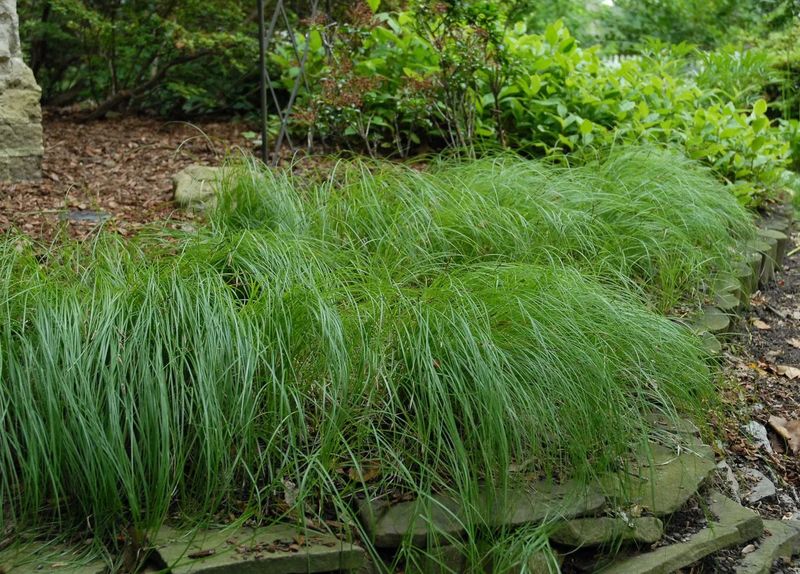
Walk through any Pennsylvania woodland and you might notice a low, wispy grass-like plant hugging the ground beneath the trees. That is Pennsylvania sedge, and it is one of the most underrated border plants you can grow in this state.
It creates a soft, flowing edge that looks natural and polished at the same time. Unlike liriope, Pennsylvania sedge is truly native here. It spreads slowly by underground runners, which means it fills in over time without you having to replant every season.
Once it gets established, it barely needs any water at all. That is a big deal during hot summers when rainfall can be unpredictable.
It grows best in partial to full shade, making it a perfect fit under trees or along shaded fence lines. The foliage stays a nice green color through most of the year. It also tolerates dry soil far better than most ground covers.
Mowing it once in late winter keeps it looking tidy and encourages fresh new growth in spring. You do not need fertilizer, and pests rarely bother it.
For homeowners looking for a low-effort, high-reward liriope swap, this sedge is the obvious first choice.
It also supports native insects and small birds that depend on native plant communities. Choosing plants like this one helps restore small pieces of the local ecosystem right in your own backyard. That is a win for your yard and for Pennsylvania wildlife.
2. Plantain-Leaf Sedge
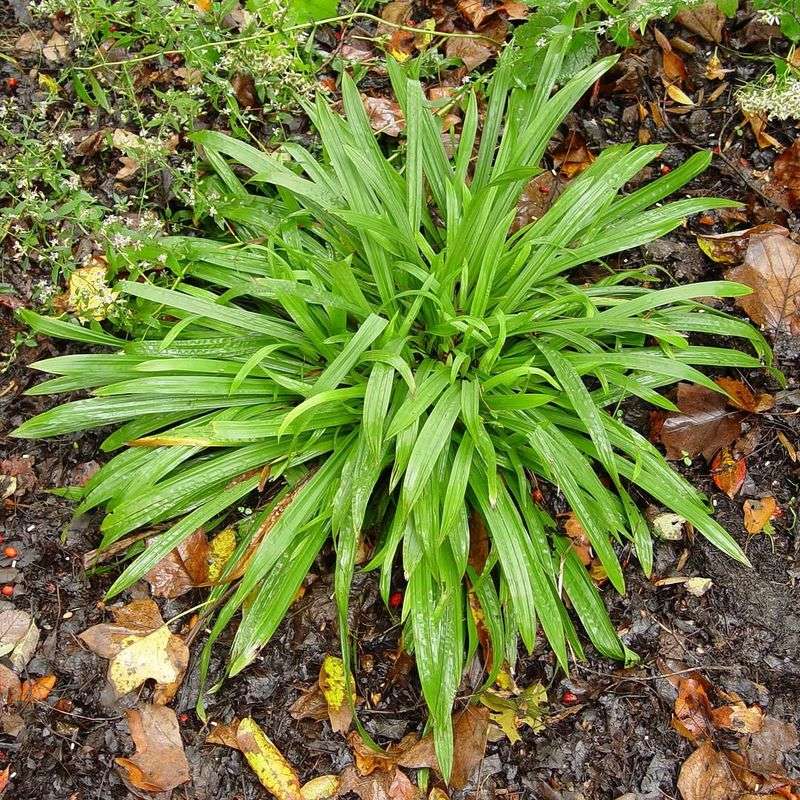
Some plants earn their nicknames, and seersucker sedge is one of them. The broad, ribbed leaves of plantain-leaf sedge have a crinkled, puckered texture that genuinely looks like the fabric it is named after.
Up close, it is one of the most visually interesting native plants you can grow in a Pennsylvania shade garden.
Most liriope borders sit in at least partial shade, and that is exactly where plantain-leaf sedge thrives. It prefers moist, shaded spots with rich soil, especially near trees or along the north side of a house.
Your Pennsylvania Garden Changes Every Week. Your Plan Should Too.
Gardening in Pennsylvania changes quickly throughout the season. Every Friday you’ll receive a simple weekly plan showing exactly what to plant, prune, fertilize, harvest, and protect so you never miss the right timing.
If your yard has a wooded edge or a shaded bed that gets little direct sun, this plant will settle in and look beautiful with minimal effort.
The leaves are wider than typical sedges, which gives borders a lush, full appearance. It does not spread aggressively, so you stay in control of where it grows. That makes it a good choice for neat, defined edges along walkways or garden beds.
In early spring, it sends up small but charming flower spikes before many other plants have woken up. Those early blooms are a helpful food source for native bees just coming out of winter.
Pollinators across Pennsylvania benefit when more homeowners choose plants like this one.
Watering needs are minimal once the plant is established. Compared to liriope, which often needs regular irrigation in dry spells, this native sedge handles Pennsylvania’s variable rainfall with ease and grace.
3. Green-And-Gold
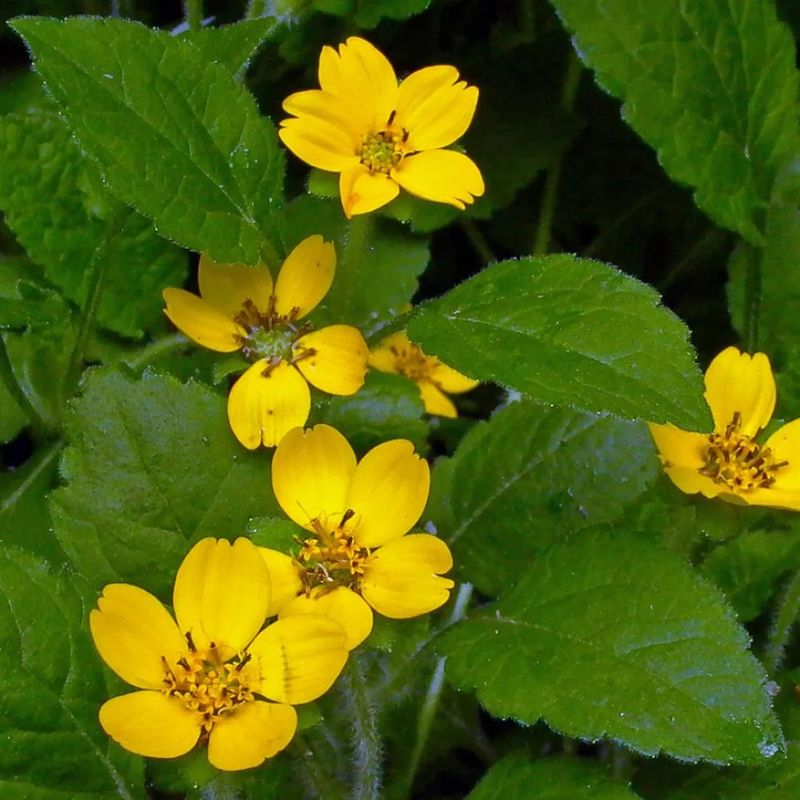
Bright yellow flowers and deep green leaves make green-and-gold one of the cheeriest ground covers you can plant in Pennsylvania. It forms a low, dense mat that hugs the ground and spreads outward at a steady pace.
If you want a border that looks alive and colorful without a lot of fuss, this plant delivers. One of the most impressive things about green-and-gold is how well it handles dry shade.
Dry shade is one of the hardest conditions to plant in, because most plants need either moisture or sunlight to do well.
Green-and-gold is one of the few natives that genuinely thrives in both dry and shady spots, making it a standout option for under-tree borders throughout Pennsylvania.
The yellow blooms appear in spring and often continue off and on through fall. That long bloom season means your borders stay interesting for months instead of just a few weeks.
Pollinators love the flowers, so you will often see small bees and butterflies visiting throughout the season.
It grows about six to nine inches tall, which keeps it low enough to use as a true border plant without blocking anything behind it.
Spacing plants about a foot apart lets them fill in nicely within a season or two. After that, very little maintenance is needed.
Water it regularly during its first summer in the ground. Once established, green-and-gold handles Pennsylvania’s summer heat and dryness with impressive toughness, far outperforming thirsty non-native alternatives like liriope.
4. Foamflower
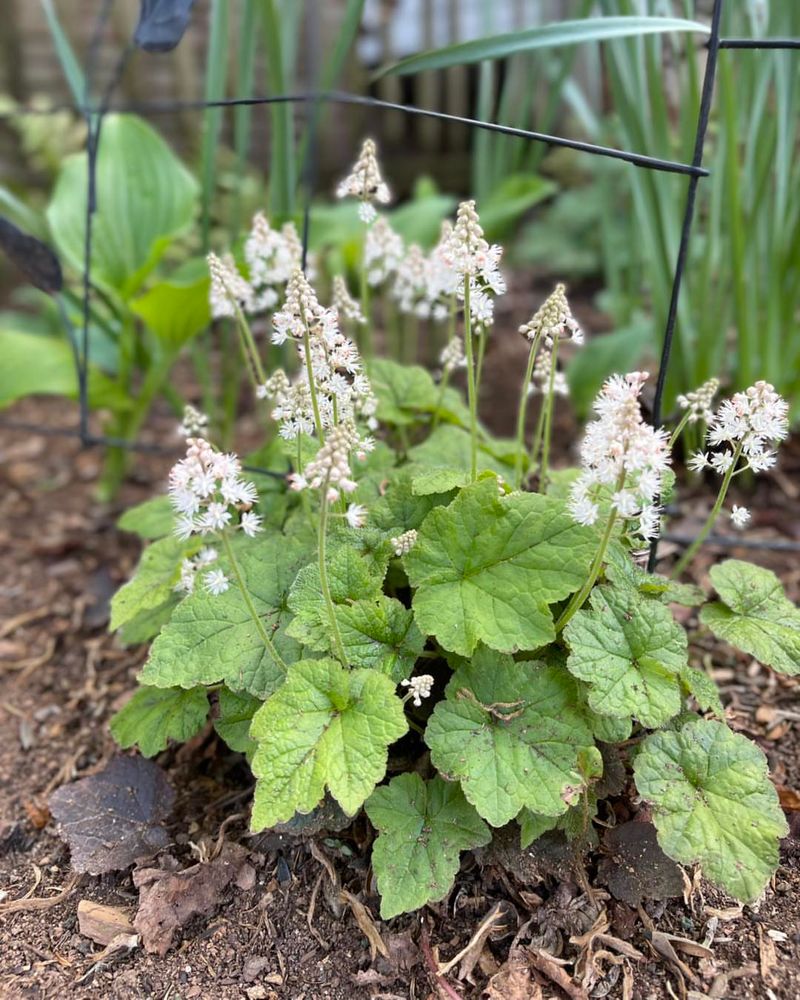
Foamflower gets its name from the frothy white flower spikes that rise above its leaves each spring, and once you see it in bloom, you will understand why people love it so much. It is soft, elegant, and a little wild-looking in the best possible way.
Replacing stiff liriope with foamflower instantly gives a border a more natural and inviting feel.
Native to Pennsylvania’s woodland floors, foamflower is right at home under the shade of oak and maple trees. It spreads by short runners called stolons, slowly filling in gaps and creating a lush, connected mat of foliage.
The heart-shaped leaves often have attractive dark markings that add visual interest even when the plant is not in bloom.
Pollinators are big fans of foamflower. Native bees, especially small solitary species, visit the blooms regularly.
By planting foamflower along your borders, you are essentially setting up a mini pollinator station right outside your door, which benefits the broader Pennsylvania ecosystem.
It prefers moist, humus-rich soil and partial to full shade. In those conditions, it needs almost no supplemental watering after the first season.
Even in slightly drier spots, it holds up well once its roots are fully established in the ground.
Foamflower stays relatively low, around six to twelve inches tall when blooming, which keeps it tidy as a border plant. It also tends to look more intentional and designed than liriope, giving your landscape a polished yet naturalistic character that feels right at home in Pennsylvania.
5. Wild Ginger
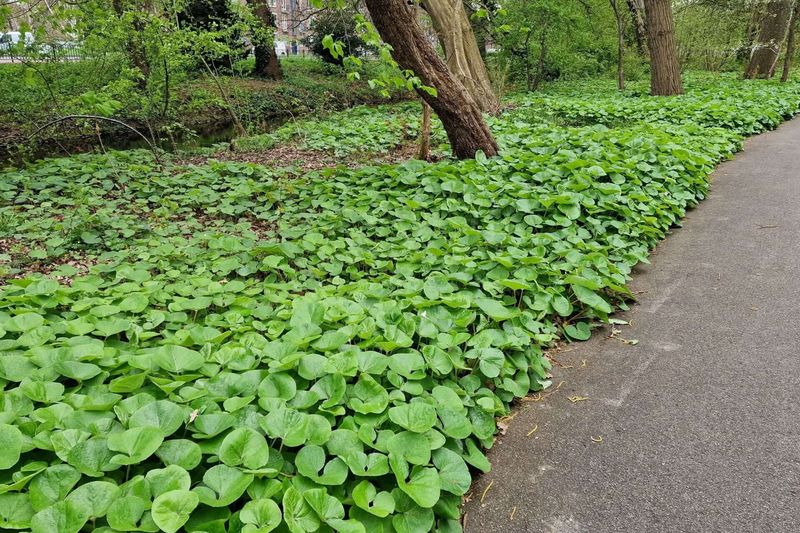
Broad, glossy, heart-shaped leaves and a slow-spreading habit make wild ginger one of the most satisfying ground covers you can grow in a Pennsylvania shade garden.
It forms a thick, dense mat that shades out weeds naturally, which means less time pulling and more time enjoying your yard.
Liriope can look sparse and weedy over time, but wild ginger keeps borders looking full and intentional.
Despite the name, this plant is not related to culinary ginger. It does, however, have roots that carry a faint ginger scent when bruised.
That fun little detail makes it a great conversation starter for anyone visiting your garden in Pennsylvania.
Wild ginger is native to eastern North American woodlands, including much of Pennsylvania. It grows best in moist, shaded areas with rich organic soil.
Under deciduous trees is a classic spot, and it handles the dry season under tree canopies better than many other shade-loving plants once it is fully established.
The flowers are hidden beneath the leaves close to the ground and are small, brownish-purple, and easy to miss. They bloom in early spring before the leaves fully expand.
Certain flies and beetles that overwinter in leaf litter pollinate them, which is a fascinating example of how native plants and native insects depend on each other. Growth is slow but steady. Planting it in groups of three or more speeds up coverage.
Over a few seasons, wild ginger builds into a reliable, weed-resistant border that requires almost no attention from you.
6. Allegheny Spurge
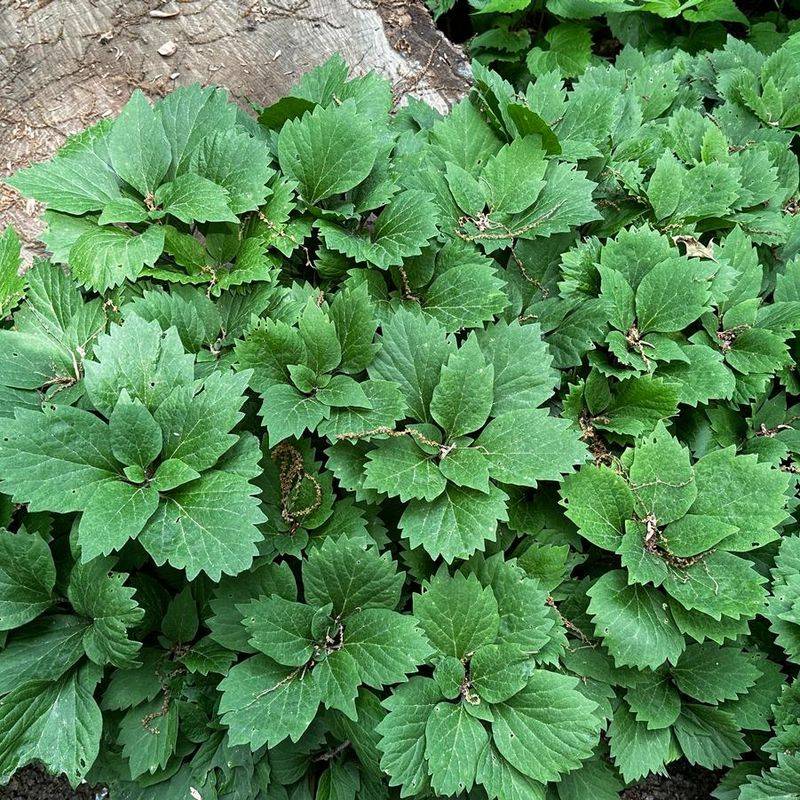
Most gardeners have heard of Japanese pachysandra, but far fewer know about its native cousin, Allegheny spurge. It is a quieter, more refined plant that blends into landscapes in a way that feels genuinely local.
If you want the look and function of a classic border plant without reaching for a non-native species, Allegheny spurge is worth getting to know.
The leaves are matte green with subtle silver-gray mottling that catches light in a really appealing way. In fall, many leaves take on bronze tones before new growth arrives in spring.
That seasonal color shift gives your border visual interest across multiple seasons, something liriope cannot match nearly as well.
Fragrant white flower spikes appear in late winter to early spring, often before most other plants have even started waking up.
Those early blooms are helpful for pollinators looking for food sources during a lean time of year. In Pennsylvania, where late winters can be harsh, those early flowers are a welcome sight.
Allegheny spurge grows best in part to full shade with moist, well-drained soil. It is slower to spread than Japanese pachysandra, but it is far better suited to Pennsylvania’s native plant communities and local wildlife. Patience pays off with this one.
Once established, it is remarkably tough and drought-tolerant. Compared to liriope, which often looks ragged after a dry summer, Allegheny spurge maintains its texture and color with far less supplemental water. It is a genuinely smart long-term choice for Pennsylvania borders.
7. Creeping Phlox
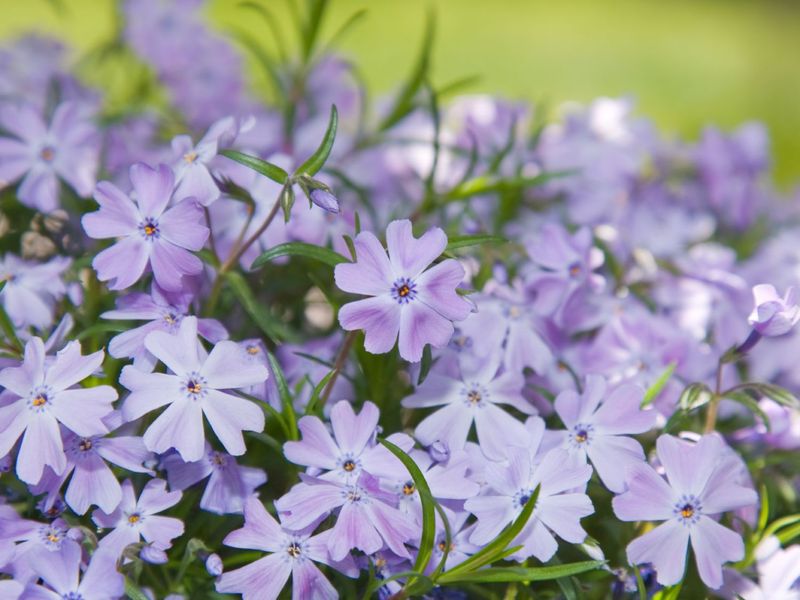
Few plants put on a spring show quite like creeping phlox. When it blooms, the entire plant disappears under a blanket of small, five-petaled flowers in shades of pink, purple, white, or red.
In Pennsylvania, it typically peaks in April and May, right when the rest of the landscape is just waking up. It is the kind of plant that stops people in their tracks.
Beyond the flowers, creeping phlox is a genuinely practical border plant. The dense, needle-like foliage stays green year-round and grows thick enough to crowd out most weeds without any help from you.
That weed-suppressing quality alone makes it a serious upgrade over liriope, which often lets weeds sneak through its clumps.
It thrives in full sun to light shade and prefers well-drained soil. Rocky or sloped areas that are hard to maintain are ideal spots, and it is especially popular along retaining walls and hillside borders throughout Pennsylvania.
It actually performs better in slightly lean soil than in rich, fertilized beds. After blooming, a light trim with garden shears keeps the plant compact and encourages a second flush of flowers later in the season.
It is one of the most rewarding small maintenance tasks in gardening because the results are almost immediate. Drought tolerance is excellent once creeping phlox is established.
It handles Pennsylvania’s hot, dry summers without complaint and rarely needs watering after its first season in the ground. For sunny borders that need color, texture, and reliability, creeping phlox is hard to beat.