What Georgia Gardeners Should Know Before Trimming Azaleas In May
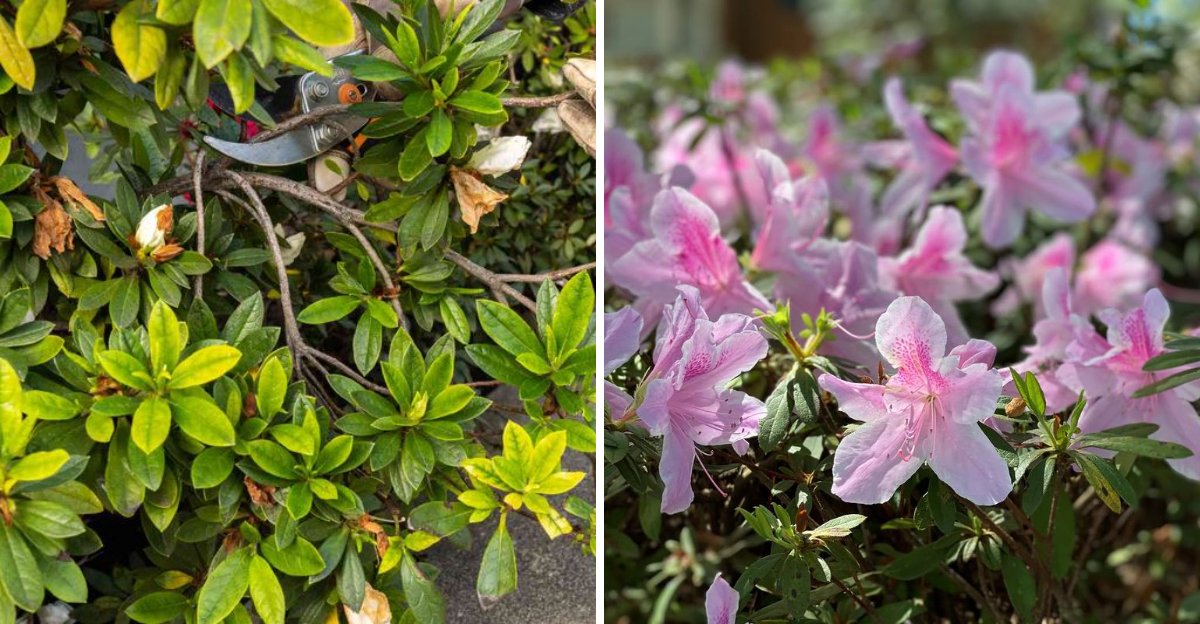
Azaleas can look slightly wild by May in Georgia, especially after a strong spring bloom cycle.
Long branches start sticking out, faded flowers hang around longer than expected, and the urge to grab the pruning shears kicks in fast once the shrubs stop looking neat.
That timing causes trouble more often than many realize.
A quick trim at the wrong moment can completely change how the shrub looks later, especially once summer growth starts moving faster and next season’s buds begin forming quietly in the background.
Azaleas react differently in late spring than they do earlier in the year, which catches many gardeners off guard. Small trimming decisions in May can shape the entire plant much more than expected months later.
1. Late Pruning Can Remove Developing Flower Buds
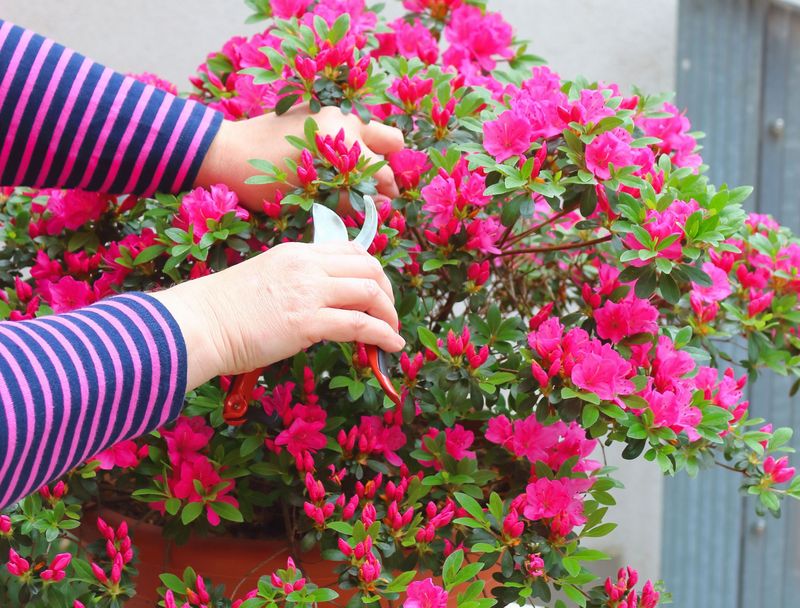
Most gardeners don’t realize it, but azaleas start forming next year’s flower buds almost immediately after the current blooms fade. By late May in Georgia, that process is often already underway.
Cutting branches at the wrong time means you’re removing buds that haven’t even opened yet, which leads to noticeably fewer flowers the following spring.
Azaleas are what horticulturists call “bloom on old wood” plants. That means the buds you see in April or early May actually developed on branches from the previous year.
Once those branches are cut, those future blooms go with them. Georgia’s warm climate tends to speed up this bud-setting timeline compared to cooler states further north.
A good rule of thumb is to finish any pruning within two to three weeks after the last blooms drop. In most parts of Georgia, that window closes somewhere between late April and mid-May, depending on the variety and your location.
Waiting until the end of May or later is risky.
If you’ve already missed the ideal window, it’s usually better to hold off entirely and wait until after next year’s bloom.
2. Spring Growth Usually Speeds Up By May
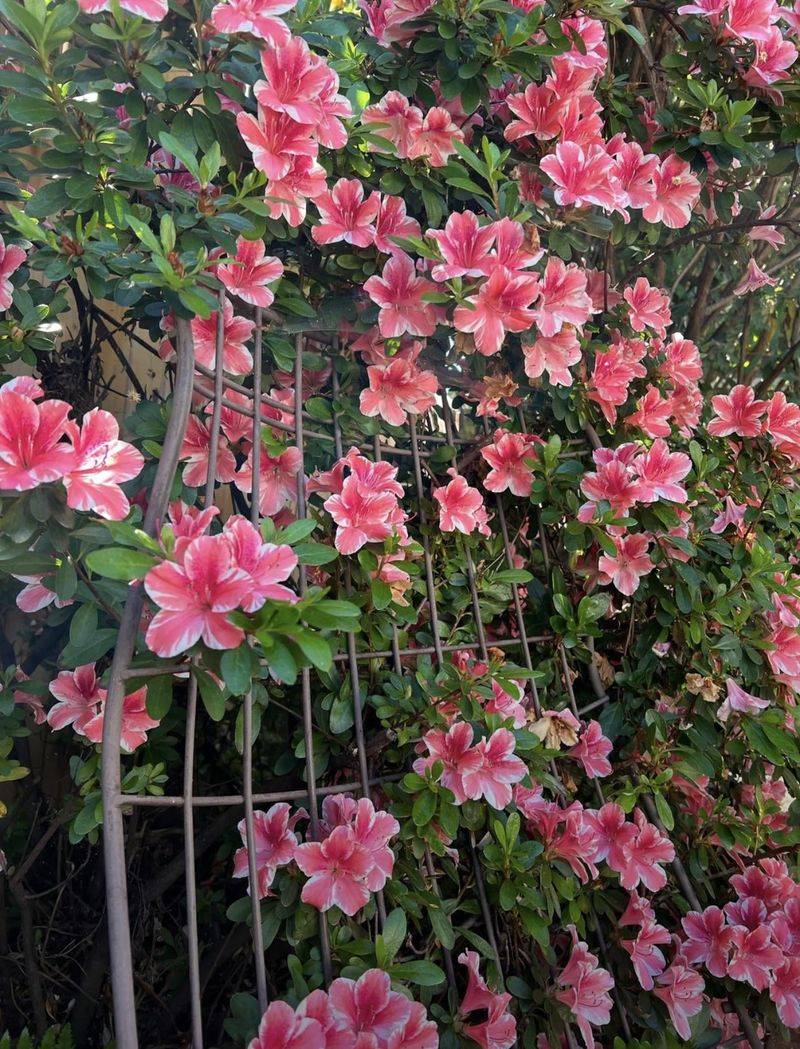
Georgia springs move fast. What looks like a slow-growing shrub in early March can suddenly push out several inches of new growth by the time May rolls around.
Azaleas in particular respond strongly to the warming temperatures and longer daylight hours that come with late spring across the state.
All that new growth is a sign the plant is actively investing energy into expanding its structure. Cutting into that fresh growth during a growth surge can interrupt the plant’s momentum and send it into a kind of recovery mode instead.
Some gardeners in north Georgia notice this effect more dramatically than those in the southern part of the state, simply because the temperature swings are more pronounced.
New shoots on azaleas are also more tender and susceptible to stress right after they emerge. Pruning during active growth means the plant has to redirect resources toward healing cuts rather than continuing to expand.
On warm, humid Georgia days, that added stress can slow things down noticeably.
Watching the growth rate before you prune is a smart habit. If your azaleas are pushing out a lot of new leaves and stems, it may be worth waiting a week or two until things calm down.
Your Georgia Garden Changes Every Week. Your Plan Should Too.
Gardening in Georgia changes quickly throughout the season. Every Friday you’ll receive a simple weekly plan showing exactly what to plant, prune, fertilize, harvest, and protect so you never miss the right timing.
3. Heavy Trimming Can Leave Shrubs More Vulnerable To Heat
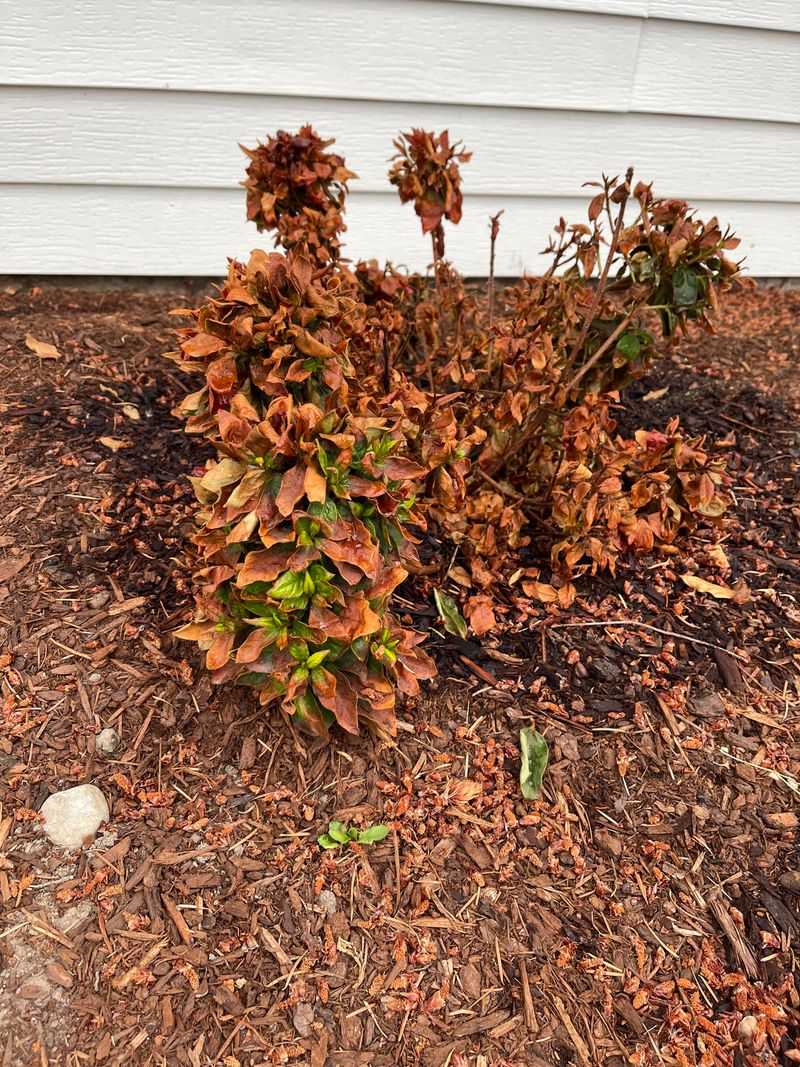
Cutting back a large portion of an azalea right before Georgia’s summer heat arrives is a combination that rarely works out well. Foliage plays a direct role in protecting the inner branches and root zone from intense sun exposure.
Remove too much of it in May, and the shrub loses a natural layer of shade that it depends on during the hottest months.
Georgia summers can be brutal, especially in central and southern parts of the state where temperatures regularly climb past 95 degrees Fahrenheit.
Azaleas that have been heavily trimmed going into that heat often show signs of stress, including leaf scorch, wilting, and slower recovery.
Shallow-rooted plants like azaleas are especially sensitive to rapid soil temperature increases caused by lost canopy cover.
A useful comparison is sunburn on skin. When branches that were previously shaded by outer foliage suddenly get exposed to full afternoon sun, the bark and inner wood can actually suffer heat damage.
Gradual exposure is far easier for the plant to manage than sudden, dramatic change.
Keeping heavy pruning sessions reserved for late winter or early spring, before new growth emerges, gives azaleas time to fill back in before the heat arrives.
If a light shaping in May is necessary, sticking to removing no more than one-third of the plant at a time is a widely accepted guideline.
4. Overgrown Azaleas Often Respond Better To Gradual Pruning
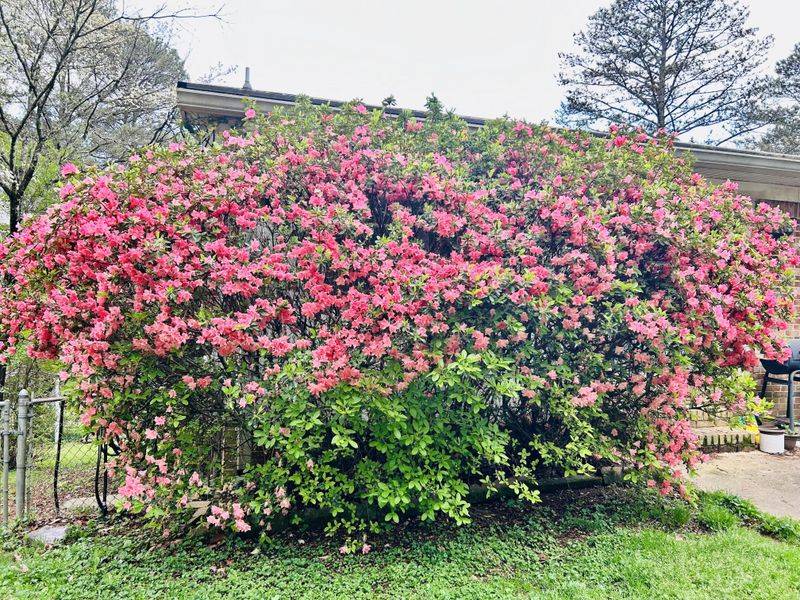
An azalea that has gone unpruned for several years can look more like a tangled thicket than an ornamental shrub. It’s tempting to grab the hedge trimmers and take off a dramatic amount all at once, but that approach often backfires.
Removing too much too quickly can send a mature azalea into shock, and recovery is unpredictable.
Gradual pruning spread across two or three seasons is a much more forgiving strategy for overgrown plants. Each year, you remove a portion of the oldest, woodiest stems while leaving the rest of the canopy intact.
Georgia’s long growing season actually works in your favor here because the shrub has plenty of warm months to recover and produce new growth between sessions.
Older azalea stems that have become thick and woody don’t always push out new growth readily. Cutting them back hard without leaving any green foliage on the branch can result in sections that simply don’t come back.
Leaving at least some leafy growth on each branch you cut ensures the plant still has enough energy-producing foliage to support recovery.
Rejuvenation pruning, as it’s sometimes called, works best when you combine it with good soil care and consistent watering. Azaleas in Georgia’s red clay soils benefit from added organic matter to support root health during the recovery period.
5. Early Summer Buds May Start Forming Sooner Than Expected
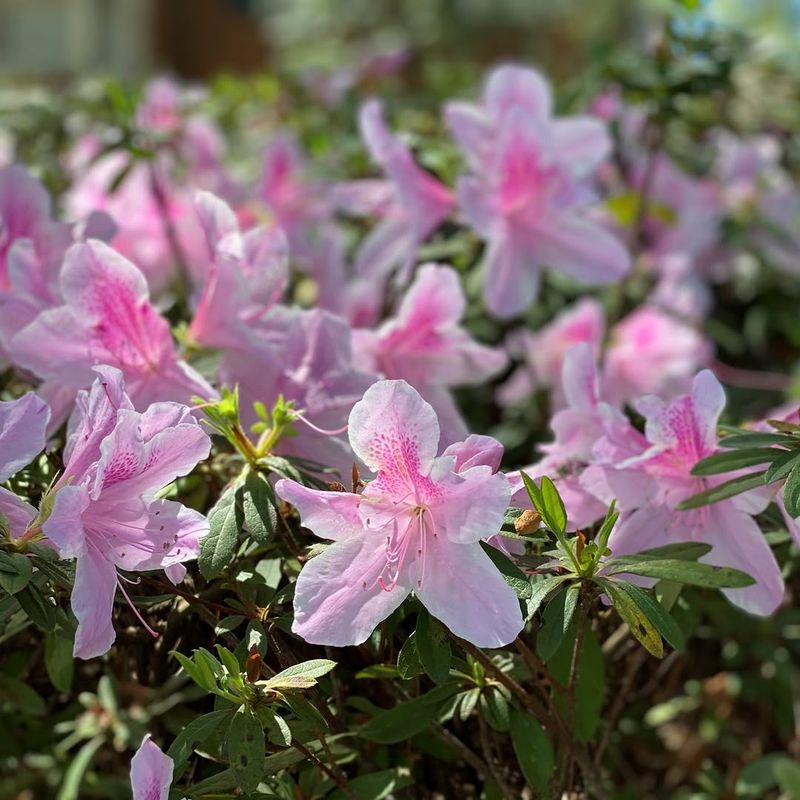
Georgia’s climate doesn’t follow the same schedule as gardening guides written for cooler regions. Bud formation on azaleas can begin surprisingly early in the state, sometimes before gardeners even realize the blooming season is fully over.
Warm nights and high humidity accelerate the plant’s internal calendar in ways that aren’t always obvious from the outside.
In Georgia specifically, some varieties begin setting buds for the following year as early as late May or even mid-May following an early bloom.
Gardeners who prune late in the season without checking for bud development risk cutting off a significant portion of next spring’s flower display.
A simple way to check is to look closely at the tips of branches that have already finished blooming. Small, rounded buds that are noticeably different from flat leaf buds are a signal that bud set has already begun.
If you spot them, it’s time to put the shears away until the following late winter.
Not every branch or variety will show buds at the same time, so checking several spots across the shrub gives a more accurate picture. Azalea varieties that bloom earlier in the season tend to start setting buds earlier as well.
6. Clean Pruning Cuts Matter During Humid Weather
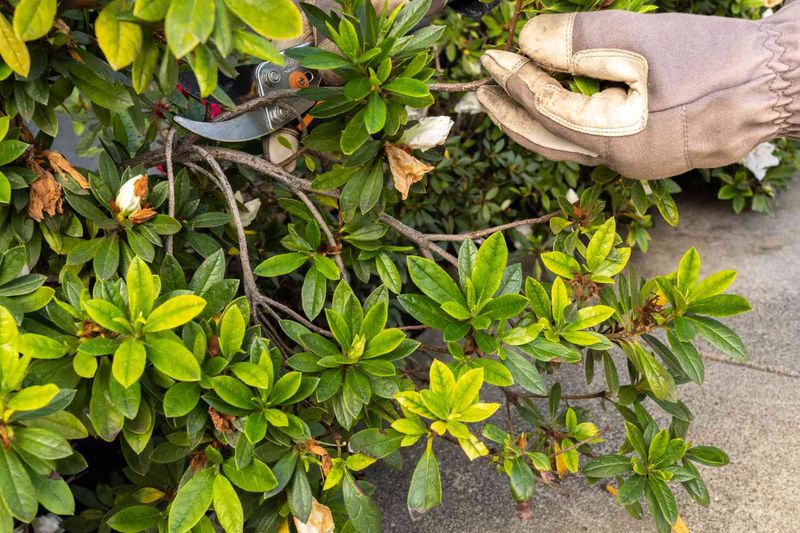
Georgia’s humidity is no joke from May onward, and it creates conditions where plant wounds can become entry points for fungal problems faster than most people expect.
A ragged or torn cut left on an azalea branch doesn’t seal over cleanly, and in moist, warm air, that opening can attract pathogens before the plant has a chance to callus over.
Sharp pruning tools make a real difference here. A clean cut from a well-maintained pair of bypass pruners heals much faster than a crushed or splintered cut from dull blades.
Dull shears also require more force, which increases the chance of accidentally tearing the bark below the cut. That kind of damage is harder to recover from and leaves a larger wound surface exposed to Georgia’s humid air.
Wiping down pruning blades with rubbing alcohol between shrubs is a simple habit that significantly reduces the chance of spreading any fungal or bacterial issues from one plant to another. It takes about thirty seconds and can save a lot of trouble later in the season.
Skipping this step is one of the most common mistakes Georgia gardeners make during spring cleanup.
Cutting just above a healthy leaf node or side branch encourages faster regrowth and keeps the plant looking fuller and healthier.
7. Mulch Helps Protect Shallow Azalea Roots
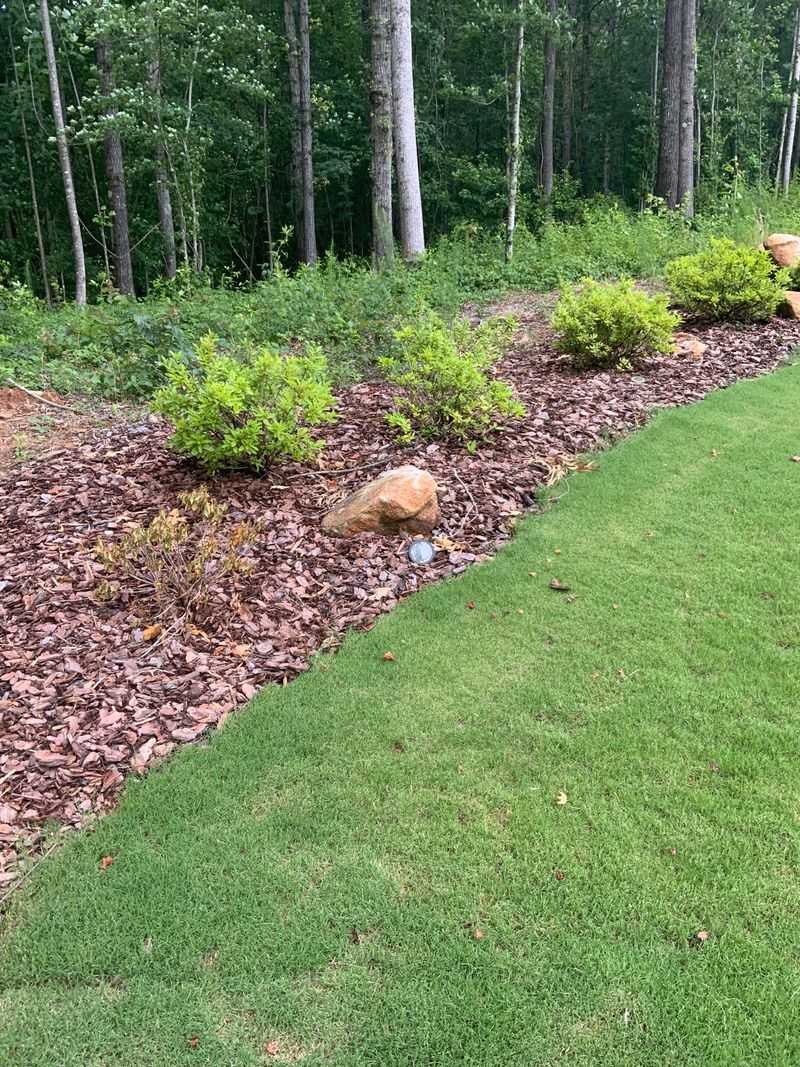
Azaleas have some of the shallowest root systems of any common landscape shrub, and that makes them particularly sensitive to temperature swings and moisture loss.
In Georgia, where May temperatures can shift from comfortable to scorching within a matter of weeks, keeping those roots insulated becomes a real priority after pruning.
Pine straw is the mulch of choice for many Georgia gardeners, and for good reason. It’s widely available, affordable, and breaks down slowly enough to provide consistent coverage through the hottest months.
A layer of two to three inches applied around the base of the shrub, kept a few inches away from the main stems, helps regulate soil temperature and hold moisture in the root zone where it matters most.
After pruning, the root system is supporting a plant that’s working to heal and push out new growth at the same time. Without adequate mulch, soil temperatures in Georgia’s summer sun can climb high enough to stress those shallow feeder roots significantly.
That stress often shows up as yellowing leaves or reduced growth that gardeners sometimes misattribute to other causes.
Refreshing mulch in May, right around the same time you’re doing any light pruning, is a practical way to combine tasks and give your azaleas a strong foundation heading into summer.