The Most Useful Native Perennial You Can Plant In Pennsylvania
Pennsylvania has a deep bench of native perennials worth growing, but every now and then a single plant rises above the rest in a way that’s genuinely hard to argue with.
This particular one gets talked about in native plant circles with the kind of quiet reverence usually reserved for plants that have been doing remarkable things for a long time without getting nearly enough credit for it outside of those conversations.
The most useful native perennial you can grow in Pennsylvania supports more species of native bees, butterflies, and beneficial insects than almost any other flowering plant in the state.
It blooms late in the season when most other perennials have finished, filling a critical gap in the garden calendar right when pollinators need late-season nectar most before winter arrives.
It’s tough, it spreads reliably, it handles poor soil and drought without complaint, and it brings a warm, golden color to the fall garden that very few plants can match.
Most Pennsylvania gardeners have it growing wild somewhere nearby without realizing what they’re looking at.
Goldenrod Is The Most Useful Native Perennial In Pennsylvania
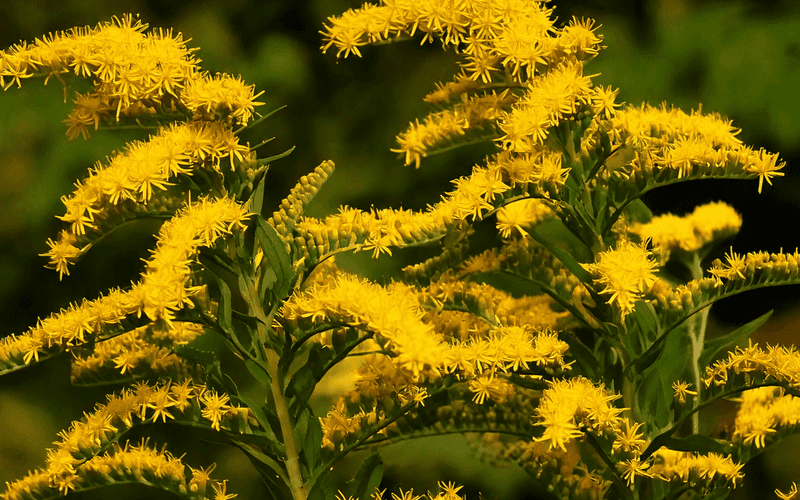
If you have ever walked through a Pennsylvania meadow in late summer, you have probably spotted those bright yellow plumes waving in the breeze.
That plant is goldenrod, and it might just be the most useful native perennial you can grow in the Keystone State.
Many gardeners pass it by without a second thought, but goldenrod is a powerhouse plant that works hard for your yard, your local wildlife, and even your wallet.
Once you learn what it can do, you will want to make room for it right away.
It Feeds Pollinators Late In The Season
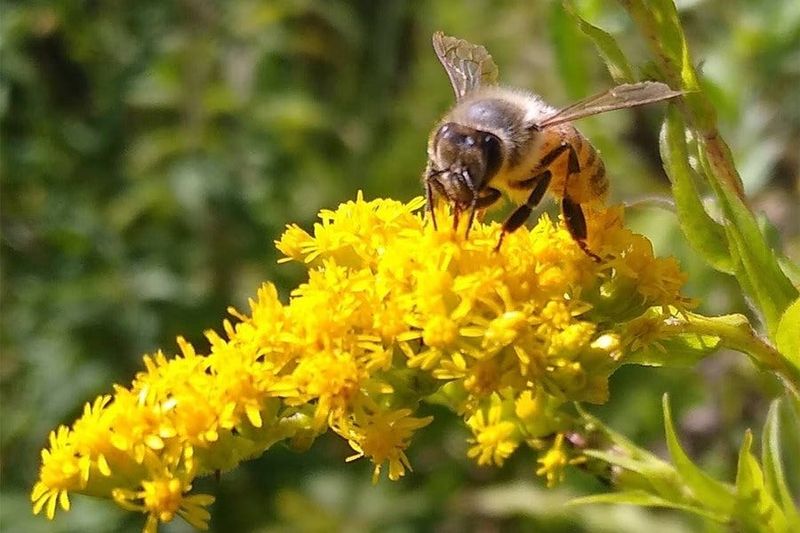
When most garden flowers have already faded, goldenrod is just getting started. Late summer and fall can be a tough time for pollinators in Pennsylvania.
Most flowering plants have stopped blooming, and bees, butterflies, and other insects are scrambling to find enough food before cold weather arrives.
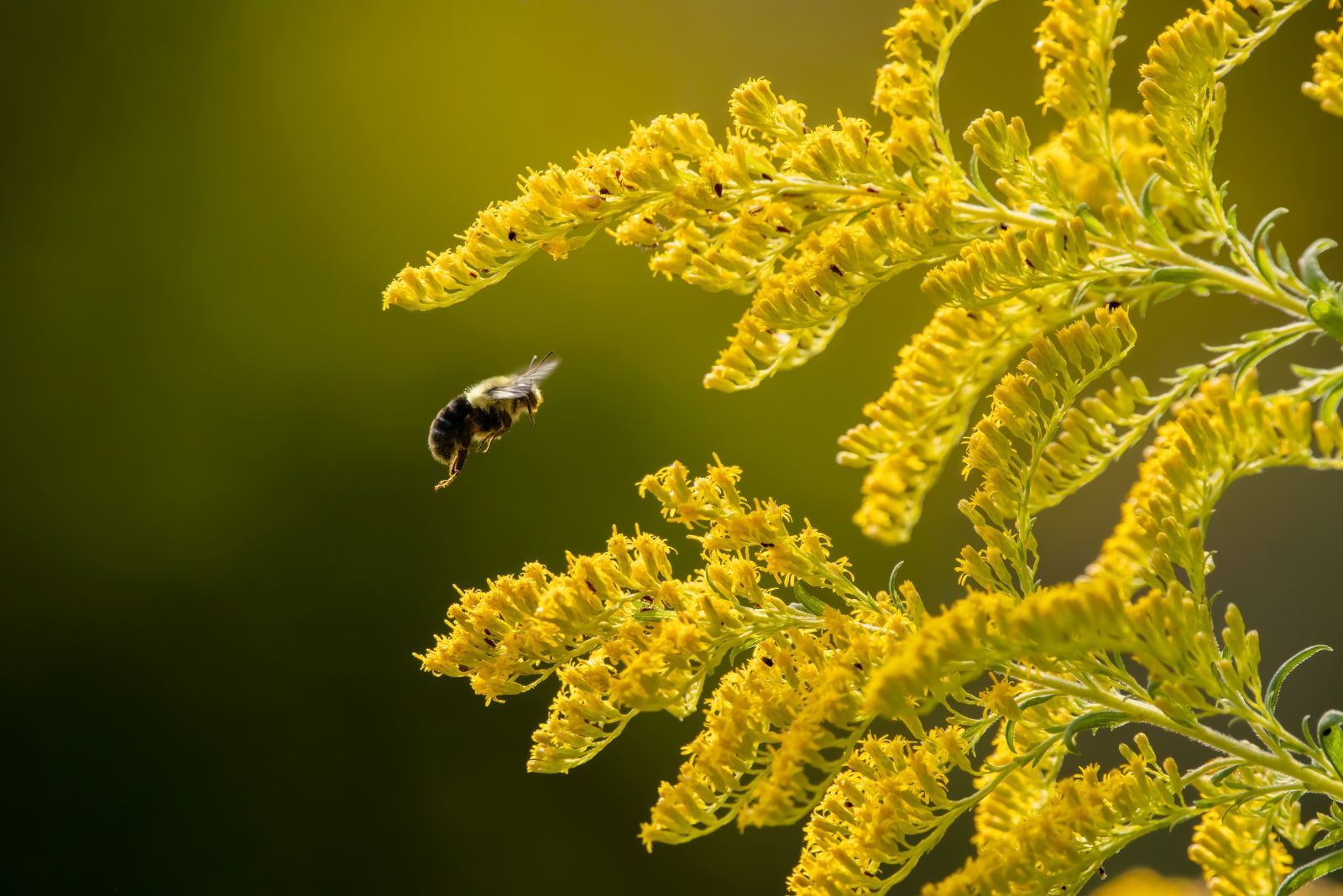
Goldenrod steps in at exactly the right moment. Its bright yellow flowers open from late August all the way through October, giving pollinators a rich and reliable nectar source when they need it most.
Monarch butterflies, in particular, depend on late-season flowers like goldenrod during their long migration south.
Honeybees and native bumblebees also visit goldenrod in huge numbers. They use the nectar to build up their winter food stores.
Without plants like goldenrod, many bee colonies would struggle to survive the colder months in Pennsylvania.
There are over 100 species of native bees in Pennsylvania alone, and studies have shown that goldenrod supports more bee species than almost any other native plant. That is a remarkable fact for one plant to carry.
Planting goldenrod in your yard means you are offering a lifeline to creatures that play a big role in keeping ecosystems healthy. Pollinators help plants reproduce, which keeps food chains and wild spaces working properly.
Even a small patch of goldenrod in a Pennsylvania backyard can make a real difference for local bee and butterfly populations every single fall season.
Your Pennsylvania Garden Changes Every Week. Your Plan Should Too.
Gardening in Pennsylvania changes quickly throughout the season. Every Friday you’ll receive a simple weekly plan showing exactly what to plant, prune, fertilize, harvest, and protect so you never miss the right timing.
It Thrives In Pennsylvania Weather With Little Effort
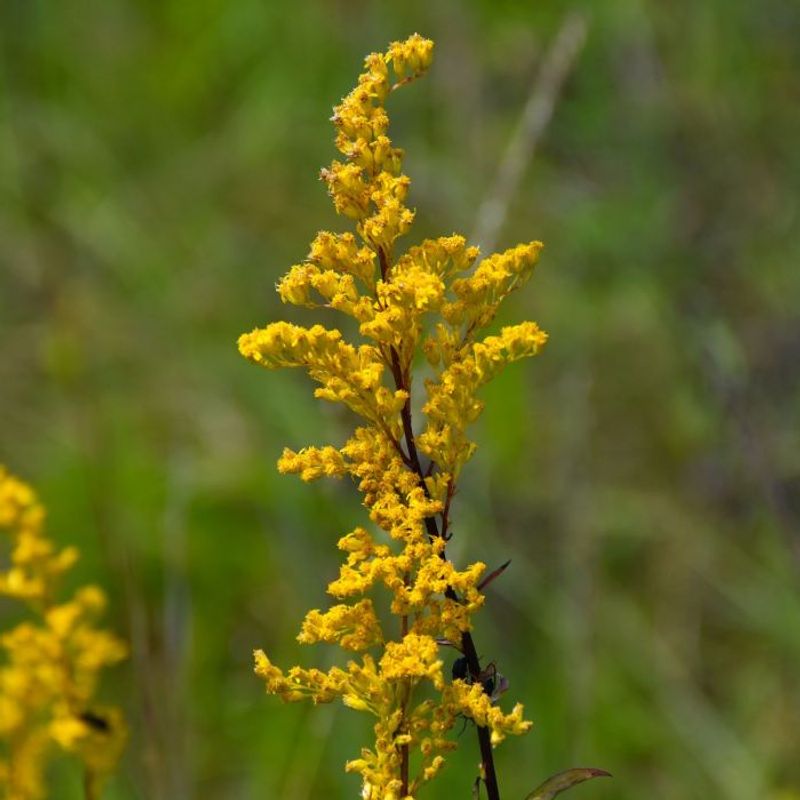
Goldenrod was made for Pennsylvania. Seriously, it is like this plant looked at the state’s unpredictable weather and said, no problem.
Pennsylvania summers can swing between hot and humid stretches to weeks without rain, and winters bring heavy frost. Most ornamental plants struggle with that kind of rollercoaster climate.
Goldenrod handles it all without complaint. Once it gets established in your garden, usually within the first growing season, it becomes extremely drought tolerant.
Its deep root system pulls moisture from lower in the soil, which means you do not need to drag out the hose every few days just to keep it alive. Poor soil? Not an issue.
Goldenrod actually prefers leaner soils with fewer nutrients. Rich, heavily fertilized soil can cause it to grow floppy and fall over.
If you have a tough spot in your yard where other plants have failed, goldenrod is often the perfect candidate to try there.
It also handles full sun to partial shade without much fuss. Whether your garden sits in an open field or gets some afternoon shade from nearby trees, goldenrod will adapt. That kind of flexibility is rare and incredibly useful for Pennsylvania homeowners.
Native plants like goldenrod evolved right here in this region over thousands of years. They are already tuned in to local rainfall patterns, soil types, and temperature swings.
That built-in toughness is something you simply cannot buy at a nursery with a non-native plant, no matter how fancy the label looks.
It Brings Long-Lasting Color To The Garden
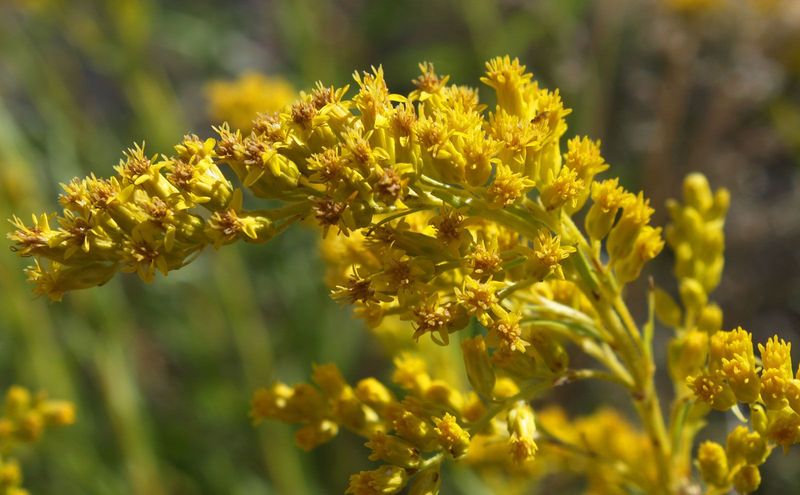
Yellow is not always the first color that comes to mind when people think about a beautiful garden, but goldenrod can change that opinion fast. When it bursts into bloom in late summer, it lights up the landscape like a burst of sunshine.
The flowers are dense, arching plumes that catch the light and sway gently in the breeze. What makes goldenrod especially valuable in Pennsylvania gardens is how long it keeps blooming. Many perennials offer just two or three weeks of color.
Goldenrod can stay in bloom for six to eight weeks, stretching from August well into October. That is a long run of color for any perennial plant.
Goldenrod also pairs beautifully with other native plants. Purple asters are a classic combination, and the contrast between the deep violet and bright yellow is stunning.
Ornamental grasses, ironweed, and black-eyed Susans also work wonderfully alongside it in naturalized borders or cottage-style gardens across Pennsylvania.
In naturalized spaces like meadow gardens or pollinator patches, goldenrod creates a full, wild look that feels both intentional and effortless. It fills in gaps, adds height, and provides structure to plantings that might otherwise look sparse in fall.
Compact varieties like Solidago rugosa Fireworks or Solidago sphacelata Golden Fleece are great choices for smaller Pennsylvania yards. They stay tidy without spreading too aggressively, and they still pack a big visual punch.
With the right variety, goldenrod can be both a showstopper and a well-behaved garden citizen all at once.
It Supports Birds And Beneficial Wildlife
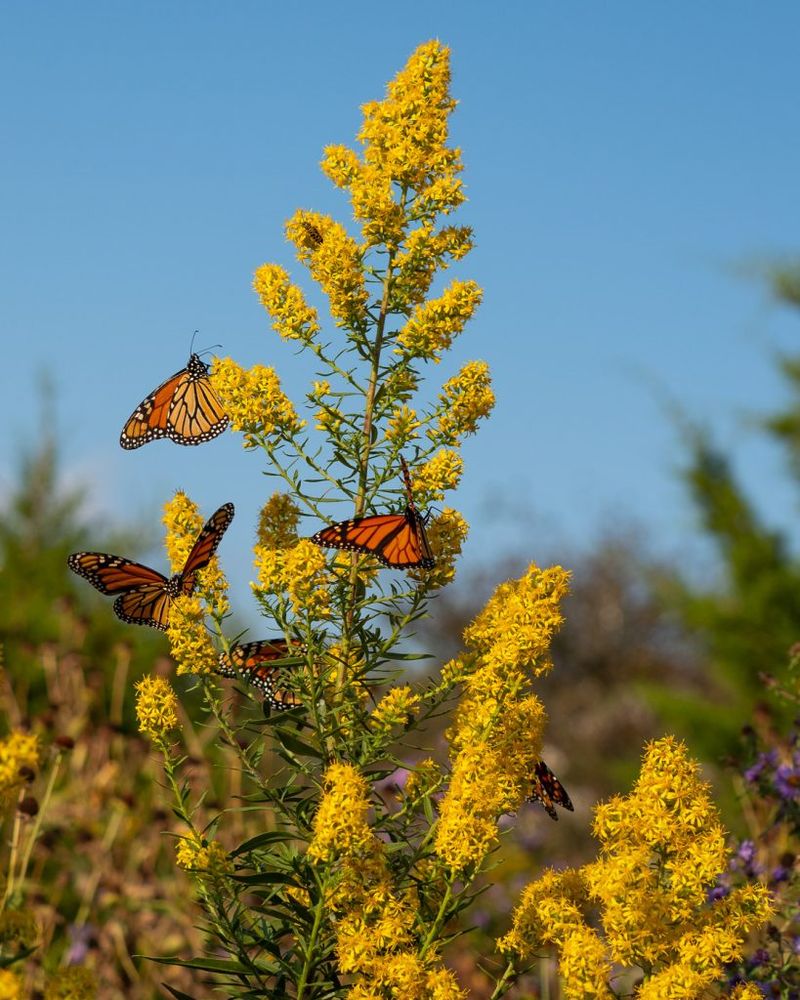
Most people think of goldenrod as just a flower, but it is actually a full ecosystem in plant form. From the moment it starts growing in spring to the time its seed heads stand tall in winter, goldenrod is busy supporting life.
Birds, insects, and small mammals all benefit from having goldenrod nearby. Once the blooms fade in fall, goldenrod produces tiny seeds that many birds absolutely love.
Goldfinches, sparrows, and juncos are regular visitors to goldenrod patches in Pennsylvania. They pick at the seed heads through late fall and even into winter, getting important calories during a time when other food is hard to find.
The plant also provides shelter. Dense goldenrod stands create cover for small birds and beneficial insects looking for protection from cold winds and predators.
Some insects even lay eggs inside goldenrod stems, creating small galls that woodpeckers and chickadees tap open for a protein-rich winter snack.
Goldenrod supports over 100 species of caterpillars, including many moth species that are critical food sources for nesting birds. When songbirds raise their chicks in Pennsylvania, they rely heavily on caterpillars to feed them.
A yard with goldenrod is a yard that helps those birds succeed. Think of it this way: planting goldenrod is like setting up a wildlife hotel in your backyard. It offers food, shelter, and nesting material all in one plant.
For Pennsylvania homeowners who want to make a real impact on local wildlife, goldenrod is one of the most efficient choices available anywhere.
It Requires Less Maintenance Than Many Ornamentals
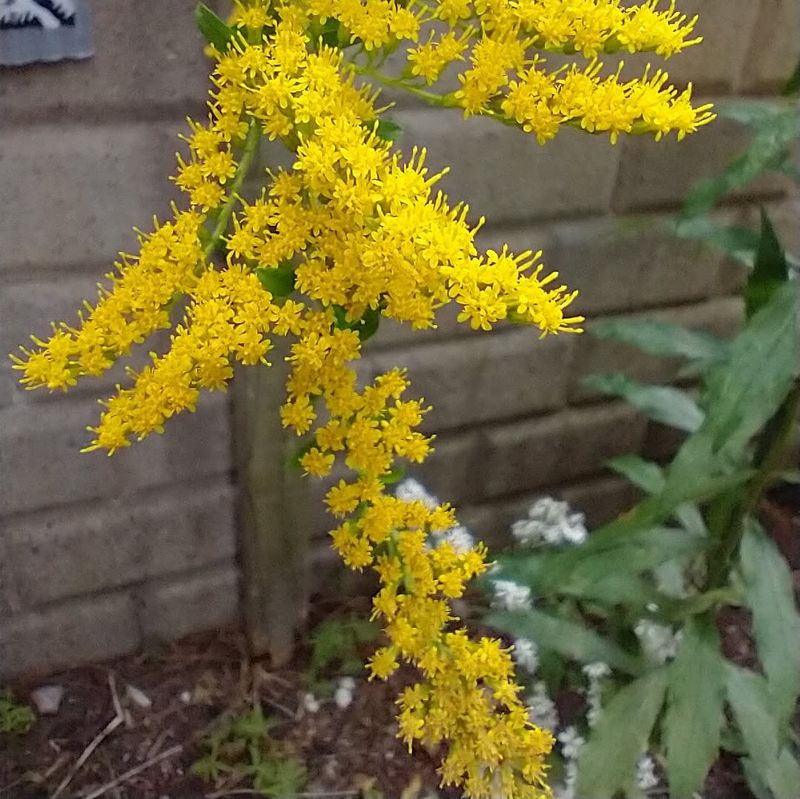
Raise your hand if you are tired of babying high-maintenance plants that barely survive a Pennsylvania summer. Goldenrod is the opposite of that experience.
Once it is in the ground and settled, it basically takes care of itself. That is not an exaggeration. It is just how native plants work when they are matched to the right region.
Watering is rarely needed after the first season. Goldenrod roots go deep, so the plant can access moisture even during dry spells.
Pennsylvania typically gets enough rainfall that established goldenrod almost never needs supplemental watering. That saves you time, money, and effort every single summer.
Fertilizer is another thing you can skip entirely. Goldenrod does not want or need a rich diet.
Feeding it too much nitrogen can actually cause the stems to grow tall and weak, making them flop over. Leave the fertilizer for your vegetable garden and let goldenrod do its thing without any help.
Pest problems are rarely an issue either. Because goldenrod evolved in Pennsylvania alongside local insects and fungi, it has natural defenses built in.
You will not be reaching for pesticides or fungicides to keep it healthy. That makes it a safer, more eco-friendly choice for your yard.
Pruning is optional. Some gardeners cut it back in early spring to keep it tidy, but many simply leave the dried stems standing through winter for wildlife habitat.
Either way, you are not locked into a demanding care schedule. For busy Pennsylvania homeowners who still want a beautiful, productive garden, goldenrod is hard to beat on the low-effort front.
Common Misconceptions About Goldenrod And Allergies
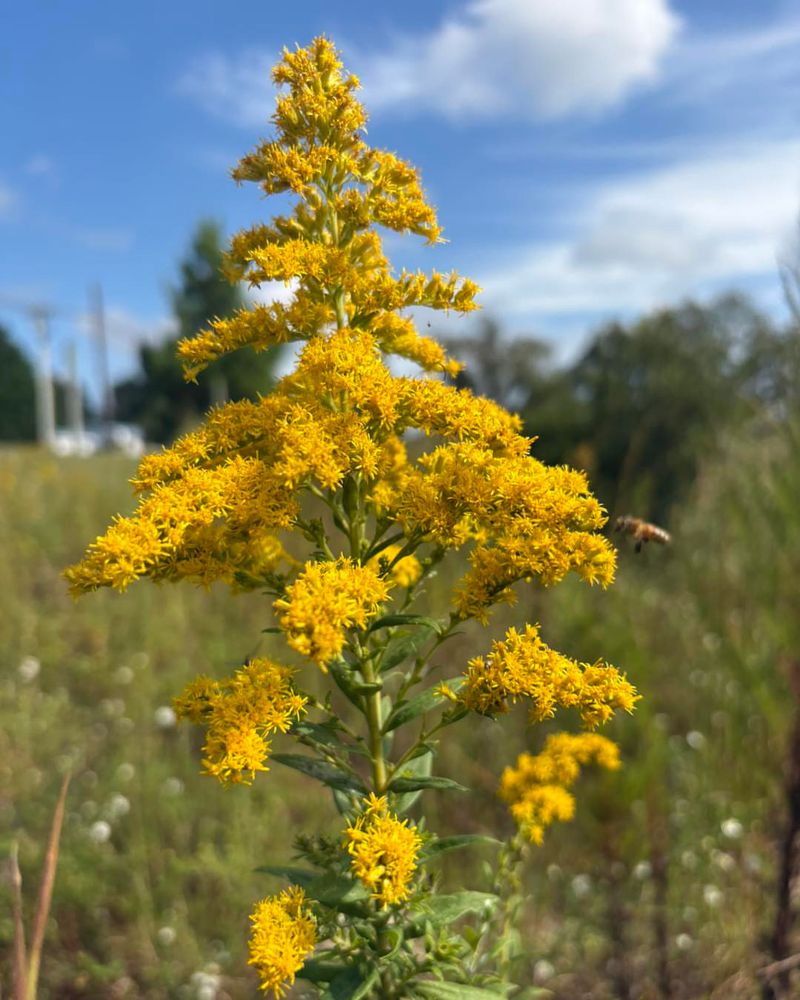
Here is something that surprises almost everyone: goldenrod does not cause hay fever. For decades, this plant has taken the blame for late-summer allergies across Pennsylvania and the rest of the country.
People sneeze, their eyes water, and they look outside, see goldenrod in bloom, and assume it is the culprit. The real troublemaker is ragweed.
Ragweed blooms at the exact same time as goldenrod, but it is nearly invisible. Its flowers are tiny and green, and it releases enormous clouds of lightweight pollen that floats easily through the air and into your nose.
Goldenrod pollen, on the other hand, is heavy and sticky. It is designed to be carried by insects, not the wind, so it almost never reaches your airways.
This mix-up has caused goldenrod to get a bad reputation that it simply does not deserve. Many Pennsylvania gardeners have avoided planting it for years based on this misunderstanding.
The good news is that allergists and botanists have been working to clear goldenrod’s name, and the word is slowly getting out.
In fact, goldenrod has been used in traditional herbal medicine for centuries. Some herbalists in Pennsylvania and beyond have used it to support urinary health and reduce inflammation.
While you should always talk to a doctor before using any plant medicinally, it is interesting to know that goldenrod has a long history of being helpful rather than harmful.
So the next time someone warns you away from goldenrod because of allergies, you can share the real story. Plant it proudly, enjoy the color, and let the pollinators do the rest.