8 Water-Loving Plants That Bloom In Ohio Ponds, Tubs, And Wet Gardens
Most Ohio gardeners assume blooming plants need soil, a decent pot, and a reliable watering schedule. Turns out, some of the most striking plants thrive in ponds, tubs, rain gardens, and wet soil instead of ordinary dry garden beds.
Growing plants in water sounds like a novelty trick, but it’s one of the most low-effort, high-reward approaches a gardener can take. No dry beds to fight, no guessing if moisture has reached the roots, and far less worry about keeping water-loving plants hydrated.
A clean container, fresh water, and the right plant selection are all it takes to pull off something genuinely beautiful. Ohio’s patios, ponds, rain gardens, and wet low spots can make water gardening especially practical.
Wet soil, small patios, and low garden spots become opportunities when you choose plants adapted to shallow water or consistently moist ground. The plant varieties that thrive in water aren’t rare or expensive either.
Most are easy to find, fast to establish, and surprisingly dramatic once they start to bloom.
The setup takes minutes and the results last for months.
1. Float Fragrant White Water Lily In A Sunny Tub
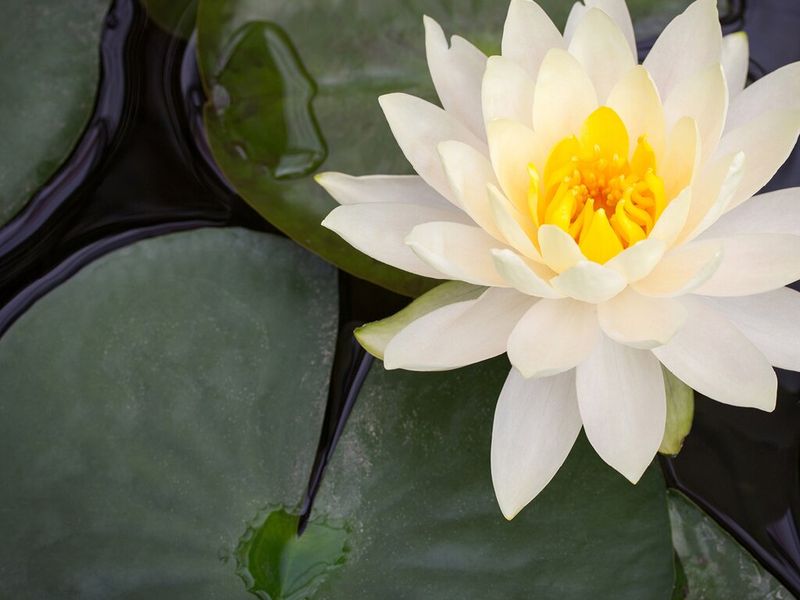
Few things match the quiet elegance of a white water lily opening on a still summer morning.
The fragrant white water lily, Nymphaea odorata, is native to Ohio and much of eastern North America. This makes it one of the most responsible choices for a water garden in the state.
Its round, waxy leaves float flat on the surface while sweetly scented white flowers open during daylight hours from late spring through summer.
This plant grows best in still or very slow-moving water with full sun, at least six hours daily.
For home gardens, the most practical approach is to plant it in an aquatic planting basket or submerged container filled with heavy clay-based soil. Then lower it to the bottom of your tub or pond.
This keeps the roots contained and prevents the plant from spreading aggressively across a small water garden.
A large half-barrel or dedicated patio water tub works well as long as it holds at least 15 to 20 gallons and gets plenty of sun. Give the lily enough surface space so leaves can spread without crowding.
When the season ends, never dump the plant or its roots into a natural pond, stream, or wetland. Even native plants can disrupt a new ecosystem when introduced by humans.
Thin or divide it every two to three years to keep growth balanced and blooming strong.
2. Grow Pickerelweed For Purple Pond Edge Blooms
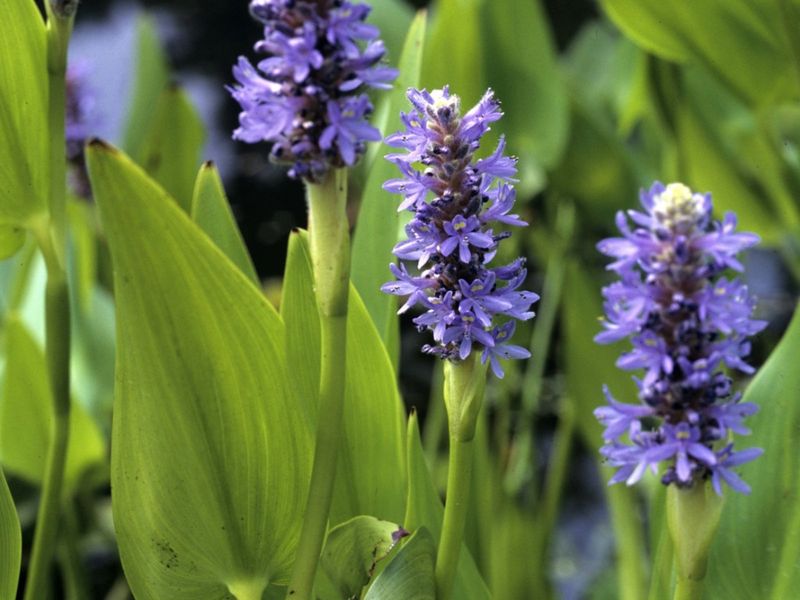
Standing at the sunny edge of a pond in midsummer, pickerelweed is hard to miss.
Pontederia cordata sends up tall, heart-shaped leaves and striking purple flower spikes that bloom from June through September.
It is native to the state and wetland regions across eastern North America, and it ranks among the best native aquatic plants for supporting pollinators including bees, butterflies, and small native insects.
Your Ohio Garden Changes Every Week. Your Plan Should Too.
Gardening in Ohio changes quickly throughout the season. Every Friday you’ll receive a simple weekly plan showing exactly what to plant, prune, fertilize, harvest, and protect so you never miss the right timing.
Unlike floating plants, pickerelweed grows with its roots anchored in wet soil or shallow water, usually two to six inches deep. It works beautifully along a sunny pond edge, in a large water container, or in a rain garden that holds water after heavy rain.
Placing it in a submerged planting basket helps manage its spread in smaller spaces, since it can fill a container or shallow bay fairly quickly under good conditions.
Full sun brings out the best bloom production, though it tolerates a few hours of partial shade. Water should remain consistently available at the roots throughout the growing season.
If pickerelweed begins to crowd out neighboring plants in a tub or defined pond zone, thin it by removing outer stems and roots in early spring before new growth fully takes off.
Always dispose of removed plant material in a compost bin or trash, not in a natural waterway or ditch, to prevent unintended spreading.
3. Plant Blue Flag Iris Where Water Meets Soil
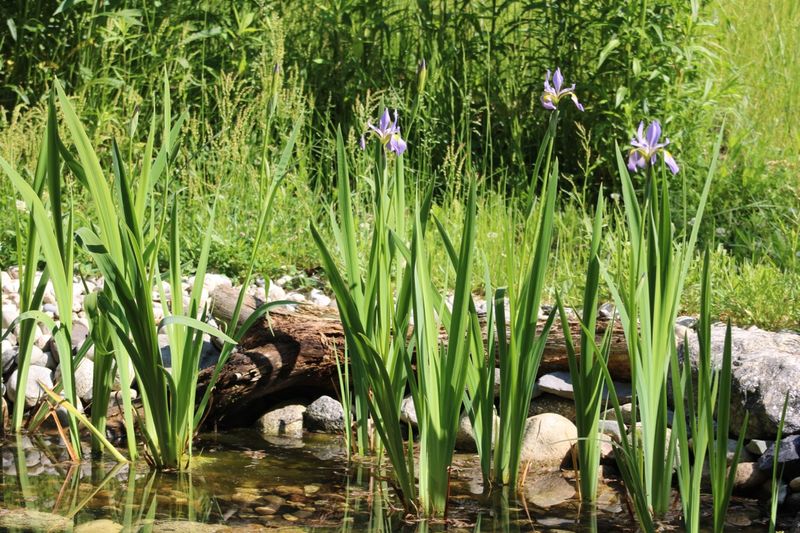
Right where the ground stays soggy and the pond edge softens into mud, blue flag iris finds its perfect home.
Iris versicolor produces stunning blue-purple flowers with intricate veining in late spring to early summer. This makes it one of the most visually rewarding native plants for water gardens and wet borders.
It is native to the northeastern United States and Great Lakes region and is well suited to our climate and wet soil conditions.
A quick note worth making: blue flag iris is not the same as yellow iris, Iris pseudacorus. Yellow flag iris, Iris pseudacorus, is listed as an invasive plant in Ohio and should be avoided entirely.
Blue flag iris is the Ohio-friendly choice that gives you that classic iris look without the ecological risk.
Plant blue flag iris in consistently moist to wet soil or at pond edges where water is no more than two to four inches deep. It performs best in full sun but tolerates light shade, especially in the afternoon during hot summers.
Space plants about 18 to 24 inches apart to give them room to develop healthy clumps.
Divide established clumps every three to four years to maintain vigor and prevent overcrowding.
Remove spent flower stalks after blooming to keep the planting tidy. Never release divisions into natural streams, ditches, or wetlands outside your garden boundaries.
4. Add Cardinal Flower For Red Waterside Color
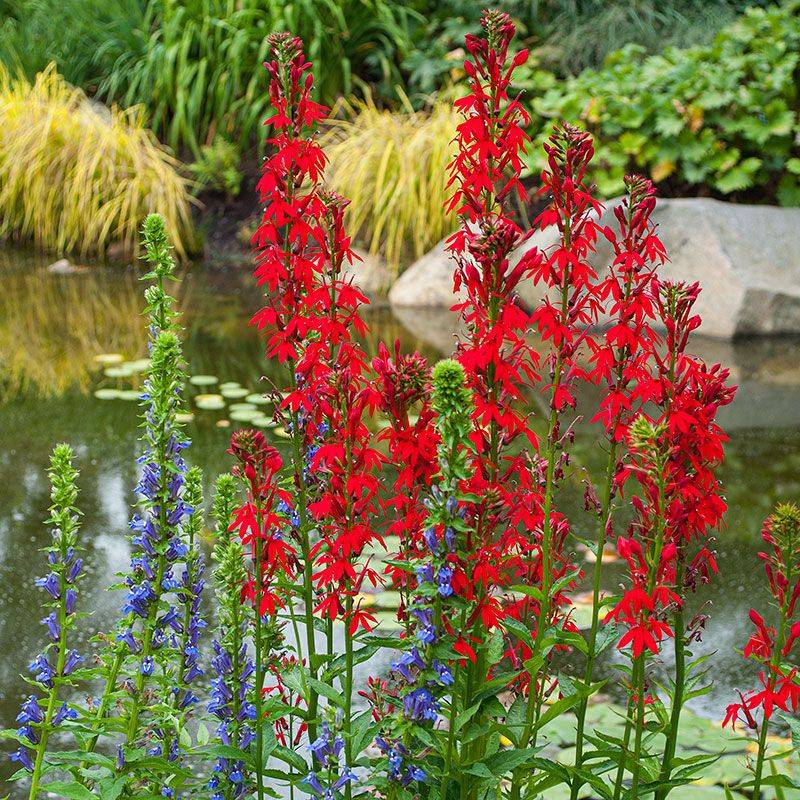
A hummingbird hovering over a spike of blazing red blooms is one of the most exciting sights in a summer garden, and cardinal flower is the plant that makes it happen.
Lobelia cardinalis is native and produces tall, upright flower spikes loaded with tubular scarlet flowers from July through September.
Ruby-throated hummingbirds are especially drawn to it, and native bees also visit regularly for nectar.
Cardinal flower does not need to stand in open water.
It thrives in consistently moist to wet soil, which makes it ideal for rain gardens, low damp borders, and the edges of water features where the ground stays reliably moist.
During dry stretches in summer, the soil around cardinal flower should never be allowed to dry out completely. Mulching around the base helps hold moisture between rain events and keeps roots cooler through the hottest weeks.
Plant it in full sun to partial shade. It tends to bloom most heavily with at least four to six hours of direct sun each day.
Cardinal flower can be relatively short-lived in garden settings, but it often self-seeds in moist soil, so new plants may fill in naturally over time. Thin seedlings if they crowd each other.
Remove spent flower spikes to encourage side branching and extended bloom. Avoid planting in heavy clay that holds standing water for days without draining, as overly saturated, stagnant conditions can stress the roots.
5. Use Swamp Milkweed For Soft Pink Rain Garden Blooms
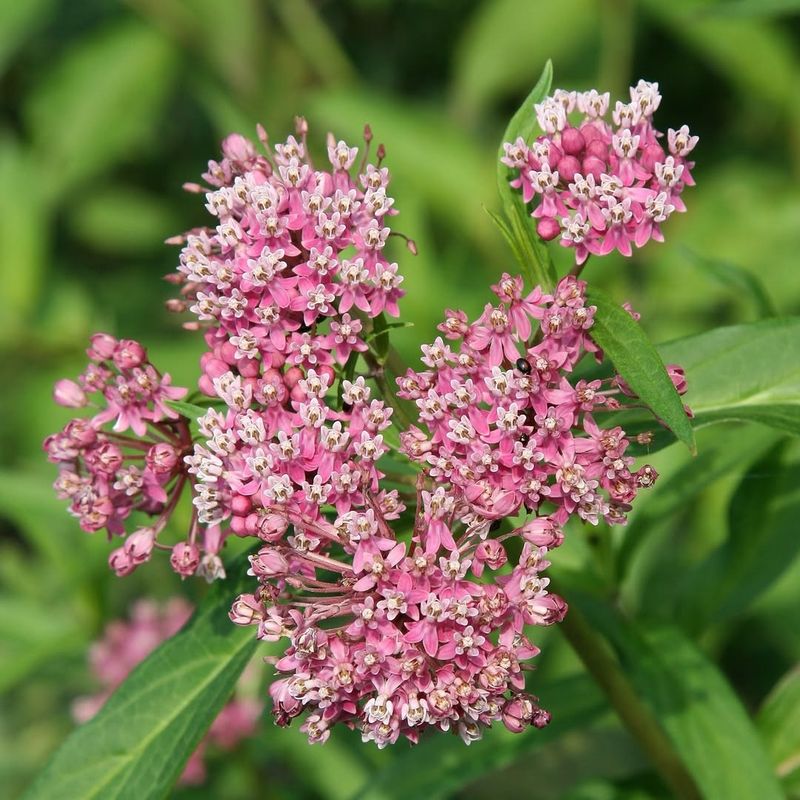
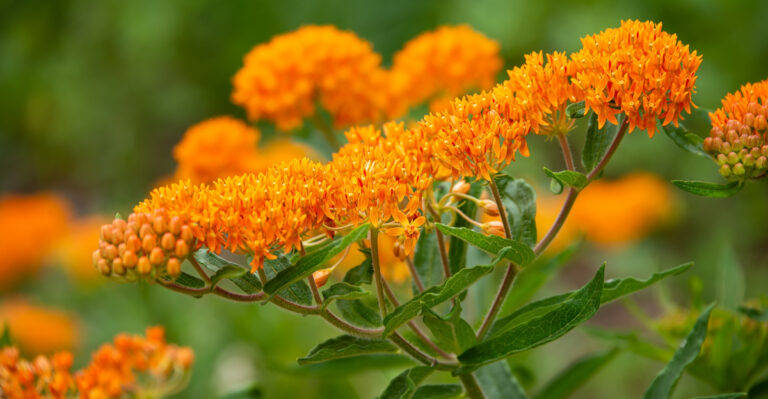
Soft pink flower clusters, monarch butterflies drifting in, and roots that handle soggy ground without complaint! Yes, Swamp milkweed earns its place in any rain garden or wet border. Asclepias incarnata is native to Ohio and much of eastern North America.
It produces fragrant pink blooms from June through August and is one of the most important host plants for monarch butterflies, which rely on milkweed species for reproduction.
Swamp milkweed is not a submerged aquatic plant and does not float or root in open water.
What sets it apart from most garden perennials is its tolerance for consistently wet or saturated soil conditions that would stress or rot other plants.
Rain gardens, low-lying wet borders, and seasonally flooded areas that dry out between rain events are all excellent placements. It also grows well in regular garden beds that stay reliably moist through summer.
Full sun brings out the strongest growth and heaviest bloom production. Plants typically reach three to four feet tall at maturity, so give each one about 18 to 24 inches of space to develop properly.
Avoid cutting it back too aggressively in fall, since the seed pods provide visual interest through winter and seeds can naturalize nearby in suitable wet areas. In spring, wait until new growth emerges from the base before trimming last season’s stems.
Never discard live plant material in natural waterways or wetland edges.
6. Tuck Marsh Marigold Into Cool, Wet Spots For Spring Color
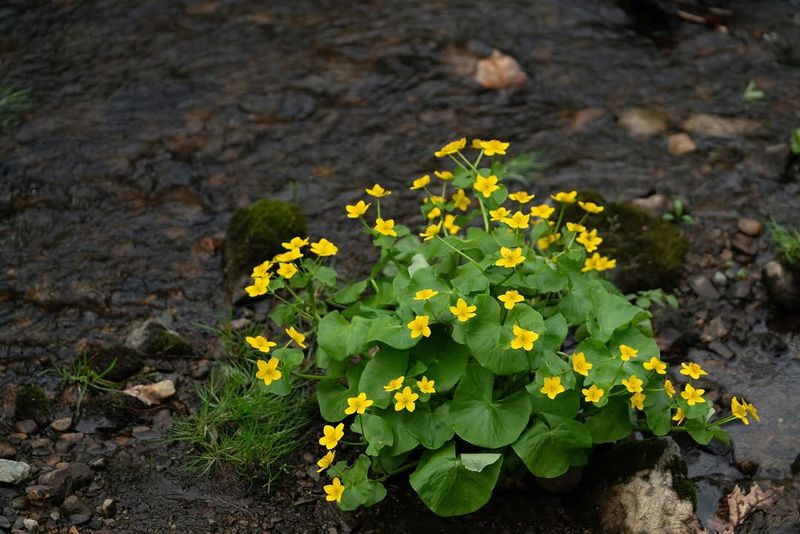
Early spring can feel long before the first real color appears, which is exactly why marsh marigold is such a welcome sight. Caltha palustris bursts into bright, glossy yellow blooms in April and May, often while other perennials are still waking up.
It is native to Ohio and much of the northern United States, naturally found along cool stream banks, woodland seeps, and marshy low spots where moisture lingers from snowmelt and spring rains.
Marsh marigold performs best in consistently moist to wet soil and can even tolerate standing in shallow water during the cool months. As summer heat builds across the state, the plant naturally slows down and may go dormant by midsummer.
This is completely normal behavior, not a sign of trouble.
Choosing a site that stays cool and moist longer into the season, such as a shaded stream edge or a north-facing wet border, can extend its active growth period.
Plant marsh marigold in partial to full shade for best results, though it tolerates more sun if the soil stays reliably wet. Space plants about 12 to 18 inches apart.
Pair it with other native wetland plants that emerge and bloom later in the season, such as blue flag iris or cardinal flower. It will keep the planting area visually interesting after marsh marigold goes dormant.
Avoid placing it in dry or well-drained soil, where it struggles to establish and rarely thrives.
Responsible sourcing from native plant nurseries is encouraged.
7. Grow Dwarf Papyrus In A Patio Water Pot
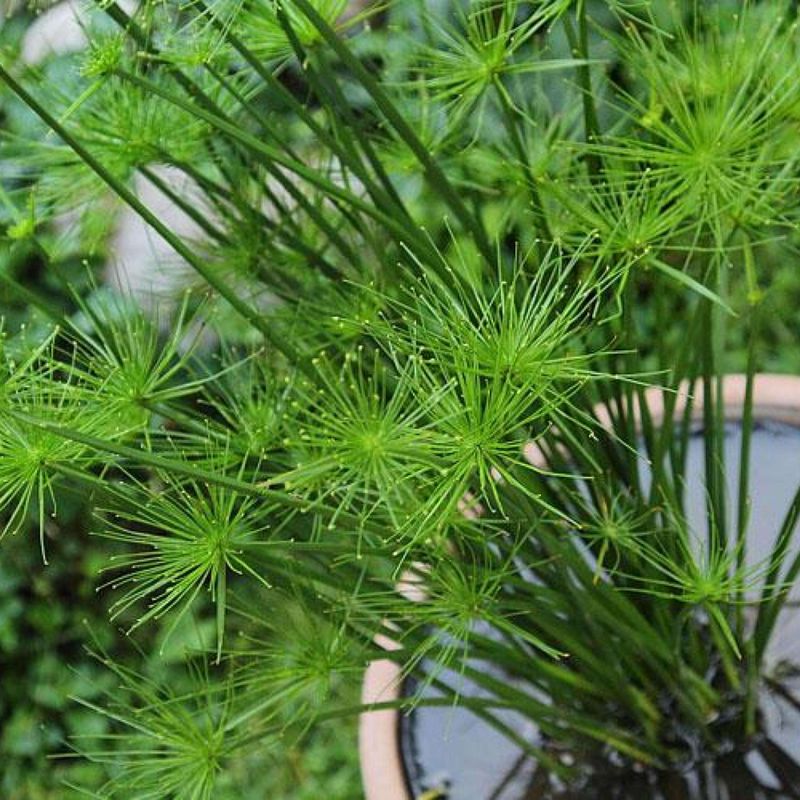
For gardeners who want a tropical water garden vibe on a patio without the worry of an invasive plant escaping into the yard, dwarf papyrus delivers a striking look. Plus, it is entirely manageable.
Cyperus haspan (dwarf papyrus) or compact cultivars of Cyperus papyrus, produces slender upright stems topped with delicate, umbrella-like sprays that move beautifully in a breeze.
The texture alone makes it a standout in a patio water pot or decorative tub display.
This is a non-native, warm-climate plant and is not reliably hardy outdoors through Ohio winters. Treat it as a container annual for the patio season.
The most critical rule with dwarf papyrus is to keep it strictly in a container and never release it into a pond, ditch, stream, wetland, or any natural waterway.
Even if it does not establish and spread in our climate, responsible gardening means not introducing non-native plant material into wild areas.
Place the container in full sun for the best growth and fullest stem development. Keep the container filled with water so roots stay consistently wet throughout the season.
At the end of the growing season, you can compost the plant or attempt to overwinter it indoors in a bright, warm spot with consistently moist soil. Most gardeners find it easiest to treat it as a fresh seasonal purchase each spring rather than overwintering it.
Pair it with flowering container plants nearby for a layered patio water garden look.
8. Plant Lizard’s Tail For White Blooms In Shallow Water
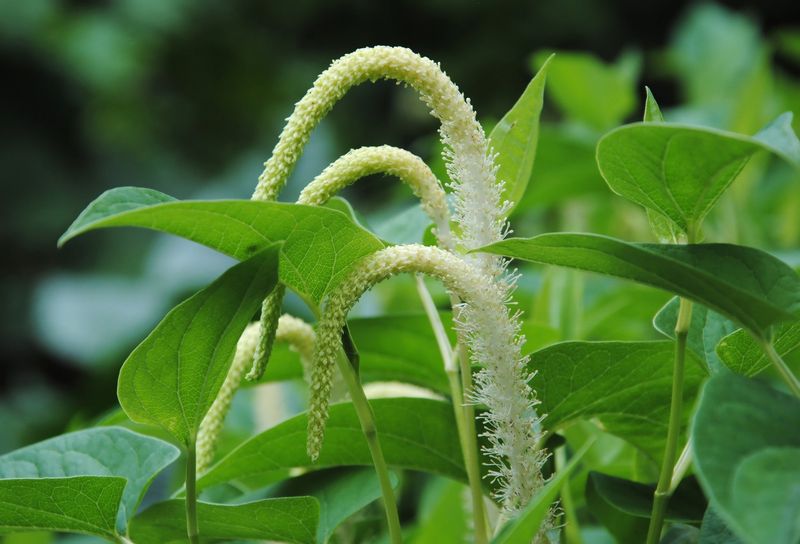
There is something quietly graceful about lizard’s tail blooming at the edge of a pond in early summer. Saururus cernuus produces long, arching white flower spikes that nod at the tip, which is exactly where the common name comes from.
It is native to Ohio and eastern North America, naturally found in swamps, stream margins, and shallow water edges where light filters through nearby trees or open sky.
Lizard’s tail grows in wet soil or shallow water up to about six inches deep.
It works well at pond edges, in consistently wet rain gardens with room to spread, and in naturalistic wet areas where you want a native look with soft seasonal texture.
The white blooms appear from June through August, adding quiet elegance to spots where bolder plants might feel out of place. Pollinators and small wildlife also find value in the dense, low growth it creates.
Plan ahead for its spreading habit. Under ideal wet conditions, lizard’s tail can expand steadily by underground rhizomes.
In a defined pond zone or large rain garden, this spreading is often welcome as ground cover.
In a smaller contained space or planting tub, thin it every spring by removing outer sections of the root mass to keep it from overwhelming neighboring plants.
Always dispose of removed roots in a compost pile or trash bag, not in a natural waterway or wet ditch. Full sun to partial shade both work well, with moist to wet soil being the most important condition for strong growth.