The Tick-Repelling Plants Maryland Gardeners Swear By (And Most People Have Never Heard Of)
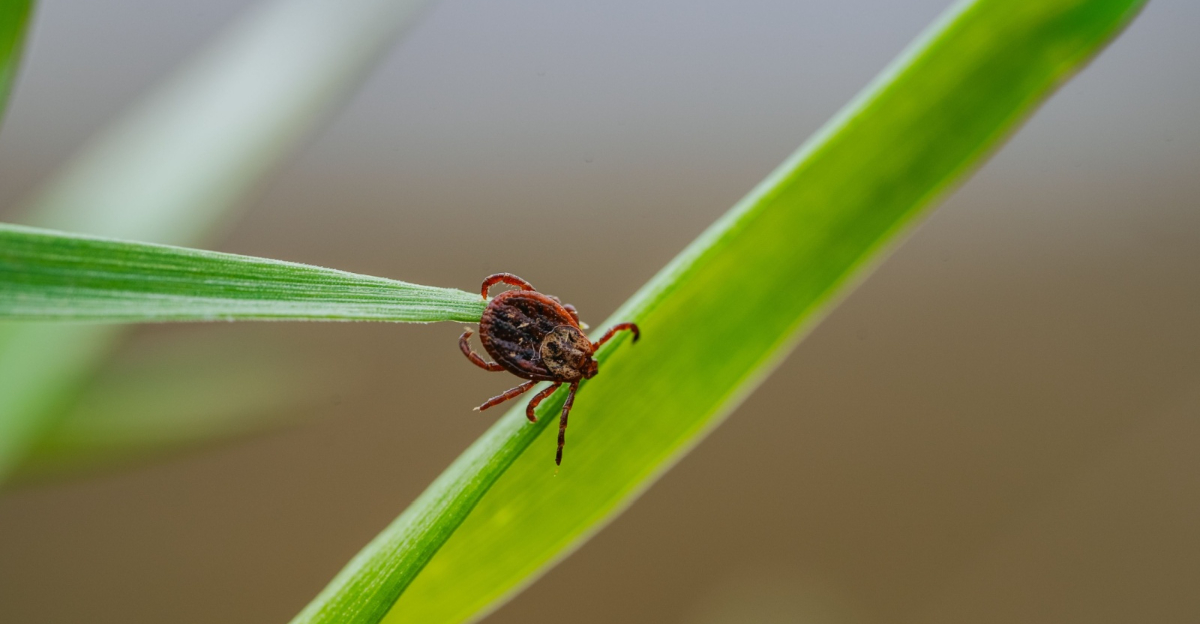
Maryland has a tick problem. A real one.
Several tick species, nine months of the year.
Lyme disease, Rocky Mountain spotted fever, and other illnesses most people don’t even know to worry about, all waiting in your own backyard. If your yard backs up to any kind of tree line or tall grass, you’re already in their territory.
The good news? Some Maryland gardeners have been quietly solving this with something most people walk right past at the garden center.
Not pesticides. Plants.
Specific plants that produce compounds ticks genuinely avoid, confirmed by USDA research, university studies, and centuries of folk use.
Some are native. Some are edible.
And one of them will make your cat lose its mind. You don’t need to overhaul your entire yard.
You just need to know which plants to reach for. Keep reading.
American Beautyberry Is the Native Plant Maryland Tick Fighters Swear By
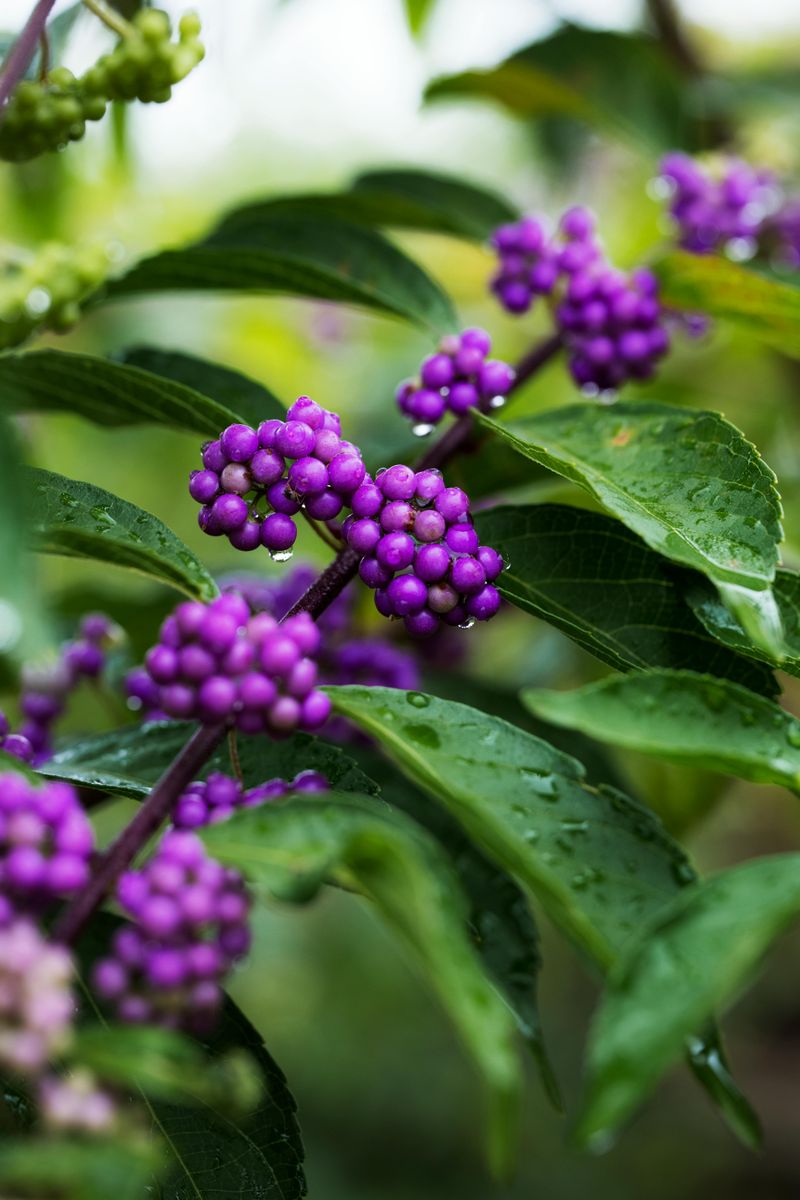
Scientists at the USDA Agricultural Research Service did not expect much when they started studying an old Southern folk remedy.
But when they isolated callicarpenal from the leaves of American beautyberry, they found something unexpected. A compound that repelled mosquitoes and ticks as effectively as DEET in lab conditions.
That result turned a backyard shrub into a legitimate topic of conversation among entomologists.
American beautyberry is native to the eastern United States, which means it is already adapted to Maryland soils and rainfall patterns.
It thrives in partial shade, making it ideal for planting along woodland borders and shaded fence lines, the exact spots where ticks concentrate.
Deer tend to leave it alone, which is a significant bonus in many Maryland neighborhoods where deer pressure is relentless.
Folk tradition has long involved rubbing crushed beautyberry leaves directly on skin during outdoor work.
Gardeners along the Eastern Shore have passed this habit down through generations. No scientific explanation required, it simply worked.
Beyond its tick-deterring reputation, the plant produces stunning clusters of violet berries in late summer that feed birds and attract pollinators.
Planting it along a shaded yard edge gives you beauty, wildlife value, and a natural buffer against ticks all at once.
Catmint And The Art Of Tick Repelling Without The Garden Chaos
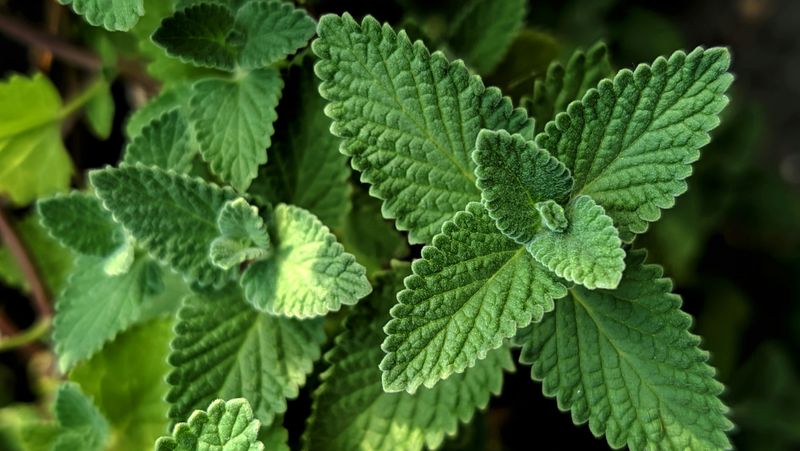
Nepetalactone is the compound that makes cats go sideways in your garden, and it turns out ticks hate it too.
Researchers at Iowa State University found that nepetalactone repels insects and arachnids, including ticks, at concentrations that rival synthetic chemical options.
The surprising twist is that catmint delivers this compound in a form that is far better behaved in a garden than its wild cousin, catnip.
Catnip spreads aggressively and can take over a bed within two seasons.
Catmint, sold under species names like Nepeta x faassenii, stays compact and blooms in soft lavender spikes from late spring through early fall. Unlike catnip, it fits neatly into an ornamental border without staging a hostile takeover.
For Maryland gardeners who want function and curb appeal at the same time, that distinction matters enormously.
Your Illinois Garden Changes Every Week. Your Plan Should Too.
Gardening in Illinois changes quickly throughout the season. Every Friday you’ll receive a simple weekly plan showing exactly what to plant, prune, fertilize, harvest, and protect so you never miss the right timing.
The climate across most of the state suits catmint well.
It handles summer humidity and winter cold without much fussing, and it bounces back reliably each spring.
You can grow it in containers near patios or directly in the ground along walkways where tick contact is most likely.
One honest disclaimer applies: if you have cats, expect visitors.
The neighborhood feline community will absolutely find your new tick-repelling border plant and treat it as a personal amenity.
Lemon Thyme Does Two Jobs At Once And Ticks Want Nothing To Do With Either

Thymol is one of the most well-documented natural tick repellents available.
It is one of the primary compounds found in lemon thyme, and studies have documented its ability to repel ticks and disrupt their sensory systems on contact.
Citral, the compound responsible for that sharp citrus scent, adds a second layer of deterrence. Together, they make lemon thyme one of the most chemically loaded ground covers available to home gardeners.
And it smells incredible when you walk across it.
The low-growing habit of lemon thyme is what makes it strategically valuable.
Tick contact most often happens at ankle and shin height, where grass meets a path or where a lawn transitions to a mulched bed.
Planting lemon thyme densely along those edges puts the repellent compounds exactly where they are most needed.
It spreads slowly and stays flat, making it a tidy, practical solution for borders and stepping-stone gaps.
Once established in Maryland soil, lemon thyme handles dry summers without much supplemental watering.
It pairs well with catmint and garlic in a layered tick-barrier planting scheme.
As a bonus, the leaves are fully culinary. You can pinch sprigs for roasted chicken or fish while your yard works quietly against ticks.
Few plants earn their place in both the garden bed and the kitchen, and manage to repel ticks while they’re at it.
Garlic Belongs In Your Kitchen And Along Every Edge Of Your Yard

Allicin is the sulfur compound that gives garlic its signature punch, and ticks find it just as off-putting as a first date gone wrong.
When garlic is planted as a living border crop rather than used as a spray, the sulfur compounds release slowly and continuously into the surrounding soil and air. The University of Maryland Extension has documented its pest-deterrent properties as worth considering in home landscapes.
Fall planting works best in Maryland, typically between mid-October and mid-November.
Garlic cloves go into the ground before the first hard frost, overwinter quietly, and push up shoots in early spring just as tick season begins ramping up. Hardneck varieties like Chesnok Red or German Red suit the Maryland climate well, and reward your patience with a harvest in late June.
One clarification is worth making here.
Garlic planted as a border crop behaves very differently from garlic-based spray products sold for yard treatment.
Sprays degrade quickly in rain and sunlight and require repeated application.
A living garlic border keeps producing and releasing compounds throughout its growing season without any reapplication.
Line it along fence perimeters and driveway edges, your most aromatic security system, and the only one that also goes well with pasta.
Combining These Plants For A Stronger Tick Barrier
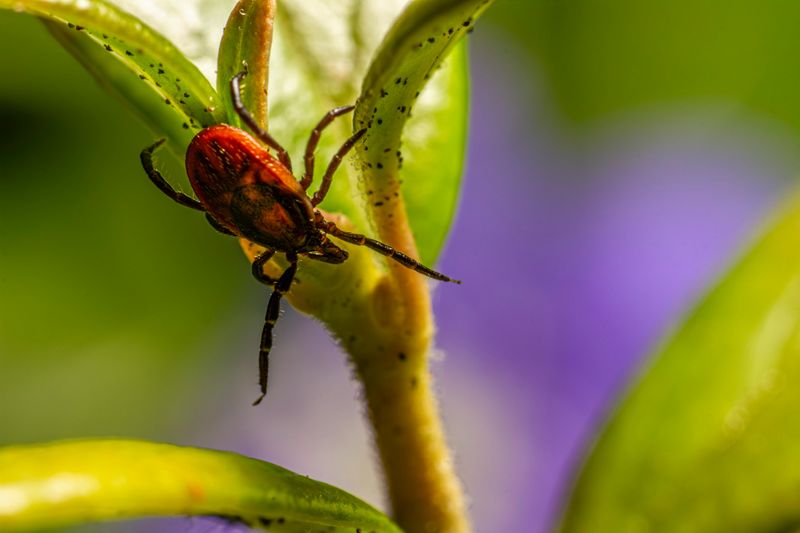
No single plant wins this fight alone. But when you stack the right species in the right order, the cumulative effect on tick exposure becomes genuinely meaningful.
The strategy centers on the lawn-to-woods transition zone, that critical strip where your mowed grass meets overgrown brush or tree line.
That boundary is ground zero for tick movement into your yard, and it is exactly where a layered planting plan does its best work.
Start with American beautyberry as the back anchor along shaded woodland edges.
Plant catmint in the mid-border where it gets partial sun and can bloom visibly through the season.
Let lemon thyme spread as a low ground cover right at the lawn edge, where foot traffic and tick movement overlap most.
Run garlic along fence lines and property borders to add sulfur-based deterrence at the perimeter.
Pair this planting strategy with a few complementary habits.
Keep grass mowed short, especially within ten feet of any wooded border.
A four-inch wood chip barrier between lawn and garden beds creates a dry, exposed zone that ticks prefer to avoid.
This combination of tick-repelling plants and smart maintenance habits significantly lowers your household’s contact risk from March through November.
The goal is not a perfect barrier, it never will be. The goal is a yard that makes reaching you significantly more difficult than the one next door.
Why Maryland’s Tick Problem Is Different
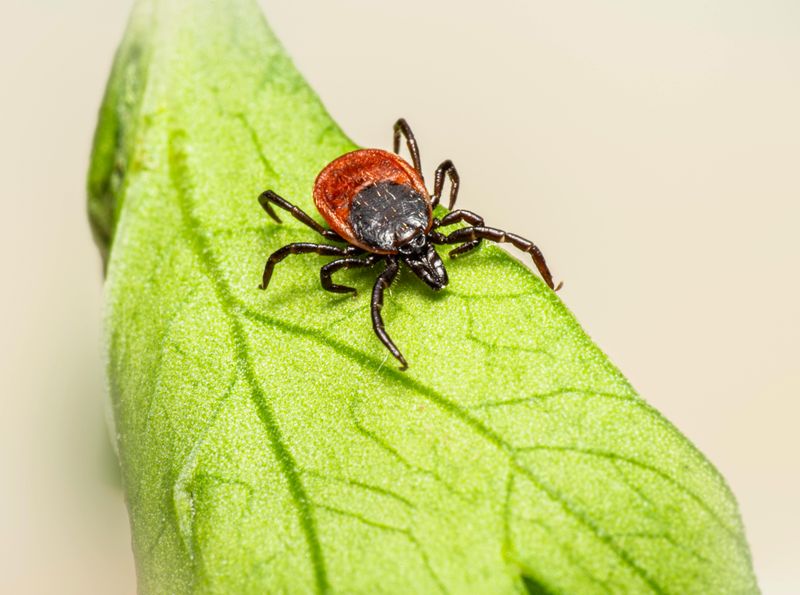
Maryland sits at a biological crossroads that most homeowners never think about until they find a tick on their leg.
Two of the most concerning tick species in the country share the same backyard here.
The black-legged tick, also called the deer tick, carries Lyme disease and is active from early spring through late fall.
The lone star tick, recognizable by the white dot on its back, is equally aggressive and expanding its range northward fast.
USDA hardiness zones across the state range from 5b in the western mountains to 7b near the Chesapeake Bay.
That range means ticks have a long and comfortable active season, roughly March through November, depending on the year.
Warm winters have made early-season exposure far more common than it was even a decade ago.
The forest edge is where the real danger concentrates.
Ticks do not fly or jump. They wait on tall grass, leaf litter, and low shrubs in a behavior called questing.
The transition zone between your lawn and a wooded area is prime real estate for questing ticks.
Understanding this geography is the first step toward building a smarter, plant-based tick barrier around your home.
How Plants Actually Repel Ticks
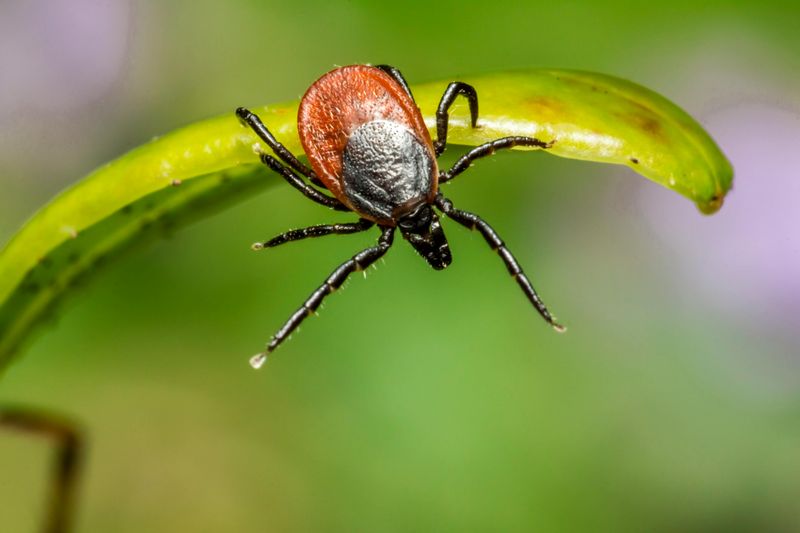
Plants do not post a no-trespassing sign. But some of them come surprisingly close.
Many aromatic plants produce volatile organic compounds as part of their natural defense system against insects and other threats.
When those compounds are released into the air, they create a chemical environment that ticks and other pests find deeply unpleasant.
Heat activates these compounds. When you brush against a stem of lemon thyme or crush a leaf of American beautyberry, the release of those oils intensifies significantly.
Physical contact between a tick and the plant can deter it from continuing along that path.
This is why planting these species along yard edges and walkways, exactly where human and tick traffic overlaps, makes the most practical sense.
Honest framing matters here.
These plants reduce your exposure to ticks. They do not create a force field around your property.
No single plant will eliminate the population living in the woods behind your fence.
But when you combine the right species in the right spots, you lower the odds that a tick makes it from the tree line to your ankle.
That reduction in contact is exactly what tick-repelling plants are designed to do.