Why California Gardeners Get Moles In Spring And How To Stop Them
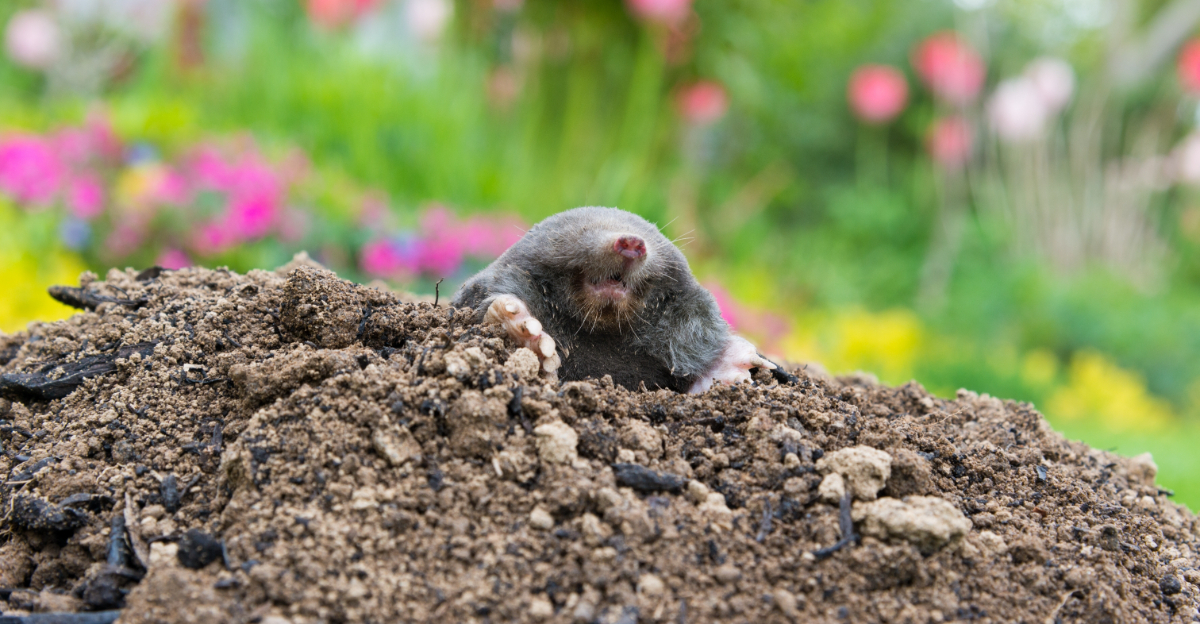
One morning your lawn looks perfectly fine, and the next it resembles a miniature mountain range.
Moles have a talent for showing up seemingly overnight, and spring is peak season for the kind of tunneling damage that makes gardeners want to pull their hair out.
But why spring specifically? It comes down to a combination of soil conditions and food supply that makes your yard essentially irresistible to them right now.
Winter rain softens the ground, earthworm activity spikes near the surface, and moles follow that food source with impressive single-mindedness.
Understanding that connection is actually the key to getting ahead of the problem, because chasing moles around your yard without addressing what’s attracting them is a losing game.
The damage goes beyond cosmetic too. Tunneling disrupts root systems, dries out soil, and can take out young plants that took you all season to establish.
So before you reach for the first repellent you find on a store shelf, it helps to understand exactly what you’re dealing with.
1. Why Moles Show Up In Spring
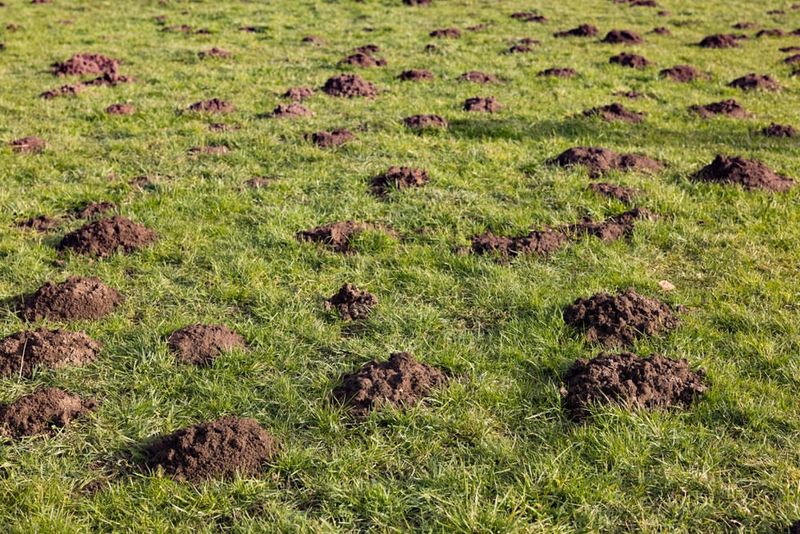
Something about spring brings moles right to the surface, and California gardeners feel it every year. As temperatures warm up across the state, the soil softens after winter rains.
That change in the ground makes it much easier for moles to push through and start tunneling.
Moles are most active when the soil is loose and moist. In California, spring is often the wettest and warmest stretch of the year.
That combination creates nearly perfect conditions for moles to move fast and cover a lot of ground.
Spring is also when moles are raising their young. A mother mole needs more food during this time, so she tunnels more aggressively to find enough earthworms and grubs to eat.
More tunneling means more damage to your yard.
The longer days also push worms and insects closer to the surface. Moles follow that food source upward, which is why you start seeing tunnel ridges just below your grass.
In short, spring gives moles every reason to be active, and your California yard becomes their favorite hunting ground right when you are trying to enjoy it most.
2. What Moles Are Really After
Most people think moles are after plant roots, but that is actually a common mix-up. Moles are insectivores, which means they eat insects, not plants.
Their main targets are earthworms, grubs, beetles, and other small creatures living in the soil.
A single mole can eat up to 100 percent of its body weight in food every single day. That is an impressive appetite for such a small animal.
To find enough food, it has to tunnel constantly, sometimes covering dozens of feet in just a few hours.
California yards and gardens tend to have rich, well-watered soil. That kind of soil supports large populations of earthworms and grubs.
So when you take good care of your garden, you are also accidentally creating a buffet for moles.
Lawns that are regularly watered and fertilized are especially attractive. The better your soil health, the more food is available underground.
Your California Garden Changes Every Week. Your Plan Should Too.
Gardening in California changes quickly throughout the season. Every Friday you’ll receive a simple weekly plan showing exactly what to plant, prune, fertilize, harvest, and protect so you never miss the right timing.
Moles can sense vibrations and detect food with their sensitive snouts, so they zero in on the richest areas fast. Knowing what moles want helps you understand how to make your California yard less appealing to them without causing harm to your plants.
3. Signs You Have Moles, Not Gophers
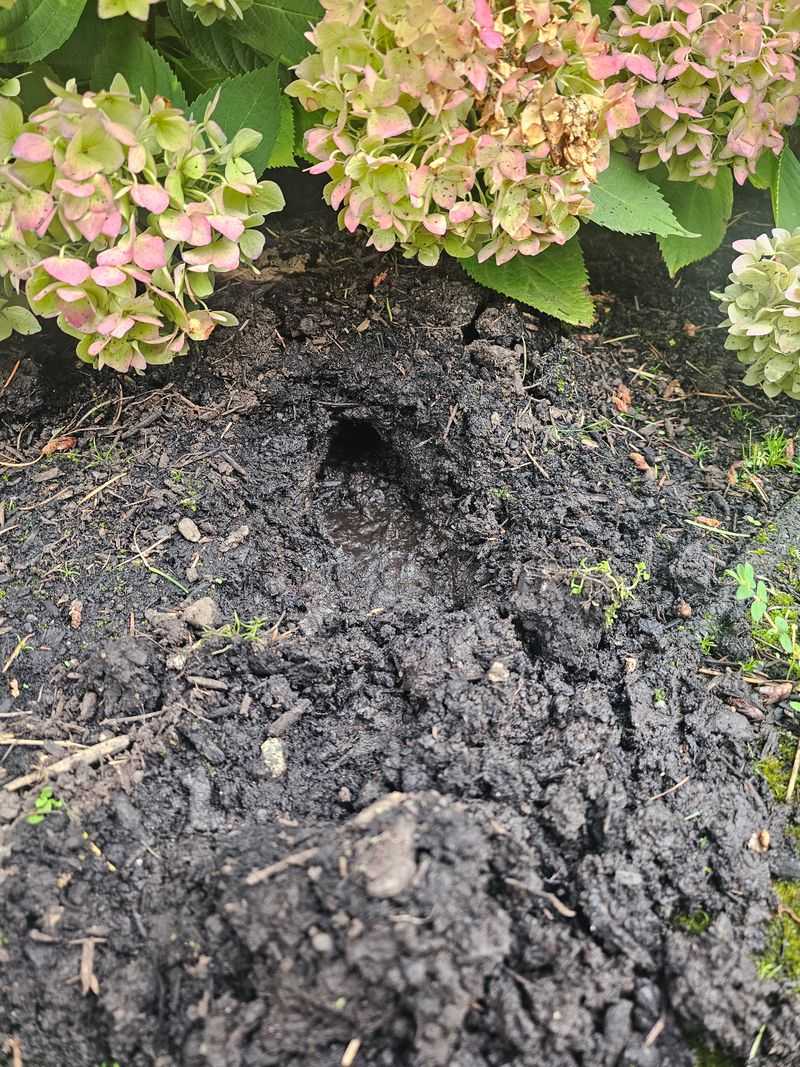
Telling moles apart from gophers is something a lot of California homeowners struggle with. Both create tunnels underground, but the damage they leave behind looks very different once you know what to look for.
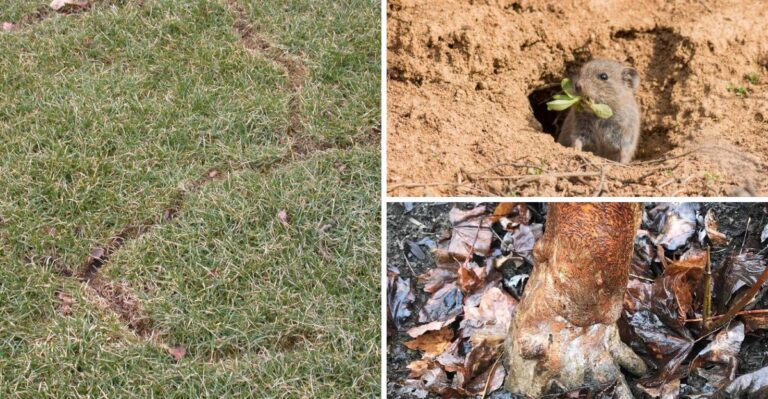
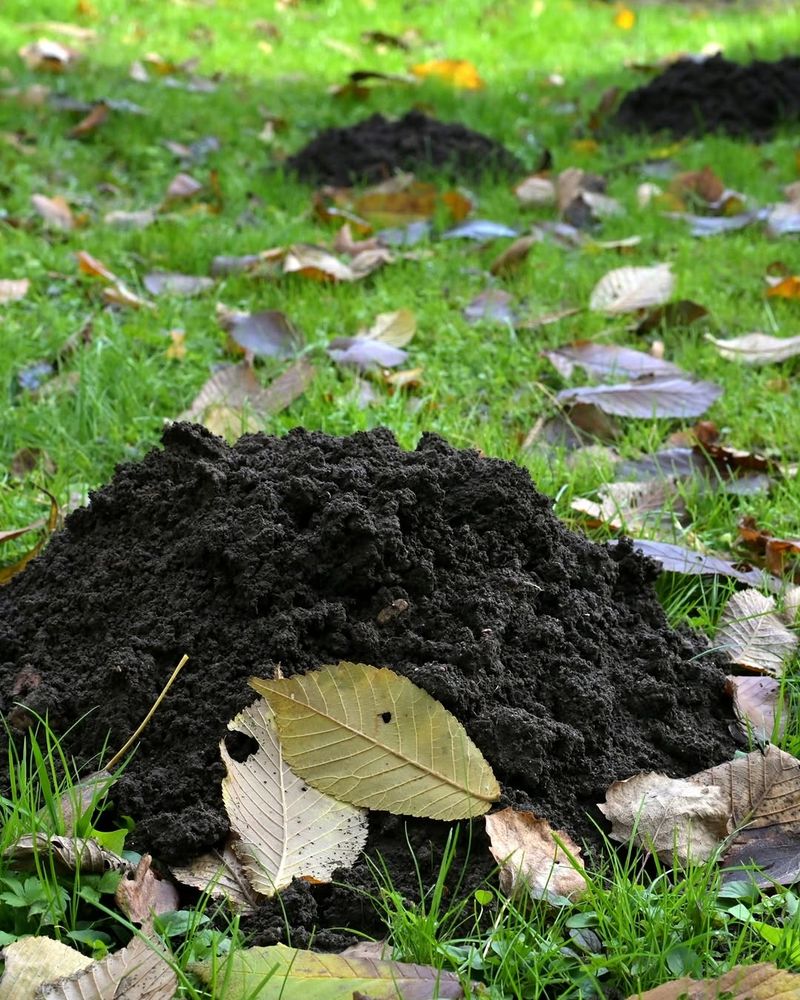
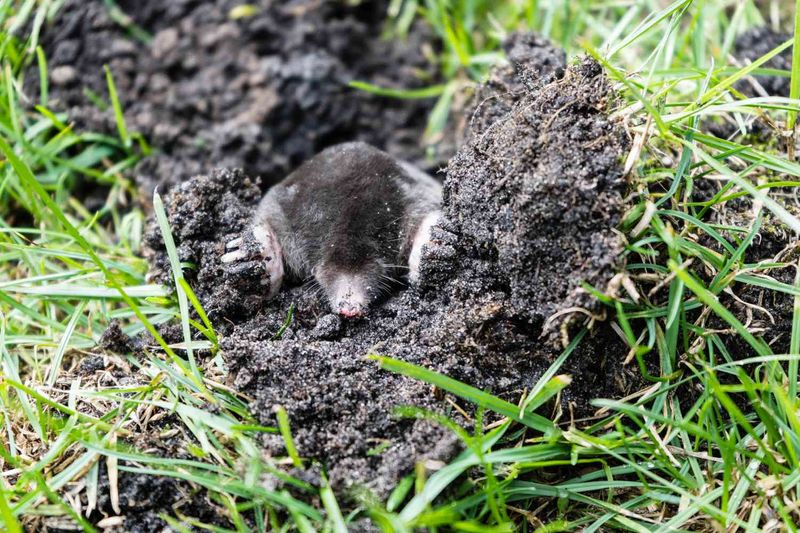
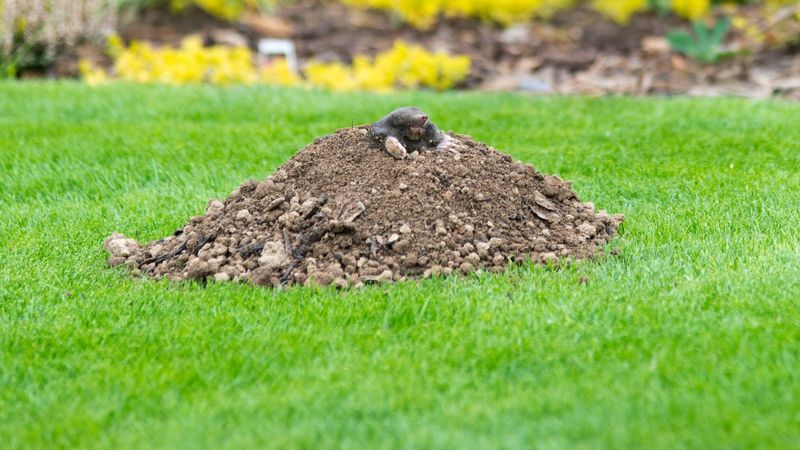
Mole tunnels show up as raised ridges running across your lawn. The soil gets pushed upward as the mole moves through it, creating a long, winding line.
The ground feels soft and spongy when you press on it because there is a hollow space just below.
Gopher damage looks more like a fan-shaped mound of dirt pushed to the side of a hole. Gophers also chew on roots and bulbs, so you might notice plants wilting or disappearing entirely.
Moles rarely bother plant roots directly since they are focused on the worms below.
Another big clue is the shape of the mound. Mole mounds tend to be round and pushed straight up, while gopher mounds are crescent-shaped and off to one side.
Checking these details can save you a lot of time and trouble. Using the wrong removal method for the wrong animal is a common mistake that leaves California gardeners dealing with the same problem all season long.
4. Why Wet Soil Attracts Them
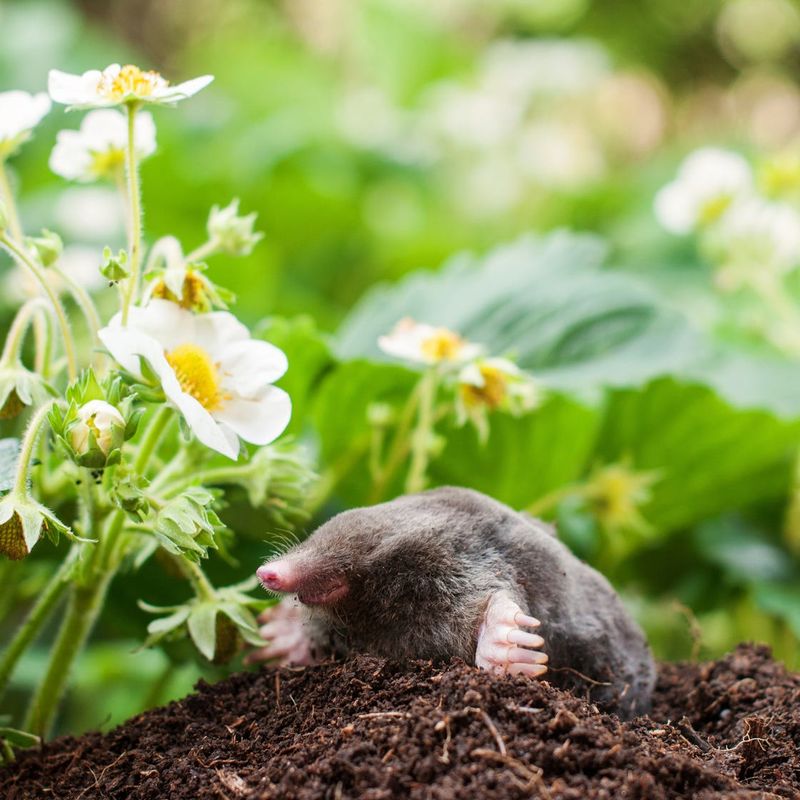
Wet soil is practically an invitation for moles. After California’s winter rains soak into the ground, the earth becomes soft, loose, and easy to move through.
For a mole, that is like a highway opening up right under your feet.
Moles have large, paddle-shaped front feet that are built for digging. They push through moist soil with very little effort.
Dry, hard soil slows them down and makes tunneling much more difficult. So they naturally migrate toward wetter areas.
Irrigation plays a big role too. California gardeners often water their lawns and beds regularly, especially in spring when new plants are getting established.
That consistent moisture keeps the soil soft and full of worms, making it even more attractive to moles looking for a meal.
Overwatering is one of the biggest reasons moles stick around longer than they should. If your yard stays soggy well into late spring, moles have no reason to move on.
Adjusting your watering schedule to let the soil dry out slightly between sessions can make a real difference. It does not mean letting your garden suffer.
It just means being a little more strategic about when and how much water you apply across your California property.
5. The Lawn Damage They Leave Behind
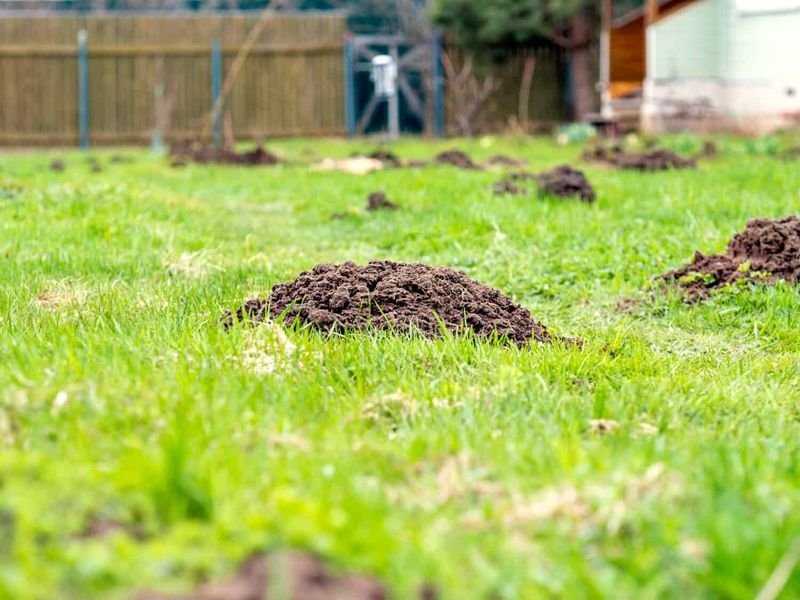
Walking across a mole-damaged lawn feels a little like walking on a sponge. The ground shifts under your feet, and you can feel the hollow tunnels just below the surface.
Over time, that instability can cause real problems for your grass and garden beds.
Grass roots get lifted away from the soil as moles tunnel underneath. When roots lose contact with the ground, the grass above starts to brown and wilt.
You might notice long streaks of yellowing turf following the same path as the tunnel ridges.
In garden beds, the damage can be more subtle but still frustrating. Bulbs and shallow-rooted plants can get dislodged even though moles are not eating them.
The tunnels disturb the surrounding soil enough to dry out roots and throw off drainage patterns.
Mole activity also creates entry points for other pests. Once a tunnel system is in place, mice and voles sometimes move in and use those same pathways.
Those animals actually do eat plant roots and bulbs, which makes the damage much worse. In California, where spring gardens are just getting started, catching mole activity early makes a big difference in how much repair work you end up doing later in the season.
6. What Not To Do With Mole Tunnels
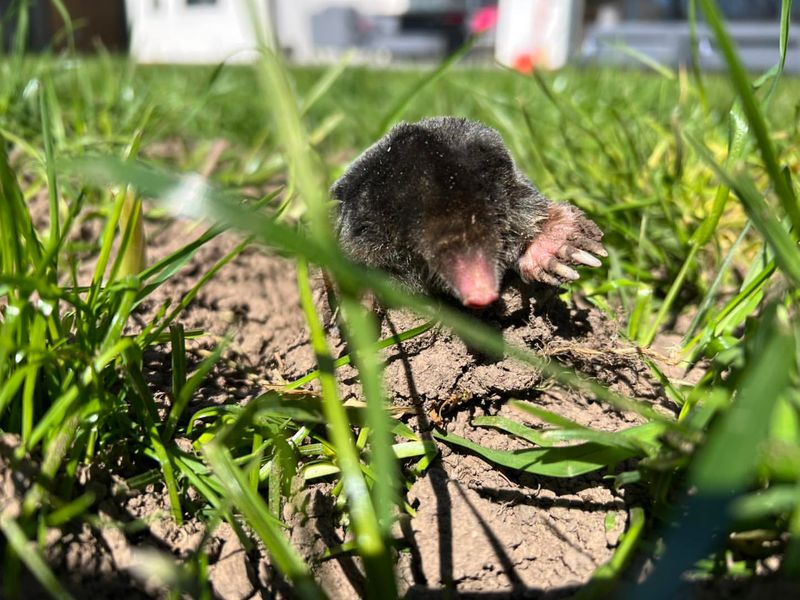
One of the most common reactions when you spot mole tunnels is to stomp them flat and hope the problem goes away. That feels satisfying in the moment, but it usually does not help.
Moles simply rebuild their tunnels, often overnight.
Flooding tunnels with a garden hose is another popular but mostly useless approach. Moles are surprisingly good swimmers and can handle wet conditions.
Flooding may push them temporarily, but they return once the water drains away. It also wastes a lot of water, which matters in California where conservation is always on the radar.
Some people try to use chewing gum or sharp objects inside tunnels, hoping to harm or confuse the moles. These methods are not effective and can sometimes cause unintended harm to other wildlife that shares your yard.
It is better to skip these entirely.
Leaving tunnels open and unrepaired is also a mistake. Open tunnels can fill with water during irrigation, erode over time, and become trip hazards.
They also stay attractive to moles and other burrowing animals. Instead of ignoring or flattening them, use the tunnel locations as clues to understand where moles are most active so you can target those areas with smarter, more effective strategies.
7. Safer Ways To Push Moles Out
Getting rid of moles does not have to mean using harsh chemicals or complicated traps. There are several gentler approaches that work well for California gardeners who want results without a lot of hassle.
Vibrating stakes are one of the most popular options. You push them into the ground and they send steady vibrations through the soil.
Moles find those vibrations annoying and tend to move away from the area. They are inexpensive, reusable, and easy to place around your yard or garden beds.
Castor oil-based repellents are another solid choice. You mix the repellent with water and apply it to your lawn using a garden hose attachment.
The castor oil soaks into the soil and makes the worms and grubs in that area taste bad to moles. They lose interest and look for food somewhere else.
Planting mole-repelling plants like caper spurge, daffodils, or alliums around the borders of your yard can also help. Moles tend to avoid the roots of these plants.
In California, many of these plants grow well and add color to your garden at the same time. Using a combination of methods tends to work better than relying on just one approach alone.
8. How To Make Your Yard Less Inviting
The best long-term solution to moles is making your yard less attractive to them in the first place. It takes a little planning, but the results are worth it.
A yard that does not offer easy food and soft soil is one that moles tend to pass right by.
Start by adjusting your watering habits. Water deeply but less often so the soil has time to firm up between sessions.
That makes tunneling harder and less rewarding for moles searching for food near the surface.
Reducing grub populations is another powerful step. Grubs are one of the top food sources for moles in California.
Applying beneficial nematodes to your soil is a natural way to reduce grub numbers without harming plants, earthworms, or other helpful creatures in your yard.
Adding a layer of gravel or a buried wire mesh barrier around garden beds can also block moles from entering your most valued planting areas. It takes some effort to install, but it provides lasting protection.
Keeping your lawn healthy and not over-fertilizing with products that attract large numbers of insects can also reduce the overall appeal. Small changes to your routine, made consistently across your California property, add up to a yard that moles simply find less worth visiting.