Connecticut Gardeners Swear By These 9 Plants For Keeping Ticks Away
Last summer, I walked through my backyard in Connecticut and came back inside with three ticks on my jeans. Three. That was the moment I stopped treating my garden like just a pretty space and started treating it like a defense system.
Connecticut is one of the most tick-heavy states in the country, and if you spend any time outdoors here, you already know the anxiety of checking yourself after every walk. What I did not expect was how much my garden could actually help.
I started reading about plants that naturally repel ticks, and what I found genuinely surprised me. Some of these plants smell amazing, some are useful in the kitchen, and a few I had never even heard of before.
The best part? You do not need to spray chemicals or hire anyone.
You just need to know what to grow and where to put it. Some of these plants you probably already grow. A few might surprise you.
Either way, the list is worth a look before tick season gets going.
1. Marigold
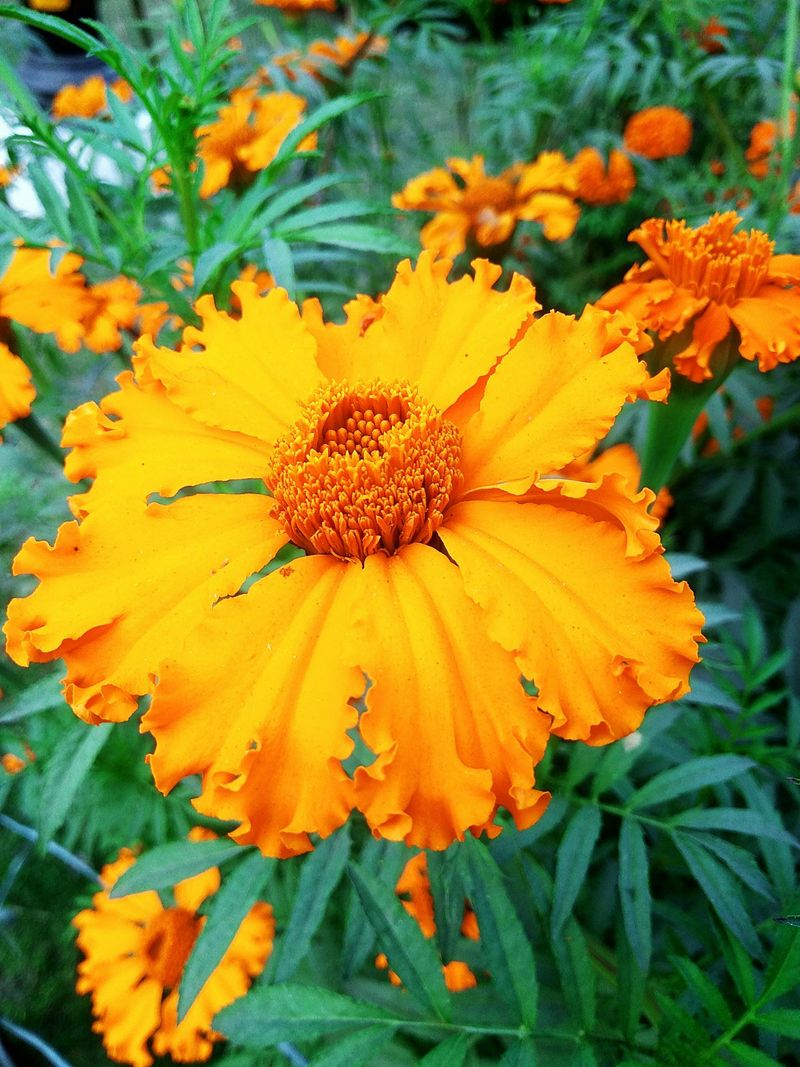
Nobody warns you that the cheeriest flower in your garden might also be its toughest bouncer.
Marigolds have been used for centuries as natural pest deterrents, and ticks are no fans of their strong, distinctive scent.
The chemical compounds in marigold roots and flowers, particularly thiophenes, are known to repel a wide range of insects and pests.
Planting marigolds along the borders of your yard or garden beds creates a fragrant barrier that ticks tend to avoid.
In Connecticut, where tick pressure is high from spring through fall, having marigolds in bloom during those months gives you a seasonal advantage.
They thrive in full sun and well-drained soil, and they are forgiving even for beginners.
One of the smartest moves is planting them near entry points, like along a fence line, a garden gate, or the edge of a patio.
The scent is pleasant to most people but overwhelming to ticks.
Marigolds also attract pollinators like bees and butterflies, so you get pest control and a pollinator garden all in one. Having pets in the garden is not a reason to scrap the plan.
None of this means you should skip these plants entirely. It just means placement matters.
Tuck them in spots your pets tend to ignore, and if you have a dog or cat that grazes enthusiastically on anything green, a quick conversation with your vet before planting is a smart move.
They are inexpensive, easy to find at any garden center, and grow quickly from seed.
For Connecticut gardeners looking for a low-effort, high-reward plant, marigolds are a solid first step.
2. Sage

Sage smells like Thanksgiving stuffing and apparently ticks want nothing to do with either.The strong aromatic oils in sage, particularly thujone and camphor, create a scent that most biting insects find deeply unpleasant.
Growing sage in your yard does double duty: you get fresh herbs for cooking and a natural tick deterrent working quietly in the background.
Your Connecticut Garden Changes Every Week. Your Plan Should Too.
Gardening in Connecticut changes quickly throughout the season. Every Friday you’ll receive a simple weekly plan showing exactly what to plant, prune, fertilize, harvest, and protect so you never miss the right timing.
Connecticut summers are warm enough to let sage thrive outdoors, and it handles the cooler springs and falls reasonably well too.Plant it in a sunny spot with good drainage and it will come back reliably year after year as a perennial.
It does not need much fussing, which makes it a favorite for gardeners who want results without constant maintenance.
Rubbing sage leaves between your fingers releases even more of those repellent oils.Some gardeners crush a few leaves and rub them on exposed skin before heading out into the yard, though it is always smart to patch-test first.
Burning dried sage bundles near an outdoor seating area is another trick people in Connecticut swear by during summer evenings.
Beyond ticks, sage also discourages mosquitoes and cabbage moths.
For an herb that earns its garden space three times over, sage deserves a prominent spot in your yard.
3. Thyme

Thyme is the underdog of the herb world, and it has been quietly outperforming expectations for years.Beyond its use in soups and roasted vegetables, thyme contains thymol, a natural compound that has been studied for its ability to repel ticks and other insects.
It is one of the more scientifically backed options on this list, which makes it especially worth growing.
Creeping thyme is a particularly smart choice for Connecticut gardeners because it spreads low across the ground, covering areas where ticks tend to lurk.Planting it between stepping stones or along garden edges means you are putting tick-repelling ground cover exactly where foot traffic happens most.
It handles light foot traffic well and releases its scent when stepped on, which is honestly a bonus.
Thyme grows well in Connecticut’s climate, preferring full sun and soil that does not hold too much moisture.It is drought-tolerant once established and comes back each spring without much help from you.
Both upright and creeping varieties work well depending on where you need coverage.
For anyone who has ever pulled a tick off their ankle after walking across the lawn, replacing some of that grass with creeping thyme sounds like a genuinely satisfying solution.
Connecticut gardeners are increasingly using it as a functional and attractive ground cover with real benefits.
4. Rosemary
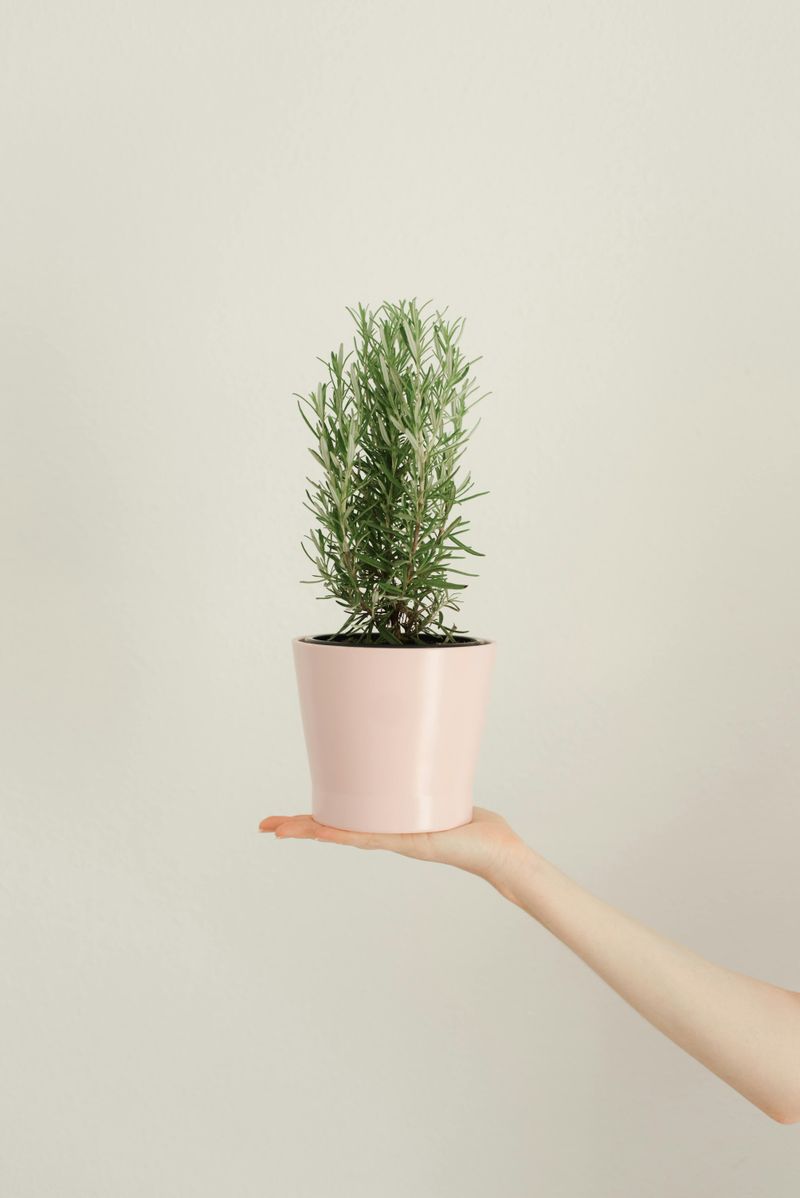
Image Credit: © Alina Skazka / Pexels
I didn’t plan to fall for rosemary. It was already growing in a forgotten corner of my first garden, half-buried under weeds, looking more like a shrub someone abandoned than a herb anyone would cook with.
I pulled it out by accident, and the smell hit me immediately. Sharp.
Piney. Warm.
That was the moment I understood what this plant actually is.
That scent is doing more than smelling good. Rosemary contains 1,8-cineole, a natural compound that research has linked to insect-repellent properties.
It is the same reason ticks and mosquitoes tend to avoid areas where rosemary is growing. The scent is strong enough to be noticeable to people but persistent enough to make a difference at the edges of your yard.
Rosemary thrives in poor soil, handles long dry spells with ease, and asks for very little in return. It is native to Mediterranean coastlines, so hot summers feel familiar to it.
Give it full sun and decent drainage, and it tends to take care of itself. Dense, upright varieties work well as low hedging along borders and entry points where you most want that repellent effect working.
Prostrate forms spill over walls or raised beds with quiet elegance.
Overwatering is the main mistake most people make. Soggy roots cause more problems than drought ever will.
Let the soil dry out between waterings and the plant rewards you with steady, fragrant growth through most of the year.
5. Calendula
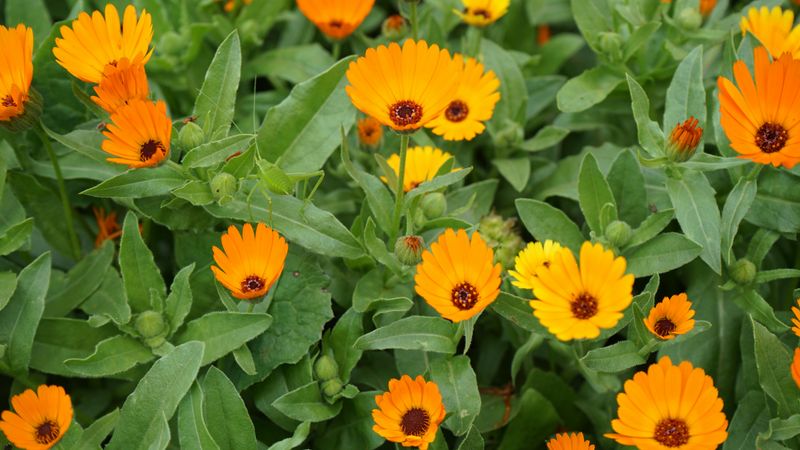
The first time I grew calendula, I thought I had done something wrong. The flowers were almost too bright, that specific shade of orange that looks painted rather than grown.
I kept checking them, half expecting them to be fake. They weren’t.
They were just that good.
Calendula is not the most powerful tick deterrent on this list, and it is worth being honest about that. Its repellent properties are not as well documented as thyme or catnip.
What researchers have noted is that the strong resinous scent of the flowers and foliage appears to confuse or deter certain insects, and some gardeners report fewer pests around beds where calendula grows heavily. It works best as part of a broader planting strategy rather than a standalone solution.
What it does reliably is attract beneficial insects that prey on garden pests, which creates a more balanced outdoor environment over time. The petals are edible, slightly peppery, and work well scattered over salads.
Medicinally, calendula has a long history in skin salves and wound care, valued for its anti-inflammatory properties. I keep a small pot of calendula-infused oil in my bathroom, made from last summer’s harvest.
It took about ten minutes to prepare and cost nothing.
It is one of the easiest flowers to start from seed and blooms fast. Direct sow after the last frost and flowers appear within weeks.
The more you deadhead, the more it produces.
For Connecticut gardeners building a layered, plant-based approach to tick management, calendula earns its place as a supporting player.
6. Catnip

Before you write this one off as something only for your cat, hear me out.A study from Iowa State University found that nepetalactone, the active compound in catnip, is actually more effective at repelling mosquitoes and ticks than DEET in some lab settings.
That is not a small claim, and it is one of the reasons Connecticut gardeners have started taking catnip more seriously as a garden plant.
Catnip is easy to grow, spreads readily, and comes back each year as a perennial.It prefers full sun to partial shade and does well in Connecticut’s climate across most of the growing season.
Planting it near outdoor seating areas or along the edges of your yard where ticks tend to travel gives you the most benefit.
Yes, neighborhood cats will be very enthusiastic about your garden.That is a real consideration.
If you want to keep the plant intact, try growing it inside a small wire cage or in a raised bed where cats cannot flatten it.
You can also dry catnip leaves and use them in small sachets placed around outdoor furniture or near doorways.The scent fades over time, so refreshing them every few weeks keeps the repellent effect going.
For Connecticut homeowners who want a science-backed, plant-based option, catnip is genuinely worth trying.
7. Mint
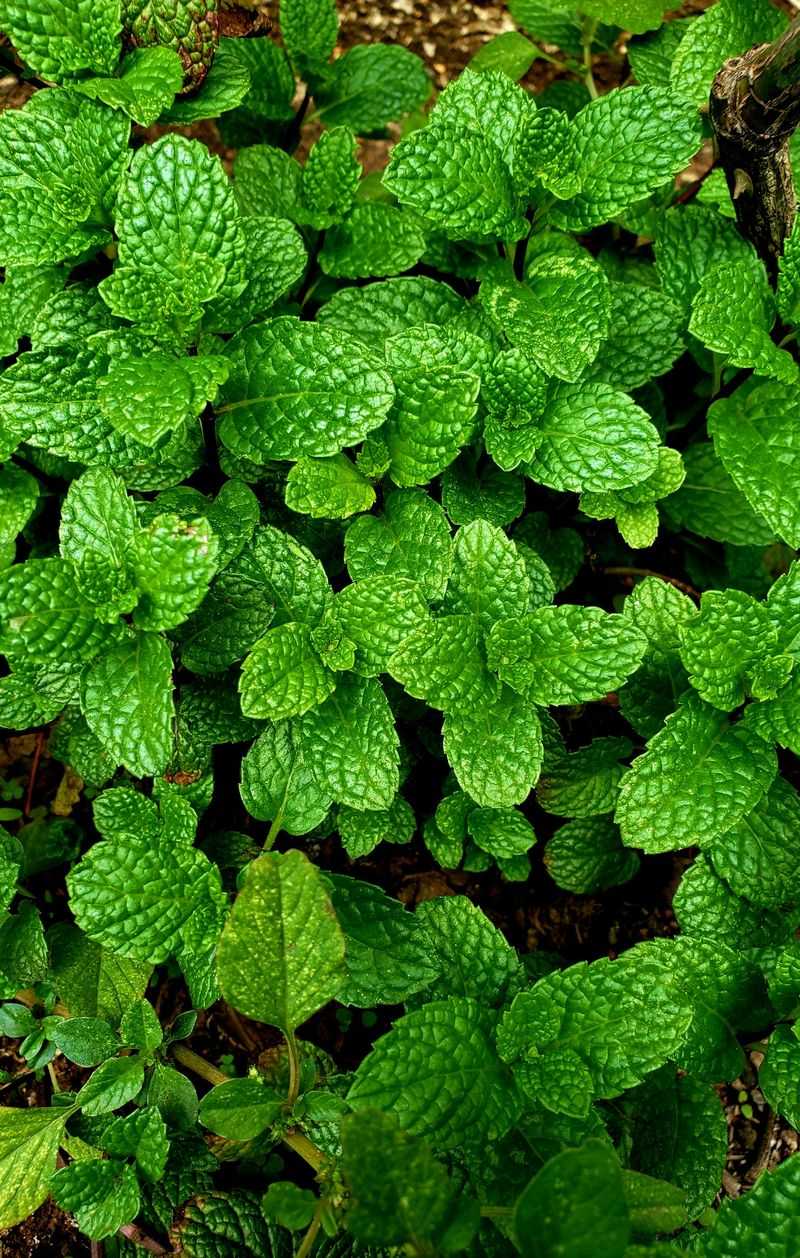
Mint is one of those plants that you either contain or it contains you.It spreads aggressively, which is both its biggest flaw and, in this case, part of what makes it useful.
The strong menthol scent that mint produces is deeply off-putting to ticks, mosquitoes, and quite a few other insects that would rather find somewhere less overwhelming to hang out.
Connecticut gardeners who grow mint in containers along the edge of a patio or porch create a fragrant barrier that works passively every time the wind moves through the leaves.You can also crush a few fresh leaves and rub them on your skin or clothing before spending time outdoors, which gives you more direct protection.
The scent is strong enough to make a real difference without being unpleasant to people.
Spearmint and peppermint are the most commonly grown varieties, and both work well as tick deterrents.Peppermint tends to have a stronger scent, which may give it a slight edge for pest-repelling purposes.
Either way, keeping them in containers is the smartest approach so they do not take over your entire garden bed.
Connecticut summers give mint plenty of warmth and moisture to grow vigorously.Harvest it regularly to keep it from flowering too early, and you will have fresh leaves available all season long.
Few plants are this useful and this easy to maintain.
8. Basil

Basil might be your favorite pizza topping, but ticks are not interested in it at all, and that is exactly the point.The essential oils in basil, including linalool and eugenol, produce a scent that repels ticks, mosquitoes, and aphids.
Growing basil near outdoor seating or in garden beds alongside other plants gives you pest-repelling coverage without any extra work.
Connecticut summers are warm enough for basil to thrive, though it does need protection from cold snaps in spring and fall.Plant it in a spot with full sun and water it consistently, and it will grow quickly and bushy throughout the season.
The more you harvest it, the more it produces, which means you always have fresh leaves for cooking and for the garden’s benefit.
Lemon basil and cinnamon basil varieties tend to have even stronger scents than sweet basil, which may make them slightly more effective as tick deterrents.Mixing varieties in your garden beds adds visual interest and layers the aromatic effect.
Planting basil near tomatoes is also a classic companion planting strategy that benefits both plants.
For Connecticut gardeners who already grow vegetables, adding basil to the mix is a natural step.It is productive, aromatic, and genuinely useful for keeping unwanted visitors at a distance.
Few garden plants pull that much weight in such a small footprint.
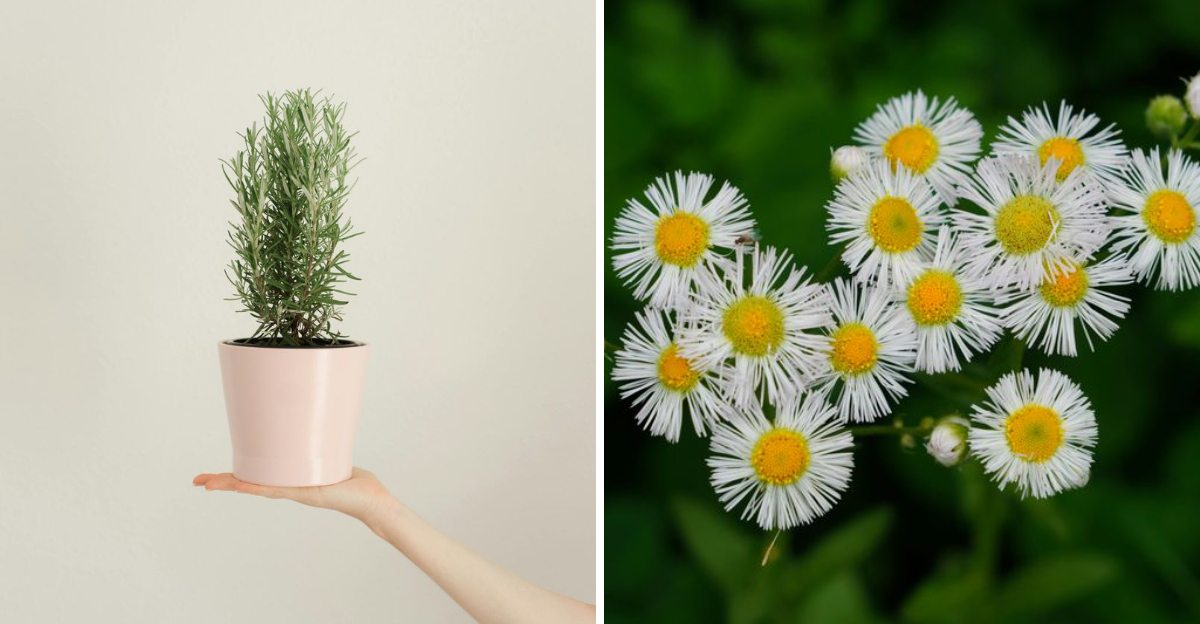
9. Fleabane
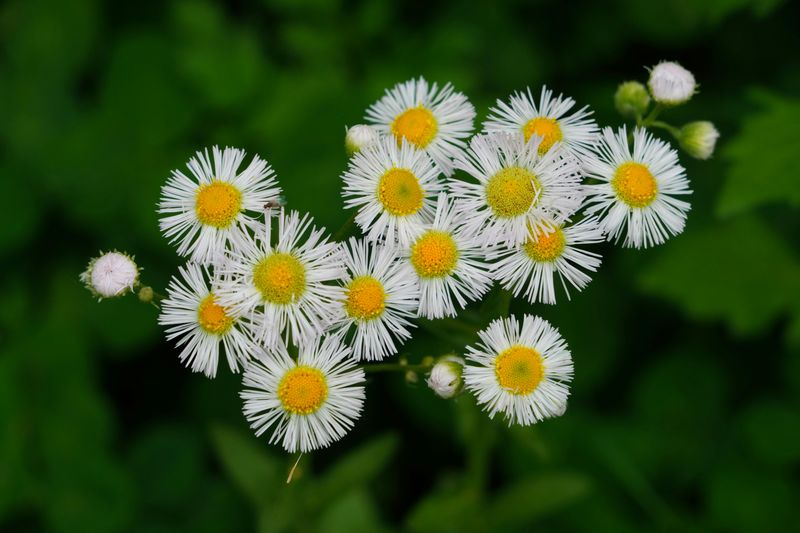
Image Credit: © 대정 김 / Pexels
Some plants need a marketing team. Fleabane is not one of them.
The name is the pitch. It was grown for centuries specifically to drive out fleas, and the same qualities that made it useful then are what put it on this list today.
This native wildflower produces compounds that many biting insects find irritating, making it a reasonable addition to any Connecticut yard focused on natural pest management.
What makes fleabane appealing is that it is native to Connecticut, meaning it is already adapted to local climate and soil conditions. It requires little attention once established, which is a genuine advantage.
The caveat is that Erigeron annuus self-seeds prolifically. In a managed garden bed it can become weedy fairly quickly, so it works better along naturalized edges, meadow patches, or wilder corners of the yard rather than tidy borders.
Give it space to do its thing and it earns its place.
Try to control it in a formal bed and it may frustrate you.
Fleabane blooms from late spring through summer, producing cheerful daisy-like flowers that attract pollinators including native bees and butterflies.
So while it is working to deter insects, it is also supporting the local ecosystem in a meaningful way.
Look for Erigeron annuus or Erigeron philadelphicus at native plant nurseries in Connecticut.
They are not always easy to find at big box stores, but local nurseries that specialize in native plants usually carry them.