These Are The Best Fruit Trees Pennsylvania Gardeners Can Grow In Pots
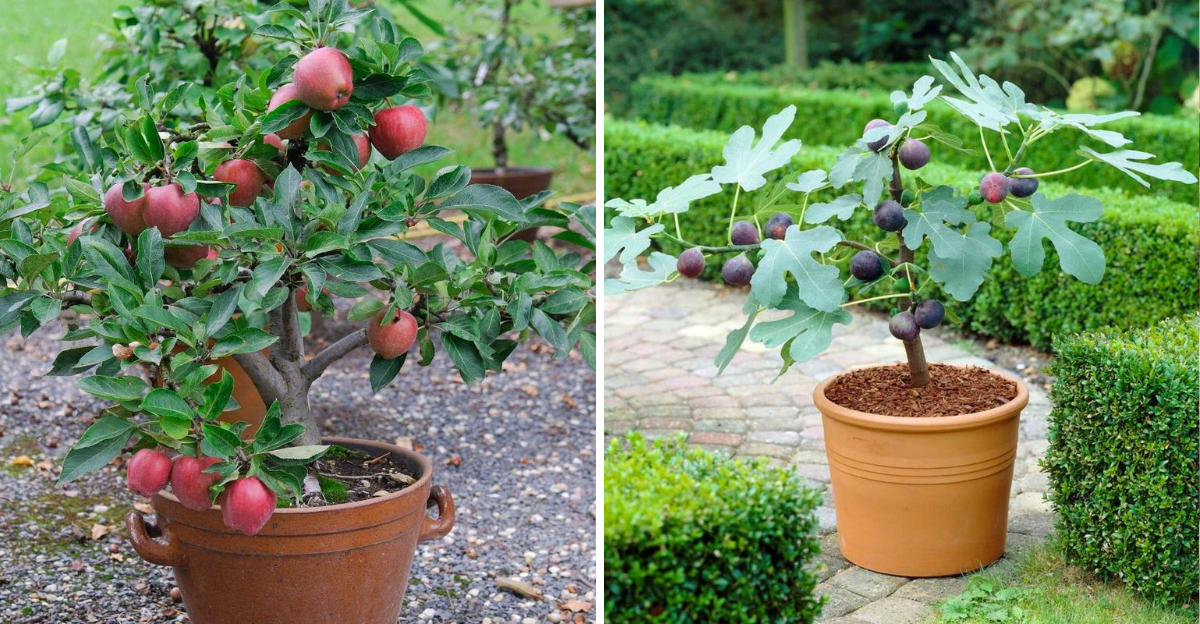
Fruit trees have a way of making a space feel instantly more charming. Put one in a pot on a sunny Pennsylvania patio and suddenly the whole setup starts looking a little more ambitious, in the best possible way.
There is something especially satisfying about stepping outside and seeing blossoms, fresh leaves, and the promise of homegrown fruit all in one container. Not bad for a plant that fits next to a chair.
A lot of Pennsylvania gardeners assume fruit trees belong in full orchards with rows, ladders, and a whole lot more land than most people actually have. Thankfully, that is not the only option.
With the right variety and a large enough pot, several fruit trees can do surprisingly well in small outdoor spaces.
Some even bring enough spring beauty to earn their keep before the fruit shows up, which feels like a pretty good deal.
1. Dwarf Apple Brings Familiar Fruit To Patio Spaces
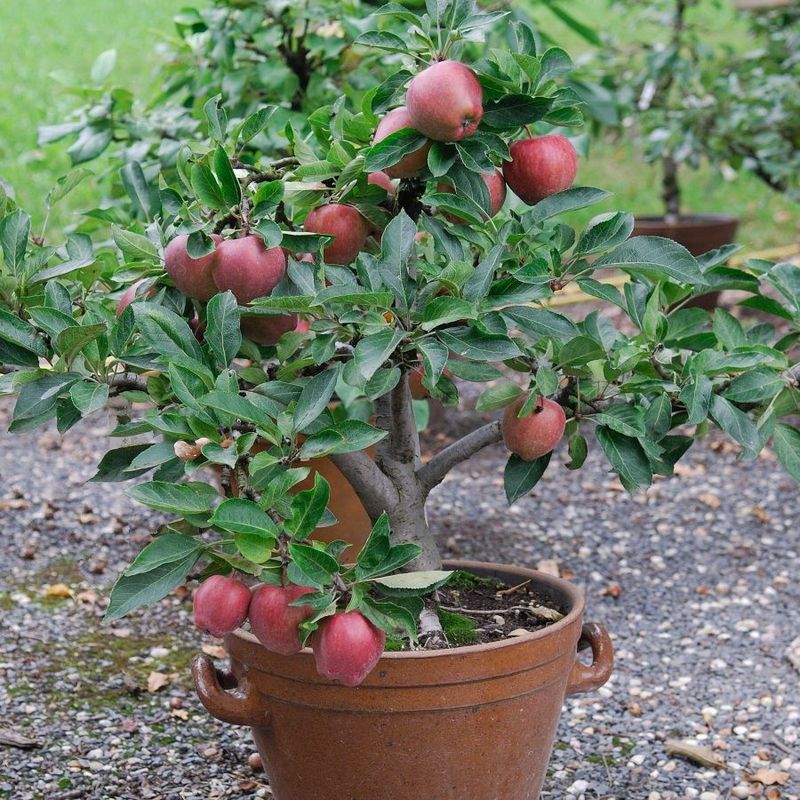
Few things feel as satisfying as picking a fresh apple from a tree growing right outside your back door. Dwarf apple trees are one of the most popular container fruit trees for Pennsylvania gardeners, and it is easy to understand why.
They bring classic appeal, familiar seasonal rhythms, and the genuine reward of homegrown fruit to even the smallest outdoor spaces.
For container growing, look for varieties grafted onto dwarfing rootstocks, which keep the tree compact and manageable. A pot with a minimum capacity of 15 to 20 gallons gives the roots enough room to develop properly.
Full sun is essential, so a south-facing patio or deck in Pennsylvania tends to work well for consistent fruiting.
One important detail that catches some gardeners off guard is pollination. Most apple varieties need a second compatible variety nearby to produce fruit reliably.
Planting two dwarf apple trees in separate pots placed close together on the same patio can solve this neatly and even adds visual interest to the space.
Watering consistently during the growing season is critical because container soil dries out faster than garden beds. Feeding with a balanced fertilizer through spring and summer helps support healthy growth and fruit development.
During Pennsylvania winters, moving potted dwarf apple trees into an unheated garage or sheltered area protects the roots from freezing temperatures that container soil cannot buffer as well as ground soil can.
2. Dwarf Peach Adds Soft Blossoms And Summer Fruit
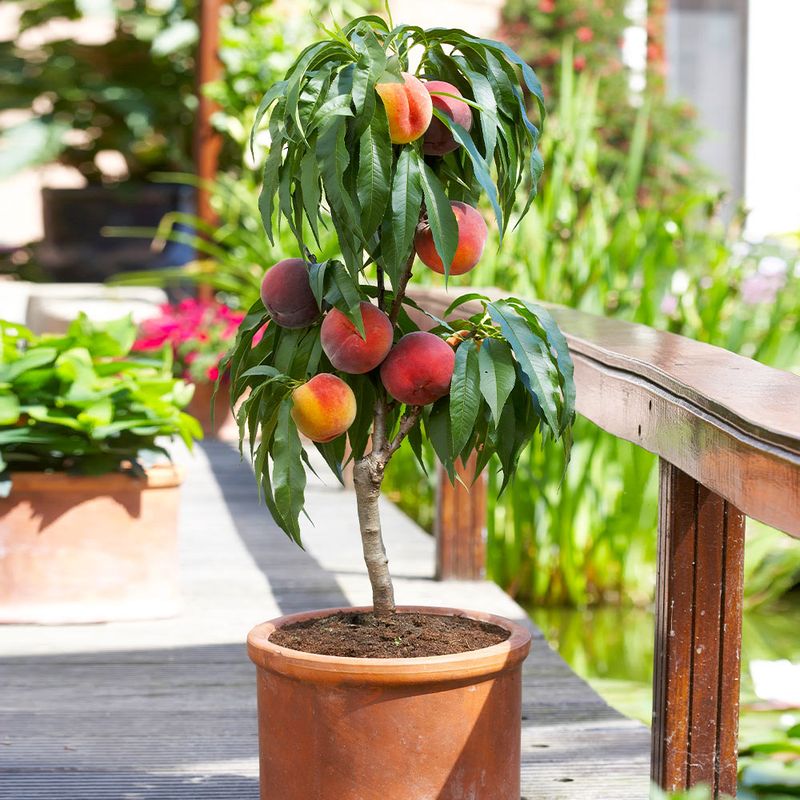
Watching a dwarf peach tree burst into soft pink blossoms on a Pennsylvania deck in early spring is one of those small garden moments that feels genuinely special.
The flowers arrive before the leaves, giving the tree a delicate, almost ornamental quality that makes it a standout container plant even before a single peach appears.
Peaches are naturally well-suited to Pennsylvania’s climate, and dwarf selections bred for container growing carry that same regional compatibility into a pot.
They tend to be self-fertile, which is a real convenience for gardeners who only have space for one tree.
A container of at least 15 gallons with excellent drainage helps the tree stay healthy through the growing season.
Your Pennsylvania Garden Changes Every Week. Your Plan Should Too.
Gardening in Pennsylvania changes quickly throughout the season. Every Friday you’ll receive a simple weekly plan showing exactly what to plant, prune, fertilize, harvest, and protect so you never miss the right timing.
Summer fruit production is genuinely achievable in a pot, though container-grown peach trees typically produce smaller crops than those planted in the ground.
Thinning some of the developing fruit early in the season encourages the remaining peaches to grow larger and sweeter.
Regular watering and consistent feeding with a balanced fertilizer through spring and summer support the tree well.
Pennsylvania winters require some planning. Moving the potted peach into an unheated but protected space, such as a garage or shed, over winter helps the roots avoid damage from deep freezes.
Gardeners in colder regions of Pennsylvania, like the northern counties, may need to be especially attentive to winter protection compared to those in the warmer southeastern parts of the state.
3. Dwarf Sour Cherry Brings Spring Color And Tart Fruit
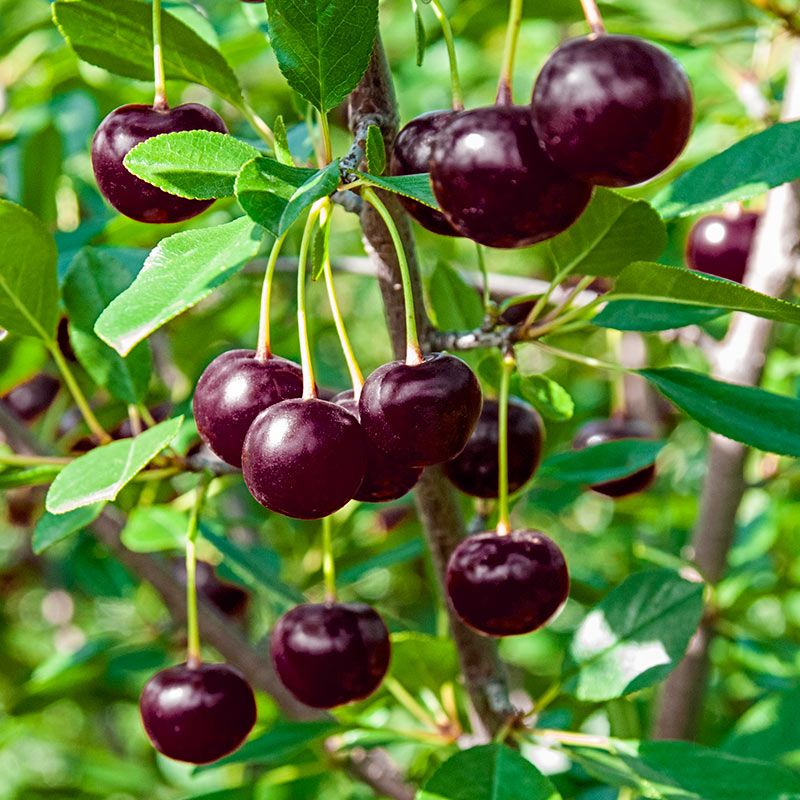
Sour cherries have a long, respected history in home gardens, and the dwarf varieties grown in containers carry on that tradition with impressive results for Pennsylvania gardeners who pay close attention to their trees.
The spring flower show alone makes this tree worth growing, with clusters of white blossoms covering the branches before the leaves fully open.
Unlike sweet cherries, sour cherry varieties are generally self-fertile, meaning one tree can produce fruit without a pollination partner nearby. This makes them a practical choice for gardeners with limited patio space.
Varieties like Montmorency are well-known for container adaptability and consistent production when given the right conditions.
A large container, at least 15 gallons and ideally larger, gives the root system room to support both the tree and its fruit load.
Sour cherries prefer full sun and consistent moisture, and Pennsylvania summers can be warm enough to stress a containerized tree if watering is inconsistent.
Mulching the top of the pot helps retain moisture and keeps root temperatures more stable.
The tart fruit ripens in early to midsummer and is excellent for pies, jams, and preserves. Birds are enthusiastic fans of ripe cherries, so netting the tree as fruit develops is a practical step many Pennsylvania gardeners take.
Over winter, moving the container to a sheltered, unheated space protects the roots and helps the tree return strong in spring with another beautiful flush of blossoms.
4. Fig Brings Bold Growth And Sweet Harvests
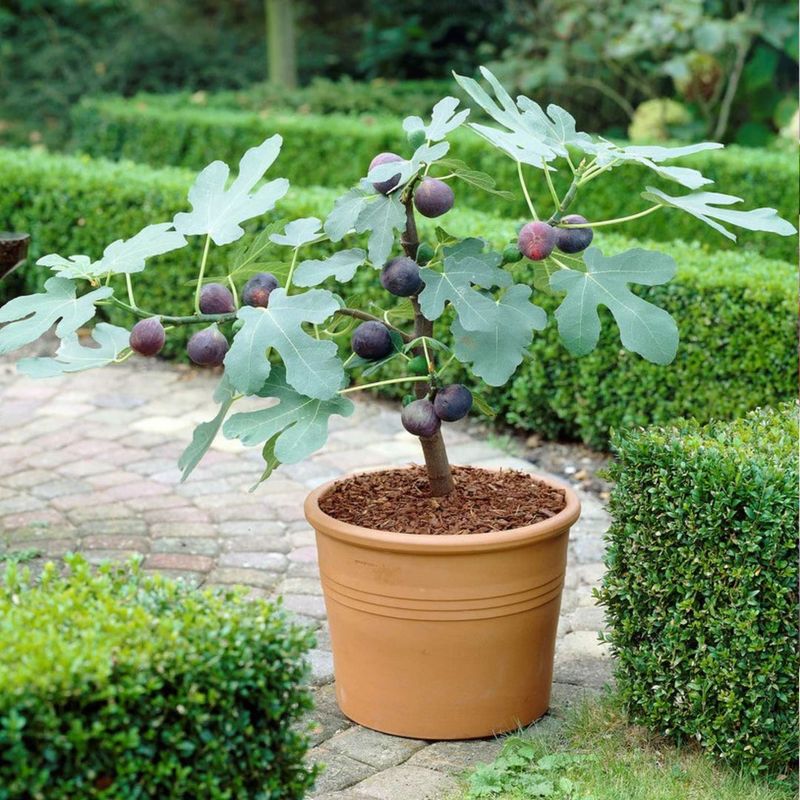
Bold, tropical-looking leaves and genuinely sweet fruit make the fig one of the most visually striking trees you can grow in a pot on a Pennsylvania patio.
Fig trees have been grown in containers in colder climates for centuries, and Pennsylvania gardeners have a long tradition of wintering figs in garages, basements, and sheds to protect them from the cold each year.
Common fig varieties, including Brown Turkey and Chicago Hardy, are popular choices for container growing in Pennsylvania because they are relatively cold-tolerant compared to other fig types and tend to produce fruit reliably on new growth.
They are self-fertile, so a single tree can produce a full crop without a pollination partner.
Figs grow vigorously in containers and benefit from a large pot, at least 15 to 20 gallons, to support their root systems and lush canopy.
They prefer full sun and warm conditions, making a south-facing wall or sunny corner of a Pennsylvania patio an ideal placement during the growing season.
Consistent watering is important because figs in containers can dry out quickly during summer heat.
When Pennsylvania temperatures drop in autumn, fig trees in pots need to be moved indoors before a hard freeze. An unheated garage or basement where temperatures stay above freezing is a common and effective solution.
The tree will drop its leaves and go dormant, requiring minimal care through winter before waking up again in spring with fresh growth and the promise of another sweet harvest.
5. Dwarf Pear Adds Gentle Beauty And Backyard Fruit
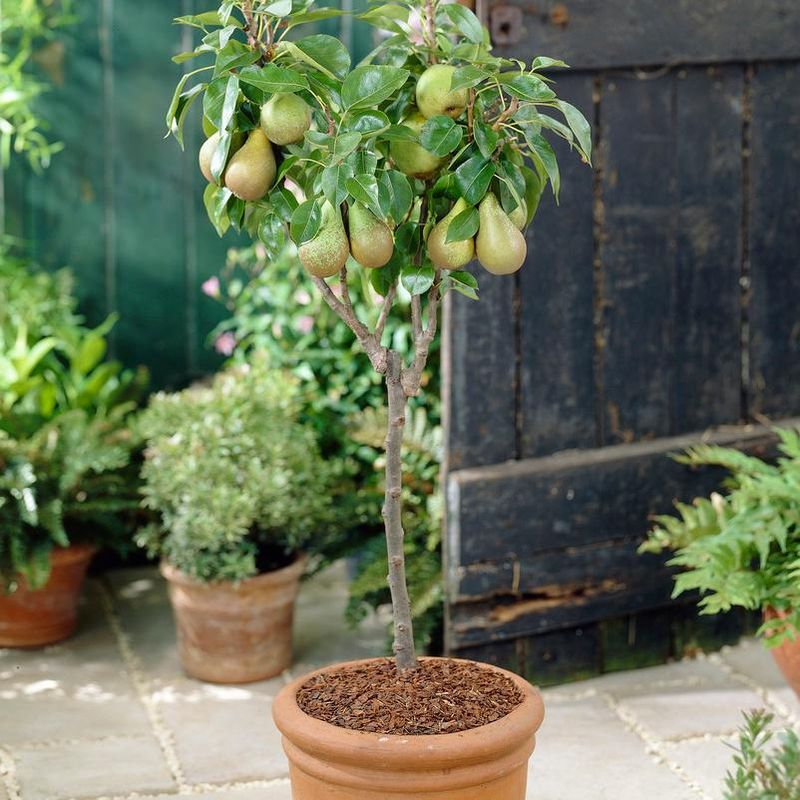
There is something quietly elegant about a pear tree in bloom, and dwarf pear varieties bring that same graceful quality to Pennsylvania patios and decks in container form.
The white spring flowers are delicate and attractive, and the glossy foliage holds up well through summer, giving the tree an ornamental quality even when fruit is not yet present.
Dwarf pears grown in containers tend to do best when two compatible varieties are planted nearby, as most pear varieties benefit from cross-pollination to produce fruit consistently.
Placing two potted dwarf pear trees on the same patio or deck is a simple way to meet this need while also creating an appealing seasonal display through spring blossoms and summer fruit development.
A container of at least 15 gallons with well-draining potting mix supports healthy root development.
Pear trees prefer full sun and steady moisture, and regular fertilizing through the growing season helps sustain both foliage quality and fruit production.
Container-grown pears tend to produce modest crops, but the fruit quality can be excellent when the tree is well cared for.
Pennsylvania winters require thoughtful planning for potted pear trees. Moving the container to an unheated but protected space, like a garage or shed, over winter helps insulate the roots from freezing.
Gardeners in the colder northern parts of Pennsylvania may find that winter protection is especially important for keeping their potted pear trees healthy and productive season after season.
6. Dwarf Plum Brings Rich Color And Seasonal Interest
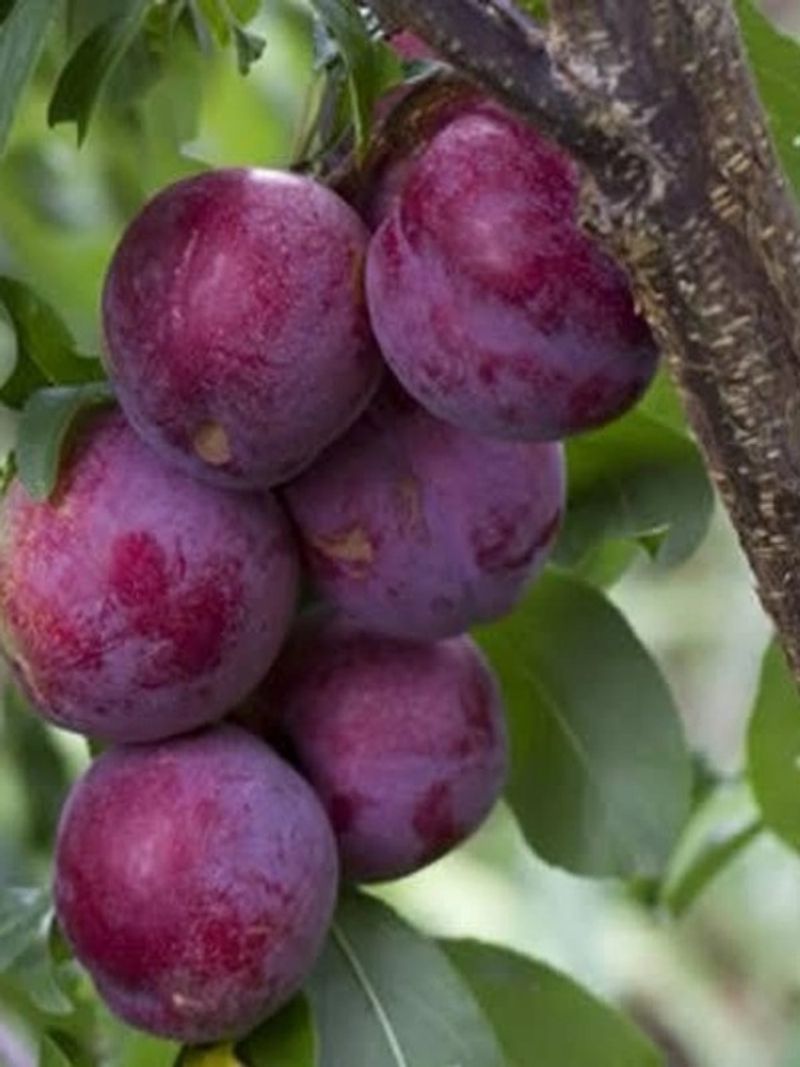
Rich purple fruit hanging against deep green foliage is one of summer’s most satisfying garden sights, and a dwarf plum tree growing in a container on a Pennsylvania patio can deliver exactly that kind of visual reward.
Plums are also among the earlier-fruiting stone fruits in the season, making them a welcome addition for gardeners eager for a summer harvest.
Several dwarf plum varieties are well-suited to container growing, and some are self-fertile, which removes the need for a second tree nearby.
However, checking the specific variety before purchasing is worthwhile, as some plum types do produce more fruit with a compatible pollinator close by.
Compact selections grafted onto dwarfing rootstocks are the most practical choice for long-term container growing in Pennsylvania.
A large container, at least 15 gallons and ideally 20 or more, gives the tree’s roots room to spread and supports a healthy fruit load.
Plums prefer full sun and regular watering, and container soil should be checked frequently during warm Pennsylvania summers because it can dry out quickly.
A layer of mulch on top of the pot helps slow moisture loss.
Pruning is an important part of keeping a container plum tree manageable and productive. Removing crossing branches and thinning the canopy lightly each year helps maintain good airflow and encourages strong fruit production.
Over winter, moving the potted plum into a sheltered, unheated space protects the roots and sets the tree up for a healthy return of blossoms and fruit the following spring.
7. Meyer Lemon Adds Fragrance And Sunny Color
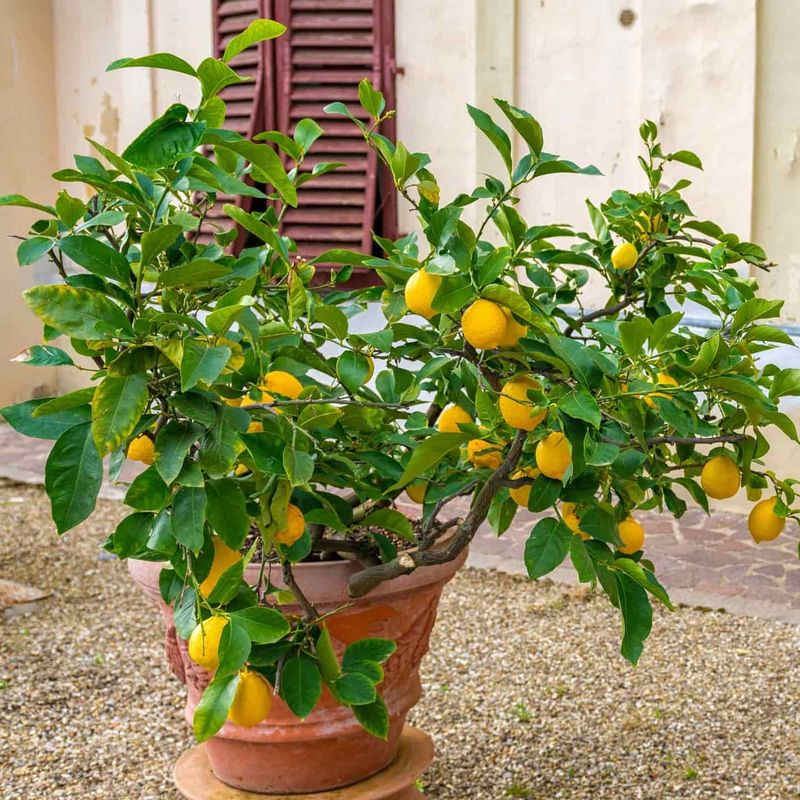
Walking past a Meyer lemon tree in full fruit on a sunny Pennsylvania patio is a sensory experience unlike any other container plant.
The glossy dark green leaves, the bright yellow fruit, and the sweet citrus fragrance that drifts through the air on a warm summer afternoon all combine to make this tree feel like a genuine luxury in a backyard setting.
Meyer lemons are a cross between a regular lemon and a mandarin orange, giving the fruit a sweeter, less acidic flavor than a typical grocery store lemon.
They are one of the most popular citrus trees for container growing in colder climates, largely because they adapt well to pot life and can be moved indoors during cold weather with less stress than many other citrus varieties.
In Pennsylvania, Meyer lemon trees spend the warmer months outdoors in a sunny, sheltered spot and need to come indoors well before the first frost.
A sunny south-facing window or a bright indoor growing space with supplemental lighting works well for overwintering.
Keeping the tree in consistent conditions during the indoor season helps prevent leaf drop and keeps the plant healthy through Pennsylvania’s cold months.
Container size matters for Meyer lemons. A pot of at least 10 to 15 gallons gives the roots room to support the tree’s growth and fruit production.
Regular watering and careful attention to indoor humidity during winter can help support a healthy tree in Pennsylvania.
Consistent feeding with a citrus-specific fertilizer through the growing season can also encourage fragrant blossoms and bright fruit over time.