How Georgia Gardeners Grow Morning Glory In Containers Successfully
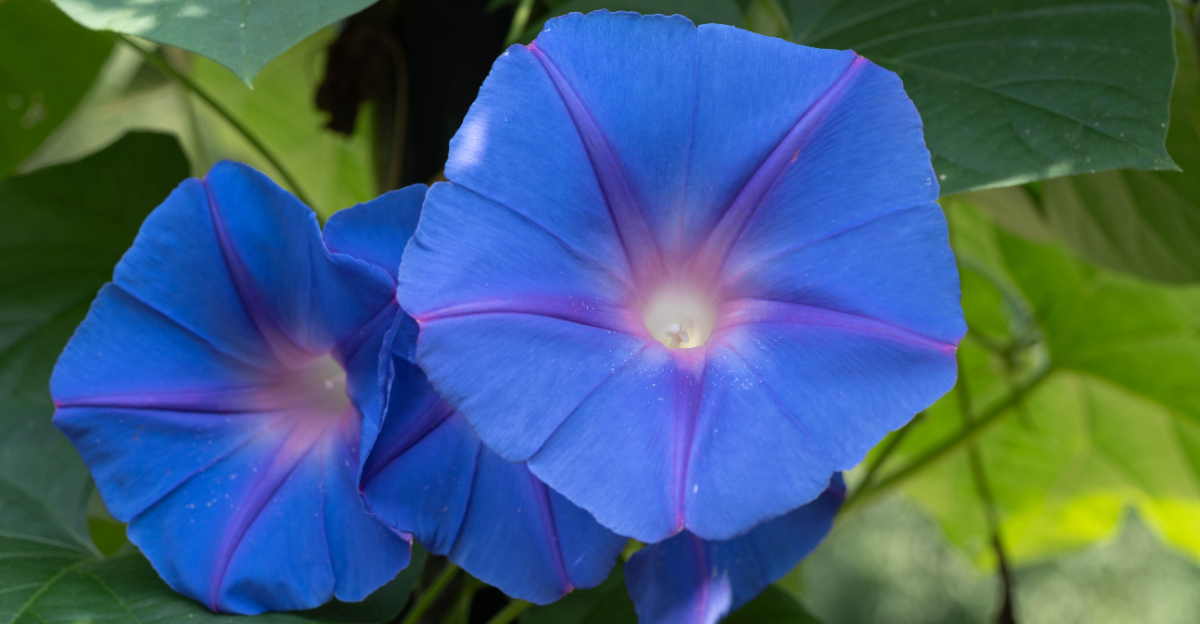
Georgia porches, patios, and balconies start looking a lot more interesting once morning glory begins climbing through containers in late spring.
Fast growing vines, bright blooms, and overflowing pots can completely change the feel of a small outdoor space within weeks.
Container growing comes with a few challenges though, especially once heat, humidity, and rapid growth all start happening at the same time. Morning glory can quickly become tangled, crowded, or weak looking without the right setup early on.
Gardeners who keep container grown morning glory looking full and healthy through the season usually pay attention to a few specific details that make a much bigger difference than expected.
1. Large Containers Give Vines More Room To Climb
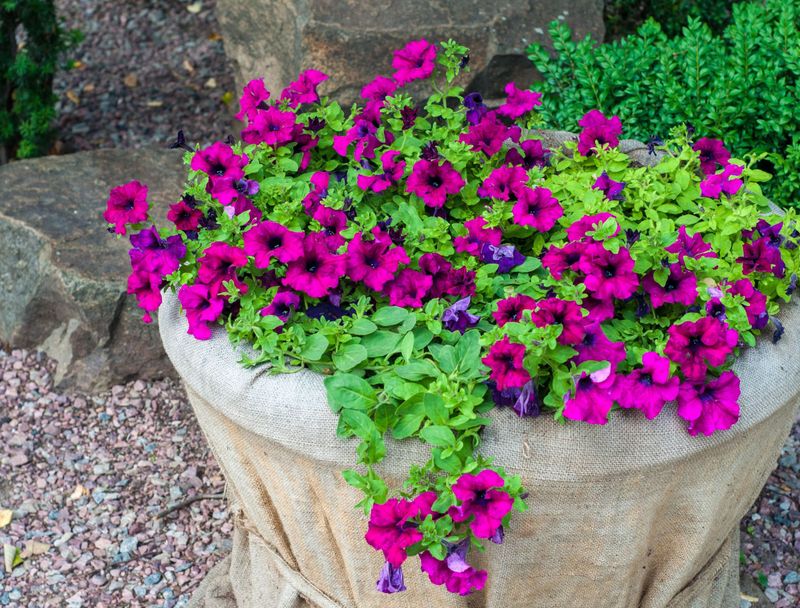
Size matters more than most people expect when growing morning glory in a pot. A small container might seem fine at first, but once the roots run out of room, growth slows down fast.
Morning glory roots spread wide and deep, so going bigger from the start saves a lot of frustration later in the Georgia summer.
A container that holds at least 12 to 14 inches in depth gives the roots space to stretch without hitting the bottom too soon.
Wider pots also hold more soil volume, which helps maintain moisture during Georgia’s hot and often dry stretches between July and September.
Shallow or cramped pots tend to stress the plant quickly when temperatures climb past 90 degrees.
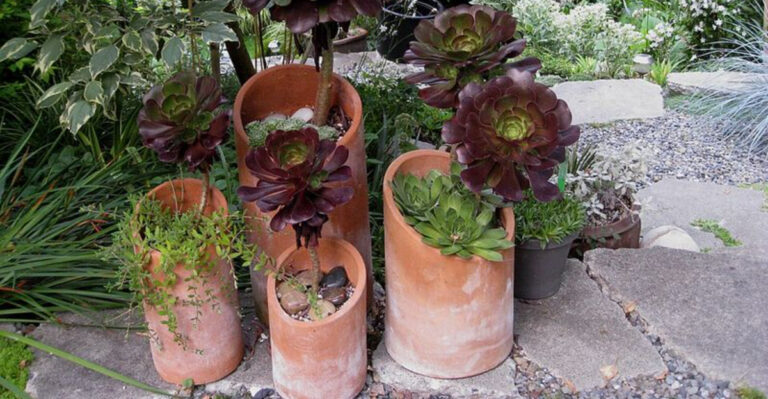
Gardeners across Georgia have had good results with half-barrel planters, large fabric grow bags, and heavy-duty plastic tubs. Fabric bags in particular allow air pruning of roots, which encourages a healthier, more branching root system.
A pot with good drainage holes at the bottom is absolutely non-negotiable.
Clay or terracotta pots look beautiful but dry out faster than plastic or fabric, so watering frequency needs to increase during peak summer heat.
2. Morning Sun Often Leads To Better Flowering
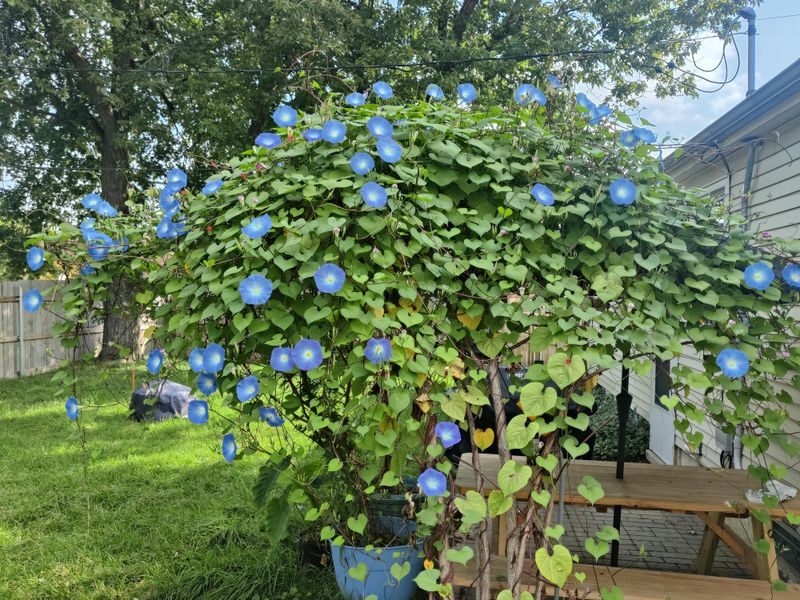
Morning glory earned its name for a reason. These flowers open wide in the early hours and begin to close as afternoon heat rolls in, which means the light they receive in those first few hours of the day has a huge impact on how well they bloom.
In Georgia, where summer mornings are warm but manageable, a spot that gets four to six hours of direct morning sun is often the sweet spot.
East-facing walls, porches, and fences are ideal placement spots across much of Georgia. When containers sit in a location that gets only afternoon sun, flowering tends to drop off noticeably.
Afternoon light in Georgia during July and August is intense and comes paired with high humidity, which stresses the plant more than it benefits from the extra light exposure.
Gardeners in Atlanta, Savannah, and other parts of Georgia have noticed that vines grown in morning sun spots produce more blooms per stem compared to those kept in shadier or afternoon-only light conditions.
Moving containers around is one of the biggest advantages of pot growing, so take time to observe how sunlight shifts across your outdoor space through the seasons.
Your Georgia Garden Changes Every Week. Your Plan Should Too.
Gardening in Georgia changes quickly throughout the season. Every Friday you’ll receive a simple weekly plan showing exactly what to plant, prune, fertilize, harvest, and protect so you never miss the right timing.
3. Trellises Help Keep Long Stems Organized
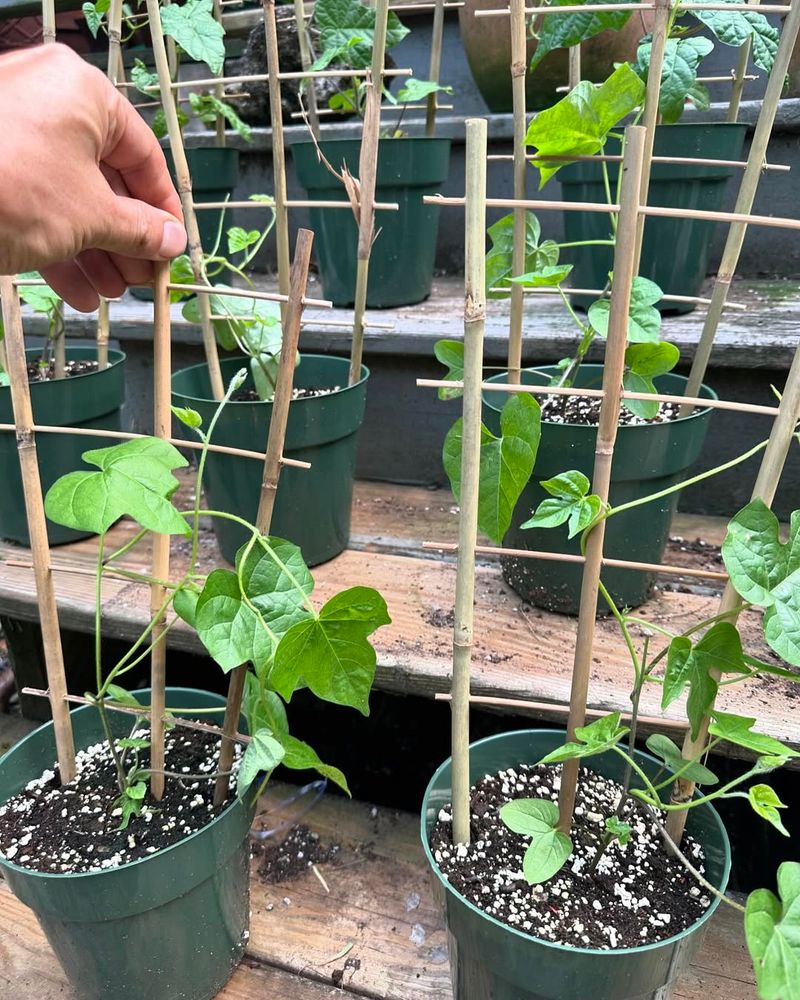
Left to grow without support, morning glory vines will sprawl across whatever surface they can reach, including neighboring pots, porch railings, and outdoor furniture.
A trellis placed directly inside the container gives the vine a clear path to follow from the very beginning.
Starting the support structure early prevents a tangled mess that becomes nearly impossible to sort out later in the season.
Bamboo stakes tied together in a teepee shape work well for smaller containers. For larger pots, a freestanding metal obelisk or a panel trellis secured to a nearby wall gives the vine more vertical space to work with.
Georgia gardeners dealing with afternoon wind or storm gusts should anchor their trellis firmly, because a vine-covered support can catch a surprising amount of wind resistance.
Morning glory climbs by wrapping its stems around whatever it touches, so thin structures like wire or twine work just as well as thicker wooden frames.
Spacing the trellis supports a few inches apart gives the vine multiple attachment points, which spreads growth more evenly across the structure.
Without enough attachment points, stems tend to bunch up on one side and look unbalanced.
4. Consistent Moisture Matters During Summer Heat
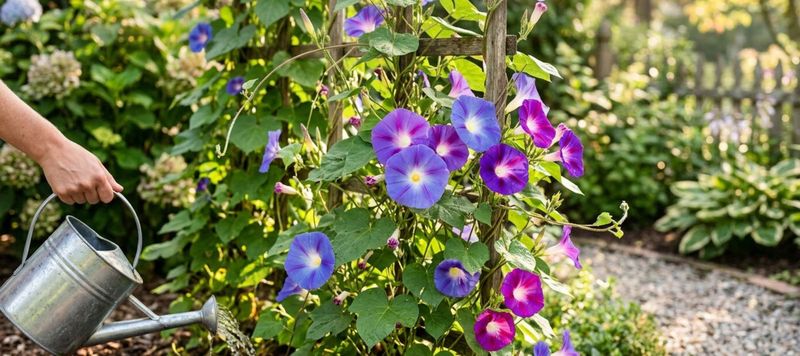
Georgia summers are not forgiving when it comes to container plants and water. Pots heat up faster than in-ground beds, and soil in a container can go from moist to bone dry within a single hot afternoon.
Morning glory is reasonably tough, but irregular watering during the peak heat of June through August causes leaf curl, bud drop, and reduced flowering.
Checking soil moisture daily is a practical habit worth building once temperatures stay above 85 degrees consistently. Stick a finger about an inch into the soil, and if it feels dry at that depth, it is time to water.
Watering deeply until it drains from the bottom ensures the entire root zone gets hydrated, not just the top layer. Shallow watering encourages shallow roots, which makes the plant more vulnerable to heat stress.
Mulching the top of the container with a thin layer of straw or wood chips helps slow moisture loss between waterings.
Even an inch of mulch on the surface of the pot makes a measurable difference during a stretch of hot Georgia weather without rain.
It also keeps the soil temperature slightly cooler, which roots appreciate during the harshest part of summer.
Self-watering containers are worth considering for anyone who travels frequently or tends to forget watering days.
5. Loose Potting Soil Prevents Waterlogged Roots
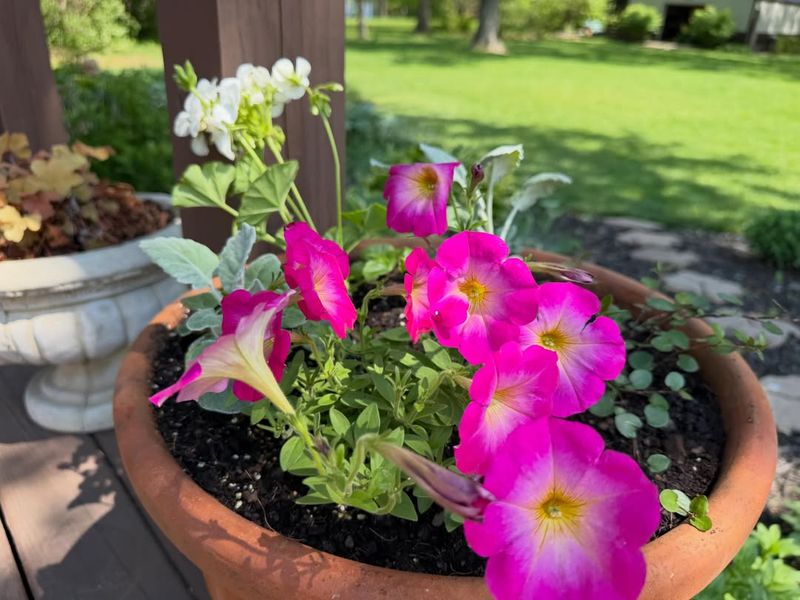
Waterlogged soil is one of the fastest ways to set back a container morning glory, especially in Georgia where summer rain can be heavy and unpredictable.
Dense or compacted soil holds water around the roots for too long, cutting off oxygen and encouraging root rot.
Choosing the right potting mix from the start protects the plant through both wet spells and dry ones.
A quality potting mix that includes perlite or coarse sand drains excess water quickly while still holding enough moisture for the roots between waterings.
Avoid using straight garden soil from your yard in containers, because it compacts over time and does not drain well in a pot environment.
Bagged potting mixes labeled for containers or raised beds are a safer starting point for most Georgia gardeners.
Mixing in an extra handful of perlite per gallon of potting mix improves drainage further without adding much weight. Lightweight mixes also make large containers easier to move around the porch or patio when needed.
Weight becomes a real factor once a large container is fully planted and watered, so lighter soil is a practical advantage.
Drainage holes at the bottom of the container must stay clear throughout the growing season. Roots can sometimes block drainage holes from the inside, so check periodically that water is still flowing freely when you water.
6. Some Varieties Spread Quickly In Warm Weather
Not every morning glory behaves the same way once Georgia’s warm weather kicks in. Some varieties are noticeably more aggressive than others, sending out long runners and side shoots that can cover a trellis in just a few weeks.
Knowing which type you are growing helps you plan the right container size, trellis height, and spacing from the start.
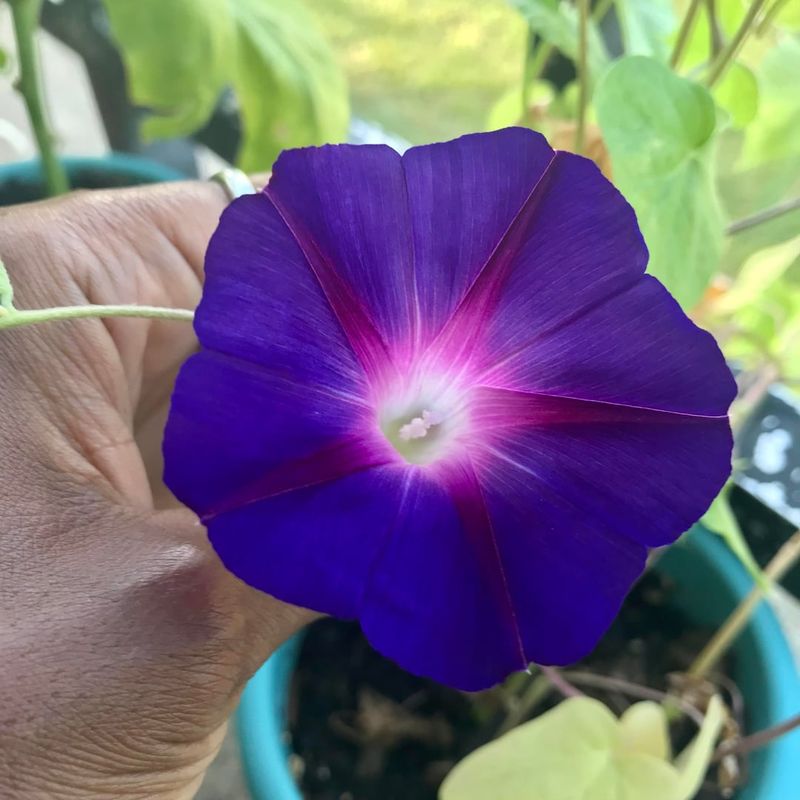
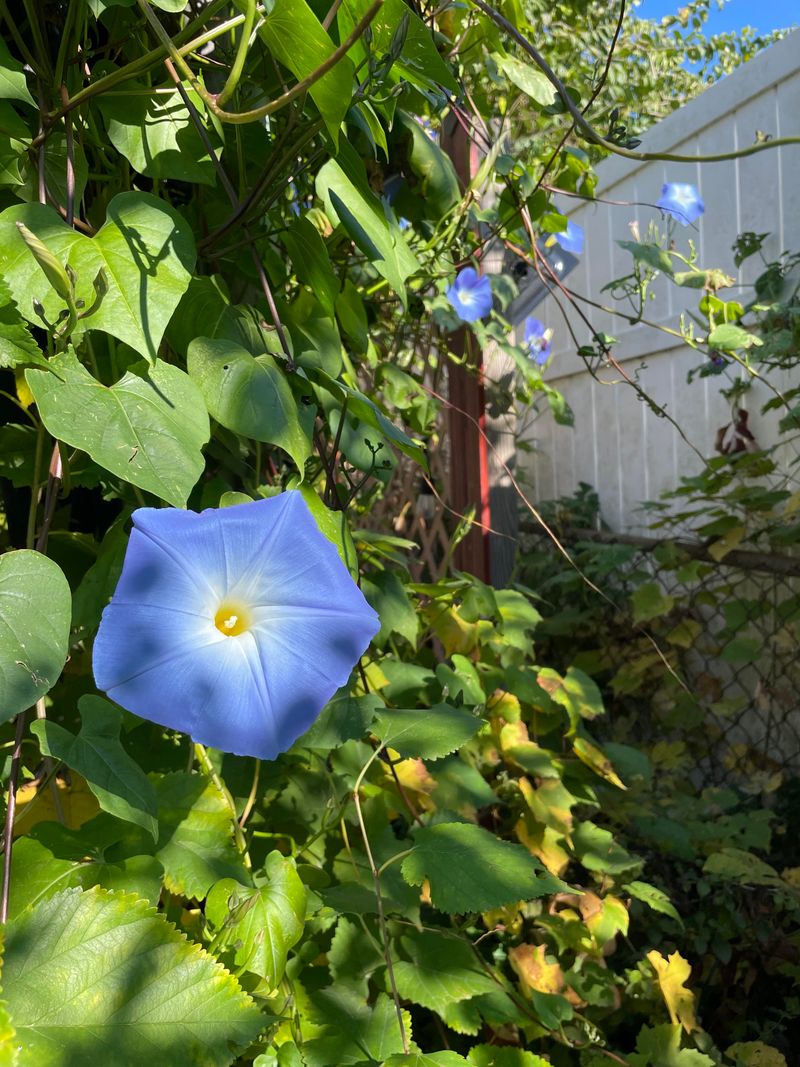
Heavenly Blue is one of the most widely grown varieties across Georgia and is known for its fast, vigorous growth and sky-blue flowers with white throats. Scarlett O’Hara produces deep crimson blooms and grows at a slightly more moderate pace.
Grandpa Ott is a purple-flowering heirloom variety that spreads readily and tends to reseed aggressively if blooms are allowed to go to seed.
Faster-spreading varieties benefit from larger containers and taller trellises, while more compact cultivars can do well in medium-sized pots with shorter supports.
Reading seed packet descriptions carefully before buying gives you a better sense of how much space a particular variety needs to grow comfortably without overcrowding the container.
In Georgia’s climate, warm nights combined with high humidity can push growth rates even faster than seed packet estimates suggest.
A vine that is described as reaching six feet in cooler regions might easily hit eight to ten feet in a Georgia summer with consistent watering and full morning sun.
7. Container Growing Makes Seasonal Cleanup Easier
One underrated benefit of growing morning glory in containers is how straightforward the end-of-season process becomes.
Once the vine finishes its run in late fall, cleanup is mostly a matter of pulling out the spent plant, emptying or refreshing the soil, and storing the container until the following spring.
No digging, no disturbing surrounding plants, and no dealing with runners that have spread into garden beds.
Morning glory can reseed itself aggressively if blooms are left to mature and drop seeds into the surrounding area. Container growing keeps that process much more contained compared to planting directly in the ground.
If you want to save seeds for next year, let a few pods dry completely on the vine before collecting them. Store seeds in a cool, dry place through winter and they will be ready for planting again when Georgia’s soil warms up in spring.
At the end of the season, spent potting soil can be refreshed with compost and reused the following year rather than being completely replaced.
Mixing in a few inches of fresh compost restores nutrients that the vine used up during the growing season.
Starting with refreshed soil rather than completely new mix is a practical and cost-effective approach for gardeners who grow containers year after year.