The 8 Best Foods To Grow In 5 Gallon Buckets In Arizona Heat
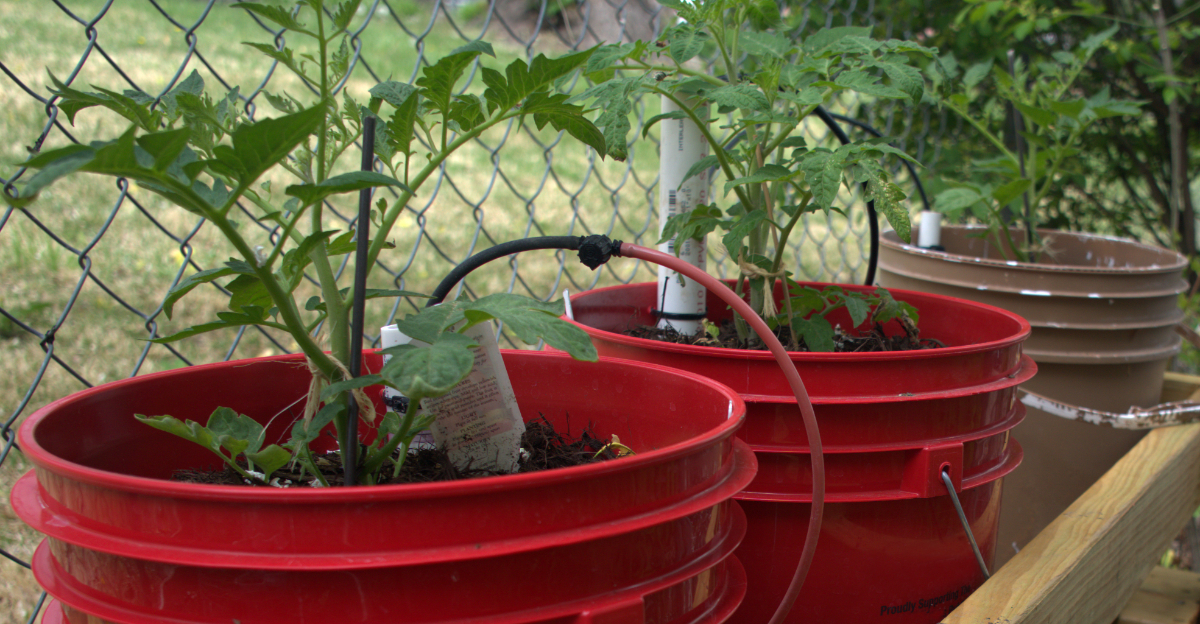
Five gallon buckets are turning into a surprisingly common sight in backyards, patios, and gravel side yards once summer gardening season starts heating up.
Regular garden beds can become difficult to manage fast during extreme temperatures, especially in spots with rocky soil or relentless afternoon sun.
Bucket growing makes things feel simpler. Moving plants around, adjusting sun exposure, and controlling soil conditions becomes much easier compared to dealing with large in ground spaces during hot weather.
Arizona gardeners have also figured out that certain food crops handle bucket growing far better than others once temperatures stay high for weeks at a time.
The right choices can stay productive surprisingly long, even during the toughest stretch of summer.
1. Okra Keeps Growing During Long Heat Waves
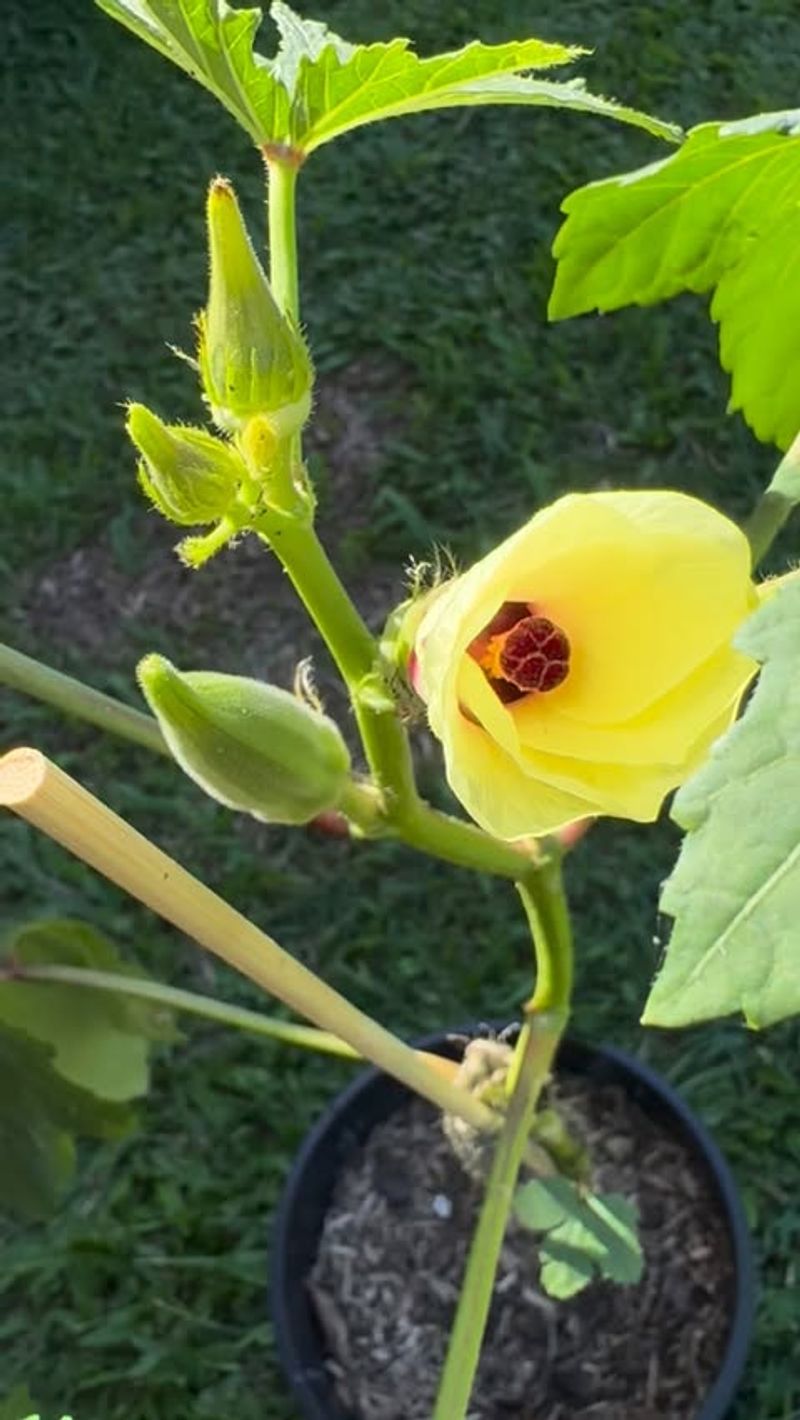
Okra laughs at Arizona summers. While other vegetables slow down or stop producing when temperatures climb past 100 degrees, okra just keeps going.
It was practically built for this kind of heat, originating in Africa and thriving in dry, intense conditions that would stress most garden plants.
Plant okra seeds directly into your 5 gallon bucket once soil temperatures hit at least 65 degrees, which in Arizona usually means late March through early May. Use a well-draining potting mix and place the bucket where it gets full sun all day.
Water deeply every two to three days rather than shallow watering daily.
Pods grow fast, sometimes doubling in size overnight during peak summer. Harvest them when they reach about 3 to 4 inches long.
Letting pods get too large makes them woody and tough to eat.
One bucket can produce a steady stream of pods throughout the summer if you keep harvesting regularly. Stopping harvests signals the plant to slow production, so stay consistent.
Adding a slow-release fertilizer at planting and a liquid feed every three weeks keeps yields strong.
Okra grown in buckets in Arizona actually benefits from the contained soil warming up quickly in morning sun. Root warmth speeds up pod development noticeably compared to in-ground plants in shadier spots across the yard.
Large okra leaves can also help shade the surface of the pot during extreme heat, which slows moisture loss and keeps roots from drying out quite as fast on brutal summer afternoons.
2. Sweet Potatoes Fill Buckets Faster Than Expected
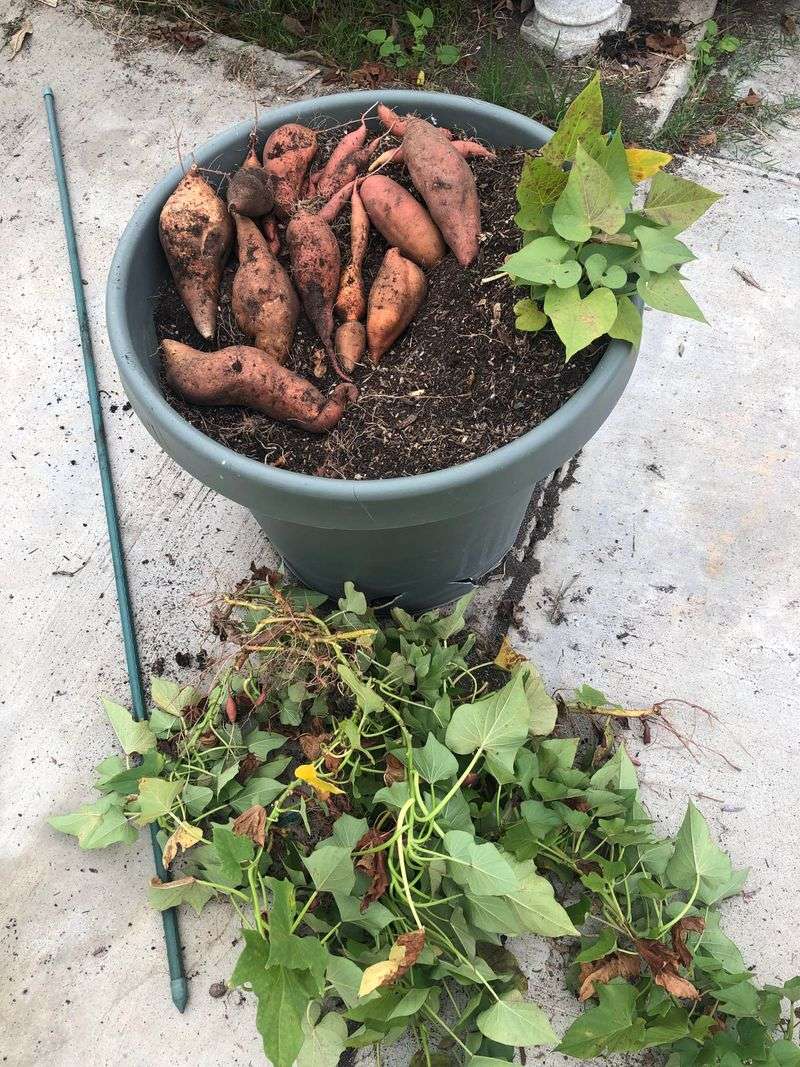
Most people assume sweet potatoes need rows of garden space, but a single 5 gallon bucket can support a productive plant that surprises even experienced Arizona gardeners.
The vines will sprawl and trail over the sides of the bucket, which actually looks attractive on a patio while the real action happens underground.
Start with slips rather than seeds. Slips are small rooted cuttings that establish quickly in warm soil.
Arizona’s spring heat gets soil temperatures up fast, which sweet potatoes love. Plant slips in April or early May for a fall harvest before the first cold nights arrive.
Use a loose, sandy potting mix rather than dense garden soil. Sweet potatoes need room to expand underground, and compacted soil limits tuber size significantly.
Adding perlite to your mix improves drainage and gives roots space to push through.
Your Arizona Garden Changes Every Week. Your Plan Should Too.
Gardening in Arizona changes quickly throughout the season. Every Friday you’ll receive a simple weekly plan showing exactly what to plant, prune, fertilize, harvest, and protect so you never miss the right timing.
Water consistently but avoid soaking the bucket. Sweet potatoes sitting in wet soil develop rot issues, especially during monsoon season when humidity spikes across southern Arizona.
Elevating buckets slightly on pot feet helps excess moisture drain away cleanly.
By late September or October, leaves begin to yellow slightly, signaling harvest time. Tip the bucket over onto a tarp and dig through the mix.
Finding a cluster of plump tubers from a single bucket is genuinely satisfying and worth every bit of the effort.
3. Peppers Handle Hot Patios Better Than Many Crops
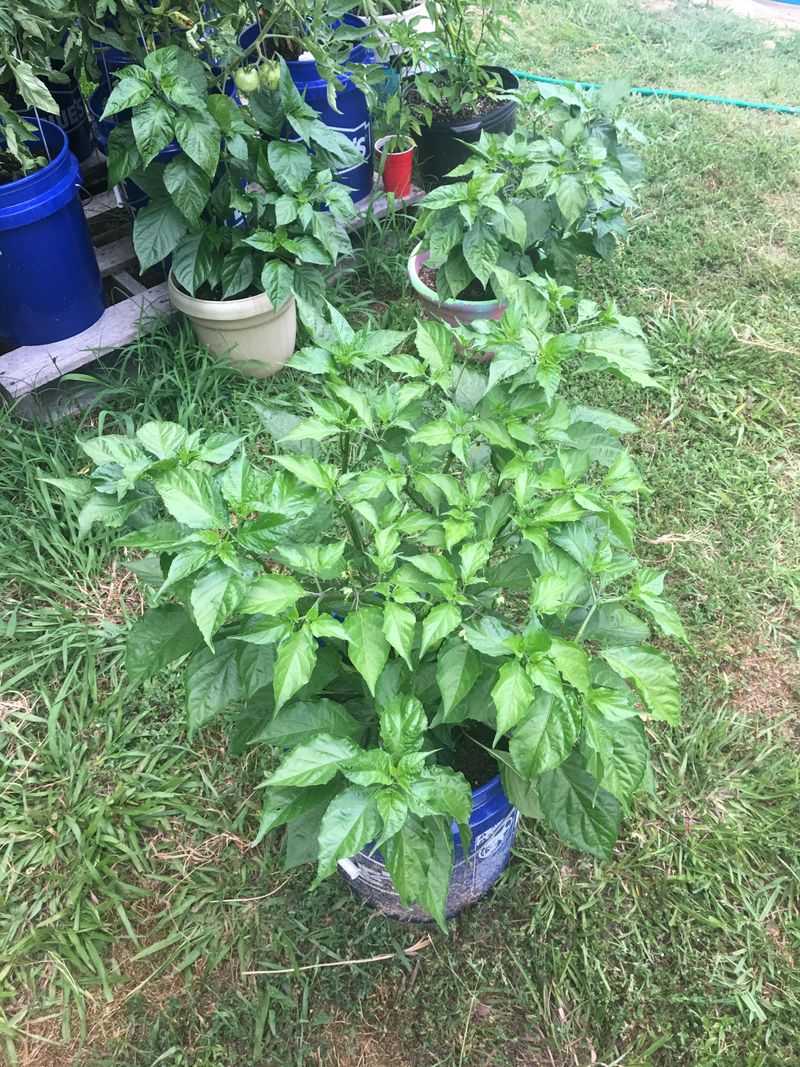
Peppers have a reputation for being finicky, but in Arizona they often outperform expectations when grown in buckets.
Container growing lets you dial in the exact conditions peppers want, including drainage, soil warmth, and sun exposure throughout the day.
Both sweet bell peppers and hot chili varieties do well in 5 gallon containers across the state. Start transplants indoors in late January or February, then move them outside once nighttime lows stay above 55 degrees.
Arizona springs warm up fast, so that transition often happens earlier than growers in other states expect.
Afternoon shade becomes important once July heat arrives. Peppers stop setting fruit when daytime temps push above 95 degrees consistently, though the plants themselves stay healthy.
Moving buckets to a spot with morning sun and afternoon shade keeps plants productive longer into summer.
Water peppers more frequently than you might think. Containers dry out quickly on hot Arizona patios, and inconsistent watering causes blossom end rot and cracked fruit.
Checking soil moisture daily during peak summer is a practical habit worth building.
Peppers grown in buckets in Arizona often bounce back and produce a second flush in September and October as temperatures drop.
That second harvest is frequently more productive than the spring one, making peppers one of the better long-season investments for Arizona patio growers.
4. Eggplants Produce Well In Deep Containers
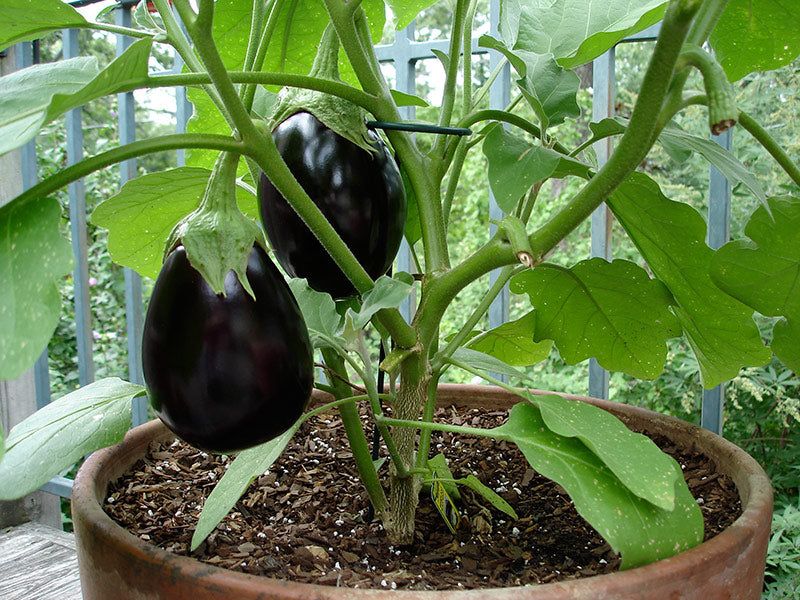
Eggplant is one of those vegetables that genuinely thrives in Arizona heat rather than just tolerating it. Warm nights, intense sun, and long growing seasons align perfectly with what eggplant needs to produce heavily.
Bucket growing makes managing these plants even more straightforward.
A 5 gallon bucket is actually the minimum recommended size for eggplant. The root system grows deep and wide, so a deeper container always outperforms a shallow one.
If you can find taller buckets or use a second container stacked with holes between them, root development improves noticeably.
Plant transplants outside in March across most of Arizona when overnight temperatures stabilize. Eggplant hates cold roots, and even a brief cold snap can set plants back by weeks.
Warming the soil in your bucket a few days before transplanting by setting it in full sun speeds up establishment.
Consistent feeding matters with eggplant. A balanced fertilizer every two weeks from transplant through midsummer keeps plants vigorous.
Once fruit sets, switching to a lower nitrogen, higher phosphorus feed supports better fruit development over leafy growth.
Harvest eggplant while skin still looks glossy and firm. Once the skin turns dull or slightly wrinkled, flavor quality drops fast.
Regular harvesting also encourages the plant to keep producing, which in Arizona’s long warm season can mean months of steady yields from a single bucket.
5. Cherry Tomatoes Often Outlast Larger Tomato Types
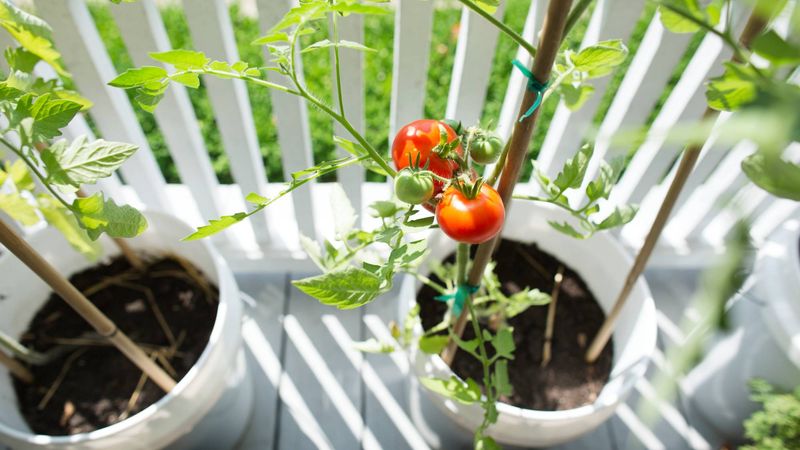
Full-sized tomatoes struggle in Arizona’s peak summer heat, but cherry tomato varieties are a different story entirely.
Smaller fruit sets more easily at higher temperatures, and many cherry types keep producing well into conditions that shut down beefsteaks and romas completely.
Varieties like Sweet 100, Sun Gold, and Juliet have proven track records in Arizona gardens. Plant transplants in late February or early March to get ahead of the heat.
Early planting means fruit sets during the mild spring window before June temperatures push past 105 degrees in most parts of the state.
Buckets work well for cherry tomatoes because you can position them precisely. Morning sun with some afternoon shade protection extends the productive season significantly.
Placing buckets near a wall that blocks western afternoon sun is one of the simplest and most effective strategies Arizona patio growers use.
Watering cherry tomatoes in containers requires real attention. Soil in a 5 gallon bucket can dry out completely within 24 hours during July and August.
Adding a layer of mulch on top of the soil slows moisture loss and keeps root temperatures slightly cooler on the hottest days.
When fall arrives and temperatures drop back below 95 degrees, cherry tomato plants often push out a strong second flush of fruit.
Keeping plants healthy through summer means you catch that fall surge, which many Arizona gardeners consider the best harvest of the entire growing year.
6. Basil Grows Fast With Consistent Moisture
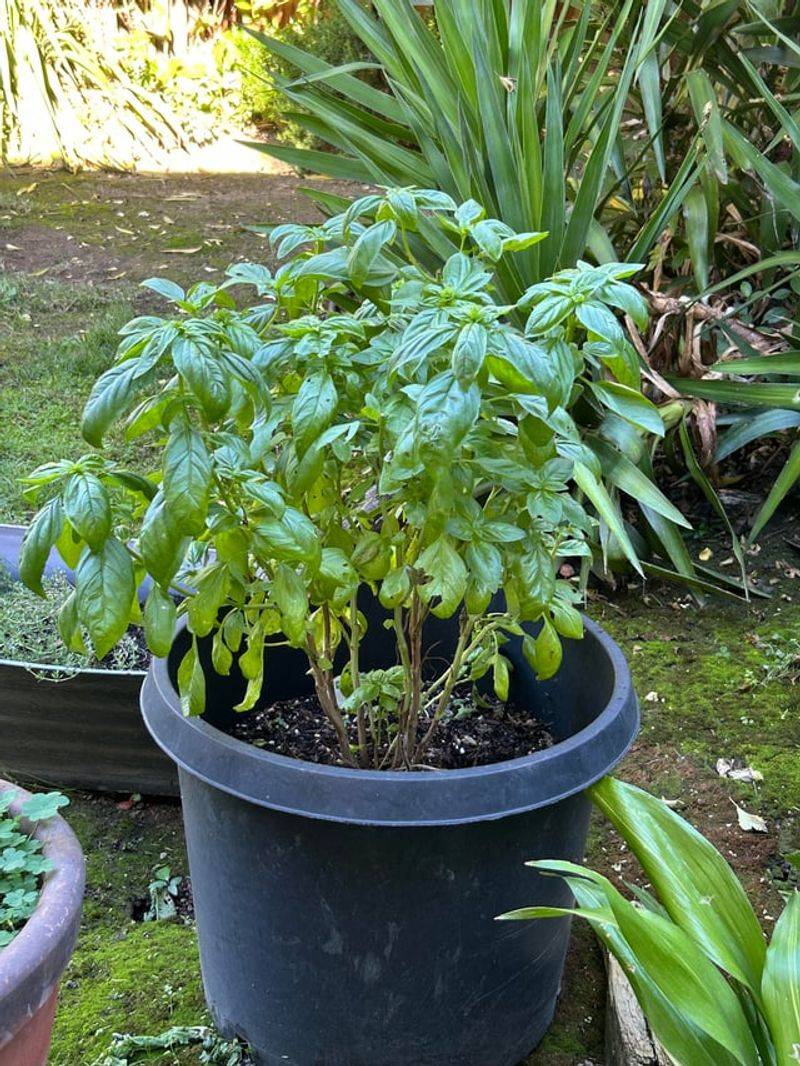
Basil and Arizona heat share a complicated relationship. Get the watering right and basil explodes with growth, producing more leaves than most households can use.
Let it dry out even once during peak summer and the plant drops leaves fast and struggles to recover fully.
Plant basil transplants or seeds in late March through May once overnight temperatures stay above 60 degrees reliably. Buckets warm up quickly in Arizona sun, which actually gives basil a head start compared to in-ground planting in cooler soil.
Genovese and Thai basil both perform well across the state.
Afternoon shade is genuinely helpful for basil in Arizona. Full, unrelenting sun from a Phoenix or Tucson summer afternoon can scorch leaves and trigger early bolting.
A spot that gets bright morning light but some protection after 1 or 2 pm extends the harvest window by several weeks.
Pinching flower buds as soon as they appear keeps the plant focused on leaf production. Once basil bolts and flowers fully, leaf flavor shifts and production slows.
Regular pinching every few days during summer keeps plants bushy, productive, and flavorful throughout the season.
Feeding basil lightly with a nitrogen-rich fertilizer every two weeks encourages the dense leafy growth home cooks want. Avoid over-fertilizing, though, since excessive nitrogen can actually dilute the essential oils that give basil its strong, aromatic flavor.
7. Green Onions Fit Tight Spaces Easily
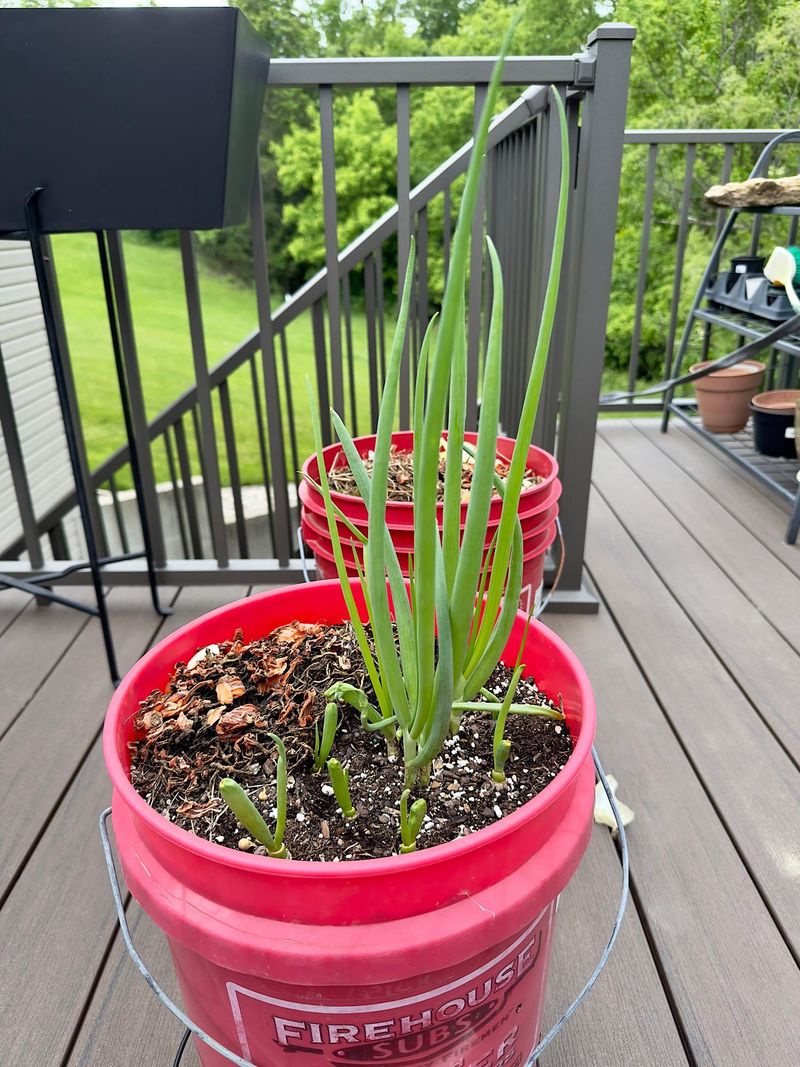
Not every Arizona gardener has a sprawling patio. Some have a narrow balcony, a single sunny step, or a small strip of concrete beside the front door.
Green onions are perfect for exactly those situations, growing happily in a single 5 gallon bucket without needing much room at all.
You can plant green onion seeds or sets almost year-round in Arizona, though the most productive windows are fall through spring when temperatures stay mild.
Summer growing is possible with some afternoon shade, but growth slows noticeably when heat gets extreme.
Starting a bucket in September sets you up for a strong winter harvest.
Pack more plants into a single bucket than you might expect. Green onions have shallow roots and slim profiles, so spacing them about 2 inches apart across the surface of your container works well.
A single 5 gallon bucket can hold 20 or more plants at once comfortably.
Watering needs are moderate compared to other vegetables. Check soil moisture every day or two during hot stretches, but green onions tolerate slightly drier conditions than basil or tomatoes.
Overwatering in heavy soil causes root rot, so a well-draining potting mix matters here.
Harvest outer stalks as needed rather than pulling entire plants. Cutting from the outside lets the center keep growing, stretching a single planting across many weeks.
Arizona gardeners using this method often get two to three months of steady harvests from one bucket planting.
8. Bush Beans Mature Quickly In Warm Weather
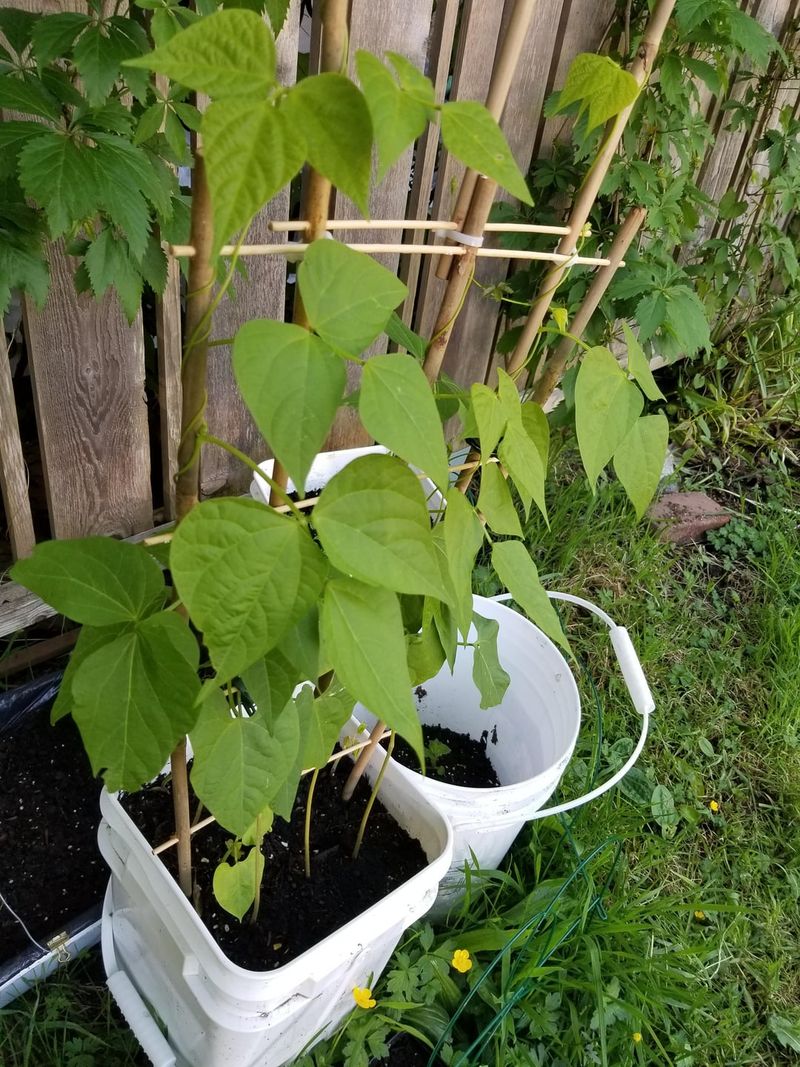
Speed matters in Arizona gardening because the window between comfortable spring warmth and brutal summer heat is shorter than most people realize.
Bush beans mature in as little as 50 to 60 days from seed, which makes them one of the best fits for that narrow spring planting window across the state.
Direct sow seeds into your bucket around late February or early March in the low desert areas of Arizona. Seeds germinate quickly in warm soil, often sprouting within five to seven days.
Avoid transplanting since beans dislike root disturbance and do best when seeded directly where they will grow.
A 5 gallon bucket supports about four to six bush bean plants comfortably. Spacing matters because crowded plants compete for nutrients and airflow, which increases disease pressure.
Keeping plants a few inches apart inside the container balances yield and plant health reasonably well.
Water consistently during flowering and pod development. Irregular watering at those stages causes pods to be tough, stringy, or underfilled.
Beans are not drought-tolerant crops, and Arizona’s dry air pulls moisture from containers faster than growers from humid states expect.
Harvest pods when they feel firm and snap cleanly. Leaving pods on the plant too long signals the plant to stop producing new ones.
Bush beans typically give one main flush of harvest, so planting a second bucket two weeks after the first extends your overall harvest period without overwhelming you all at once.