Why Florida Gardeners Fertilize In May Not June And What They Actually Use
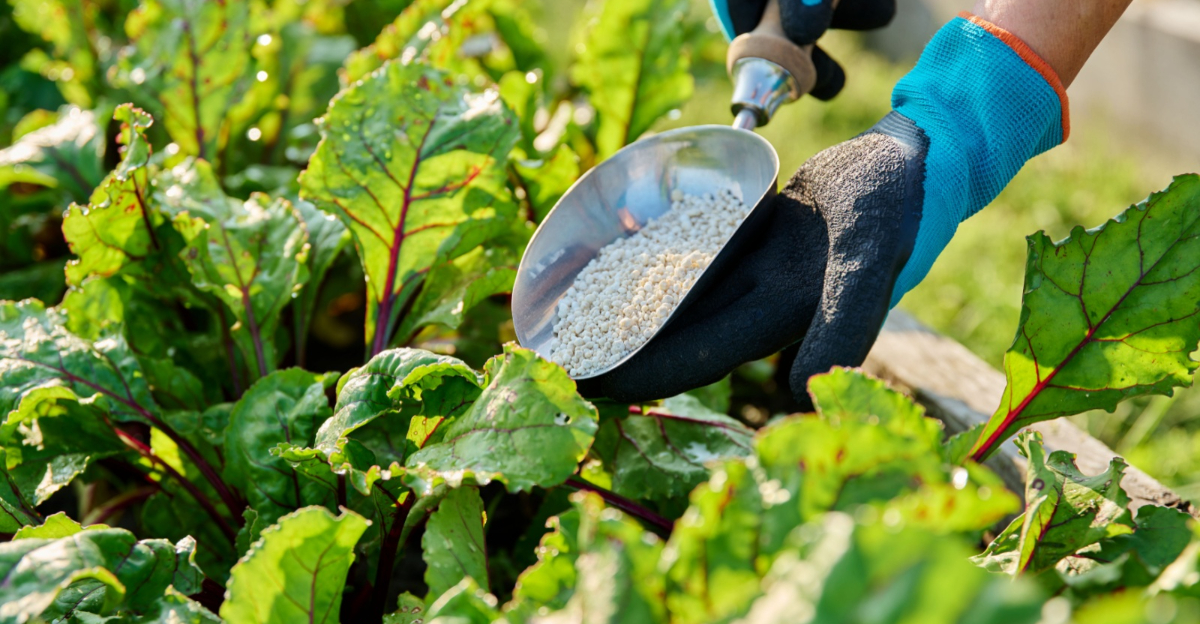
May in Florida is basically nature’s way of saying, “You’ve got about five minutes before everything gets wild.”
The heat is creeping up, afternoon storms are starting to threaten, and your plants are quietly begging for attention before summer takes over completely. Here’s the thing though, Florida gardening runs on its own rulebook.
Sandy soils, fast-draining nutrients, and county fertilizer blackout periods that kick in around June mean that timing actually matters more than most gardeners realize.
A well-timed May feeding can set your landscape up for a genuinely strong summer. Skip it, and you might be playing catch-up for months.
So yes, that bag of fertilizer sitting in your garage? May actually be its moment to shine.
1. May Often Comes Before Local Summer Fertilizer Restrictions
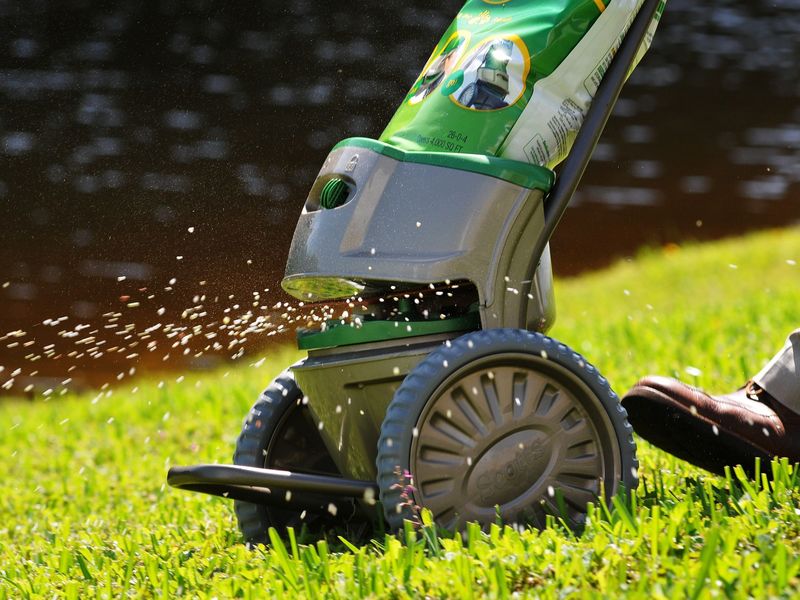
Local ordinances in many Florida counties put restrictions on nitrogen and phosphorus fertilizer applications once the summer rainy season begins, and that window often opens around June 1.
For homeowners who want to give their lawns and landscape plants a nutritional boost before growth slows or restrictions kick in, May can feel like the right moment to act.
These local fertilizer rules were put in place to protect Florida’s waterways. When heavy summer rains arrive, excess nutrients from fertilizer can wash off lawns and into stormwater systems, eventually reaching rivers, lakes, and coastal waters.
Reducing that runoff helps keep Florida’s natural water bodies healthier through the wet season.
Not every Florida county follows the exact same schedule or set of rules, so checking with your local extension office or county environmental department before applying any fertilizer is a smart first step.
Some areas may have stricter windows or additional restrictions on specific nutrients.
A May application is not a universal recommendation for every yard or every plant across Florida.
For gardeners who are aware of their local ordinances, timing a late-spring feeding before restrictions begin can make practical sense when soil conditions and plant growth support it.
2. June Rain Can Carry Nutrients Away Quickly
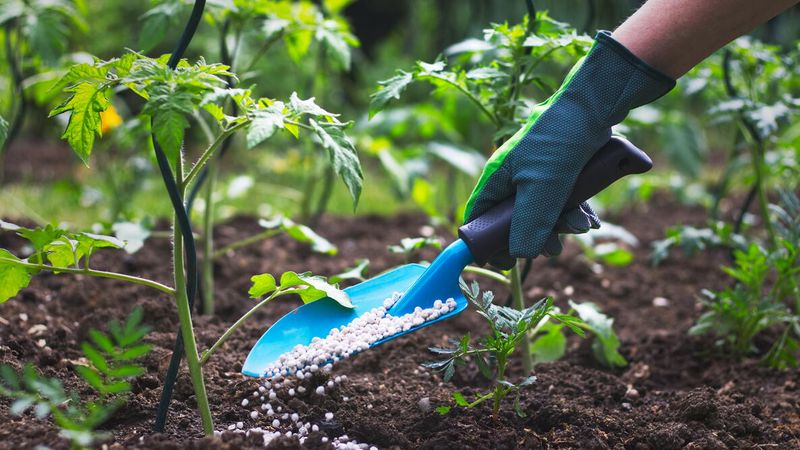
Summer storms in Florida are not subtle. By June, afternoon thunderstorms can drop an inch or more of rain in less than an hour, and that kind of intensity does not give sandy soil much time to absorb water slowly.
When fertilizer has been applied recently and a heavy storm rolls through, dissolved nutrients can move quickly through the soil profile or run off the surface before plant roots have a real chance to take them up.
Nitrogen is especially mobile in wet conditions. In Florida’s predominantly sandy soils, it can leach downward with water rather than staying in the root zone where plants need it.
Phosphorus, while less mobile in many soil types, can still move with surface runoff during intense rain events, contributing to water quality concerns in local lakes and streams.
Applying fertilizer in May, before the most intense rainy season begins, gives nutrients more time to settle into the soil.
It can also make nutrients more available to plants during a period when rain events are still often less frequent and less extreme than they become in June and July.
Your Florida Garden Changes Every Week. Your Plan Should Too.
Gardening in Florida changes quickly throughout the season. Every Friday you’ll receive a simple weekly plan showing exactly what to plant, prune, fertilize, harvest, and protect so you never miss the right timing.
That said, even May can bring surprise storms in Florida, so watching the weather forecast before applying any fertilizer product is a reasonable habit that many experienced gardeners already follow.
3. Florida Sandy Soil Makes Slow-Release Fertilizer Useful
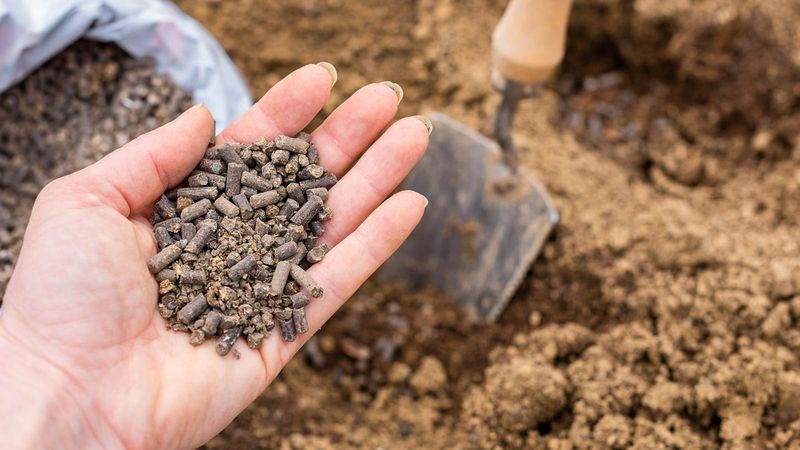
Sandy soil is one of the defining characteristics of Florida’s landscape, and it behaves very differently from the heavier clay or loam soils found in other parts of the country.
Water moves through sandy soil quickly, and nutrients tend to follow along with it rather than staying put near plant roots.
That characteristic makes choosing the right fertilizer type especially important for gardeners.
Slow-release fertilizers are formulated to break down gradually over weeks or months, releasing nutrients in smaller amounts over a longer period.
In sandy Florida soils, that gradual release can be more effective than a quick-release product that delivers a large dose of nutrients all at once, since much of that fast-releasing nitrogen may move through the root zone before plants can absorb it well.
Slow-release products also tend to reduce the risk of burning plant roots or foliage, which can be a concern during warm Florida weather when plants are actively growing.
Using a fertilizer with a high percentage of slow-release nitrogen in sandy soil conditions can help stretch the feeding period and reduce how often applications are needed.
For gardeners thinking about a May feeding, selecting a product with a meaningful slow-release component is often a more practical choice than reaching for a fast-acting granular or liquid option.
4. Slow-Release Nitrogen Is A Common Florida Choice
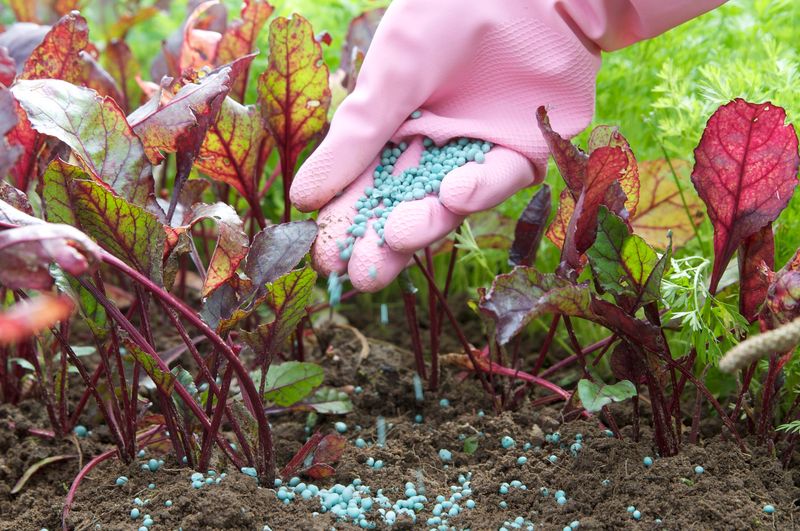
Walk through any Florida garden center in spring and you will likely notice that many fertilizer bags highlight their slow-release nitrogen content right on the front label. That emphasis is not just marketing.
In Florida’s warm, wet climate, how nitrogen is released into the soil matters as much as how much nitrogen a product contains.
Slow-release nitrogen sources come in several forms. Polymer-coated urea, sulfur-coated urea, and organic nitrogen sources like composted materials all release nitrogen more gradually than standard quick-release urea.
Florida-Friendly Landscaping guidance generally recommends choosing fertilizers where at least 30 percent or more of the nitrogen is in a slow-release form, though some recommendations suggest even higher percentages depending on the situation.
For a May application, slow-release nitrogen can support steady plant growth through the early summer period without requiring another feeding right away. It can also reduce the chance of nutrient loss if an unexpected storm arrives shortly after application.
Checking the guaranteed analysis panel on any fertilizer bag will show how much of the total nitrogen is slow-release versus water-soluble.
That panel is printed on every bag sold in Florida, and taking a moment to read it before purchasing can help gardeners make more informed choices for their specific landscape needs and soil conditions.
5. Citrus Trees Often Need A Citrus-Labeled Fertilizer
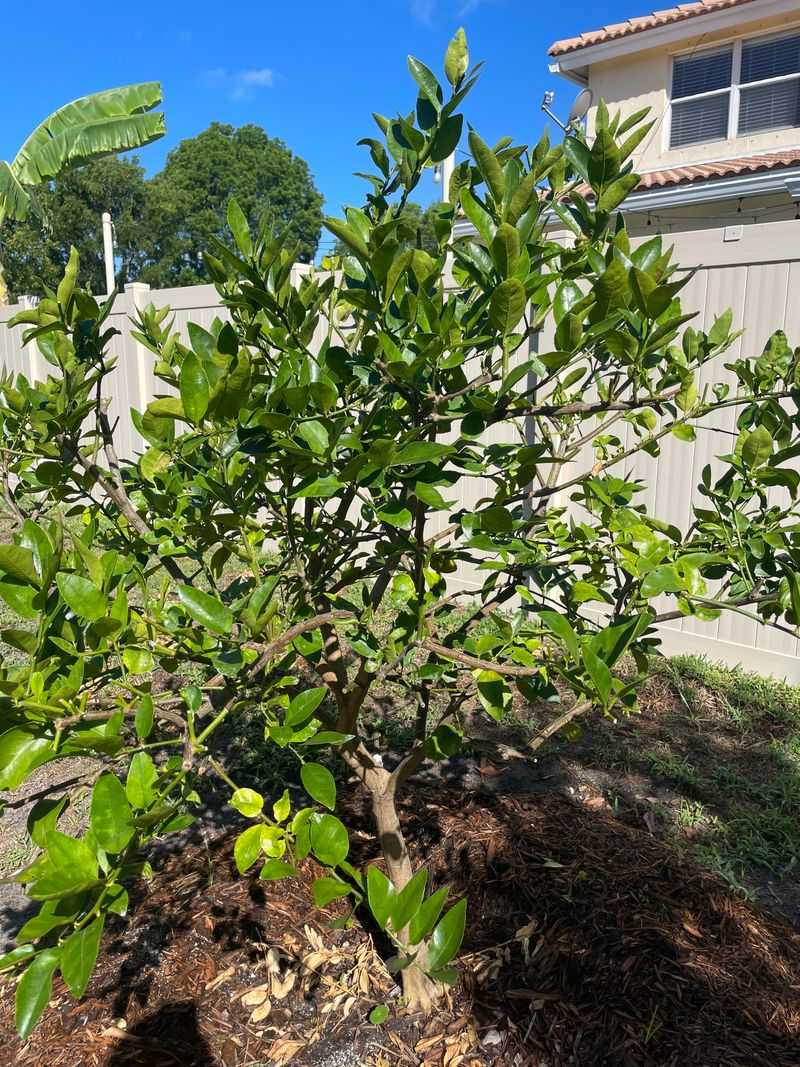
Citrus trees are a beloved part of many Florida home landscapes, and they have nutritional needs that differ from general lawn grasses or ornamental shrubs.
Using a fertilizer specifically labeled for citrus can help ensure the tree receives the right balance of nutrients, including micronutrients that are commonly deficient in Florida soils.
Florida’s alkaline or acidic sandy soils can make certain nutrients harder for citrus trees to absorb, even when those nutrients are present.
Magnesium, iron, zinc, and manganese are among the micronutrients that citrus trees in Florida sometimes struggle to take up efficiently.
A citrus-labeled fertilizer typically includes these elements in forms that are more accessible to the tree, which can support healthier foliage, flowering, and fruit development.
May is a period when citrus trees in Florida are actively growing, often pushing out new flushes of foliage after spring bloom. Feeding during this active growth phase can support that energy demand.
However, applying too much fertilizer or choosing the wrong product can create problems rather than solve them.
Following label directions carefully, avoiding excess application near the trunk, and spreading fertilizer evenly under the canopy and slightly beyond the drip line are all habits that support healthy citrus care in Florida home gardens without overdoing it.
6. Dry Soluble Citrus Fertilizer May Be Applied In May
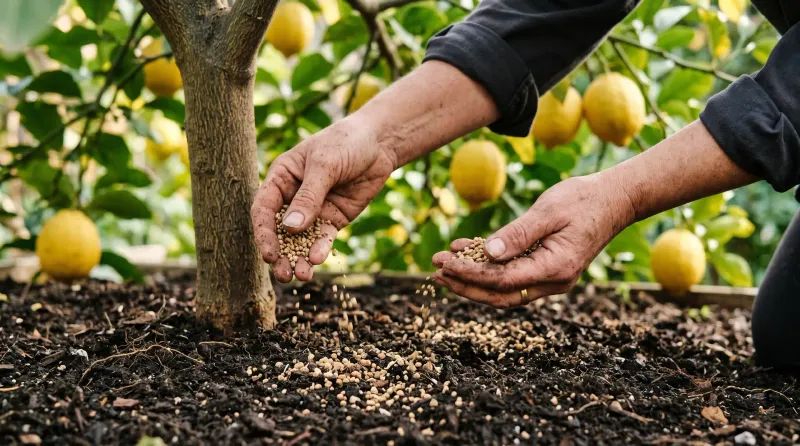
Dry granular or dry soluble fertilizers are among the most commonly used products for feeding citrus trees in Florida home landscapes. They are easy to measure, simple to apply, and widely available at local garden centers.
For a May application, a dry product with a slow-release nitrogen component can be a practical option that provides extended feeding through the early summer weeks.
Applying a dry citrus fertilizer in May means spreading it evenly across the soil surface beneath the tree’s canopy, avoiding direct contact with the trunk, and watering it in lightly afterward if rain is not expected soon.
The fertilizer needs moisture to begin breaking down and moving into the soil where roots can access it.
In May, Florida’s soil is often warm enough to support active root uptake, which can make the timing reasonably effective for many citrus varieties.
One thing worth noting is that citrus trees in Florida are typically fertilized several times throughout the year rather than just once, and the exact schedule can vary depending on tree age, soil conditions, and what the tree shows through its foliage.
Young trees and mature trees have different needs.
Checking product labels and local citrus care guidelines before applying anything helps avoid overfeeding, which can stress a tree or contribute to nutrient imbalances over time in Florida’s sandy growing conditions.
7. Palms Often Need A Palm-Specific Fertilizer Blend
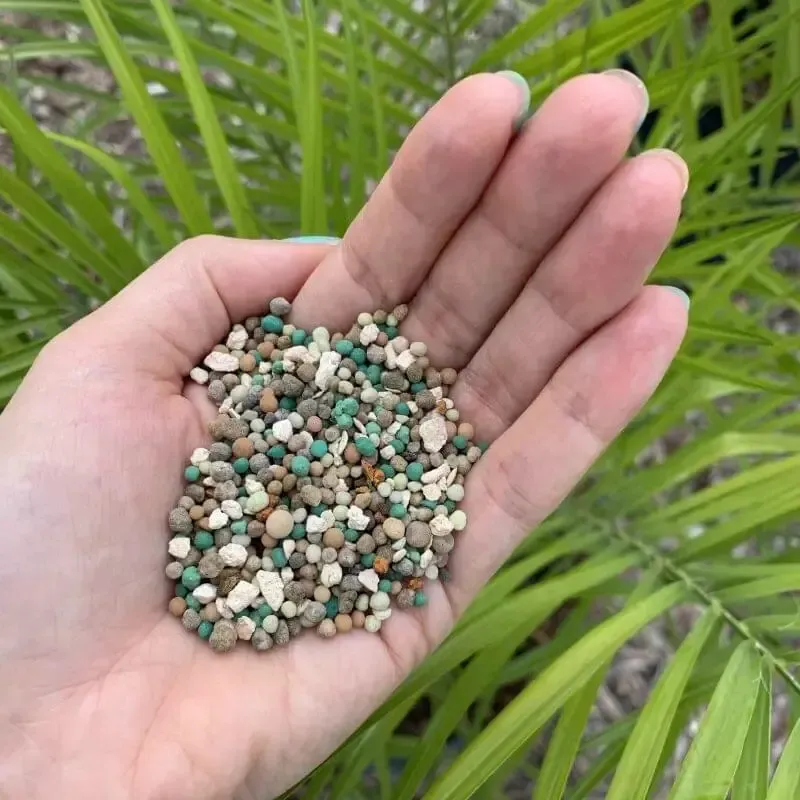
Palms are one of the most recognizable plants in Florida landscapes, and they have specific nutritional requirements that make a palm-labeled fertilizer blend worth seeking out rather than using a general-purpose product.
Using the wrong fertilizer on palms can sometimes create more problems than it solves, particularly when it comes to certain nutrient imbalances.
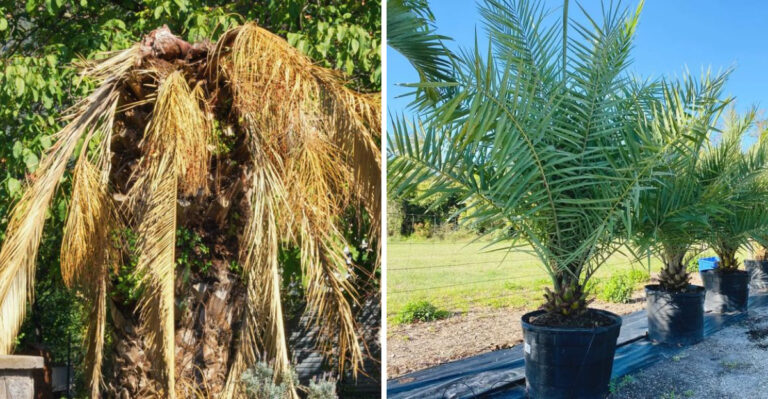
Potassium deficiency is one of the most common nutritional issues seen in Florida palms, and it often shows up as yellowing or browning of older fronds.
A palm-specific fertilizer blend is typically formulated with a balanced ratio of nutrients and includes magnesium and micronutrients in forms that palms can absorb more readily.
The University of Florida has published guidance on palm fertilization that recommends an 8-2-12-4 or similar ratio with slow-release nutrients, though product availability can vary by region.
May is within the active growing season for most Florida palms, and a spring or early summer application of a palm-specific blend can support healthy new frond development.
Spreading the fertilizer evenly across the root zone, which extends well beyond the base of the trunk, gives the palm access to nutrients across a wider area.
Palms in Florida containers or those growing in especially sandy or nutrient-depleted soils may show results from a well-timed spring feeding more noticeably than those in richer landscape beds.
8. Soil Tests Help Prevent Unnecessary Phosphorus
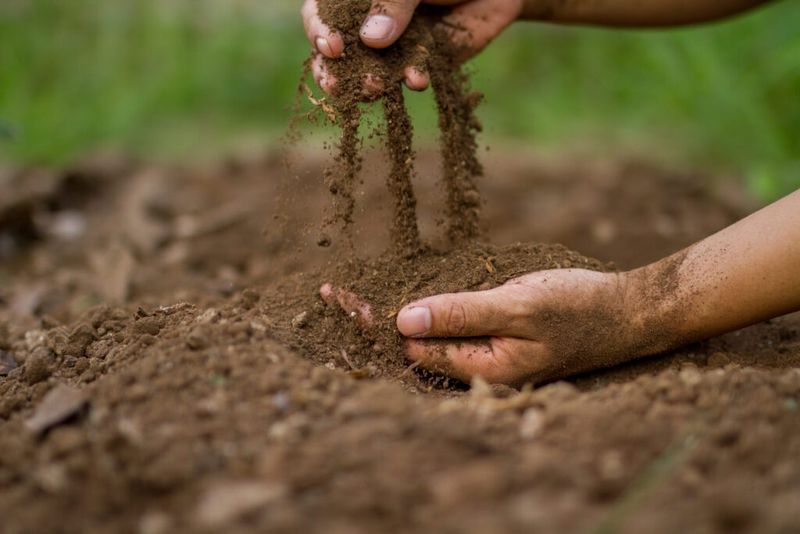
Before reaching for any fertilizer bag, knowing what is actually in your soil can save money, protect nearby water quality, and prevent nutrient imbalances that can affect plant health over time.
Soil testing is a practical step that many Florida gardeners skip, but it provides real information about what nutrients are already present and what might genuinely be lacking.
Phosphorus is one nutrient that Florida soils often contain in sufficient amounts, especially in landscapes that have been fertilized for several years.
Applying phosphorus when it is not needed can contribute to water quality problems, since phosphorus that is not taken up by plants can move with runoff into Florida’s lakes, ponds, and rivers.
Many Florida county fertilizer ordinances already restrict or prohibit phosphorus applications unless a soil test shows a documented deficiency.
Soil tests in Florida can often be submitted through local county extension offices, and results typically come with specific recommendations for what nutrients to add and in what amounts.
That kind of targeted guidance removes the guesswork from fertilizer selection.
For a May application, using a soil test result to guide product choice means gardeners are more likely to apply only what their landscape actually needs.
That approach is more useful than following a general schedule that may not match their specific yard, soil type, or plant collection in Florida’s varied growing regions.