Pest Control Tricks That Drive Away Garden Enemies Without Harming Your Allies In Michigan
Pest control in a Michigan garden gets complicated the moment you realize that reaching for a spray and eliminating the problem insect often takes out something beneficial at the same time.
Ladybugs, ground beetles, parasitic wasps, and a long list of other garden allies are working in your favor constantly, and broad treatments that target pests do not distinguish between the ones you want gone and the ones doing valuable work nearby.
Michigan’s growing season brings predictable waves of pest pressure, from early aphid populations through midsummer squash bugs and late season caterpillars, and handling each one without collateral damage to beneficial insects needs a more selective approach.
The tricks that experienced gardeners rely on tend to be targeted, low cost, and genuinely effective at disrupting pest behavior without creating the secondary problem of wiping out the natural predators that would otherwise help keep populations in check.
These methods work with your garden’s existing ecosystem rather than against it, which is what makes the results actually last.
1. Floating Row Covers Stop Many Garden Pests Before They Start
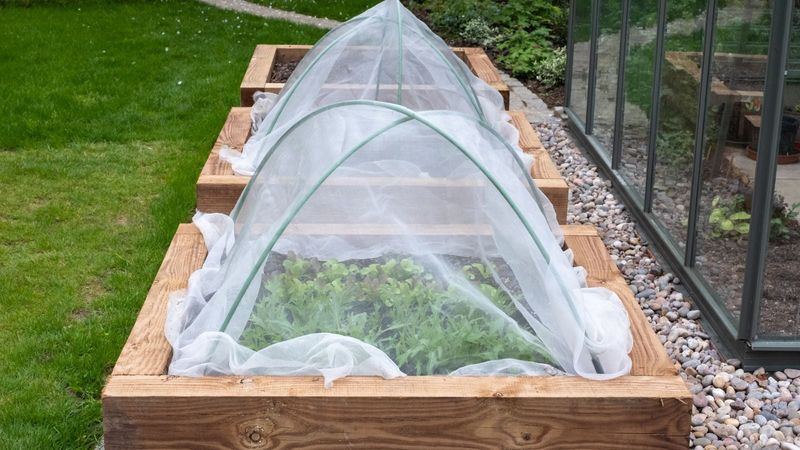
Picture a simple white fabric blanket tucked gently over your vegetable rows, quietly blocking pests before they ever land on a single leaf. Floating row covers are one of the most underrated tools in any gardener’s shed.
They create a physical barrier that stops cucumber beetles, flea beetles, and cabbage worms from reaching your plants during the most vulnerable stages of growth.
In Michigan, the best time to install row covers is right after transplanting seedlings in late May or early June. You lay the fabric loosely over the plants and secure the edges with soil, rocks, or garden staples.
The loose drape gives plants room to grow while still blocking unwanted visitors from above and below.
One thing to keep in mind during humid summers is heat buildup under the fabric. On warm days above 85 degrees, check under the covers regularly to make sure moisture and heat are not stressing your plants.
Lightweight covers allow airflow and water to pass through, which helps a lot.
When your squash, cucumbers, or melons start flowering, remove the covers so pollinators like bees can reach the blooms.
Timing the removal correctly keeps your beneficial insects happy and your harvest on track. Row covers are affordable, reusable, and genuinely effective for pest season.
2. Marigolds Help Distract Some Harmful Garden Insects
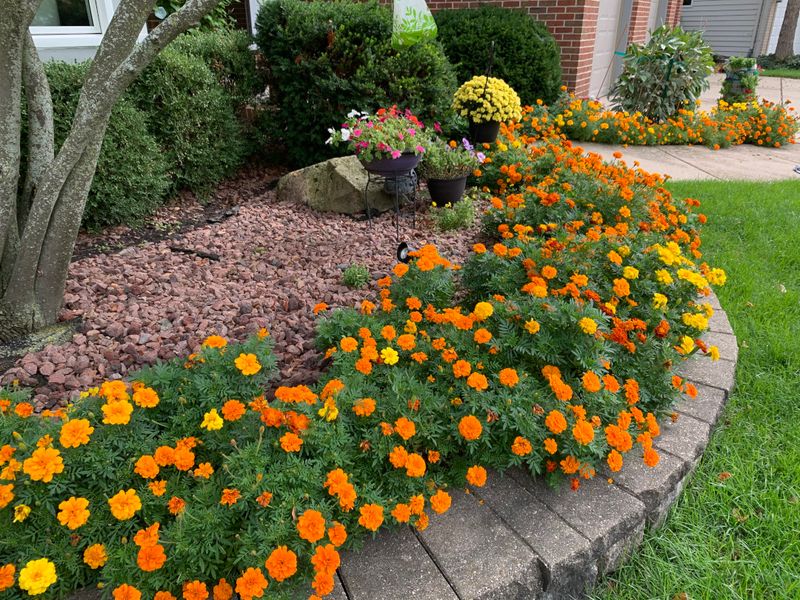
Few flowers earn their place in a vegetable garden quite like the French Marigold, known by botanists as Tagetes patula.
These cheerful orange and yellow blooms have been a favorite companion planting choice for generations of gardeners, and Michigan growers are no exception.
They add color, attract pollinators, and play a supporting role in managing certain pest pressures around tomatoes, peppers, and beans.
Marigolds produce a scent that some harmful insects find unappealing, which can help reduce activity near nearby vegetables. They also attract hoverflies and other beneficial insects that feed on aphids.
Planting them in clusters rather than scattering them randomly tends to produce better results throughout the growing season.
Your Michigan Garden Changes Every Week. Your Plan Should Too.
Gardening in Michigan changes quickly throughout the season. Every Friday you’ll receive a simple weekly plan showing exactly what to plant, prune, fertilize, harvest, and protect so you never miss the right timing.
For Michigan gardens, start marigold seeds indoors around mid-April or purchase transplants to set out after the last frost, usually around Memorial Day weekend.
Space plants about 10 to 12 inches apart to encourage good airflow during the humid summer months. Crowded plants in sticky summer heat can develop fungal issues, so spacing really matters.
Keep realistic expectations here. Marigolds are helpful companions, not miracle workers. They work best as part of a broader garden strategy that includes healthy soil, proper spacing, and other natural pest management methods.
Combined with good garden hygiene, marigolds genuinely contribute to a more balanced and productive garden.
3. Hand Picking Tomato Hornworms Works Better Than Many Gardeners Expect
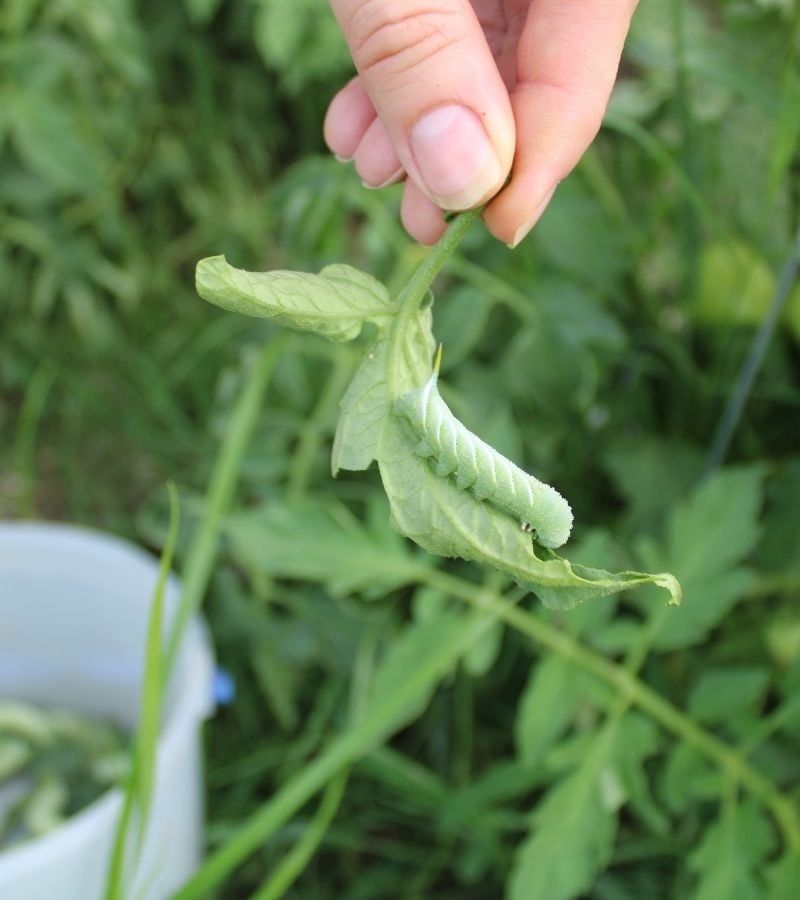
Spotting a tomato hornworm for the first time can be a bit of a shock. These thick, bright green caterpillars blend in so well with tomato stems that many gardeners walk right past them without noticing.
The first clues are usually chewed leaves and small dark droppings scattered on the foliage below, which means it is time to look more carefully.
Hand removal is surprisingly effective and completely free. Check plants in the early morning or evening when hornworms are most active.
Use gloves if you prefer, grip the hornworm firmly, and drop it into a bucket of soapy water. One pass through the garden every two or three days during July and August can make a real difference in keeping populations under control.
Here is something fascinating worth knowing before you reach for any spray. If you spot a hornworm covered in small white rice-shaped cocoons, leave it alone.
Those are the eggs of braconid wasps, a beneficial parasitic insect that naturally reduces hornworm populations on its own. Protecting those wasps is one of the smartest things a gardener can do.
Hornworm season in Michigan typically peaks between mid-July and late August, so that is the window to stay most alert. Regular scouting combined with a little patience keeps tomato plants healthy without disrupting the natural balance of your garden ecosystem.
4. Mulch Helps Block Soil Splash That Spreads Garden Problems
Rain hits bare garden soil harder than most people realize. Each raindrop that lands on exposed ground sends tiny soil particles flying upward, and those particles can carry fungal spores straight onto the lower leaves of tomatoes, peppers, and cucumbers.
In Michigan, where summer storms roll through regularly, soil splash is a real and common contributor to early blight and other leaf diseases.
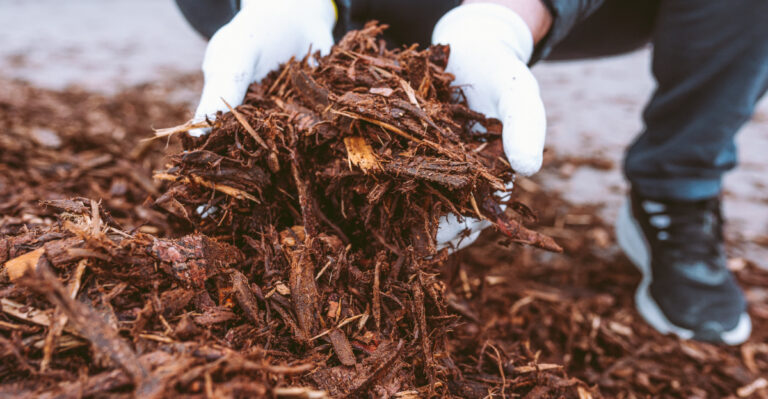
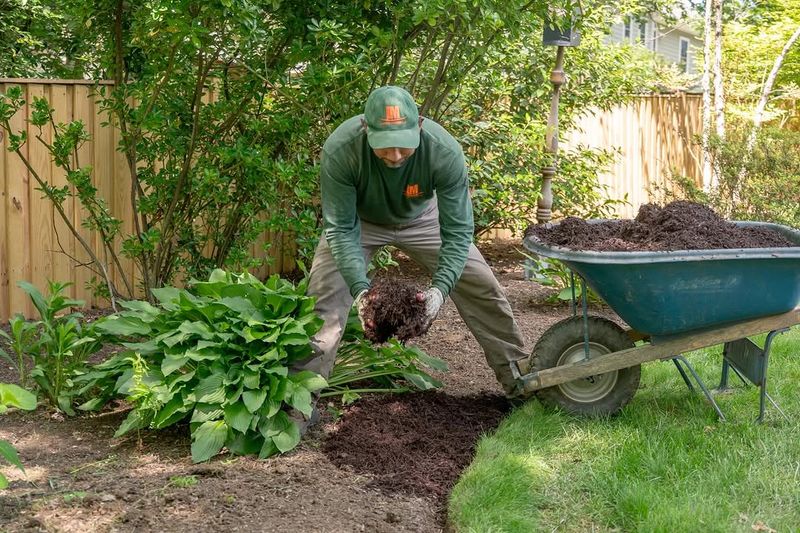
Applying a two to three inch layer of mulch around your vegetable plants creates a soft buffer that absorbs rain impact before it reaches the soil. Straw, shredded leaves, and wood chips all work well in vegetable gardens.
Straw is especially popular because it stays loose, allows water to pass through easily, and breaks down slowly over the season.
Beyond blocking splash, mulch does a lot of other good things for your garden. It holds moisture in the soil during dry spells, reduces weeding time, and keeps soil temperatures more stable during Michigan’s sometimes unpredictable summer weather patterns.
Ground beetles and other beneficial insects also appreciate the cool, moist habitat that mulch creates underneath.
Apply mulch after the soil has warmed in late May or early June. Putting it down too early in spring can slow soil warming and delay plant growth.
Pull mulch slightly away from plant stems to prevent moisture buildup against the base of the plant, which can lead to rot. A little care with placement goes a long way.
5. Nasturtiums Pull Aphids Away From Vegetables
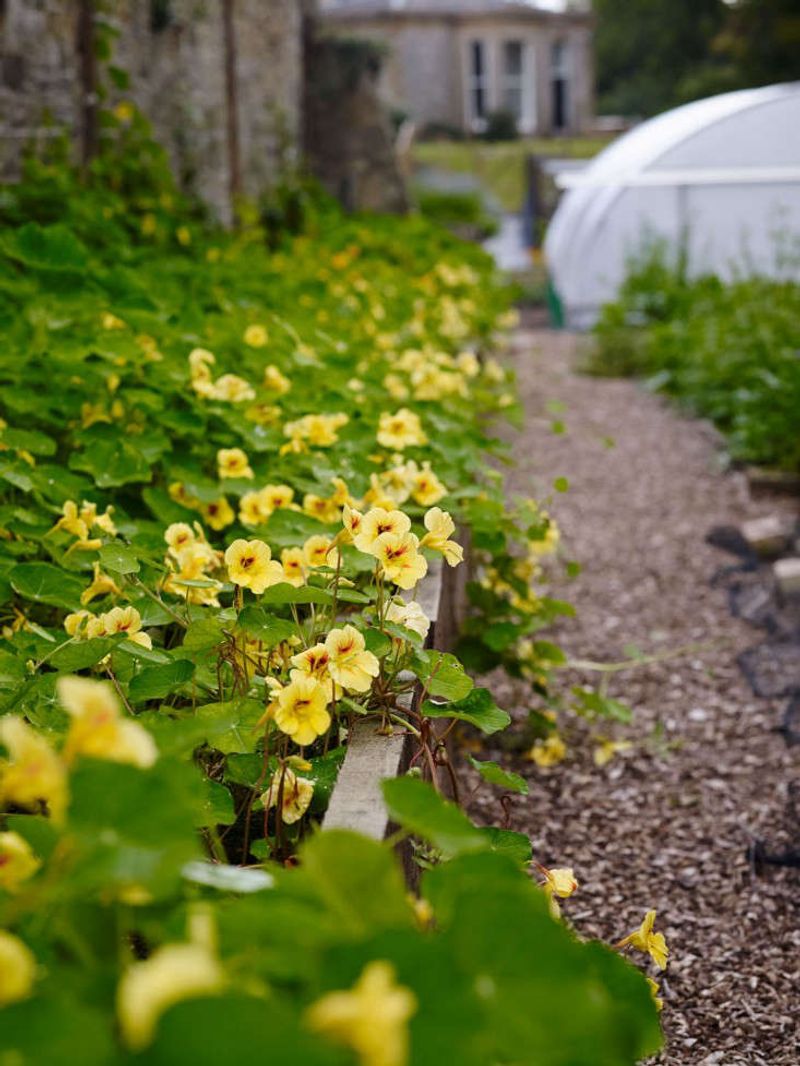
Nasturtiums might just be the most hardworking flower in the vegetable garden. Tropaeolum majus, as botanists call them, are fast-growing, easy to plant, and remarkably good at pulling aphids away from nearby vegetables.
Aphids seem to find nasturtiums almost irresistible, which is exactly what makes them such a clever trap crop for Michigan gardens.
The idea behind trap cropping is simple. You plant something aphids prefer even more than your vegetables, and they gather there instead.
Once aphids cluster on nasturtium leaves, you can spray them off with water, remove affected leaves, or simply let ladybugs and lacewings find the easy meal. Either way, your tomatoes and beans stay cleaner throughout the season.
Plant nasturtiums from seed directly in the garden after Michigan’s last frost, usually around late May. They prefer full sun and actually perform better in poorer soil, so skip the fertilizer for these ones.
Space seeds about 10 inches apart and they will spread cheerfully on their own. Both climbing and bush varieties work well depending on your garden layout.
Nasturtiums also attract pollinators and beneficial insects with their bright blooms, adding real ecological value beyond just pest management. Their flowers are edible too, with a peppery flavor that works nicely in salads.
For a low-maintenance, high-reward addition to any vegetable garden, nasturtiums are genuinely hard to beat all summer long.
6. Leaving Small Areas Wild Helps Beneficial Insects Stay Nearby
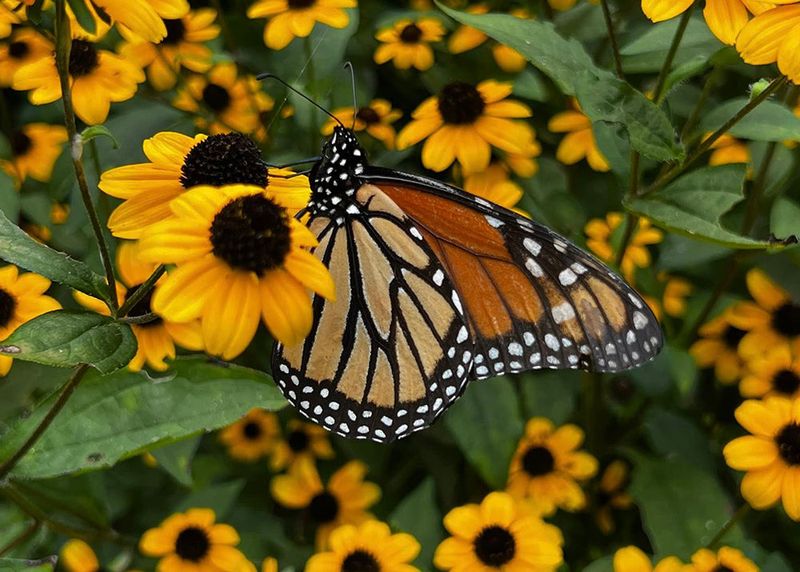
Not every corner of your yard needs to be perfectly manicured. In fact, leaving a small patch of your garden a little wild might be one of the best pest control decisions you ever make.
Ladybugs, lacewings, ground beetles, and native pollinators all need habitat to thrive, and a tidy garden with bare soil and no shelter does not offer them much to work with.
A wild patch does not have to be large or messy. Even a three-by-five-foot area planted with native Michigan wildflowers like black-eyed Susans, wild bergamot, or goldenrod can support a surprising number of beneficial insects.
Adding some ornamental grasses or leaving a small pile of dry leaves in a corner gives ground beetles and other helpful creatures a safe place to rest and reproduce.
Ladybugs alone can consume dozens of aphids in a single day, and lacewing larvae are equally impressive pest predators. By giving these insects a reason to stay close to your garden, you are essentially building a free, self-renewing pest management system.
Michigan’s native insect community is remarkably effective when given the right conditions to settle in.
Start small if the idea of a wild patch feels overwhelming. Even a few native plants tucked along a fence line or garden border can make a measurable difference over a full growing season.
Biodiversity in the landscape around your garden is one of the most powerful long-term strategies available to Michigan gardeners.
7. Copper Tape Helps Protect Gardens From Slugs Naturally
Slugs are sneaky. They feed mostly at night and hide during the day, which means many gardeners do not even realize they have a problem until they find ragged holes in their lettuce or hosta leaves.
Wet spring weather and humid summer nights create ideal conditions for slugs across most of Michigan, making them one of the most persistent soft-bodied pests in the state.
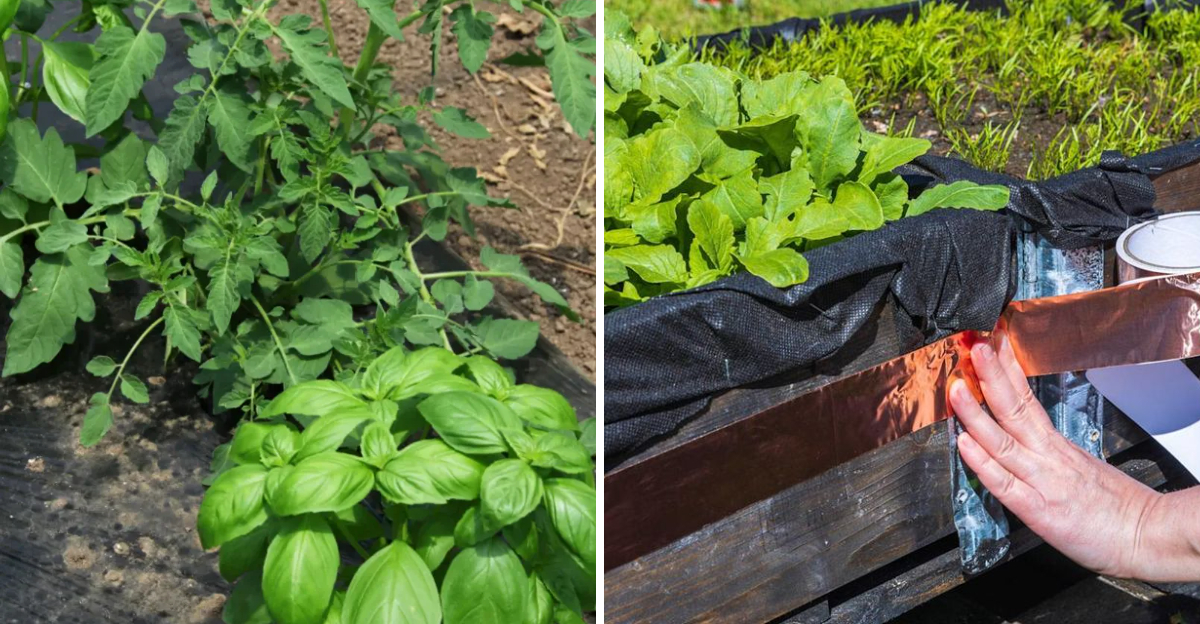
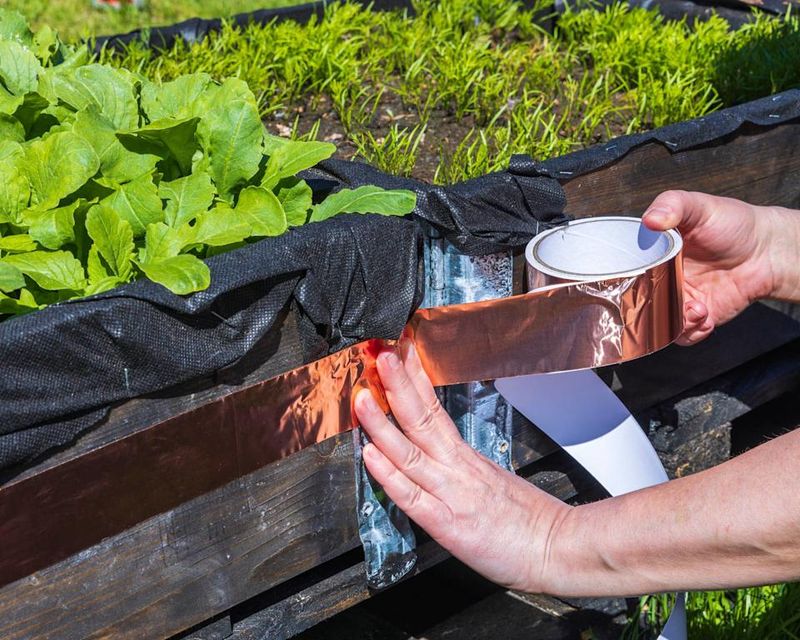
Copper tape works by creating a mild reaction when a slug’s body makes contact with the metal surface. The sensation discourages slugs from crossing the barrier, making it a smart choice for protecting raised beds and large containers without using any chemicals at all.
Apply copper tape around the outside rim of raised beds, pressing it firmly so there are no gaps or lifted edges where slugs could slip through.
For best results, clean the surface before applying the tape and check it a few times per season to make sure it is still firmly attached.
Copper tape does not harm earthworms, beetles, or any other beneficial garden creatures, which makes it a genuinely garden-friendly solution.
It is also durable enough to last through multiple growing seasons with minimal maintenance.
Pair copper tape with a few other slug reduction habits for stronger results. Remove boards, pots, and debris where slugs hide during the day.
Water plants in the morning rather than evening so soil surfaces dry out before nightfall. A combination of these small adjustments adds up to noticeably fewer slugs all season long.
8. Strong Water Sprays Remove Aphids Without Harsh Chemicals
Aphids are tiny, but they multiply fast. A small cluster on your pepper plants on Monday can turn into a full-blown infestation by the following weekend if left unchecked.
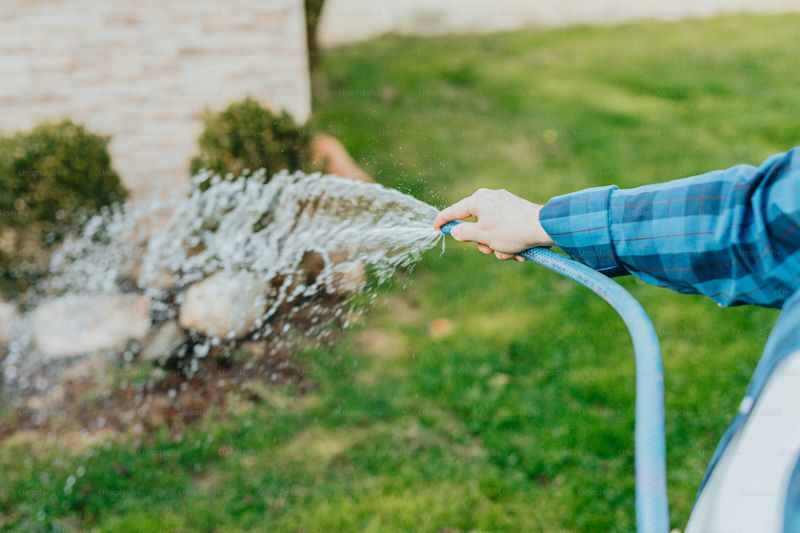
The good news is that one of the most effective ways to deal with aphids in gardens requires nothing more than a garden hose and a few minutes of your time.
A firm spray of water aimed at the undersides of leaves knocks aphids off the plant and onto the soil below, where they struggle to find their way back up.
Do this in the morning so foliage has time to dry before evening, which helps prevent fungal issues in Michigan’s humid summer climate.
Focus on plants like roses, beans, tomatoes, and kale, which tend to attract aphids most heavily.
The key is catching the problem early. A light aphid presence sprayed away consistently is much easier to manage than a heavy infestation that has spread across multiple plants.
Check your plants every few days during peak aphid season, which in here typically runs from late June through August.
Avoid using high-pressure sprays on delicate seedlings or soft new growth, as forceful water can bruise tender foliage. A gentle but firm stream works perfectly on established plants.
Protecting the ladybugs, lacewings, and parasitic wasps already present in your garden is equally important, since these insects will help keep aphid numbers down naturally between your watering sessions.
9. Basil Helps Attract Pollinators Near Tomatoes And Peppers
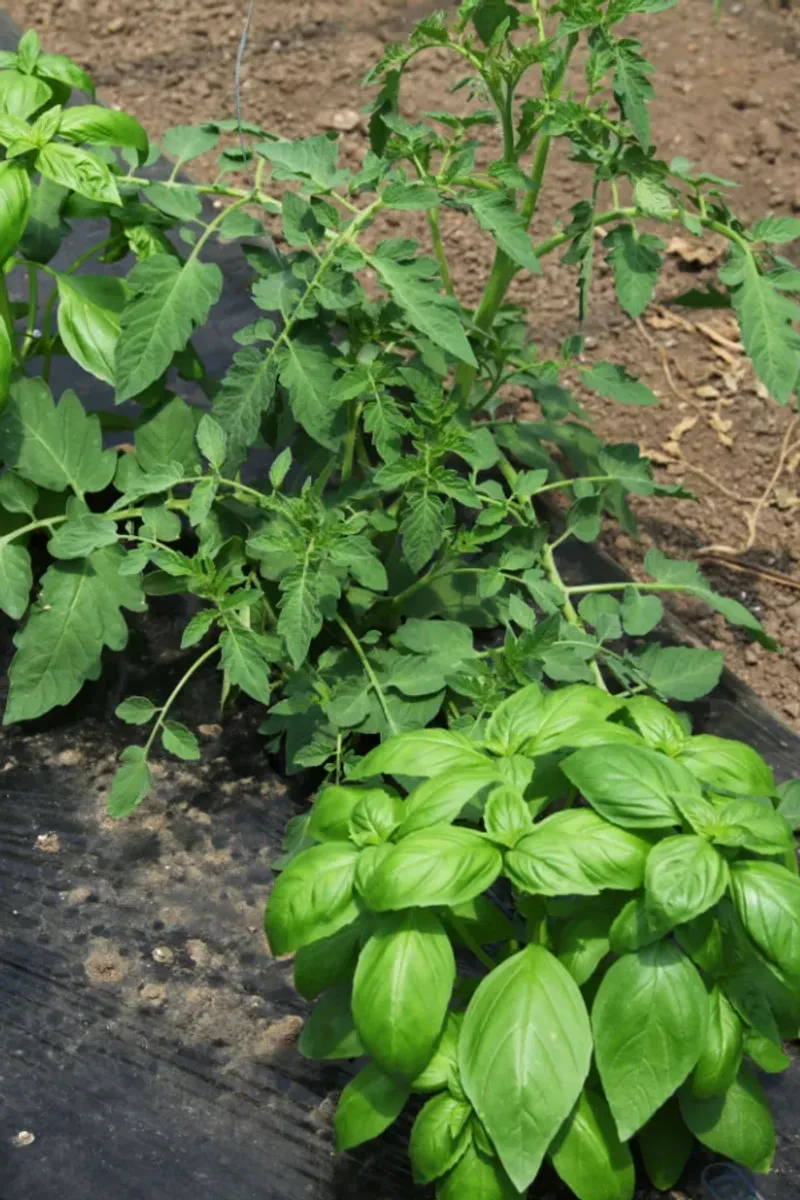
Basil and tomatoes are a classic pair in the kitchen, but their partnership in the garden goes beyond flavor.
When basil is allowed to flower, it becomes a magnet for pollinators including bumblebees, honeybees, and hoverflies, all of which benefit the tomatoes and peppers growing right beside it.
Michigan gardeners who let a few basil plants bolt in summer often notice noticeably more pollinator activity around their entire vegetable garden.
Plant basil outdoors in Michigan after the last frost, typically around late May or early June. It loves warm soil and full sun, and it grows happily in the ground or in containers placed near vegetable beds.
Space plants about 12 inches apart to encourage strong, bushy growth and good airflow during the humid weeks of July and August when fungal pressure tends to increase.
For kitchen use, pinch off flower buds regularly to keep leaves coming. For pollinator support, let some plants go to flower intentionally.
Both approaches work well together, and having a mix of flowering and non-flowering basil plants gives you the best of both worlds throughout the season.
Basil also benefits from consistent watering at the base of the plant rather than overhead, which keeps foliage dry and reduces the chance of leaf spot. It is a low-maintenance, high-value addition to any vegetable garden.
The pollinators it attracts improve fruit set on tomatoes and peppers, which translates directly into a better harvest come late summer.
10. Neem Oil Works Best When Gardeners Use It Carefully
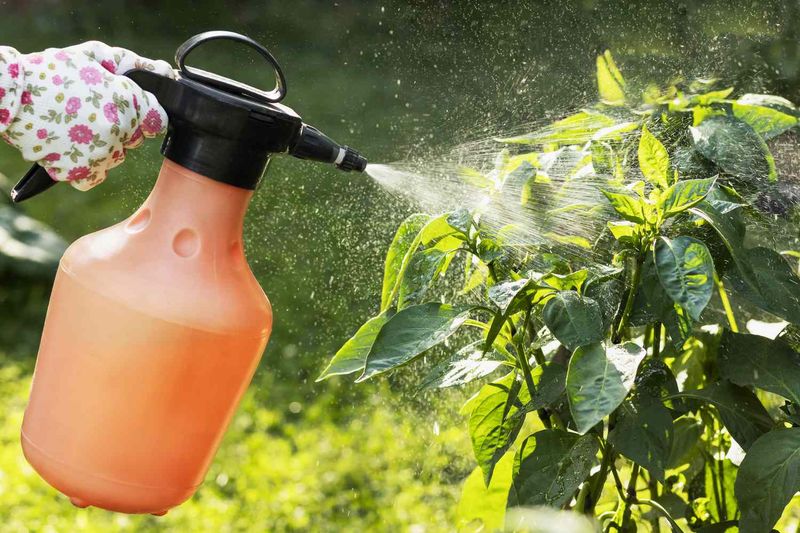
Neem oil has earned a solid reputation among organic gardeners, but it works best when used thoughtfully rather than liberally.
Pressed from the seeds of the neem tree, this natural oil disrupts the feeding and reproductive cycles of soft-bodied pests like aphids, whiteflies, and spider mites.
For gardeners dealing with persistent pest pressure on tomatoes, cucumbers, or squash, it can be a genuinely useful tool in the right situations.
The most important rule with neem oil is timing. Always apply it during evening hours when bees and other pollinators have returned to their nests for the night.
Spraying during the day when pollinators are actively foraging risks harming the very insects your garden depends on for fruit set and natural pest control. Evening application also reduces the chance of leaf burn in direct sunlight.
Michigan’s hot and humid summer days add another layer of caution. Applying neem oil when temperatures climb above 90 degrees can cause foliage damage, especially on plants already stressed by heat or drought.
Wait for a cooler evening after temperatures drop, and always dilute neem oil according to label directions before applying.
Overapplication is a common mistake. More does not mean better with neem oil, and coating plants too heavily can clog leaf pores and stress the plant.
Use it as a targeted response to specific pest problems rather than a routine spray. Applied correctly and sparingly, neem oil fits well into a balanced garden pest management plan.
11. Diatomaceous Earth Helps Control Crawling Pests In Dry Weather
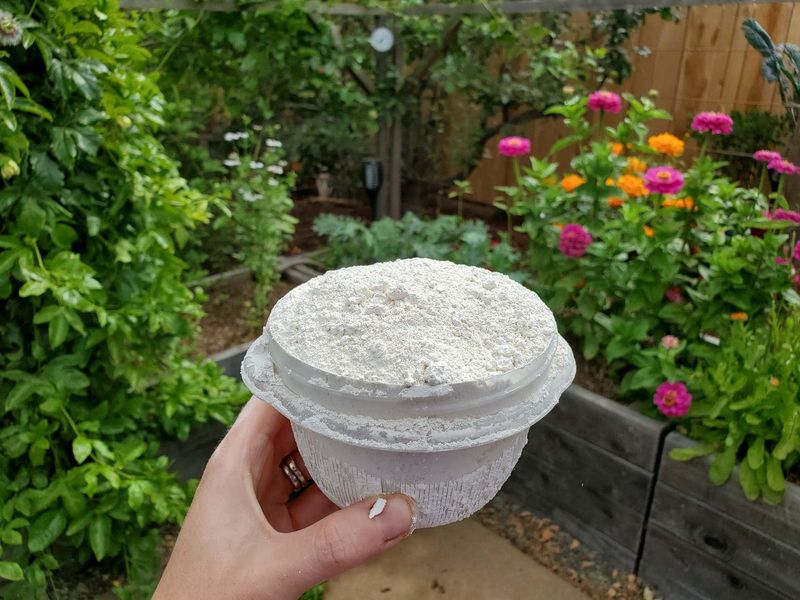
Diatomaceous earth looks like a harmless white powder, but to crawling insects it is something else entirely.
Made from the fossilized remains of tiny aquatic organisms, food-grade diatomaceous earth has microscopic sharp edges that damage the outer coating of crawling pests like slugs, earwigs, and ants, causing them to dehydrate.
It is a completely chemical-free approach that many gardeners swear by during dry stretches of summer.
The biggest limitation of diatomaceous earth is moisture. Rain and high humidity reduce its effectiveness almost immediately, and Michigan’s climate means you will need to reapply after every significant rainfall or heavy dew.
During dry spells in July or August, it can be quite effective when dusted lightly around the base of vulnerable plants or along garden bed edges where pests commonly travel.
Apply food-grade diatomaceous earth in the early morning when the air is calm to prevent the fine powder from drifting. Wear a dust mask during application since inhaling the powder is not good for your lungs, even though it is non-toxic in other ways.
Avoid applying it directly onto flowers where pollinators land, as it can affect bees and other beneficial insects that come into contact with it.
Use diatomaceous earth as a targeted spot treatment rather than blanketing your entire garden. Focus on problem areas like around seedlings, along raised bed edges, or near slug-prone crops like lettuce and hostas.
Strategic, careful application gives you solid pest control benefits while keeping your beneficial insect allies safe throughout the Michigan growing season.
12. Companion Flowers Keep Michigan Vegetable Gardens More Balanced
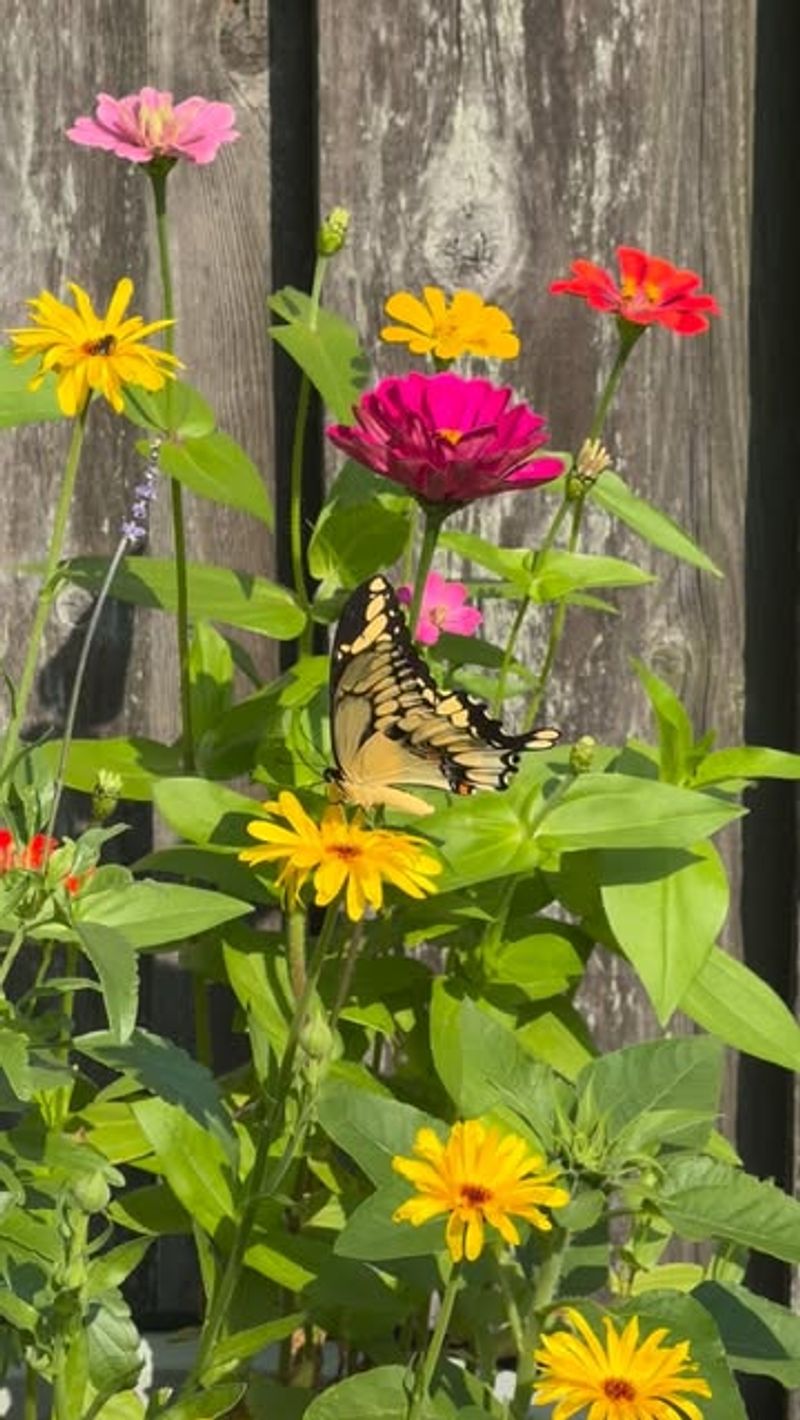
A vegetable garden packed with nothing but edible plants is actually missing something important. Flowering plants woven throughout vegetable beds create biodiversity that invites beneficial insects to move in, stick around, and do their work naturally.
In Michigan, where pest pressure builds steadily from June through August, having the right flowers in the right places can genuinely shift the balance in your favor.
Sweet Alyssum is a standout choice because its tiny clustered blooms attract hoverflies in impressive numbers. Hoverfly larvae are voracious aphid feeders, making these delicate white flowers one of the most practical pest management plants you can grow.
Zinnias bring in pollinators and lacewings, while Dill supports parasitic wasps that help manage caterpillar populations on nearby brassicas and tomatoes.
Timing matters for companion flower success in Michigan. Start Sweet Alyssum and Zinnias from transplants or direct seed them after the last frost in late May.
Dill can go in a little earlier and actually prefers cooler soil. Space flowering companions every few feet throughout your vegetable beds rather than clustering them all in one corner, so beneficial insects spread across the whole garden.
Good airflow is essential during Michigan’s humid summers, so avoid overcrowding plants even when adding flowers. Leave adequate space between companions and vegetables to reduce fungal pressure.
Over time, a garden rich in flowering diversity sees fewer catastrophic pest outbreaks because natural predators are always present and ready. Building that biodiversity is one of the most rewarding long-term investments a gardener can make.