9 Compact Native Plants That Can Outperform Large Shrubs In Michigan Gardens
Space runs tight in many Michigan yards, and the weather rarely stays predictable for long.
One area drains fast and sandy, another holds heavy clay, and winters can leave plants stressed before spring even begins.
Large shrubs can start to feel like more work than they’re worth, especially when pruning and space become ongoing concerns. That shift has more gardeners looking toward compact native plants.
These smaller options bring seasonal color, habitat value, and strong adaptability without taking over the landscape.
Across Michigan, from the Upper Peninsula to the southern Lower Peninsula, they’re showing that size doesn’t limit impact.
1. New Jersey Tea Handles Dry Michigan Soils
Dry, sandy soils are one of the most common headaches for Michigan gardeners, especially in western and northern parts of the state where moisture drains fast and large shrubs struggle to establish.
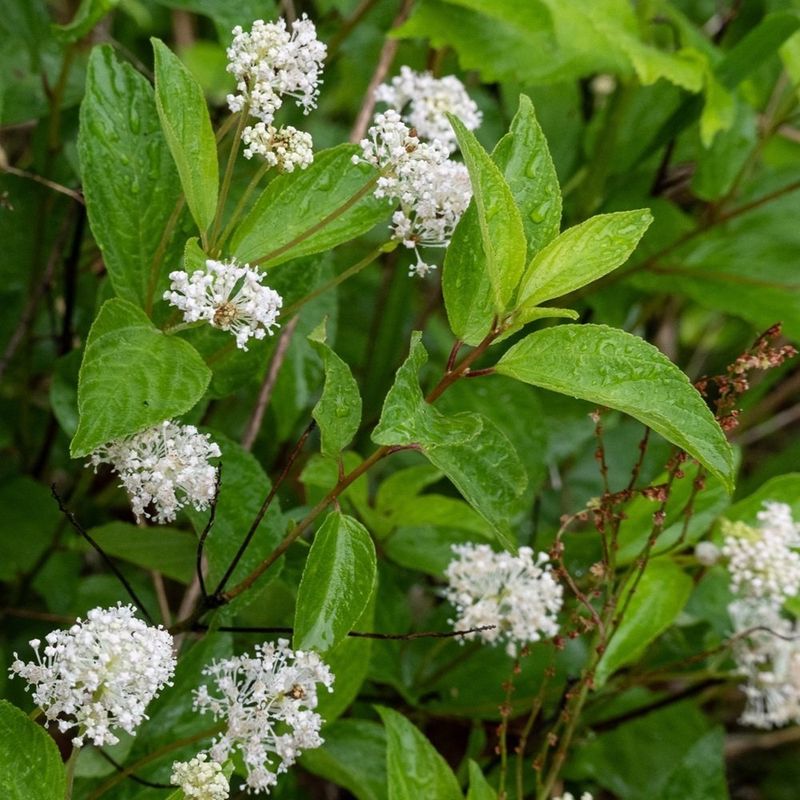
New Jersey Tea, known botanically as Ceanothus americanus, thrives in exactly those conditions.
Reaching just about 3 feet tall and wide, it fits comfortably into spots where bigger shrubs would feel cramped or demand extra watering to survive.
Mid-summer brings clusters of showy, fragrant white flowers that hummingbirds and butterflies find genuinely hard to resist.
Beyond its pollinator appeal, this plant develops a deep root system that helps it anchor into loose soils and pull moisture from lower layers during dry Michigan summers.
Once established, supplemental watering is rarely needed.
Gardeners dealing with sun-baked slopes or rocky edges will find this shrub a reliable performer. It tolerates full sun and handles light shade without losing its compact shape.
Historically, Native American communities used its leaves as a tea substitute, which is how the plant earned its memorable name.
For Michigan yards where space is limited and rainfall is unpredictable, New Jersey Tea offers a low-effort, high-reward option that larger shrubs simply cannot match.
2. Bush Honeysuckle Thrives In Sun And Shade
Finding a plant that performs well in both sunny spots and shadier corners of the same yard can feel like searching for a unicorn.
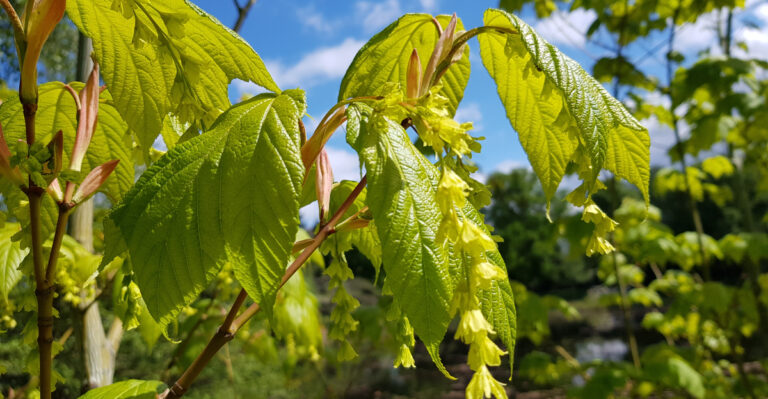
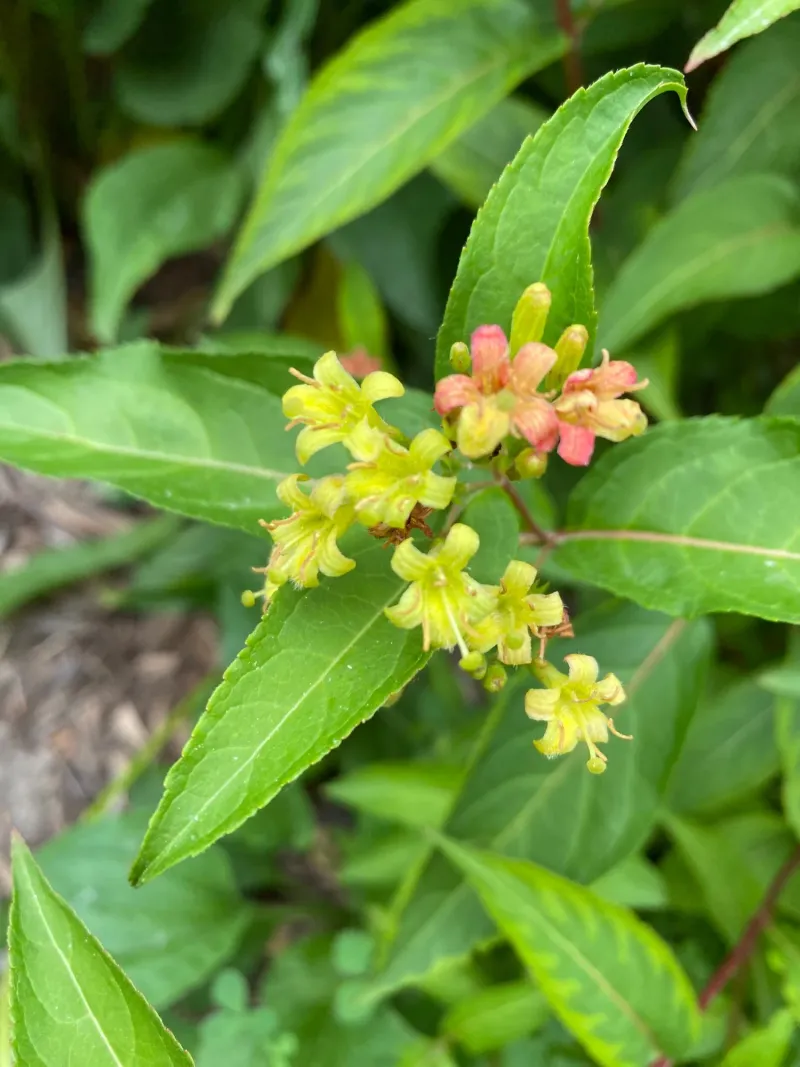
Bush Honeysuckle, or Diervilla lonicera, is one of the few compact natives that genuinely delivers in both conditions without skipping a beat.
Growing 2 to 4 feet tall and spreading 4 to 5 feet wide, it fills in spaces where larger shrubs would either overgrow the area or sulk in low light.
The foliage starts with a warm bronze-green color in spring, which gradually deepens through the growing season.
Small yellow trumpet-shaped flowers appear in June and July, attracting native bees and other beneficial insects that Michigan gardens depend on for healthy pollination cycles.
Unlike many flowering shrubs, Bush Honeysuckle does not demand rich, amended soil to put on a good show.
Sandy and dry soils are handled without complaint, making it especially useful across Michigan’s western Lower Peninsula and other regions with fast-draining ground.
It also spreads gradually through suckers, slowly filling in slopes or bare patches that would otherwise require regular mulching or groundcover maintenance.
For gardeners who want reliable coverage with minimal fuss, this native shrub is worth a serious look.
Your Michigan Garden Changes Every Week. Your Plan Should Too.
Gardening in Michigan changes quickly throughout the season. Every Friday you’ll receive a simple weekly plan showing exactly what to plant, prune, fertilize, harvest, and protect so you never miss the right timing.
3. Lowbush Blueberry Offers Edible Ground Cover
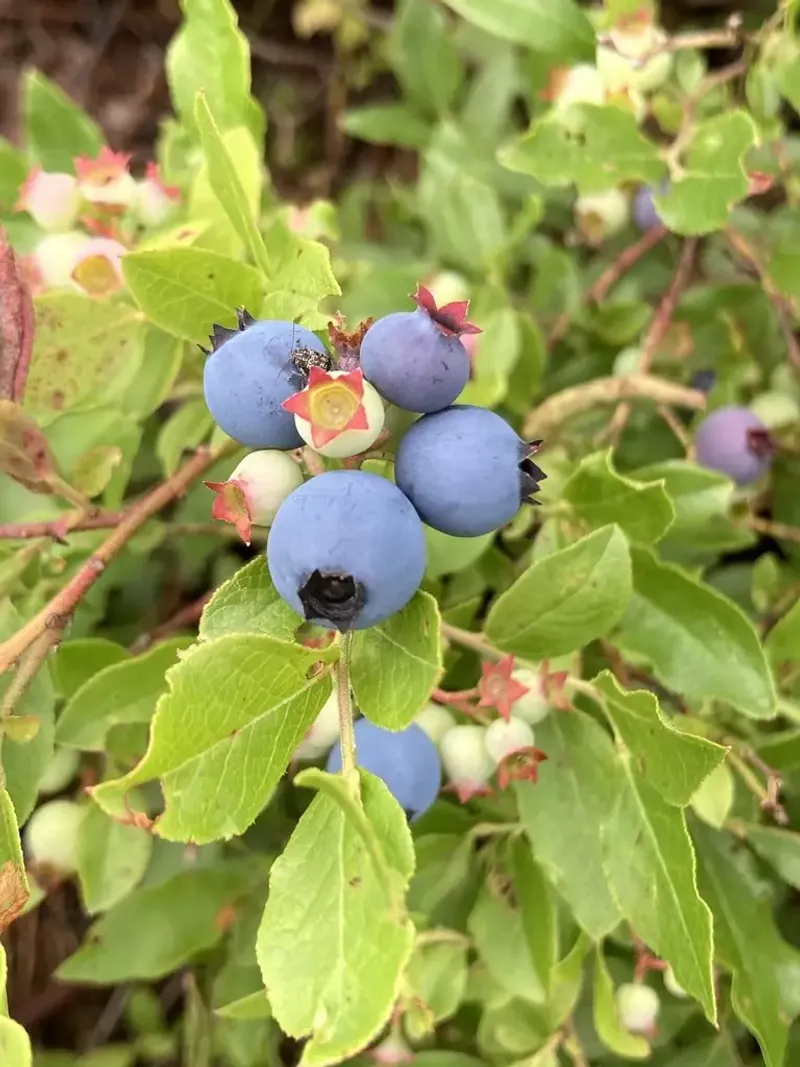
Not many ground covers reward you with something you can actually eat at the end of the season. Lowbush Blueberry, Vaccinium angustifolium, does exactly that while staying under 2 feet tall and spreading steadily across open areas.
In Michigan, where blueberries are practically a state symbol, growing a native variety in the home landscape feels like a natural fit.
Spring brings small white bell-shaped flowers that feed early-season pollinators, including native bees that are critical to Michigan’s broader agricultural ecosystem.
By midsummer, clusters of small, sweet blueberries ripen and attract birds, though gardeners who get there first will find them perfectly edible and worth the effort.
Fall color is another unexpected bonus, as the foliage shifts to rich shades of red and orange before dropping.
Lowbush Blueberry performs best in acidic, well-drained soils, which are common across much of Michigan’s sandy Lower Peninsula.
It handles full sun well and tolerates partial shade, though berry production tends to be stronger in brighter spots.
Compared to larger fruiting shrubs that need significant pruning and space management, this compact native stays tidy on its own.
Planting it in mass groupings gives it room to spread and creates a dense, weed-suppressing mat that reduces long-term maintenance considerably.
4. Sweetfern Adapts Well To Sandy Michigan Sites
Sandy roadsides, dry hillsides, and nutrient-poor areas around Michigan’s northern Lower Peninsula present a real challenge for conventional landscaping.
Sweetfern, Comptonia peregrina, is one of those rare plants that seems to genuinely prefer those tough conditions rather than just tolerating them.
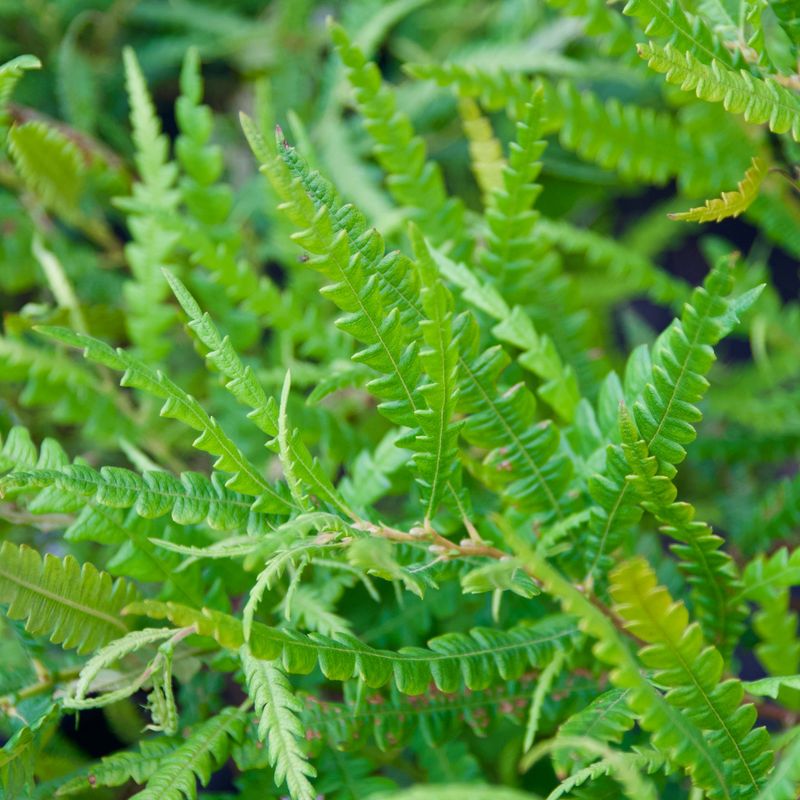
Despite its name, Sweetfern is not actually a fern at all but a low-growing woody shrub that typically reaches 2 to 4 feet in height.
The leaves are long, narrow, and deeply lobed in a way that resembles true fern fronds, and they release a pleasant, spicy fragrance when brushed or crushed.
That aromatic quality makes it a sensory standout in any Michigan garden where visitors walk past it along a path or slope.
Beyond its charm, Sweetfern fixes nitrogen in the soil through a symbiotic relationship with soil bacteria, which gradually improves the growing conditions around it over time.
It spreads through underground rhizomes, which helps it stabilize sandy banks and prevent erosion without any extra intervention from the gardener.
Full sun is where it thrives most, and it handles drought with ease once established.
Compared to large shrubs that need supplemental watering and regular feeding in poor soils, Sweetfern is a self-sufficient option that genuinely earns its place in Michigan’s most challenging landscape spots.
5. Chokeberry Brings Berries And Fall Color
Some plants work overtime through multiple seasons, and Chokeberry is one of the best examples in the Michigan native plant world.
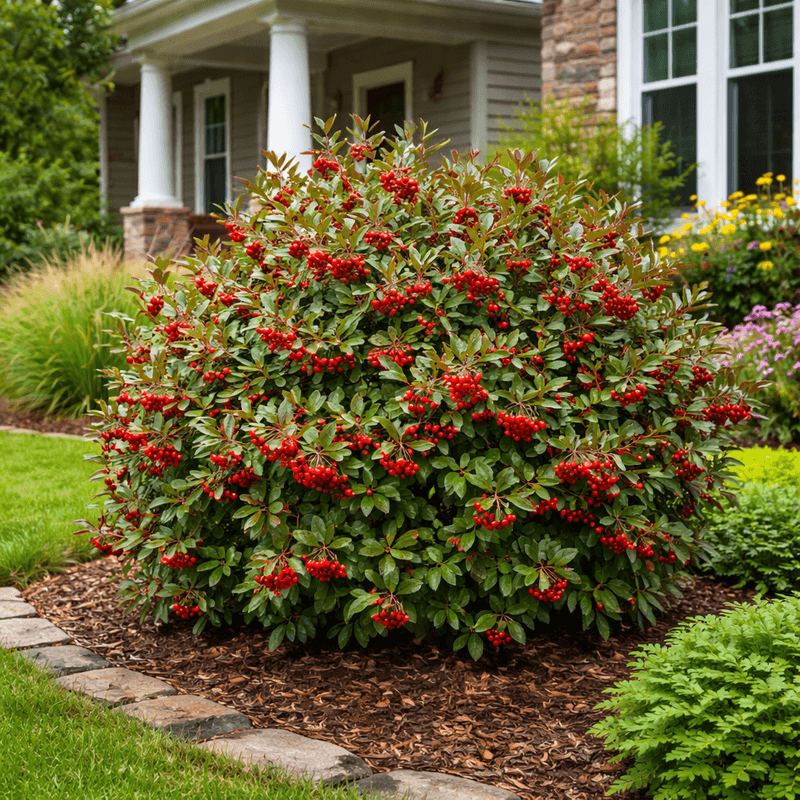
Aronia arbutifolia, the red chokeberry, delivers white spring flowers, summer berries, and one of the most vivid fall foliage displays you can get from a compact shrub.
Growing 6 to 8 feet tall, it sits on the larger end of this list but still takes up far less space than many traditional landscape shrubs.
The bright red berries that develop in late summer and persist well into fall are a reliable food source for migrating birds passing through Michigan.
While the berries are quite tart for fresh eating, they are used in juices, jellies, and syrups, and their high antioxidant content has earned them attention in recent years.
The foliage turns a striking crimson red in autumn that rivals the color output of much larger ornamental trees.
Chokeberry adapts to a wide range of soil conditions, including wet and clay-heavy sites that frustrate many other shrubs. It handles both full sun and partial shade without significant changes in its growth habit.
For Michigan gardeners looking to replace a large, hard-to-manage shrub with something that pulls equal visual weight across three seasons, Chokeberry is a strong and dependable choice worth considering.
6. Meadowsweet Grows Well In Moist Michigan Soils
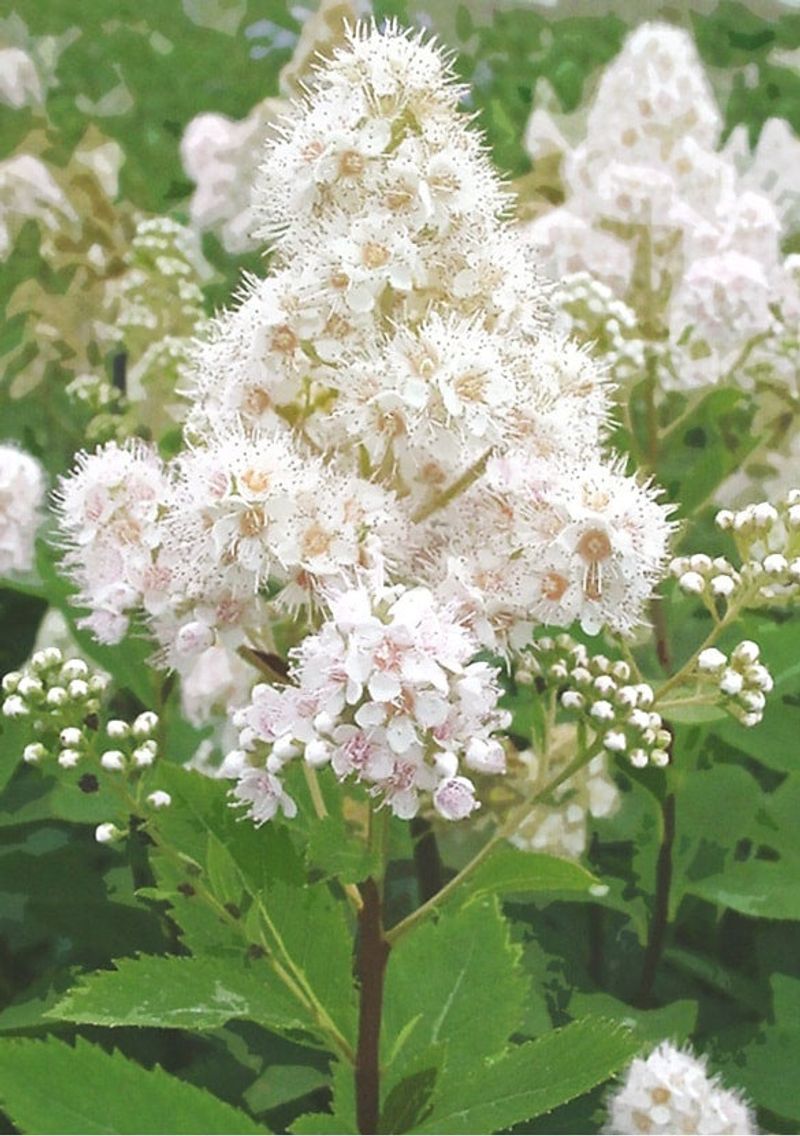
Wet corners of Michigan yards often become problem areas where standing water lingers after rain and most ornamental plants simply rot at the roots.
Meadowsweet, Spiraea alba, is a native shrub that treats those soggy spots as an opportunity rather than an obstacle.
Growing 3 to 5 feet tall, it stays manageable in size while providing months of visual interest in areas where larger shrubs might struggle to get established.
Fluffy white flower clusters appear from mid-summer through early fall, which is a longer bloom window than many competing shrubs can offer.
Those flowers attract a wide variety of native bees, wasps, and small butterflies, making Meadowsweet a valuable addition to any Michigan garden that prioritizes supporting local insect populations.
The foliage holds its color well through summer before transitioning to warm yellows in fall.
Moist to wet soils in full sun or partial shade are where this plant performs most reliably, and it handles Michigan’s variable spring flooding without suffering lasting damage.
Rain gardens, stream edges, and low-lying yard areas are ideal placements.
Unlike larger moisture-loving shrubs that can quickly overtake a small yard, Meadowsweet stays in bounds with minimal pruning and provides consistent seasonal interest without demanding the kind of ongoing care that discourages many home gardeners.
7. Prairie Willow Handles Open Sunny Spaces
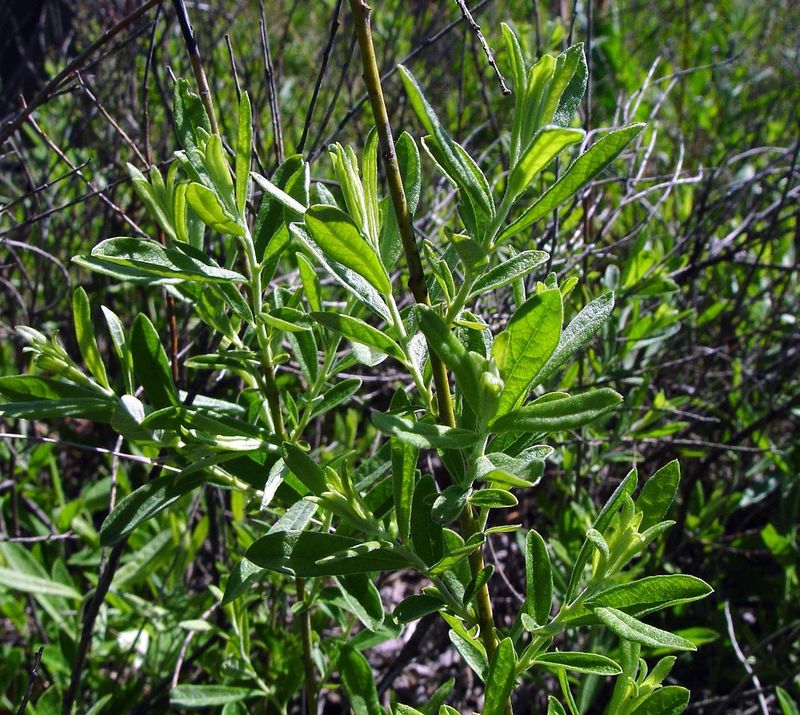
Open, sunny yards with dry or average soils are common across many Michigan suburban neighborhoods, and finding a compact shrub that truly thrives in those conditions without constant watering is not always easy.
Prairie Willow, Salix humilis, fills that role quietly but effectively.
Unlike its tree-sized willow relatives that are notorious for invasive root systems and excessive size, Prairie Willow stays between 3 and 6 feet tall and behaves itself in the landscape.
One of its earliest contributions comes in late winter and early spring, when fuzzy catkins emerge before most other plants have even thought about waking up.
Those early catkins are a critical food source for queen bumblebees and other native pollinators that emerge during Michigan’s unpredictable late-winter thaws.
Few compact shrubs offer that kind of early-season ecological value.
Prairie Willow grows in dry to medium soils and handles clay, loam, and sandy conditions across different parts of Michigan. It tolerates occasional drought once established and does not need rich soil amendments to perform well.
Its root system also helps stabilize open slopes and edges where erosion can be a recurring issue after heavy Michigan rains.
For gardeners replacing a large, high-maintenance shrub in an open sunny bed, Prairie Willow brings wildlife value and structure without the upkeep burden.
8. Bearberry Forms A Dense Evergreen Carpet
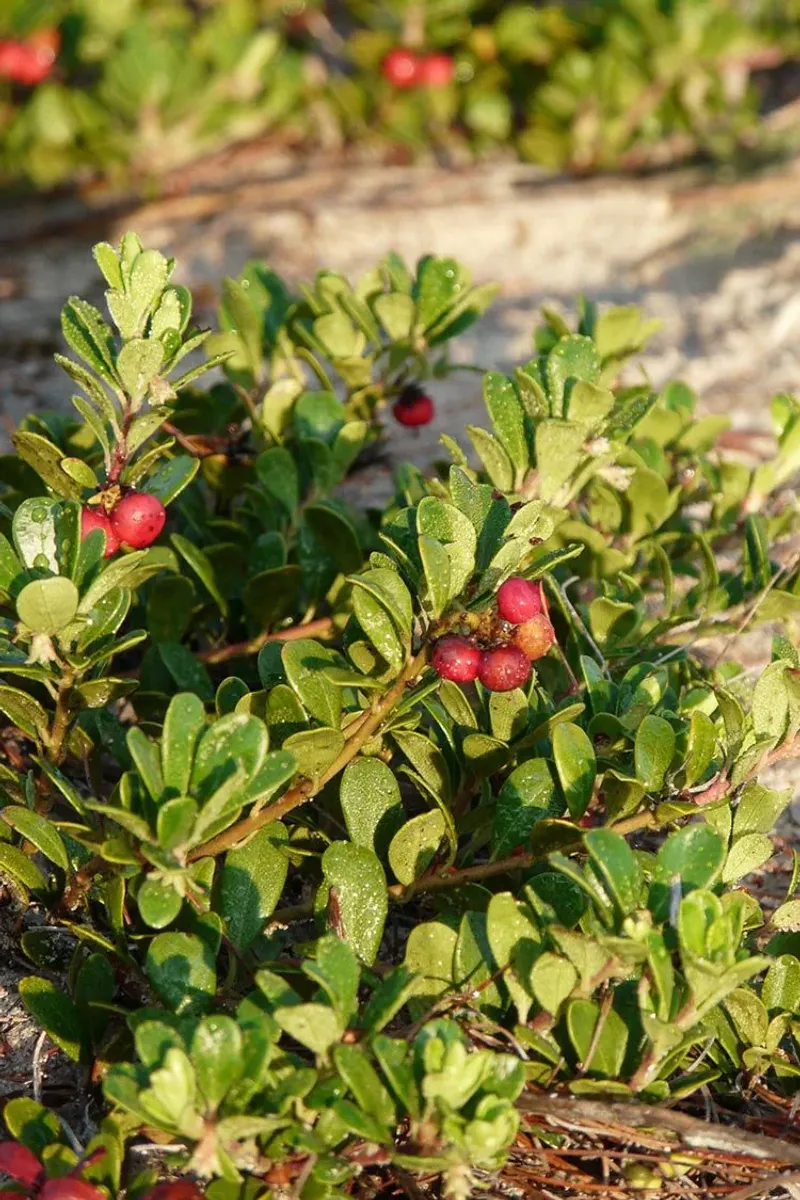
Evergreen ground covers that stay green through Michigan’s long winters are genuinely hard to find among native plant options, which makes Bearberry, Arctostaphylos uva-ursi, stand out in a meaningful way.
Creeping along the ground at just 6 to 12 inches tall, it forms a dense, weed-suppressing mat that looks polished in every season without requiring seasonal replanting or winter protection.
Gardeners who have spent years battling weeds in dry, sandy areas will find this plant a welcome change.
Small, glossy leaves hold their deep green color through winter, providing structure and visual interest even when the rest of the Michigan landscape has gone dormant and gray.
In spring, tiny pink-white bell-shaped flowers appear, followed by bright red berries in late summer and fall.
Wildlife, including ruffed grouse, wild turkeys, and bears, rely on those berries as a food source, which explains the plant’s common name.
Sandy, acidic, and well-drained soils suit Bearberry best, and it grows naturally across Michigan’s northern counties and Upper Peninsula where those conditions are widespread.
Full sun encourages the densest growth and the most reliable berry production.
Compared to large evergreen shrubs that demand regular pruning and significant space, Bearberry provides year-round coverage at a fraction of the maintenance cost, making it one of the most practical choices on this list.
9. Serviceberry Adds Spring Flowers And Summer Fruit
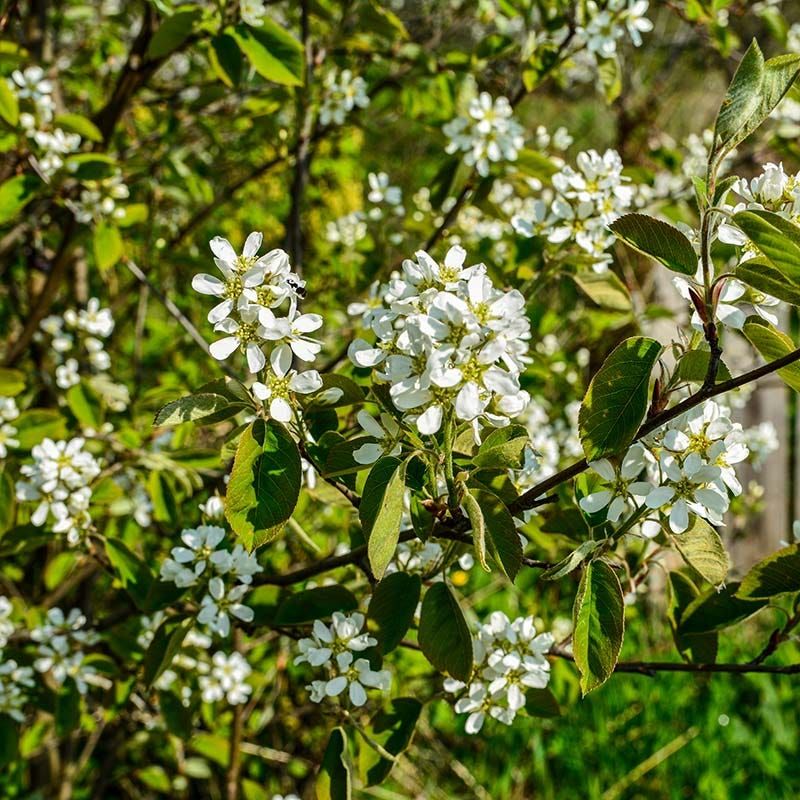
Early spring in Michigan can feel like a long wait, with gray skies and bare branches lasting well into April.
Serviceberry, from the Amelanchier genus, breaks that monotony earlier than almost any other native shrub or small tree in the Michigan landscape.
White flowers burst open in early spring, sometimes even before the leaves fully emerge, creating a cloud-like display that signals the end of winter more convincingly than the calendar does.
By early summer, small purple-red berries ripen and attract a wide range of birds, including cedar waxwings, robins, and thrushes that pass through Michigan during migration.
The berries are also edible for people and taste somewhat like blueberries, mild and sweet with a hint of almond flavor.
Fall color adds yet another layer of interest, with foliage shifting to shades of orange, red, and gold.
Serviceberry adapts to a variety of soil types found across Michigan, from moist streamside conditions to drier upland sites, and it handles both full sun and partial shade.
Compact varieties typically stay between 6 and 12 feet, making them a practical alternative to large ornamental trees or sprawling shrubs in smaller Michigan yards.
For gardeners who want a multi-season performer with real ecological value, Serviceberry is one of the most rewarding native choices available.