The Native Michigan Wildflower That Gets More Beautiful Every Season You Stop Fussing Over It
Wild blue indigo is one of those plants that asks you to be patient and rewards that patience more generously than almost anything else growing in a Michigan native garden. The first season it sits quietly and builds roots you cannot see.
By the second year it starts to hint at what is coming. By the third it begins delivering on a promise that gardeners who stayed the course tend to talk about for years.
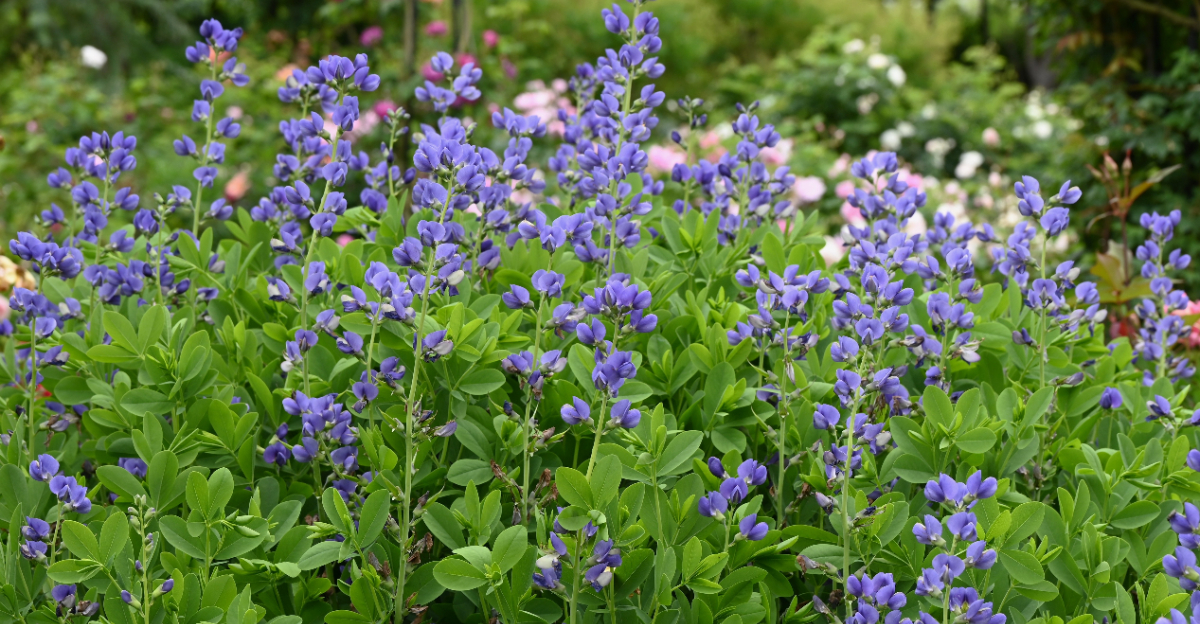
Those deep blue flower spikes rising above blue green foliage in late spring are striking on their own.
However, the plant keeps giving long after blooms fade, with architectural seed pods that hold their structure into fall and a spreading clump that grows more impressive with every season you resist the urge to intervene.
Wild blue indigo handles Michigan winters without flinching, tolerates lean soil better than most cultivated perennials, and supports specialist native bees in ways that introduced plants simply cannot.
Stop fussing with it and it becomes one of the most beautiful and self sufficient plants in the entire yard.
1. Wild Blue Indigo Develops Stronger Roots Every Season
Few plants in Michigan reward patience quite like wild blue indigo. During its first season in the ground, it might look modest, even a little underwhelming, and that is completely normal.
What is happening below the surface, though, is genuinely impressive. The plant is quietly building a deep, wide-reaching root system that will power its growth for decades to come.
Baptisia australis is a long-lived native perennial that has evolved alongside Michigan’s changing seasons. Those deep roots are not just for show.
They anchor the plant through harsh winters, pull moisture from lower soil layers during dry summers, and allow the plant to bounce back reliably each spring without any help from you.
Gardeners in Michigan often expect fast results, but wild blue indigo works on its own schedule. By years three and four, the plant becomes noticeably fuller and produces more flower spikes.
By year five or six, it starts to resemble a small shrub, covered in gorgeous blue-purple blooms.
Giving it a permanent, undisturbed spot from the start is the smartest move any gardener can make, because once those roots settle in, the plant simply keeps improving every single season without needing much from you at all.
2. Too Much Water Often Causes More Problems Than Dry Soil
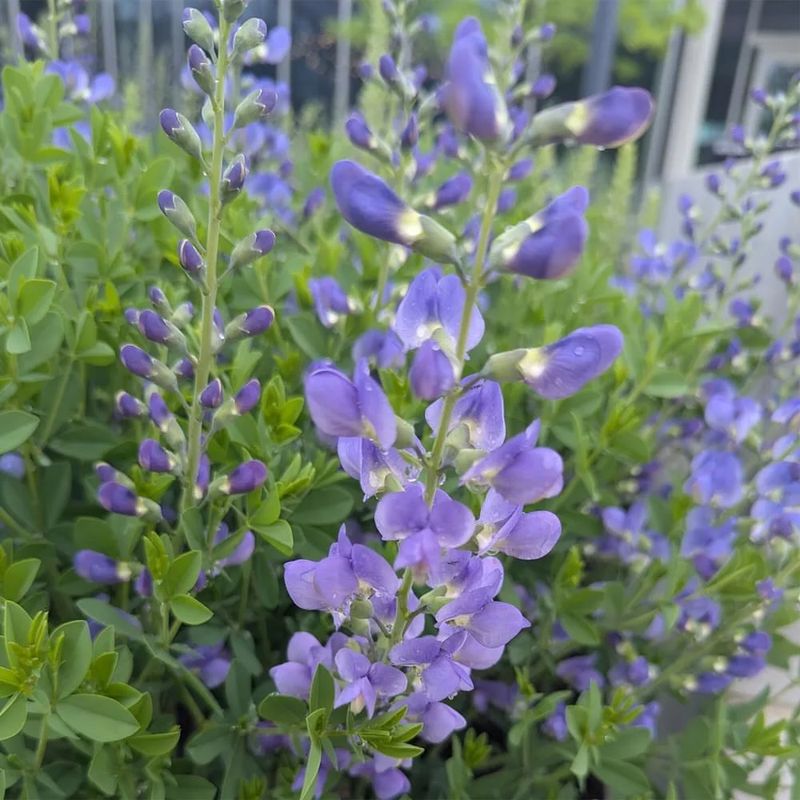
Overwatering is one of the most common mistakes gardeners make with wild blue indigo, and it causes far more trouble than simply letting the soil dry out between waterings.
Baptisia australis evolved on open prairies and woodland edges where soils drain quickly and roots never sit in standing water for long.
Replicating those conditions in a garden is the key to keeping this plant thriving.
Heavy clay soil, which is common across many parts of Michigan, can hold too much moisture and slow down root development significantly. If your yard has clay-heavy ground, consider mixing in coarse sand or fine gravel before planting to improve drainage.
Your Michigan Garden Changes Every Week. Your Plan Should Too.
Gardening in Michigan changes quickly throughout the season. Every Friday you’ll receive a simple weekly plan showing exactly what to plant, prune, fertilize, harvest, and protect so you never miss the right timing.
Raised beds also work beautifully for wild blue indigo and give you direct control over soil moisture levels throughout the growing season.
Sandy soil, found in many parts of western and northern Michigan, is actually a great match for this plant. It drains fast, warms up early in spring, and encourages deep root growth naturally.
In average garden soil, watering once a week during the first season is usually enough to help the plant establish. After that, rainfall alone handles most of the work.
Wild blue indigo prefers to be slightly dry rather than consistently wet, and respecting that preference makes a noticeable difference in how healthy and upright the plant looks each season.
3. Wild Blue Indigo Thrives When Gardeners Stop Overworking The Soil
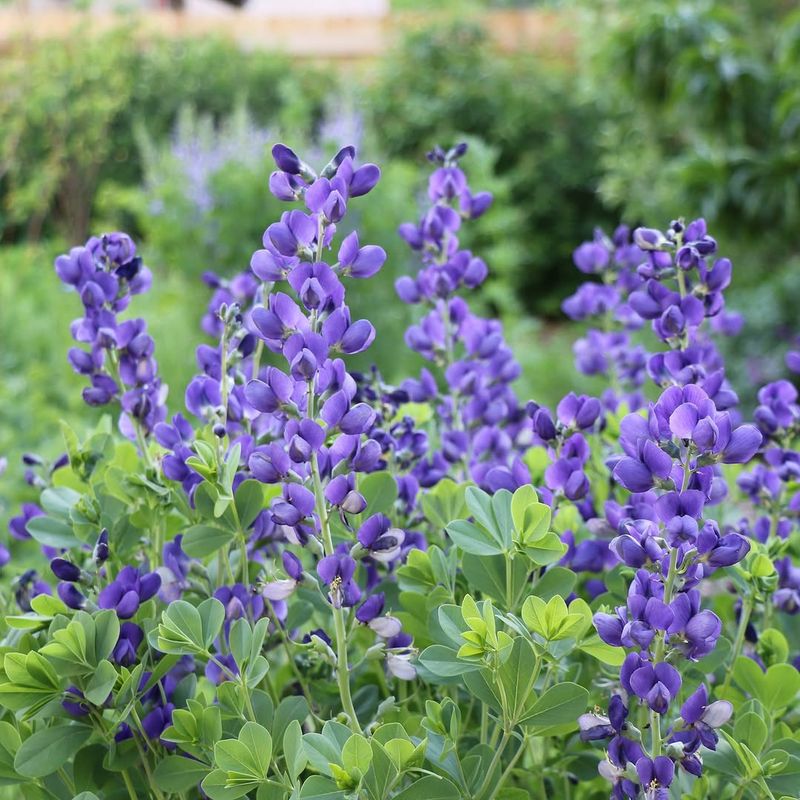
Wild blue indigo has a strong personality when it comes to its home in the garden. Once it settles into a spot, it really does not want to be moved.
The deep taproot that makes this plant so resilient in Michigan’s climate is also what makes transplanting it such a risky idea. Digging it up and relocating it, even just a few feet away, can set the plant back by two or three full growing seasons.
Constant soil disturbance nearby is also a problem. Turning over the soil around the base of the plant, adding heavy mulch layers repeatedly, or digging in adjacent areas can damage those deep roots without you even realizing it.
The best approach is to choose the right location before you plant and then commit to leaving that spot alone for years to come.
Michigan gardeners who treat wild blue indigo as a permanent fixture in their landscape are always the ones who report the most impressive results.
Sunny perennial borders, native prairie gardens, and open meadow-style plantings across Michigan all give this plant the stability it needs.
Once established, the plant expands naturally into a wide, mounded shape that looks more polished and intentional every single year. The less you disturb the soil around it, the more stunning it becomes, and that is a trade most gardeners are very happy to make.
4. Full Sun Brings Out The Best Blooms And Structure
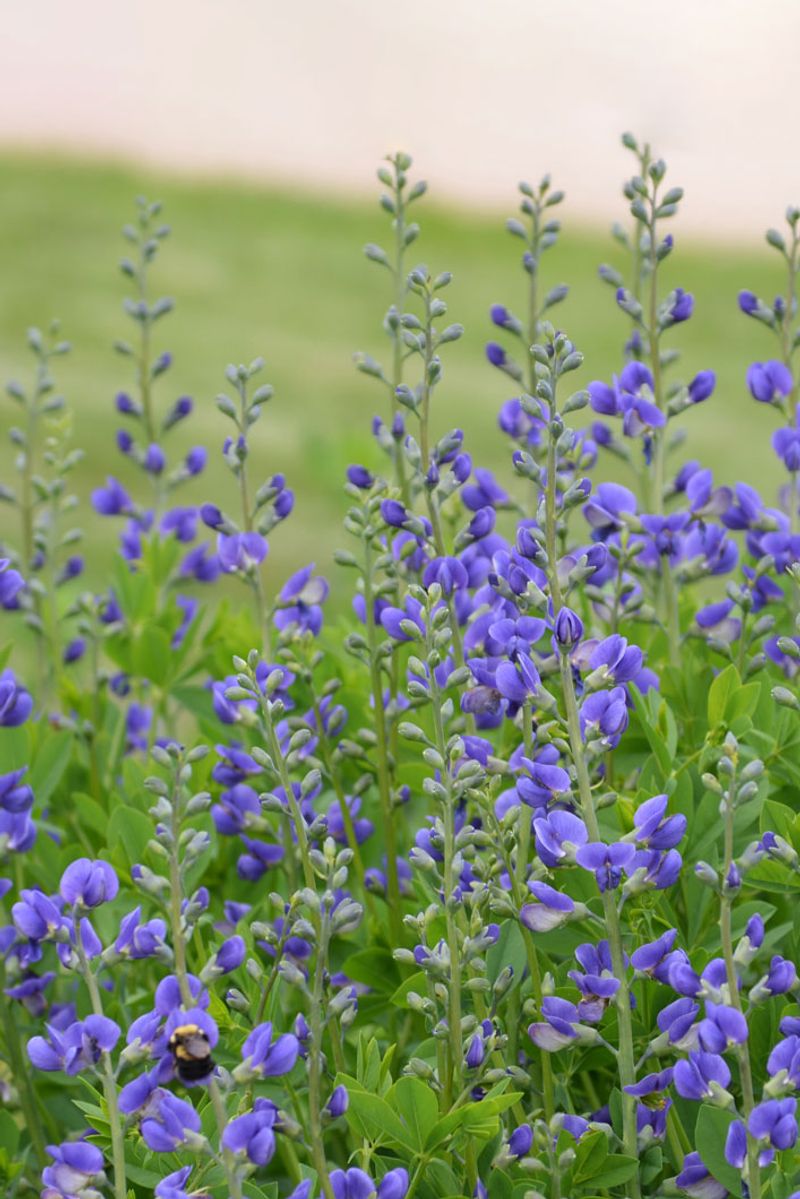
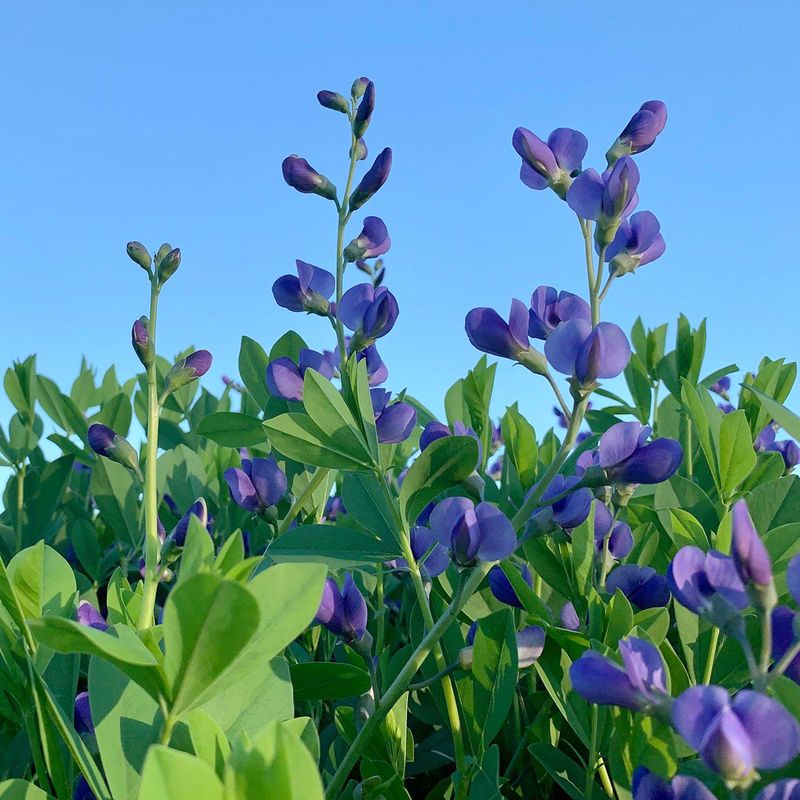
Sunlight is where wild blue indigo truly comes alive. Give it a spot with at least six hours of direct sun each day, and it rewards you with strong, upright stems, dense bushy growth, and flower spikes packed with deep blue-purple blooms that are genuinely hard to ignore.
Michigan gardens that offer full sun are the ideal home for this plant, and the results speak for themselves every late spring.
Shade creates a very different story. Plants grown in too much shade tend to stretch toward the light, producing weak, floppy stems and far fewer flowers than their sun-grown counterparts.
Even partial shade can reduce blooming noticeably over time. If your garden has a mix of sun and shade, always choose the sunniest available spot for wild blue indigo and save the shadier corners for plants that actually prefer lower light.
Across Michigan, this plant fits beautifully into pollinator gardens, prairie-style plantings, and open sunny borders where it has room to spread. It pairs naturally with other sun-loving natives like coneflowers, black-eyed Susans, and little bluestem grass.
The combination creates a layered, textured look that stays attractive from spring through fall.
Positioning wild blue indigo at the back or middle of a border gives it room to grow into its full, rounded shape while letting the blooms stand out in full sunshine for maximum visual impact.
5. Michigan Winters Actually Help Wild Blue Indigo Perform Better
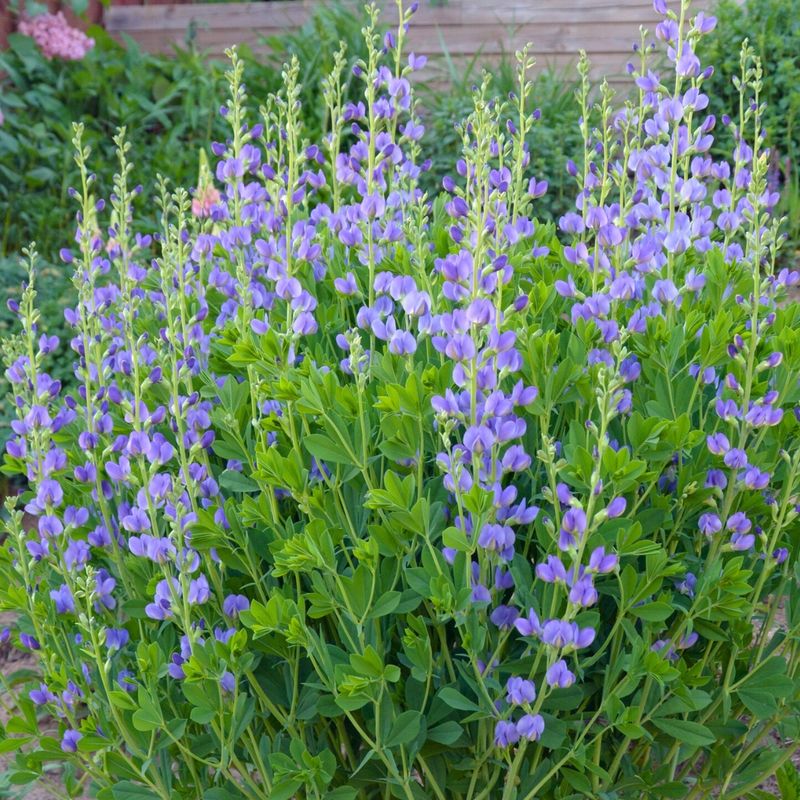
Michigan winters can be brutal, but wild blue indigo actually welcomes them. Cold dormancy is not something this plant merely tolerates.
It is something the plant genuinely needs to perform well the following spring. The freezing temperatures that send most gardeners indoors are quietly helping Baptisia australis reset, strengthen, and prepare for another season of impressive growth.
Once established, wild blue indigo handles snow, hard freezes, and the unpredictable temperature swings of a Michigan spring without any fuss at all.
The roots sit safely below the frost line, and the plant re-emerges reliably each spring with new growth that looks a little fuller and more vigorous than the year before.
Heavy winter mulching is usually unnecessary and can sometimes do more harm than good by trapping moisture around the crown of the plant.
The dried seed pods that develop after blooming actually add visual interest through the fall and winter months.
Many gardeners leave the stems standing through the cold season because the dark, rattling pods look beautiful against snow and provide natural habitat for beneficial insects.
Cutting the plant back in early spring before new growth emerges keeps things tidy without disrupting the natural cycle.
Wild blue indigo is genuinely one of the most cold-hardy native perennials you can grow here, and its winter resilience is a big part of what makes it such a dependable long-term garden plant.
6. Wild Blue Indigo Improves In Appearance As The Plant Matures
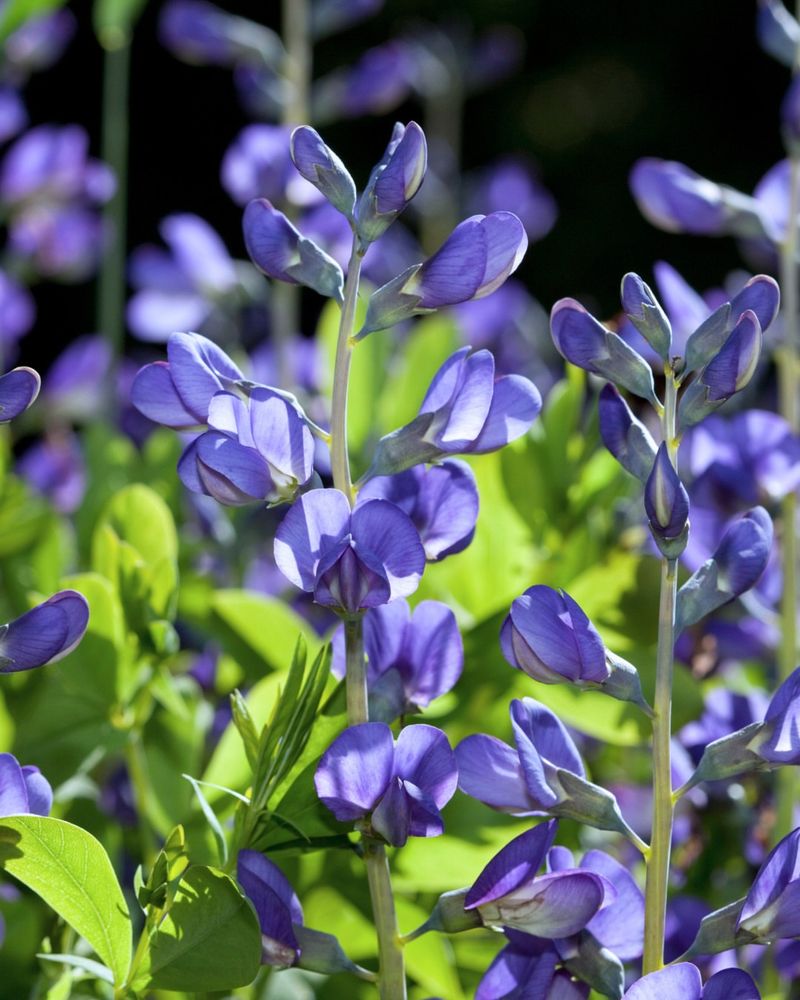
Patience is the most underrated gardening tool, and wild blue indigo is living proof of that. During the first year or two after planting, the plant looks relatively small and unassuming.
Some gardeners even worry they have done something wrong. But those early seasons are all about root development, and the above-ground growth is just getting started on what will eventually become something genuinely spectacular.
By the third season, most gardeners start to see real progress. The plant gets noticeably wider, produces more flower spikes, and begins developing that distinctive mounded, shrub-like shape that makes mature wild blue indigo so visually striking.
The blue-green foliage alone is attractive even when the plant is not in bloom, adding texture and color to the garden from spring through fall.
Spacing matters more than most people realize when planting wild blue indigo in gardens. Giving each plant at least three to four feet of space in every direction allows it to spread naturally without crowding neighboring plants.
Mature specimens can reach four feet tall and equally wide, creating a bold anchor in any sunny border or native planting.
The longer you grow it, the more impressive it becomes, and unlike many perennials that need dividing every few years to stay healthy, wild blue indigo actually prefers to stay right where it is and just keep growing bigger and better every season.
7. Pollinators Depend On Wild Blue Indigo In Late Spring
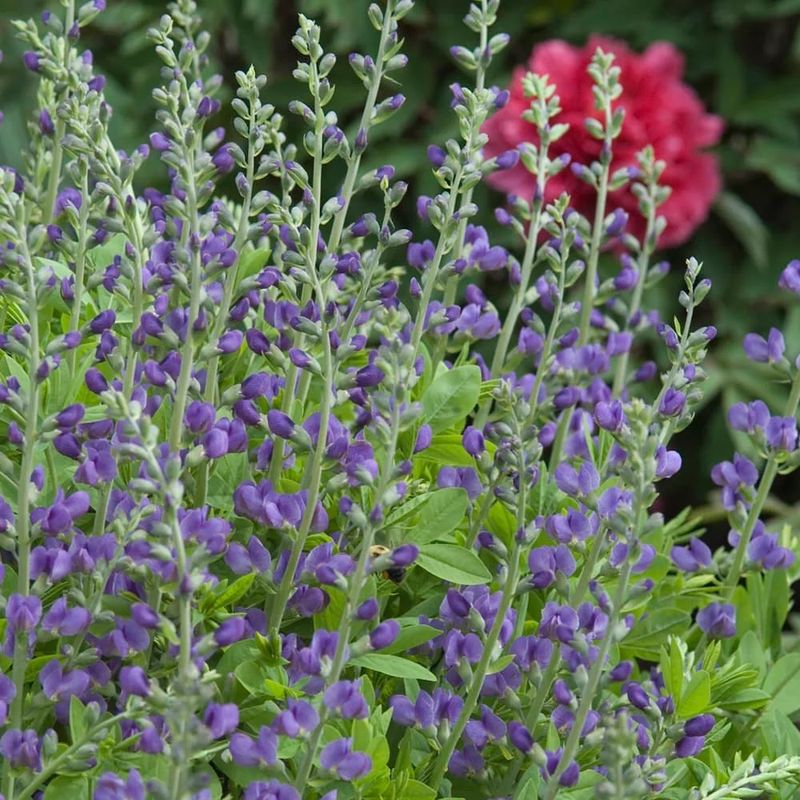
Late spring in Michigan brings a critical window for native pollinators, and wild blue indigo fills it perfectly. The blooms arrive in May and early June, right when many native bees are actively foraging and raising their young.
Bumblebees in particular are strongly attracted to the deep blue-purple flowers, and watching them work through a mature plant in full bloom is one of the most satisfying sights in any garden.
Wild blue indigo is not just a pretty flower for pollinators. It is a genuine food source during a time when fewer plants are in bloom compared to midsummer.
Several specialist native bees rely specifically on Baptisia species for pollen, making this plant an ecologically important addition to any pollinator garden, prairie planting, or naturalized yard.
Avoiding synthetic fertilizers and pesticides near wild blue indigo makes a real difference in how many pollinators visit and how healthy those visits are.
Excess nitrogen from fertilizer can push the plant toward leafy growth at the expense of flowers, reducing the blooms that pollinators depend on.
Keeping the area around the plant as natural as possible, with minimal chemical inputs and plenty of nearby native plants, creates a healthier and more active pollinator habitat.
Michigan gardeners who prioritize native plants like wild blue indigo contribute meaningfully to regional pollinator health in ways that ripple far beyond their own backyard fence.
8. Wild Blue Indigo Looks Better In Lean Soil Than Rich Soil
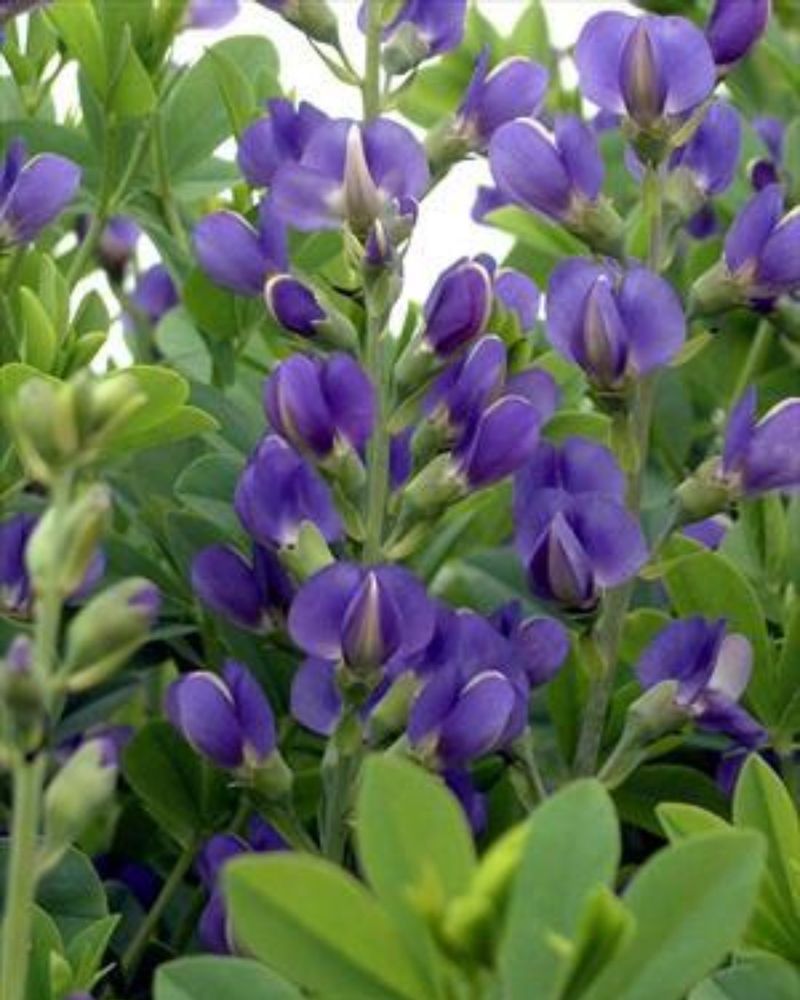
Rich, heavily amended soil might seem like the best gift you can give any garden plant, but wild blue indigo strongly disagrees. This native Michigan wildflower evolved in lean, well-drained soils where nutrients are modest and competition is real.
Put it in overly fertile ground, and it responds by producing lots of lush, floppy growth with weaker stems that struggle to hold the flower spikes upright through wind and rain.
Excess fertilizer is one of the fastest ways to ruin the natural structure of wild blue indigo. High-nitrogen fertilizers push rapid leafy growth that looks impressive at first but quickly becomes a tangled, sprawling mess.
The plant loses its clean, mounded shape and starts to look more like a pile of green leaves than the polished, upright specimen it can be. Skipping fertilizer entirely is usually the best strategy for this plant in most garden settings.
Sandy soil found across much of western and northern Michigan is an excellent natural match for wild blue indigo. Average garden soil with decent drainage also works very well.
If your garden has heavy clay, improving drainage with coarse organic matter or planting in a slightly raised area makes a bigger difference than adding any kind of fertilizer.
The plant genuinely performs better when the soil is a little humble, and that makes it one of the most practical and cost-effective native perennials any gardener can choose for a long-term planting.