Why Arizona Gardeners Are Using Shade Umbrellas Instead Of Shade Cloth
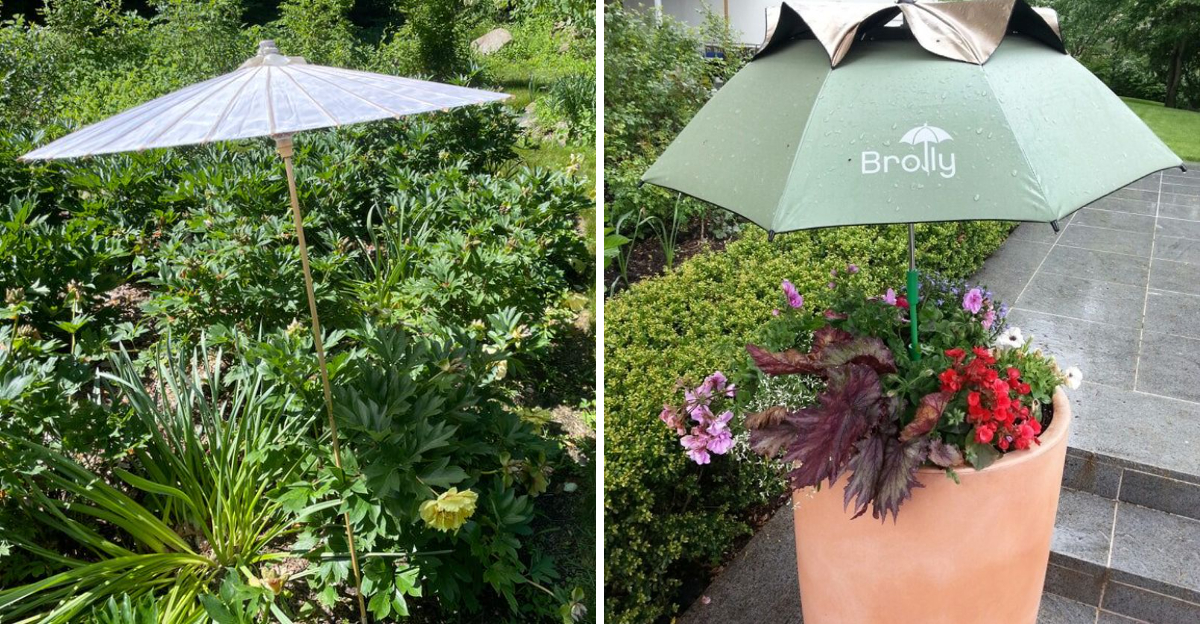
Shade cloth used to be the automatic solution for hot backyards, patios, and struggling plants, but that has started changing in a lot of yards lately.
Large umbrellas are showing up over raised beds, container gardens, citrus trees, and outdoor seating areas much more often once temperatures start climbing.
Arizona heat exposes annoying setup problems fast. Fabric that sags, flaps around in wind, traps extra warmth, or turns awkward looking after weeks of sun becomes harder to ignore by late spring.
Even small backyard projects can start feeling overcomplicated once the hottest part of the year arrives.
More gardeners have started leaning toward shade options that feel easier to move, easier to adjust, and less frustrating during long stretches of intense afternoon sun.
1. Patio Umbrellas Create Quick Afternoon Shade
Afternoon sun in Arizona is a completely different animal than morning light. Around 1 p.m. in Phoenix, the sun shifts to a brutal angle that can scorch leaves, wilt stems, and stress even heat-tolerant plants within an hour or two.
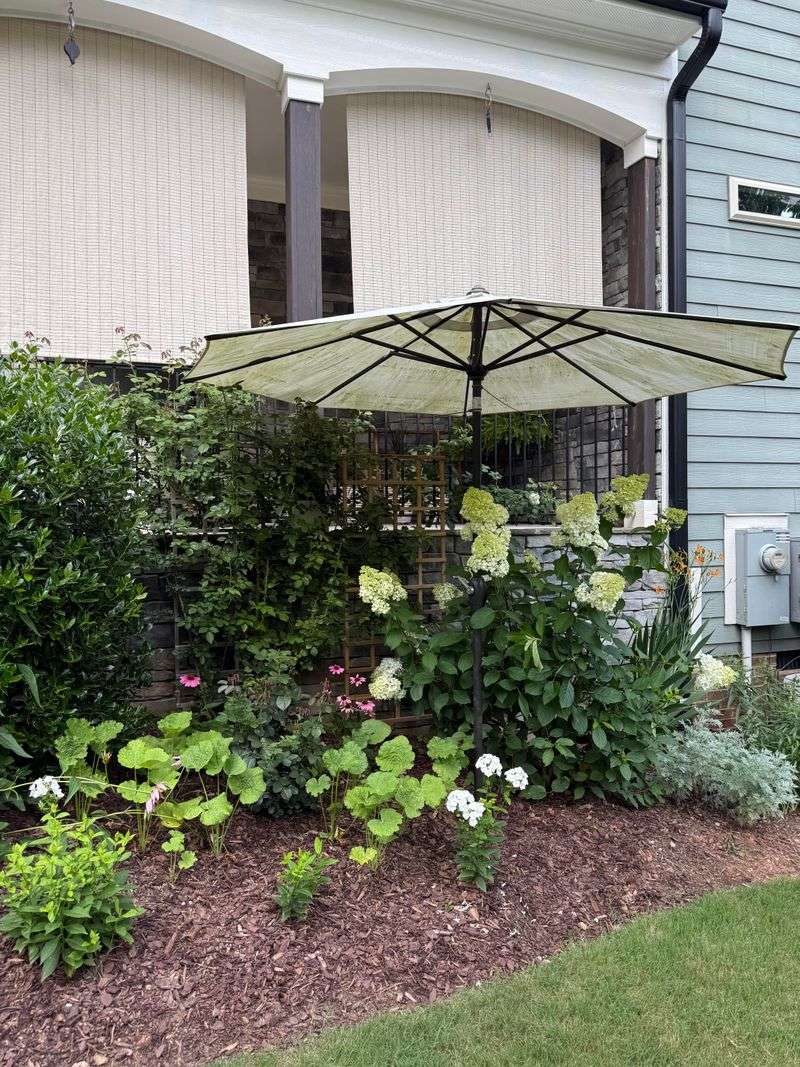
Patio umbrellas solve this problem fast. You open one up, tilt it toward the sun, and your garden bed gets instant relief without any tools, stakes, or hardware.
No measuring, no cutting, no zip ties, no frustration.
Shade cloth works well when you have a fixed structure to attach it to, but most backyard gardeners in Arizona are working with raised beds or container setups that do not have permanent overhead support.
Rigging shade cloth over those setups takes time and usually requires extra materials like PVC pipes or wooden frames.
An umbrella skips all of that. You push the pole into the ground near your bed, open the canopy, and you have six to ten feet of shade coverage right where you need it.
Some gardeners in Tucson use two or three umbrellas positioned at different angles to cover a larger garden area during peak heat hours.
Afternoon shade does not need to last all day.
2. Some Plants Struggle Under Heavy Shade Cloth
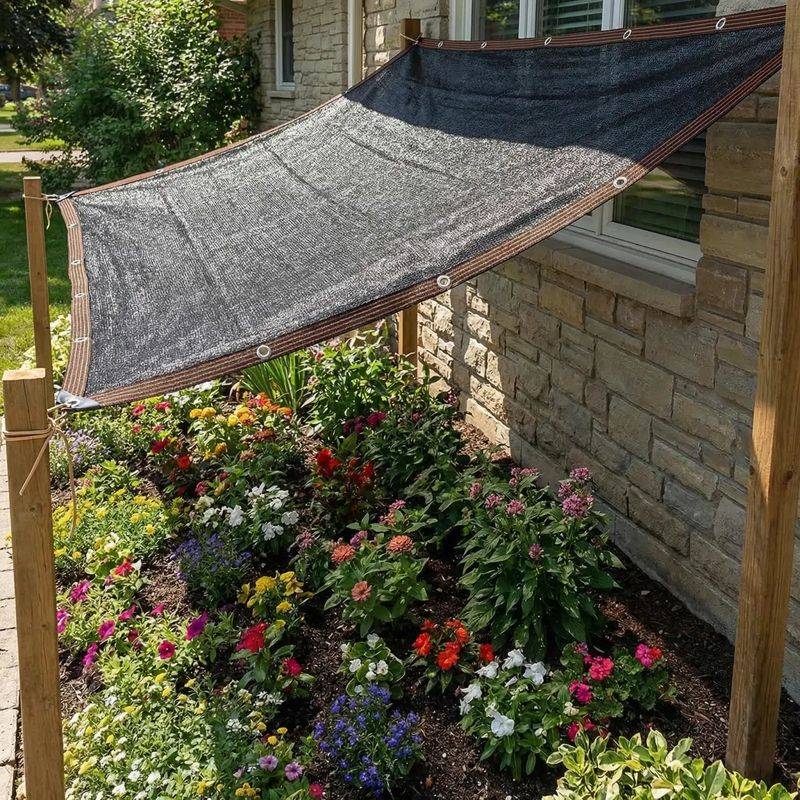
Not every plant reacts the same way to shade cloth, and that is a problem Arizona gardeners run into more than they expect.
Standard shade cloth comes in different densities, usually ranging from 30 percent to 90 percent shade coverage, and picking the wrong one can actually hurt your plants more than the sun would.
Peppers, for example, need bright light to produce fruit well. Covering them with 70 percent shade cloth might protect them from heat stress, but it can also slow their growth and reduce yields significantly.
Tomatoes face similar issues when light gets too restricted.
Umbrellas cast shade without completely blocking the sky. Light still filters in from the sides, giving plants a more natural and balanced light environment compared to a tight cloth draped directly overhead.
That partial, shifting shade is often closer to what plants actually need during Arizona summers.
Another issue with dense shade cloth is that it can trap heat underneath if airflow is poor. In Tucson and the Phoenix metro area, where temperatures stay high even at night, that trapped warmth can stress plants during hours when they should be recovering.
Your Arizona Garden Changes Every Week. Your Plan Should Too.
Gardening in Arizona changes quickly throughout the season. Every Friday you’ll receive a simple weekly plan showing exactly what to plant, prune, fertilize, harvest, and protect so you never miss the right timing.
Umbrellas allow air to move freely beneath the canopy. Wind passes around and under the shade, keeping temperatures more stable.
3. Adjustable Shade Becomes Useful During Heat Waves
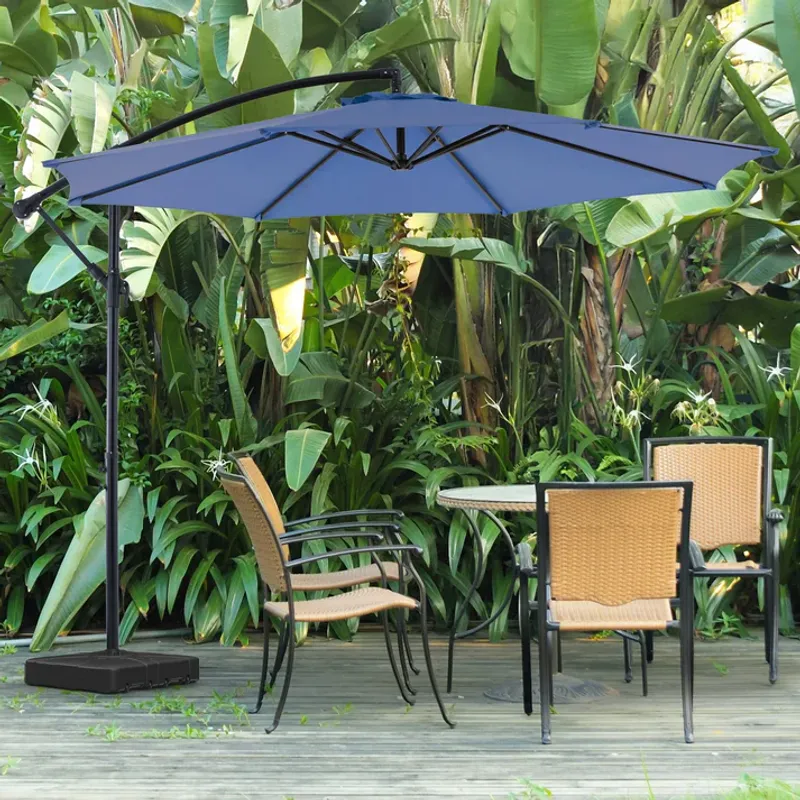
Arizona heat waves are not just hot days. They are multi-day stretches where overnight lows stay above 90 degrees and afternoons push past 115.
During those periods, shade management becomes a daily task rather than a set-it-and-forget-it situation.
Once it is up, it provides the same amount of coverage every day regardless of what the weather is doing. On a slightly cooler morning after a monsoon, your plants might actually want more direct sun, but the cloth stays in place blocking light they could use.
Umbrellas give you real-time control. Open them wide on the most brutal afternoons, close them on cooler days, and tilt them to follow the sun as the season changes.
That kind of flexibility matters a lot in Arizona, where weather can shift dramatically from one week to the next.
During a Phoenix heat wave in late June, the sun angle is different than it is in August when monsoon clouds start rolling in. An umbrella can be repositioned to match those changes without any tools or effort.
Shade cloth, once installed, requires you to take it down and reattach it if conditions change.
Gardeners who grow sensitive crops like lettuce, basil, or young transplants find adjustable shade especially helpful. Those plants need protection during peak heat but can handle more light on moderate days.
4. Container Gardens Stay Easier To Rearrange
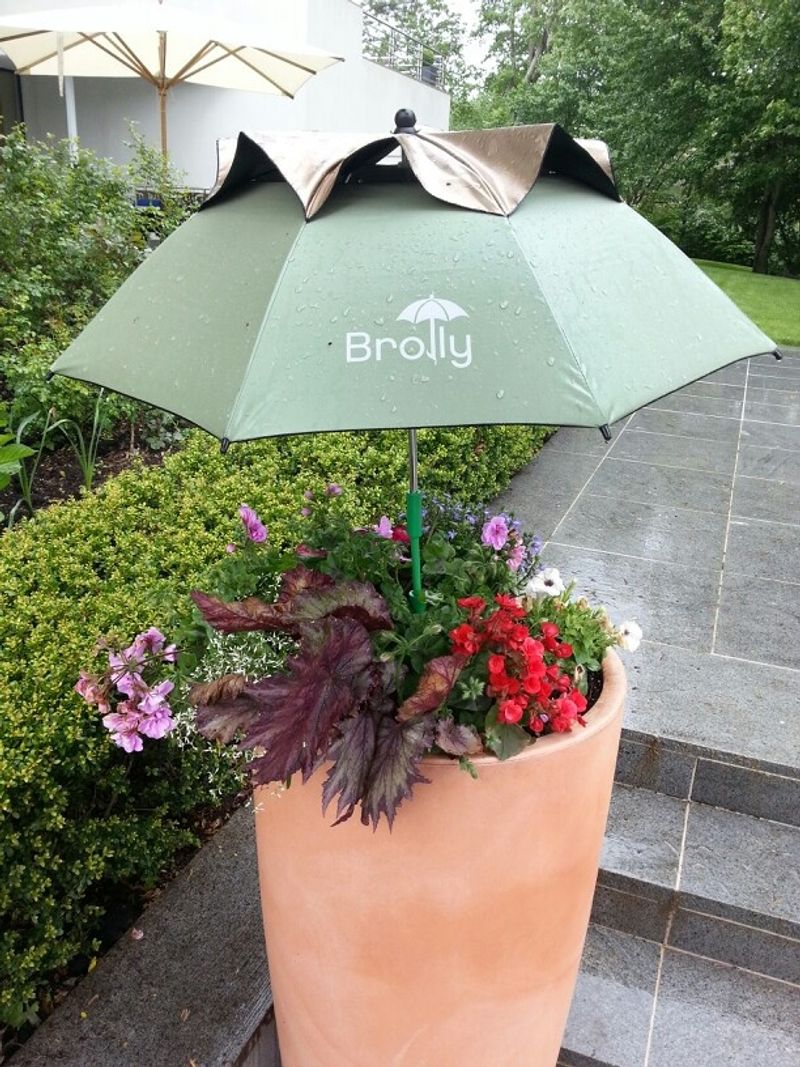
Container gardening is huge in Arizona, partly because native soil in many areas is rocky and alkaline, and partly because pots give you control over drainage and soil quality. The catch is that containers need to move as the seasons and sun angles change.
Securing cloth over loose containers is awkward and usually ends up looking messy and unstable.
Umbrellas work naturally with container setups. You place the umbrella stand wherever your pots are currently grouped, and shade follows the containers wherever they go.
If you rearrange your patio layout in July because the afternoon sun shifted, the umbrella moves with everything else in about two minutes.
Tucson gardeners who grow citrus, herbs, and vegetables in large pots often rearrange their outdoor spaces multiple times throughout the growing season. A patio umbrella fits into that routine without creating extra work or requiring any permanent hardware.
Container plants also tend to overheat faster than in-ground plants because the roots are surrounded by pot walls that absorb heat directly.
Positioning an umbrella to shade both the plant and the pot itself can make a real difference in root zone temperature.
5. Better Airflow Can Reduce Heat Buildup
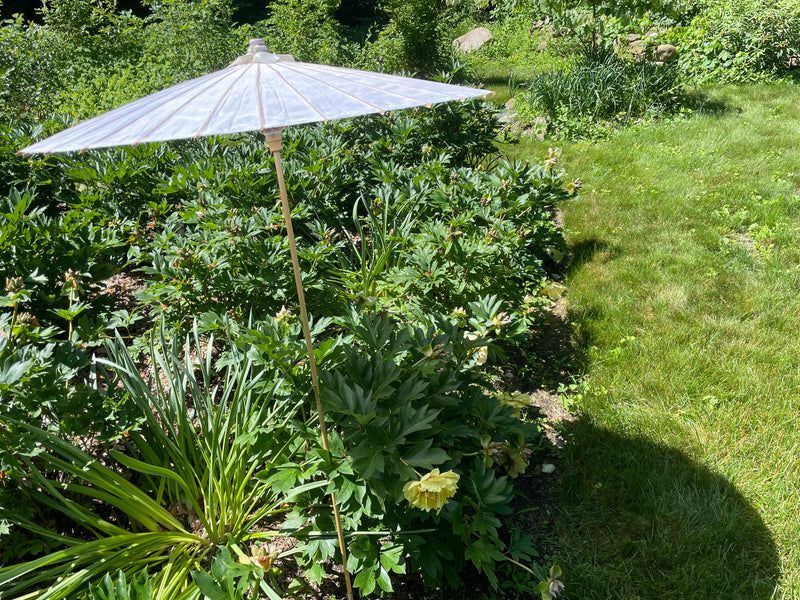
Airflow is something a lot of gardeners underestimate, especially in a place like Arizona where heat is constant and humidity spikes during monsoon season.
When air stagnates around plants, temperatures beneath a shade structure can actually climb higher than the surrounding air.
Shade cloth, particularly the denser varieties, acts like a partial barrier. It slows wind movement and can create a pocket of trapped heat underneath, especially when it is stretched tight over a frame with little clearance.
Umbrellas work differently. A canopy elevated several feet above the garden allows wind to pass freely underneath from all directions.
Hot air rises and escapes rather than pooling around your plants. That natural convection keeps the microclimate under the umbrella cooler and more stable throughout the day.
Good airflow also reduces fungal problems. Arizona monsoon season brings sudden humidity, and plants crowded under tight shade cloth with poor circulation can develop powdery mildew and other moisture-related issues faster than expected.
Open airflow under an umbrella gives leaves a chance to dry out between rain events.
6. Small Backyards Often Need Flexible Shade
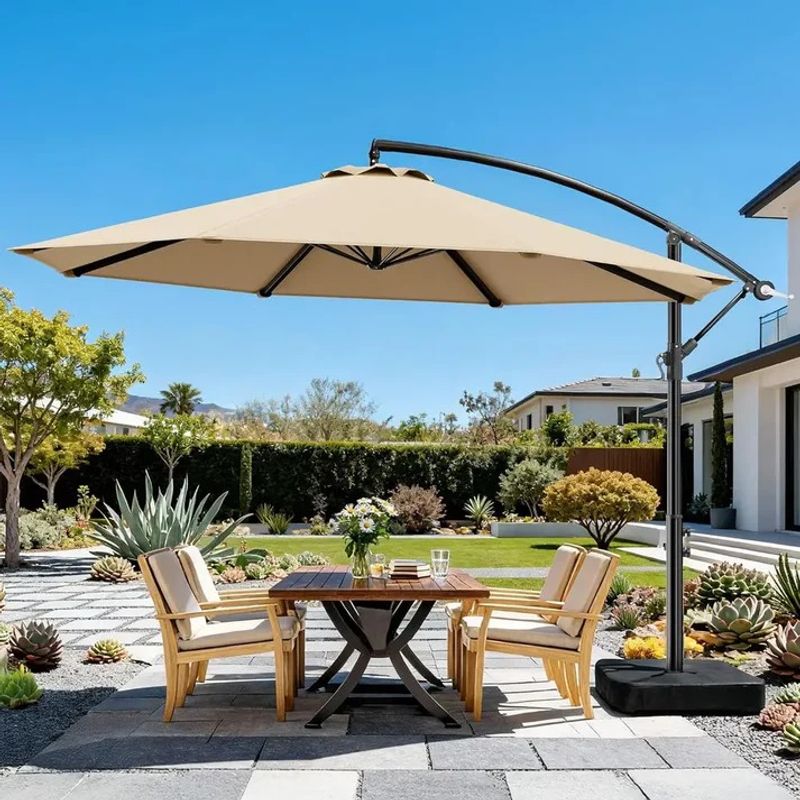
Small backyards present a unique challenge in Arizona. Space is limited, which means every square foot has to serve more than one purpose.
A shade solution that only works for the garden and nothing else is often a tough sell when you are working with a 15-by-20-foot outdoor space.
Shade cloth is garden-specific. Once it is rigged over your beds, it stays there looking utilitarian and taking up visual space.
Removing it to use the patio for a family gathering or weekend cookout means uninstalling and reinstalling the whole setup, which most people stop doing after the second time.
Umbrellas pull double duty without any effort. Open one over your raised bed in the afternoon, then swing it toward the seating area when friends come over.
Same umbrella, different function, zero extra work. That kind of versatility is genuinely useful in a compact Arizona backyard where every piece of outdoor furniture has to justify its presence.
Aesthetics matter too. A well-chosen patio umbrella looks intentional and clean.
Shade cloth, especially older or patched versions, can make a small backyard feel cluttered and industrial.
Homeowners in Scottsdale and Tempe who care about how their outdoor space looks have found that umbrellas blend naturally into patio designs without sacrificing function.
7. Young Plants Sometimes Burn In Late Spring Sun
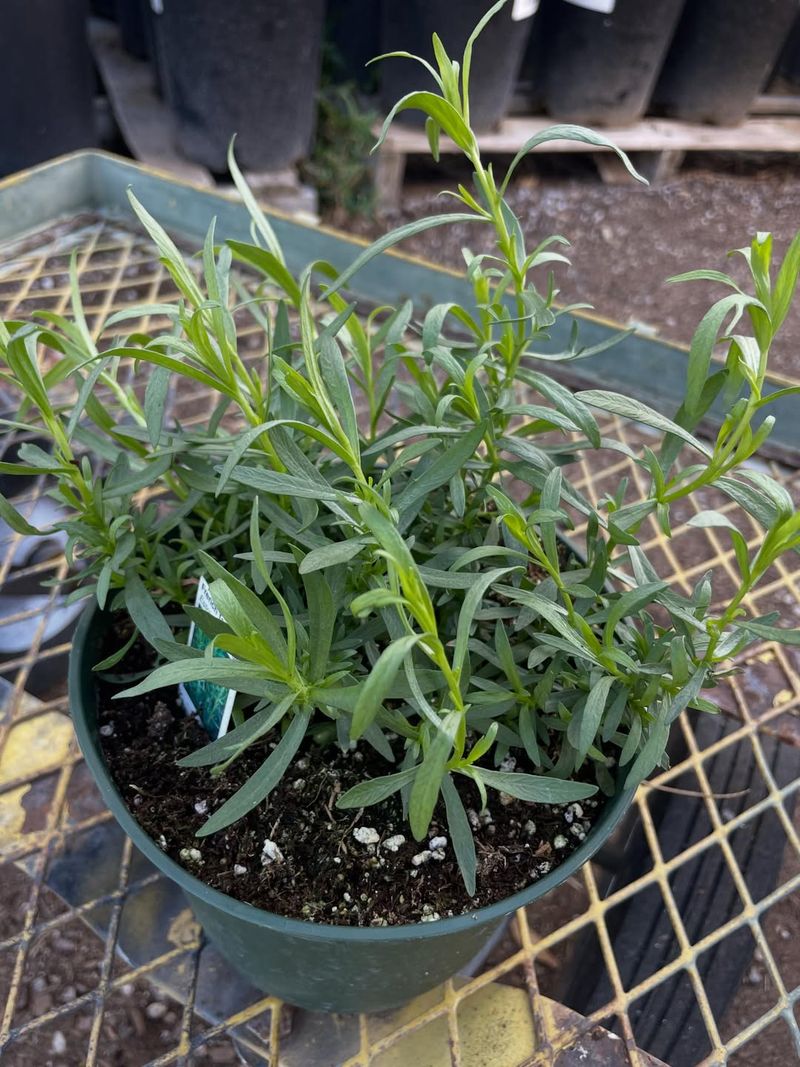
Late spring in Arizona catches a lot of new gardeners off guard. March and April feel manageable, then May arrives and suddenly afternoon temperatures jump fifteen degrees in what feels like a single week.
Young transplants that looked perfectly healthy at noon can show serious sun scorch by 3 p.m.
Seedlings moved from a nursery or indoor grow setup have not had time to harden off properly to Arizona’s intense UV levels.
Even varieties that are marketed as heat-tolerant can struggle during that first week or two after transplanting when they are still establishing roots and adjusting to outdoor conditions.
Shade cloth can help during this period, but setting it up just for a two-week hardening phase feels like a lot of effort for a temporary need.
You have to source the cloth, build or borrow a frame, secure everything, and then take it all down once the plants are established.
Most gardeners skip the hassle and just hope for the best.
An umbrella makes protecting young transplants genuinely simple. Position it over your new plants for the first two weeks, then gradually reduce the shading hours as the plants toughen up.
You can shift from full afternoon coverage to just a couple of hours of peak-sun protection without any adjustments beyond tilting the canopy.