What North Carolina Gardeners Should Still Plant In May For A Full Summer Harvest
May still has real planting potential in North Carolina, and gardeners who have not finished filling their beds are not as far behind as they might think.
The warm soil, longer days, and reliable warmth that settle in across the state this month actually work in favor of certain crops, helping them establish faster than they would have during the cooler, unpredictable weeks of early spring.
Some vegetables planted now will catch up to earlier sowings within weeks, and a few of them genuinely prefer going in the ground at this point in the season rather than earlier.
North Carolina’s long summer growing window means there is still a wide harvest timeline available for the right choices.
Knowing which crops make the most of that remaining warmth is the difference between a garden that keeps producing through September and one that winds down before summer even peaks.
These are the plants worth putting in the ground right now and what each one needs to produce a full harvest before the season shifts.
1. Okra (Abelmoschus esculentus) Loves North Carolina Heat
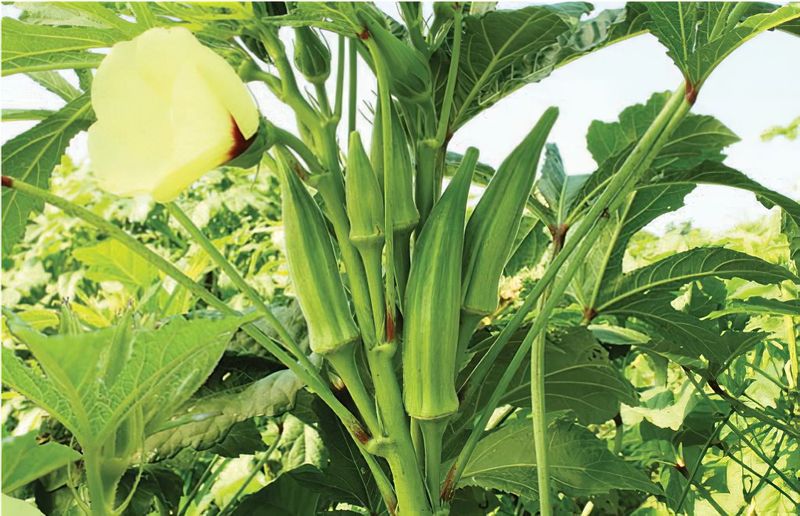
Few vegetables are as perfectly matched to a North Carolina summer as okra. This tall, tropical-rooted plant absolutely thrives once soil temperatures climb above 65 degrees, which happens reliably across most of the state by mid-May.
Coastal gardeners near Wilmington and New Bern can often get okra in the ground a bit earlier, while mountain gardeners near Boone should wait until late May to be safe.
Plant okra seeds about one inch deep and space them 12 to 18 inches apart in rows that sit roughly three feet apart. Okra grows fast in warm conditions, and plants can reach six feet or taller by midsummer.
Sandy loam soils common across the Piedmont and coastal plain are especially good for this crop since okra does not like soggy roots.
Water consistently, aiming for about one inch per week, and mulch around the base to hold moisture during dry spells. Once pods start forming, check your plants every two to three days because okra pods grow surprisingly fast.
Harvest pods when they are two to four inches long for the best texture and flavor. Pods left too long on the plant become tough and fibrous.
Regular picking actually encourages the plant to keep producing all the way through August and September across North Carolina.
2. Southern Peas (Vigna unguiculata) Keep Producing Through Hot Weather
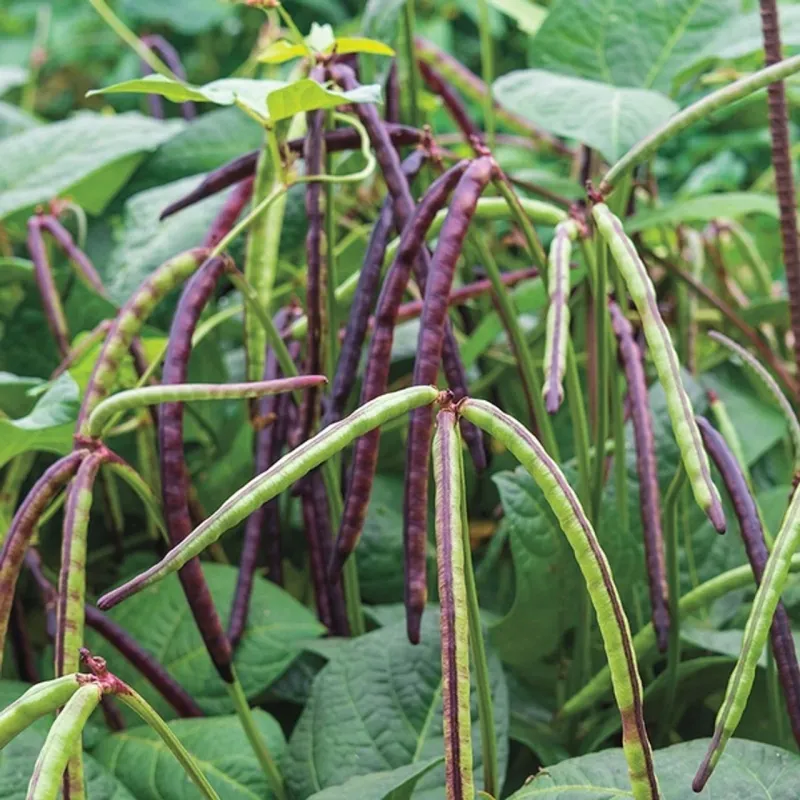
Ask any longtime gardener what they plant every May without fail, and Southern peas will almost always make the list. Black-eyed peas, crowder peas, and cream peas are all part of this heat-loving family, and they genuinely perform better as summer temperatures rise.
Unlike many cool-season crops that struggle once June hits, Southern peas hit their stride right when the heat gets intense.
Prepare your soil by loosening it about eight inches deep and mixing in a light amount of compost. Southern peas actually fix their own nitrogen, so heavy fertilizing is not necessary and can even reduce your pod production.
Your North Carolina Garden Changes Every Week. Your Plan Should Too.
Gardening in North Carolina changes quickly throughout the season. Every Friday you’ll receive a simple weekly plan showing exactly what to plant, prune, fertilize, harvest, and protect so you never miss the right timing.
Plant seeds one inch deep and about four inches apart, with rows spaced roughly 24 to 30 inches apart. Germination happens quickly in warm soil, often within five to seven days.
Water regularly but avoid overwatering since these plants tolerate drier conditions better than many vegetables. Across the North Carolina Piedmont and coastal regions, Southern peas planted in May can produce their first harvest in about 60 to 70 days.
Keep picking pods as they fill out to encourage the plant to keep setting new ones. One planting can carry you through the hottest stretch of summer, making Southern peas one of the most reliable warm-season crops you can grow here.
3. Cucumbers (Cucumis sativus) Still Grow Fast When Planted In May
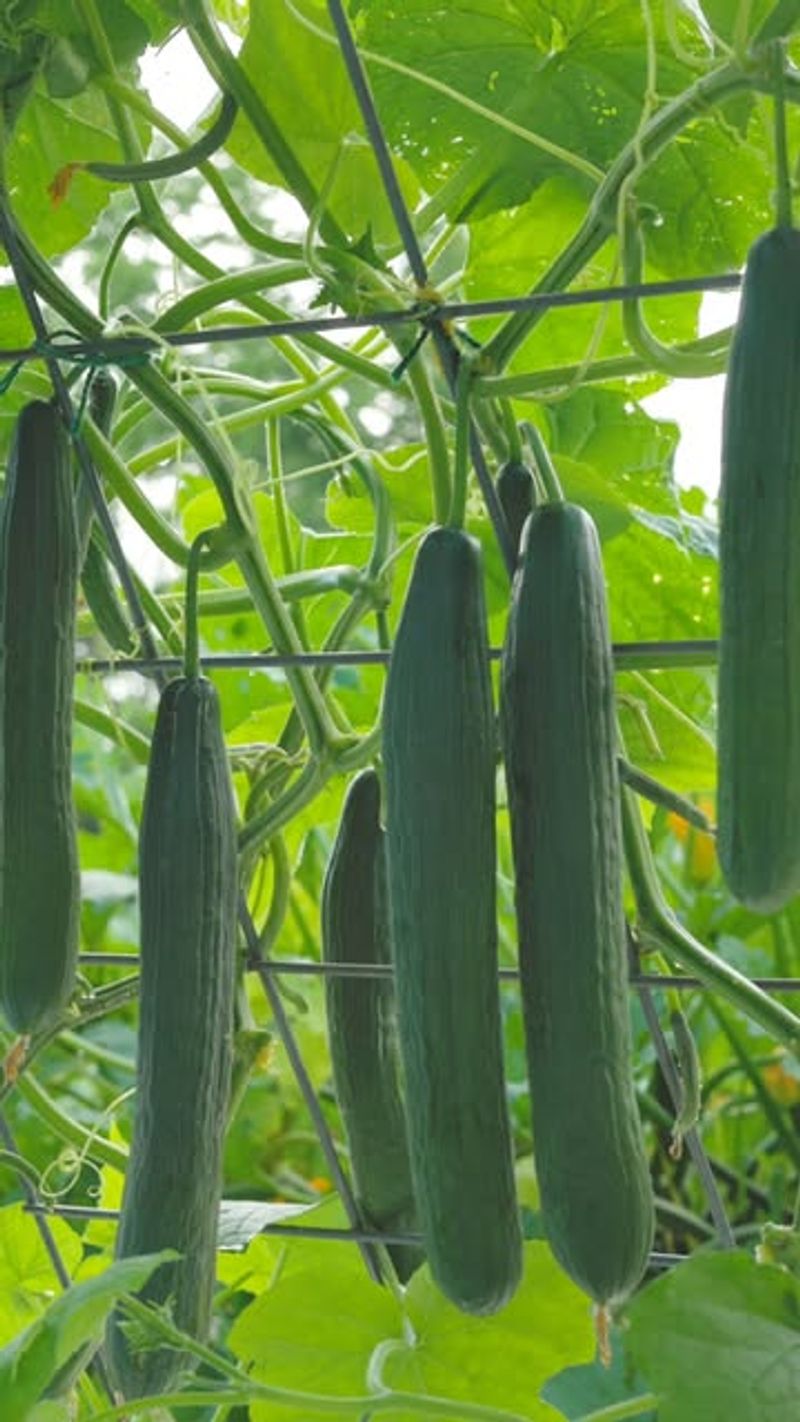
Cucumbers are one of those vegetables that seem to explode out of the ground once warm soil temperatures arrive, and May in North Carolina delivers exactly the conditions they need.
Soil temps above 60 degrees encourage fast germination, and the long daylight hours of late spring push seedlings into rapid growth almost immediately.
From planting to first harvest, cucumbers typically take only 50 to 60 days under good conditions.
Trellising your cucumber plants is strongly recommended for North Carolina gardens, especially given the humidity that builds through June and July.
Growing vines upward improves airflow around the leaves, which helps reduce powdery mildew and other fungal issues that thrive in warm, moist conditions.
A simple wire cage, wooden stake system, or cattle panel trellis all work well and keep fruits clean and easy to spot.
Space plants 12 inches apart if trellised, or 18 to 24 inches apart if growing along the ground. Mulching heavily around the base helps retain moisture and keep soil temperatures steady during heat waves that roll through the Piedmont and coastal plain.
Water consistently at the base of the plant rather than overhead to further reduce disease pressure.
Harvest cucumbers when they reach full size but before they start yellowing, which keeps the vine focused on producing new fruits all the way into late summer across North Carolina.
4. Sweet Potatoes (Ipomoea batatas) Thrive In North Carolina Summers
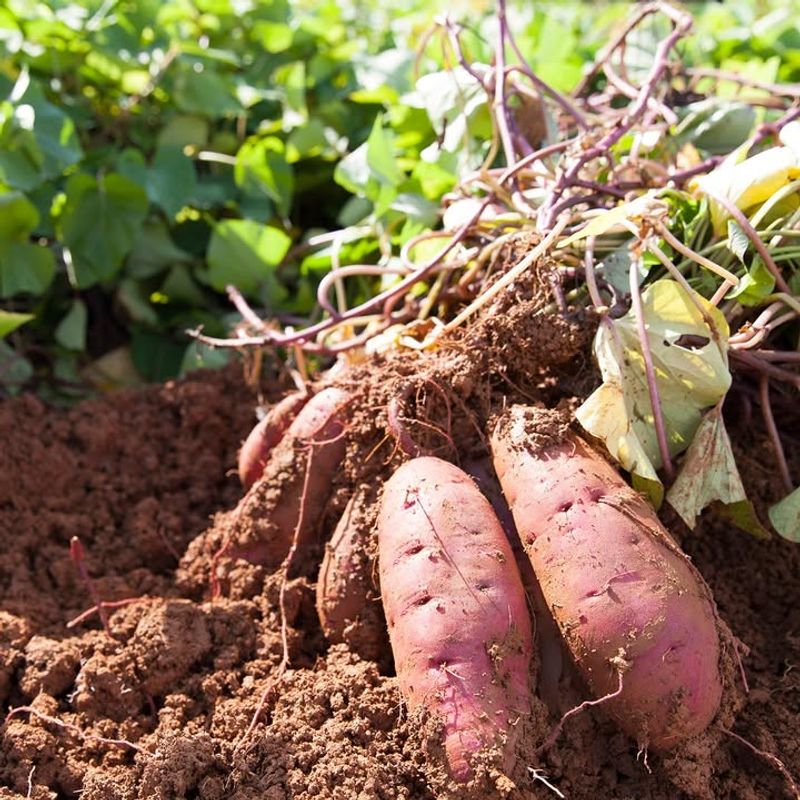
North Carolina is actually one of the top sweet potato producing states in the entire country, and for good reason. The warm, long growing season across the Piedmont and coastal plain creates near-perfect conditions for sweet potato slips planted in May.
These plants need at least 90 to 120 frost-free days to develop full-sized roots, and a May planting gives them all the time they need before fall arrives.
Plant sweet potato slips rather than seeds, spacing each slip about 12 to 18 inches apart in raised mounded rows that sit roughly 36 inches apart. Mounding the soil improves drainage and gives the roots room to expand without running into compacted ground.
Loosen the soil at least 10 to 12 inches deep before planting to encourage large, well-shaped roots. Sweet potatoes prefer slightly acidic, well-draining sandy or sandy loam soil, which is common across much of eastern and central North Carolina.
Once established, sweet potato vines spread enthusiastically and cover the ground like a living mulch, which actually helps suppress weeds and retain soil moisture. Water regularly during the first few weeks after planting to help slips establish strong root systems.
After that, sweet potatoes are surprisingly drought tolerant. Plan to harvest in September or October when vines begin to yellow slightly and roots have had time to fully develop under our warm summer sun.
5. Basil (Ocimum basilicum) Grows Rapidly Once Nights Warm Up
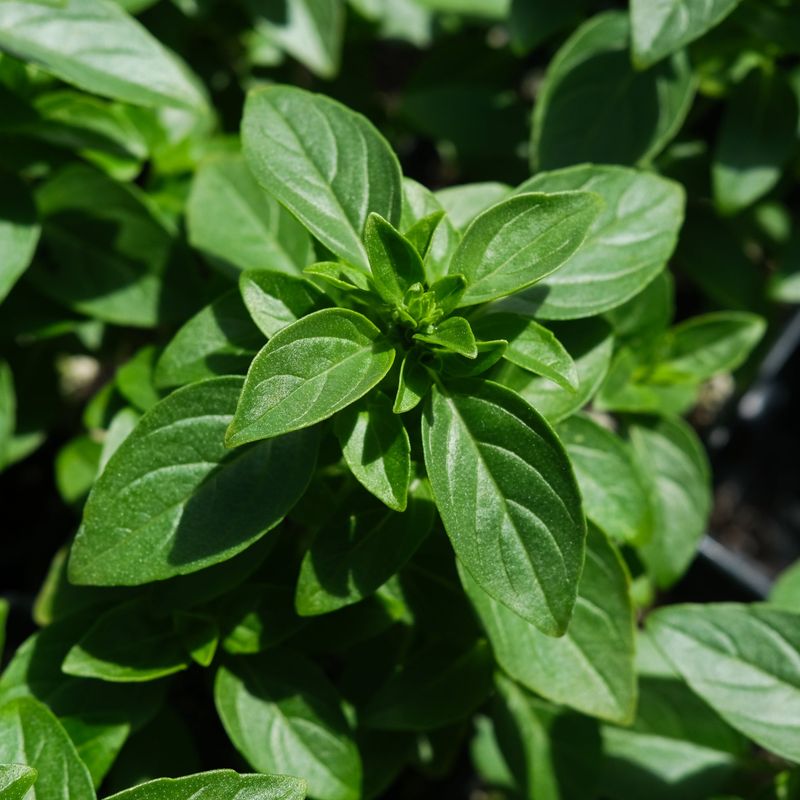
Basil has a reputation for being a little fussy, and honestly, that reputation is earned. Plant it too early when nights are still cool, and it sulks, turns yellow, and barely grows.
But plant it in May once nighttime temperatures in North Carolina stay reliably above 55 degrees, and basil transforms into one of the most vigorous herbs in your entire garden.
The combination of warm nights, long sunny days, and consistent moisture creates ideal conditions.
Choose a spot with at least six to eight hours of direct sunlight and well-draining soil. Space plants 12 to 18 inches apart to give each one room to bush out fully.
Genovese basil is a classic choice for cooking, but Thai basil and lemon basil also perform beautifully during summers.
Water at the base of the plant consistently, keeping the soil moist but never waterlogged, and avoid wetting the leaves to reduce fungal issues in humid conditions.
The single most important thing you can do to keep basil productive all summer is pinch off flower buds the moment you see them forming. Once basil goes to flower, leaf production slows significantly and flavor quality drops.
Pinching the top two sets of leaves every week or two encourages the plant to branch out and produce far more foliage. With regular harvesting, one basil plant in a garden can produce abundantly from May straight through September.
6. Yardlong Beans (Vigna unguiculata subsp. sesquipedalis) Handle Summer Heat Better Than Many Green Beans
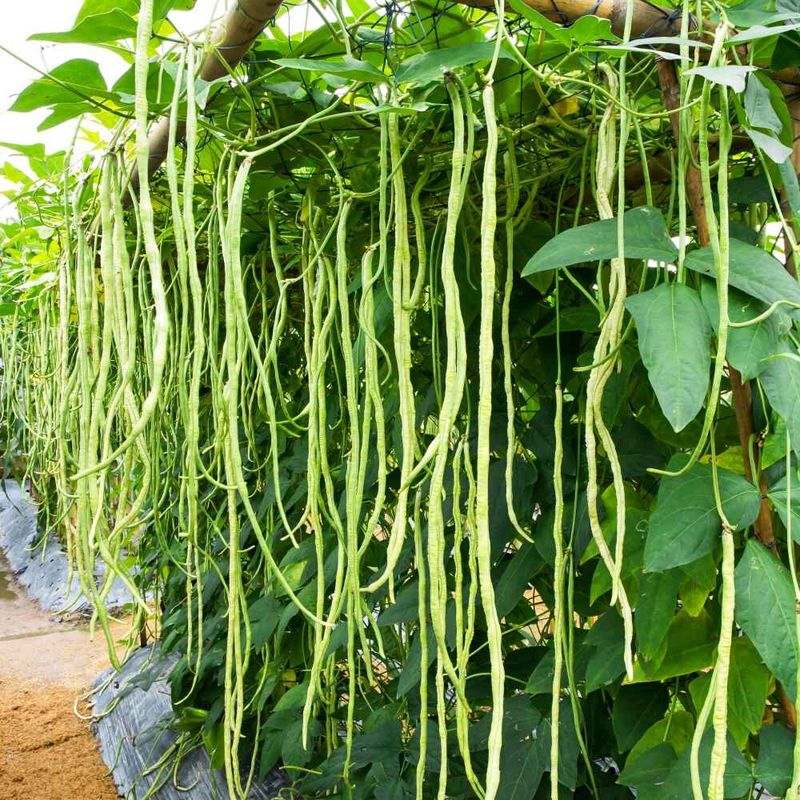
Standard green beans can struggle once temperatures push into the upper 80s and 90s, but yardlong beans barely notice the heat.
Related to Southern peas and originally popular across Southeast Asia, these heat-loving climbers are built for exactly the kind of long, hot, humid summers that define growing seasons from the Piedmont to the coastal plain.
Planted in May, they establish quickly and start producing impressive long pods within about 60 days.
Yardlong beans are vigorous climbers and will need a sturdy trellis, fence, or vertical support that reaches at least six to eight feet high. Drive posts firmly and string horizontal wires or use netting to give vines plenty of places to grab on.
Space plants about six inches apart at the base of the trellis and water consistently, especially during dry stretches that are common across North Carolina in July and August.
Harvest pods when they are about 12 to 18 inches long and still slender, before seeds inside start to bulge noticeably. Pods harvested at this stage are tender, flavorful, and excellent stir-fried, steamed, or eaten fresh.
Leaving pods on the vine too long causes them to become tough and reduces new production. Check your plants every few days during peak season because yardlong beans grow surprisingly fast in warm weather.
One well-maintained trellis can feed a family generously all summer long.
7. Zucchini (Cucurbita pepo) Produces Quickly In Warm Soil
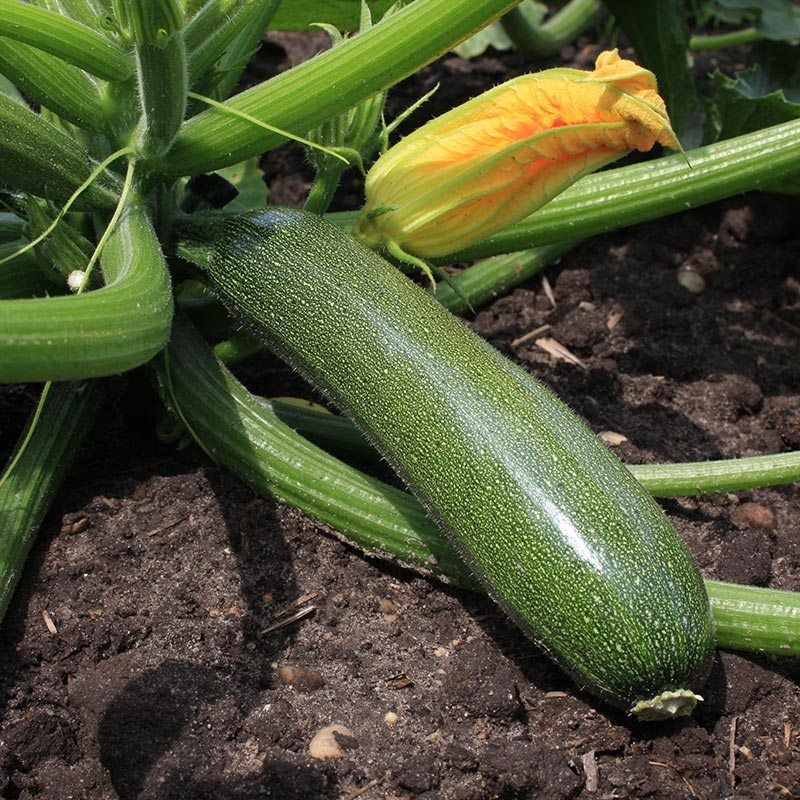
Few vegetables reward impatient gardeners quite like zucchini. Plant seeds in warm May soil across North Carolina and you can realistically be picking your first fruits in as little as 45 to 50 days.
That quick turnaround makes zucchini one of the most satisfying warm-season crops for both beginner and experienced gardeners working in the Piedmont, coastal plain, and even the foothills region of the state.
Sow seeds directly into the garden about one inch deep, either in traditional rows or in small hills with two to three seeds per spot. Space plants or hills at least 24 to 36 inches apart because zucchini plants spread out considerably as they grow.
Good air circulation between plants is especially important in North Carolina’s humid summer climate, where powdery mildew can become a real challenge. Mulching around the base helps retain moisture and keeps the soil from cracking during hot spells.
Pollination is crucial for fruit development, and zucchini relies on bees to transfer pollen between male and female flowers. Avoid spraying pesticides during morning hours when bees are most active to protect your pollinators.
Water deeply and consistently, aiming for about one inch per week at the root zone. Harvest zucchini when fruits are six to eight inches long for the best flavor and texture.
Check plants daily because zucchini can go from perfect to oversized very quickly in North Carolina summer heat.
8. Malabar Spinach (Basella alba) Keeps Growing Through Summer Heat
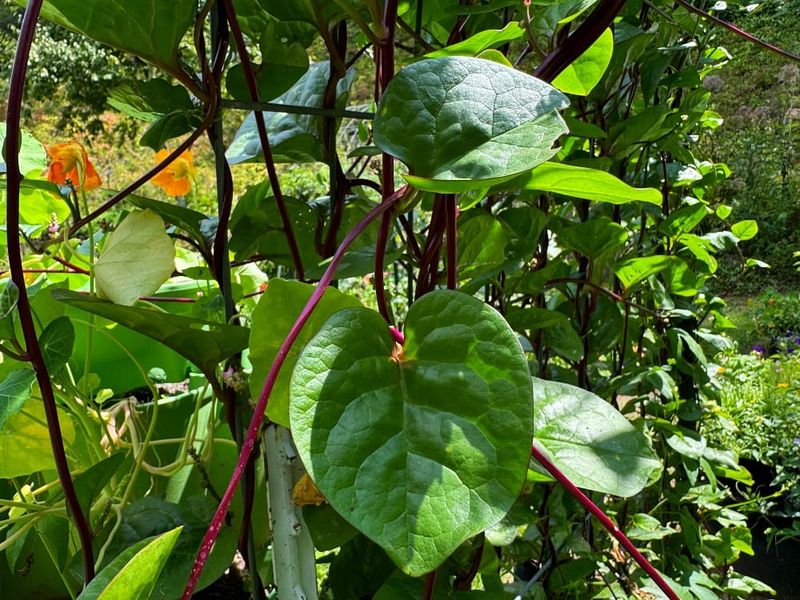
Regular spinach gives up entirely once temperatures climb into the 80s, but Malabar spinach is a completely different story.
This lush, climbing green from tropical Asia actually thrives in hot, humid conditions, making it one of the smartest leafy green choices for summer gardens across the Piedmont and coastal regions of the state.
The thick, glossy leaves have a mild flavor and a slightly succulent texture that works beautifully in salads, stir-fries, and soups.
Plant Malabar spinach in a spot that receives full sun, ideally six or more hours daily, and provide a trellis, fence, or other vertical support since vines can easily reach six to ten feet by late summer.
Soak seeds overnight before planting to improve germination rates, then sow about half an inch deep and 12 inches apart.
Germination can be slow, sometimes taking 10 to 21 days, so patience is important after planting in May.
Once established, Malabar spinach is surprisingly low maintenance for North Carolina gardeners. Water regularly during dry periods but avoid waterlogged soil.
Harvest young leaves and stem tips frequently to encourage continuous new growth throughout the summer. Older leaves become tougher and slightly more mucilaginous, so regular picking keeps the harvest tender and flavorful.
For gardeners frustrated by the short spinach season in North Carolina, Malabar spinach is an absolute revelation from June all the way through September.
9. Peppers (Capsicum annuum) Benefit From Warm Nights
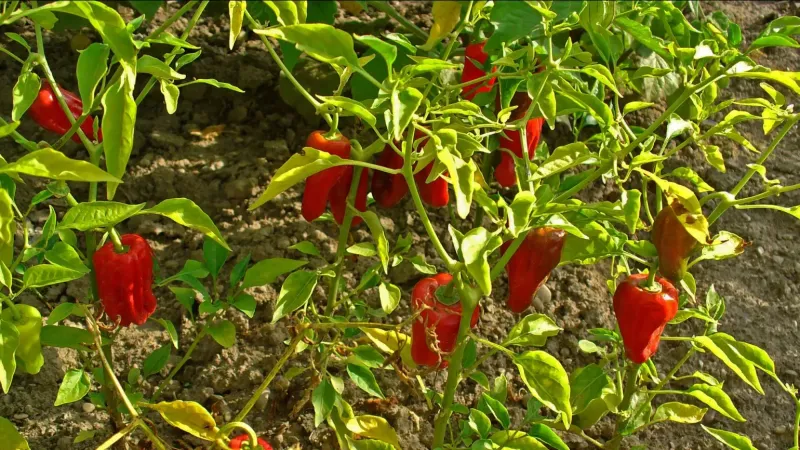
Peppers are one of those crops that simply will not rush, no matter how much you want them to. They need warm soil, warm air, and especially warm nights before they truly take off and start setting fruit reliably.
May planting in North Carolina aligns almost perfectly with those conditions, particularly in the Piedmont and coastal plain where nighttime temperatures settle comfortably above 55 degrees through most of the month.
Transplants set out in May establish quickly and reward you with fruit by midsummer.
Choose a sunny location with at least eight hours of direct sunlight and well-draining soil amended with compost. Space pepper transplants 18 to 24 inches apart in rows about 30 inches wide.
Both bell peppers and hot pepper varieties like cayenne, jalapeño, and banana peppers perform well across North Carolina’s warm growing season.
Apply a balanced fertilizer at planting and then side-dress with a lower-nitrogen fertilizer once plants begin flowering to encourage fruit development rather than excessive leaf growth.
Mulching around pepper plants is one of the best things you can do during summers. A two to three inch layer of straw or wood chip mulch keeps roots cool, retains moisture, and dramatically reduces how often you need to water.
Peppers are sensitive to inconsistent watering, which can cause blossom drop and a frustrating condition called blossom end rot. Water deeply and evenly, roughly one inch per week, and your pepper plants will produce steadily from midsummer well into fall.
10. Bush Beans (Phaseolus vulgaris) Still Have Plenty Of Time For Summer Harvests
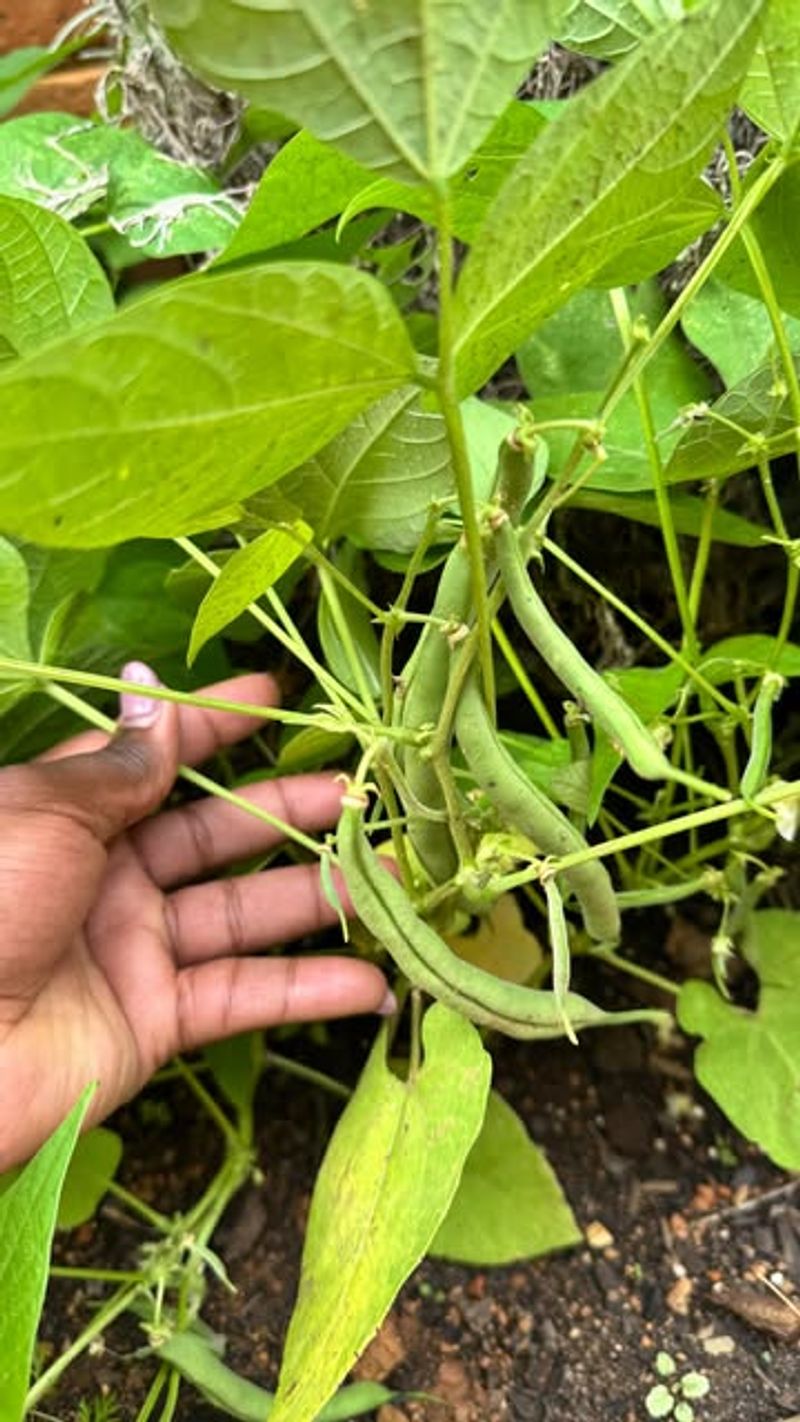
Bush beans might be the most no-fuss vegetable you can drop into your May garden across North Carolina. No trellises, no complicated soil prep, no transplanting required.
Just push seeds about one inch into warm soil, water them in, and stand back. Warm May soil temperatures across the state encourage germination in as little as five to seven days, and from there, bush bean plants grow quickly and steadily toward their first harvest.
Plant seeds about two to three inches apart in rows spaced 18 inches wide. Bush beans do not need much fertilizer, especially if your soil already contains decent organic matter.
Too much nitrogen actually pushes the plant to produce lots of leaves at the expense of pods, so a light application of balanced fertilizer at planting is usually enough.
One of the smartest strategies for gardeners is succession planting, which means sowing a new row of bush beans every two to three weeks through mid-June to keep harvests coming in waves rather than all at once.
Water consistently, especially once pods begin forming, since dry spells during pod fill can reduce yield and cause beans to become tough. Harvest pods when they are firm, smooth, and snap cleanly, which usually happens about 50 to 55 days after planting.
Pick every two to three days once harvest begins because leaving mature pods on the plant signals it to stop producing. Bush beans are a genuinely rewarding and productive crop for our summer gardens.
11. Cherry Tomatoes (Solanum lycopersicum var. cerasiforme) Still Produce Well From May Planting
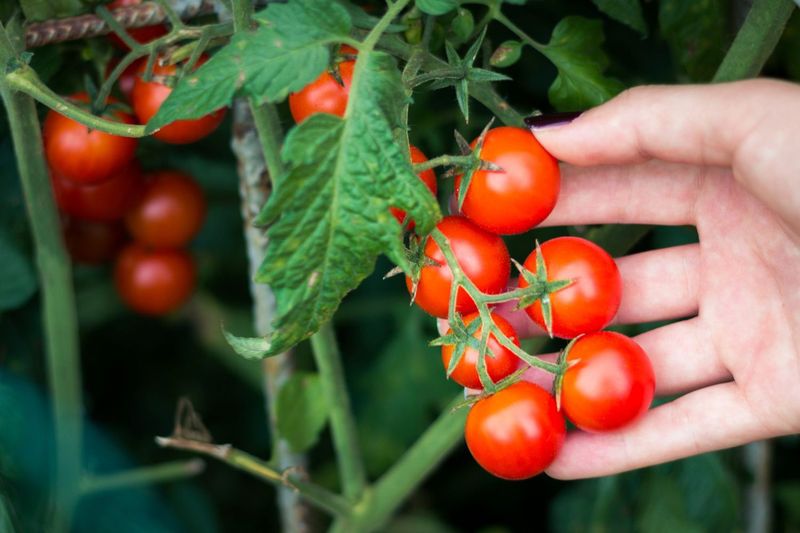
If you have ever grown large slicing tomatoes through summer, you know the struggle. Once daytime temperatures push past 95 degrees, big tomato varieties often drop their blossoms and fruit set stalls.
Cherry tomatoes, on the other hand, handle summer heat with far more resilience, continuing to set and ripen fruit even during the hottest stretches across the Piedmont and coastal plain. A May planting gives them time to establish before peak heat arrives.
Choose indeterminate varieties like Sun Gold, Sweet Million, or Black Cherry for continuous production through the entire season. Set transplants 24 to 36 inches apart and stake or cage each plant right at planting time before root systems spread.
Driving stakes in later risks cutting through roots and stressing the plant unnecessarily. Mulch generously around the base with three to four inches of straw to maintain even soil moisture and reduce the risk of blossom end rot, which is common in summer gardens.
Airflow matters a lot for tomato health in humid southern summers. Prune off lower leaves that touch the soil and remove some interior foliage to allow air to move through the canopy.
Water deeply at the base rather than overhead, aiming for about one to two inches per week. Avoid wetting leaves to reduce fungal disease pressure.
Cherry tomatoes planted in May across North Carolina can produce hundreds of sweet, flavorful fruits from July all the way through the first fall frost.
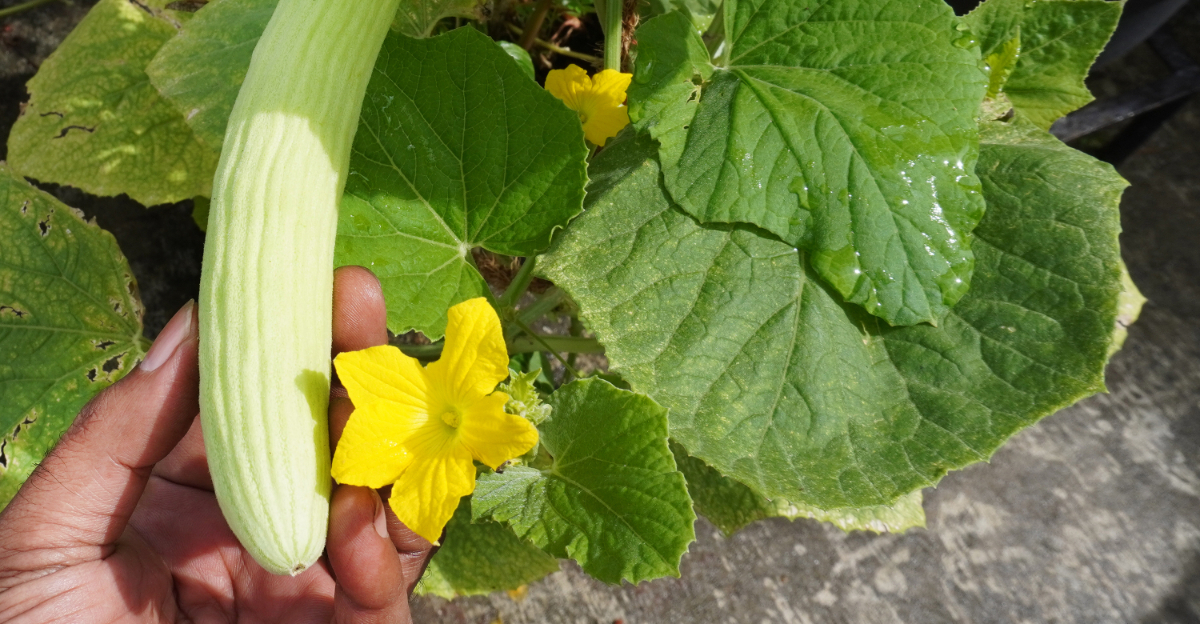
12. Armenian Cucumbers (Cucumis melo var. flexuosus) Thrive During Hot Southern Summers
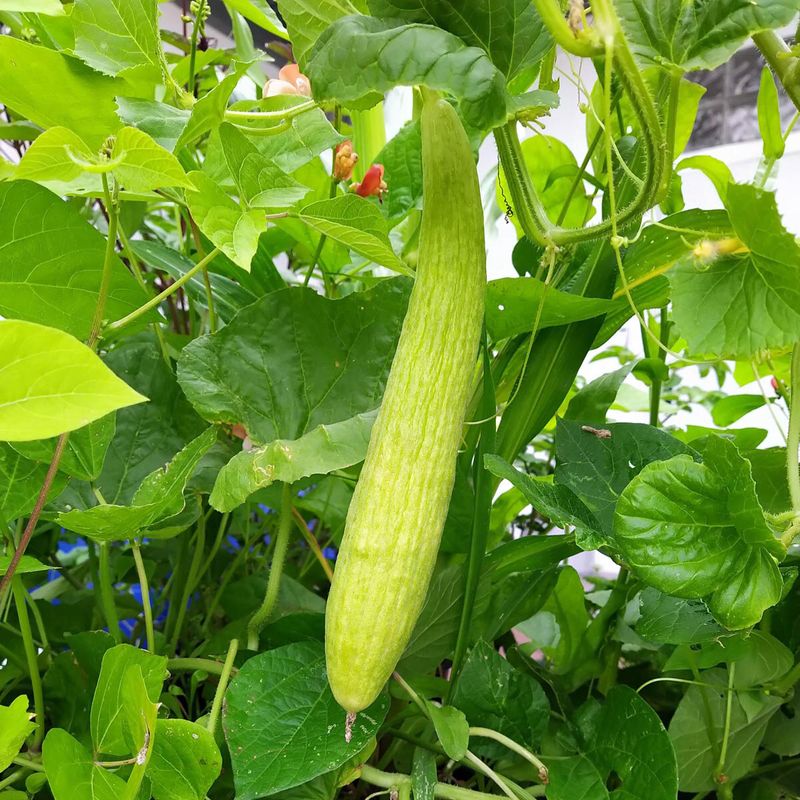
Standard cucumbers can get cranky in peak summer heat, developing bitter flavors and slowing production when temperatures spike.
Armenian cucumbers, technically a type of muskmelon despite their cucumber-like appearance and taste, handle intense heat with far more ease.
They were grown across the Middle East and Mediterranean for centuries in climates far hotter than anything summers produce, which gives you a good idea of just how heat-tolerant they really are.
Plant Armenian cucumber seeds in May once soil temperatures reach at least 65 degrees, which is reliable across most of the state by mid-month. Sow seeds one inch deep and space plants 18 to 24 inches apart along a sturdy trellis that stands at least six feet tall.
These vines are vigorous and can reach eight feet or more in a single season, so a solid support structure is essential. Trellising also dramatically improves airflow, which helps reduce powdery mildew pressure in North Carolina’s humid summer climate.
Water consistently at the base of the plant, targeting about one inch per week, and mulch heavily to retain soil moisture between rain events. Armenian cucumbers are ready to harvest when fruits are 12 to 18 inches long and still light green in color.
Waiting until they turn yellow results in a seedy, less flavorful fruit. Check your vines every two to three days during peak production because these fruits grow fast.
Regular harvesting keeps plants producing abundantly through North Carolina’s long summer season.