Why Your North Carolina Irises Stopped Blooming And Exactly How To Fix It
Irises that fill a bed with foliage every year but never produce a single bloom are one of the more quietly frustrating experiences in a North Carolina garden.
Everything looks alive and healthy on the surface, which makes the lack of flowers harder to diagnose than a plant that is visibly struggling.
The truth is that non blooming irises almost always have a fixable cause, and in North Carolina the most common culprits are specific enough that once you know what to look for, the answer becomes clear fairly quickly.
Planting depth is responsible for more silent iris failures across the state than most gardeners ever connect back to the original mistake.
Overcrowding, the wrong fertilizer at the wrong time, and too much shade from trees or shrubs that have grown in around established beds are close behind.
North Carolina’s climate adds a seasonal dimension to some of these issues that gardeners in cooler states do not have to account for in quite the same way.
Here is what is most likely stopping your irises from blooming and what to do about each cause before next season.
1. Crowded Iris Rhizomes Are One Of The Biggest Reasons Blooms Decline
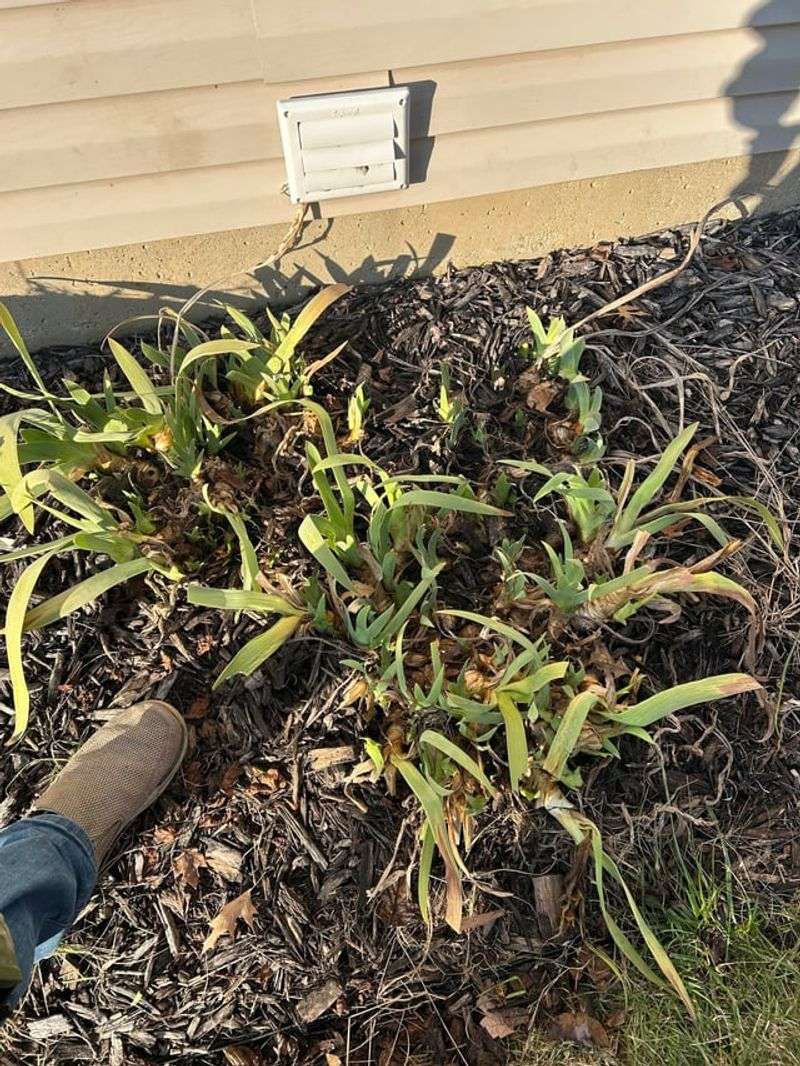
Packed rhizomes are one of the most common reasons irises stop flowering in North Carolina gardens. Bearded Irises multiply every season, and when they run out of space, the whole clump suffers.
Older rhizomes at the center get shaded out and crowded, which means fewer flowers and weaker plants overall.
Dividing your irises every three to four years makes a huge difference. In North Carolina, the best time to divide is late July through August, right after the blooming season wraps up.
Waiting until then gives the plants enough time to settle in before cooler fall temperatures arrive.
When you divide, dig up the entire clump carefully and separate the healthy outer rhizomes from the old woody center. Replant the fresh sections about twelve to eighteen inches apart so each one has plenty of breathing room.
Make sure the top of each rhizome stays partially exposed to sunlight rather than buried under soil.
Spacing matters more than most gardeners realize. Good spacing improves airflow, reduces moisture buildup, and allows each plant to gather enough energy for strong flower production.
After replanting, water lightly and keep the bed tidy through fall. North Carolina gardeners who divide on schedule almost always see noticeably better blooms the very next spring.
2. Too Much Shade Prevents Strong Iris Flower Production
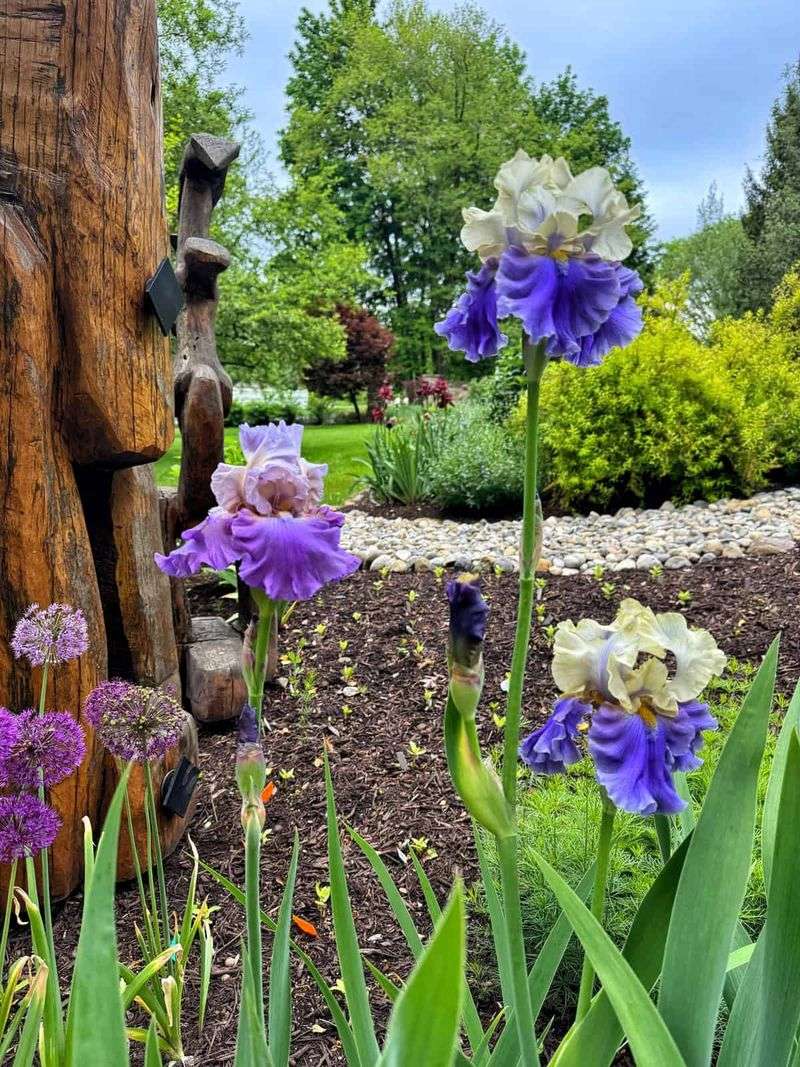
Irises are sun lovers through and through, and shade is one of the fastest ways to shut down flower production. Most iris varieties need at least six hours of direct sunlight each day to build the energy required for blooming.
When trees, fences, or nearby shrubs block that light, irises put everything into leaves and nothing into flowers.
Across North Carolina, shade problems show up differently depending on where you garden. Coastal gardeners often deal with fast-growing trees and dense shrubs that creep over beds.
Your North Carolina Garden Changes Every Week. Your Plan Should Too.
Gardening in North Carolina changes quickly throughout the season. Every Friday you’ll receive a simple weekly plan showing exactly what to plant, prune, fertilize, harvest, and protect so you never miss the right timing.
Piedmont gardens can have maturing oaks and maples that cast shade where there was once plenty of open sunlight. Mountain gardeners face shorter growing seasons combined with shade from surrounding ridges and tall conifers.
The fix is usually straightforward once you identify the problem. Trim back overhanging branches to open up the canopy above your iris bed.
If the shade source cannot be removed, moving your irises to a sunnier spot is worth every bit of effort involved.
When choosing a new location, look for a south or west-facing bed that gets strong afternoon sun. Avoid planting near large established trees that will eventually shade the area again.
Giving irises the sunlight they need is truly one of the simplest ways to get those brilliant blooms back on track.
3. Clay Soil Can Cause Weak Iris Growth
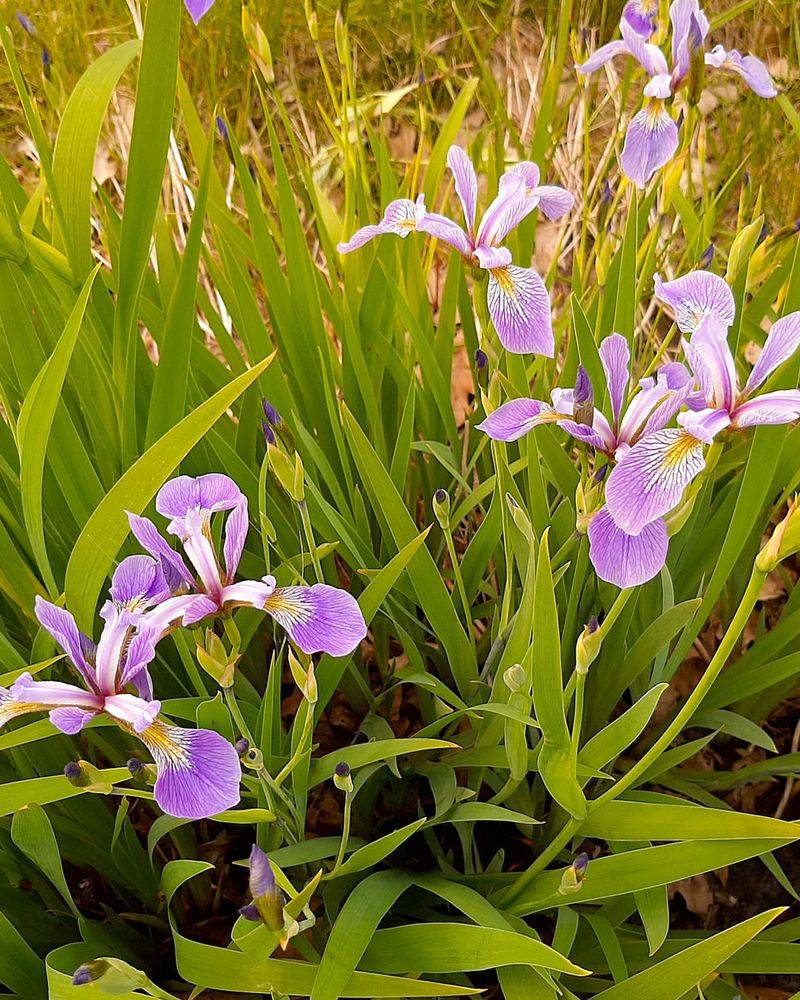
North Carolina is famous for its red clay soil, and while that clay is rich in minerals, it creates real headaches for irises. Clay compacts easily, drains poorly, and holds onto moisture far longer than irises prefer.
Rhizomes sitting in wet, heavy soil weaken over time and eventually stop producing flowers altogether.
During humid summers, poorly drained beds become especially problematic. Water pools around rhizomes, promotes soft tissue problems, and limits the airflow that healthy roots need.
Even a few weeks of soggy conditions can set your iris bed back significantly and reduce the following spring’s bloom count.
Improving clay soil before replanting is the smartest move you can make. Work several inches of compost or aged bark into the existing soil to loosen its structure and improve drainage.
Raised planting areas are an excellent option for gardeners dealing with particularly stubborn clay, since they lift rhizomes above the worst of the water retention.
Mixing in coarse sand along with compost creates a lighter, more breathable growing environment that irises genuinely thrive in. Aim for a planting area that drains noticeably within an hour after heavy rain.
Good drainage paired with improved soil structure gives irises the stable foundation they need to channel energy into producing those bold, colorful spring flowers you have been waiting for.
4. Too Much Nitrogen Creates Leaves Instead Of Flowers
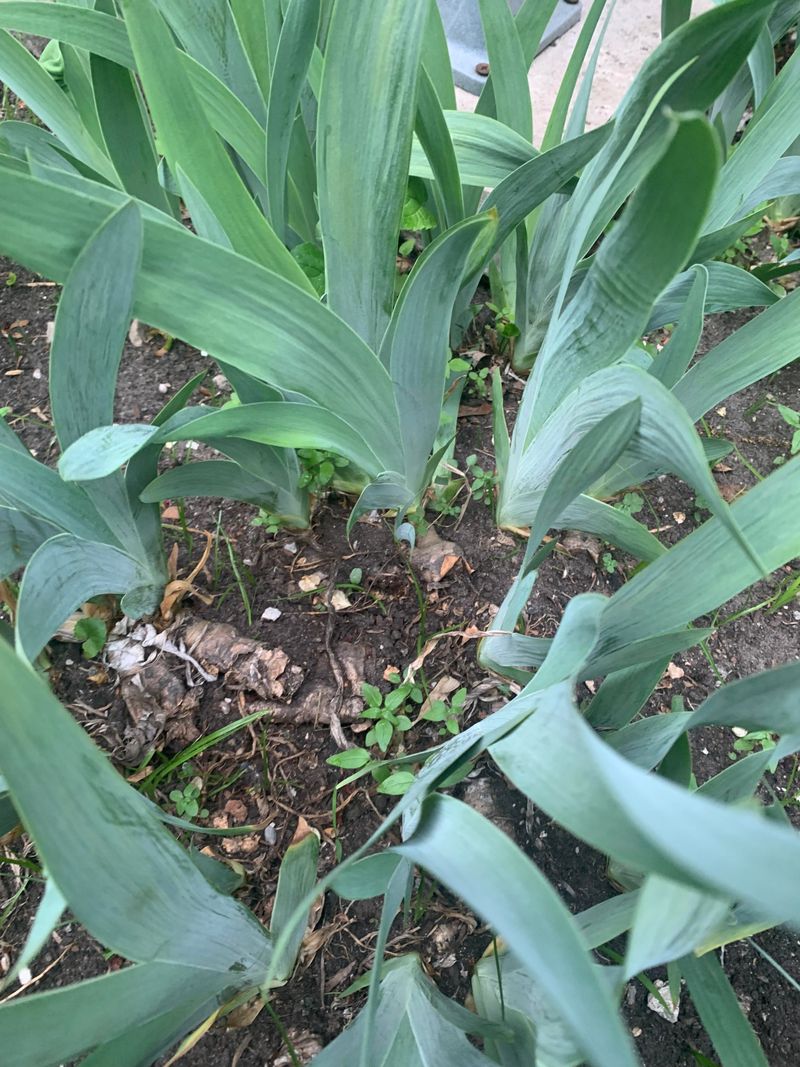
Fertilizer is supposed to help your garden, but using the wrong kind on irises can actually make blooming worse.
High-nitrogen fertilizers push plants to produce lots of leafy green growth, which sounds good until you realize that energy is coming straight from the flower budget.
Irises fed too much nitrogen end up looking impressively green while producing almost no blooms at all.
North Carolina gardeners sometimes reach for all-purpose lawn fertilizers or general garden blends without checking the nitrogen content first. These products often contain much more nitrogen than irises can use productively.
During warm, humid summers across the state, excess nitrogen also encourages soft, weak tissue that is more vulnerable to problems.
The better approach is to use a low-nitrogen fertilizer with a higher phosphorus number, something like a 6-10-10 blend. Phosphorus is the nutrient that actually supports strong root development and flower production.
Apply it once in early spring as growth resumes and again lightly after blooming finishes to support rhizome recovery.
Skip heavy fertilizing altogether during midsummer when heat and humidity are at their peak. Less is genuinely more when it comes to feeding irises.
A light, well-timed application of the right fertilizer does far more for your blooms than a heavy dose of the wrong product ever will. Healthy nutrition keeps your irises focused on exactly what you want: beautiful, abundant flowers every spring.
5. Planting Irises Too Deeply Often Stops Blooming
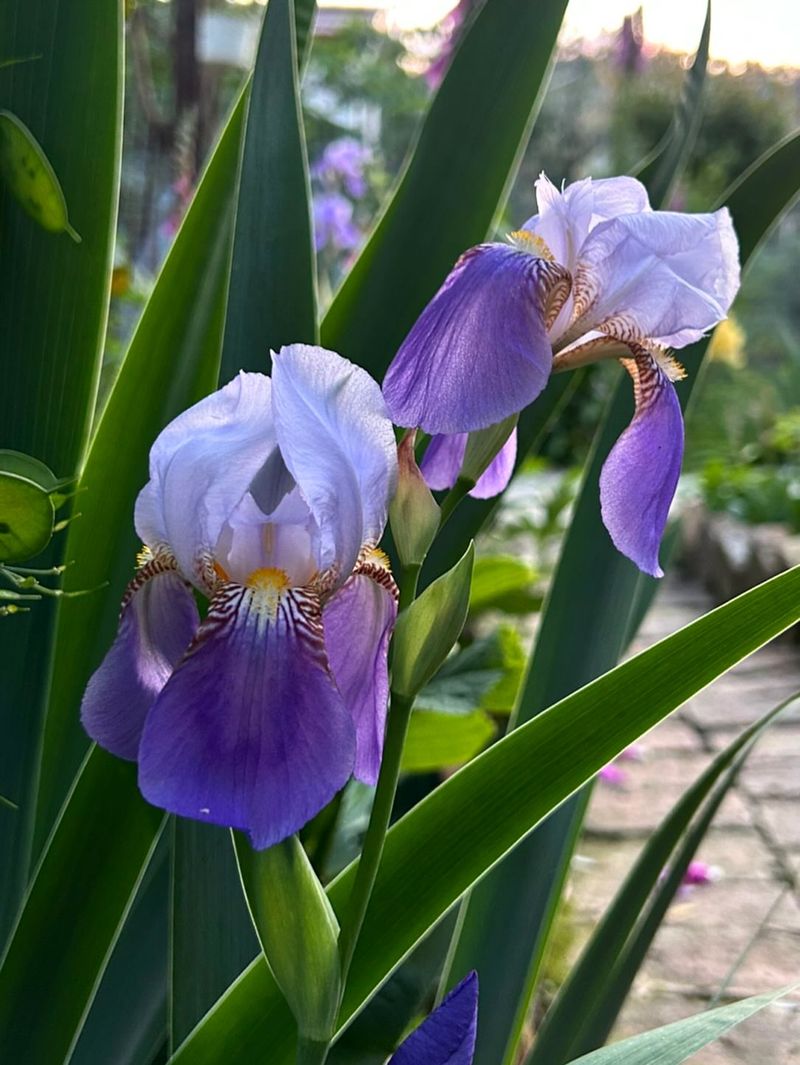
Planting depth is something many gardeners overlook, but it makes an enormous difference for iris flowering. Bearded Iris rhizomes are designed to sit right at or just barely below the soil surface, with the tops exposed to warm sunlight and open air.
Burying them too deep traps moisture, limits sunlight contact, and signals the plant to stay in a vegetative state rather than flowering.
Many North Carolina gardeners plant irises too deeply out of habit, thinking deeper means more stability. Unfortunately, the opposite is true for this particular plant.
Rhizomes planted more than an inch below the surface often produce lush green fans of leaves while delivering almost no flowers season after season.
Fixing this is easier than it sounds. Carefully dig up the affected rhizomes in late summer after blooming ends, shake off the old soil, and inspect each one.
Replant them so the top surface of the rhizome sits level with or slightly above the surrounding soil, especially in heavier clay where moisture retention is already a concern.
After replanting at the correct depth, firm the soil gently around the roots but leave the rhizome top uncovered. A light layer of mulch around the sides helps retain some moisture without smothering the rhizome itself.
North Carolina gardeners who correct planting depth almost always notice a strong improvement in flowering by the very next spring season.
6. Irises Need Proper Cleanup After Blooming Ends
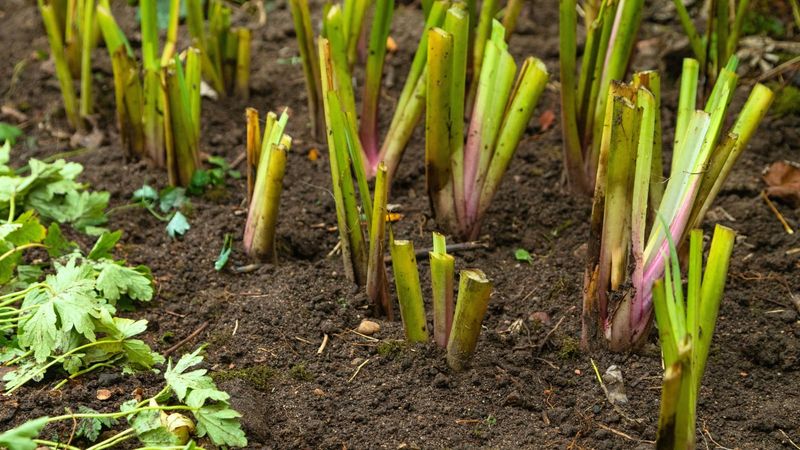
Once your irises finish blooming in spring, the work is not quite over yet. What you do in the weeks right after flowering has a direct impact on how well your plants perform the following year.
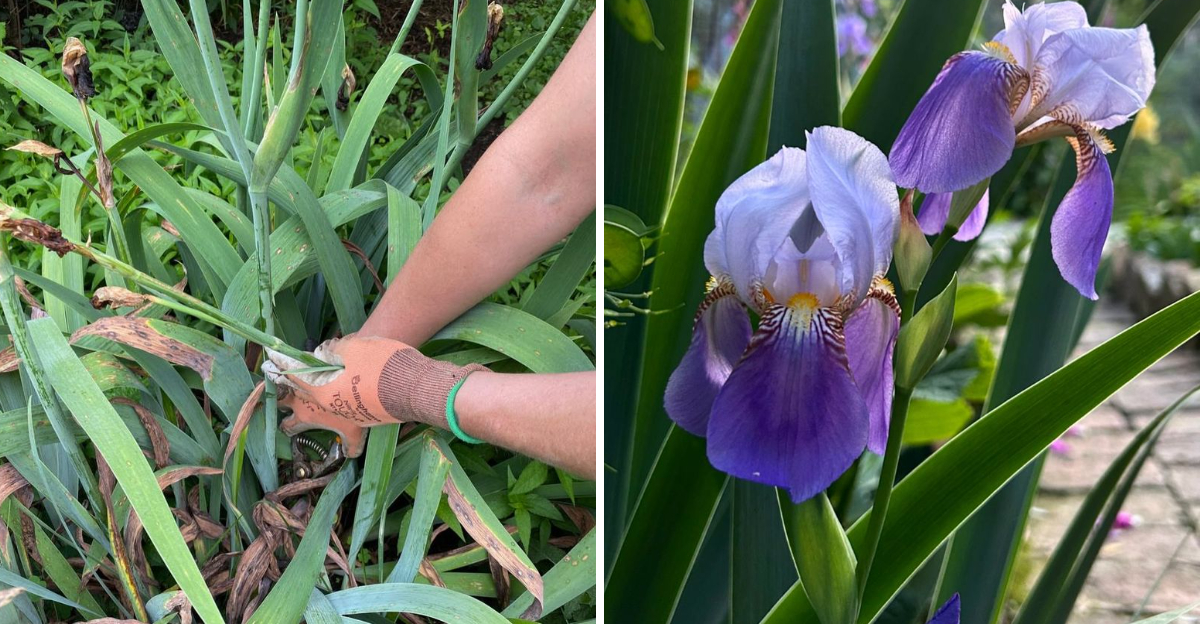
Leaving spent flower stalks standing wastes plant energy that could go toward building stronger rhizomes for next season’s blooms.
Cut flower stalks down to the base as soon as the last bloom fades on each stalk. Use clean, sharp pruners or scissors to make a clean cut right at the base without tearing the surrounding foliage.
Removing these stalks promptly redirects the plant’s energy away from seed production and toward storing nutrients in the rhizome instead.
Leaf trimming is another part of post-bloom care that North Carolina gardeners sometimes skip. Fan the leaves into a tidy shape and trim any brown or yellowing tips to keep the bed looking neat and to reduce hiding spots for insects and fungal issues.
Avoid cutting the green leaves back drastically, since they continue feeding the rhizome through the summer months.
Watering after blooming should be moderate rather than heavy. North Carolina summers bring plenty of natural rainfall, so supplemental watering is usually only needed during dry spells.
Keeping the bed tidy, well-drained, and lightly maintained through the summer sets your irises up for a genuinely spectacular display when spring rolls around again.
7. Excess Moisture Causes Problems During Humid Summers
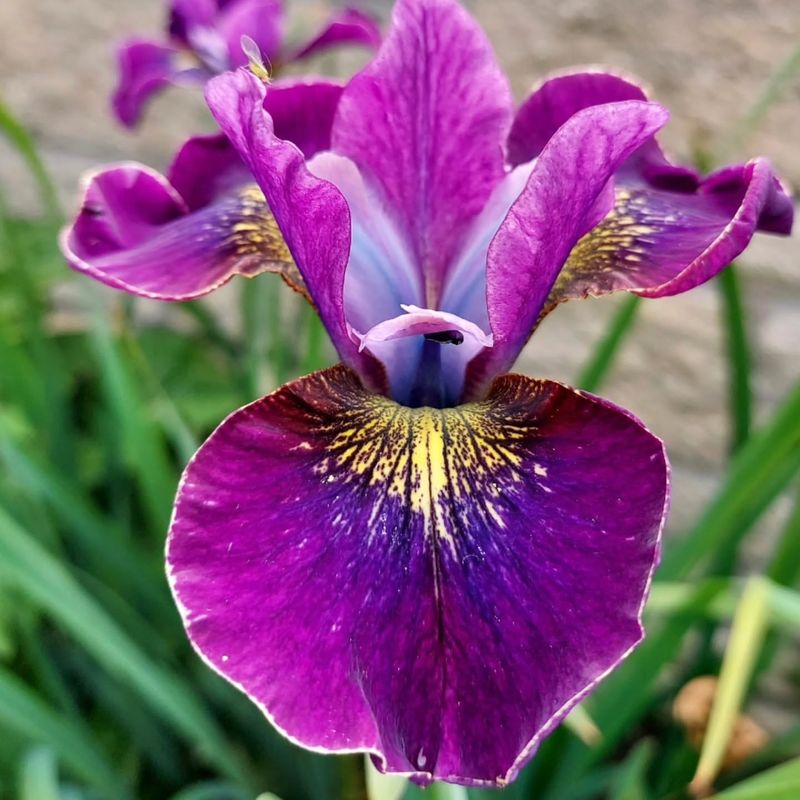
North Carolina summers are warm, sticky, and often soaking wet, which creates a challenging environment for irises that naturally prefer drier conditions.
Excess moisture sitting around rhizomes for extended periods weakens plant tissue and reduces the energy available for flower development.
Gardeners across the Piedmont and coastal regions especially notice this pattern during particularly rainy summers.
Watering habits play a big role in how well irises handle the humid season. Established irises rarely need supplemental watering during North Carolina summers unless there has been a genuine extended dry spell.
Overwatering on top of natural rainfall pushes moisture levels past what rhizomes can handle comfortably.
Spacing plants properly helps more than most people expect. When irises are crowded together, air cannot circulate freely between the foliage, and the ground stays damp much longer after rain.
Giving each plant at least twelve to eighteen inches of open space allows the soil surface to dry between rain events, which keeps rhizomes in much healthier condition overall.
Mulching around irises requires some thought as well. A thin layer of mulch helps moderate soil temperature but should never be piled directly against the rhizome surface.
Keeping mulch pulled back a few inches from the rhizome allows airflow and sunlight to reach the surface naturally. Managing moisture carefully through the summer is one of the most reliable ways to protect irises and keep them blooming beautifully year after year.
8. Older Iris Beds Often Need Rejuvenation To Bloom Well Again
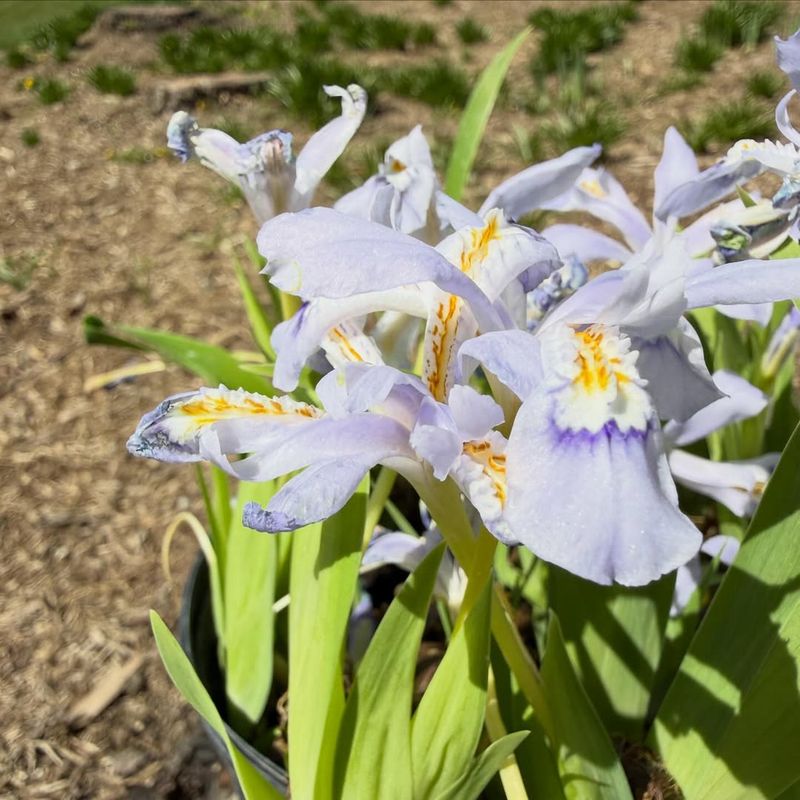
Some iris beds go years without much attention, and over time they simply run out of steam. Old rhizomes become woody, the soil gets compacted, and the whole planting loses the vigor it once had.
If your irises have not been touched in five or more years, a full rejuvenation is probably exactly what they need to start blooming again.
Start by digging up the entire bed in late summer, which is the ideal window across most of North Carolina.
Sort through the rhizomes carefully, setting aside the firm, healthy outer sections and discarding anything that feels hollow or looks significantly deteriorated. The newer outer growth is always more productive than the old woody center pieces.
Once the bed is cleared, take the opportunity to improve the soil before replanting. Work in generous amounts of compost, check drainage, and break up any compacted areas.
This is also a great time to reconsider the bed’s layout, making sure it will receive enough sunlight now that trees or structures may have grown since the original planting.
Replant the healthy rhizomes at the correct shallow depth with good spacing between each one. Water lightly after replanting and keep the area free of weeds through fall.
North Carolina gardeners who commit to a proper rejuvenation almost always see a dramatic improvement in bloom quality within one to two growing seasons, making the effort absolutely worth every bit of time invested.
9. Warm Winters Sometimes Affect Bloom Cycles
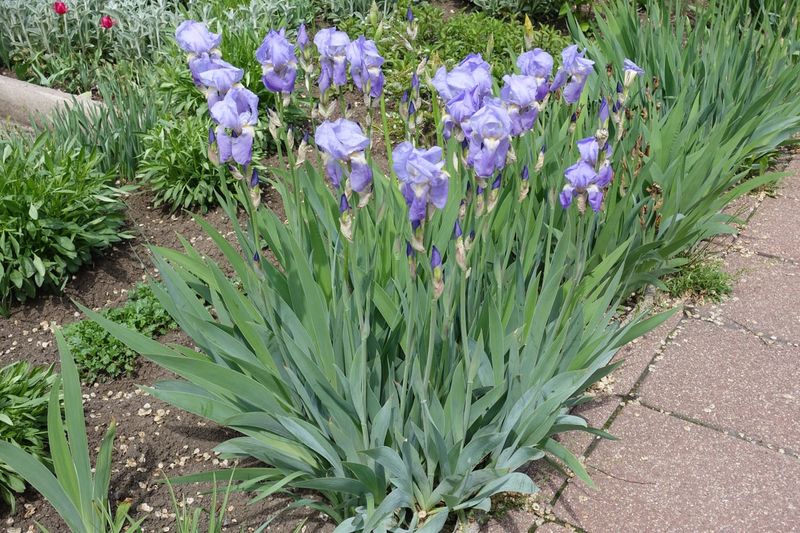
North Carolina winters are famously unpredictable, swinging between cold snaps and stretches of surprisingly warm weather within the same season.
Irises rely on a proper cool dormancy period to reset their internal flowering cycle, and when winter temperatures stay too warm for too long, that cycle can get disrupted.
The result is often reduced or irregular blooming the following spring.
Coastal North Carolina gardeners tend to see this issue more frequently than those in the mountains, simply because winter temperatures near the coast stay milder overall.
Piedmont gardeners sometimes experience it during years with unusually warm December and January stretches.
Mountain regions generally get enough consistent cold to support healthy dormancy, though late warm spells can still cause some disruption.
There is not much a gardener can do to control winter temperatures, but strong summer and fall care makes a real difference in how well irises handle whatever winter brings.
Healthy, well-established rhizomes with good nutrient reserves going into fall are far more resilient than stressed or overcrowded plants.
Dividing on schedule, feeding correctly, and keeping beds clean through the fall gives irises the best possible starting point.
Choosing iris varieties that perform well in North Carolina’s specific climate zones also helps. Local nurseries and extension programs across the state often carry varieties selected for regional performance.
Working with your climate rather than against it is always the smartest long-term strategy for consistent, rewarding blooms season after season.
10. Poor Airflow Around Irises Encourages Fungal Problems
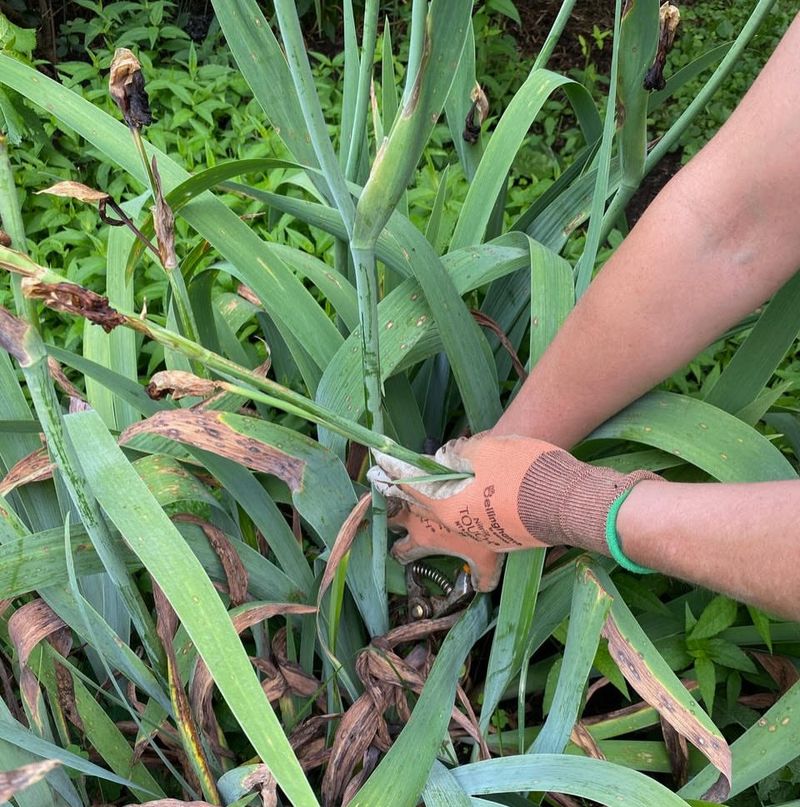
Irises packed tightly together with nearby shrubs or dense groundcovers create a perfect environment for fungal issues to take hold.
Humid air gets trapped between foliage, moisture lingers on leaf surfaces longer than it should, and the conditions become ideal for leaf spot, soft rot, and other fungal pressures.
North Carolina’s warm, humid summers make this problem especially common across the Piedmont and coastal regions.
Fungal leaf spot shows up as brown or yellowish patches on iris foliage, often spreading quickly through a crowded bed once it gets started. While leaf spot alone might not stop blooming entirely, it weakens the plant significantly over the growing season.
A weakened plant going into fall has much less energy stored for producing flowers the following spring.
Improving airflow is the most effective long-term solution. Space iris plants at least twelve to eighteen inches apart, and keep neighboring plants from crowding over the bed.
Removing lower, older leaves that touch the soil surface reduces the entry points for fungal spores and keeps the bed cleaner overall through the summer months.
Cleaning up fallen leaf debris regularly also matters more than most gardeners expect. Fungal spores overwinter in old plant material and reinfect plants the following season if the debris is left in place.
North Carolina gardeners who stay consistent with spacing, cleanup, and airflow management enjoy noticeably healthier iris foliage and much stronger, more reliable blooms every single spring.