The Gorgeous Flower Pennsylvania Gardeners Love But Rarely Keep Alive
There’s a particular flower that shows up in Pennsylvania gardens with striking regularity every spring, earns immediate admiration from everyone who sees it, and then quietly disappears before most gardeners have figured out what went wrong.
It has a devoted following despite a survival rate that would discourage most people from trying more than once, and yet gardeners keep coming back to it season after season because when it performs, nothing else in the garden quite compares.
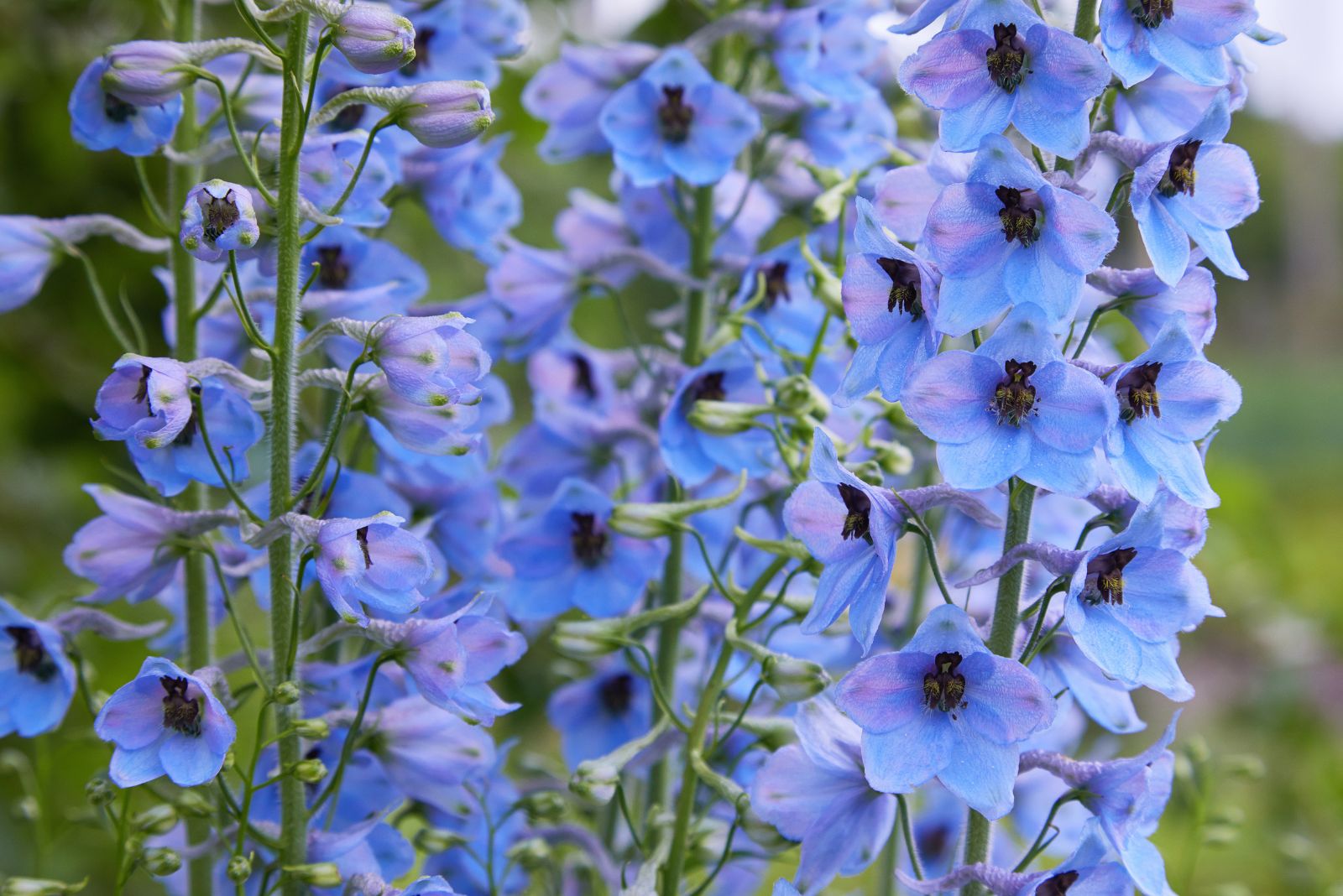
The tall, dramatic flower spikes in rich blues, purples, and whites that this plant produces are genuinely spectacular, the kind of display that makes a garden look like it belongs in an English countryside painting.
Pennsylvania gardeners are drawn to it for exactly that reason, and the heartbreak of losing it to summer heat, crown rot, or a dozen other potential problems is a very real part of the experience for most people who grow it.
Understanding why it struggles in Pennsylvania and what actually keeps it alive changes everything about growing it successfully.
Pennsylvanians Loves Delphinium, But Why Does It Keep Disappointing
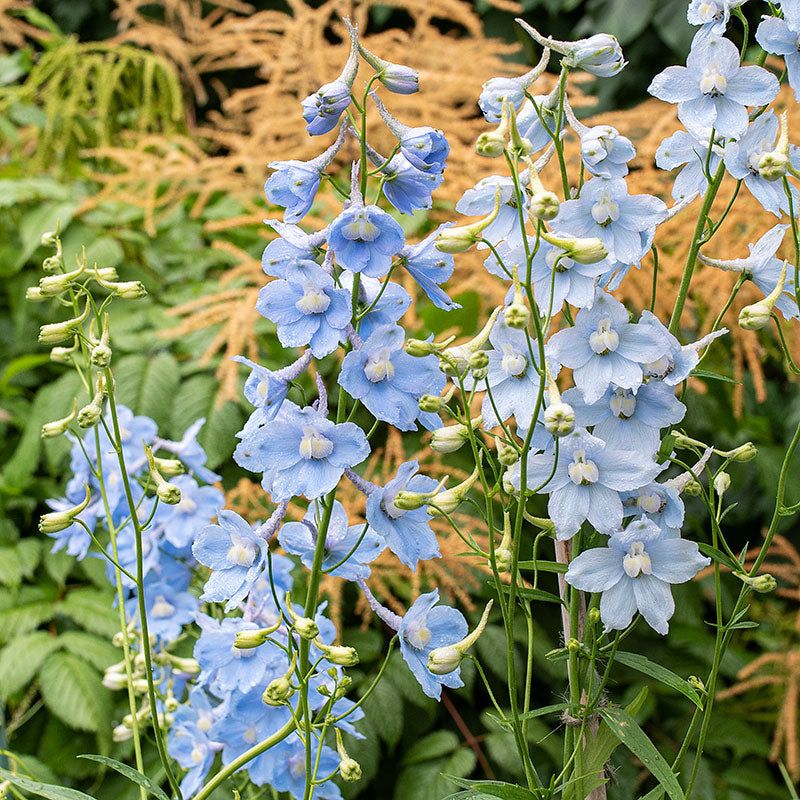
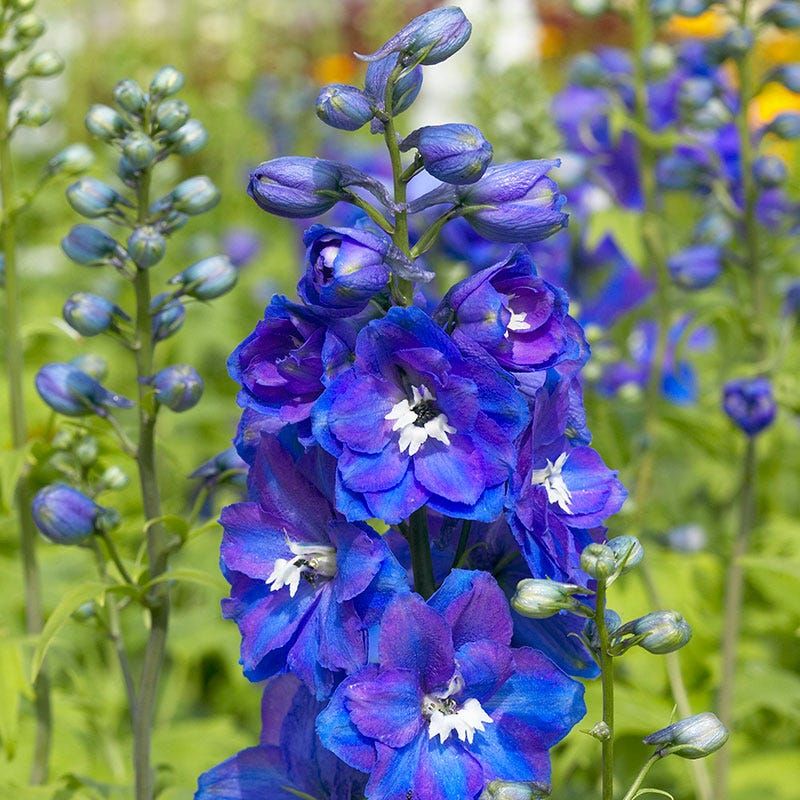
Few flowers stop people in their tracks quite like a delphinium in full bloom. Those tall, dramatic spikes covered in deep blue, purple, or white flowers look like something straight out of a fairy tale garden.
Pennsylvania gardeners are absolutely drawn to them every spring, picking up plants at nurseries with big dreams of a stunning cottage garden.
But here is the honest truth: delphiniums are notoriously tricky to grow in Pennsylvania, and most gardeners struggle to keep them healthy through the season.
Between the summer heat, heavy rainstorms, and sticky humidity, Pennsylvania’s climate throws just about every challenge at these flowers.
Understanding exactly why delphiniums struggle here can help you give them a real fighting chance, or at least help you decide whether the effort is worth it.
Whether you are a seasoned gardener or just starting out, knowing what you are up against makes all the difference.
Pennsylvania Humidity Causes Serious Problems
Walk through a Pennsylvania garden in July, and you can practically feel the air sitting heavy and wet on your skin. That thick, muggy humidity feels miserable to people, and delphiniums feel exactly the same way.
These flowers are native to cooler, mountainous regions where the air stays dry and breezy, which is about as far from a Pennsylvania summer as you can get.
Powdery mildew is one of the biggest problems delphiniums face in humid conditions. It shows up as a chalky white coating on the leaves, spreading quickly when warm, moist air surrounds the plant.
Once mildew takes hold, it weakens the plant fast, reducing its ability to absorb sunlight and nutrients properly.
Fungal rot is another serious issue. When humidity stays high and air cannot circulate freely around the base of the plant, the stems and crown can begin to rot from the inside out.
Gardeners often do not notice until the plant suddenly collapses or wilts without warning. To give delphiniums a better chance, plant them where they get strong morning sun and good airflow. Avoid crowding them too close to other plants.
Your Pennsylvania Garden Changes Every Week. Your Plan Should Too.
Gardening in Pennsylvania changes quickly throughout the season. Every Friday you’ll receive a simple weekly plan showing exactly what to plant, prune, fertilize, harvest, and protect so you never miss the right timing.
Water at the base rather than overhead to keep the foliage as dry as possible. Fungicide sprays labeled for powdery mildew can slow the spread, but they rarely stop it completely once Pennsylvania summer kicks into full gear.
Choosing mildew-resistant varieties, like some of the Pacific Giant hybrids, can also make a noticeable difference in how long your plants stay healthy.
Heavy Rain And Storms Damage Tall Flower Spikes
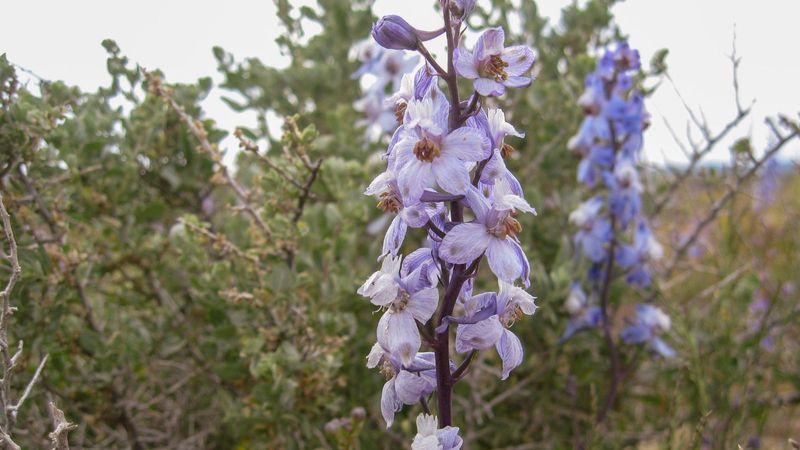
Delphiniums are showstoppers, but their height is also their biggest weakness during storm season. Most varieties grow anywhere from three to six feet tall, with heavy flower spikes loaded with dozens of blooms.
That combination of height and weight makes them incredibly vulnerable when strong winds and driving rain roll through, which happens regularly across Pennsylvania from spring through late summer.
A single strong thunderstorm can snap stems, flatten entire plants, or shred delicate petals beyond recovery. Pennsylvania sits right in the path of frequent summer storm systems, and the timing could not be worse.
Delphiniums typically bloom in early summer, putting them squarely in the middle of peak storm season.
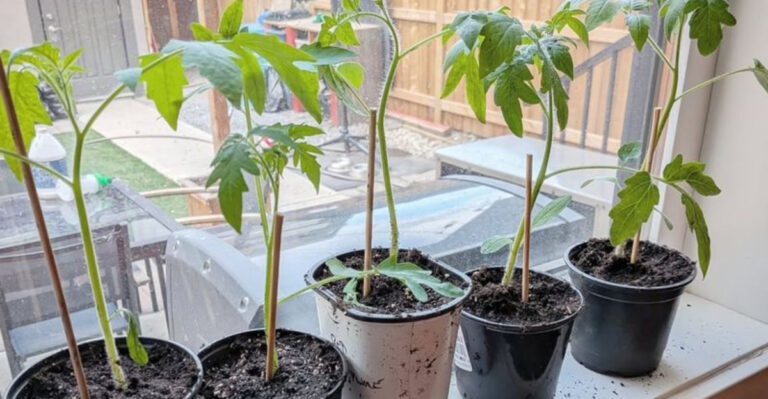
Staking is absolutely essential for growing delphiniums successfully. Gardeners should place sturdy stakes or plant supports in the ground early, before the flower spikes start to develop.
Waiting until the stems are already tall means you risk snapping them while trying to tie them up. Bamboo canes, metal garden stakes, or grow-through support rings all work well.
Tie the stems loosely using soft garden twine or foam plant ties. Avoid pulling them tight against the stake, because stems need a little flexibility to move naturally in the wind without snapping.
Even with staking, a truly powerful storm can still cause damage. Some gardeners plant delphiniums near fences or walls to provide a natural windbreak.
Choosing shorter, more compact delphinium varieties can also reduce storm damage risk significantly compared to the tallest heritage types.
Delphiniums Dislike Wet Soil
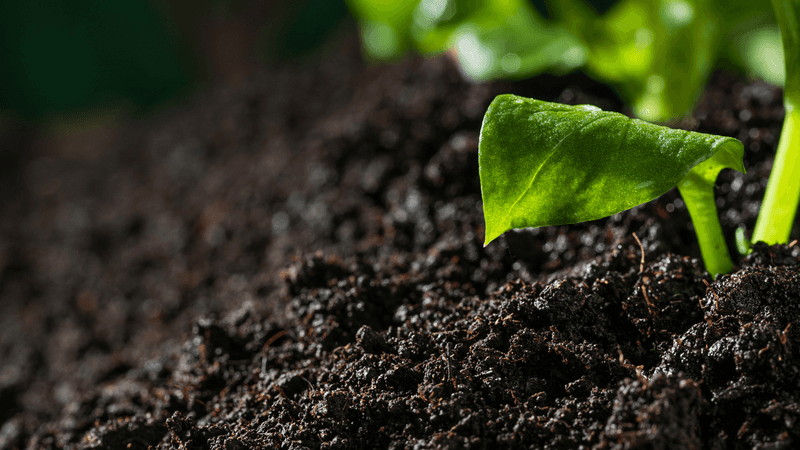
Here is something that surprises many gardeners: delphiniums need regular watering, but they absolutely cannot tolerate sitting in soggy soil. It sounds like a tricky balance, and honestly, it is.
These plants want consistent moisture at their roots but demand that excess water drains away quickly. In many Pennsylvania gardens, that kind of drainage simply does not exist naturally.
Pennsylvania is loaded with clay-heavy soils, especially across the central and western parts of the state. Clay soil holds water like a sponge, staying saturated long after rain stops.
When delphinium roots sit in that wet environment for too long, they begin to rot. Root rot moves fast and is extremely difficult to reverse once it starts.
Raised garden beds are one of the most effective solutions for Pennsylvania gardeners dealing with poor drainage. Building beds just eight to twelve inches above the natural ground level dramatically improves drainage.
Filling those beds with a mix of quality garden soil, compost, and coarse sand creates the loose, well-draining environment delphiniums actually prefer.
For in-ground planting, amending heavy clay soil with plenty of organic matter and coarse grit can help, though it takes consistent effort over multiple seasons to truly change the soil structure. Avoid planting delphiniums in low spots where water naturally collects after rain.
Sloped garden areas or elevated sections of your yard are much better choices. Adding a layer of mulch around the base also helps regulate moisture levels and prevents the soil from swinging between bone dry and waterlogged after heavy Pennsylvania rain events.
Summer Heat Often Stops Blooming Early
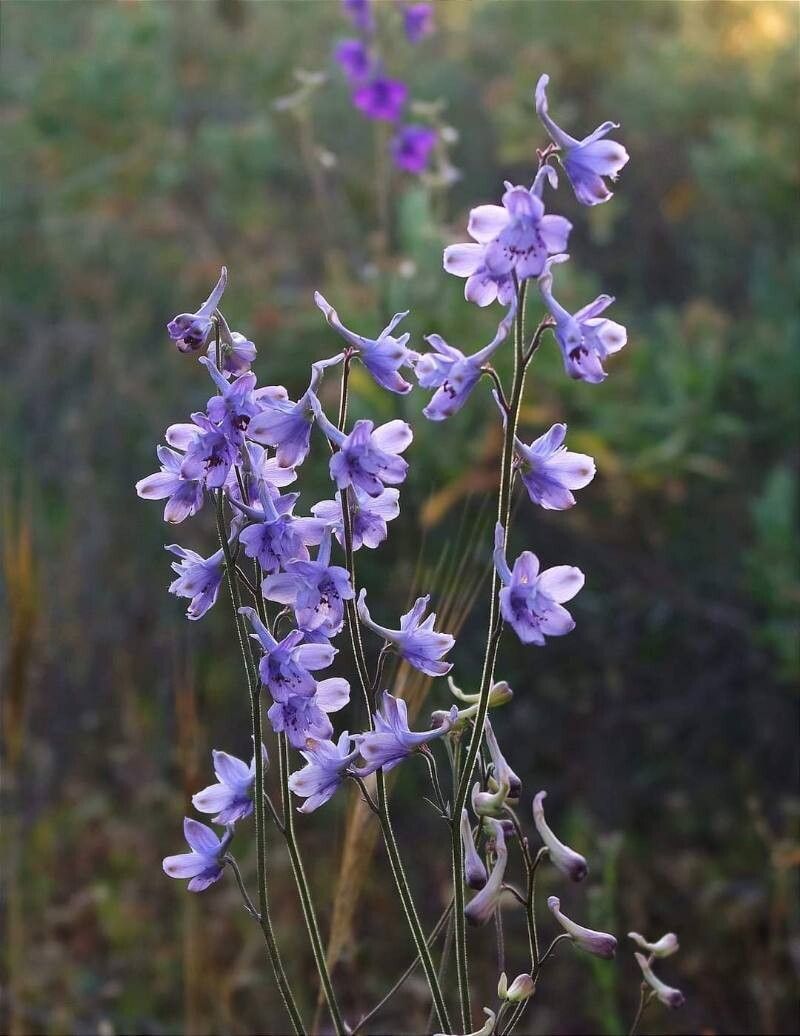
Ask any experienced Pennsylvania gardener about delphiniums in August, and you will likely get a tired laugh.
By the time midsummer heat really settles in across the state, most delphiniums have already finished blooming and look more like sad, wilted stalks than the gorgeous flowers you planted back in spring.
Heat stress is one of the most common reasons these plants struggle to perform the way gardeners hope.
Delphiniums thrive in temperatures between 50 and 75 degrees Fahrenheit. Pennsylvania summers regularly push well past 85 and 90 degrees, especially during July and August heat waves.
Once temperatures climb into that range consistently, delphiniums stop producing new blooms and begin focusing all their energy on simply surviving the heat rather than flowering.
Afternoon shade can make a meaningful difference. Planting delphiniums where they receive full morning sun but are shaded from the hottest afternoon rays helps reduce heat stress noticeably.
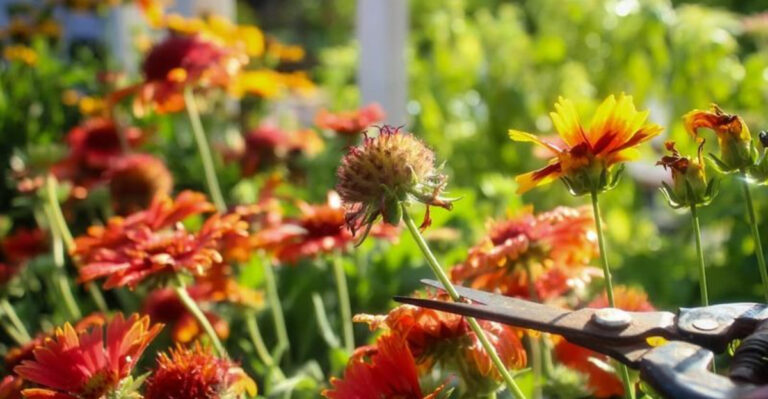
A location on the east side of a fence, wall, or taller shrub works well for this purpose. Cutting back the main flower spikes after the first bloom flush is finished can sometimes encourage a second round of blooming in early fall when temperatures cool back down.
This technique, called deadheading, signals the plant to put energy into producing new growth rather than setting seed.
Water deeply during heat waves rather than giving shallow, frequent sips. Deep watering encourages roots to grow downward where the soil stays cooler and more stable during Pennsylvania’s brutal summer stretches.
They Need More Maintenance Than Most Gardeners Expect
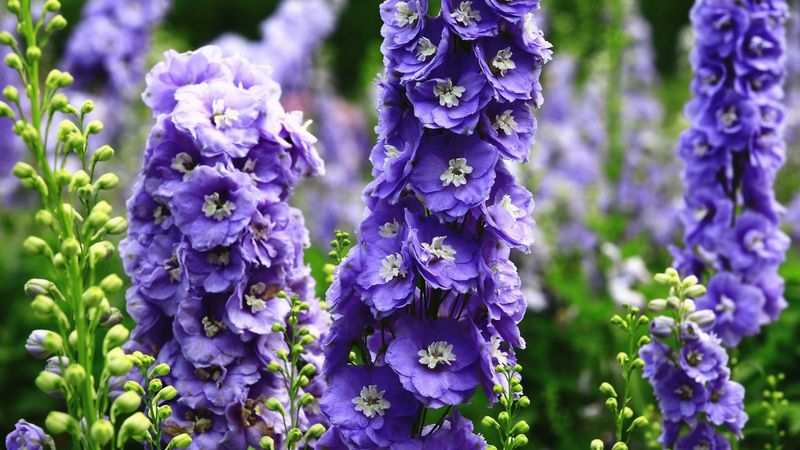
People spot delphiniums at the nursery and imagine planting them once and watching them thrive for years with minimal effort. That picture is lovely, but it is not quite reality.
Delphiniums are genuinely high-maintenance plants, and gardeners who go in without knowing that often feel frustrated when their plants struggle despite their best intentions.
Deadheading is a regular task with delphiniums. Once the main flower spike finishes blooming, cutting it back encourages the plant to send up new side shoots with smaller but still beautiful flowers.
Skip this step, and the plant puts its energy into producing seeds instead of new blooms, shortening your overall flowering season considerably.
Fertilizing matters more with delphiniums than with many other perennials. These are heavy feeders that benefit from a balanced slow-release fertilizer applied in early spring, followed by a liquid fertilizer every few weeks during the growing season.
Without consistent feeding, the plants produce weaker stems and fewer flowers. Staking, as mentioned earlier, is non-negotiable for most varieties.
But beyond just putting a stake in the ground, gardeners need to check and adjust ties regularly as the plant grows taller throughout the season. Stems can outgrow their supports faster than expected.
Delphiniums also benefit from being cut back hard after summer blooming ends and given a light fertilizer boost to encourage fall regrowth.
All of this adds up to a plant that rewards dedicated gardeners but truly challenges anyone expecting a set-it-and-forget-it perennial experience in the Pennsylvania garden landscape.
Tips To Actually Keep Delphiniums Alive In Pennsylvania
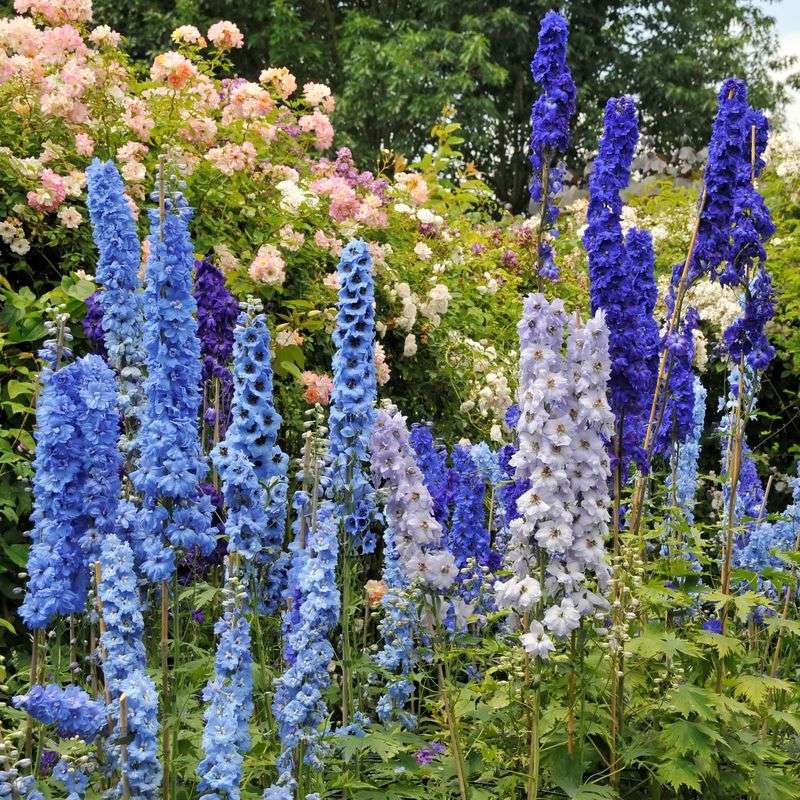
Despite everything working against them in Pennsylvania, delphiniums are not impossible to grow here. Plenty of dedicated gardeners manage to get beautiful results by working smart rather than just working hard.
A few key strategies can genuinely improve your success rate with these dramatic flowers. Start with the right variety. Not all delphiniums are created equal when it comes to heat and humidity tolerance.
The Magic Fountains series stays shorter and handles warmer conditions better than many traditional tall varieties. Guardian series plants are also known for being more adaptable to challenging climates.
Timing your planting matters enormously. Getting delphiniums established early in spring, while temperatures are still mild, gives them the best chance to build strong roots before summer heat arrives.
Transplanting them during a heat wave sets them back immediately and makes recovery much harder.
Soil preparation is worth spending real time on before planting. Mixing generous amounts of compost into your planting area improves both drainage and nutrient availability at the same time.
Adding a slow-release granular fertilizer to the soil at planting gives roots an immediate nutrient boost.
Mulching around the base of each plant with two to three inches of shredded bark or straw helps regulate soil temperature and moisture through the wild swings of Pennsylvania weather.
Check plants regularly for early signs of mildew or pest activity, because catching problems early is far easier than managing them once they spread.
With the right setup and steady attention, delphiniums can absolutely reward Pennsylvania gardeners with some of the most jaw-dropping blooms in the summer garden.