Plants You Should Still Plant In Michigan Before May Ends
The end of May in Michigan feels like a planting deadline, but it is really more of a checkpoint.
There is still time to get a solid range of vegetables, flowers, and herbs in the ground before the month closes out, and several of them will establish faster now than they would have weeks earlier when the soil was cooler.
Warm soil speeds up germination, encourages stronger root development, and gives transplants less to fight against when they first go in.
The key is knowing which plants still have enough season ahead of them to deliver a full payoff from a late May planting. Some crops move from soil to harvest surprisingly fast.
Others are perennials that use the remaining warm months to build roots and come back even stronger next year. Either way, the planting window is still open and worth using before June takes over.
1. Zinnias Still Have Plenty Of Time To Bloom Beautifully
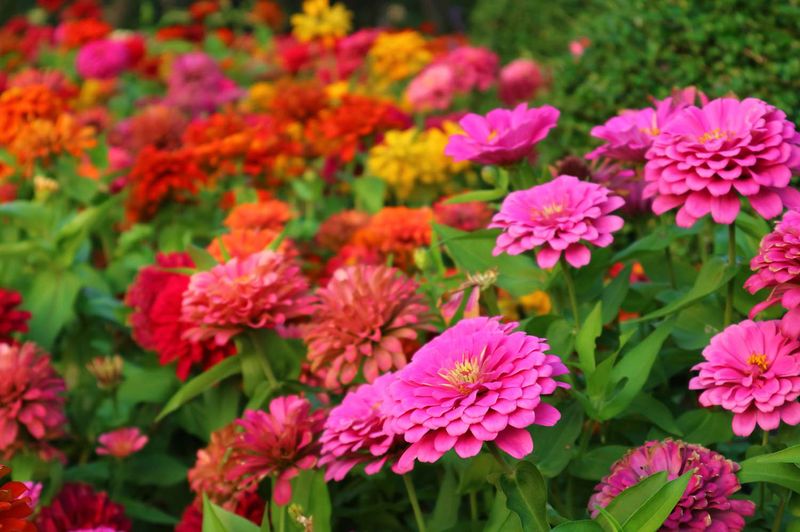
Few flowers bring the kind of cheerful, nonstop color that zinnias deliver from midsummer all the way into fall.
If you haven’t planted them yet, late May is honestly one of the best times to sow zinnia seeds directly into soil.
The ground has finally warmed up enough to support fast germination, often within just five to seven days, giving you a strong head start on summer blooms. Southern Michigan gardeners can plant right now without hesitation.
Central Michigan growers have an excellent window through the end of May, and even northern Michigan gardeners can get seeds in the ground before June arrives.
Sow seeds about a quarter inch deep and space plants around 12 inches apart to give each one enough room for good airflow, which really matters during humid summers.
Water zinnias at the base rather than overhead to keep foliage dry and reduce disease pressure.
Once blooms appear, deadheading spent flowers regularly encourages the plant to keep producing fresh blooms all season long. Pollinators absolutely love zinnias, so expect butterflies and bees to visit constantly.
These tough, sun-loving flowers handle summer heat without complaint and reward minimal effort with maximum color.
2. Basil Grows Much Better Once Nights Finally Warm Up
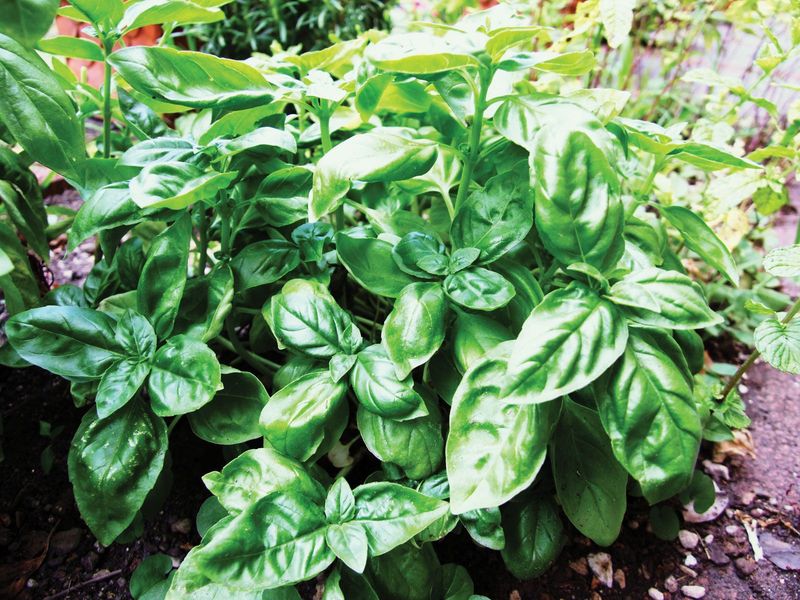
Basil has a reputation for being fussy, and honestly, that reputation is mostly earned during cold spring weather. Plant it too early and it sulks, turns yellow, and barely grows.
But once nights consistently stay above 50 degrees Fahrenheit, basil transforms into one of the most rewarding herbs you can grow, pushing out lush, fragrant leaves faster than you’d expect.
Late May is the sweet spot for basil planting. Whether you’re starting from transplants or direct-seeding into a garden bed, the warming soil and longer daylight hours create ideal conditions for quick establishment.
Plant basil in a sunny spot that gets at least six hours of direct light daily, and water consistently at the base to keep the soil evenly moist without waterlogging the roots.
Pinching off the top sets of leaves every week or so encourages the plant to bush out rather than bolt to flower.
Your Michigan Garden Changes Every Week. Your Plan Should Too.
Gardening in Michigan changes quickly throughout the season. Every Friday you’ll receive a simple weekly plan showing exactly what to plant, prune, fertilize, harvest, and protect so you never miss the right timing.
Once basil starts flowering, leaf production slows down and flavor changes, so keep it trimmed and productive all summer.
Container growing works wonderfully for basil on patios or decks, and a pot near the kitchen door makes harvesting incredibly convenient.
Fresh pesto, caprese salads, and homemade pasta sauce taste so much better with basil you grew yourself.
3. Marigolds Keep Blooming Through Summer Heat
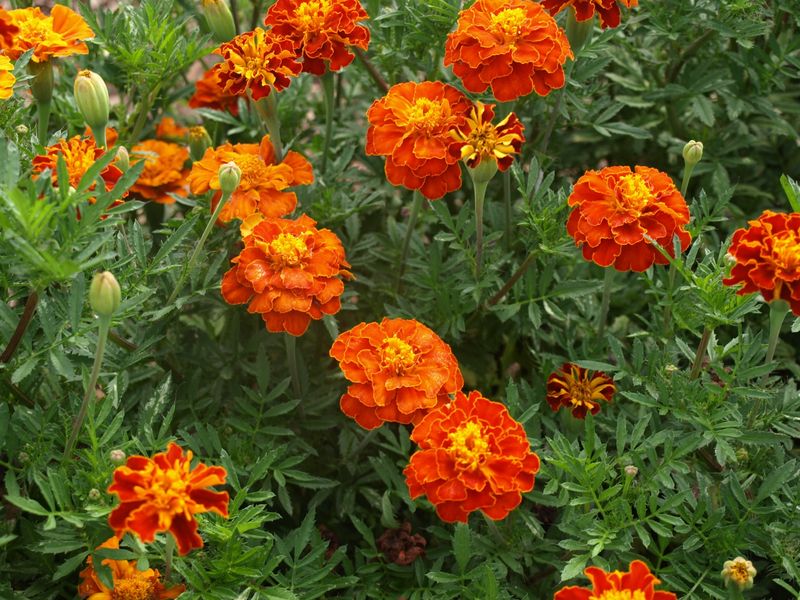
Marigolds might be one of the most underappreciated flowers in the gardening world. They’re tough, reliable, and bloom with incredible consistency from planting time all the way through the first frost.
In Michigan, where summer heat can sometimes catch gardeners off guard, marigolds handle the warmth without missing a beat, continuing to produce waves of cheerful orange, yellow, and red blooms all season long.
Late May is an excellent time to get marigolds into Michigan soil or containers. They prefer full sun, meaning at least six to eight hours of direct sunlight daily, and they actually perform better when the weather warms up.
Space French marigold varieties about eight to ten inches apart, while taller African marigold types need closer to twelve to fifteen inches to reach their full potential.
Both types work beautifully as border plants or mixed into vegetable beds. Removing spent blooms every week or so keeps marigolds looking fresh and encourages continuous flowering.
Water at the base rather than overhead, and let the soil dry slightly between waterings since marigolds don’t love sitting in soggy ground.
As a bonus, many gardeners plant marigolds near tomatoes and peppers because their strong scent is thought to discourage certain garden pests.
Whether that’s your reason for planting them or not, the color they add to any garden is absolutely worth it.
4. Bush Beans Germinate Faster In Late May Soil
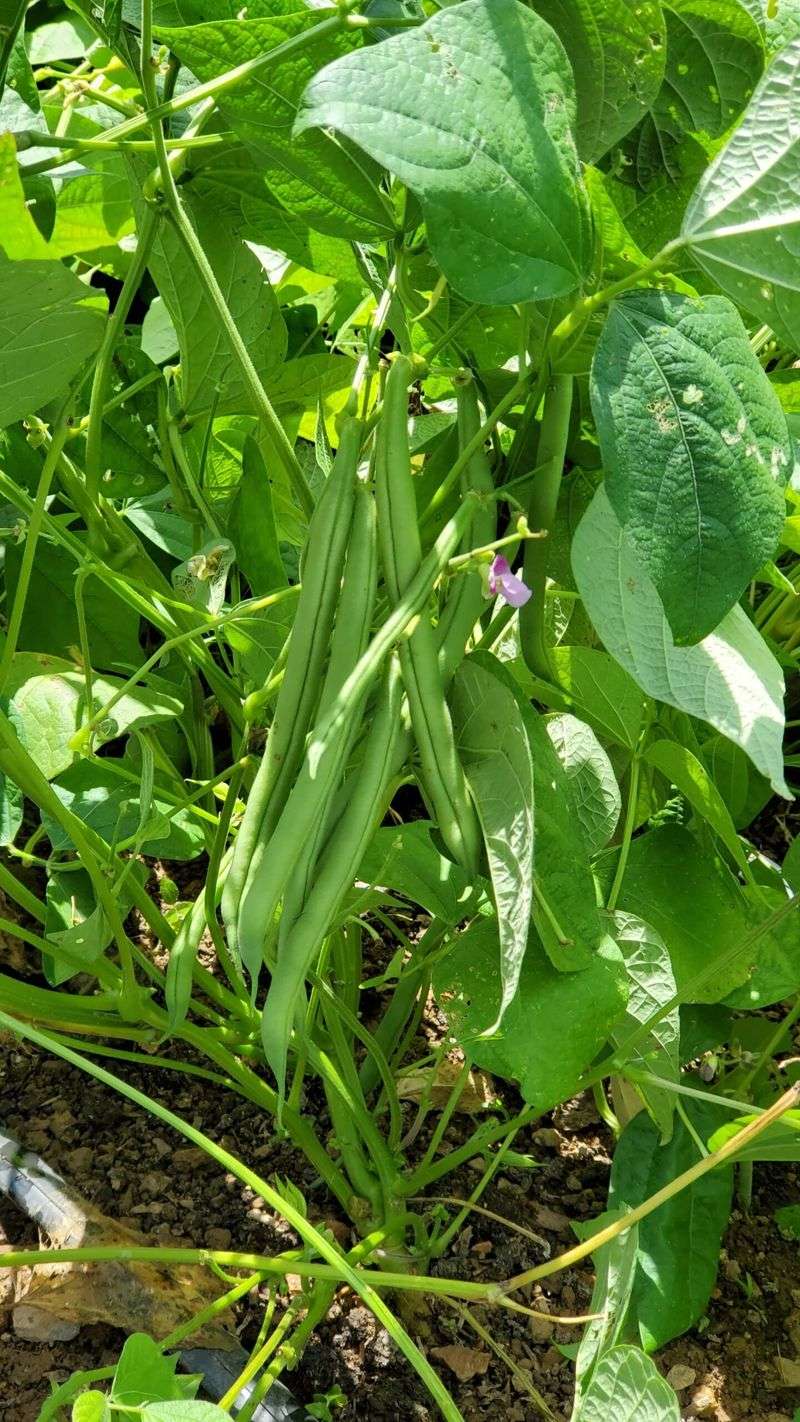
There’s something deeply satisfying about growing bush beans. They ask for very little, produce abundantly, and go from seed to harvest in just 50 to 60 days.
In Michigan, late May planting lines up perfectly with the warmer soil temperatures beans need to germinate quickly and develop strong, productive plants before summer heat peaks.
Cold, wet spring soil is actually one of the biggest reasons bean seeds fail to sprout well.
When soil temperatures stay below 60 degrees Fahrenheit, seeds can sit dormant or even rot before sprouting. Late May soil in most parts of Michigan has warmed up enough to change that completely.
Sow seeds about one inch deep and four to six inches apart in rows, and you can reasonably expect seedlings poking through the soil within a week to ten days.
Water beans consistently but avoid soaking the foliage, since wet leaves can encourage fungal issues.
Bush beans don’t need staking or trellising, which makes them one of the most low-maintenance crops you can grow.
Succession planting every two to three weeks through late June ensures a continuous harvest rather than one big flush of beans all at once.
Harvest pods when they’re firm and about four to six inches long for the best flavor and texture. The more you pick, the more the plant produces.
5. Calibrachoa Quickly Fills Containers Before Summer Begins
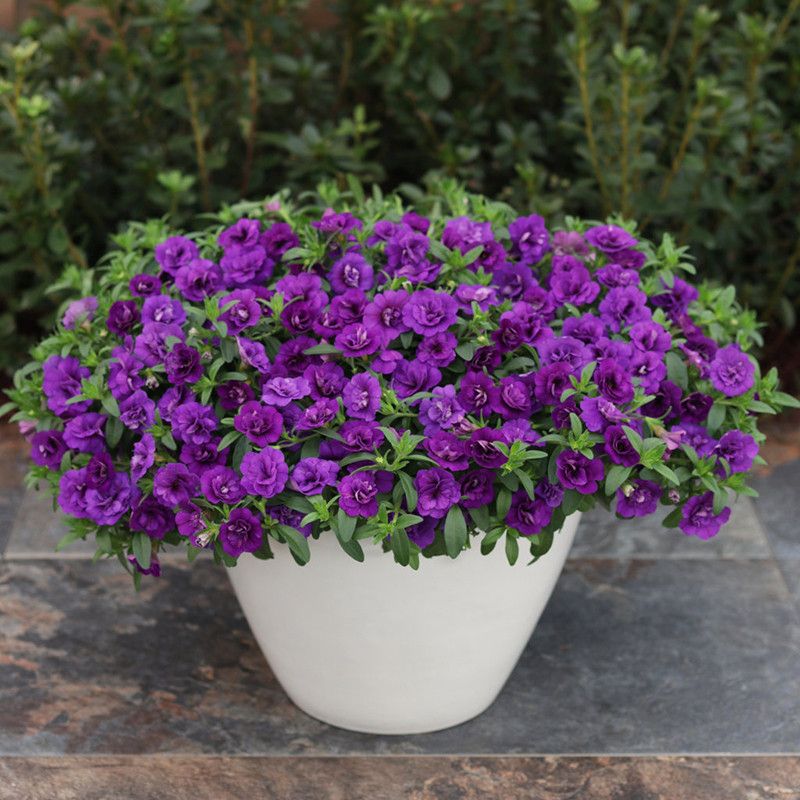
Calibrachoa is the kind of plant that makes people stop and stare. Those tiny, trumpet-shaped blooms covering every inch of a hanging basket or container look almost unreal, like someone spent hours arranging each flower by hand.
The good news is that calibrachoa basically does all that work itself, filling containers quickly and blooming continuously without much fuss from the gardener.
Late May in Michigan is the ideal moment to get calibrachoa into containers, window boxes, or hanging baskets.
Earlier spring planting can sometimes stall the plant if cold nights linger, but once temperatures settle into a more consistent warm pattern, calibrachoa takes off fast.
Choose a spot with at least six hours of full sun for the most impressive bloom production. These plants thrive in well-draining potting mix and need regular watering since containers dry out faster than garden beds.
Fertilizing calibrachoa every one to two weeks with a liquid bloom fertilizer makes a noticeable difference in flower density.
If plants start looking a little leggy or tired by midsummer, a light trim encourages fresh growth and a new flush of blooms.
Unlike some other container flowers, calibrachoa is largely self-cleaning, meaning spent blooms drop on their own without much deadheading needed.
By June, a well-established calibrachoa plant in a hanging basket will be absolutely overflowing with color that lasts all the way into fall.
6. Sweet Corn Still Has Excellent Growing Time Left In Michigan
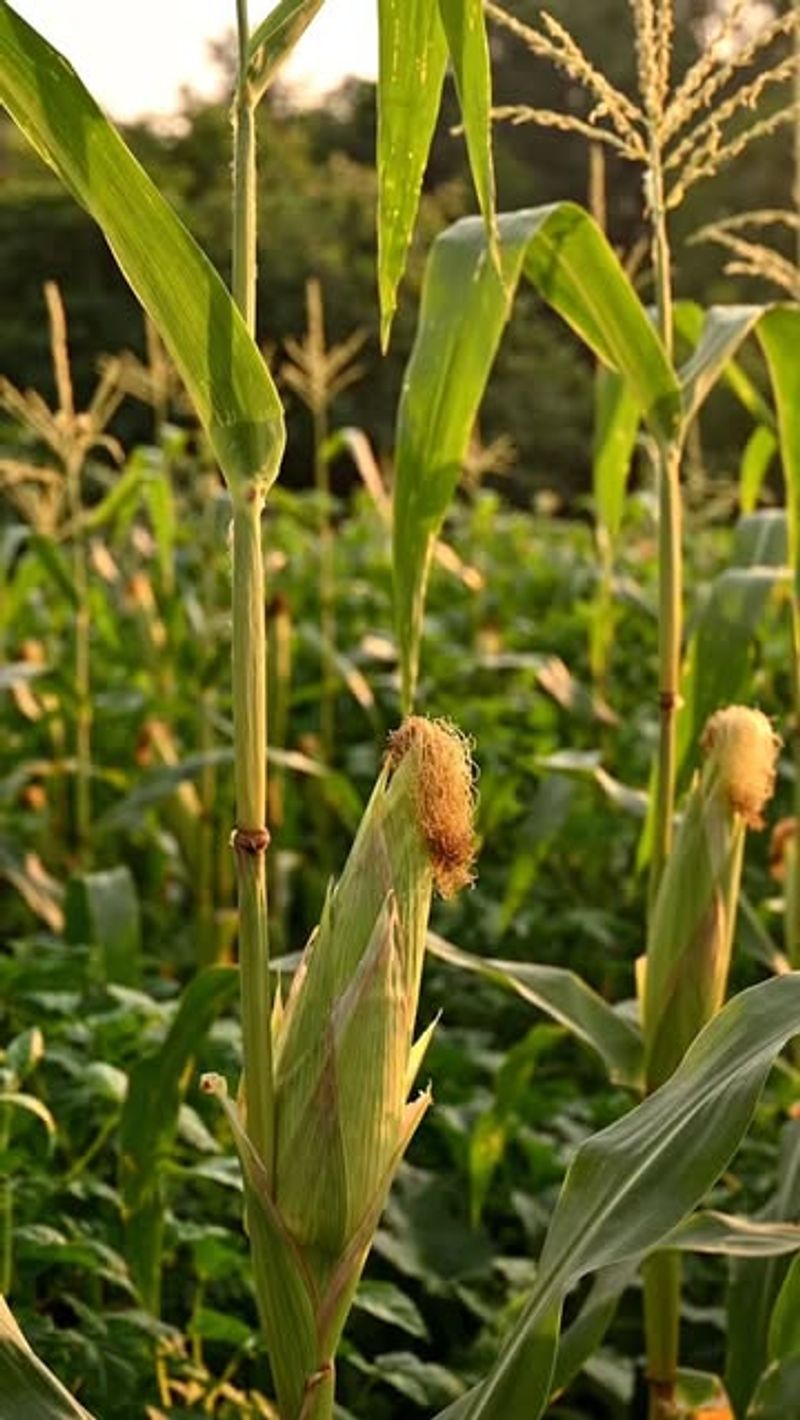
Sweet corn has a reputation for needing a long growing season, but Michigan summers are more than capable of delivering a full, satisfying harvest when seeds go in during late May, even June.
Most sweet corn varieties mature in 70 to 85 days, which means a late May planting puts you right on track for fresh ears in August, one of the most enjoyable moments in the entire garden calendar.
Corn is wind-pollinated, which means planting in blocks rather than long single rows dramatically improves kernel development.
A four-by-four block or larger gives pollen the best chance of reaching all the silks. Sow seeds about one inch deep and nine to twelve inches apart within the block, with rows spaced roughly 30 to 36 inches apart.
Late May soil in Michigan is warm enough to support germination in about a week under normal conditions.
Consistent watering matters most during tasseling and silking, which are the stages when the plant is actively pollinating and developing ears.
Fertilizing with a nitrogen-rich product when stalks reach knee height gives plants the fuel they need for strong growth.
Watch for corn earworm and Japanese beetles, both of which can affect Michigan corn crops.
Harvest ears when the silks have turned brown and a kernel pressed with a thumbnail releases milky juice, a reliable sign that the corn is perfectly ripe and ready to eat.
7. Geraniums Finally Take Off Once The Weather Settles
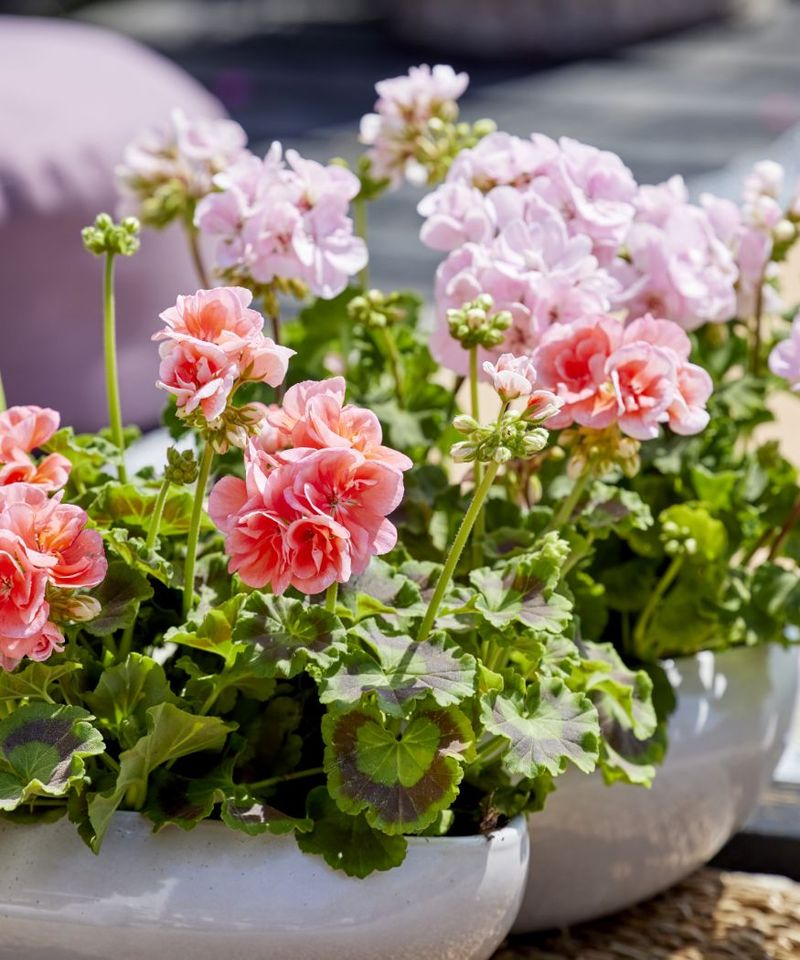
Geraniums have been a garden favorite for generations, and it’s easy to understand why.
Their bold, rounded flower clusters come in shades of red, pink, salmon, white, and coral, and they produce those blooms reliably all summer long with just a little consistent care.
In Michigan, the key to getting the most from geraniums is timing, specifically waiting until nighttime temperatures stay reliably above 50 degrees Fahrenheit before moving them outside for the season.
Late May typically hits that threshold across most of Michigan, making it the right moment to plant geraniums in containers, window boxes, or garden beds.
They prefer full sun but can handle light afternoon shade during the hottest stretches of summer.
Plant them in well-draining soil or potting mix, since waterlogged roots are one of the fastest ways to stress a geranium and reduce blooming. Space plants about 12 inches apart to allow good airflow around the foliage.
Removing spent flower clusters regularly is the single most effective way to keep geraniums blooming all season. Simply pinch or snap off the entire flower stem at the base once the blooms fade.
Water when the top inch of soil feels dry, and fertilize every two to three weeks with a balanced or bloom-boosting fertilizer for the strongest performance.
Geraniums also overwinter well indoors, so you can bring favorite plants inside before the first frost and enjoy them again next year.
8. Summer Squash Grows Rapidly In Warm Late May Gardens
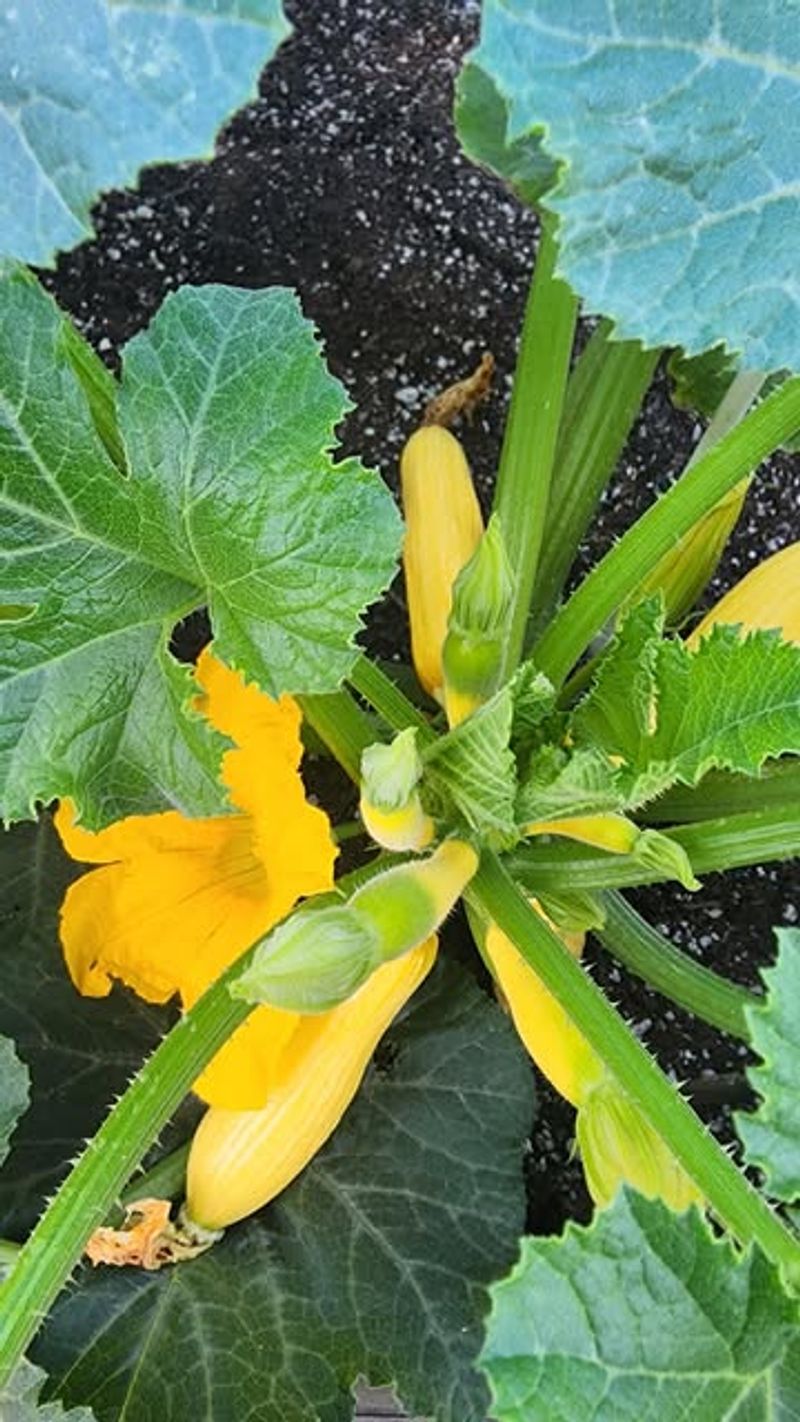
If you’ve ever walked away from your garden for a few days in July and come back to a zucchini the size of a baseball bat, you already know how fast summer squash can grow.
That rapid growth is one of the plant’s greatest strengths, and it all starts with warm soil. Late May in Michigan provides exactly the right conditions for squash seeds or transplants to establish quickly and start producing earlier than you might expect.
Plant summer squash in hills or clusters, spacing seeds or transplants about 24 to 36 inches apart.
Squash plants spread out significantly, so giving them enough room prevents overcrowding and improves airflow around the large leaves.
Water deeply two to three times per week and apply a layer of mulch around the base of each plant to lock in moisture and keep the soil temperature consistent, both of which support faster, healthier growth.
Squash vine borers and squash bugs are the two pests gardeners watch for most closely. Checking the undersides of leaves regularly for egg clusters and removing them early makes a big difference in keeping plants healthy through the season.
Pollination is also important with squash, and if you notice fruit forming but then shriveling, hand-pollinating with a small brush can help.
Harvest summer squash when fruit is six to eight inches long for the best flavor and texture.
9. Petunias Bloom Longer When Planted After Cold Snaps Pass
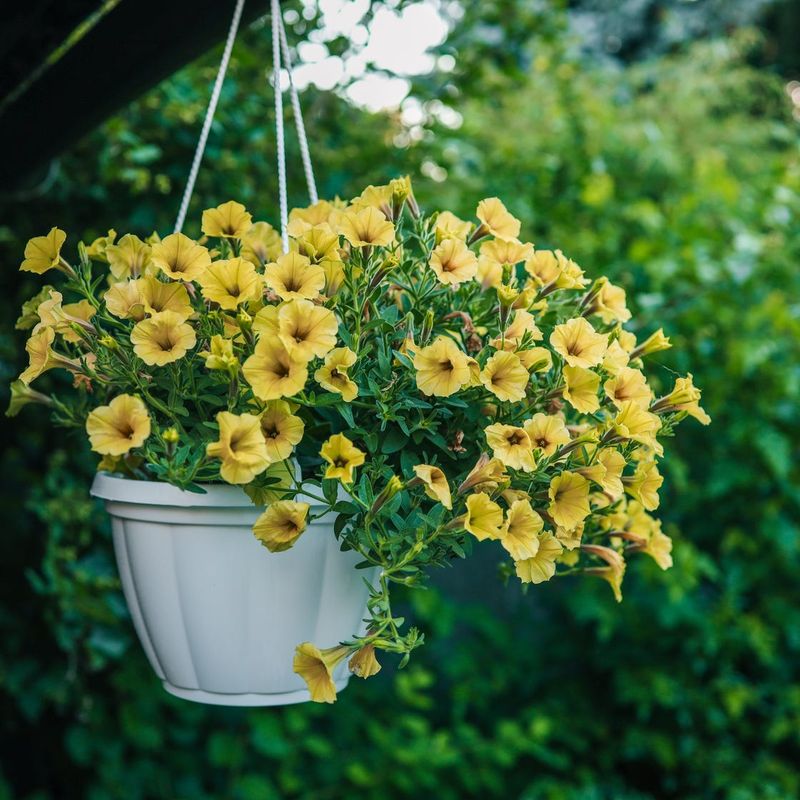
Petunias planted in warm, stable weather simply outperform petunias planted during cold, unpredictable spring conditions.
That’s not an opinion, it’s something gardeners notice season after season. When nighttime temperatures drop into the 40s, petunias stall, look pale, and struggle to establish.
But once late May brings consistently warmer nights, those same plants root in quickly and start blooming with impressive energy that carries through the entire summer.
Plant petunias in full sun for the best bloom production, ideally in a spot that gets six or more hours of direct sunlight each day. They work beautifully in hanging baskets, window boxes, raised beds, and garden borders.
Space plants about 12 inches apart in beds, or use three to four plants per standard hanging basket for a full, lush look by early June.
Well-draining soil is important since petunias don’t perform well when their roots stay consistently wet.
Fertilizing petunias every one to two weeks with a liquid fertilizer that includes phosphorus encourages heavier blooming throughout the season.
Wave and spreading varieties benefit from a light trim in midsummer if they start to look stretched or thin, since cutting them back by about a third encourages a fresh burst of new growth and flowers.
Removing spent blooms on grandiflora types regularly helps keep them tidy and productive.
With the right care, petunias planted in late May can bloom beautifully all the way until Michigan’s first fall frost arrives.