10 Cold Climate Tomatoes That Actually Work In Vermont
Vermont has a sense of humor. It mostly shows up in June, right after you’ve lovingly tucked your tomato seedlings into the ground.
The growing season here is short, the nights have commitment issues, and frost has a habit of crashing the party right when things start looking promising. Gardening in this state is less a hobby and more a contact sport. Tomatoes are where even experienced growers have taken some humbling losses.
But here’s the thing: after several summers of trial, error, and the occasional dramatic garden funeral, a reliable lineup of varieties has emerged. These are the tomatoes that actually thrive in Vermont’s unpredictable conditions, delivering real flavor without demanding a miracle season. No coddling, no greenhouse, no pleading with the weather gods.
Just ten genuinely tough, genuinely delicious varieties that have earned their place in Vermont gardens.
1. Sun Gold
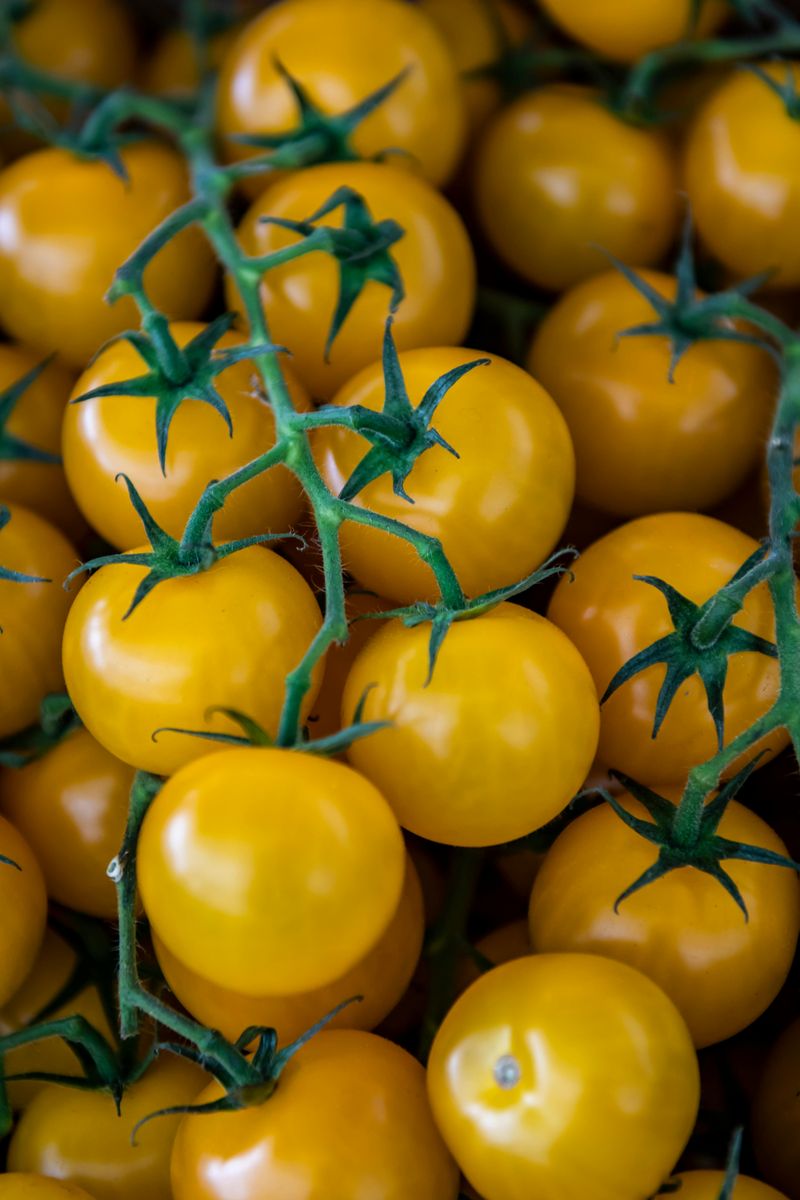
Biting into a Sun Gold tomato for the first time feels like a surprise.The flavor is intensely sweet, almost tropical, and nothing like what you expect from a cherry tomato grown in a short-season garden.
For Vermont growers, that sweetness is a genuine reward after months of careful tending.
Sun Gold is a hybrid cherry variety that ripens early, usually around 57 days from transplant.It handles cooler nights better than most, which makes it one of the most reliable producers in this state.
The vines grow tall and keep producing right up until frost threatens.
Plant it in your sunniest spot and give it a sturdy cage or trellis.The tomato skin is thin, so heavy rain can cause splitting, but the flavor more than makes up for that minor flaw.
Gardeners across Vermont swear by this one, and once you taste it, you will understand why.Harvest frequently to keep the plant producing, and expect to eat most of them straight off the vine before they ever reach the kitchen.
2. Stupice
Stupice has a story behind it that makes it worth growing before you even taste the fruit.
This variety comes from the former Czechoslovakia, bred specifically to handle cold, short growing seasons.
When a tomato has been surviving European winters for generations, it tends to do just fine in Vermont. Turns out, tough love builds tough tomatoes.
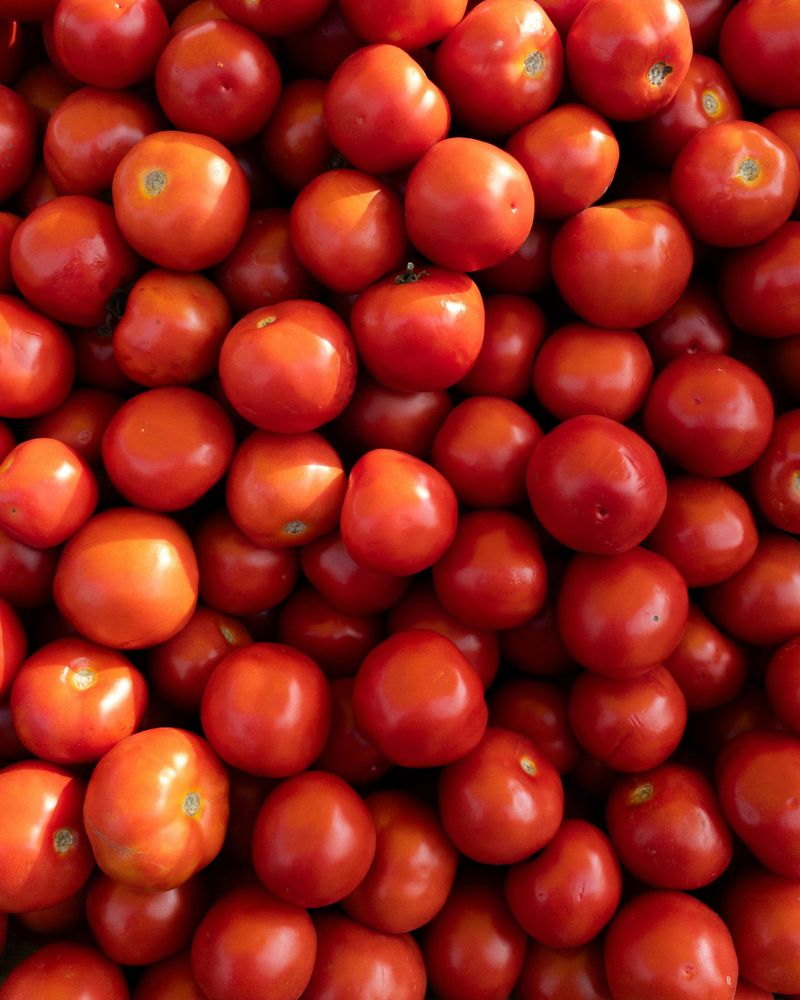
The fruits are small to medium, usually two to three inches across, with a rich, complex flavor that leans slightly tart.
Ripening in about 52 days, Stupice is one of the earliest slicing tomatoes available to northern gardeners.
It consistently outperforms many newer varieties when temperatures drop at night.
The plants stay compact, which is useful if your Vermont garden space is limited.
Stupice does not need a huge amount of coddling, though starting seeds indoors six to eight weeks before your last frost date gives it the head start it needs.
The tomato holds its flavor even in cooler conditions, which is rare.
Some gardeners describe the taste as old-fashioned, in the best possible way.
If you want a dependable slicer that respects the Vermont climate instead of fighting it, Stupice earns a spot in your garden every single year.
3. Siletz
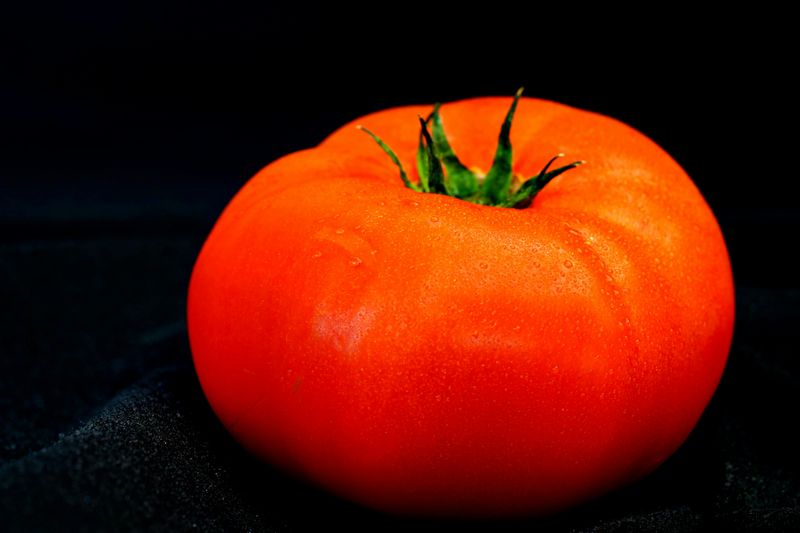
Not every tomato can set fruit when temperatures dip into the low 50s, but Siletz manages it with quiet consistency.
Developed at Oregon State University specifically for cool, cloudy conditions, this variety was built for climates that do not cooperate.
Consider it the tomato that actually read the Vermont weather forecast and showed up anyway.
Vermont gardeners who have struggled with larger slicers failing to set fruit will find Siletz genuinely refreshing.
The tomatoes are large and meaty, often reaching six to eight ounces, with smooth red skin and a classic mild flavor.
Ripening around 52 to 70 days depending on conditions, it fills the role of a big slicing tomato without demanding a long, hot summer.
That matters a lot in a state where July and August are doing most of the heavy lifting.
Siletz is a determinate variety, meaning it puts its energy into one solid, concentrated flush of fruit rather than trickling out tomatoes all season long.
Give it strong support and consistent watering for the best results.
The tomato resists cracking reasonably well, which is a bonus during Vermont’s unpredictable summer rain patterns.
For anyone who wants a proper sandwich tomato without gambling on the weather, Siletz is one of the most trustworthy options available to growers in this state.
4. Defiant PhR
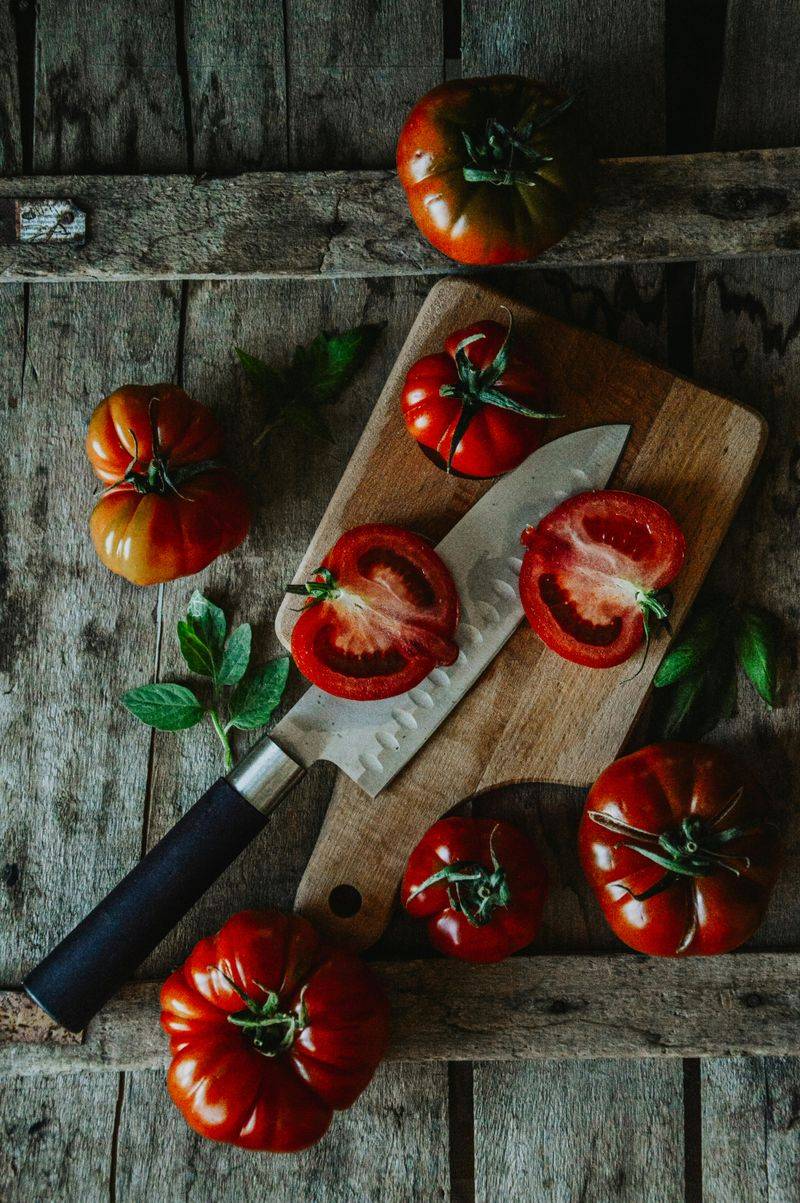
Image Credit: © Dilara / Pexels
Defiant PhR earns its name.
This hybrid was bred to stand up to late blight, the fungal disease that has ended many Vermont tomato seasons prematurely.
For anyone who has watched a promising crop falter in August, this variety feels like a small act of justice.
The fruits are medium-sized, firm, and classically red with good flavor for a disease-resistant hybrid.
Ripening around 70 days, it is not the earliest option on this list, but the disease resistance makes that tradeoff worthwhile.
Late blight spreads fast in Vermont’s humid late summers, and Defiant PhR gives you a fighting chance when neighboring gardens are struggling.
The plants grow vigorously and respond well to consistent fertilizing throughout the season.
PhR in the name refers to resistance to two strains of Phytophthora infestans, the pathogen behind late blight.
That kind of specific protection is not something most tomato varieties offer.
Growers in this state who have dealt with repeated blight losses often call Defiant PhR a game-changer.
Pair it with good airflow and avoid overhead watering to maximize its natural defenses.
It will not guarantee a perfect season, but it dramatically improves your odds in Vermont’s challenging late-summer conditions.
5. Mountain Magic
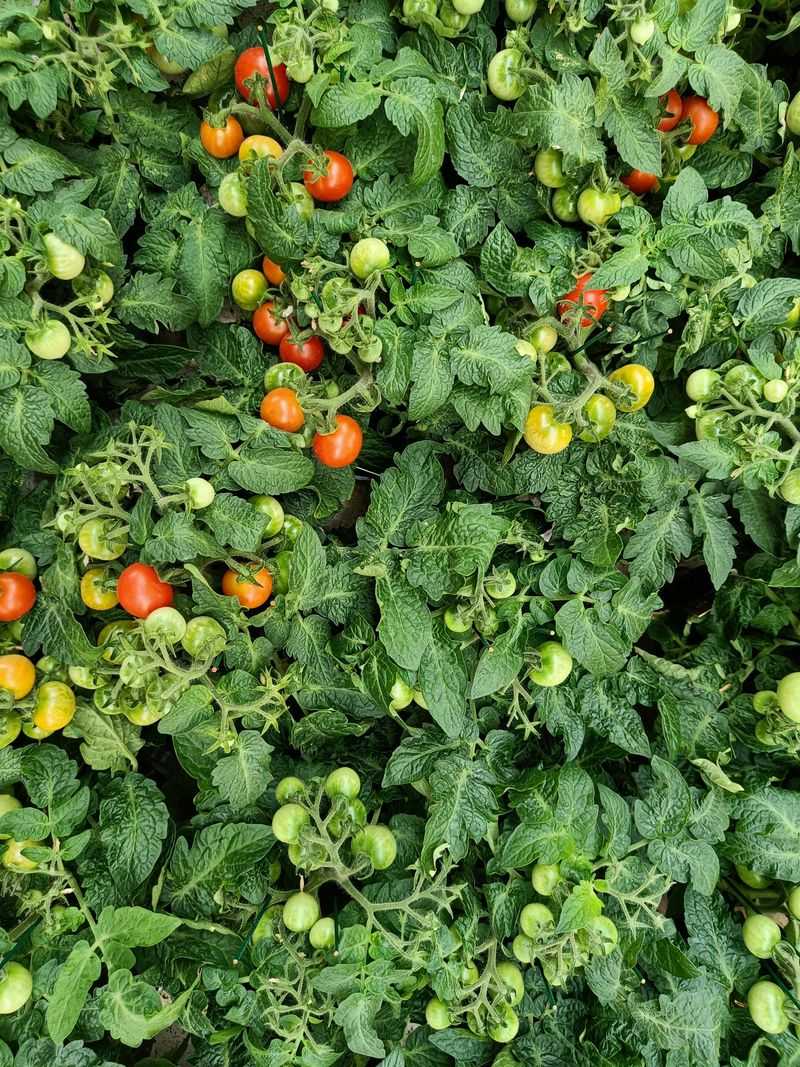
What if you could get the sweetness of a cherry tomato and the substance of a full-sized slicer in one plant? Mountain Magic sits right in that sweet spot.
The fruits are round, about one to two inches across, and they grow in clusters that look almost too pretty to pick.
Flavor-wise, they hit a balance of sweet and tangy that makes them hard to stop eating.
Developed by the USDA and Cornell University, Mountain Magic was specifically designed for resistance to both early and late blight.
For Vermont, where both diseases show up with frustrating regularity, that dual resistance is a meaningful advantage.
It ripens in about 66 days and keeps producing steadily through the season.
The plants are indeterminate and fairly vigorous, so plan for staking or caging.
Mountain Magic holds up well in wet conditions, which Vermont summers tend to provide in abundance.
The tomato skin is firm enough to resist cracking even after heavy rain, which is something cherry tomato growers know to appreciate.
I started growing this variety after a particularly rough blight year wiped out nearly everything else in the garden.
It was one of only two varieties that kept producing into September.
For a state with unpredictable weather, that kind of resilience is worth a lot.
6. Juliet
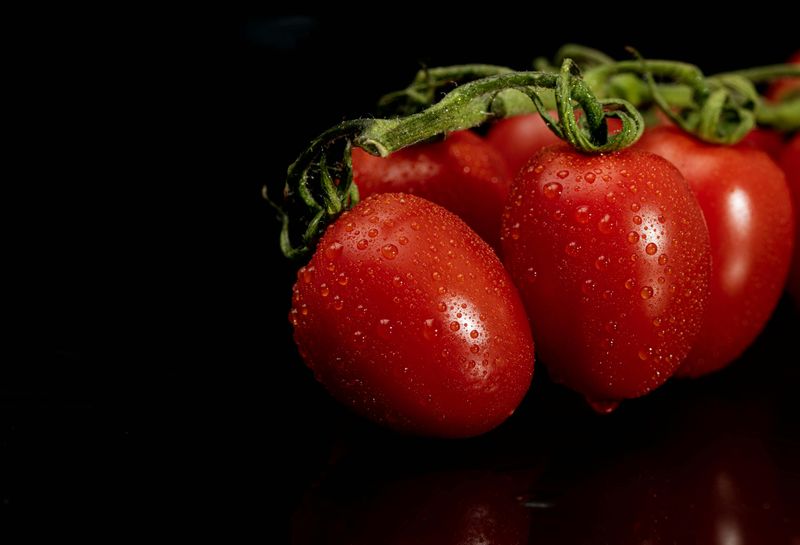
Image Credit: © Ray Suarez / Pexels
Juliet is the kind of tomato that makes you wonder why you ever bothered with anything else.The fruits are elongated, grape-shaped, and about two inches long, with a rich, sweet flavor and meaty texture that holds up beautifully in cooking or fresh eating.
For Vermont gardeners who want versatility, Juliet delivers.
This AAS award-winning hybrid ripens in around 60 days and produces enormous clusters of fruit throughout the season.The crack resistance is exceptional, which matters when Vermont rain arrives in unpredictable bursts during peak growing season.
It handles temperature swings better than many varieties, continuing to set fruit even when nights cool down significantly.
Juliet is an indeterminate grower that can get quite large, so give it serious vertical support.The tomato dries beautifully, roasts well, and makes a fantastic sauce when you have a bumper crop.
Plants tend to stay healthy longer into the season compared to more disease-susceptible varieties.Growing Juliet in Vermont taught me that a tomato does not have to be a giant beefsteak to be satisfying.
Sometimes the smaller, tougher varieties are the ones that actually show up when the season gets hard.Juliet shows up consistently, year after year.
7. Glacier
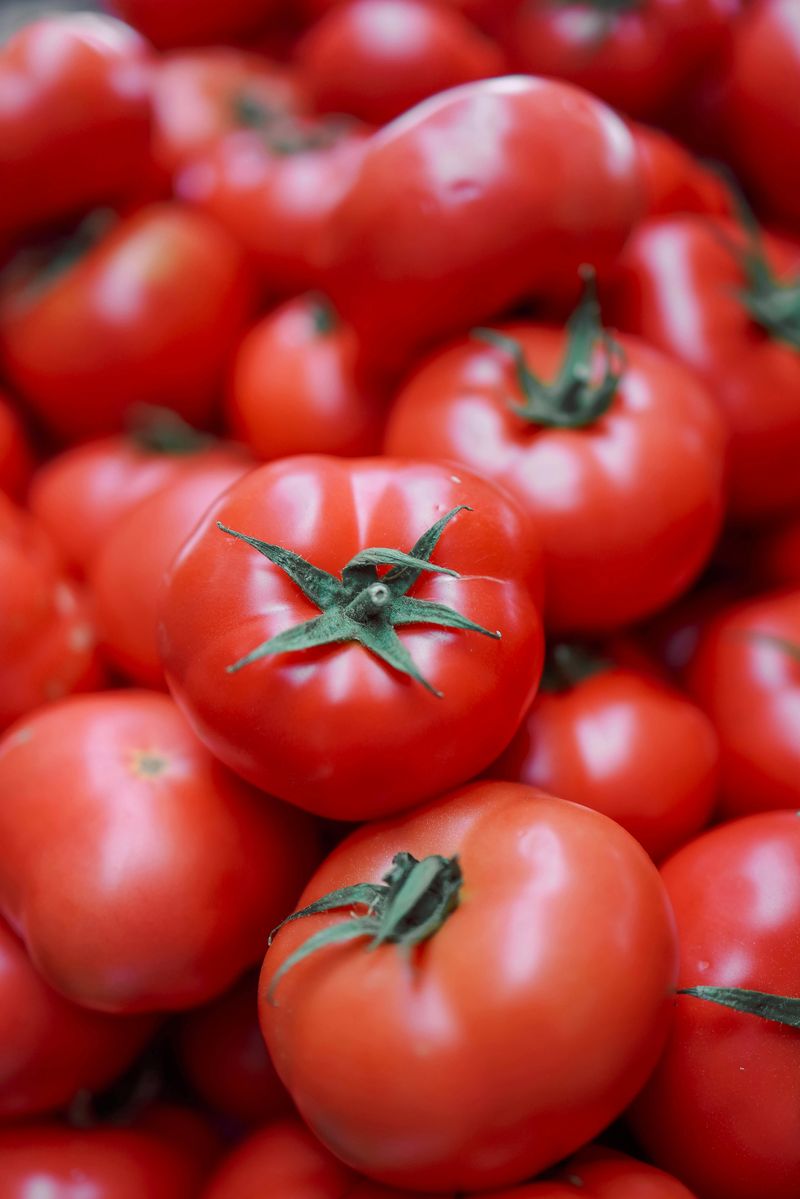
Glacier is one of those old-school open-pollinated varieties that northern gardeners have been quietly passing around for decades.It was selected specifically for cool climates and short seasons, which makes it feel almost custom-built for Vermont.
The name is not subtle, and neither is its ability to produce when other varieties are still waiting for warmer weather.
Fruits are small to medium, pale red, and mildly sweet with a smooth texture.Ripening in roughly 55 days, Glacier is among the earliest slicing tomatoes available.
The compact, determinate plants make it a good fit for smaller gardens or container growing on a Vermont porch or deck.
Because it is open-pollinated, you can save seeds from year to year and gradually select plants that perform best in your specific microclimate.That kind of long-term relationship with a variety is something commercial hybrids cannot offer.
Glacier does not produce the biggest or most dramatic tomato on this list, but it is honest and reliable.For new Vermont gardeners who are still learning the rhythms of this state’s growing season, starting with Glacier takes some of the pressure off.
It rewards patience and gives you something to harvest while you wait for the slower varieties to catch up.
8. Early Girl
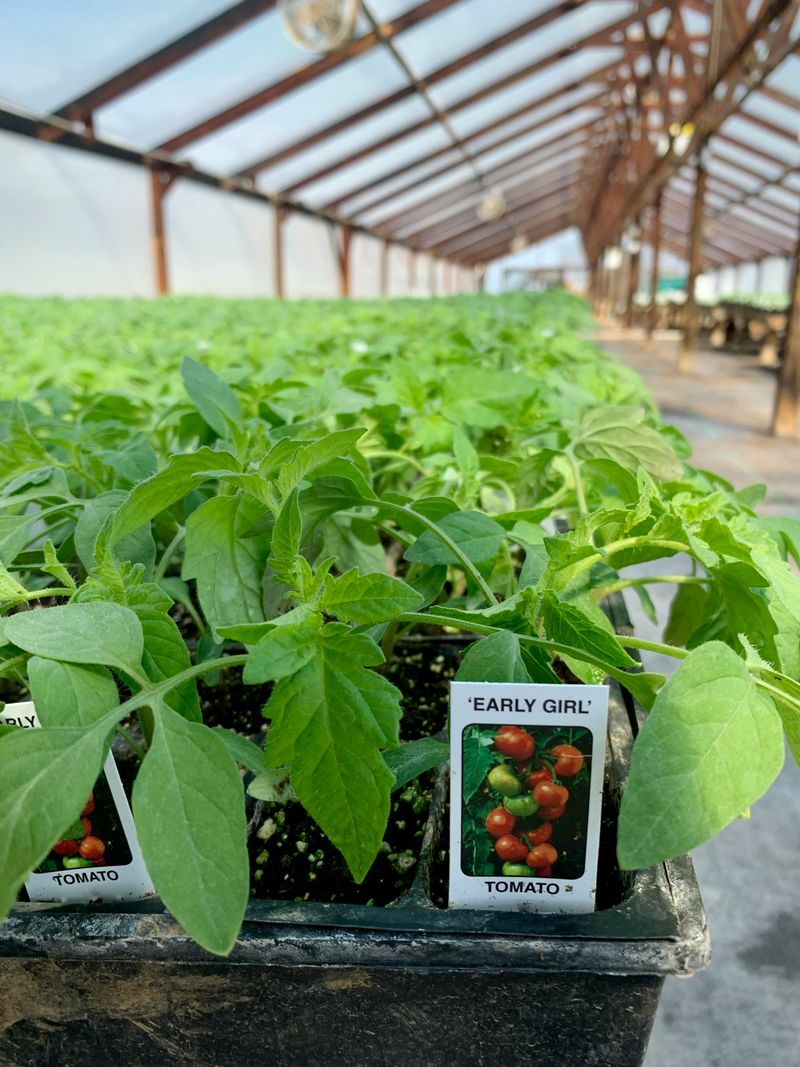
Early Girl has been a garden staple in northern states for so long that it almost feels like a classic rock band, everyone knows it, and it still delivers.This variety has been helping short-season gardeners get ripe tomatoes on the table since the 1970s.
In Vermont, where every warm week counts, that reputation carries real weight.
The fruits are medium-sized, around four to six ounces, with a well-balanced flavor that is neither too sweet nor too acidic.Ripening in about 52 to 62 days, Early Girl consistently beats the frost calendar in this state.
It is an indeterminate variety, meaning it keeps setting fruit throughout the season rather than all at once.
Early Girl performs best with consistent moisture and full sun, so choose your planting spot carefully.It has decent tolerance for cooler nights but benefits from black plastic mulch to keep soil temperatures up in Vermont’s sometimes sluggish springs.
The tomato is not particularly resistant to late blight, so watch for it in August.Despite that one vulnerability, Early Girl remains one of the most widely grown and trusted varieties across the state.
For a dependable, flavorful slicer that respects the Vermont calendar, it is hard to argue against this one.
9. Sub-Arctic Plenty
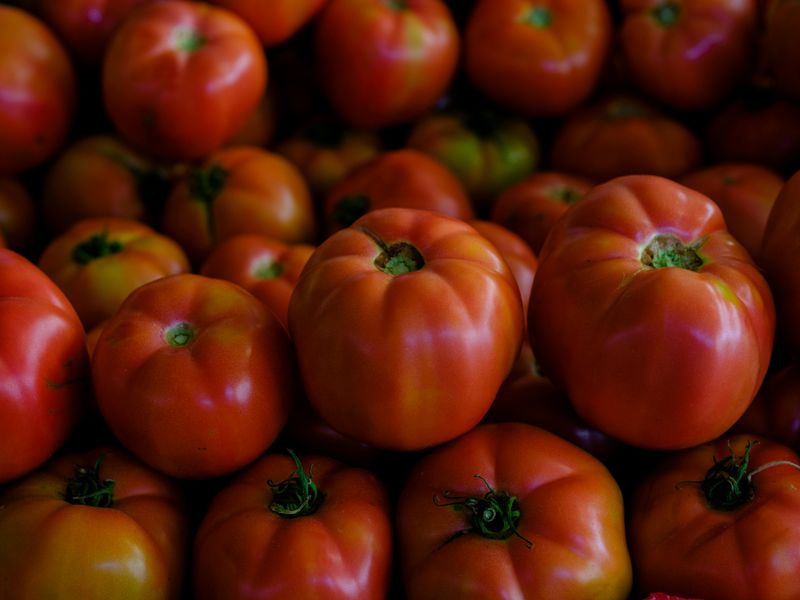
Sub-Arctic Plenty sounds extreme, and in a way, it is.This variety was developed in Canada for growing conditions that would send most tomatoes into shock.
It ripens in as few as 45 days, which makes it the fastest option on this entire list and one of the fastest tomatoes in existence.
The fruits are small, around one to two ounces, and the flavor is mild rather than complex.For a state like Vermont, where late frosts in May and early frosts in September can compress the season dramatically, speed matters more than nuance sometimes.
Sub-Arctic Plenty gives you ripe tomatoes even in the most difficult growing years.
The plants are compact and determinate, producing a concentrated flush of fruit rather than a long continuous harvest.That makes it a smart choice for gardeners who want to process or preserve tomatoes in a single batch.
Planting Sub-Arctic Plenty alongside a longer-season variety like Siletz gives you early fruit while you wait for the bigger tomatoes to ripen.It is not a flashy tomato, and it does not try to be.
But in Vermont, where the growing window can feel brutally short, having a variety this fast in your garden feels less like a luxury and more like a necessity.
10. Black Krim
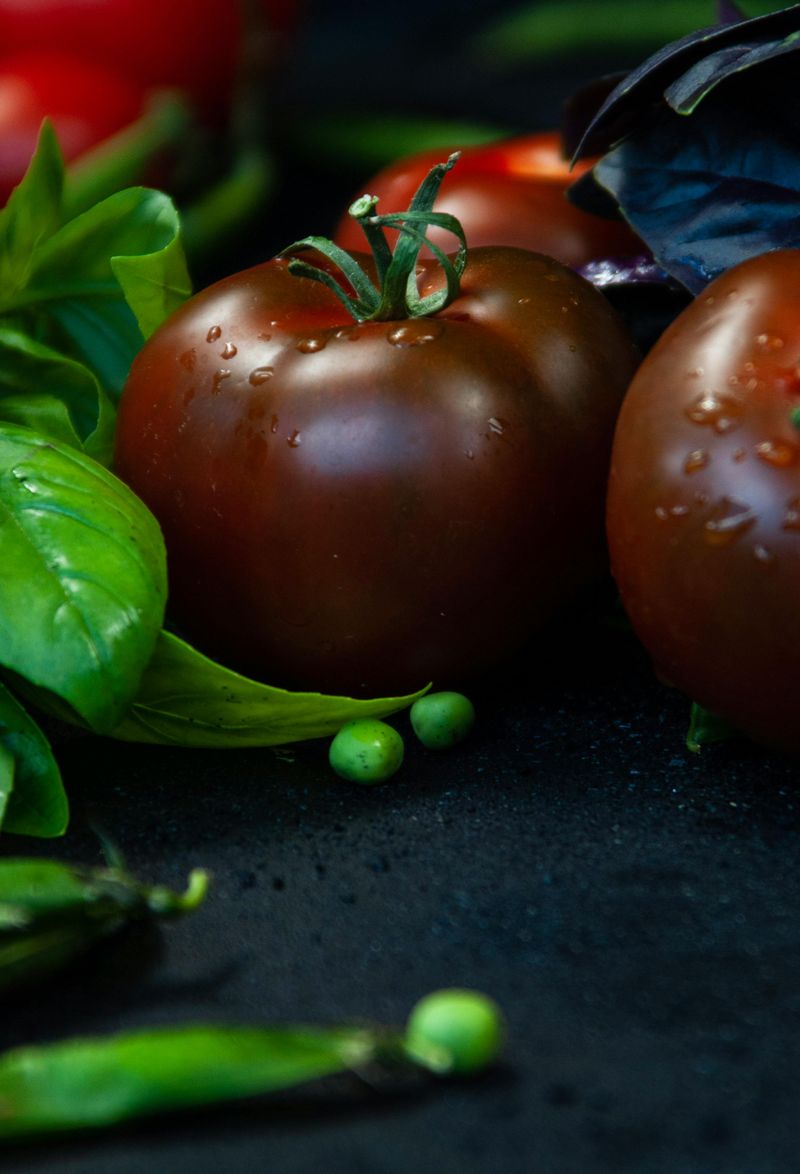
Black Krim is the most dramatic tomato on this list, and it knows it.
The deep reddish-purple skin, the greenish shoulders, the complex smoky-sweet flavor. It is something few standard red tomatoes can come close to.
Originally from the Crimean Peninsula, this heirloom has found a surprisingly enthusiastic following in Vermont gardens.
Ripening in around 69 to 80 days, Black Krim is on the slower end for a cool-climate list.
But Vermont gardeners who start seeds early indoors and use season-extension tools like row covers can reliably get ripe fruit before frost.
The flavor payoff makes the extra effort feel completely reasonable.
The plants are indeterminate and moderately vigorous, producing medium to large fruits that can weigh up to twelve ounces.
Black Krim is more susceptible to cracking and blight than the disease-resistant hybrids on this list, so it needs attentive care.
Water consistently, prune for airflow, and watch the forecast as summer winds down.
For tomato enthusiasts in this state who want something beyond a standard red slicer, Black Krim is a genuine experience.
The flavor has depth that most modern hybrids simply cannot replicate.
Growing it in Vermont is a little ambitious, but the results are worth every careful decision you make along the way.