These 8 Plants Keep Spiders, Ants And Flies Away From Your Pennsylvania Home Naturally
What if the best bug repellent you could find was already growing in your own backyard? Pennsylvania summers bring a lot of great things, but spiders creeping along the walls, ants finding their way into the kitchen, and flies buzzing around the porch are not on that list.
Most people grab a spray and call it a day, not knowing that certain plants do a remarkable job of keeping these pests away on their own.
The scents and oils these plants release are completely normal to us but overwhelming to bugs, and growing them near your home creates a natural barrier that works without any chemicals or effort.
Pennsylvania’s climate is actually perfect for many of these plants, and some of them will come back stronger every single year. If you are ready to deal with bugs the smart way, your garden is a really good place to start.
1. Lavender
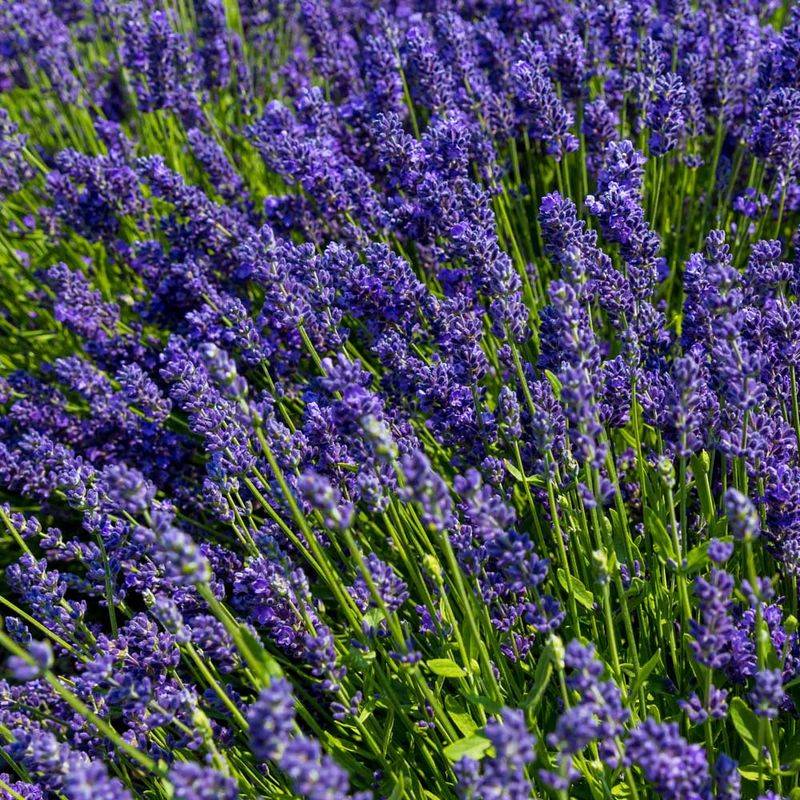
Walk past a lavender plant and you instantly understand why people love it so much. That deep, sweet, floral scent is almost impossible to ignore.
What most people do not realize is that the same smell humans find relaxing is one that flies, spiders, and ants tend to avoid.
Lavender grows really well in Pennsylvania, especially in spots that get full sun and have well-drained soil. You can plant it in garden beds along your home’s foundation or in pots near windows and doorways.
Either way, it acts as a fragrant barrier that may help discourage insects from wandering too close to your living spaces.
The secret is in lavender’s essential oils, particularly linalool, which many insects find overwhelming. Dried lavender bundles placed inside your home near windowsills or closets can also help extend that protective effect indoors.
Many people tuck small sachets of dried lavender into drawers to keep bugs away from fabrics.
Beyond pest control, lavender attracts pollinators like bees and butterflies, making your garden healthier overall. It is also drought-tolerant once established, so it does not need constant watering.
For Pennsylvania homeowners who want a low-maintenance, beautiful, and naturally bug-discouraging plant, lavender is one of the best choices you can make for your outdoor spaces.
2. Mint
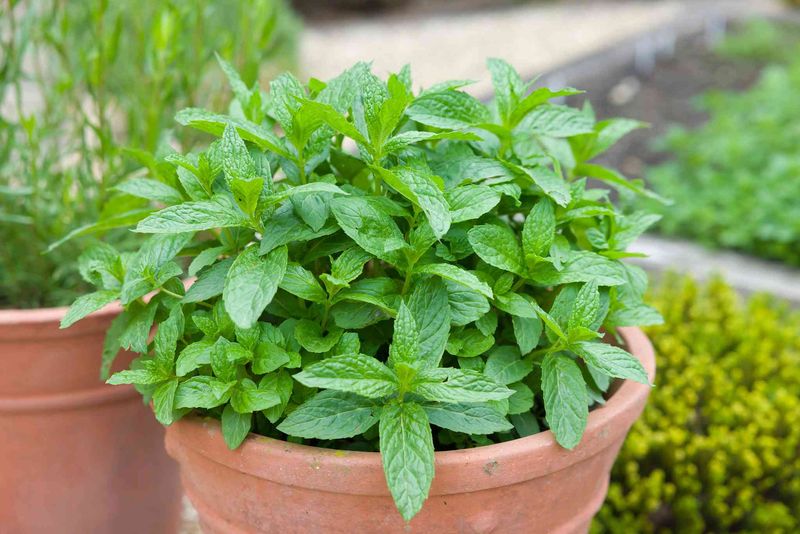
There is something almost magical about mint. It smells fresh and clean to us, but to ants and flies, that sharp, menthol-heavy scent is a serious warning sign.
Many pest control experts say mint is one of the most effective natural insect deterrents you can grow at home.
Planting mint near your front and back doors is a smart strategy for Pennsylvania homeowners. Every time someone brushes past the plant, it releases a burst of fragrance that may help signal to nearby insects that this is not a welcoming place.
You can also crush a few leaves and rub them along windowsills for an extra boost. One important thing to know about mint is that it spreads fast. Seriously, if you plant it directly in the ground, it can take over your garden in a single season.
Your Pennsylvania Garden Changes Every Week. Your Plan Should Too.
Gardening in Pennsylvania changes quickly throughout the season. Every Friday you’ll receive a simple weekly plan showing exactly what to plant, prune, fertilize, harvest, and protect so you never miss the right timing.
Growing it in containers is usually the smarter move. That way, you control where it goes and how much it grows.
Spearmint and peppermint are both great choices for pest deterrence. Some people even make a simple mint spray by steeping fresh leaves in water and spritzing it around entryways.
It smells wonderful to humans and may help keep ants and flies moving along. Mint is also useful in cooking, so you get double the benefit from one easy-to-grow plant.
3. Basil
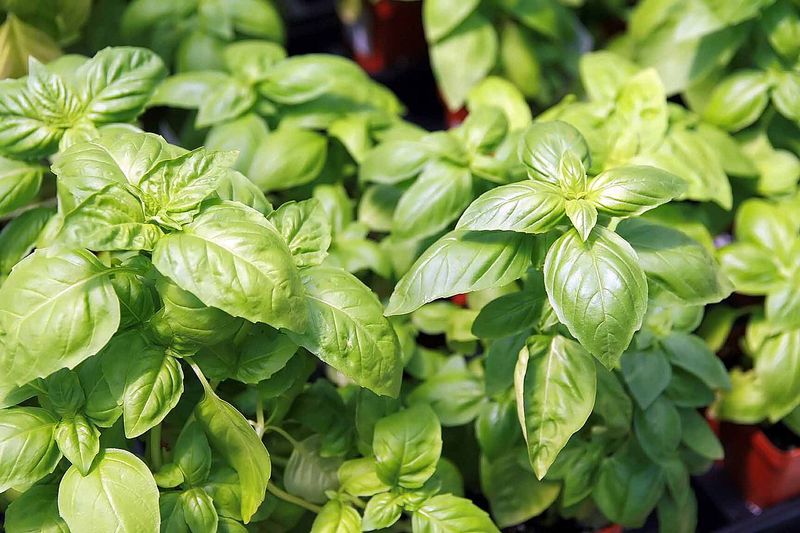
If you already grow basil for cooking, you are already one step ahead. Pennsylvania summers are warm and sunny enough for basil to really thrive, and this beloved herb does more than make your pasta taste amazing.
It also produces a strong, spicy scent that flies tend to dislike quite a bit. Keeping a pot of basil near your outdoor dining area or barbecue space is a practical and pleasant way to help reduce fly activity.
Flies are especially attracted to food smells, so having basil nearby may help counteract some of that draw.
Many families place basil pots right on the picnic table during outdoor meals for exactly this reason.
Basil works best when the weather is warm, which lines up perfectly with Pennsylvania’s peak fly season from late spring through early fall. You do not need a big garden to grow it either.
A single pot on a sunny windowsill or porch railing is enough to make a noticeable difference.
For even stronger effectiveness, gently bruise a few basil leaves before your outdoor gatherings. This releases more of the plant’s natural oils into the air around you.
You can also place small basil plants near kitchen windows to help discourage flies from coming indoors. It is a simple, affordable, and genuinely useful addition to any Pennsylvania home garden.
4. Rosemary
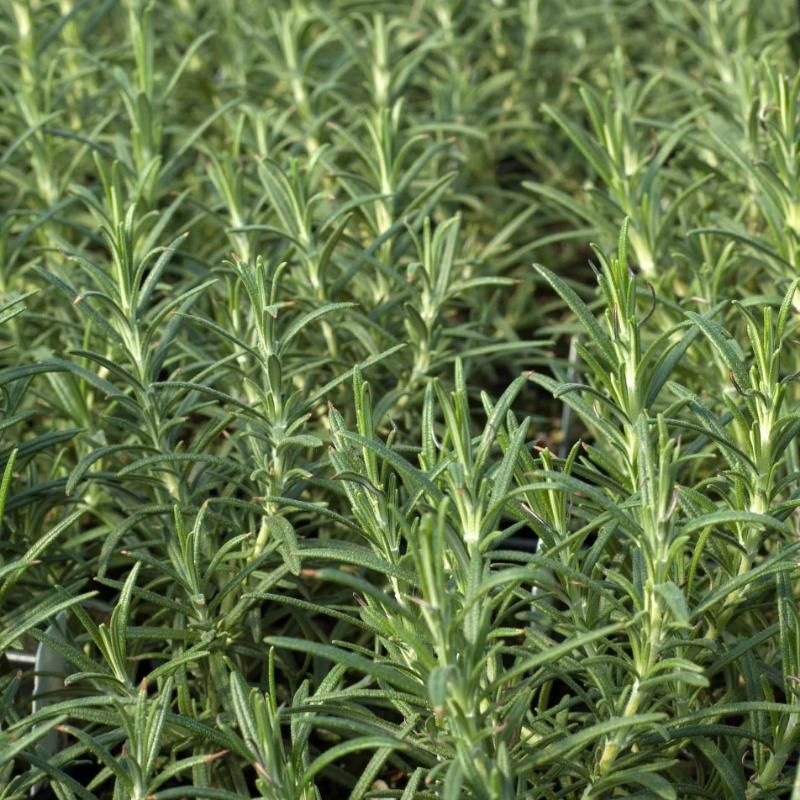
Rosemary has been used in kitchens and gardens for centuries, but its reputation as a natural insect deterrent is just as impressive as its culinary one.
The plant’s strong, piney, aromatic oils are something that many insects, including flies and certain spider species, seem to want no part of.
Growing rosemary in Pennsylvania is very manageable. It loves full sun and does not need much water once it gets established.
You can plant it in garden beds along walkways, near patios, or in containers by your home’s entry points. Its upright, bushy shape also makes it a visually appealing addition to any outdoor space.
What makes rosemary especially useful is that it holds its scent even when it is not actively growing. Dried rosemary sprigs placed near doorways or in small bundles around the home can help extend its pest-discouraging properties through the cooler months.
Some people burn dried rosemary on the grill during outdoor cookouts to create a fragrant smoke that may help deter flies from the area.
Rosemary is also a hardy plant that can survive Pennsylvania winters with a little protection. Bringing potted plants indoors during heavy frosts keeps them going year after year.
For a plant that does double duty as a kitchen herb and a natural pest barrier, rosemary is hard to beat in any Pennsylvania garden.
5. Marigold
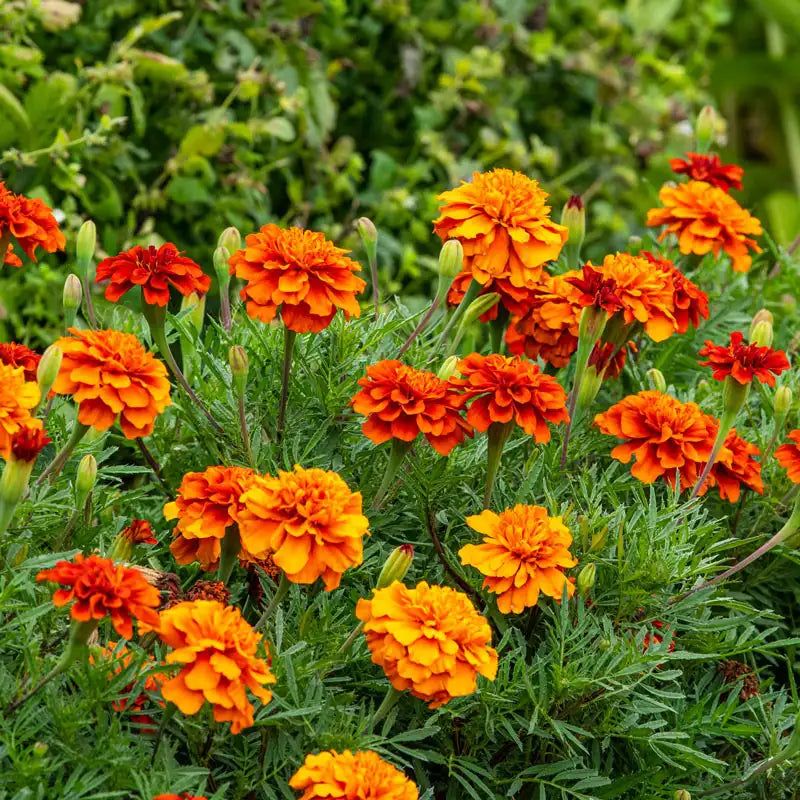
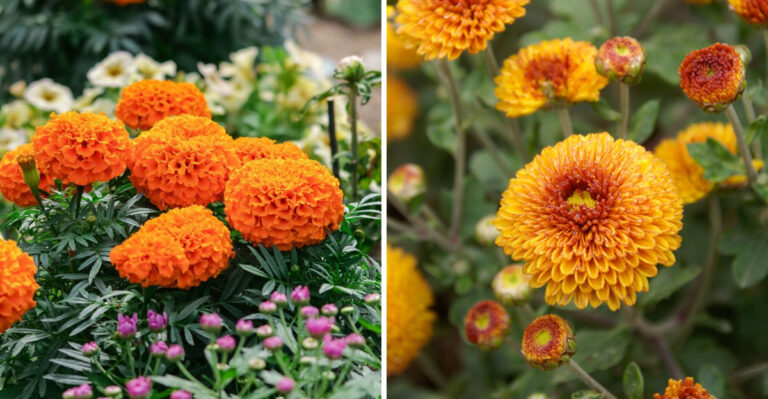
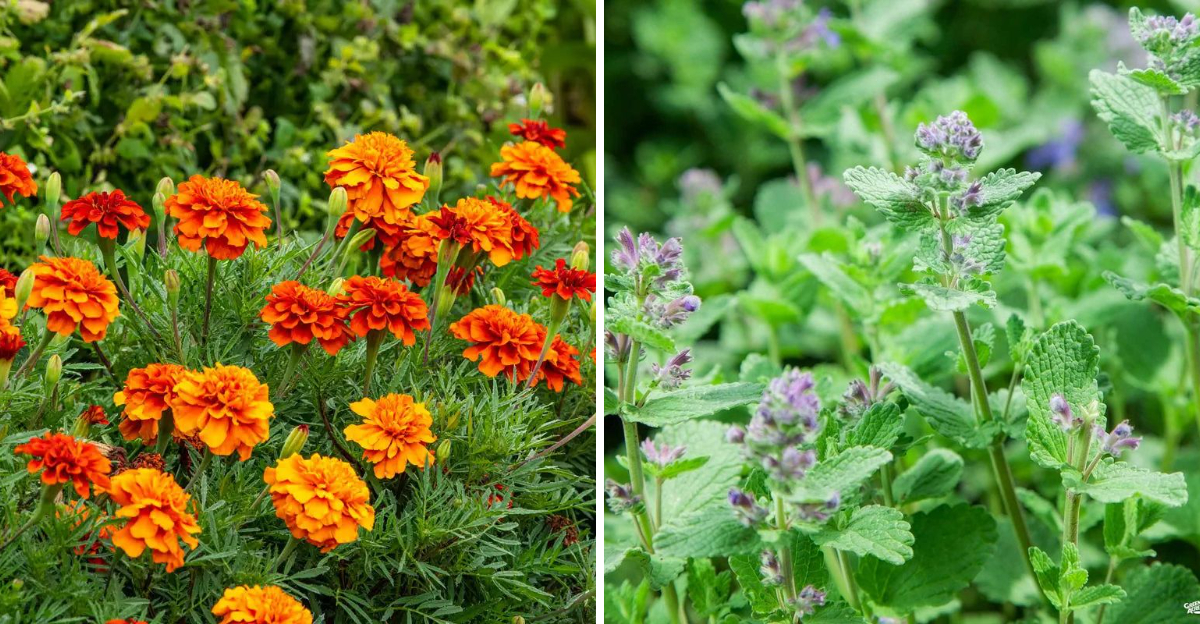
Few plants are as cheerful and hard-working as the marigold. With their bold orange, yellow, and red blooms, they brighten up any garden instantly.
But marigolds are not just pretty faces. They are well-known among gardeners as plants that may help discourage a wide range of unwanted insects from setting up camp nearby.
Marigolds produce a compound called pyrethrum, which is actually used as an active ingredient in many commercial insect-repelling products. When you grow marigolds in your garden, you are essentially putting a natural version of that protection right in your yard.
Planting them along the borders of your property or near doors and windows is a popular strategy for keeping pests at a distance.
Pennsylvania’s warm summers give marigolds plenty of time to bloom and do their job. They grow quickly from seed and do not ask for much beyond regular watering and sunshine.
Even beginner gardeners tend to have great success with them, which is part of why they are such a popular choice across the state.
Another bonus is that marigolds attract beneficial insects like ladybugs, which help control other garden pests naturally. They also make great companion plants in vegetable gardens, helping protect tomatoes and peppers from unwanted visitors.
For color, ease of care, and natural pest deterrence all in one package, marigolds are genuinely one of the smartest planting choices you can make.
6. Catnip
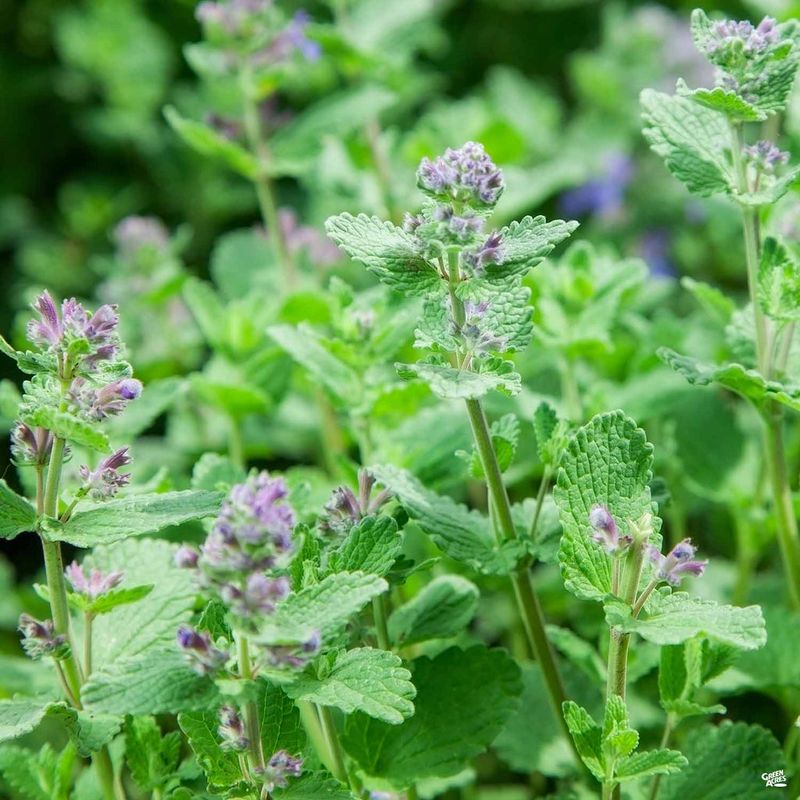
You probably know catnip as the plant that sends cats into a frenzy. But here is something surprising: the same compound that makes cats go wild, called nepetalactone, has actually been studied for its ability to repel certain insects.
Some research suggests it may be more effective than common synthetic repellents against mosquitoes and flies.
Growing catnip in Pennsylvania is easy. It is a tough, fast-growing herb that tolerates a wide range of conditions.
You can plant it in pots on your porch or let it spread in a garden bed near outdoor seating areas. Just be aware that neighborhood cats will almost certainly find it and visit regularly, which can be either charming or chaotic depending on your perspective.
The plant’s light, minty-herbal scent is pleasant for most humans but seems to be genuinely off-putting to many flying insects. Placing potted catnip near windows or patios during the summer months is a simple way to add an extra layer of natural insect deterrence to your outdoor spaces.
Catnip is also surprisingly versatile. You can dry the leaves and make small sachets to place around your home, similar to how you might use dried lavender.
It is inexpensive to grow, requires very little maintenance once established, and offers a natural approach to managing flying insects without any chemical sprays or treatments. For Pennsylvania homeowners, it is a genuinely underrated garden addition worth considering.
7. Chrysanthemum
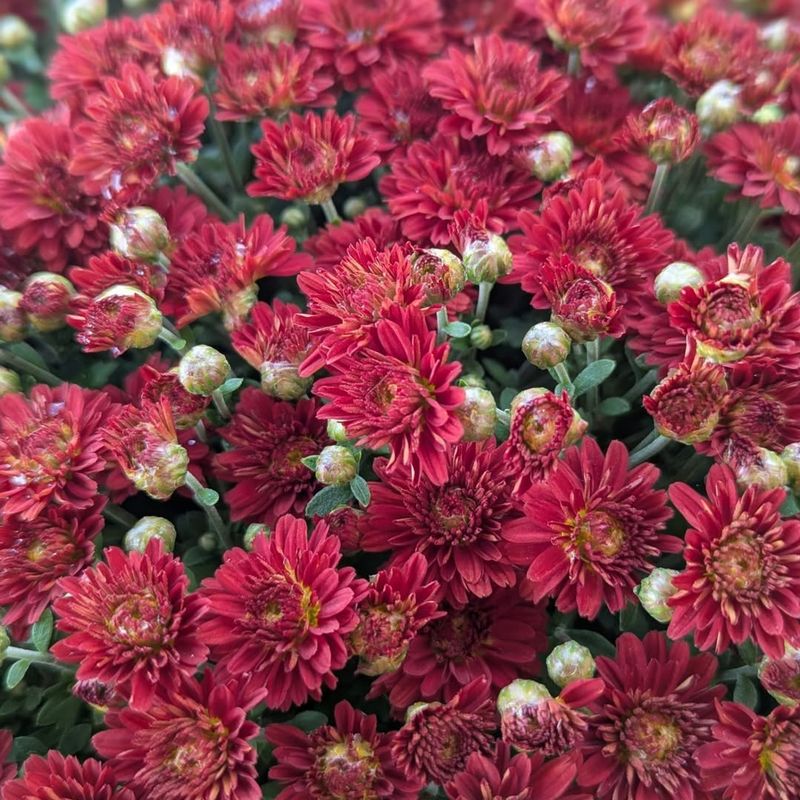
Chrysanthemums, or mums as most people call them, are practically a symbol of Pennsylvania fall. You see them on every porch and in every garden center from August onward.
What many homeowners do not know is that these gorgeous flowers contain a natural compound called pyrethrin, which is widely used in commercial insect-repelling sprays and products.
Pyrethrin works by affecting the nervous systems of insects, making chrysanthemums one of the most scientifically backed natural pest deterrents available.
Planting mums near your home’s entry points, along walkways, or in window boxes during late summer and fall may help discourage spiders, ants, and flies from getting too close as the season changes.
Pennsylvania’s fall weather is perfect for chrysanthemums. They love cooler temperatures and bloom beautifully right when pest pressure starts to shift as insects look for warm places to shelter for the winter.
Having a row of mums along your foundation during this time is a smart and colorful defensive move.
Beyond their pest-discouraging properties, chrysanthemums are incredibly easy to find and affordable. Most garden centers and grocery stores carry them in the fall.
They also come in a huge range of colors, so you can match them to your home’s exterior for a polished look. Beautiful, budget-friendly, and naturally bug-discouraging, chrysanthemums deserve a spot in every Pennsylvania home garden this season.
8. Lemon Balm
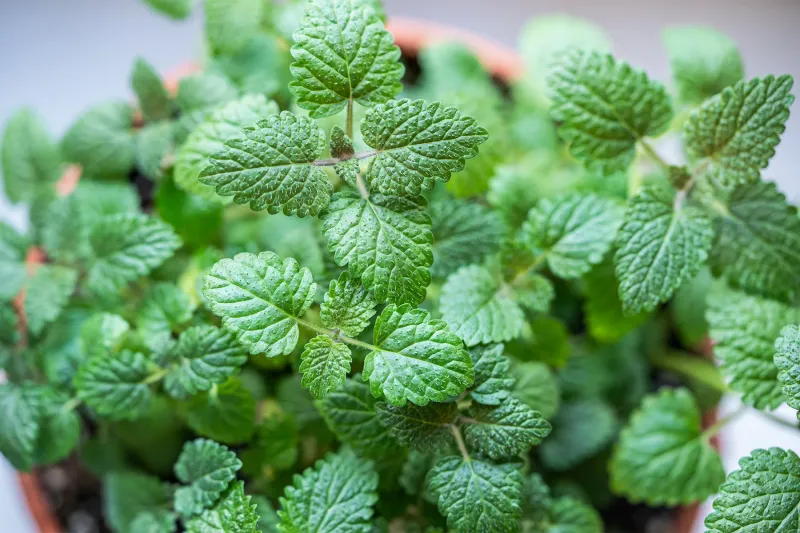
Lemon balm has a scent that is hard to describe until you experience it yourself. Imagine lemon mixed with a hint of mint, and you are getting close.
It is fresh, bright, and genuinely uplifting to smell. Insects, however, tend to feel very differently about it, particularly mosquitoes, flies, and ants.
The key compound in lemon balm is citronellal, which is closely related to the active ingredient found in citronella candles. That connection gives lemon balm real credibility as a natural insect deterrent.
Planting it along walkways, near patios, or in pots by your home’s entryways may help create a fragrant barrier that bugs would rather avoid.
Pennsylvania gardeners will find lemon balm easy to grow and maintain. It thrives in partial to full sun and grows quickly during warm months.
Like mint, it can spread aggressively if planted directly in the ground, so keeping it in containers gives you better control over where it goes in your yard or garden space.
One of the best things about lemon balm is how interactive it is. Brushing against the leaves or gently crushing them releases a fresh burst of citrus scent that may help boost its insect-discouraging effect.
Some people make a simple tea from lemon balm leaves, so it serves double duty as a calming herbal drink and a garden pest barrier.
For Pennsylvania homeowners wanting something beautiful, fragrant, and functional, lemon balm is an excellent choice to plant this season.