Think Twice Before Keeping This Popular Shrub In Your Maryland Yard
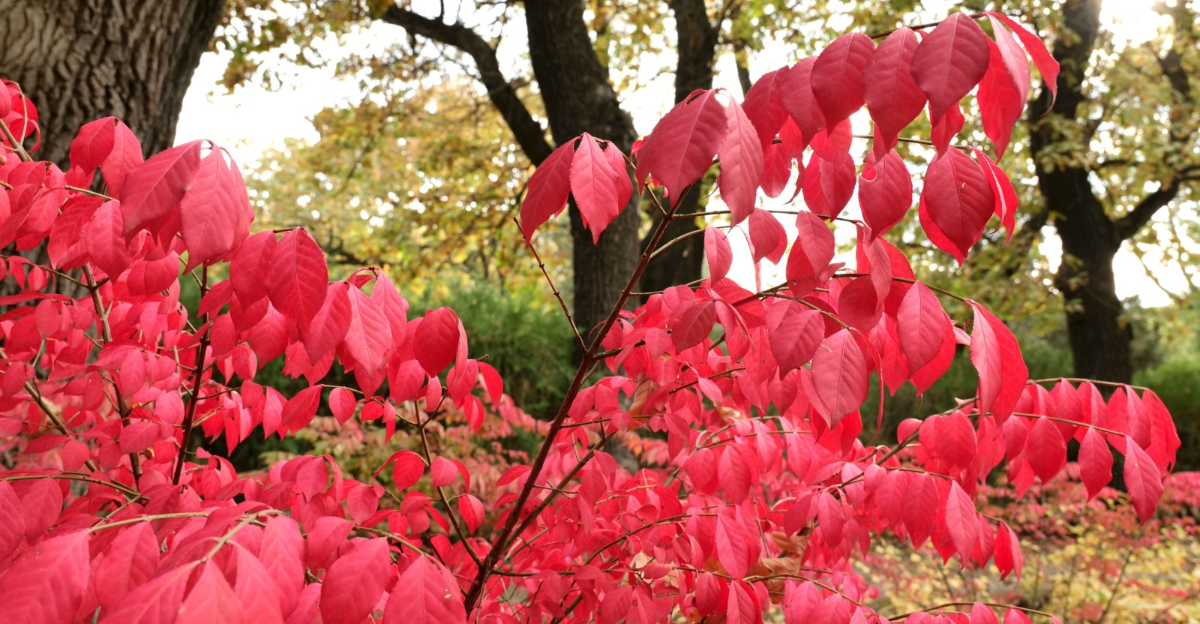
Every October, that one neighbor’s yard turns into a fireball of red, and honestly, it is hard not to stop and stare. It has that effect on people, which is exactly why Maryland homeowners have been planting it for decades. It is reliable, dramatic, and requires almost zero effort. What is not to love?
Well, quite a bit, as it turns out. Behind that showstopping crimson display is a plant that scientists and conservationists have been quietly worrying about for years, and Maryland officials are no longer staying quiet about it either.
The problem is not how it looks in your yard. The problem is what it does when it leaves your yard, and trust me, it does leave.
If your yard has one of these, this is the information you did not know you needed.
What Is This Shrub And Why Is It So Popular
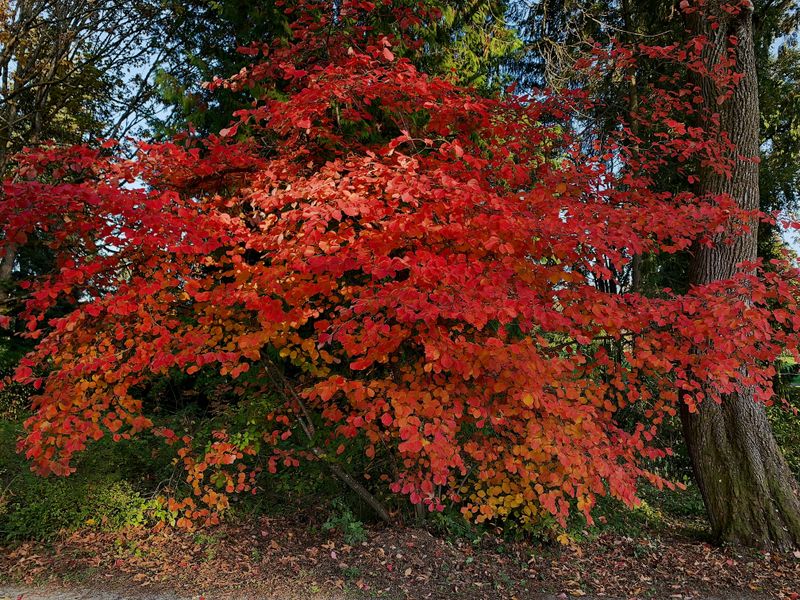
Burning bush stops traffic every autumn without even trying.
Known scientifically as Euonymus alatus, this shrub earns its dramatic name every fall. That is when its plain green leaves transform into a jaw-dropping, fire-engine red display that stops people in their tracks.
It originally came from northeastern Asia and was introduced to American gardens in the early 1900s as an ornamental plant.
Nurseries quickly embraced it because it checked every box homeowners wanted.
It grows in almost any soil type, handles shade and sun, resists drought, and rarely gets attacked by pests.
For a busy homeowner who wants low-maintenance curb appeal, burning bush felt like the perfect solution.
By the mid-20th century, it was showing up in hardware stores, garden centers, and landscaping catalogs coast to coast.
Its compact growth habit made it ideal for hedges, borders, and foundation plantings.
People loved that it required almost zero effort but delivered maximum visual payoff every single fall season.
That popularity is exactly what makes the situation so complicated today.
Millions of these plants are already rooted across American yards, including countless properties throughout the mid-Atlantic region.
The case against burning bush starts with understanding what this plant actually does when no one is watching.
Why Maryland Homeowners Have Loved This Shrub For Decades
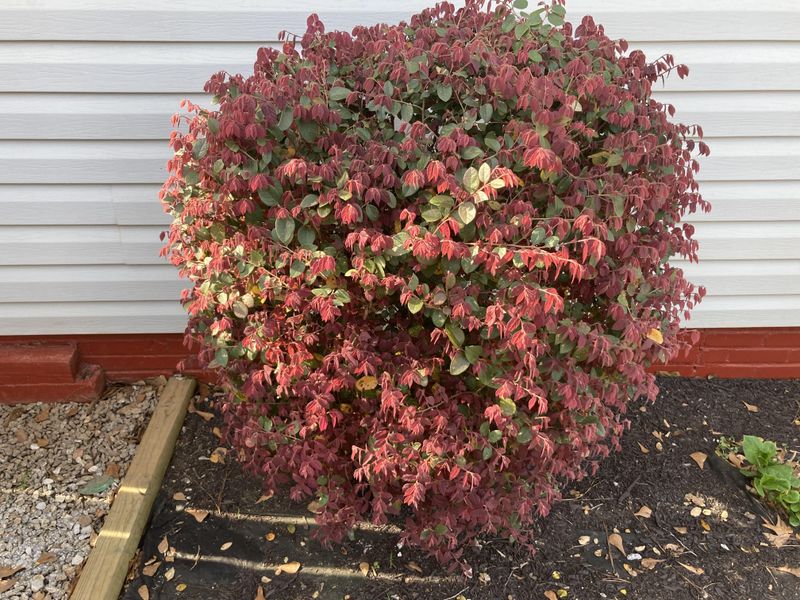
Stroll through almost any older neighborhood in the mid-Atlantic and there they are. Lining driveways, framing front porches, standing guard at front doors.
Burning bush did not just become a staple of American landscaping. It earned that spot.
Maryland’s mix of humid summers and crisp autumns gives these shrubs exactly the conditions they love.
For decades, garden centers promoted it as a foolproof choice for homeowners of all skill levels.
You did not need a green thumb, special fertilizer, or a complicated watering schedule.
Plant it once, step back, and watch it reward you every October with that signature scarlet display.
Neighborhood aesthetics played a big role too.
When one house had a burning bush glowing red in the front yard, neighbors noticed and wanted the same effect.
This created a kind of landscape trend that spread block by block across suburban communities throughout the region.
Your Maryland Garden Changes Every Week. Your Plan Should Too.
Gardening in Maryland changes quickly throughout the season. Every Friday you’ll receive a simple weekly plan showing exactly what to plant, prune, fertilize, harvest, and protect so you never miss the right timing.
There is also the emotional connection many homeowners feel toward plants they have tended for years.
Some burning bush shrubs in local yards are decades old, planted by previous owners or even grandparents.
Sentiment is a powerful thing, especially when it turns red every October.
What Nobody Warns You About Before You Plant It
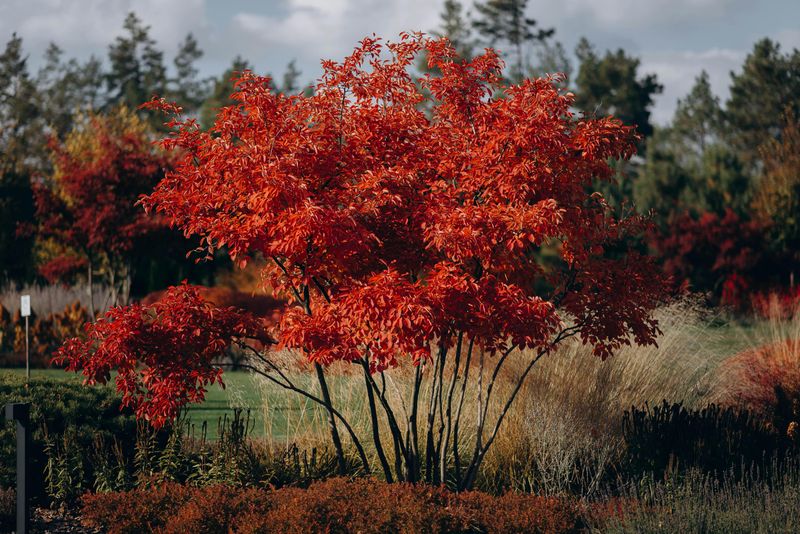
Beneath that gorgeous red canopy, something troubling is happening.
Burning bush produces small berries that birds absolutely love, and that is where the real problem begins.
As birds eat those berries and fly away, they drop seeds far beyond your yard into forests, meadows, and stream corridors.
Once established in the wild, burning bush crowds out native plants that local wildlife depends on for food and shelter.
Species like native dogwoods, viburnums, and blueberries get outcompeted for sunlight, water, and nutrients.
The ecological ripple effect is bigger than most homeowners realize when they glance at their pretty fall hedge.
Conservation groups across the eastern United States have been flagging this species as a serious ecological threat for over two decades.
The Invasive Plant Atlas of the United States lists it as naturalized and invasive in more than two dozen states.
Scientists have documented burning bush spreading deep into protected natural areas, including state parks and wildlife refuges. Experts are not trying to ruin your fall aesthetic.
They genuinely want homeowners to understand that keeping one shrub in your yard has consequences that stretch well beyond your property line.
The good news is that equally beautiful, wildlife-friendly alternatives exist and are easier to find than ever before.
How Burning Bush Spreads And Damages Local Ecosystems
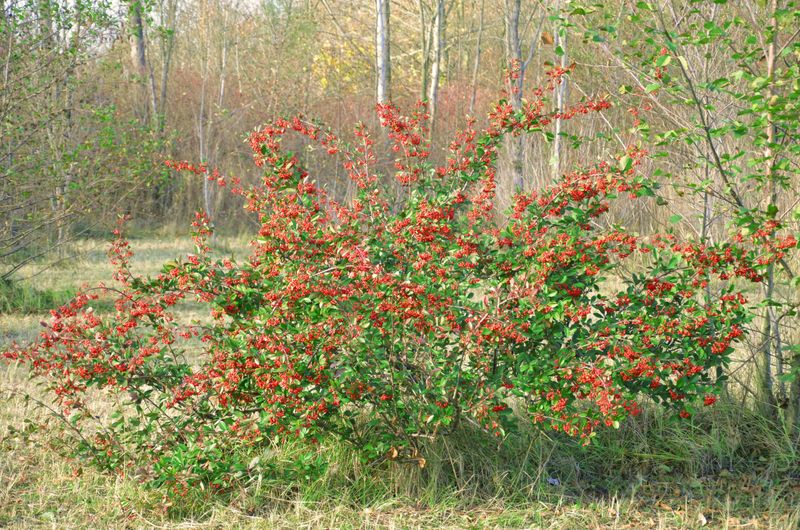
One single burning bush can produce hundreds, sometimes thousands, of berries in a single growing season.
Each berry contains seeds that survive a bird’s digestive system intact. Wherever that bird lands next, a new burning bush gets planted.
A thrush, robin, or cedar waxwing can carry seeds miles from your yard in a single afternoon.
Once those seeds germinate in a natural area, the young shrubs grow aggressively.
They leaf out earlier in spring and hold their leaves later into fall than most native plants, giving them a competitive edge for capturing sunlight.
Over time, dense thickets form that shade out wildflowers, ferns, and young tree seedlings that entire food webs depend on.
The damage is not just about plants competing for space.
When those understory plants disappear, the insects that rely on them vanish too.
Fewer insects mean less food for songbirds, amphibians, and small mammals. That chain reaction quietly reshapes the entire local ecosystem from the ground up.
Stream buffers and forest edges in the Chesapeake Bay watershed have been hit particularly hard.
These transitional zones are critical for filtering runoff and providing wildlife corridors.
Invasive shrubs like burning bush can destabilize these areas in ways that take decades to undo. Nature is patient.
Restoration workers are not.
What Maryland Law Says About Invasive Plants
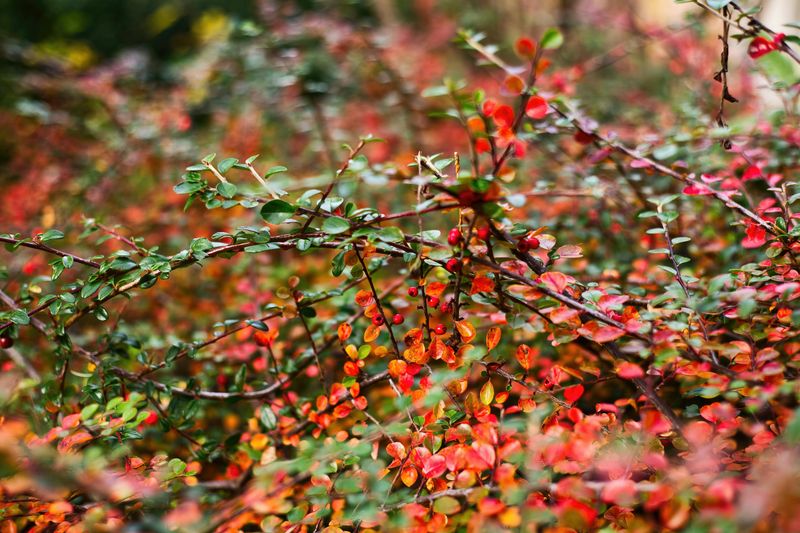
Several northeastern states have banned or restricted burning bush sales outright. If you think Maryland is far behind, you might want to pay attention to what is happening next door.
Maryland has been increasingly vocal about the risks of invasive ornamentals.
Conservation groups across the state have long been urging homeowners to make the switch. Some local jurisdictions have even explored native plant replacement programs to help them do it.
The Maryland Invasive Species Council has officially labeled burning bush a high-priority invasive plant. That is not a minor classification.
It means the risk is serious enough to trigger public education campaigns and voluntary removal programs.
Conservation advocates continue to push for stronger action at the state level, and regional momentum is clearly building.
You are not legally required to remove burning bush from private property in most Maryland counties right now.
But acting now puts you ahead of the science, the policy, and the problem.
How To Safely Remove Burning Bush From Your Yard
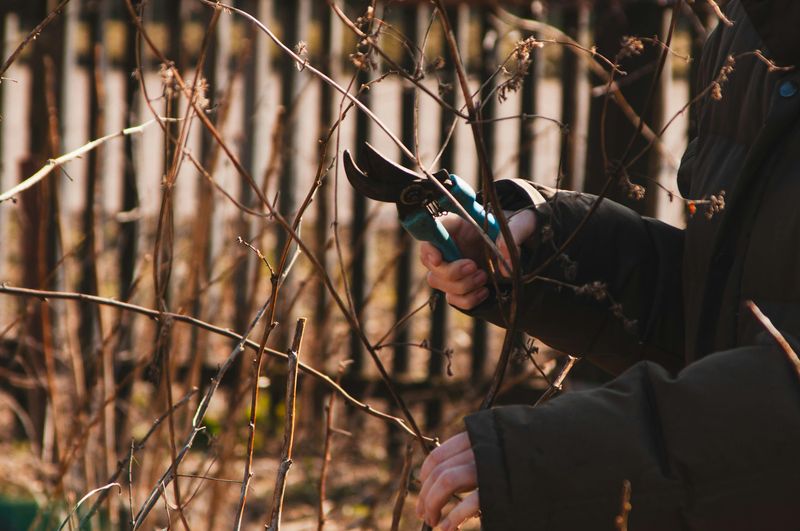
Removing a mature burning bush is a weekend project, not a crisis.
Smaller plants can often be pulled out by hand after softening the soil with water, roots and all. For larger, established shrubs, a combination of cutting the main stems and digging out the root ball is the most effective approach.
Timing matters more than most people expect.
The best window for removal is late fall or early spring before the plant leafs out and produces new berries. Removing it before berry season prevents additional seed spread while you work.
After cutting the shrub down, treat the remaining stump promptly to prevent resprouting.
Burning bush is persistent and will send up new growth from the root system if the stump is left untreated.
A targeted herbicide application on the fresh cut surface is one option, but manual digging and repeated cutting also works with patience.
Dispose of the plant material carefully. Do not compost burning bush clippings or berries, since seeds can survive the composting process.
Bag the material securely and send it out with yard waste, or contact your local extension office for guidance on proper disposal in your specific area. Replacing it right away with a native shrub prevents weeds from moving into the open space.
What To Plant Instead For That Same Stunning Fall Color
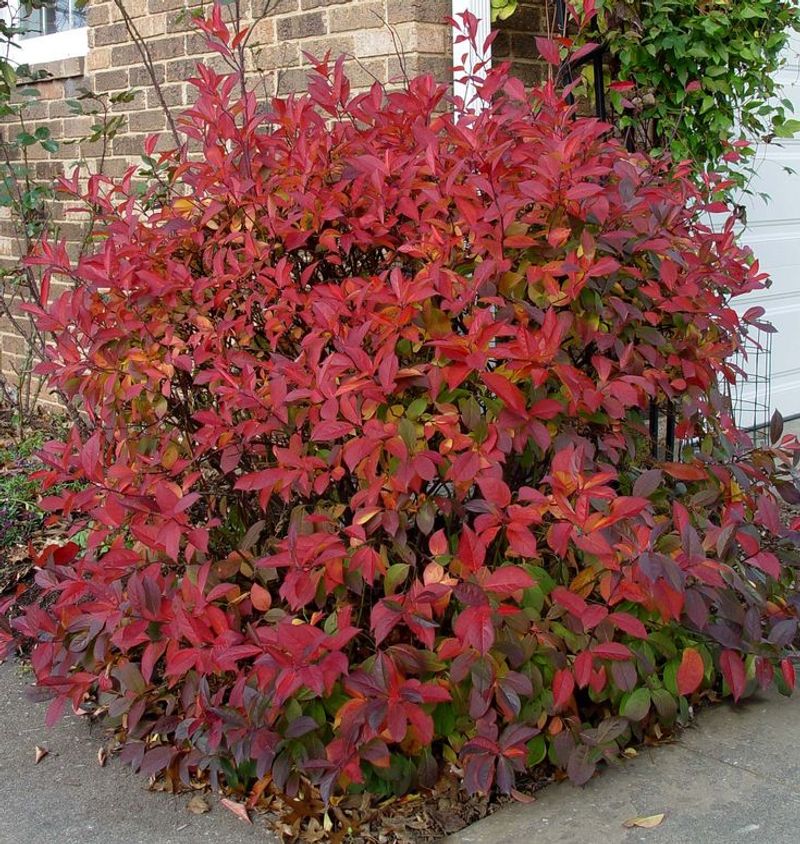
Giving up burning bush does not mean giving up fall color, not even close.
The right native alternative can match that signature red display, and some will flat out surpass it, all while actually supporting the birds, bees, and butterflies in your yard.
The choice to swap it out is genuinely one of the most impactful things a homeowner can do for local wildlife.
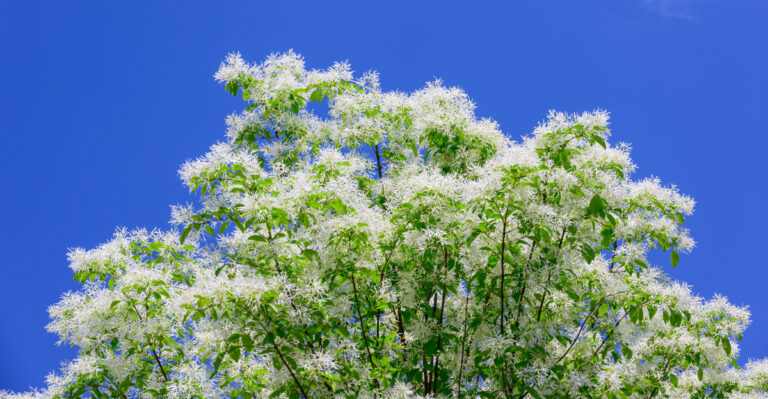
Virginia sweetspire is a standout replacement for mid-Atlantic gardens. It produces arching clusters of white summer blooms followed by brilliant red and purple fall foliage that rivals anything burning bush can offer.
Insects and pollinators flock to it in ways they never would with the invasive alternative.
Oakleaf hydrangea is another excellent option that delivers multi-season interest.
Its large white flower clusters appear in summer, the exfoliating bark adds winter texture, and the fall leaves turn rich shades of burgundy and bronze.
It also handles partial shade beautifully, which makes it flexible for tricky spots in the yard.
Itea, fothergilla, and native viburnums round out a strong list of shrubs that bring genuine ecological value alongside gorgeous seasonal color. These plants feed local food webs instead of undermining them.
Swapping out burning bush is the kind of change that makes your yard look great and quietly helps the entire neighborhood ecosystem thrive.