More Bats In Your Florida Garden, Fewer Mosquitoes (This Is How To Attract Them)
Mosquitoes can turn a Florida evening into a full-time battle. You step outside for five minutes, and suddenly the whole backyard feels off-limits.
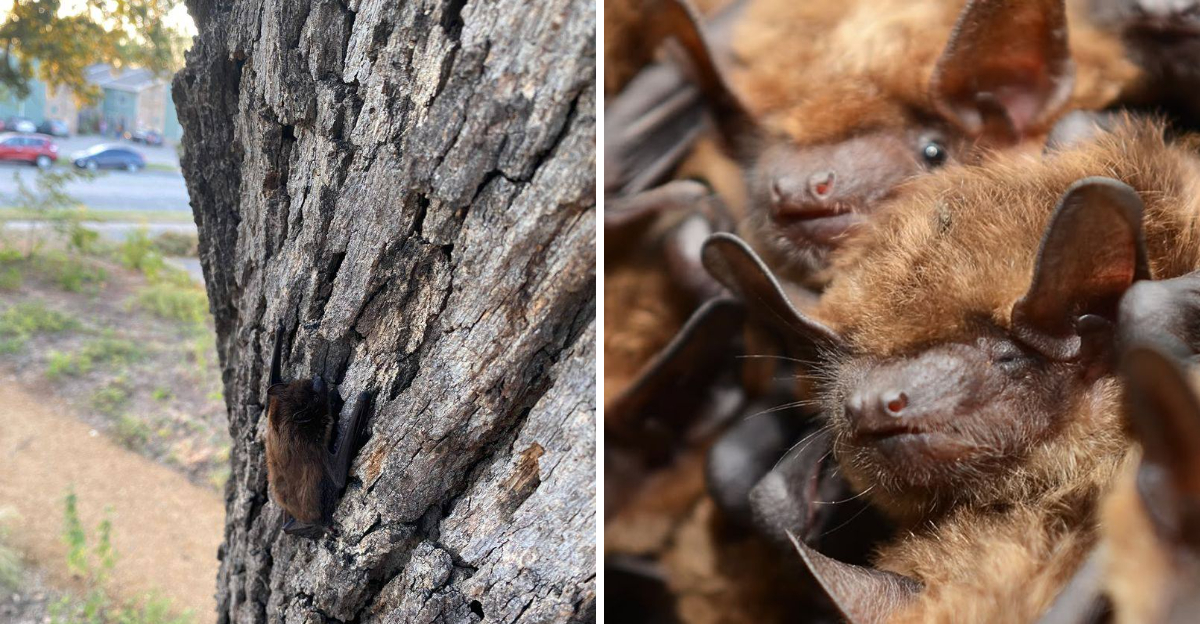
But one of the best helpers might already be flying over your neighborhood after dark. Bats get a bad reputation, yet these nighttime hunters can play a valuable role in keeping insect populations in check.
Want more of them around your garden? Start by making your yard feel less like a danger zone and more like a safe stopover.
That means shelter, water, night-blooming plants, and fewer choices that scare away the very wildlife you want.
A bat-friendly garden will not erase every mosquito overnight, but it can bring more balance to your yard and make those sticky Florida evenings a little easier to enjoy.
1. Start With A Proper Bat House
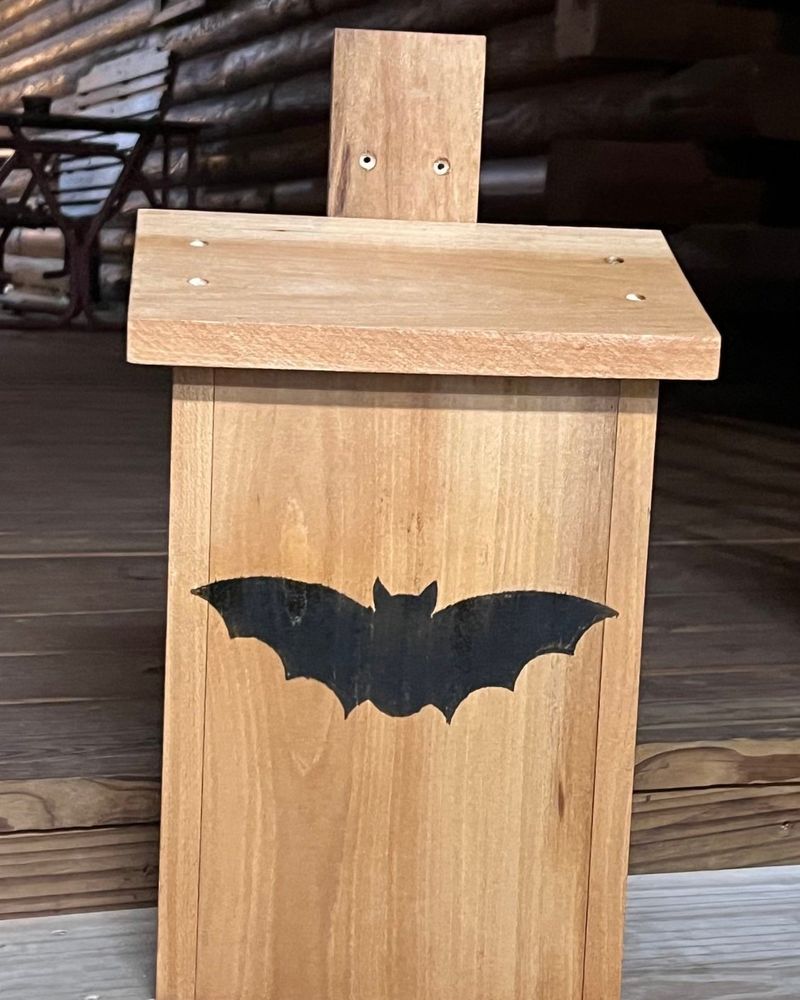
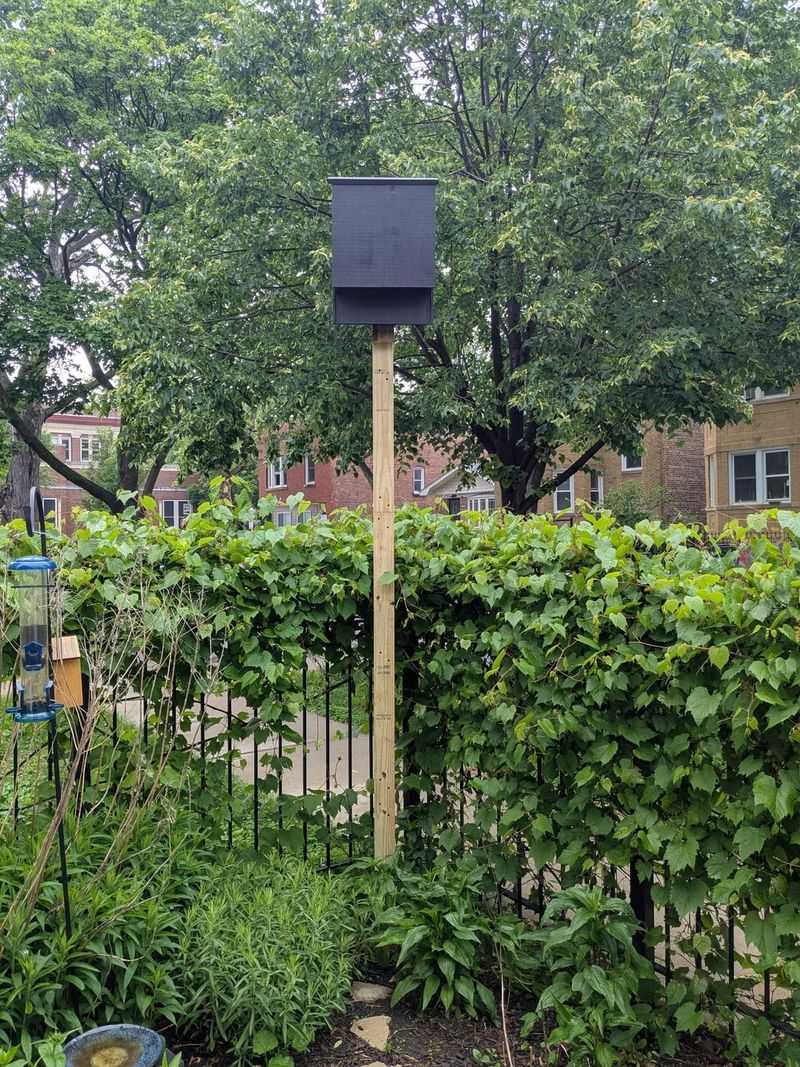
Not every box labeled a bat house will actually attract bats. A decorative wooden box picked up at a gift shop is usually not built to meet the needs of a real bat colony.
Bat Conservation International and UF/IFAS both emphasize that effective bat houses need specific design features to work well in the real world.
A good bat house typically includes multiple chambers and rough interior surfaces so bats can grip and cling. It also needs proper ventilation and weather-resistant construction that holds up outdoors.
The interior surfaces are especially important. Bats need texture to roost safely, and a smooth interior will not work.
Size also matters. Larger bat houses with multiple chambers tend to attract colonies more successfully than small single-chamber boxes.
Before buying or building, check the guidelines published by Bat Conservation International or your local UF/IFAS Extension office. Many Extension offices also offer workshops or printed resources on bat house construction.
Buying a certified or tested design takes the guesswork out of the process. A well-built bat house is a real investment in your yard’s natural pest balance, not just a decoration.
Start with a quality structure, and you give bats a reason to stay.
2. Place The Bat House Where Bats Feel Safe
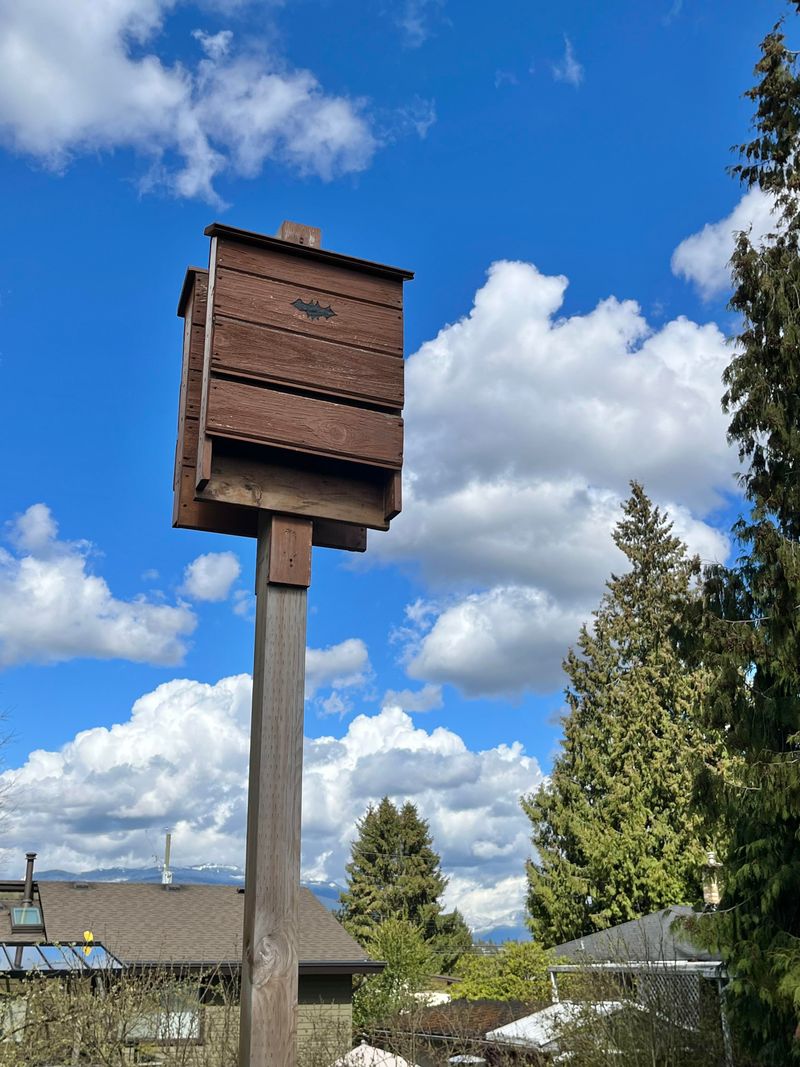
Even the best bat house will sit empty if it is placed in the wrong spot. Placement is one of the most important factors in whether bats actually use a roost, and it is something a lot of first-timers overlook.
Getting this right from the start saves a lot of frustration later.
Bat Conservation International and UF/IFAS guidance both point to warmth and open flight space as key factors. Bat houses generally need good sun exposure to stay warm enough for roosting, especially for maternity colonies where females raise their young.
A location that gets limited sun may stay too cool to attract bats consistently.
Height matters too. Bat houses mounted higher off the ground tend to perform better, as bats prefer locations where they have clear space to fly in and out without obstacles.
Avoid placing bat houses directly on tree trunks, where shade, predators, and limited flight access can be problems.
Your Florida Garden Changes Every Week. Your Plan Should Too.
Gardening in Florida changes quickly throughout the season. Every Friday you’ll receive a simple weekly plan showing exactly what to plant, prune, fertilize, harvest, and protect so you never miss the right timing.
Low-disturbance areas are also important. Bats are sensitive to repeated disruptions near their roost.
A calm corner of the yard gives bats the security they need to settle in. Keep it away from busy foot traffic, loud equipment, and frequent human activity.
3. Keep Bright Lights Away From Roosting Spots
Lighting can quietly work against your bat-attracting efforts. Bats are creatures of habit and prefer roosting in calm, darker areas away from strong artificial light.
A floodlight or motion-activated light mounted near a bat house can make the whole setup feel unsafe and uninviting to bats looking for a place to roost.
This does not mean your yard needs to be completely dark. The goal is to keep bright light away from the specific area where the bat house or natural roost is located.
Pathway lights, porch lights, and security lights can stay in place as long as they are not shining directly toward the roosting spot.
Human safety still comes first. Do not leave walkways, stairs, or entry points unlit just to accommodate bats.
Instead, focus on directing existing lights away from roosting areas or choosing lower-intensity options in those specific zones. Thoughtful light placement can serve both goals.
A calmer, darker roosting environment also reduces stress on bats already using the space. Repeated disturbance from light or noise near an active roost can cause bats to abandon it.
Giving bats a quiet, dim corner of the yard is one of the simpler adjustments you can make, and it costs very little.
4. Grow Native Plants That Feed The Nighttime Food Web
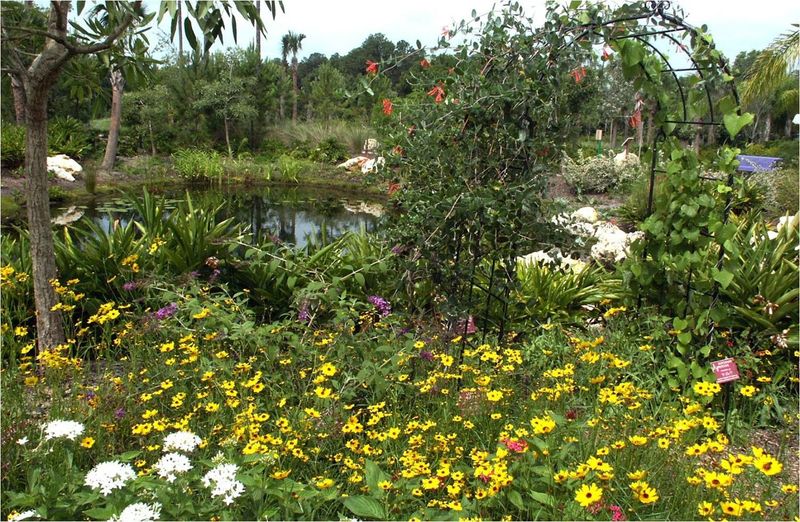
Native plants do not attract bats the way a flower attracts a butterfly. The connection is more indirect, and understanding that difference helps you make smarter choices for your yard.
Native plants support the moths, beetles, midges, flies, and other insects that bats actually eat at night.
When your yard has a healthy mix of native plants, it naturally supports a more diverse insect population. That insect activity becomes part of the food web that bats rely on.
A yard full of non-native ornamentals or heavily manicured turf tends to support fewer native insects and offers less to wildlife overall.
The right plant choices depend on where you are in the state. Growing conditions vary significantly between South gardens, Central yards, and Panhandle gardens.
UF/IFAS Extension, the Florida-Friendly Landscaping program, and the Florida Wildflower Foundation all offer region-specific native plant recommendations. Checking those resources before planting helps you avoid species that are invasive or poorly suited to your area.
Think of native plants as building a foundation. They support insects, which support bats, which help manage night-flying pest populations.
No single plant will bring bats to your yard overnight. A thoughtfully planted native garden builds habitat that makes your space worth visiting for wildlife of all kinds.
5. Make Water Helpful, Not Mosquito Friendly
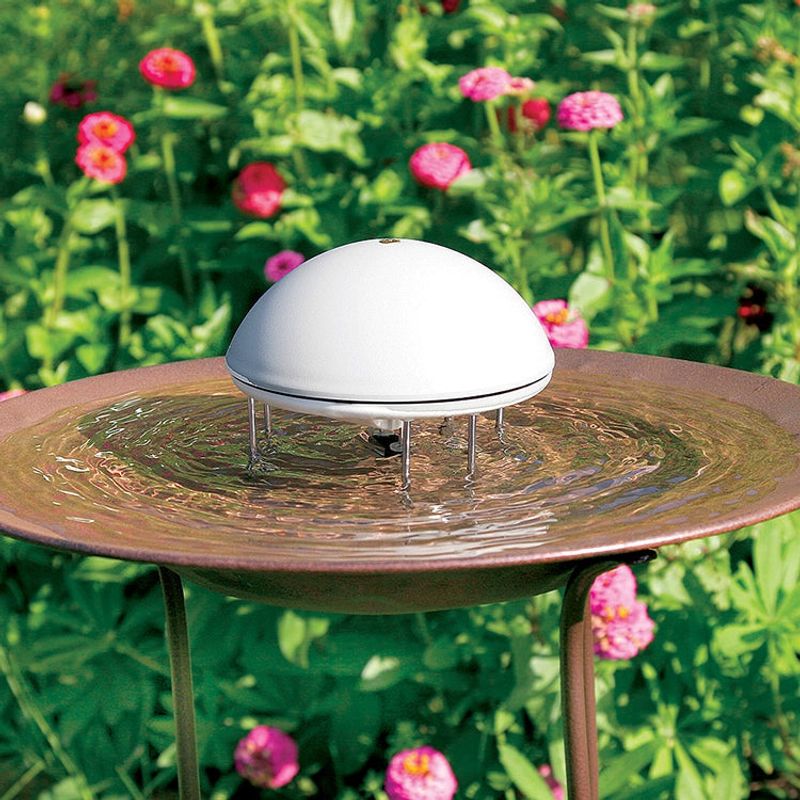
Water is a double-edged feature in any wildlife-friendly yard. Some wildlife benefits from having water nearby, but standing water is exactly what mosquitoes need to breed.
Managing water carefully is one of the most practical things you can do to reduce mosquito pressure without harming other wildlife.
Mosquitoes can breed in surprisingly small amounts of stagnant water. Birdbaths, plant saucers, buckets, clogged gutters, and low spots in the yard can all become breeding spots if water sits undisturbed.
Emptying and refreshing these containers regularly breaks the breeding cycle before it gets started.
Moving water is generally less hospitable to mosquito larvae than still water. If you want a water feature in your yard, options with circulation or gentle movement are worth considering.
Clean, well-maintained water sources are also more appealing to birds and other wildlife than stagnant ones.
The Florida Fish and Wildlife Conservation Commission and UF/IFAS both recommend eliminating standing water. It is one of the most effective mosquito prevention steps homeowners can take.
Bats may eat mosquitoes as part of their diet, but they cannot overcome a yard with heavy mosquito breeding. Combining bat-friendly habitat with responsible water management gives you a much better result than either approach alone.
6. Protect Trees That Offer Natural Roosting Space
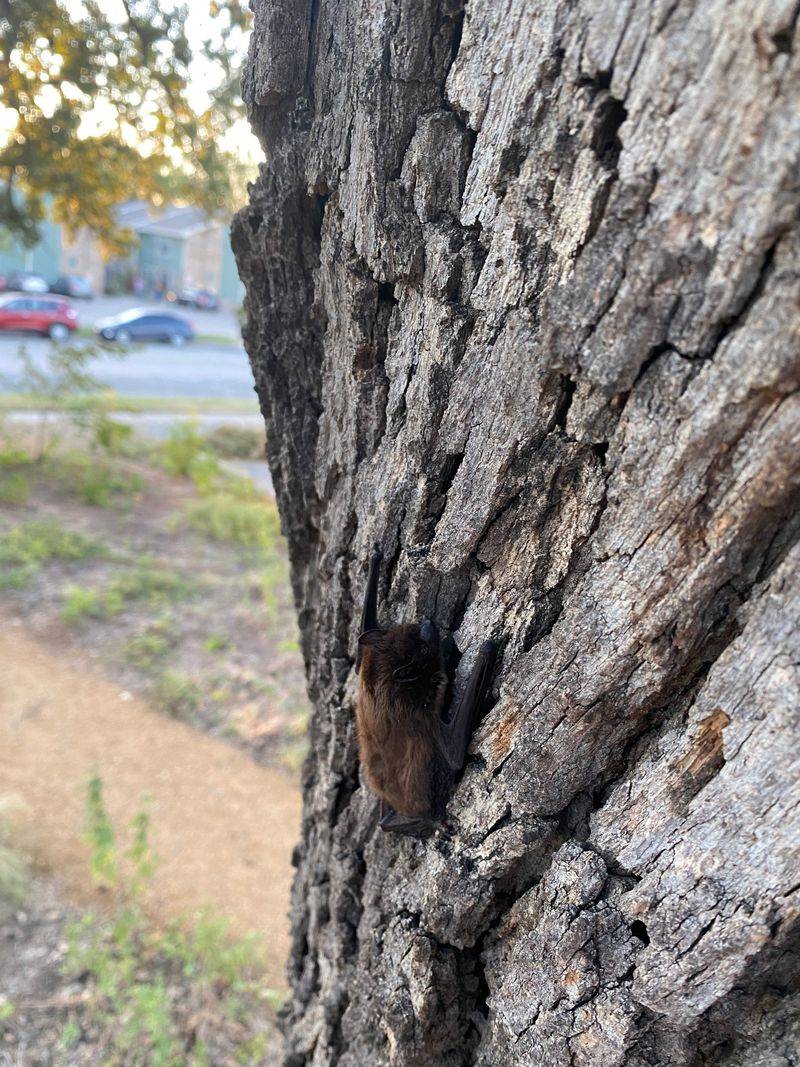
Bat houses get a lot of attention, but natural roosting spots are just as valuable. Many bat species use tree cavities, loose bark, palm fronds, or standing withered trees called snags as shelter.
These natural features are part of what makes a yard genuinely usable for bats, not just a place with a box on a pole.
Mature trees with rough bark and natural hollows offer ready-made shelter that bats have relied on long before bat houses existed. Preserving these trees when it is safe to do so supports bats and many other native species at the same time.
A yard with diverse tree cover is a richer habitat than one with only young, uniform plantings.
That said, not every old or damaged tree is safe to keep. Trees with significant structural problems, especially those near homes, play areas, or power lines, can pose real risks.
An arborist can help you assess which trees are worth preserving and which ones need attention for safety reasons.
The goal is not to keep every tree no matter what. The goal is to make thoughtful decisions that balance wildlife habitat with the safety of the people who use the yard.
When a tree is healthy and structurally sound, leaving it in place is often the best choice for both wildlife and the overall garden ecosystem.
7. Skip Pesticides That Shrink The Bat Buffet
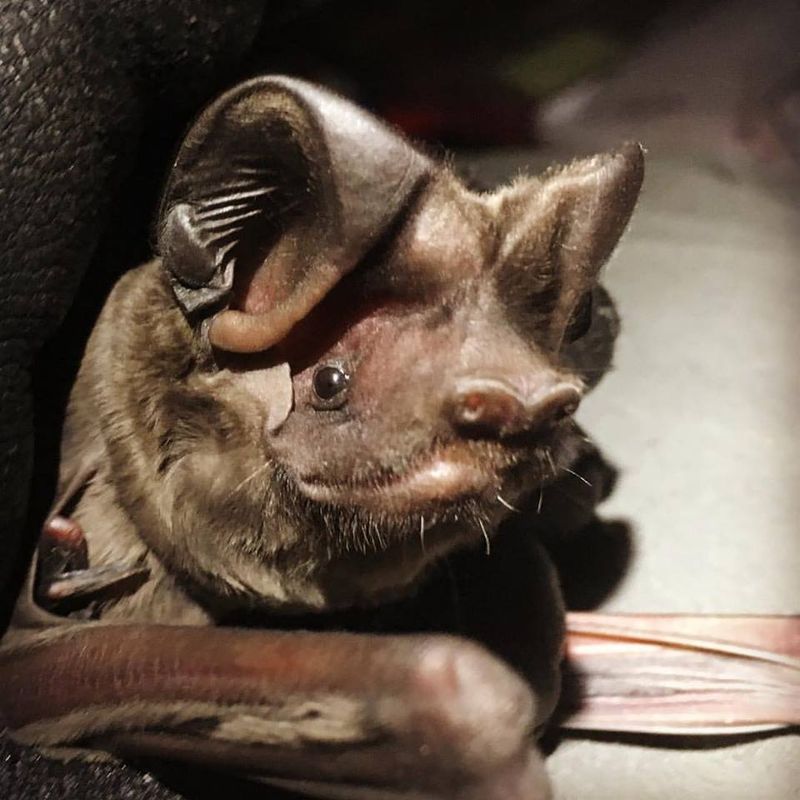
Broad pesticide use can work against everything you are trying to build. Bats eat insects, so a yard with very few insects is a yard with very little reason for bats to visit.
Wide-scale insecticide applications reduce the insect populations that bats, birds, and other wildlife depend on for food.
This does not mean you can never address a pest problem. Integrated Pest Management, often called IPM, is an approach supported by UF/IFAS and the Florida-Friendly Landscaping program.
IPM focuses on identifying the specific pest first, then choosing the most targeted and least harmful response. Broad-spectrum spraying is typically a last resort, not a first step.
Correctly identifying a pest before treating it makes a real difference. Many insects that look like pests are actually beneficial, and removing them with a general spray does more harm than good.
UF/IFAS Extension offices and the Florida-Friendly Landscaping program offer resources to help homeowners identify insects and choose appropriate responses.
Reducing unnecessary pesticide use also supports the native plants, pollinators, and soil health that make a yard function well as a whole. A yard that supports a healthy insect population is a yard that can support bats, birds, and other wildlife.
Cutting back on broad treatments is one of the most impactful choices a gardener can make for overall habitat quality.
8. Be Patient While Bats Find The New Roost
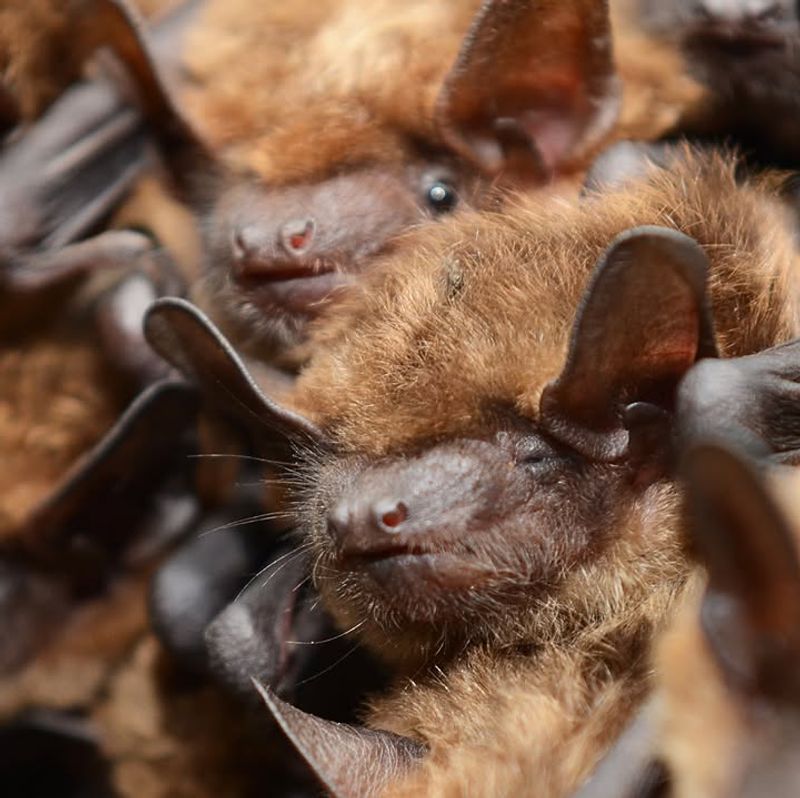
Patience is genuinely part of the process. Bat houses do not fill up overnight, and some may take a full season or longer before any bats move in.
That is completely normal, and it does not mean something is wrong with the setup. Bats explore new roost sites on their own timeline.
Bat Conservation International is clear that some bat houses are never occupied, even when installed correctly. Local bat populations, the time of year, nearby roost competition, and other environmental factors all influence whether bats choose a particular house.
There is no guarantee, and setting realistic expectations from the start makes the experience less frustrating.
If a bat house sits empty for a full year, it is worth reviewing the placement, sun exposure, and overall setup before making changes. Moving a bat house repeatedly can actually reduce the chances of bats finding it.
Checking guidance from Bat Conservation International or your local Extension office before adjusting anything is a smart move.
Some gardeners find that adding a second bat house nearby improves their odds. Others see bats move in during the first warm season.
Every yard is different. The best approach is to get the setup right from the beginning, then give it real time to work.
Rushing the process or constantly tinkering tends to make things harder, not easier.
9. Keep Bats Outside The House, Not Out Of The Yard
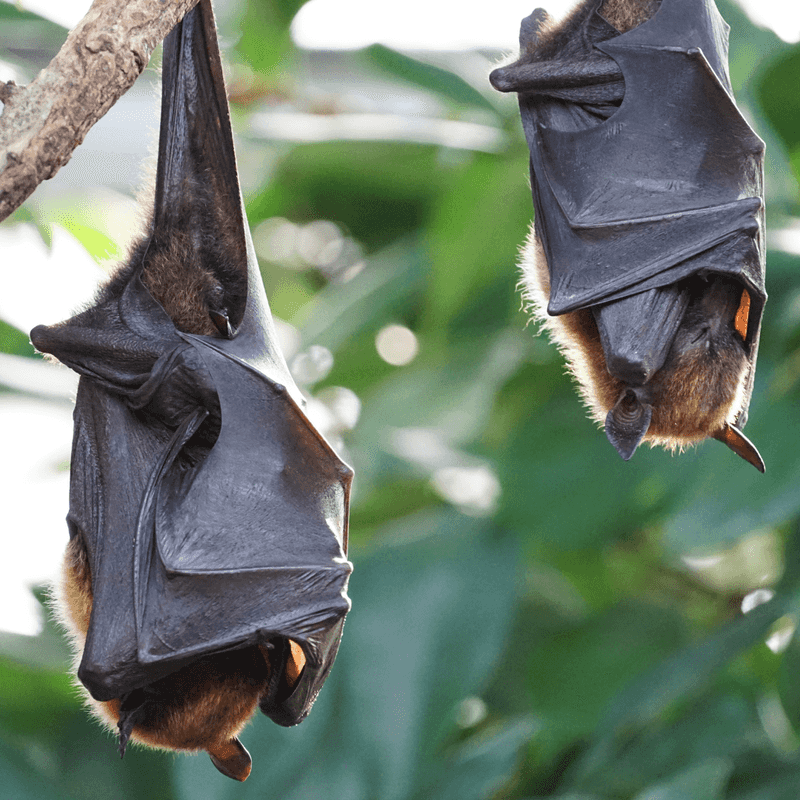
Bats are genuinely useful neighbors when they are living outdoors where they belong. An attic, wall void, or enclosed living space is a different story.
Bats inside a structure can create health and safety concerns, and that situation needs to be handled carefully and legally.
Excluding bats from a building is not as simple as blocking an opening. Timing matters.
In the state, bat maternity season has legal protections that restrict when exclusion work can be done. Sealing bats inside a structure is not only ineffective but also illegal during protected periods.
The Florida Fish and Wildlife Conservation Commission provides guidance on legal exclusion timing and methods.
If you suspect bats are roosting inside your home, the right first call is to a trained wildlife professional or your local FWC regional office. Do not handle bats directly.
Do not attempt to seal openings on your own without knowing whether bats are currently inside or whether young bats are present.
The goal is coexistence, not conflict. Bats belong in your yard, in a proper bat house, or in natural roosting spots in safe trees.
Keeping them out of your living spaces while welcoming them into the broader yard is the balance that works best for both people and wildlife. FWC and local Extension offices can connect you with the right professional help when needed.