What To Remove From Your Florida Yard In May Before Dry Debris Becomes A Fire Hazard
May in Florida is that awkward stretch between the dry season and the summer rains, and your yard is probably showing it. Brittle palm fronds hanging by a thread, piles of oak leaves that never quite made it to the trash, dried grass clippings baking against the fence.
It all looks like a minor eyesore right now, but dry debris in a yard during this time of year is not just an aesthetic problem. Wildfires in Florida peak in the spring, and the conditions in May are about as cooperative for them as they get.
Low humidity, easterly winds, weeks without meaningful rain. Dry material sitting against your house, along your fence line, or piled under trees does not need much of an invitation.
This is not about scaring anyone. It is about a one-time afternoon of work that removes real risk before the summer rains finally show up and do it for you.
1. Clear Dry Palm Fronds From The Ground
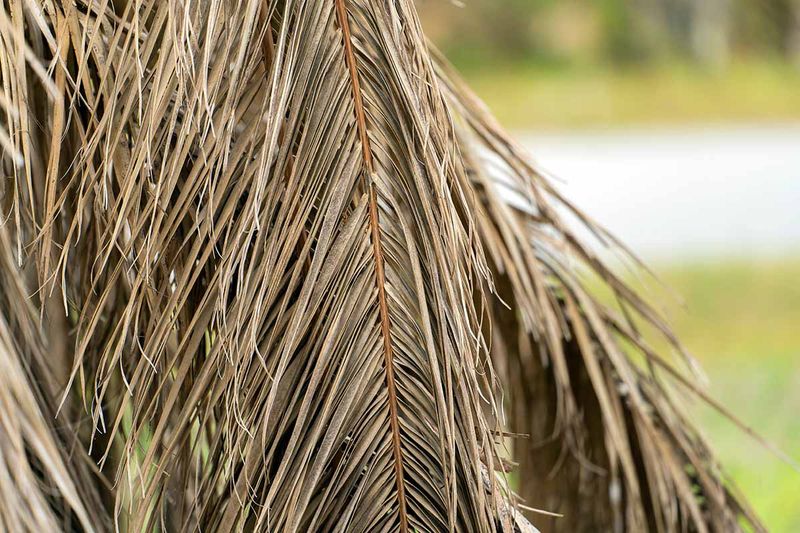
Palm trees are practically a symbol of Florida living, but those big brown fronds scattered across your yard tell a different story by May.
Fallen fronds can pile up fast around trunks, fences, patios, and garden beds, and dry palm material is bulky enough to add real fuel load near structures during a dry stretch.
The Florida Forest Service and Firewise guidance both point to clearing accumulated organic debris from around homes as a core step in reducing fire risk near structures.
Walk your yard in early May and collect any fronds that have dropped since winter.
Cut long fronds into shorter sections so they fit your local yard-waste requirements, then set them out on your scheduled pickup day or haul them to an approved drop-off facility.
Bagging or bundling according to your municipality keeps things tidy and keeps you compliant.
One common mistake is piling fronds against fences, garages, sheds, or tree trunks while waiting for pickup day. Even a temporary pile can become a problem during a windy dry spell.
Avoid the temptation to hurricane-cut your palms by removing green, healthy fronds.
UF/IFAS cautions against removing green fronds, since that stresses the tree without reducing fire risk.
Only remove fronds that have already fallen or are fully brown and hanging loose.
2. Remove Leaf Piles Along Fences
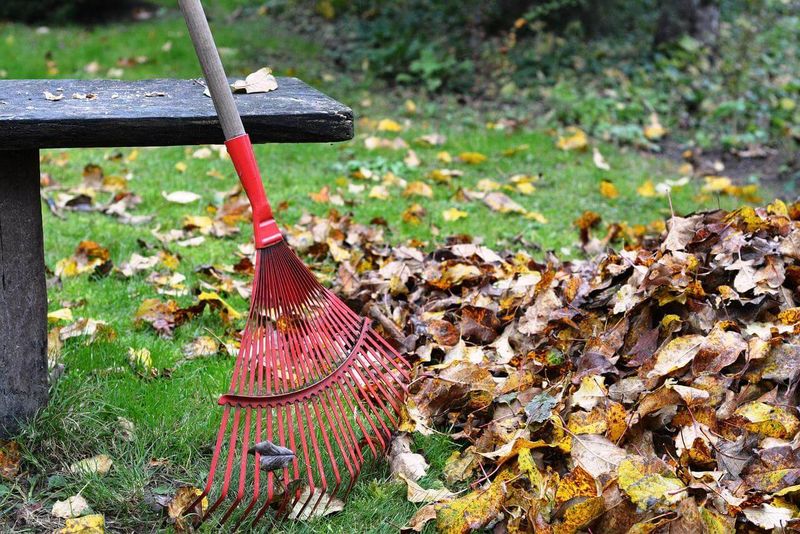
Fence lines have a sneaky way of collecting leaves all year long. Wind pushes debris into corners, gates, and shaded spots along wooden fences, and by May those piles can be surprisingly deep.
Dry leaves pressed against a wood fence create a strip of flammable material right next to a structure. It is exactly the kind of accumulation that fire-safety guidance focuses on reducing.
Rake or blow leaves away from fence lines, especially where material has packed down into a dense layer. Oak-heavy and pine-heavy neighborhoods tend to see heavier accumulation and may need more frequent attention throughout spring.
Leaves that are free of pesticides and chemicals can often be composted, which keeps yard waste out of the landfill and puts nutrients back into your soil. For larger volumes, bag them for curbside pickup or take them to a county green-waste facility.
Your Florida Garden Changes Every Week. Your Plan Should Too.
Gardening in Florida changes quickly throughout the season. Every Friday you’ll receive a simple weekly plan showing exactly what to plant, prune, fertilize, harvest, and protect so you never miss the right timing.
Leaves that collect under decks, against outdoor electrical outlets, or beside air-conditioning equipment deserve extra attention. Those spots tend to stay dry even during brief rain events, making them more persistent hazards.
Avoid blowing leaves under structures or into planting beds next to the house as a shortcut.
Coastal yards may see lighter accumulation than inland pine or oak neighborhoods. But a dry April can leave any fence line loaded with debris worth clearing before storm season adds wind to the equation.
3. Pick Up Fallen Twigs And Branches
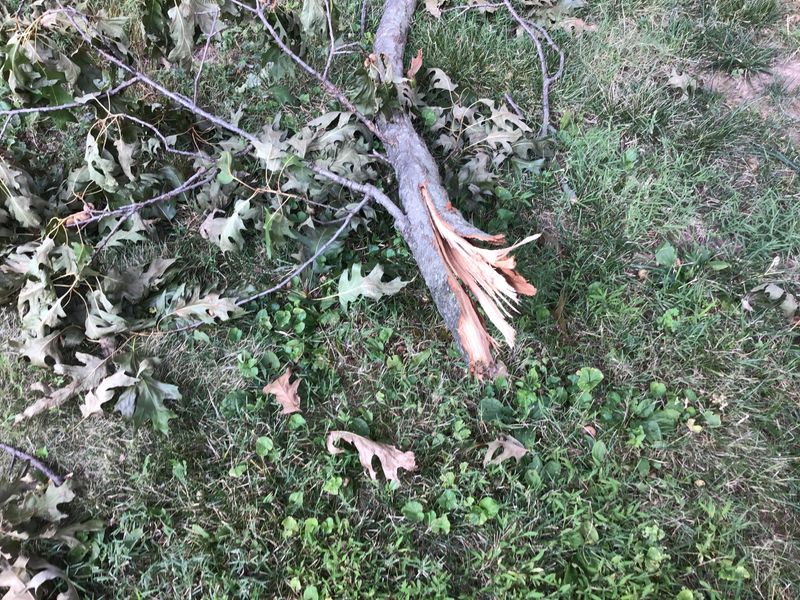
After a breezy spring, the ground under oaks, pines, and older shade trees can look like a game of pick-up sticks.
Small fallen limbs and twigs scatter across lawns and garden beds throughout April and May, building up into a scattered layer of woody material that dries out quickly in the heat.
Scattered woody debris adds to the overall fuel load in a yard and can also become dangerous flying material during a hurricane or tropical storm.
Spend a May afternoon doing a full sweep under your trees.
Collect small twigs and bundle branches according to your local pickup guidelines. Most counties have specific rules about bundle size and weight for curbside yard-waste collection.
Larger limbs that came down with visible cracks or that are hanging in the canopy should be evaluated by a certified arborist before you attempt to move them yourself.
Yards under mature pines and water oaks tend to accumulate the most debris and may need a second pass later in May if wind events continue.
Avoid dragging large limbs near power lines, and never attempt to cut overhead branches without proper training and equipment.
Rural properties and larger lots often have debris scattered far from the house that still matters during a wildfire, so extend your cleanup beyond the immediate backyard when possible.
Check with your county for brush pickup schedules before bundling everything at the curb.
4. Thin Dry Debris Under Shrubs
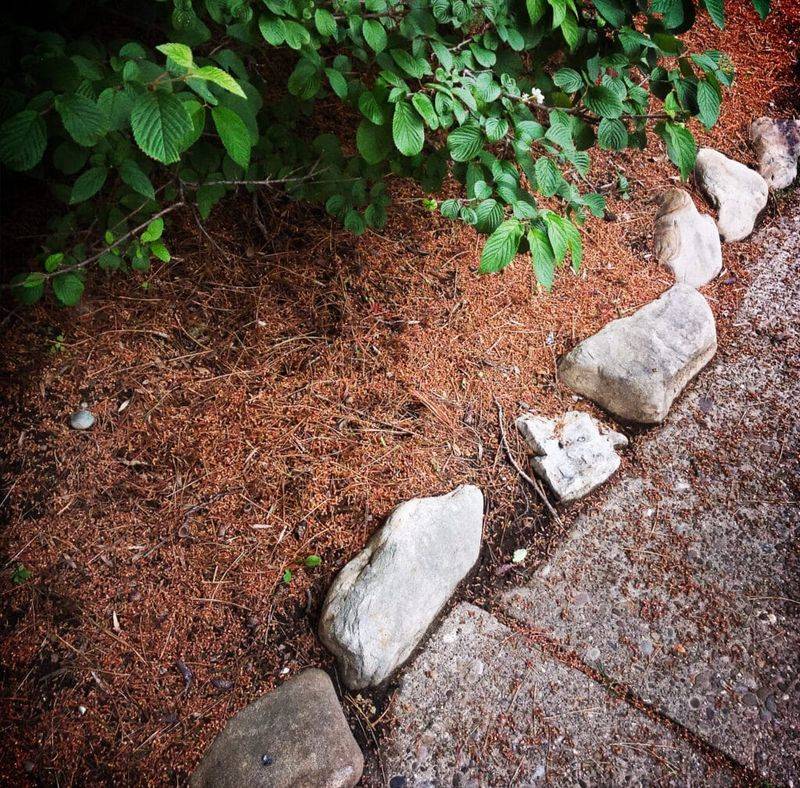
Shrub beds along the foundation of a home can hide a surprising amount of dry material.
Pine needles, old stems, brown leaves, and shed bark collect underneath plantings all winter and spring, and by May that trapped debris can be dense and dry.
Dense shrub beds close to walls, windows, and vents create a pathway for embers or ground-level flames to reach a structure. It is a concern that UF IFAS and Firewise USA both highlight in home-hardening guidance.
Use a small hand rake to gently pull loose debris out from under shrubs and foundation plantings. Work carefully to avoid damaging shallow roots or disturbing mulch layers more than necessary.
Bag what you collect and set it out for yard-waste pickup, or compost it away from structures if it is free of diseased material.
Homes near natural areas, scrubby landscapes, or pine flatwoods should pay special attention to debris that accumulates right against the house. Those properties face higher wildfire exposure than urban or coastal yards.
Pruning can help open up airflow around shrubs, but avoid aggressive cuts in May heat that could stress plants or expose root zones.
The goal is removing the loose dry layer underneath, not stripping the bed bare. Avoid the common mistake of blowing debris under shrubs to hide it quickly.
That just concentrates the problem closer to where you least want it.
5. Clean Out Gutters Before Storm Season
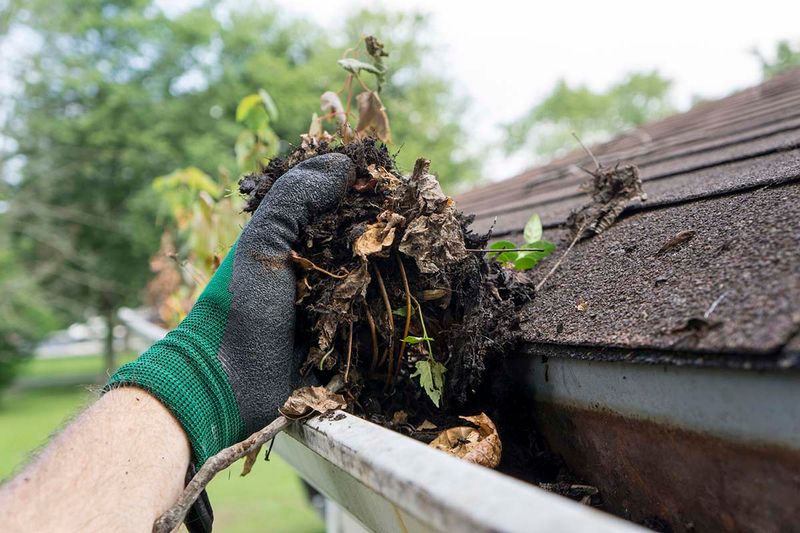
Gutters filled with dry pine needles and leaves are easy to ignore until the first big storm of the season reminds you they are there. Gutters can fill up fast, especially in neighborhoods with slash pines, longleaf pines, or live oaks nearby.
During dry spells in May, that collected material dries out completely, and clogged gutters also set you up for serious overflow problems when summer rains finally arrive in force.
Clean gutters in early May before the rainy season begins. Remove leaves, pine needles, seed pods, and any roofline debris you can safely reach.
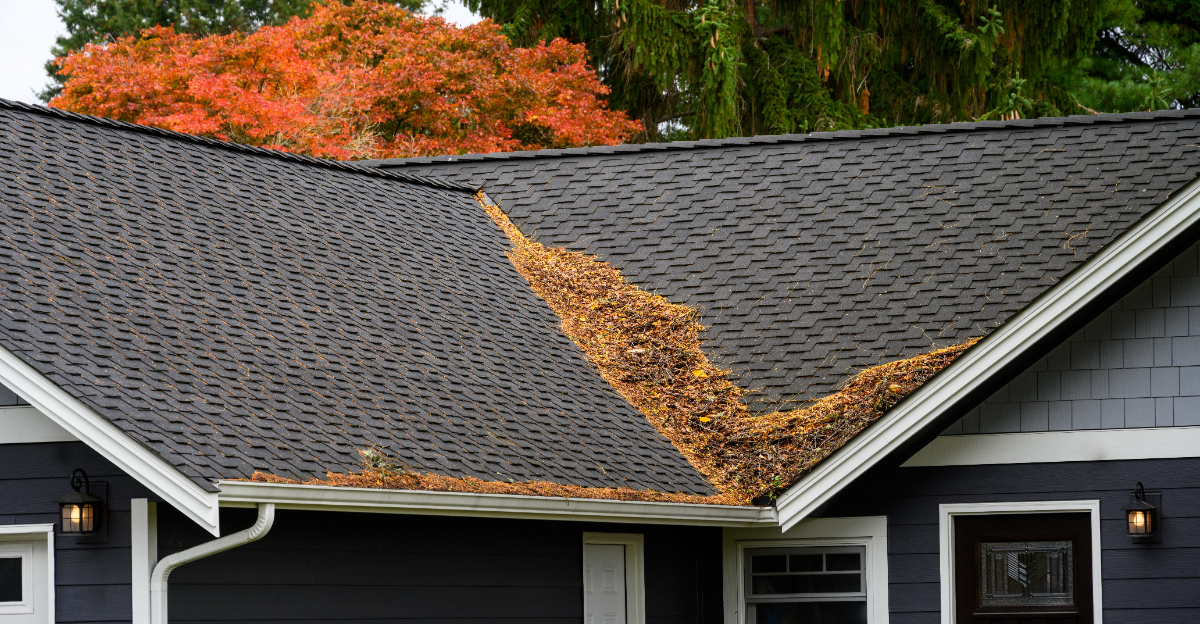
Check that downspouts are clear and directing water away from your foundation. Roof valleys, which are the angled creases where two roof sections meet, can collect as much debris as gutters and are worth checking at the same time.
In neighborhoods bordered by pine stands, especially across the northern and central parts of the state, pine needles can build up quickly in gutters. Farther south, palm seeds and other organic debris can create the same drainage problems.
Hire a professional for high or steep roofs rather than risking an unsafe ladder setup. Avoid waiting until the first heavy rain to discover a clogged downspout.
That first storm of the season can dump several inches in a short time, and overflowing gutters can send water behind siding or into soffits. Getting gutters clear in May protects both fire readiness and water management heading into hurricane season.
6. Move Mulch Away From Structures
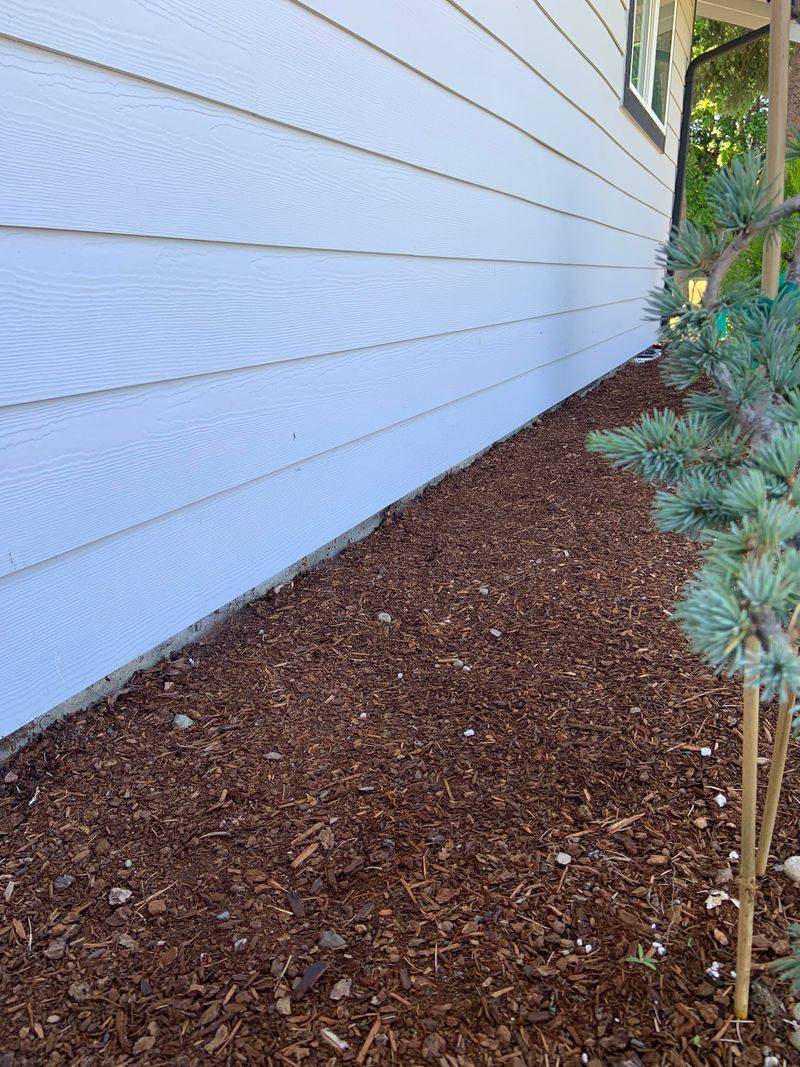
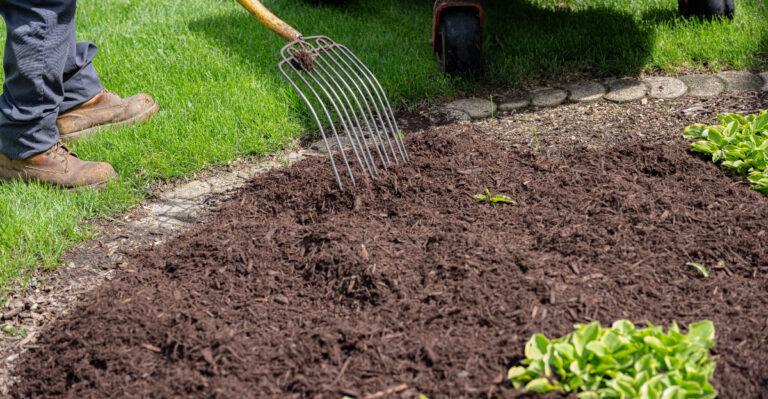
Mulch is one of the most useful tools in a garden, helping retain moisture, moderate soil temperature, and suppress weeds. The problem shows up when organic mulch gets piled too thick and too close to siding, wooden decks, sheds, fences, and air-conditioning units.
Dry mulch pressed against a structure acts like kindling. The Florida Forest Service recommends keeping flammable materials separated from the exterior of your home as part of basic defensible-space practices.
Pull mulch back from the base of walls, fence posts, and deck framing so there is a clear gap of several inches between the mulch layer and any structure.
Check around air-conditioning condenser units too, since mulch and debris can collect around them during the year.
A modest mulch depth of two to three inches is generally recommended, and anything piled much deeper than that should be reduced.
Pine straw and dry bark mulch in drier inland areas of the state may pose more concern than mulch in wetter coastal zones. Any mulch can dry out quickly during a May dry spell regardless of where you live.
Avoid creating mulch volcanoes, which are the thick cone-shaped mulch piles heaped around tree trunks and shrub stems.
They stress plants and concentrate dry organic material right at the base of living plants near your home. Keep mulch flat, moderate in depth, and well separated from structures for best results heading into summer.
7. Haul Off Old Lumber And Yard Waste
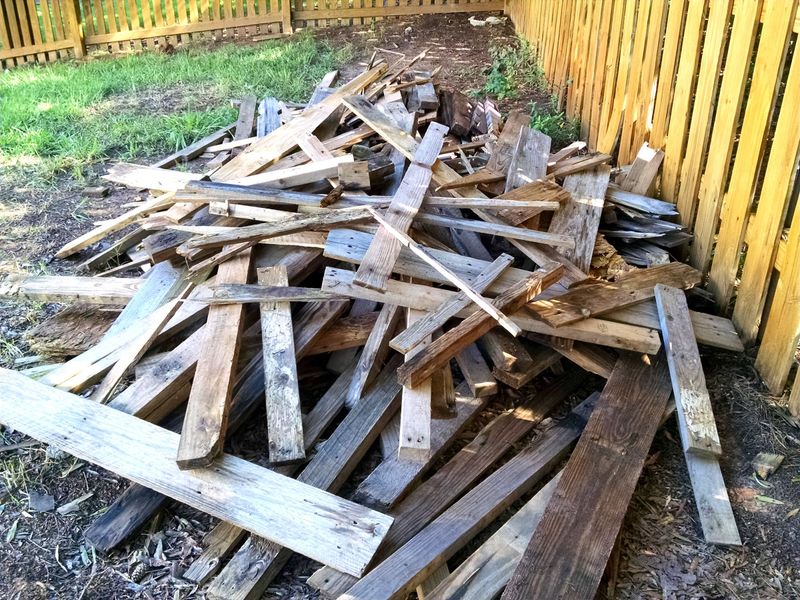
Most yards have a corner where things accumulate quietly over the years.
Old fence boards, broken garden stakes, scrap lumber from a past project, forgotten brush piles, and weathered trellis pieces tend to gather behind sheds or along back fences where no one looks too often.
By May, that material is usually dry, often rotting, and ready to become a significant fuel source during a dry stretch or a cluttered hazard during hurricane season.
Sort through accumulated lumber and yard waste in early May while the weather is still manageable. Usable wood can be stored properly off the ground and away from structures.
Rotting or unnecessary material should be hauled to an approved disposal facility, scheduled for bulk pickup if your county offers it, or broken down and set out according to local yard-waste rules.
Rural properties and large lots are especially prone to hidden debris piles along back boundaries that homeowners forget about until fire or storm season. Avoid storing scrap wood under decks, against exterior walls, or beside propane tanks or gas meters.
Those locations concentrate dry fuel right next to ignition sources or structural vulnerabilities. Check with your local municipality or county waste management program before piling material at the curb.
Bulk pickup schedules vary across the state and some areas require advance scheduling.
Getting rid of old lumber and brush piles before June gives you a cleaner, safer yard heading into the most active weather months.
8. Clear Pine Needles From Roof Edges
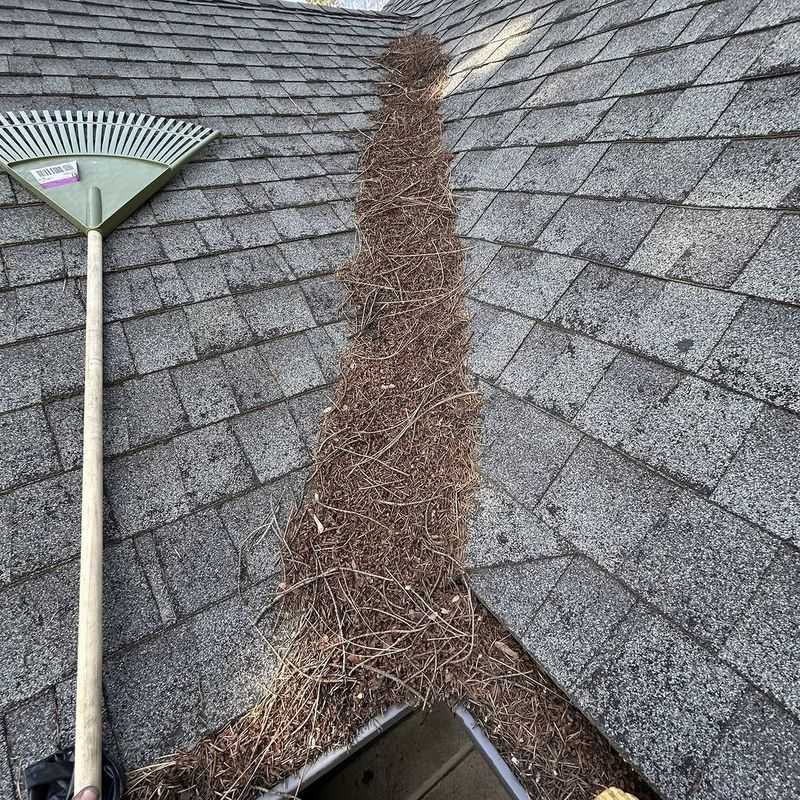
Pine needles have a talent for finding every flat surface near a roofline. Wind deposits them in roof valleys, along fascia edges, on top of screened enclosures, and across carport roofs, where they dry out quickly and sit undisturbed for weeks.
Neighborhoods near pine flatwoods, scrubby natural areas, or wooded lots may see fresh accumulation almost every week in May, making roof-edge cleanup an ongoing task rather than a one-time event.
Remove pine needles and dry debris from roof edges, valleys, and flat sections as safely as possible. A soft broom or roof rake can help you reach lower sections from the ground or a stable ladder.
Check screened enclosure roofs and carport overhangs as well, since those surfaces collect just as much material as the main roof but are often overlooked.
If needles are building up in roof valleys or hard-to-reach sections, hire a professional rather than attempting unsafe roof access.
In the northern and central parts of the state, homes surrounded by mature slash pines or longleaf pines typically see heavier needle buildup than properties farther south. Still, any home near a pine stand should plan for repeat checks throughout the dry season.
Avoid using a pressure washer on shingles to clear needles, since high-pressure water can lift shingle edges and void roofing warranties.
Clearing roofline debris in May reduces dry fuel at one of the most vulnerable spots on your home and sets you up for a safer storm season ahead.