Native North Carolina Flowers That Bring Cardinals To Your Yard All Season
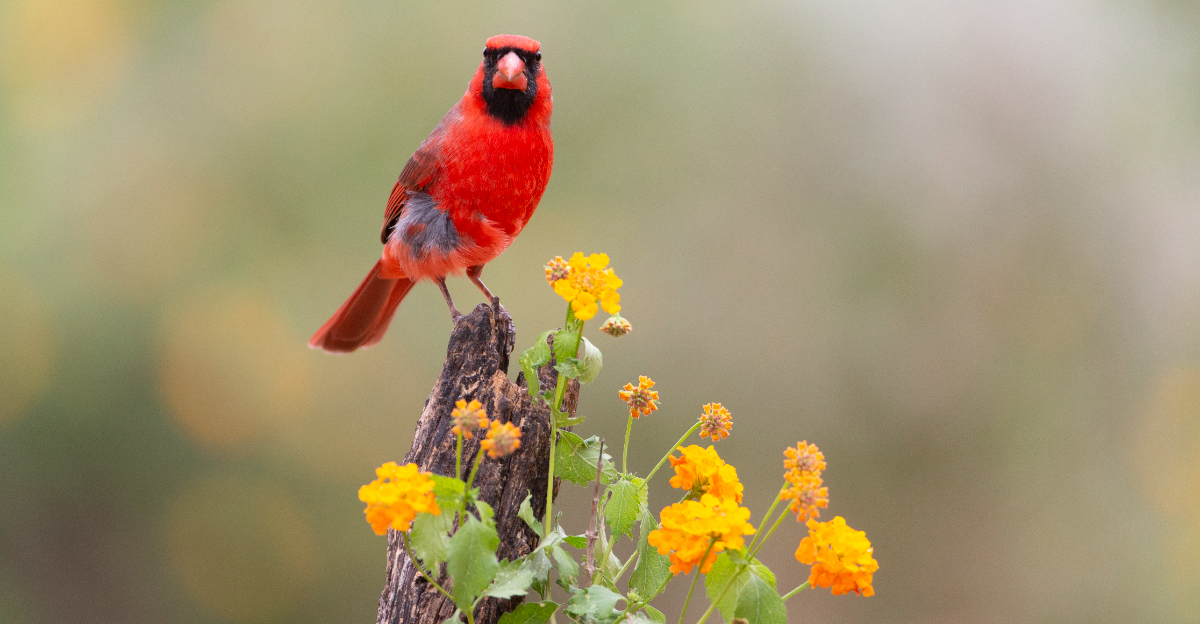
Cardinals are year-round residents in North Carolina, and the yards they keep coming back to have one thing in common. The right plants.
Feeders bring them in temporarily, but native flowers that produce seeds, attract insects, and offer reliable cover create a habitat cardinals actually choose to stay in. These birds are selective.
They notice which yards have food sources through winter, nesting material in spring, and dense cover during the hot summer months.
North Carolina has a strong lineup of native flowers that check every one of those boxes, and many of them are easy to grow, drought tolerant once established, and genuinely beautiful through multiple seasons.
The connection between native plantings and consistent cardinal activity is something North Carolina gardeners who have made the switch notice almost immediately.
Plant the right flowers and the birds find you. Here is exactly where to start.
1. Fire Pink Adds Brilliant Spring Color And Feeds The Insects Cardinals Hunt
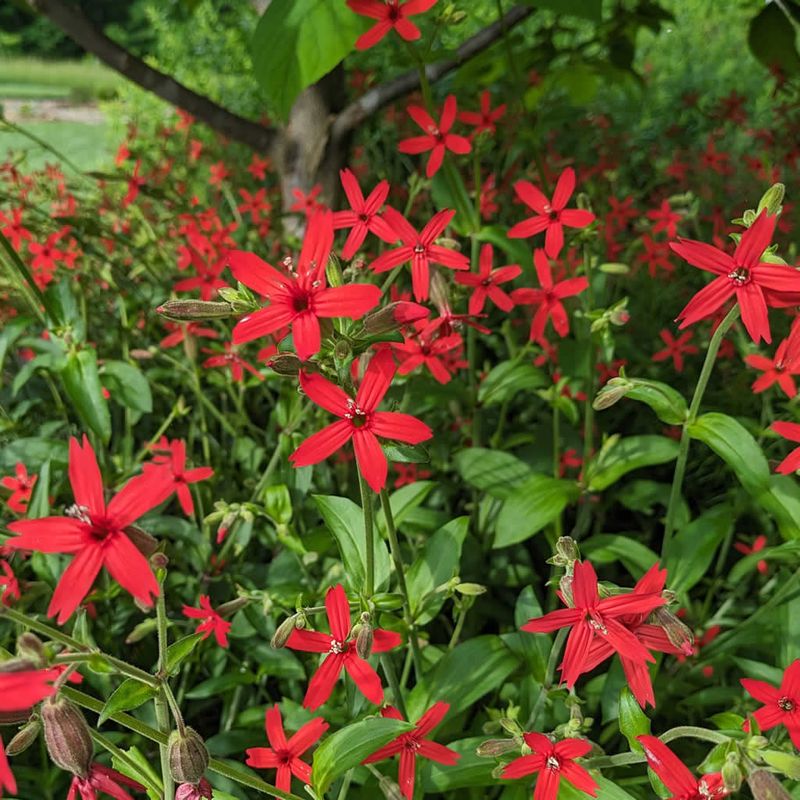
Few spring flowers stop people in their tracks quite like Fire Pink. Those blazing red, star-shaped blooms seem almost too vivid to be real, yet they appear reliably every spring across North Carolina woodland edges and shaded slopes.
Cardinals may not eat the seeds directly, but Fire Pink earns its place in a bird-friendly yard by attracting the small insects that parent cardinals feed to their young during nesting season.
Fire Pink thrives in part shade to bright woodland edges where the soil drains well. Rocky slopes, raised beds near tree lines, and shaded borders all work beautifully.
Rich, heavy clay soil holds too much water and causes problems, so amending with grit or planting on a slight slope helps the roots stay healthy through wet North Carolina springs.
Plant Fire Pink in spring after the last frost, spacing plants about twelve inches apart to give each one room to breathe. Water consistently during the first few weeks of establishment, then back off once roots settle in.
A light layer of leaf mulch around the base helps retain moisture without smothering the crown. Over time, Fire Pink will naturalize and slowly spread, filling shaded corners with brilliant red color just when cardinals are busiest raising their first brood of the season.
2. Wild Columbine Brings Early Flowers To Cardinal Friendly Shade Gardens
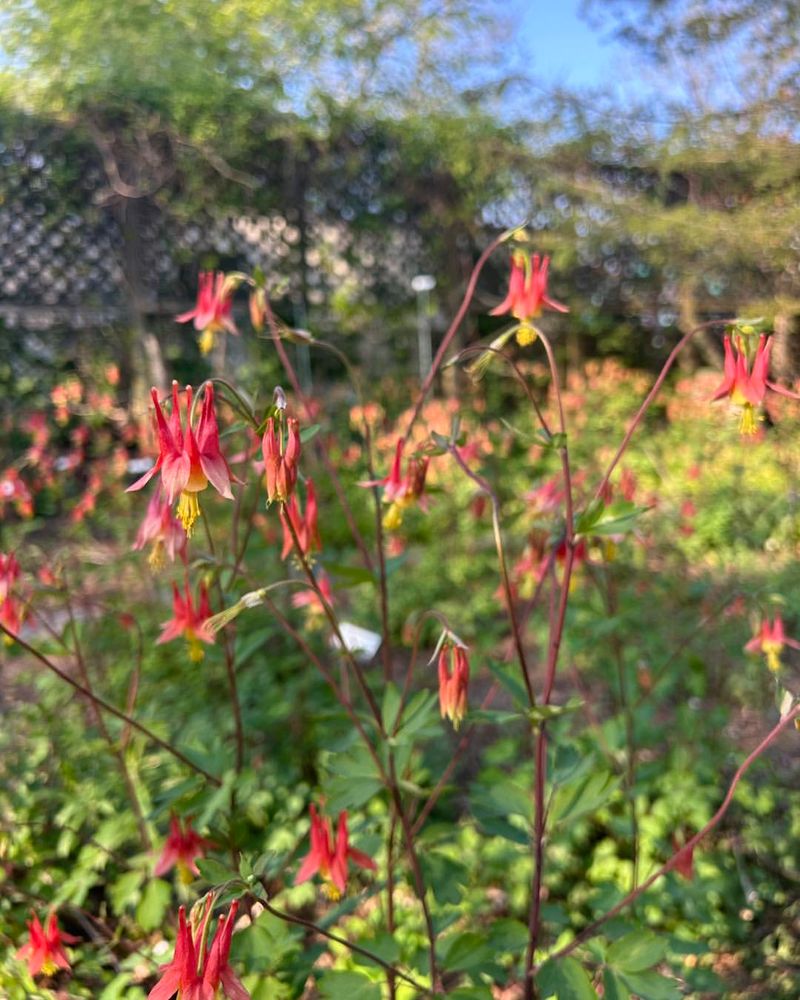
Wild Columbine has a look that feels almost magical. Its nodding red and yellow flowers dangle like tiny lanterns from slender stems, blooming earlier than most native perennials and giving your garden a head start on the season.
While cardinals are not heavy nectar feeders, the pollinators and insects drawn to Wild Columbine become an important food source for nesting birds during those busy spring weeks.
This plant genuinely loves shade. Woodland edges, shaded borders along fences, and naturalistic gardens beneath large trees are all ideal spots.
Wild Columbine handles rocky, dry soil surprisingly well, which makes it useful in areas where other plants struggle. Average to lean, well-drained soil suits it perfectly, and it does not need heavy fertilizing to perform well season after season.
Your North Carolina Garden Changes Every Week. Your Plan Should Too.
Gardening in North Carolina changes quickly throughout the season. Every Friday you’ll receive a simple weekly plan showing exactly what to plant, prune, fertilize, harvest, and protect so you never miss the right timing.
Spring planting works best, though fall planting is also successful in North Carolina. Space plants about twelve to fifteen inches apart and water regularly during the first month.
Once established, Wild Columbine becomes quite self-sufficient. One of its best qualities is its ability to reseed freely, gradually filling a shaded area with cheerful nodding blooms each spring.
After flowering, let a few seed heads mature and scatter naturally. Trim back the foliage in midsummer if it looks ragged, and fresh growth will often return before fall, keeping the garden looking lively.
3. Golden Alexander Starts The Season With Pollinator Rich Yellow Blooms
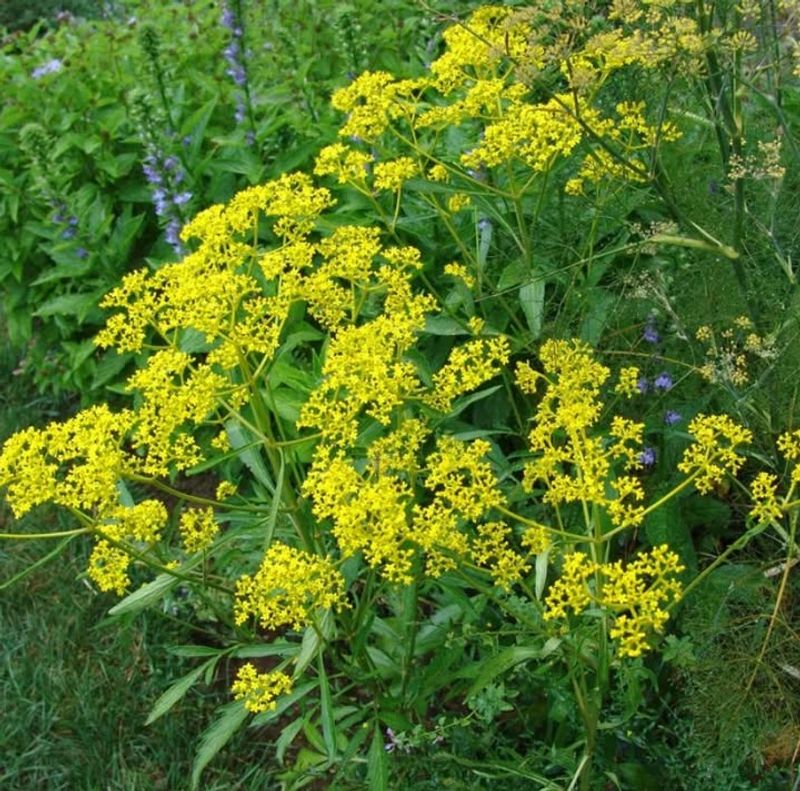
Golden Alexander is the kind of plant that earns its spot in a garden quietly but confidently. Its cheerful yellow flower clusters appear in mid to late spring, right when pollinators are waking up and cardinals are beginning to nest.
The blooms draw in small bees, flies, and beneficial insects in impressive numbers, and those insects become a reliable food source for cardinals raising their young nearby.
Sunny to partly shaded spots with average to moist soil suit Golden Alexander perfectly. It handles wet areas better than many natives, making it a smart choice near rain gardens, low spots in the yard, or along the edge of a naturalistic border.
The foliage stays attractive through the season even after blooming ends, adding structure and greenery to the garden bed through summer and into fall.
Plant Golden Alexander in spring, spacing plants about eighteen inches apart to allow good air circulation and room to fill in naturally. Water regularly during establishment, especially during dry spring stretches common across North Carolina.
Once settled, it becomes quite low maintenance and starts to form attractive clumps over time. In a layered native border, Golden Alexander works well as a mid-height plant behind shorter spring bloomers and in front of taller summer natives.
It blends beautifully with other natives and creates a welcoming, insect-rich habitat that benefits cardinals throughout the busiest weeks of the nesting season.
4. Partridge Pea Gives Cardinals Seeds After Its Yellow Flowers Fade
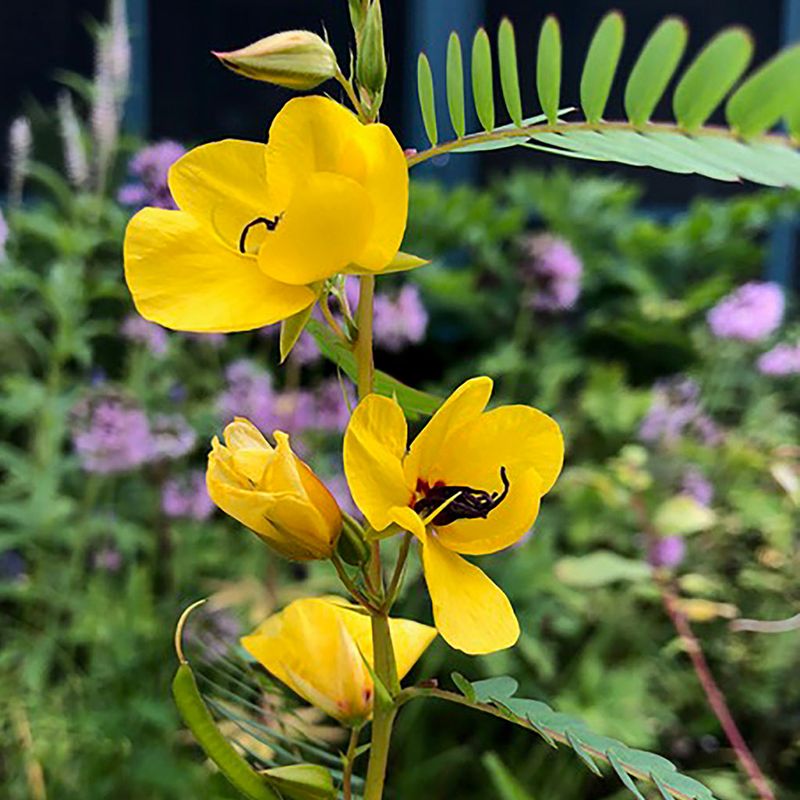
Partridge Pea is a hardworking annual wildflower that pulls double duty in a cardinal-friendly yard. First, its bright yellow summer flowers attract bumblebees and other pollinators in big numbers.
Then, as the season winds down, the plant produces slender seed pods packed with small seeds that seed-eating birds, including cardinals, actively seek out in late summer and fall.
Sandy, dry, or poor soil is actually where Partridge Pea thrives. It grows naturally along roadsides, open fields, and sunny disturbed areas across North Carolina, which means it asks very little from the gardener.
Rich, amended soil can cause it to grow too tall and floppy, so resist the urge to over-prepare the planting area. Full sun is a must for strong blooming and seed production.
Sow seeds directly in spring after the last frost date, scattering them thinly across a prepared sunny patch and pressing them lightly into the soil surface. Germination is reliable and growth is fast once warm weather arrives.
Space or thin plants to about twelve inches apart so each one gets enough light and airflow. The best part about Partridge Pea is that it reseeds generously, meaning once you plant it, it tends to return on its own each year.
Place it toward the back of a wildflower bed or along a sunny fence line where its casual, open shape looks natural and intentional rather than weedy.
5. Cardinal Flower Turns Moist Garden Spots Into A Late Summer Show
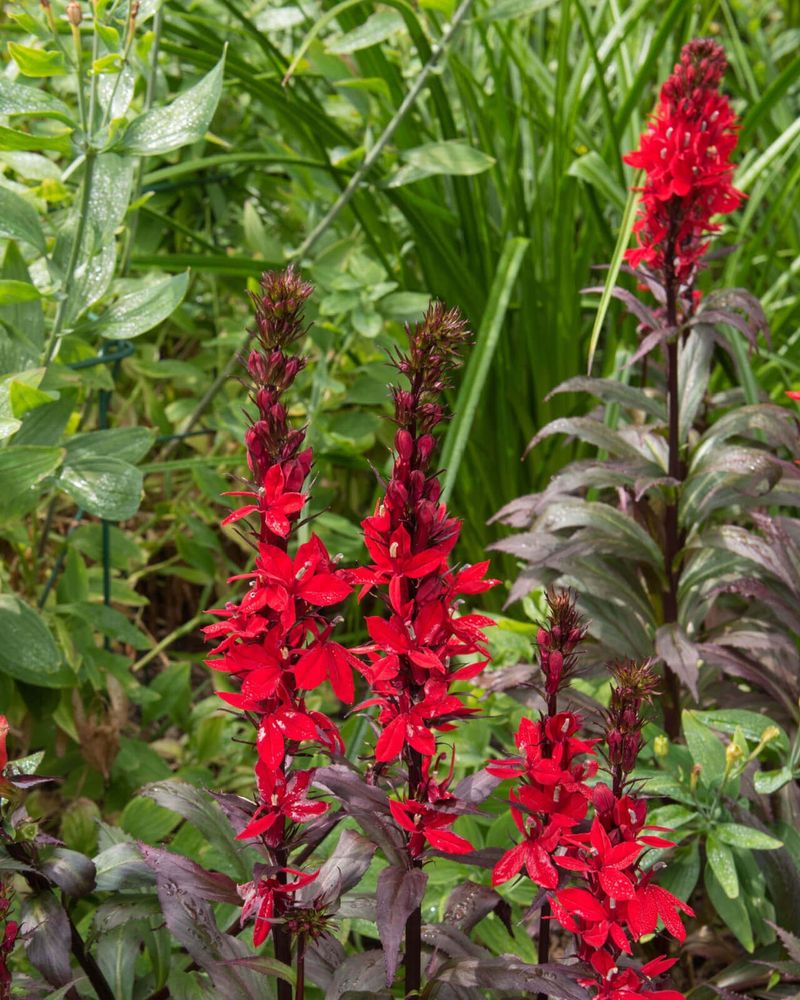
Named for its striking resemblance to a cardinal’s brilliant red plumage, Cardinal Flower is one of the most visually dramatic native plants you can grow in North Carolina.
Its tall, vivid red flower spikes shoot up in late summer just when many other plants are starting to slow down, turning damp garden corners into something truly spectacular.
Hummingbirds absolutely love it, and where hummingbirds and insects gather, cardinals are never far behind.
Consistent moisture is the key to growing Cardinal Flower well. It thrives near rain gardens, along stream edges, in low-lying damp borders, or anywhere the soil stays reliably moist through summer.
It handles full sun beautifully as long as the roots stay cool and wet. In drier spots, it struggles, so matching it with the right location makes all the difference in how well it performs season after season.
Plant Cardinal Flower in spring, giving each plant about twelve inches of space. A generous layer of mulch around the base helps lock in moisture and keeps roots cool during North Carolina’s intense summer heat.
Water deeply and regularly, especially during dry spells in July and August. Cardinal Flower is a short-lived perennial but reseeds readily, so allow a few spent flower heads to scatter naturally near the base of the plant.
New seedlings will fill in the space and keep the colony going strong for years to come.
6. Green Headed Coneflower Feeds Pollinators First And Birds Later
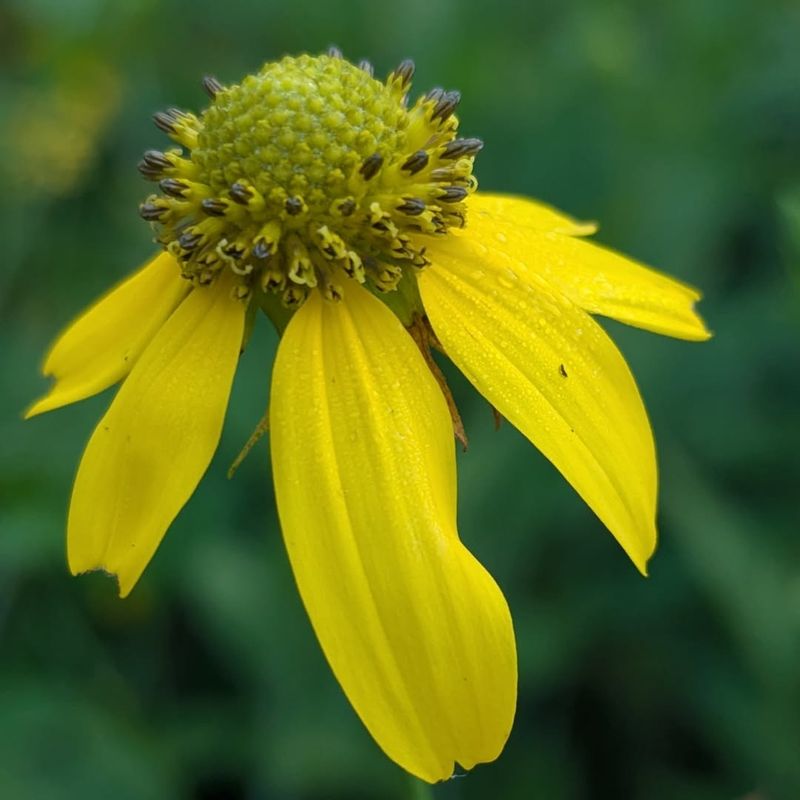
Green Headed Coneflower is one of the tallest native plants you can add to a North Carolina garden, and it earns every inch of that height.
Reaching six feet or more in good conditions, it produces cheerful yellow flowers with distinctive green centers from midsummer into early fall.
Those blooms are magnets for pollinators, and once the flowers fade, the seedheads become a valuable late-season food source for birds working through the garden.
Moist soil and full sun to part sun bring out the best in this bold native. It naturally grows along stream banks, forest edges, and wet meadows across North Carolina, so pairing it with similar moisture-loving plants creates a planting that looks cohesive and well planned.
In drier garden spots, it can struggle, so water consistently during dry summer stretches to keep it performing at its best.
Plant Green Headed Coneflower in spring, spacing plants at least two feet apart to account for their eventual size. Taller plants may need light staking in exposed or windy spots, though planting near a fence or shrub border often provides enough natural support.
Mulch the base well to retain moisture and reduce watering frequency. Leave the seedheads standing through fall and winter rather than cutting them back immediately.
Those seed-filled heads draw in finches, sparrows, and other birds, creating a lively late-season scene that keeps your yard active and interesting well past the main growing season.
7. New York Ironweed Adds Purple Color When Cardinals Need Late Season Habitat
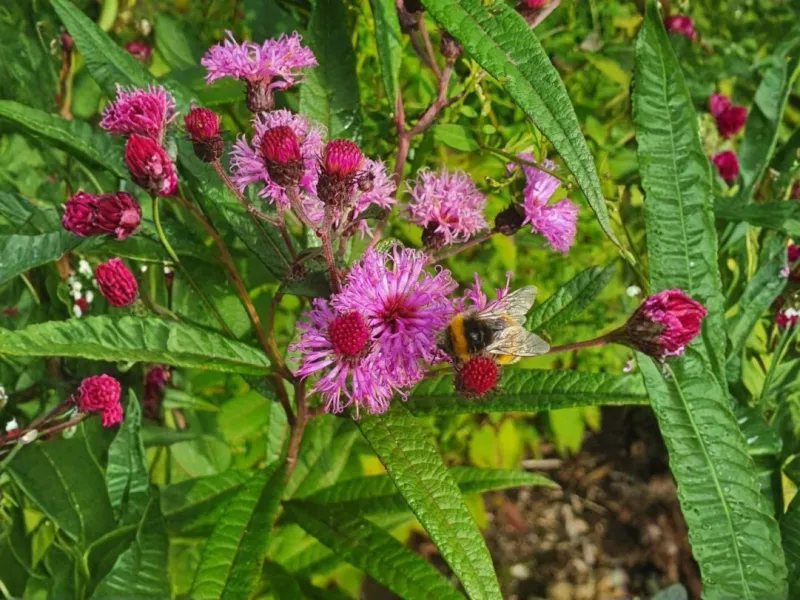
By late summer, a lot of gardens start looking a little tired. New York Ironweed refuses to follow that trend.
It bursts into bloom with deep, saturated purple flower clusters that look almost electric against the fading greens and yellows of late summer, arriving at exactly the right time to support butterflies, bees, and the insects that cardinals depend on.
Strong, upright stems are one of Ironweed’s most underrated qualities. They add real structure to a native border and provide cover and perching spots for birds moving through the yard.
Moist, sunny areas suit it best, and it handles wet soil conditions that would overwhelm many other plants.
In larger native borders or naturalistic meadow-style plantings, New York Ironweed creates a bold visual anchor that holds the garden together through the final weeks of the growing season.
Plant in spring after frost, spacing plants about two feet apart to allow for their eventual spread. Water regularly during establishment, especially through dry summer spells.
Ironweed can grow quite tall, sometimes reaching six feet, but you can manage height naturally by cutting stems back by about one third in early June.
This simple trick, often called the Chelsea chop, encourages branching and results in a slightly shorter, sturdier plant without weakening it.
Leave stems standing through winter to provide birds with shelter and add quiet structural interest to the garden.
8. Spotted Bee Balm Brings Unusual Flowers And Strong Native Garden Value
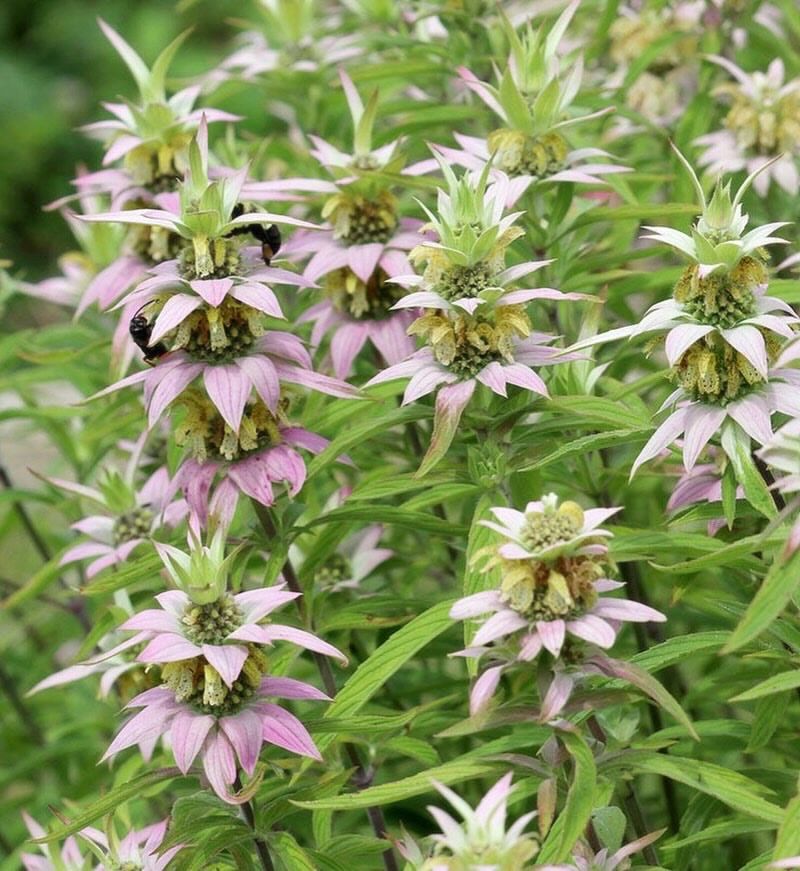
Spotted Bee Balm is genuinely one of the most interesting-looking native flowers growing in North Carolina.
Its blooms are stacked in layered whorls along upright stems, with spotted yellow and purple flowers surrounded by showy, pale pink or lavender bracts that make the whole plant look like something out of an exotic greenhouse.
Despite that dramatic appearance, it is surprisingly tough and thrives in conditions where showier plants struggle.
Full sun and excellent drainage are non-negotiable for Spotted Bee Balm. It naturally grows in dry, sandy, or lean soils across the coastal plain and piedmont regions of North Carolina, which makes it an ideal choice for hot, dry garden spots that other natives find challenging.
Rich, amended soil can actually cause problems by encouraging lush growth that is more prone to powdery mildew, so lean soil is genuinely the better option here.
Plant in spring after the last frost, spacing plants eighteen to twenty-four inches apart to allow for good airflow around each one. Adequate spacing is the single most effective way to keep powdery mildew from becoming an issue during humid North Carolina summers.
Water during establishment, then reduce irrigation once plants are settled in and growing strongly.
Spotted Bee Balm attracts an impressive variety of native bees and beneficial insects, which in turn supports the insect-rich environment that cardinals need during the height of the nesting and fledgling season.
9. Purple Passionflower Gives North Carolina Gardens Flowers, Cover, And Wildlife Value
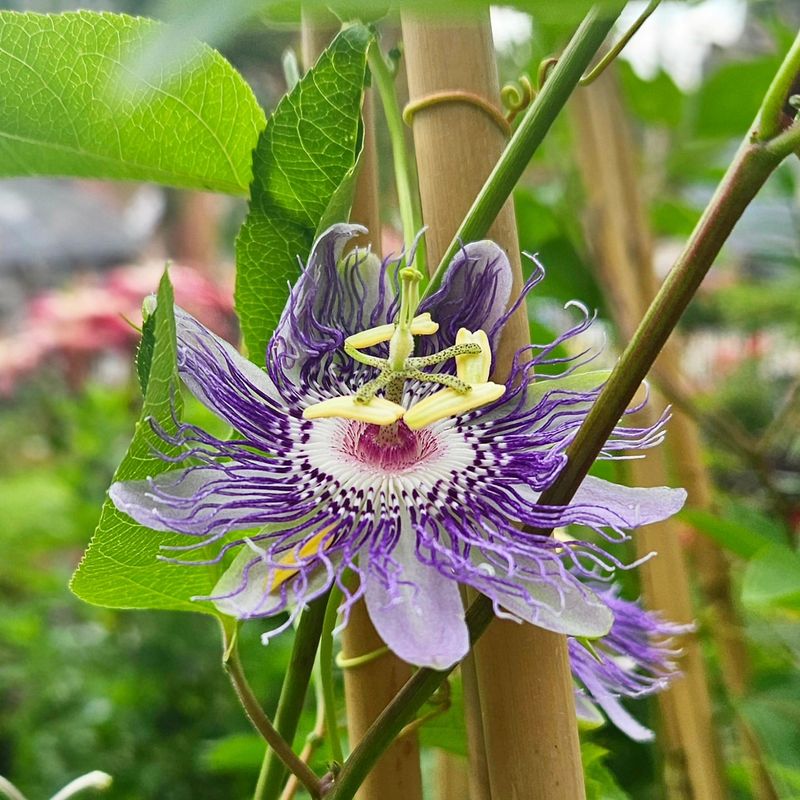
Purple Passionflower is the kind of plant that makes visitors stop and ask what it is.
The flowers are genuinely unlike anything else growing in a North Carolina garden, with intricate purple and white petals surrounding a fringed corona that looks like it belongs in a tropical rainforest.
Yet this exotic beauty is entirely native to North Carolina and incredibly well suited to local growing conditions once you give it the right spot.
Full sun and room to spread are the two things Purple Passionflower needs most. It grows as a vigorous climbing vine, reaching up to twenty feet in a single season under good conditions, so a sturdy trellis, fence, or arbor is important from the start.
The vines add excellent cover and structure to a yard, creating sheltered spots that cardinals and other birds use for perching, nesting, and moving through the garden safely.
Plant in spring after frost passes, and water consistently during the first growing season while roots establish.
Once settled, Purple Passionflower becomes quite drought tolerant and spreads readily through underground runners, so be prepared to manage its enthusiasm in smaller gardens.
The fruit that follows the flowers supports wildlife including songbirds and small mammals.
Pollinators visit the blooms in remarkable numbers throughout summer, building the kind of insect-rich environment that keeps cardinals active and well-fed across the entire growing season.
It is a genuine multi-season performer that rewards patient gardeners.
10. Joe Pye Weed Builds A Tall Summer Flowering Haven For Birds And Pollinators
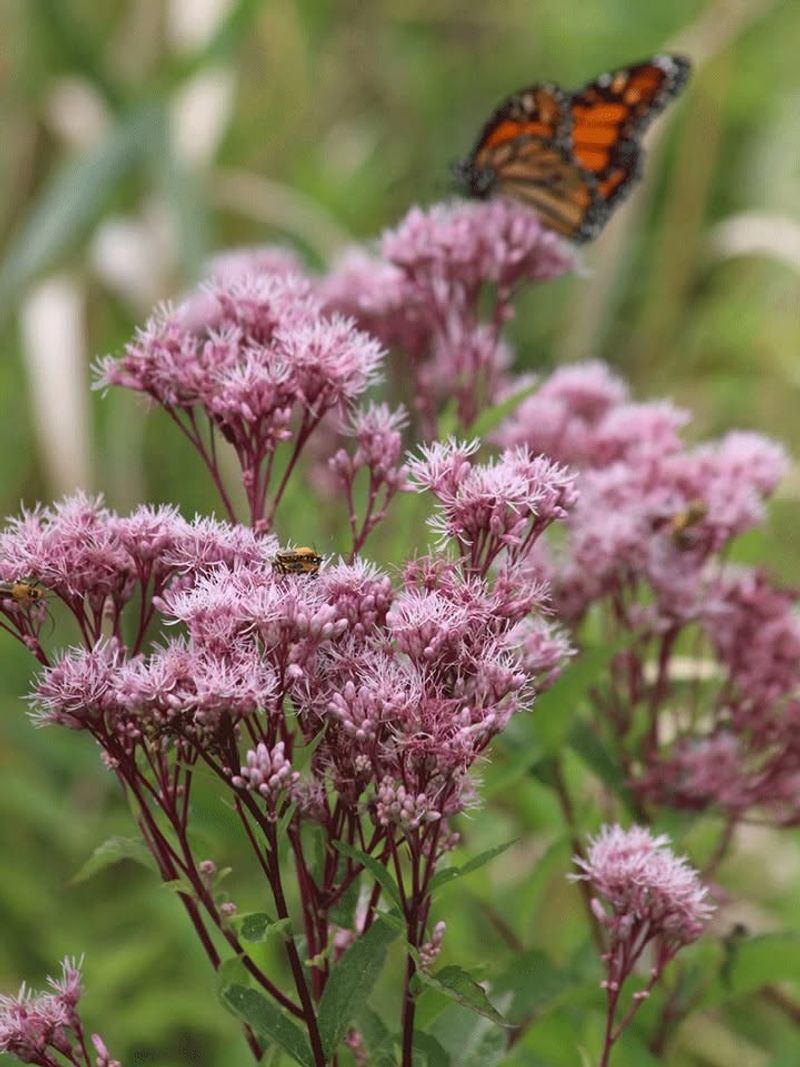
Joe Pye Weed is a native perennial that brings a real sense of abundance to a North Carolina garden. Its tall, arching stems topped with large, soft pinkish-purple flower clusters create a lush, full look that few other natives can match.
Butterflies, bees, and beneficial insects swarm the blooms from midsummer into early fall, and that consistent insect activity keeps cardinals and other songbirds returning to the garden day after day.
Moist, fertile soil and a spot with sun to part sun bring out the very best in Joe Pye Weed. It grows naturally along stream banks and woodland edges across North Carolina, so it fits naturally into rain gardens, wet borders, or low areas where moisture collects after rain.
The plant can reach six to eight feet tall at maturity, giving the garden real vertical presence and creating a sheltered, layered habitat that birds genuinely use for cover and foraging.
Plant in spring, spacing plants two to three feet apart to allow for their eventual spread. Mulch the base generously to hold moisture and keep roots cool during the hottest weeks of a North Carolina summer.
Water deeply and regularly until plants are well established, then maintain consistent irrigation during dry stretches in July and August. Leave the stems and seedheads standing through fall and winter.
That structure provides shelter, perching spots, and lingering seeds that support cardinals and other birds long after the last blooms of the season have faded.