These California Plants Crowd Out Weeds And Attract Pollinators At The Same Time
Weeds are a constant battle in California gardens, and pollinators are becoming harder to attract than they used to be.
Most gardeners treat these as two separate problems and spend twice the time and money trying to solve them. The good news is that certain plants handle both at once.
They spread low and thick enough to block weeds from getting the light they need, and they flower in ways that bring in bees, butterflies, and beneficial insects all season long.
California’s climate is actually ideal for this kind of planting strategy. The long warm season gives these plants time to establish, spread, and bloom without much help from you.
Less weeding, more wildlife, and a garden that looks intentional rather than neglected. Once these plants settle in, they do a lot of the hard work on their own.
1. California Poppy
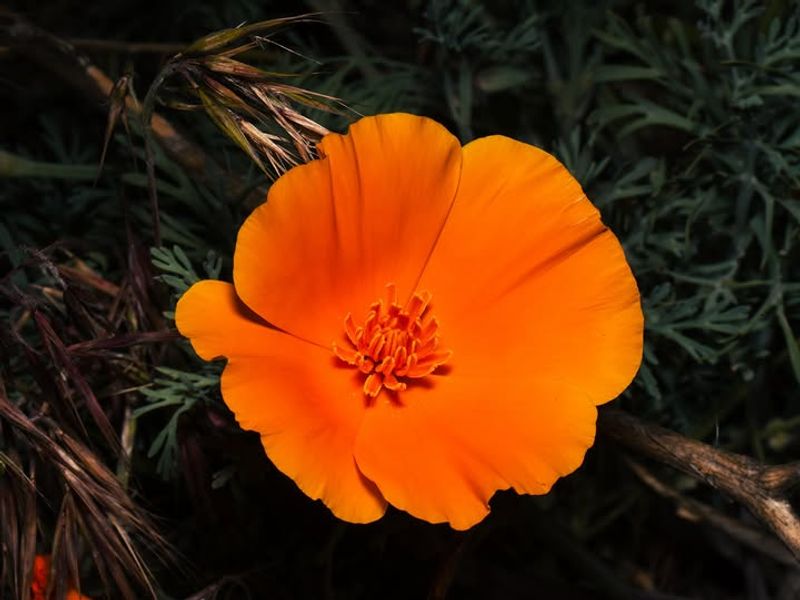
Few flowers capture the spirit of the state quite like the golden-orange poppy. It is the official state flower for a reason.
This cheerful bloom pops up in fields, hillsides, and home gardens with almost zero effort from the gardener.
California poppies grow in thick, feathery clumps that spread low to the ground. That dense growth makes it hard for weeds to find enough light or space to take hold.
Plant a patch of these and watch the weeds struggle to compete.
Bees and butterflies absolutely love poppies. The wide, open blooms make it easy for pollinators to land and feed.
Native bees in particular are drawn to the pollen-rich centers.
These plants are drought-tolerant, which makes them perfect for gardens that deal with dry summers. Once established, they basically take care of themselves.
You can scatter seeds in fall and expect bright blooms by spring.
They reseed naturally, so your garden keeps getting fresh plants every year without much work.
Just give them full sun and well-drained soil. It is one of the easiest ways to add color, beat weeds, and support pollinators all at once.
2. Creeping Sage
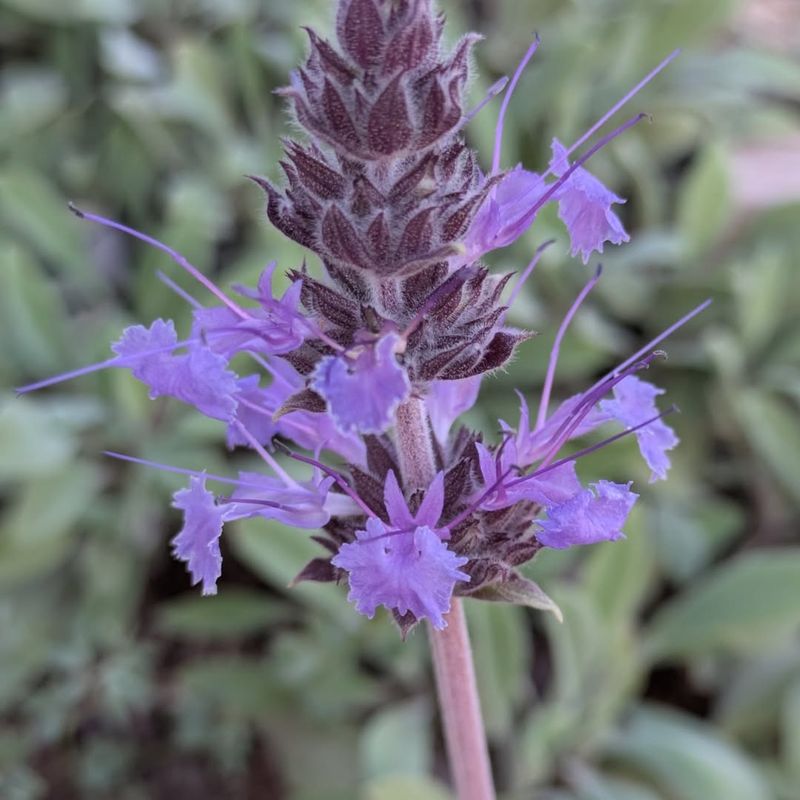
Not all sages grow tall and bushy. Creeping sage is a low-growing ground cover that hugs the earth and spreads outward in a wide, soft mat.
It is one of the most underrated plants for California gardens.
Because it spreads so close to the ground, it blocks sunlight from reaching weed seeds. No light means no germination.
That makes creeping sage a natural, chemical-free way to keep your garden beds clean and tidy.
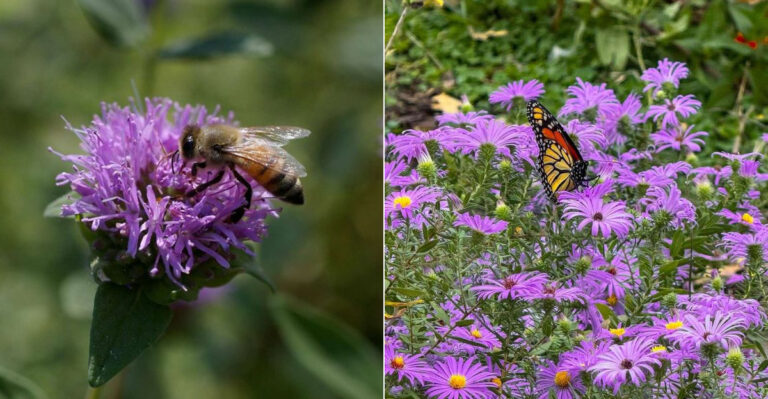
The small purple-blue flowers that appear in spring and summer are irresistible to bees. Hummingbirds also visit regularly, making this plant a lively hub of pollinator activity.
Even butterflies stop by when the blooms are at their peak.
Creeping sage handles dry conditions well, which is a huge bonus in a state like California where water conservation matters.
It thrives in full sun and rocky or sandy soil, making it great for slopes and areas where other plants struggle.
Maintenance is minimal. A light trim after flowering keeps it looking neat and encourages fresh growth.
Your California Garden Changes Every Week. Your Plan Should Too.
Gardening in California changes quickly throughout the season. Every Friday you’ll receive a simple weekly plan showing exactly what to plant, prune, fertilize, harvest, and protect so you never miss the right timing.
Pair it with taller native plants for a layered garden look that is both functional and eye-catching all season long.
3. Lippia
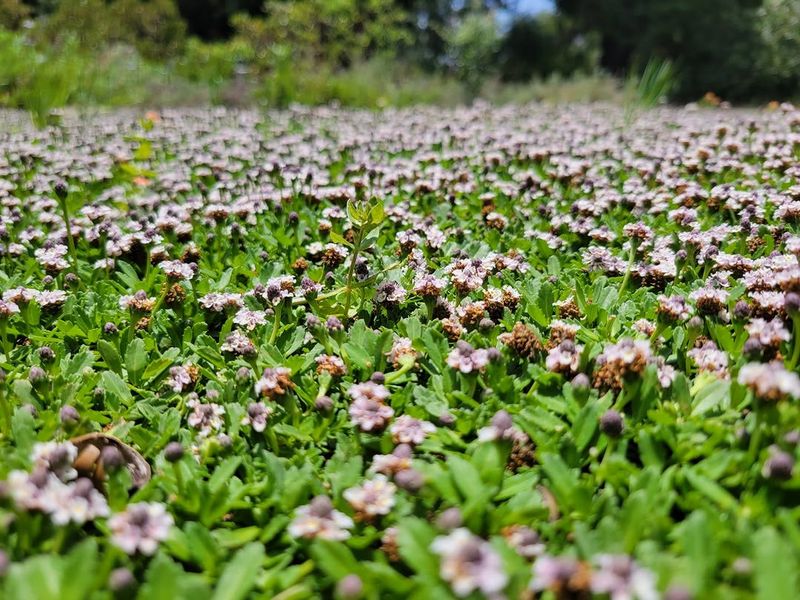
Here is a ground cover that earns its keep in every possible way. Lippia, also known as phyla or frog fruit, forms a thick, low carpet that smothers weeds before they even get a chance to grow.
It is tough, fast-spreading, and surprisingly beautiful up close.
The tiny white and lavender flowers may look delicate, but they are pollinator powerhouses. Bees swarm over Lippia patches in impressive numbers.
Butterflies, especially skippers and sulphurs, are also frequent visitors throughout the blooming season.
One of the best things about this plant is how well it handles foot traffic. You can walk on it without causing much damage.
That makes it a popular choice for replacing traditional lawns in water-conscious households.
Lippia stays green with very little water once it gets established. It spreads quickly by runners, filling in bare spots and leaving no room for weeds to sneak through.
In warmer regions, it may stay green year-round.
Plant it in full sun for the best results. It works especially well between stepping stones or along pathways.
The combination of weed suppression and pollinator support makes Lippia one of the hardest-working plants in any native garden.
4. Seaside Daisy
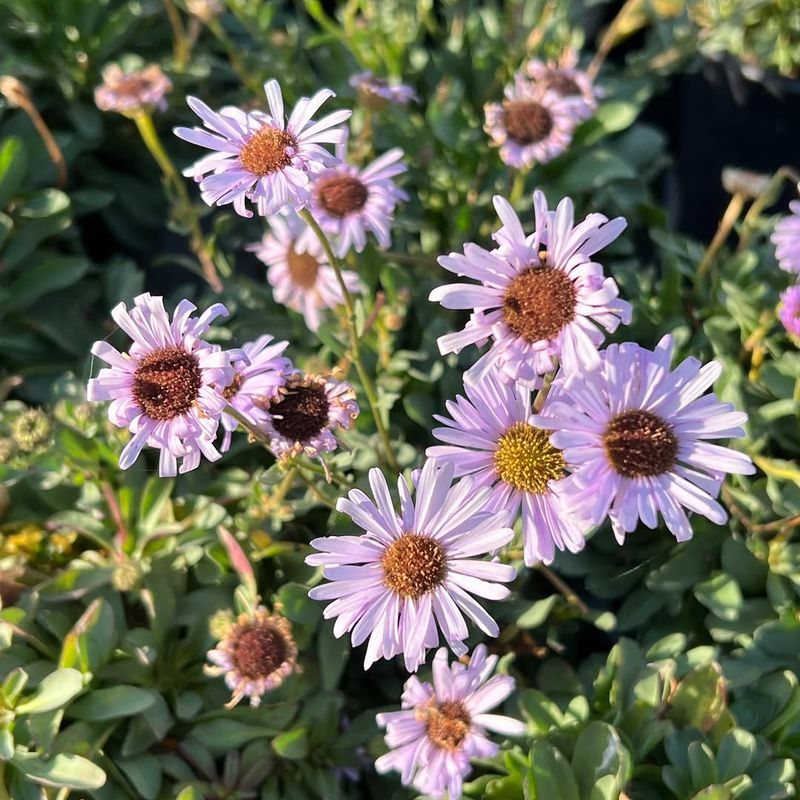
There is something undeniably cheerful about a plant that blooms almost nonstop. Seaside daisy does exactly that.
With its lavender-purple petals and bright yellow centers, it brings steady color to garden beds from late winter all the way through fall.
Native to the coast, this compact perennial forms dense, spreading mounds. Those thick mounds crowd out weeds naturally by covering the soil and leaving no open gaps.
Once established, it spreads steadily without becoming invasive or overwhelming other plants.
Pollinators flock to seaside daisy in large numbers. Bees love the easy-to-access flower centers, and butterflies often linger on the blooms for long stretches.
The long blooming season means pollinators have a reliable food source for many months.
This plant handles coastal conditions like salt spray and wind with ease. It also tolerates drought once rooted, which makes it a practical choice for low-water landscapes.
Full sun brings out the best blooms, but it can manage in partial shade too.
Trim it back lightly after heavy blooming periods to keep it tidy and encourage fresh flowers.
Seaside daisy pairs beautifully with grasses and other native perennials, creating a garden that looks naturally wild but stays surprisingly manageable all year long.
5. Blue Eyed Grass
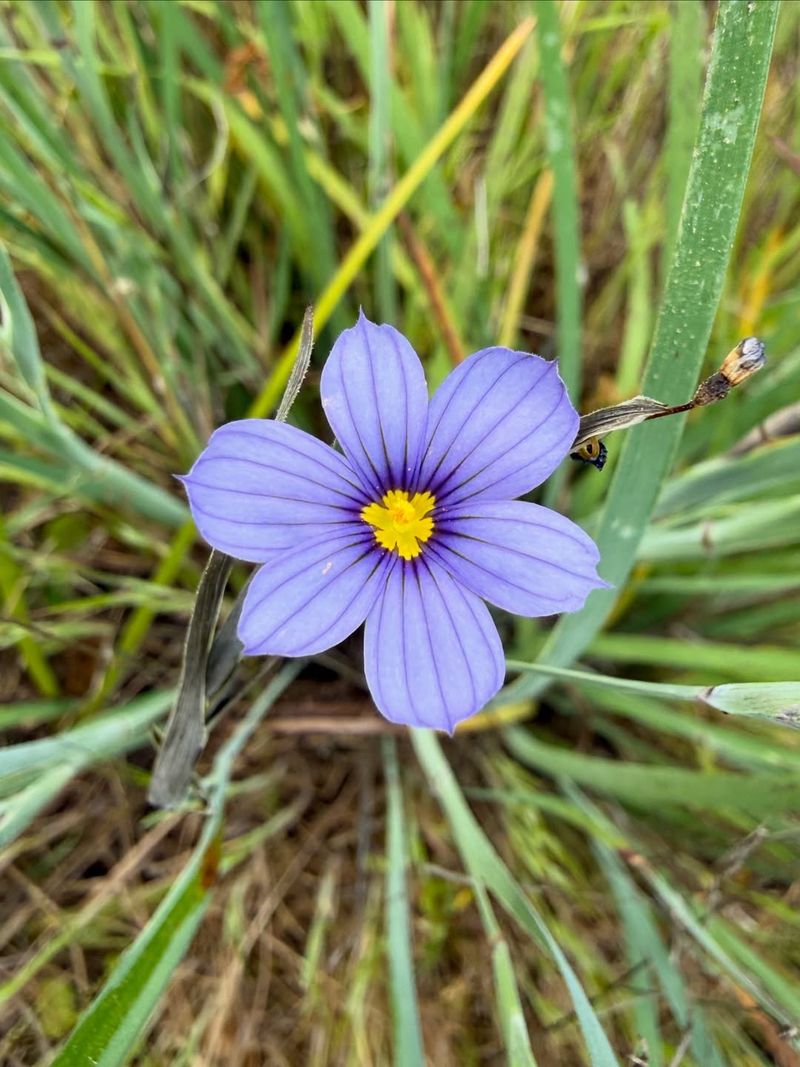
Do not let the name fool you. Blue eyed grass is not actually a grass at all.
It belongs to the iris family, and its tiny violet-blue flowers with bright yellow centers are some of the most charming blooms you will find in a garden.
The plant grows in neat, upright clumps that fill in garden spaces efficiently. Those clumps shade the soil below and make it difficult for weed seeds to sprout.
Over time, the spreading clumps help keep entire garden beds weed-free with very little intervention.
Small native bees are the biggest fans of blue eyed grass. The flowers are perfectly sized for these smaller pollinators, offering easy access to pollen and nectar.
Planting several clumps together creates a reliable feeding station for local bee populations.
This plant thrives in full sun to light shade and prefers well-drained soil. It handles dry seasons well once established.
You can find it growing naturally in meadows and open slopes throughout the state.
Blue eyed grass looks stunning when mixed with other low-growing natives like seaside daisy or California poppy. It adds a soft, meadow-like feel to any planting area.
Best of all, it reseeds gently, giving you more plants each year without turning aggressive or weedy.
6. Island Alum Root
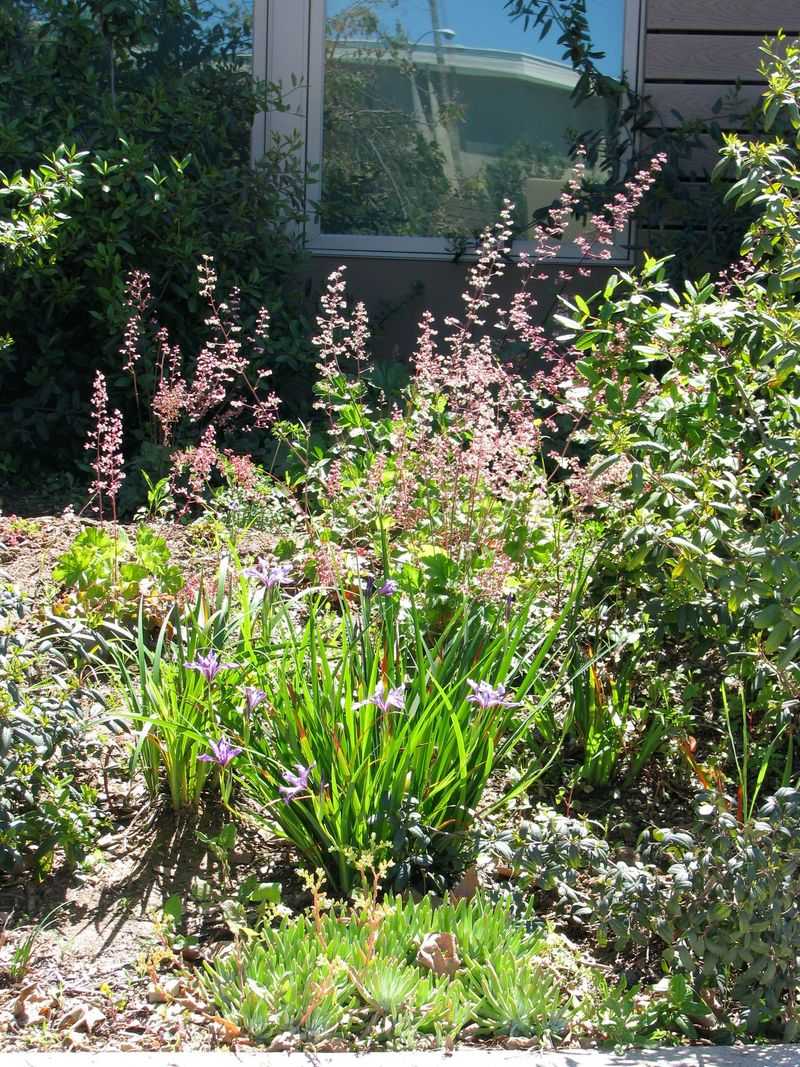
Shady spots in the garden can feel impossible to fill with something useful. Island alum root changes that completely.
Native to the Channel Islands off the coast, this perennial thrives in low-light conditions where most weed-suppressing plants struggle to survive.
The broad, rounded leaves form a dense, spreading rosette that covers the soil like a natural blanket. Weeds simply cannot push through that thick leaf cover.
It is one of the best choices for shaded beds under trees or along north-facing walls.
In spring, tall slender flower spikes rise above the foliage loaded with tiny white or pinkish blooms. Hummingbirds are especially drawn to these flowers.
Native bees and other small pollinators also visit regularly during the blooming period.
Island alum root is surprisingly drought-tolerant for a shade plant. Once established, it needs very little water, which fits perfectly with water-saving goals.
It also handles poor soil conditions without much complaint.
The foliage often takes on beautiful bronze and burgundy tones in cooler months, adding year-round visual interest.
Pair it with ferns or native grasses for a lush, layered look in shaded garden areas. It is a reliable, low-maintenance performer that earns its spot in any thoughtful garden.
7. California Buckwheat
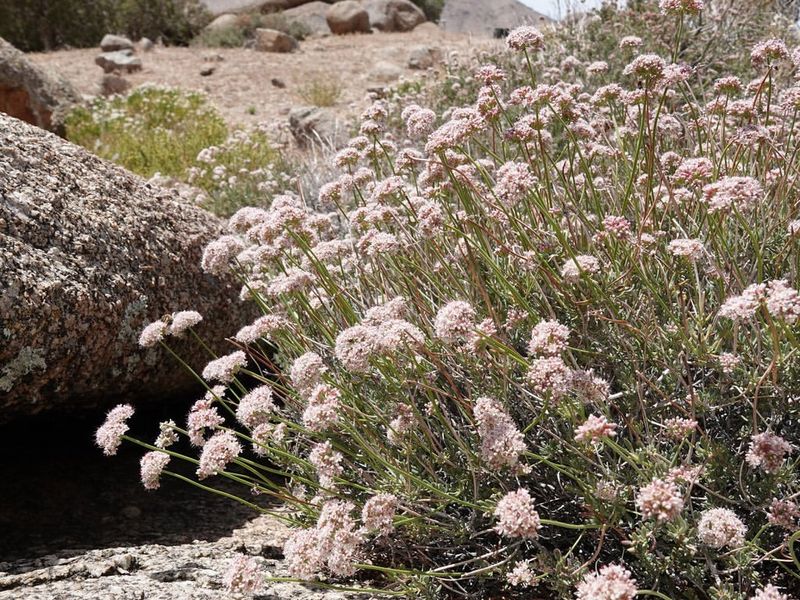
Ask any California native plant enthusiast which plant they could not live without, and many will say buckwheat without hesitating.
California buckwheat is a workhorse shrub that provides food for pollinators, structure for the garden, and fierce competition for weeds all at once.
The plant grows into a wide, bushy mound that shades a large area of soil. That canopy coverage makes it nearly impossible for weeds to establish underneath.
The dense branching also creates shelter for small insects and beneficial garden creatures.
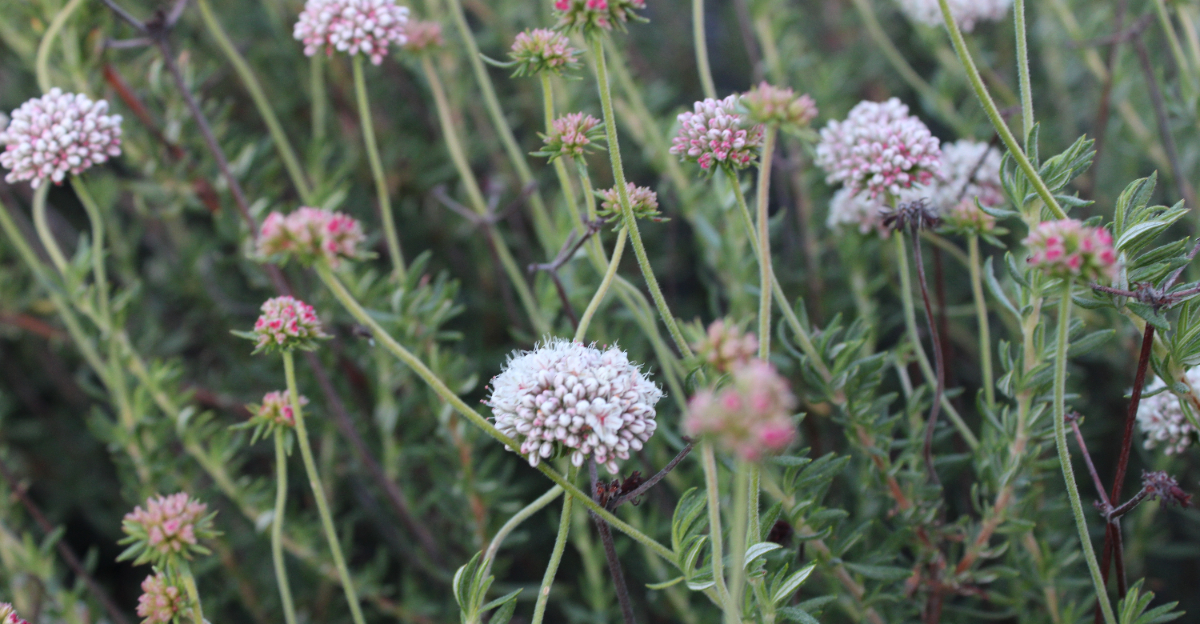
From late spring through summer, the shrub is absolutely covered in clusters of creamy white to pink flowers.
Those blooms attract an extraordinary variety of pollinators including bumblebees, honeybees, native bees, butterflies, and even beetles.
Few plants support as wide a range of pollinator species.
As summer fades, the flower clusters turn a rich rust-red color. This dried seed head stage is equally valuable because many birds feed on the seeds throughout fall and winter.
The plant keeps giving long after the blooms are gone.
California buckwheat is extremely drought-tolerant and thrives in poor, rocky, or sandy soils. It needs almost no supplemental water once established.
Plant it on slopes, in wild garden areas, or as a backdrop plant, and watch the wildlife activity multiply around it.
8. Woolly Bluecurls
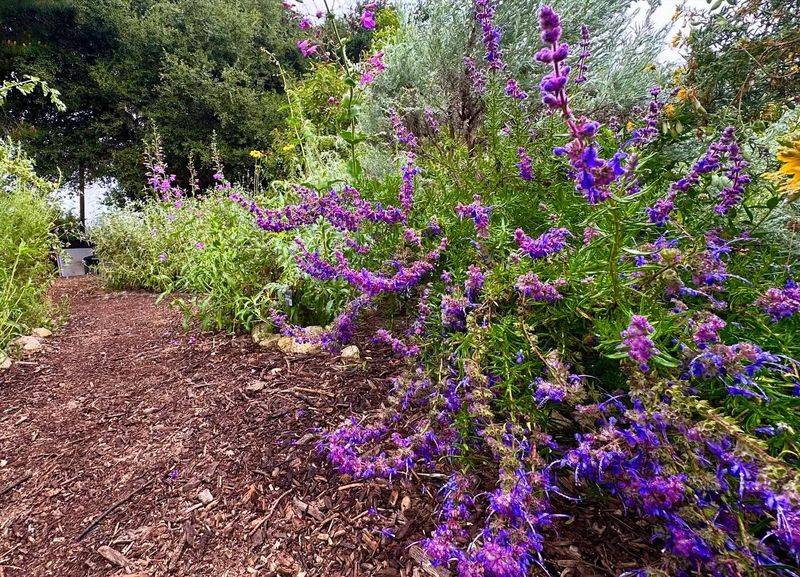
Few native plants stop people in their tracks quite like woolly bluecurls. The name alone sparks curiosity.
Up close, the plant is even more impressive with its vivid blue-purple tubular flowers, fuzzy silver-grey stems, and a scent that many describe as almost medicinal or minty.
The shrub grows in a dense, rounded form that covers a wide patch of ground. That spreading growth habit shades the soil beneath it and pushes out weeds naturally.
It is particularly effective on dry hillsides and slopes where weed pressure can be intense.
Hummingbirds are the most enthusiastic visitors to woolly bluecurls. The long tubular flowers are shaped almost perfectly for hummingbird feeding.
Bumblebees and large native bees also work the flowers heavily during the summer blooming season.
This plant is built for heat and drought. It thrives in full sun with excellent drainage and very little water.
Overwatering is actually one of the few things that can harm it, so less is truly more with this species.
The woolly, silver-toned foliage adds texture and contrast to garden beds even when the plant is not in bloom. It pairs beautifully with California buckwheat and other chaparral natives.
Together, these plants create a low-water, high-wildlife garden that feels wild, alive, and deeply rooted in California character.