How To Choose Between Pine Straw And Mulch For A Healthier North Carolina Garden
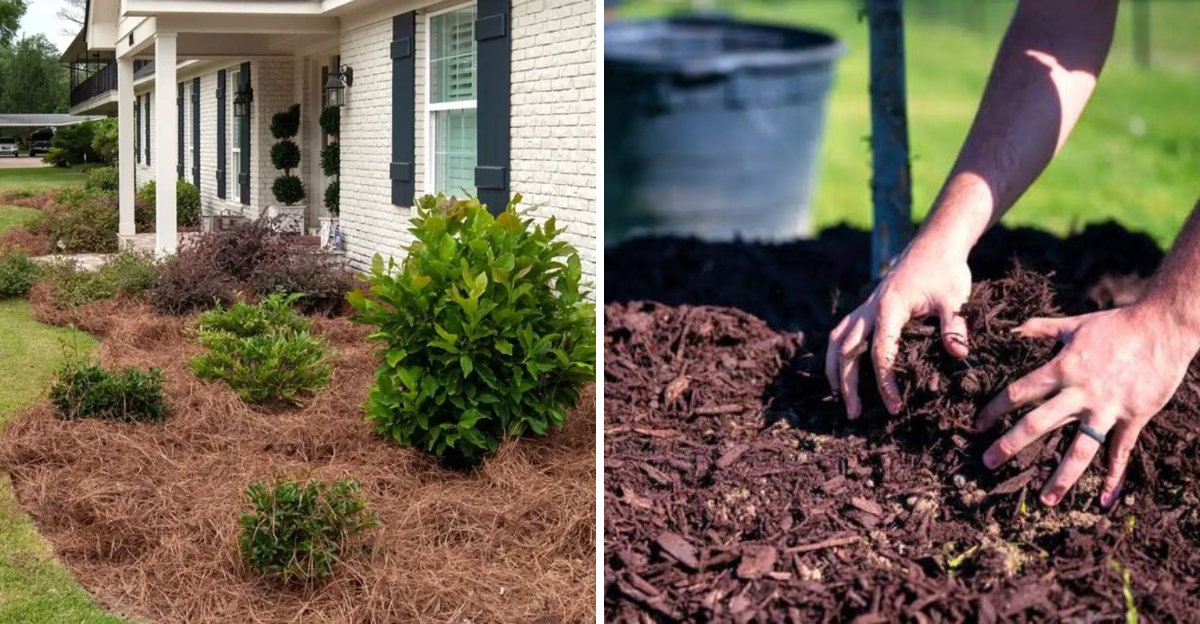
Walk into any North Carolina garden center in spring and you will find both pine straw and mulch stacked and ready to go.
Most gardeners grab whatever they used last year without giving the choice much thought. That habit might be costing them.
Pine straw and mulch behave differently in the soil, affect moisture retention in different ways, and suit different plants and garden situations.
North Carolina’s mix of clay soil, acidic ground in many areas, and humid summers makes this decision more meaningful than it would be in a more forgiving climate.
The right choice depends on what you are growing, where you are growing it, and what you are trying to accomplish in that specific bed.
Understanding the practical differences between the two makes it easy to choose confidently and get more out of whichever one you put down this season.
1. Pine Straw Works Especially Well In North Carolina’s Natural Landscape Style
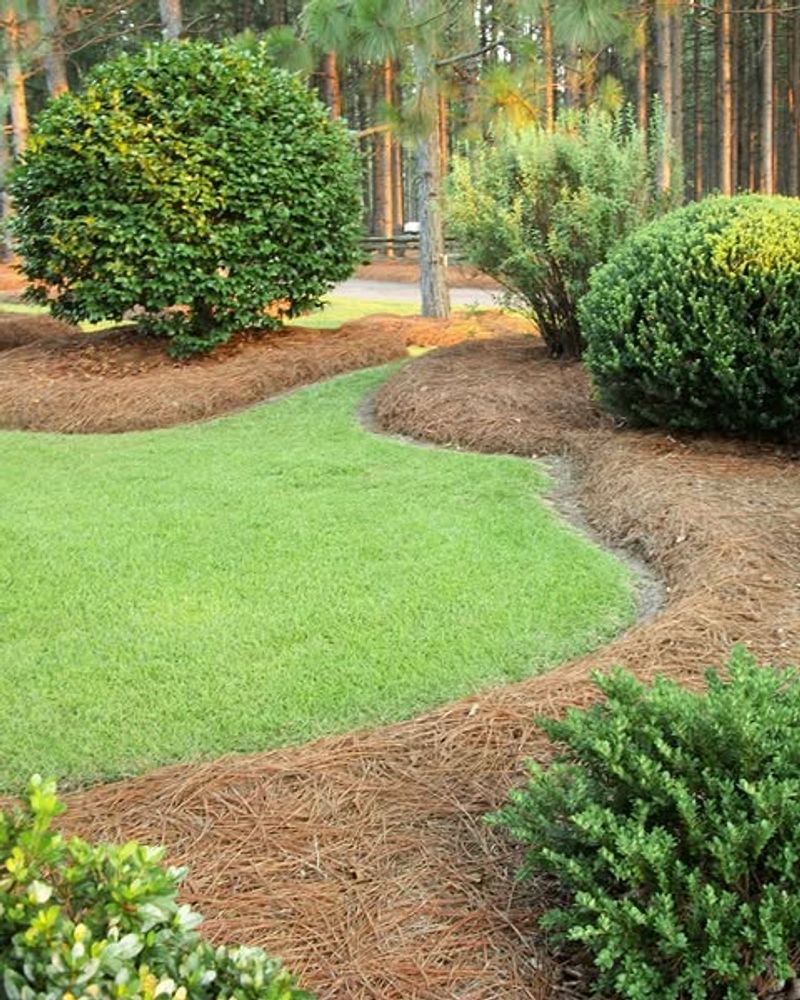
Walk through almost any North Carolina neighborhood in spring, and you will notice something familiar scattered beneath the trees and shrubs: a rich, reddish-brown layer of pine straw.
It blends so naturally into the Southern landscape that it almost looks like the forest floor itself. That is exactly why so many gardeners here keep coming back to it season after season.
Pine straw fits beautifully into woodland garden styles, native plantings, and the classic Southern landscape look.
Its light, airy texture settles gently around plant stems without smothering them, which is great for sensitive plants like hydrangeas and azaleas.
Unlike heavier materials, pine straw does not compact tightly over time, so water and air can still move through the layer and reach roots below.
Around shrubs and woodland perennials, pine straw creates a soft cushion that looks tidy while still feeling natural and relaxed. Spreading it two to three inches deep gives good coverage without blocking airflow.
Gardeners growing native plants like oakleaf hydrangea, native azaleas, and wild ginger find that pine straw matches the woodland floor conditions these plants already love.
Refreshing it once or twice a year keeps beds looking clean and well-maintained without a lot of extra effort or expense.
2. Hardwood Mulch Lasts Longer In Summer Rain
North Carolina summers are no joke. Between the long stretches of humidity and sudden heavy rainstorms rolling in from the coast or the mountains, your garden mulch takes a serious beating from June through September.
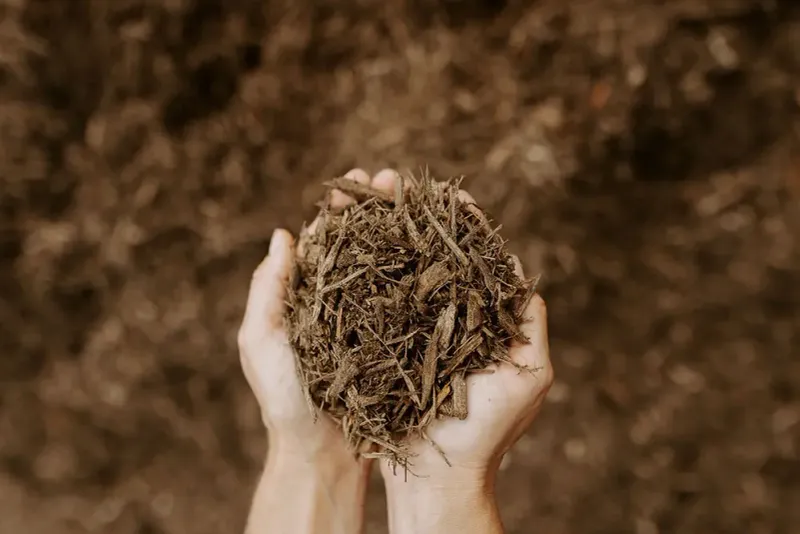
Hardwood mulch, made from shredded bark and wood chips, holds up to that punishment far better than lighter materials.
Shredded hardwood breaks down slowly, which means you are not constantly replacing it after every big storm.
It tends to knit together slightly as it settles, creating a surface that resists washing away even on sloped beds or foundation plantings.
Vegetable gardens surrounded by hardwood mulch also benefit from the slow breakdown because decomposing wood gradually feeds the soil below.
For most North Carolina gardens, a two to three inch layer of hardwood mulch is the sweet spot. Go much thicker and you risk trapping too much moisture around plant stems during humid spells.
Your North Carolina Garden Changes Every Week. Your Plan Should Too.
Gardening in North Carolina changes quickly throughout the season. Every Friday you’ll receive a simple weekly plan showing exactly what to plant, prune, fertilize, harvest, and protect so you never miss the right timing.
Most gardeners find that a fresh top-up once a year, usually in early spring or late fall, keeps beds looking sharp and functioning well.
On slopes, hardwood mulch outperforms many other options because its heavier weight and interlocking texture help it stay put through even the heaviest summer downpours.
Foundation beds especially benefit from this stability since shifting mulch can redirect water toward your home.
3. Pine Straw Helps Protect Soil During Heavy Rainstorms
Heavy rain hits fast in North Carolina. Whether you are gardening in the Blue Ridge Mountains, the rolling Piedmont, or along the sandy coastal plain, a sudden summer storm can wash loose topsoil away before you even realize what happened.
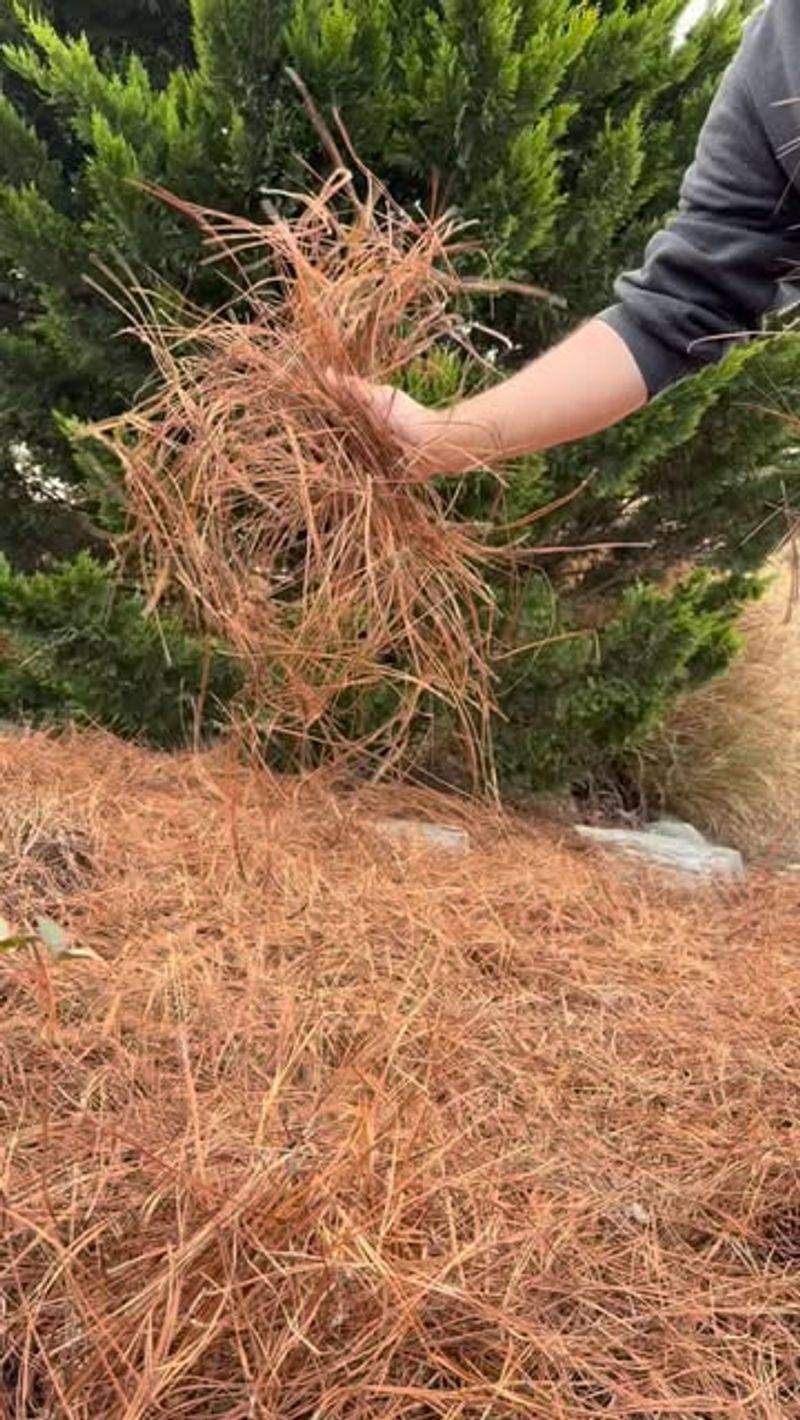
Pine straw offers a surprisingly effective shield against that kind of erosion. The secret is in the needles themselves.
They naturally interlock when spread across the ground, forming a flexible mat that bends with the force of rain rather than breaking apart and washing away.
On slopes, this interlocking quality makes pine straw one of the most reliable choices for keeping soil in place.
Unlike loose wood chips, which can float and shift during heavy rainfall, pine straw tends to hold its position even on steeper inclines.
Mountain gardeners dealing with steep terrain find pine straw especially useful around tree roots and along hillside planting beds.
In the Piedmont, it works well beneath established shrubs and around perennial borders where summer storms are frequent.
Coastal gardeners appreciate how pine straw stays lightweight enough to spread easily but still grips sandy soil better than bare ground.
Spreading pine straw two to three inches deep gives the best erosion protection without smothering plant roots.
Checking coverage after major storms and adding a thin refresh layer helps maintain steady protection throughout the rainy season.
4. Mulch Holds Moisture Longer During North Carolina Heat Waves
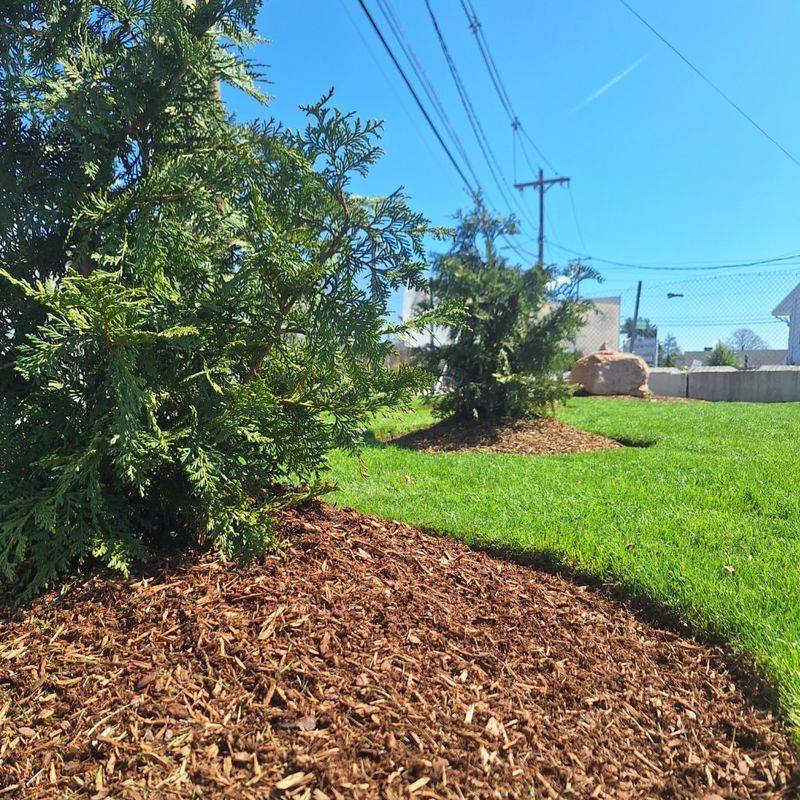
Summer heat in North Carolina can be relentless. Temperatures regularly climb into the upper nineties across the Piedmont and coastal regions, and the soil can dry out alarmingly fast without proper coverage.
Wood mulch acts like a blanket over your garden beds, slowing down evaporation and keeping that precious moisture locked in the ground where roots need it most.
Compared to pine straw, a well-applied layer of wood mulch typically holds soil moisture longer during sustained heat waves.
This matters most around water-loving plants like tomatoes, peppers, and hydrangeas that wilt quickly when soil dries out between waterings.
A two to three inch layer of wood mulch can reduce how often you need to water by a noticeable amount, which saves time and money during dry spells.
Clay soil, which is common across much of the Piedmont, actually benefits from mulch in two ways: it slows evaporation and reduces the hard surface cracking that happens when clay dries out too fast.
Sandy coastal soils drain so quickly that moisture retention becomes even more critical, making a generous mulch layer essential for keeping plants healthy through July and August.
Just be careful not to pile mulch directly against plant stems, since trapped moisture near the base of plants can cause fungal problems in humid conditions. Watering deeply before applying mulch gives roots the best start heading into hot weather.
5. Pine Straw Usually Improves Airflow Around Southern Plants
Humidity is practically a way of life in North Carolina from late spring through early fall.
That thick, sticky air creates the perfect conditions for fungal problems, root rot, and stem diseases, especially when moisture gets trapped right at the base of your plants.
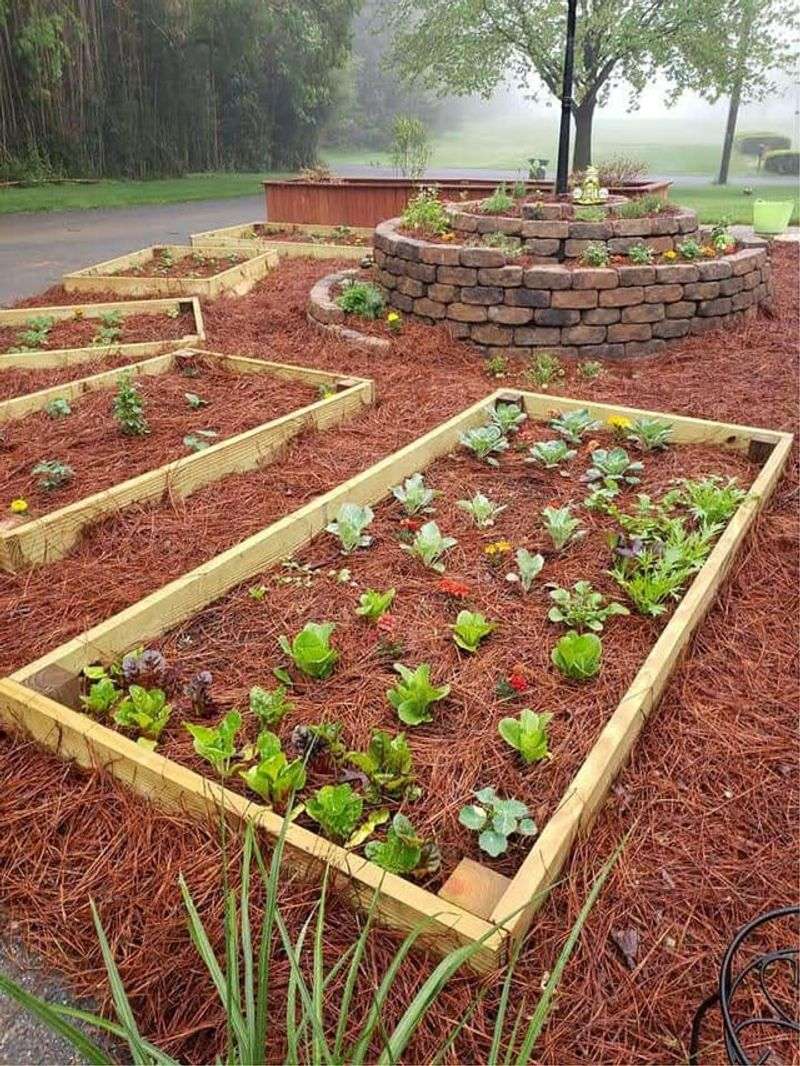
This is where pine straw quietly earns its reputation as one of the smartest mulching choices for humid Southern gardens.
Because pine needles are thin and light, they do not pack down into a dense, airtight layer the way some heavier mulches can.
Air still moves through the coverage, helping soil and plant stems dry out faster after rain or heavy dew.
For plants like roses, hydrangeas, and gardenias, which are already prone to fungal issues in humid weather, that extra airflow can make a real difference in overall plant health throughout the season.
Spreading pine straw loosely rather than pressing it firmly into place maximizes its natural airflow benefits.
A two-inch layer is usually enough to provide coverage while still keeping things light and breathable.
Gardeners who struggle with black spot on roses or powdery mildew on hydrangeas often notice improvement simply by switching from heavy mulch to a lighter pine straw layer.
Pulling pine straw slightly away from the main stem of each plant, leaving a small gap of an inch or two, gives stems room to breathe and helps prevent moisture-related problems from taking hold.
6. Hardwood Mulch Adds More Organic Matter Over Time
Good soil does not happen overnight. Building it takes patience, the right inputs, and a willingness to think long-term about what you put on top of your garden beds.
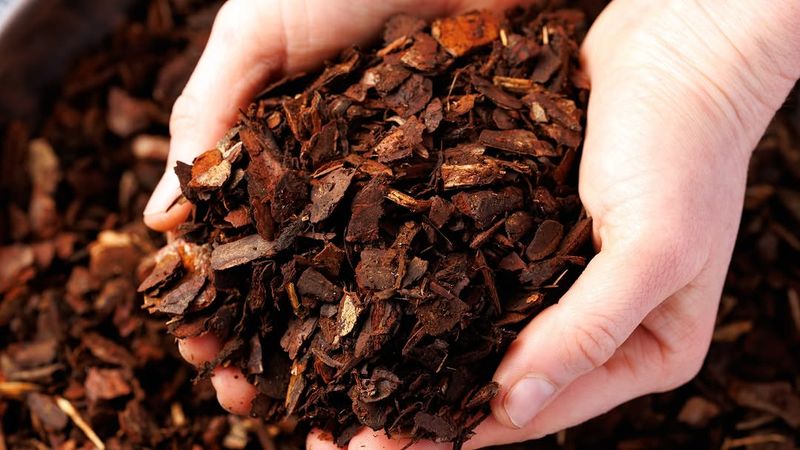
Hardwood mulch might look like a surface treatment, but over time it works quietly underground as well, breaking down into organic matter that genuinely improves your soil structure from the top down.
North Carolina’s Piedmont region is famous for its heavy red clay soil, which drains poorly and can be tough for plant roots to push through.
As hardwood mulch decomposes season after season, it introduces organic material that loosens compacted clay, improves drainage, and creates better conditions for earthworms and beneficial soil microbes.
That biological activity below the surface translates into healthier, more productive plants above it.
Pairing hardwood mulch with regular compost applications speeds up the soil improvement process considerably.
A layer of compost worked into the top few inches of soil, followed by a fresh mulch topping, creates a cycle of continuous improvement that rewards patient gardeners with noticeably richer soil within two to three growing seasons.
Shredded hardwood breaks down faster than chunky wood chips, so it contributes organic matter more quickly while still lasting through a full growing season.
For gardeners dealing with stubborn clay in the Piedmont or nutrient-poor sandy soil near the coast, hardwood mulch is one of the most practical long-term investments you can make in your garden.
7. Pine Straw Is Often Better Around Native Plants
Native plants are some of the most rewarding choices for North Carolina gardens, but they do have specific preferences about how they like to grow.
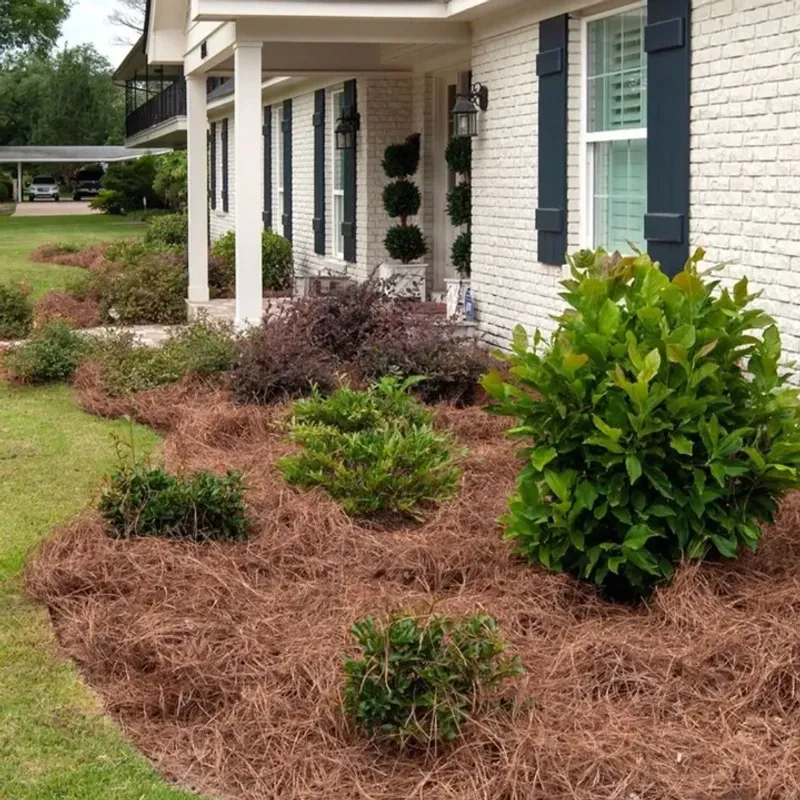
Many of the state’s most beloved native species, including wild azaleas, blueberries, ferns, and native gingers, naturally grow in woodland environments where the forest floor is covered in a deep layer of fallen pine needles.
Mimicking that environment in your garden gives these plants exactly the conditions they evolved to thrive in.
Pine straw naturally lowers soil pH as it breaks down, creating slightly acidic conditions that acid-loving natives absolutely prefer.
Blueberries, for example, need a soil pH between 4.5 and 5.5 to produce well, and pine straw helps maintain that range without the need for additional soil amendments.
Native azaleas and rhododendrons share similar preferences, making pine straw a natural fit for woodland garden beds throughout the state.
Spreading pine straw two to three inches deep around native plantings mimics the natural leaf and needle litter these plants grow with in the wild.
Refreshing it once a year in late fall or early spring keeps the coverage consistent without over-applying.
One practical tip worth remembering: avoid piling pine straw directly against the crown of plants.
Keeping a small gap around the base of each plant prevents moisture from sitting against stems during North Carolina’s long humid summers, protecting your natives season after season.
8. Thick Mulch Layers Can Cause Problems During Humid Summers
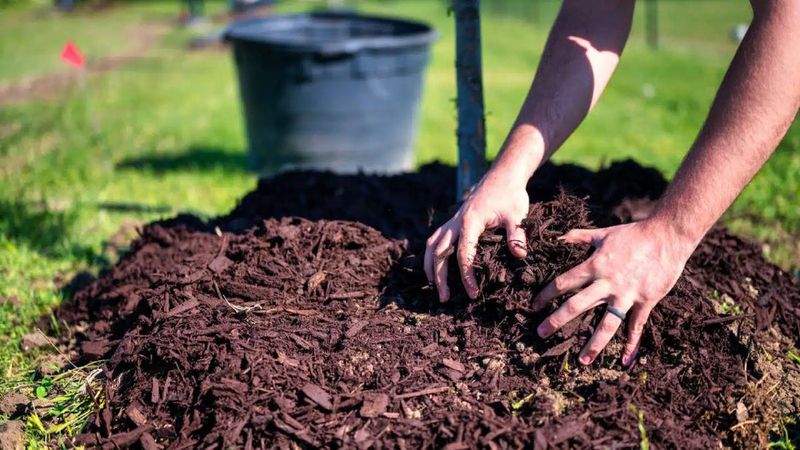
More is not always better when it comes to mulch. It is tempting to pile on an extra thick layer thinking it will protect plants better, especially heading into a hot North Carolina summer.
But overly deep mulch creates a set of problems that can actually harm the plants you are trying to protect, particularly during the long stretches of heat and humidity the state is known for.
When mulch builds up past four inches, it traps moisture at the base of plant stems and tree trunks for extended periods.
In humid conditions, that trapped moisture creates the perfect environment for fungal diseases, root rot, and insect pests to move in.
Trees are especially vulnerable when mulch is piled against their trunks in what gardeners sometimes call a mulch volcano.
That practice softens and damages bark over time, weakening the tree from the ground up. The right depth for most mulch applications in North Carolina is two to three inches.
Around shallow-rooted plants like azaleas and dogwoods, staying closer to two inches is the safer choice.
Vegetables and annual flowers do well with a lighter one to two inch layer that keeps soil cool without suffocating roots.
Always leave a clear gap of at least two to three inches between mulch and plant stems or tree trunks.
Checking your mulch depth each spring before adding fresh material prevents dangerous buildup from accumulating season after season.
9. Pine Straw Usually Costs Less In Many Parts Of North Carolina
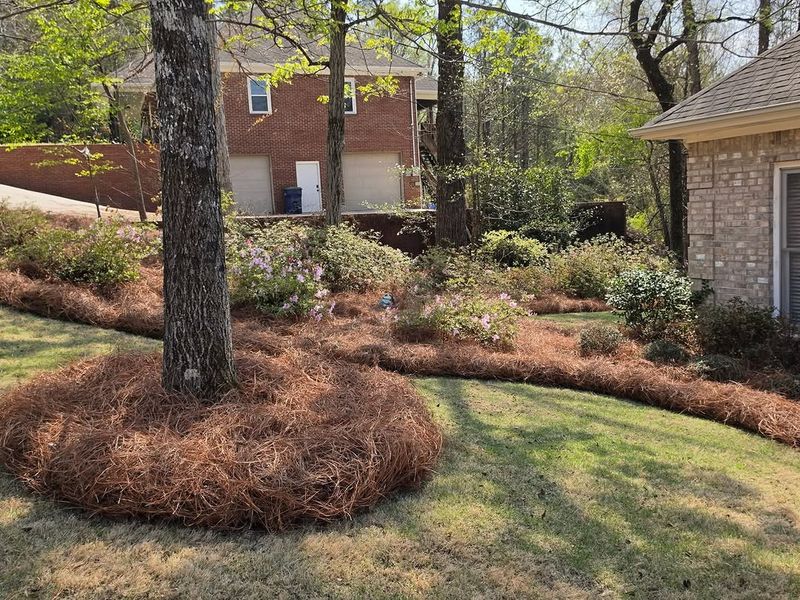
Budget matters in gardening, especially when you are covering large beds, long borders, or an entire front yard.
Pine straw has a well-earned reputation across North Carolina for being one of the most wallet-friendly mulching options available.
Its wide availability throughout the state makes it even more convenient for homeowners who want good results without overspending.
Across much of North Carolina, pine straw sells by the bale at garden centers, hardware stores, and roadside stands for a very reasonable price.
A single bale typically covers around 35 to 40 square feet at a proper two to three inch depth, making it easy to calculate how much you need before you buy.
Compared to bagged hardwood mulch or bulk wood chip deliveries, pine straw often comes out ahead on cost per square foot, especially for large landscape areas.
One honest consideration worth keeping in mind is that pine straw does break down faster than hardwood mulch, which means you will likely refresh it more often, usually once or twice a year rather than once.
Over a long period of time, that more frequent replacement can narrow the cost gap between pine straw and mulch.
Even so, many North Carolina homeowners find that the combination of lower upfront cost, easy availability, and simple application keeps pine straw the practical choice for large-scale landscaping.
Buying in bulk when prices are lowest, typically in late winter or early spring, stretches your garden budget even further.
10. The Best Choice Depends On Your Soil, Plants, And Garden Style
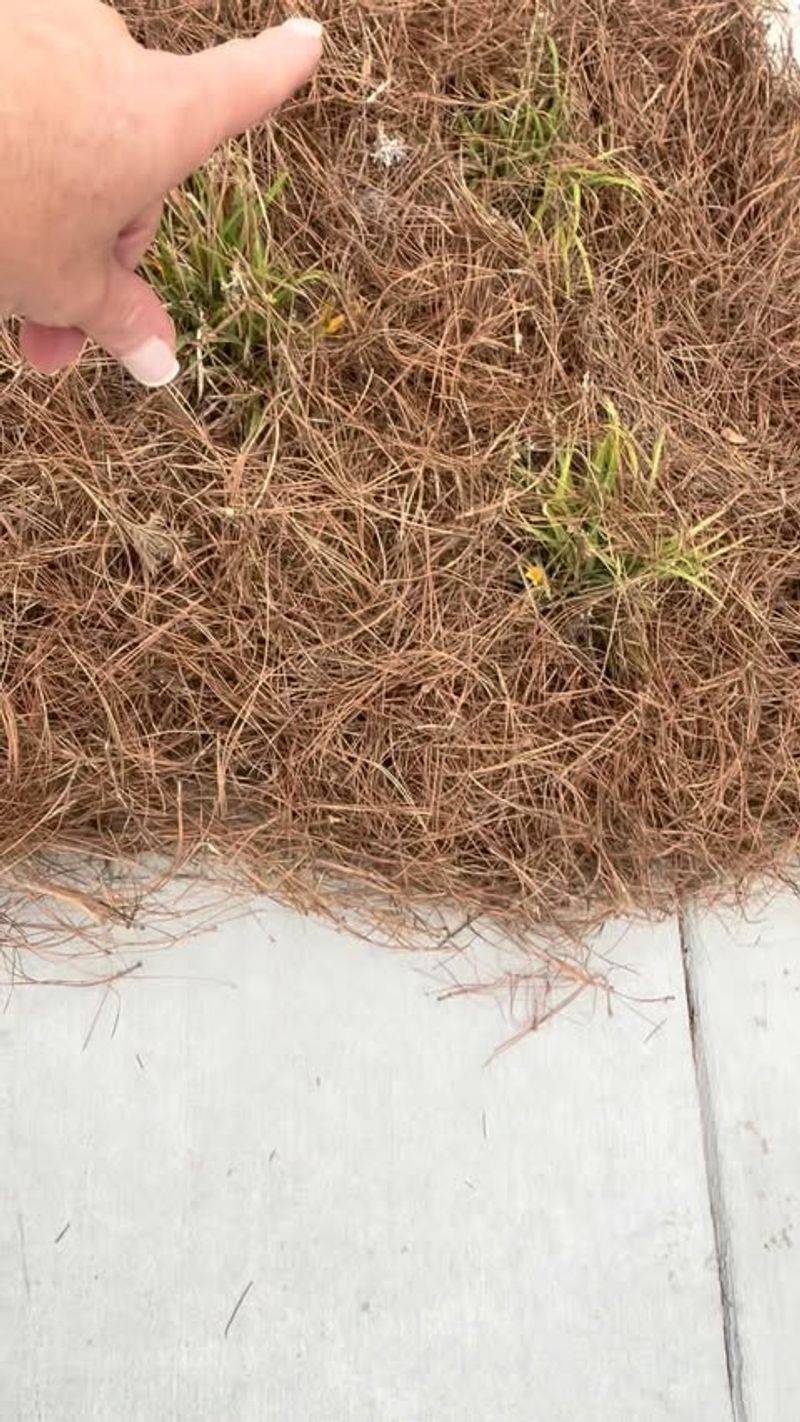
After weighing all the options, the honest answer is that neither pine straw nor mulch is universally better for every North Carolina garden.
The right choice comes down to what you are growing, where you are growing it, and what your specific yard conditions look like.
Fortunately, many gardeners find that using both materials in different parts of the yard gives them the best of both worlds.
Vegetable gardens and foundation plantings tend to perform well with hardwood mulch because of its moisture retention and long-lasting coverage.
Woodland beds, native plant gardens, and slopes often respond better to pine straw because of its light texture, natural appearance, and erosion-resistant qualities.
Coastal gardeners dealing with sandy, fast-draining soil may lean toward thicker wood mulch to hold moisture, while mountain gardeners might prefer pine straw for its natural fit with wooded surroundings.
Appearance also plays a role in the decision. Pine straw gives a relaxed, naturalistic feel that suits informal and woodland-style gardens beautifully.
Hardwood mulch offers a cleaner, more structured look that works well in formal beds and manicured landscapes.
Thinking about your overall garden style alongside your practical needs helps narrow the choice quickly.
Starting with one area, observing how your plants respond through a full growing season, and adjusting from there is the most reliable way to figure out which material your specific garden truly loves.