The Real Reason Indiana Yards Are Invaded By Moles Every Spring (And What Finally Stops Them)
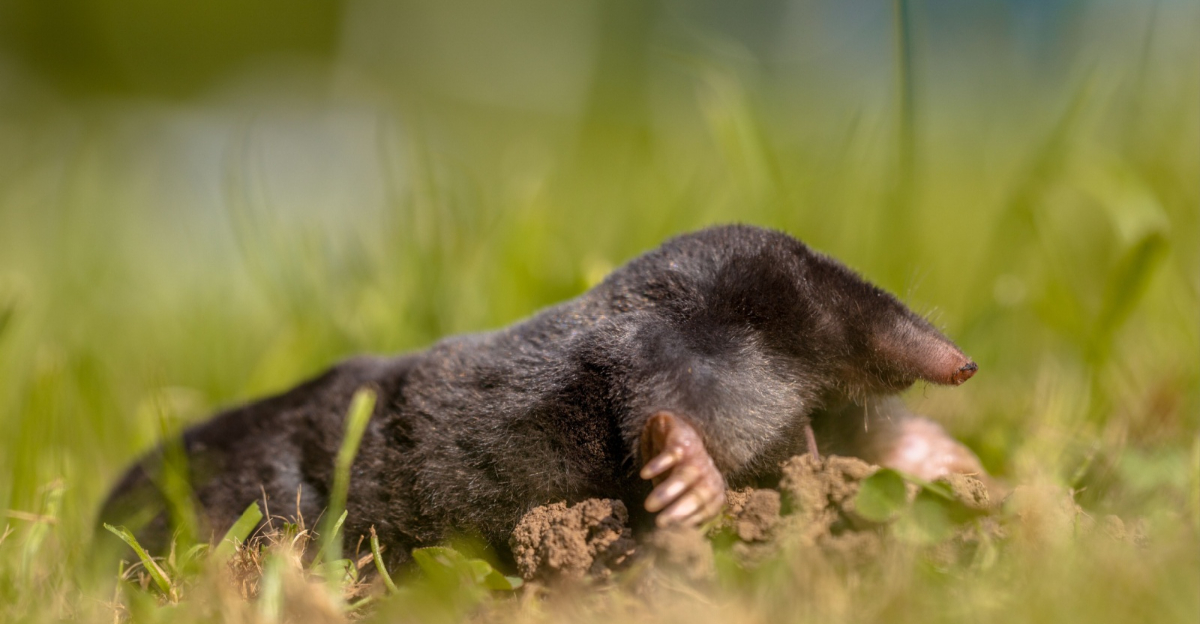
One morning you walk outside with your coffee, ready to enjoy your yard.
Instead, you find what looks like a tiny underground highway system tearing through your lawn.
Welcome to spring in Indiana.
Here’s the thing most people don’t know: moles aren’t targeting you personally.
They’re not malicious little creatures with a grudge against your grass.
They’re following food, and right now your yard has plenty of it.
Every spring, warming soil brings earthworms, grubs, and other soil prey closer to active tunnels.
Moles are just showing up for the meal.
The good news is you’re the one who controls the menu. The good news?
Once you understand exactly what’s drawing them in, you’re already halfway to solving the problem.
And the solution is a lot more straightforward than you’d think.
Let’s get into it.
Indiana’s Soil Wakes Up Every Spring And So Do The Moles
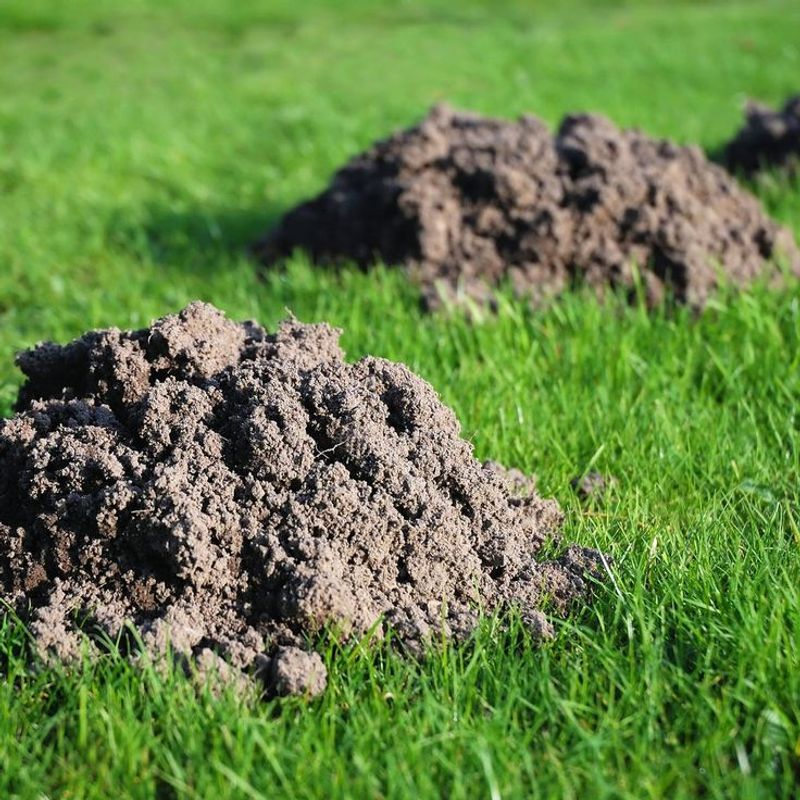
The ground thaws fast in the Midwest.
For moles, that’s their dinner bell.
As temperatures climb above freezing in March and April, Indiana’s clay-heavy soil softens from the top down.
That shift creates the perfect conditions for a creature that spends its entire life underground.
Moles are not hibernating animals.
They stay active all winter, but cold, hard ground slows their movement significantly.
Once spring arrives and the soil becomes workable again, they start tunneling at a frantic pace to find food.
Soft soil is easier to push through, which means moles can cover more ground with less effort.
A single mole can dig up to 15 feet of tunnel in just one hour when conditions are right.
Spring soil in Indiana gives them exactly the runway they need.
Understanding this seasonal trigger is the first step toward protecting your lawn.
Moles are not choosing your yard by accident.
Your soil just became the most inviting spot in the neighborhood.
Moles noticed before you did.
Grubs Are Among The Culprits
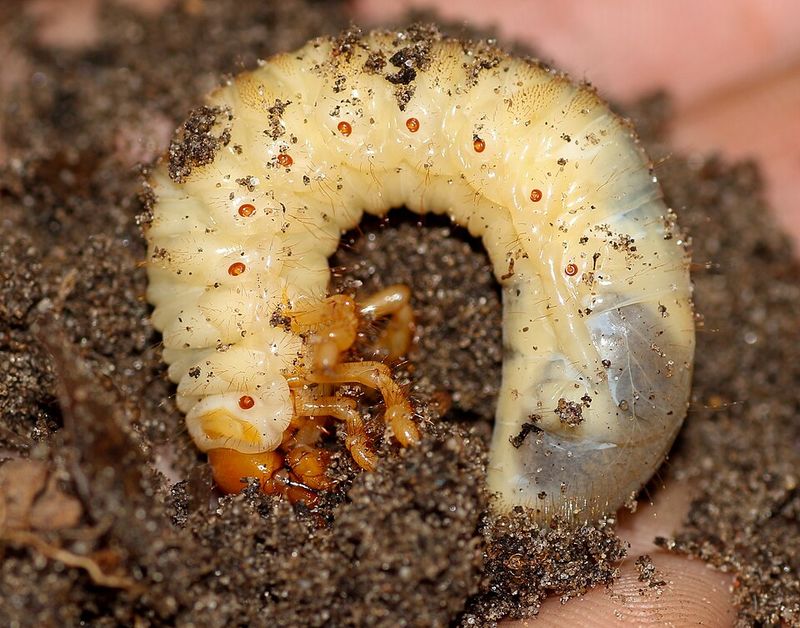
Pull back a patch of your lawn and you might find something unsettling: fat, white, C-shaped grubs wriggling in the dirt.
Grubs are the larvae of beetles like Japanese beetles and June bugs, and they live just a few inches underground.
They are one food source moles will eat.
Moles have an extraordinary sense of smell and can detect grub activity deep in the soil.
Where grubs are plentiful, moles follow without hesitation.
Treating confirmed grub problems may help lawn health.
Grub treatments applied in late summer target young larvae before they burrow deep for winter.
By spring, the population is already reduced, making your yard far less attractive to hungry moles.
Products containing imidacloprid or chlorantraniliprole are widely recommended by lawn care professionals for this purpose.
Biological options also work well.
Milky spore powder is a natural bacterium that targets Japanese beetle grubs specifically.
The first season is slow.
The second season, you’ll wonder why you didn’t do this sooner.
Your Indiana Garden Changes Every Week. Your Plan Should Too.
Gardening in Indiana changes quickly throughout the season. Every Friday you’ll receive a simple weekly plan showing exactly what to plant, prune, fertilize, harvest, and protect so you never miss the right timing.
Moles Follow The Food And Your Yard Is Full Of It
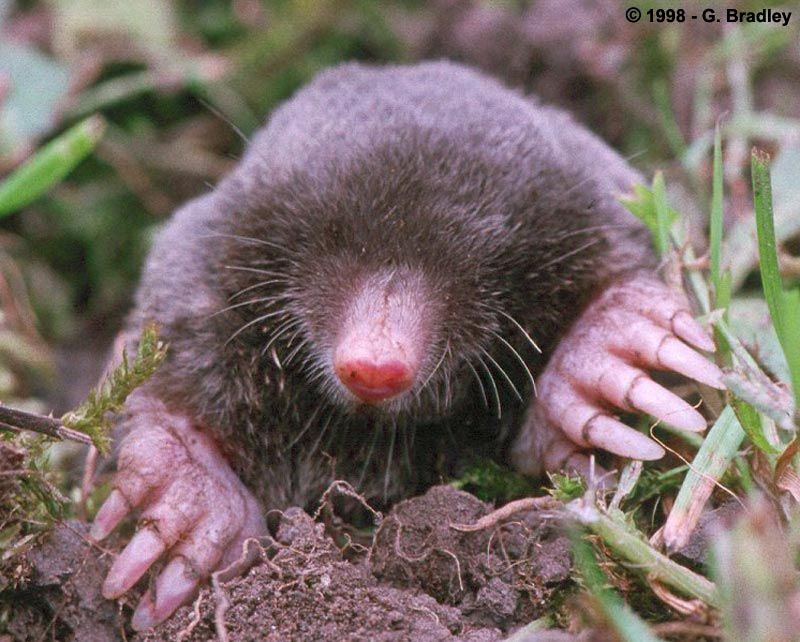
Moles are not destructive out of spite.
They are simply following their stomachs, and your yard happens to be a well-stocked pantry.
Beyond grubs, moles also eat earthworms, beetle larvae, and other soil insects that thrive in healthy, moist ground.
A well-fertilized, well-watered lawn is actually a sign of good lawn care, but it also creates an ideal habitat for the creatures moles hunt.
The more organic matter in your soil, the more insects it supports, and the more appealing it becomes to a hungry mole.
It’s a frustrating trade-off for anyone who takes pride in their grass.
Moles are solitary animals, so one mole can cause an enormous amount of visible damage on its own.
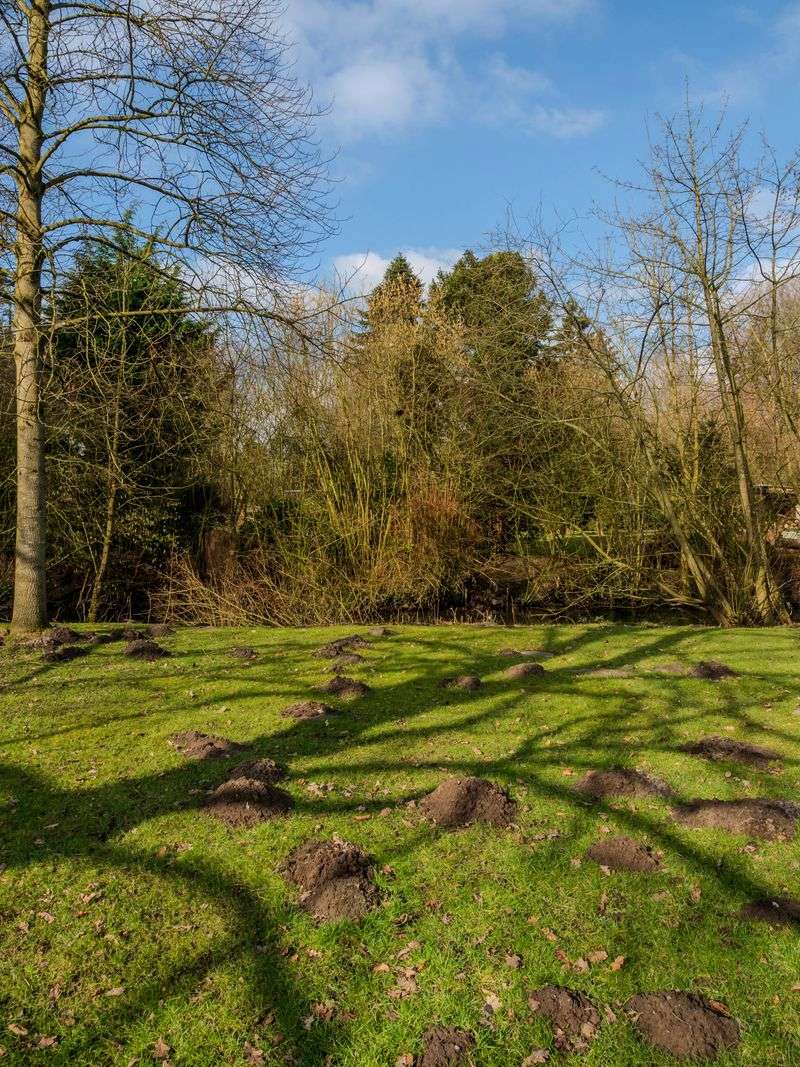
That sprawling network of surface tunnels you see each spring may be the work of just a single animal covering its territory.
Knowing that can actually be reassuring, because you’re dealing with fewer animals than you think.
Reducing the overall insect population in your soil makes the food source less reliable.
When food becomes scarce, moles move on to more productive hunting grounds.
Making your yard less of a buffet is one of the smartest moves you can make.
Soft Spring Soil Make Your Yard A Target
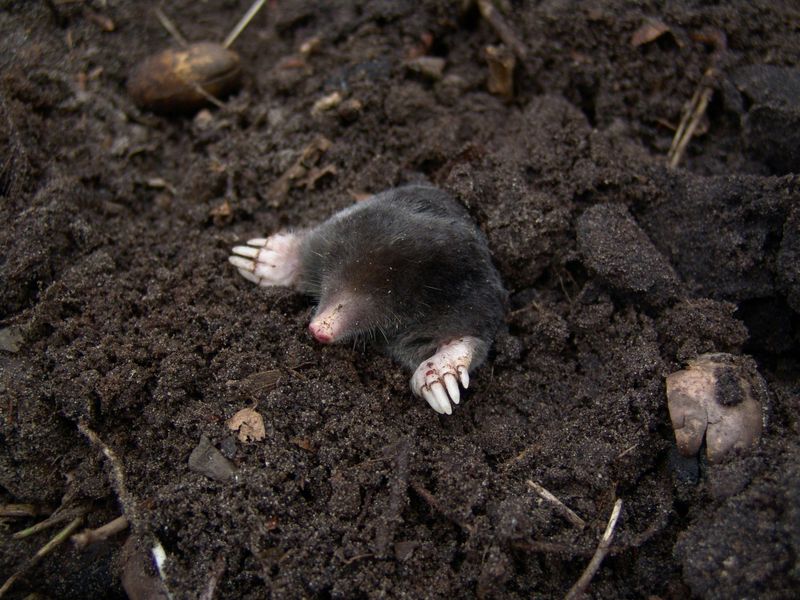
Moles don’t show up randomly.
Spring hands them everything they need, all at once.
Soft soil and a fresh crop of overwintered grubs create conditions that are almost impossible for moles to resist.
Your lawn, no matter how well-kept, is essentially advertising itself as the perfect hunting ground.
Grubs that hatched the previous summer have been living underground through winter.
By March, they are plump, close to the surface, and easy pickings for a mole on the move.
The combination of accessible soil and abundant prey makes spring the peak season for tunnel damage in Indiana yards.
Lawns with heavy clay soil actually attract more mole activity than sandy yards.
Clay retains moisture longer, which keeps earthworms and grubs near the surface even on dry spring days.
If your neighborhood has clay-heavy ground, you’re already at a higher risk for mole problems.
Aerating your lawn in fall can help break up compacted clay and improve drainage.
Drier soil holds fewer insects near the surface, which naturally reduces the appeal of your yard.
One season of smarter soil care and your yard stops being the easy target.
A Practical Guide To Dealing With Moles Yourself
You don’t need a professional.
You don’t need to spend a fortune.
You just need the right approach.
Most Indiana homeowners can handle this on their own with a little patience.
The key is working with your yard, not against it.
Moles are creatures of habit.
They follow the same tunnels, feed in the same spots, and respond predictably to changes in their environment.
That predictability is your biggest advantage.
Start by identifying the active tunnels.
Flatten every tunnel in your yard on the same day.
Come back 24 hours later, whichever ones have risen back up are active.
Those are the only ones worth treating.
From there, you have options.
Natural repellents, underground barriers, simple landscaping changes, all of them make your yard far less appealing to dig through.
Castor oil is one of the most effective natural repellents you can buy.
Mix it with water, spray it directly into active tunnels, and moles will start avoiding that area within days.
None of these require professional equipment or a chemistry degree.
The honest truth is that most DIY mole fixes fail.
Not because they don’t work, but because homeowners give up too soon or tackle the wrong tunnels first.
Get the basics right and you’ll start seeing results within a few weeks.
Cut Off Their Food Supply And They’ll Move On
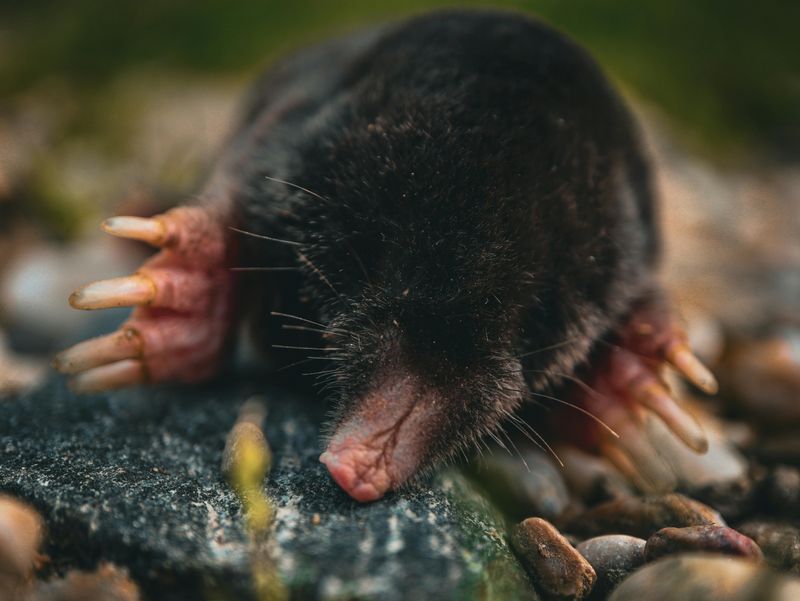
Starving out a mole sounds harsh, but it’s actually the most humane and effective approach available.
When the food beneath your lawn disappears, moles have no reason to stay.
They are practical animals, and they will relocate to wherever their next meal is waiting.
Start with a grub control application in late July or early August, when larvae are young and close to the soil surface.
This timing gives the product the best chance to work before grubs burrow deeper for winter.
Many homeowners see a dramatic drop in mole activity the following spring after just one properly timed treatment.
For garden beds and high-priority areas, underground wire mesh is one of the most reliable long-term solutions.
Buried at least 18 inches deep, it makes digging through your garden beds far more trouble than it’s worth for most moles.
Watering your lawn less frequently also helps.
Moist soil keeps earthworms and insects near the surface, so reducing irrigation encourages them to go deeper.
Moles prefer easy hunting, and a drier lawn simply offers less reward for the effort of digging.
When DIY Is Not Enough
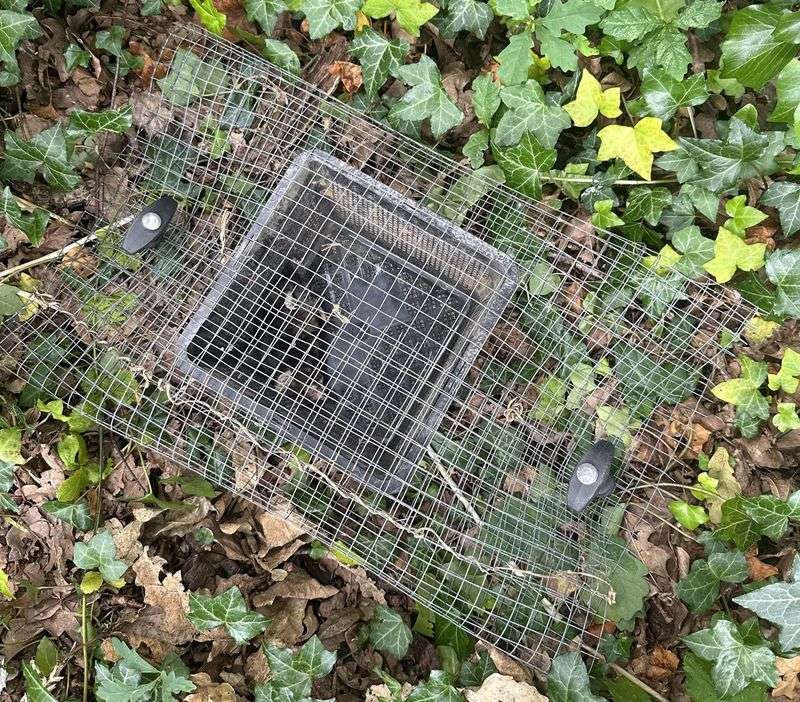
DIY works, until it doesn’t.
And knowing the difference can save you months of frustration.
If you have been treating active tunnels for several weeks with no improvement, that is your first red flag.
If the damage is spreading faster than you can keep up with, that is your second.
At that point, the infestation is likely larger than any standard DIY fix can handle.
Professionals bring a few things to the table that most homeowners don’t have access to.
They don’t just treat tunnels one by one.
They map the full system beneath your yard, find the entry points, and target the problem at its source.
They also use commercial-grade repellents and exclusion methods that aren’t available in most hardware stores.
Moles don’t stop at your lawn.
Left untreated, a large colony will work its way through garden beds, tree roots, and irrigation systems before you even notice the damage.
A single professional visit can often resolve what months of DIY attempts could not.
Calling a professional is not admitting defeat.
It is just knowing when the job is bigger than one person and a bottle of castor oil.