These Are The Low-Growing Oregon Plants That Spill Over Retaining Walls Beautifully
Retaining walls can look a little harsh when they are left bare. A few low-growing plants can soften those edges and make the whole space feel more relaxed.
The best spillers do not just sit politely at the top of the wall. They tumble, trail, and create movement that makes stone or concrete feel less rigid and a lot more inviting.
In Oregon yards, these plants can be especially useful where slopes, raised beds, or garden borders need a gentler finish.
Some stay neat and compact, barely creeping past the edge in a tidy little curtain of foliage. Others flow farther over the wall for a fuller, more dramatic look that practically swallows the hardscape beneath them.
And then there are the ones that bloom, turning a plain concrete wall into something that actually stops people mid-stride.
The trick is choosing plants that match the sun, soil, and drainage conditions around the wall without creating extra maintenance work down the line.
Want that easy cottage-garden effect without a messy takeover? The right low-growing plant makes a retaining wall feel like a deliberate design choice rather than just an engineering solution.
1. Broadleaf Stonecrop
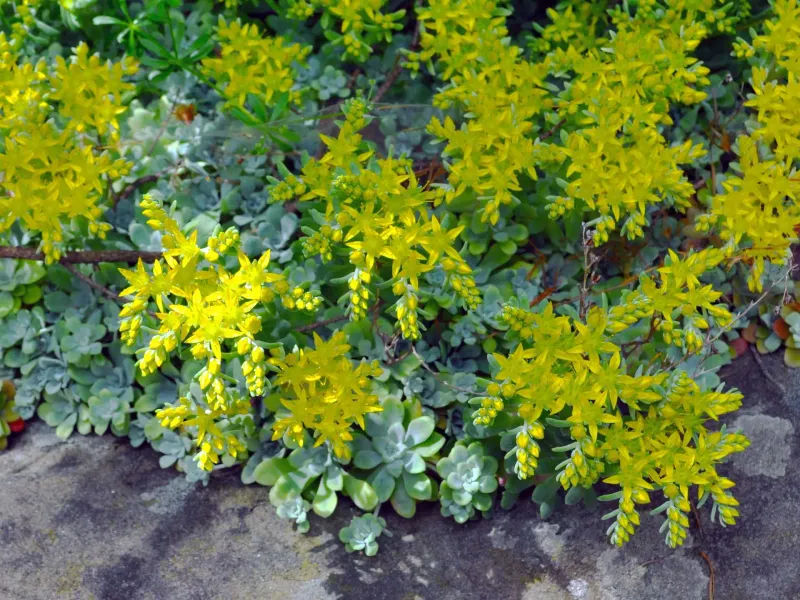
Few plants can match the rugged charm of Broadleaf Stonecrop when it comes to cascading over a rocky retaining wall. Known scientifically as Sedum spathulifolium, this tough little succulent is a true native that thrives in the kind of dry, rocky conditions where most plants simply give up.
Its thick, spoon-shaped leaves store water like tiny reservoirs, making it one of the most drought-tolerant choices you can plant.
The leaves come in shades of blue-green, silver, and sometimes deep purple, depending on the amount of sun they get. Come late spring and early summer, clusters of bright yellow star-shaped flowers burst open above the foliage, drawing in bees and other pollinators.
The contrast between those sunny blooms and the silvery leaves is genuinely stunning against a stone or concrete wall, and it only gets better as the plant matures and spreads into a fuller, more established display.
Broadleaf Stonecrop grows only about three to four inches tall but spreads generously sideways, which makes it ideal for softening long stretches of hard wall edges. It does best in full to partial sun and requires very little water once established.
You can plant it in shallow, rocky soil with poor nutrients and it will still perform beautifully. Unlike a lot of ground covers that need coaxing through their first season, this one settles in quickly and starts doing its job almost immediately.
Gardeners use it as a reliable year-round ground cover that keeps walls looking alive and intentional even through dry summers and chilly winters.
2. Cliff Maids
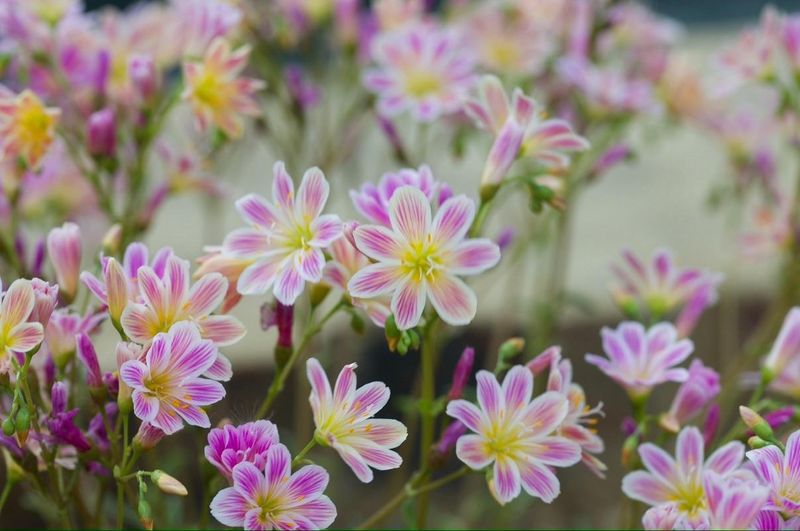
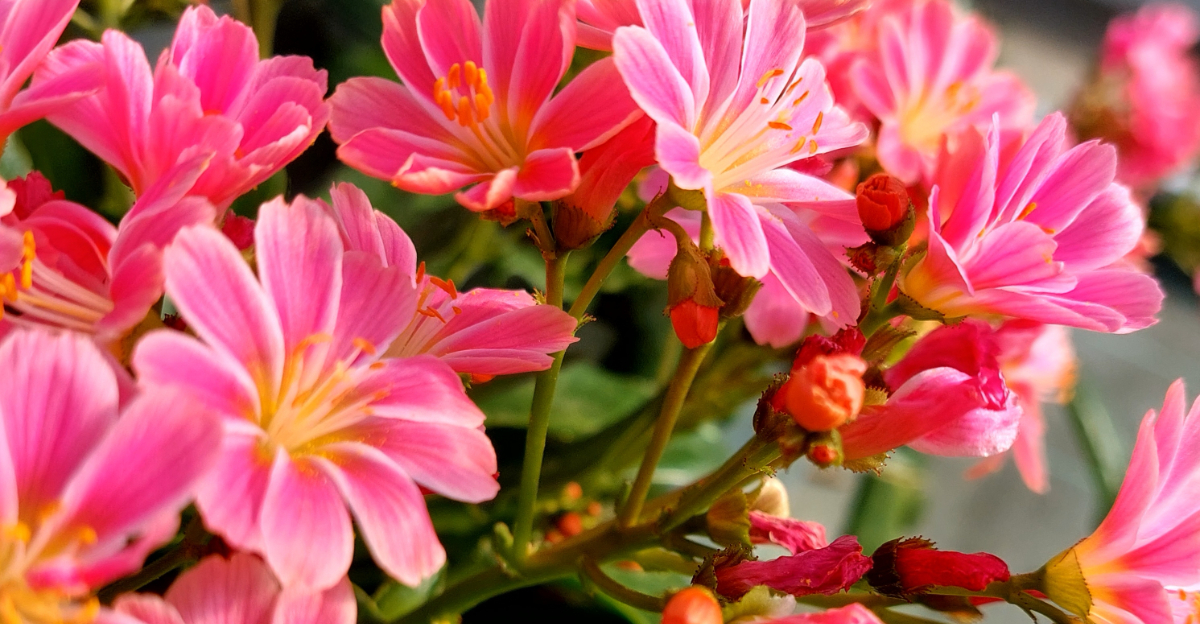
There is something almost magical about watching Cliff Maids bloom from the cracks of a rocky wall. Botanically called Lewisia cotyledon, this stunning native earned its common name by growing naturally along rocky cliff faces in the wild.
It produces rosettes of fleshy, dark green leaves that fan out gracefully, and from those rosettes rise tall flower stalks loaded with striped pink, orange, or white blooms that look almost too pretty to be real.
Your Oregon Garden Changes Every Week. Your Plan Should Too.
Gardening in Oregon changes quickly throughout the season. Every Friday you’ll receive a simple weekly plan showing exactly what to plant, prune, fertilize, harvest, and protect so you never miss the right timing.
The flowers appear from spring through early summer and can last for several weeks. Each petal has delicate veining that gives the blooms an almost watercolor-painted appearance.
Hummingbirds and butterflies absolutely love them, so planting Cliff Maids near a retaining wall also turns that stretch of hardscape into a surprisingly lively wildlife corridor without any extra effort on your part.
One important tip is to make sure the crown of the plant stays dry. Cliff Maids hate sitting in soggy soil around their base, so planting them at a slight angle on a wall or tucking them into a rock crevice works perfectly.
They prefer well-drained, gritty soil and full sun to light shade, and they have a strong dislike for heavy clay that holds moisture around the roots. Once established, they need very little supplemental watering and are remarkably cold-hardy through Oregon winters.
They are a beloved choice for adding vertical color and natural beauty to stone walls and rock gardens without requiring the kind of constant attention that makes gardening feel like a second job.
3. Twinflower
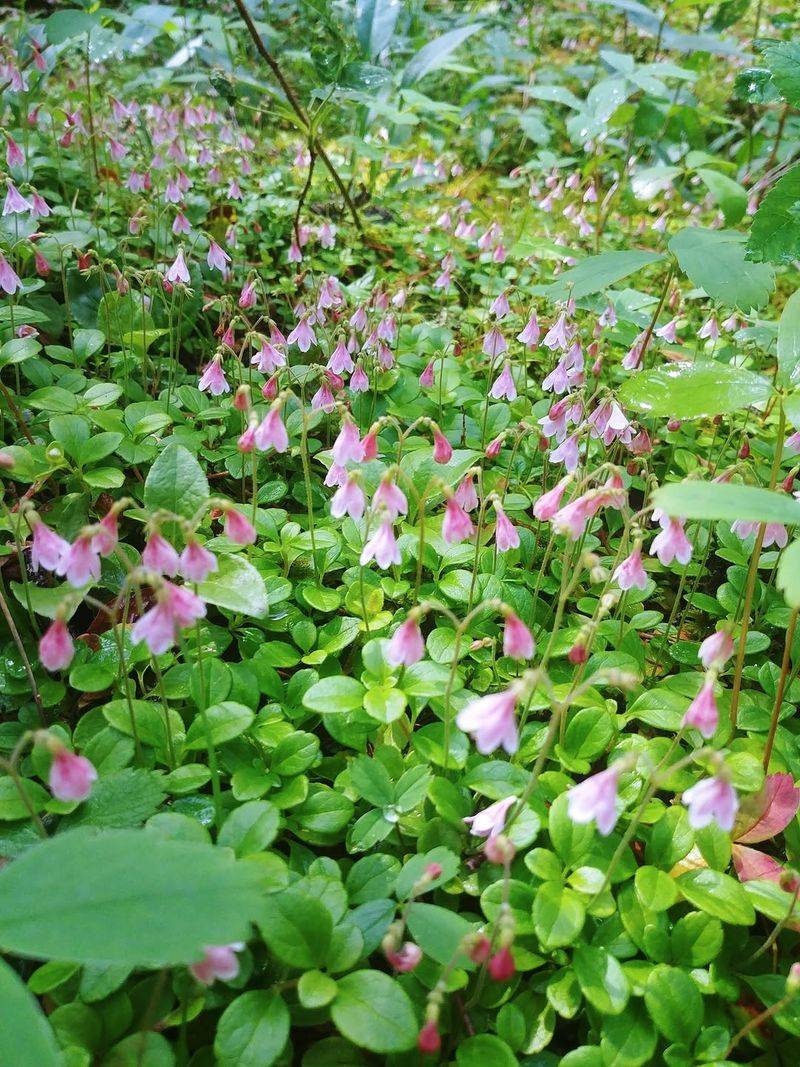
Named after the legendary botanist Carl Linnaeus himself, Twinflower is one of the most charming and underrated native plants in all of Oregon. Linnaea borealis is a trailing, mat-forming plant that creeps along the ground and spills gently over walls with a quiet, woodland elegance.
Its tiny, paired pink bell-shaped flowers hang from slender stems in late spring and early summer, releasing a faint, sweet fragrance that is surprisingly easy to fall in love with on a slow walk through the garden.
Unlike many wall plants that demand full sun, Twinflower is happiest in shady to partially shaded spots. That makes it a perfect solution for north-facing retaining walls or walls tucked under tree canopies where other plants struggle to gain any foothold at all.
The evergreen leaves stay small and round, forming a dense, low mat that looks tidy and lush throughout the year regardless of the season.
Twinflower spreads slowly by runners, gradually filling in gaps along a wall without becoming invasive or aggressive. It prefers slightly acidic, moist but well-drained soil rich in organic matter, which closely mimics its natural forest floor habitat.
Adding a layer of leaf mulch around the base helps keep moisture in and roots cool during warmer months, giving the plant the consistency it needs to really settle in and perform. Gardeners who love a naturalistic, woodland-style landscape will find Twinflower to be an absolute treasure, one that rewards patience with lasting, year-round beauty that never feels overdone or out of place.
4. Cascade Penstemon
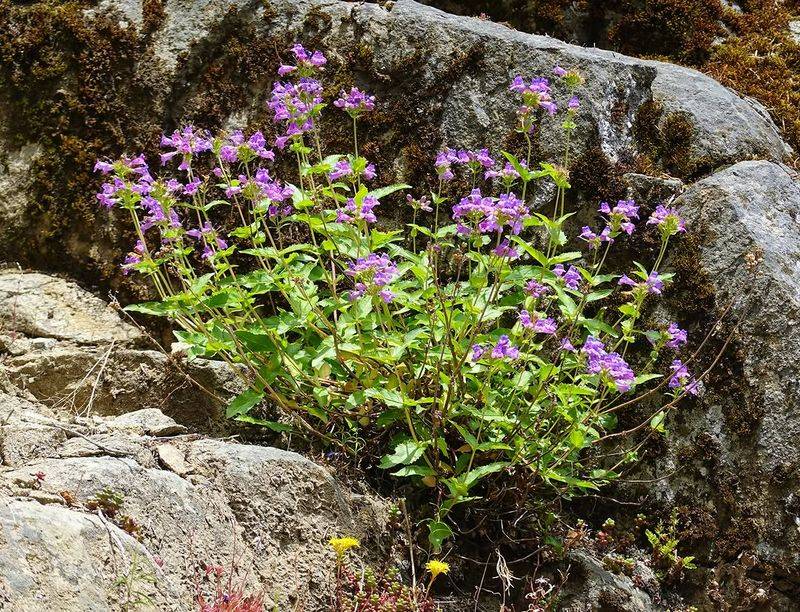
Bold, colorful, and built for tough conditions, Cascade Penstemon is the kind of plant that makes people stop and stare. Penstemon serrulatus is a native wildflower that grows naturally along stream banks and rocky slopes in the Cascade Mountains.
It produces upright stems packed with tubular flowers in rich shades of deep blue, violet, and purple that spill outward and downward beautifully when planted near a wall edge.
Hummingbirds are obsessed with these blooms. The tubular flower shape is perfectly designed for their long beaks, so planting Cascade Penstemon near a retaining wall basically turns your garden into a hummingbird feeding station from midsummer into early fall.
Bumblebees are frequent visitors too, adding even more life and movement to the space, and on a warm afternoon the whole wall can feel genuinely alive with activity.
Growing about one to two feet tall, Cascade Penstemon stays low enough to spill attractively without overwhelming neighboring plants. It thrives in full sun to partial shade and handles Oregon’s rainy winters without complaint, bouncing back each spring looking as vigorous as ever.
Well-drained soil is key, as the roots do not enjoy sitting in standing water for extended periods. Once established, it is impressively drought-tolerant and requires minimal fertilizing.
Simply cut the stems back after blooming to encourage a fresh flush of growth and keep the plant looking its best going into the next season. For gardeners wanting a native plant that delivers serious color, wildlife value, and long-season interest along a retaining wall, Cascade Penstemon is about as close to a sure thing as it gets.
5. Siskiyou Lewisia
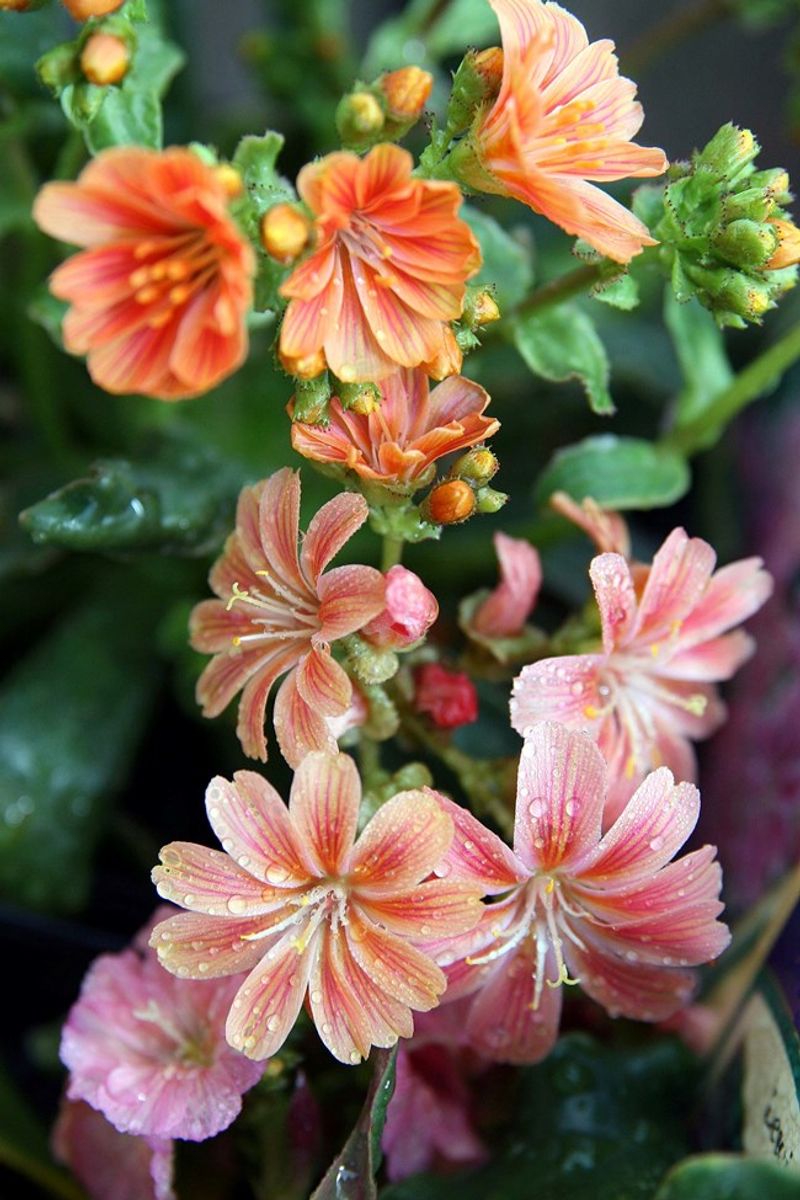
Found naturally in the rugged Siskiyou Mountains of southern Oregon, this showstopper of a plant is one of the most visually striking natives you can add to any retaining wall. Lewisia cotyledon var. howellii, commonly called Siskiyou Lewisia, forms tight rosettes of thick, wavy-edged leaves that anchor themselves beautifully into crevices and wall edges.
From those compact rosettes emerge tall flower stems bursting with magenta, rose, and salmon-colored blooms that practically glow in the sunlight.
What sets Siskiyou Lewisia apart from its close relative Cliff Maids is the deeper, more saturated color of its flowers and its preference for even sharper drainage. Planting it directly into the gaps of a dry-stacked stone wall is one of the best ways to grow it, and the results look so natural that the plant appears to have seeded itself there on its own.
The natural air circulation around the roots prevents the crown rot that can occur in heavy, wet soils.
Blooming from late spring into summer, the flowers last for weeks and attract a steady parade of bees and butterflies. After blooming, the rosettes remain attractive as neat, fleshy green mounds that hold the wall visually through the rest of the year, giving you something worth looking at long after the last flower has faded.
Gardeners who love a bold, Mediterranean-style look for their walls without importing exotic species will find Siskiyou Lewisia to be an unbeatable native alternative that feels completely at home in the landscape it came from.
6. Stream Violet
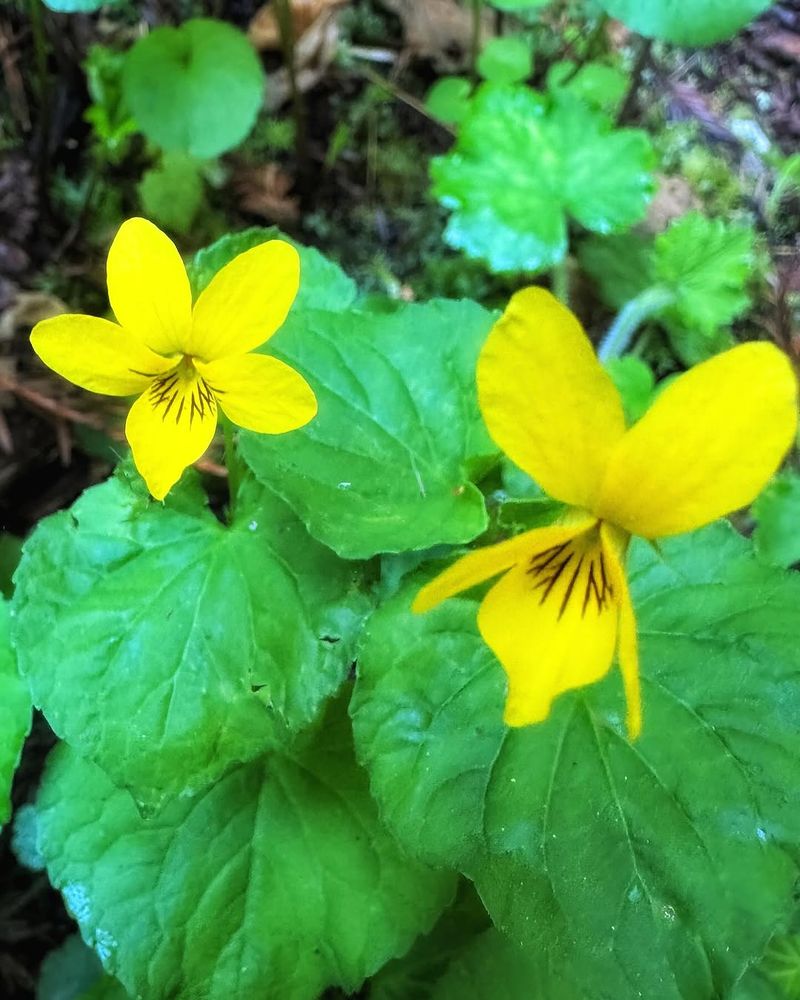
Cheerful, unassuming, and surprisingly tough, Stream Violet brings a gentle woodland charm to any retaining wall with a bit of shade and moisture. Viola glabella is a native violet that grows naturally along stream banks and in moist forest clearings throughout the Pacific Northwest.
Its bright yellow flowers, marked with dark purple pencil-like streaks, pop up above heart-shaped leaves from early spring through late spring, often being one of the very first blooms of the season and a welcome sign that the garden is waking back up.
The heart-shaped leaves are just as appealing as the flowers. They stay fresh and green well into summer, creating a lush, soft mat that drapes over wall edges with a relaxed, natural look.
The low-growing habit, rarely exceeding six inches in height, makes Stream Violet an excellent front-row choice for layered plantings along taller retaining walls where scale and proportion actually matter.
Unlike many wall plants that demand dry conditions, Stream Violet actually appreciates consistent moisture. Pairing it with a drip irrigation system or planting it near a downspout area where water naturally collects gives it exactly what it needs to stay full and healthy through the warmer months.
It spreads gently by rhizomes and self-seeds modestly, slowly filling in gaps along the wall without becoming a nuisance or crowding out its neighbors. For shaded or semi-shaded walls that tend to stay moist, Stream Violet is one of the most reliable and genuinely lovely native plants you can use to soften that hard edge and make it feel like it was always meant to be there.
7. Miner’s Lettuce
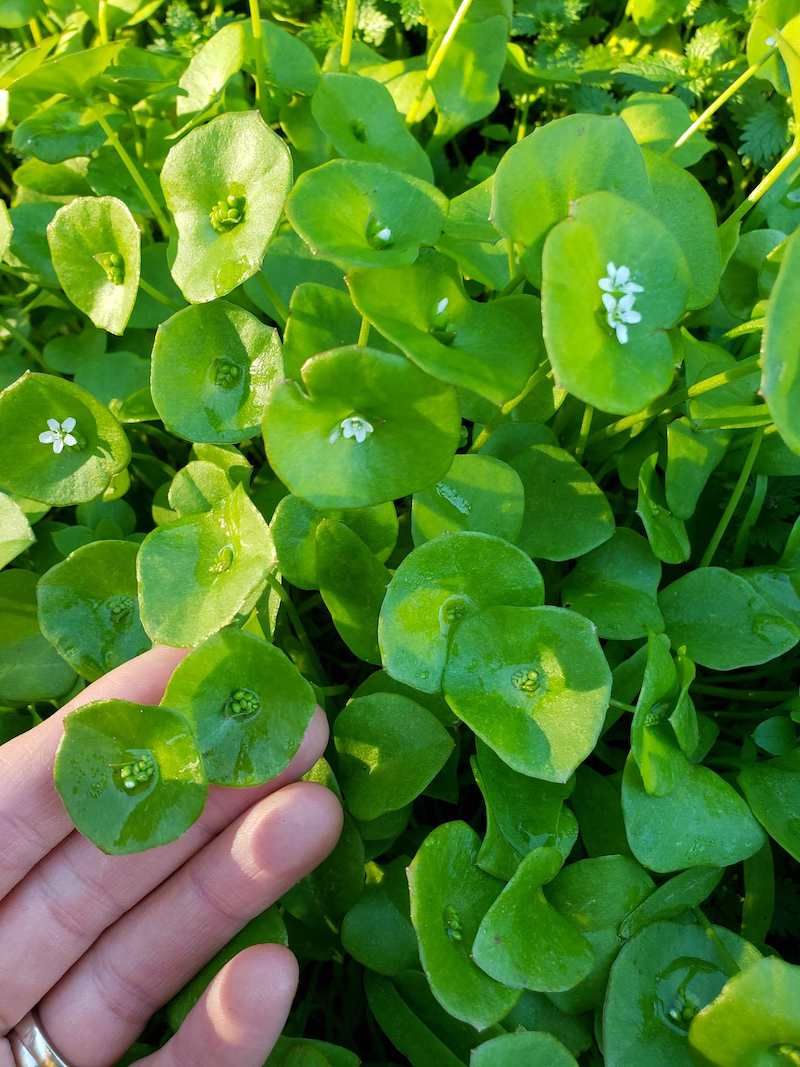
With a name rooted in Gold Rush history, Miner’s Lettuce has been feeding and charming people in the Pacific Northwest for centuries. California gold miners once ate this plant fresh to ward off scurvy, and it has been a beloved part of native plant landscape ever since.
Claytonia perfoliata is a cool-season annual that produces distinctive round, disc-shaped leaves with a tiny stem punching right through the center, giving it one of the most unusual and delightful appearances in the plant world.
Clusters of tiny white to pale pink flowers emerge from the center of each leaf in late winter and early spring, often blooming before most other plants have even woken up. That early flowering habit makes it an incredibly valuable food source for early pollinators like mason bees that are active on mild winter days.
For retaining walls in shaded or partially shaded spots, Miner’s Lettuce is a fantastic choice. It self-seeds freely, meaning once you plant it, it tends to return year after year without any extra effort from you.
The lush, overlapping leaves cascade softly over wall edges, creating a dense, green curtain of foliage that looks both wild and intentional. It thrives in cool, moist conditions and fades naturally as summer heat arrives, making room for warm-season companions to take over the show.