These Common Yard Mistakes Are Basically Inviting Moles Into Your Virginia Yard
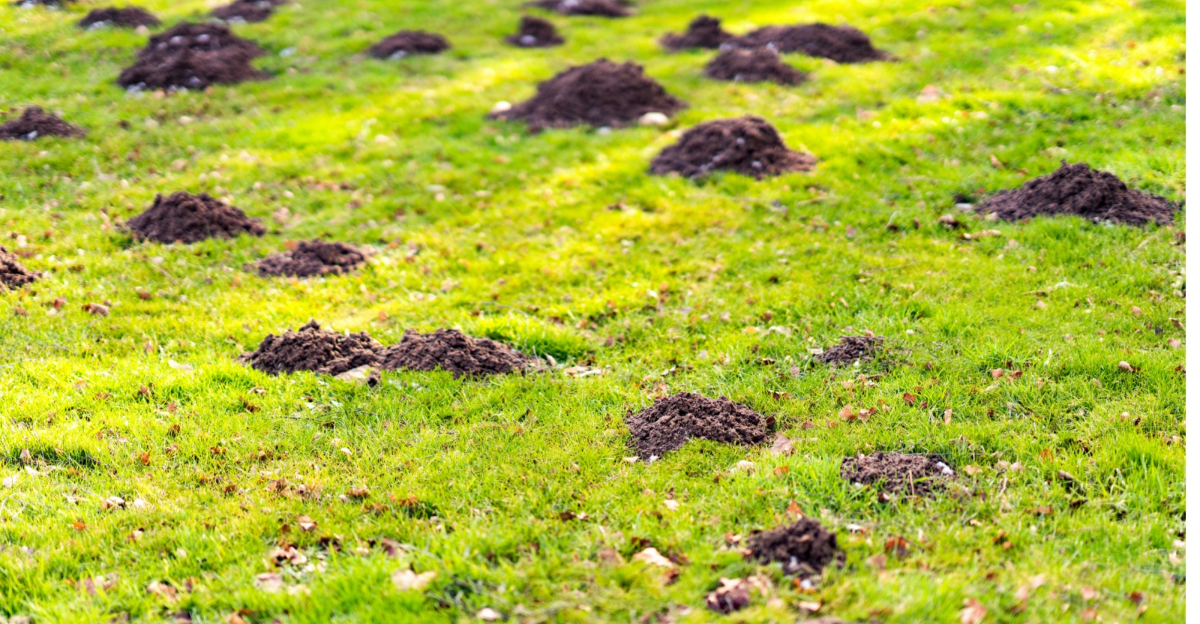
You step outside one morning, coffee in hand, and notice something strange. Your once-smooth Virginia lawn looks like a tiny underground highway system appeared overnight.
Sound familiar? Moles are sneaky little diggers, and chances are your own yard habits are laying out the welcome mat.
Most Virginia homeowners never connect the dots between everyday choices like watering, mowing, and mulching and the tunnels that keep showing up. Here is the thing though.
Once you know what draws moles in, the fixes are mostly straightforward. Small adjustments to how you manage your lawn can make a bigger difference than any trap or repellent you will find at the garden center.
This article breaks down the yard mistakes that invite moles in, so you can stop the cycle before it starts. New to moles or locked in a two-year grudge match with them, either way this list is for you.
1. Overwatering Your Lawn

Most people think more water means a healthier lawn, but there is a point where generosity becomes a problem.
Overwatered soil turns soft and easy to tunnel through, which is basically a mole’s dream scenario. When the ground stays consistently moist, it also brings earthworms closer to the surface, giving moles a steady food supply right where they want it.
Summer watering habits are one of the biggest reasons moles move into Virginia yards and decide to stay. If your lawn feels spongy when you walk on it, you are likely overwatering.
A simple finger test works well: push your finger two inches into the soil, and if it feels wet, skip the next watering cycle. Cutting back to deep but infrequent watering sessions actually encourages stronger grass roots too.
Aim for about one inch of water per week, including rainfall. This keeps Virginia soil firm enough to discourage mole tunneling while still keeping your lawn looking its best.
A mole will always choose the path of least resistance, and compacted, drier soil makes their job much harder. Small adjustments to your watering schedule can make a surprisingly big difference in keeping them away.
2. Ignoring Grub Problems

Grubs are basically a five-star buffet for moles, and if your Virginia lawn has a grub problem, you almost certainly have a mole problem too.
These fat, C-shaped beetle larvae live just below the soil surface and are one of the mole’s favorite meals. A single mole can consume close to its entire body weight in food every day.
Earthworms are the main course. Grubs are a welcome addition wherever they are available.
Grub infestations tend to peak in late summer, which is exactly when mole activity increases across Virginia and many surrounding states. You can check for grubs by cutting a one-foot square section of sod about three inches deep and counting what you find.
More than five grubs per square foot is usually considered an infestation worth treating.
Treating grubs with milky spore or beneficial nematodes is a natural approach that reduces the food source without harsh chemicals. Once the food supply drops, moles have much less reason to stick around your yard.
Your Virginia Garden Changes Every Week. Your Plan Should Too.
Gardening in Virginia changes quickly throughout the season. Every Friday you’ll receive a simple weekly plan showing exactly what to plant, prune, fertilize, harvest, and protect so you never miss the right timing.
Keep in mind that treating grubs does not guarantee an immediate mole departure, since they will keep searching for a while. Staying consistent with grub control over one to two seasons gives you the best shot at discouraging moles from returning to your property.
3. Letting Thatch Build Up Too Thick
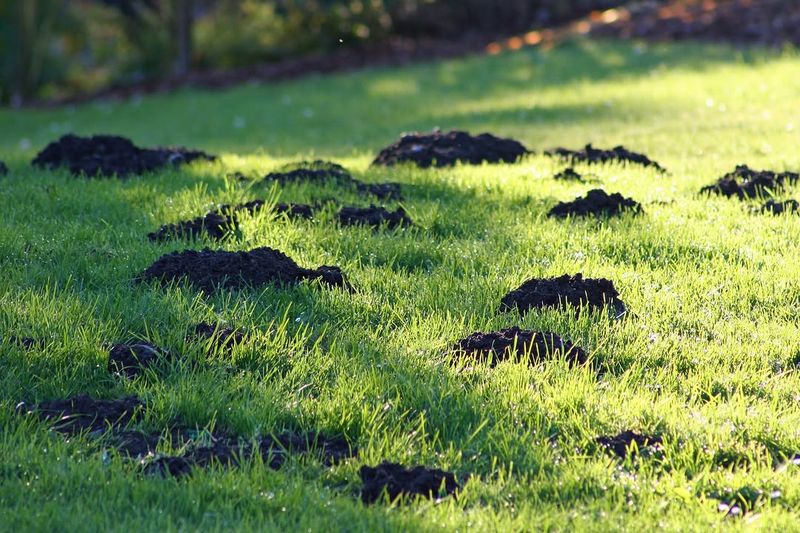
Thatch is that spongy layer of dead grass, roots, and organic debris that builds up between your lawn and the soil surface.
A thin layer is actually fine and can protect soil moisture, but when thatch gets thicker than half an inch, it starts causing real problems. Thick thatch traps moisture, encourages insect activity below the surface, and creates warm sheltered corridors that moles love to travel through.
Heavy thatch buildup has a reliable recipe: warm-season grasses and inconsistent dethatching habits. Virginia’s climate delivers both without much effort.
Most homeowners skip dethatching entirely. It feels like unnecessary effort with nothing visible to show for it.
But that buildup quietly makes your Virginia lawn more mole-friendly with every passing season.
Dethatching once a year in early spring or fall keeps that layer thin and manageable. You can rent a power dethatcher at most garden centers for a reasonable fee, and the difference is visible within a few weeks.
A thinner thatch layer also improves air circulation and water absorption, which benefits your grass too.
A mole looking for a new home is looking for comfort. Reduce that comfort level underground and your yard moves down the list.
It is not the loudest strategy, but it is an effective one.
4. Piling Mulch And Leaves Too Deep
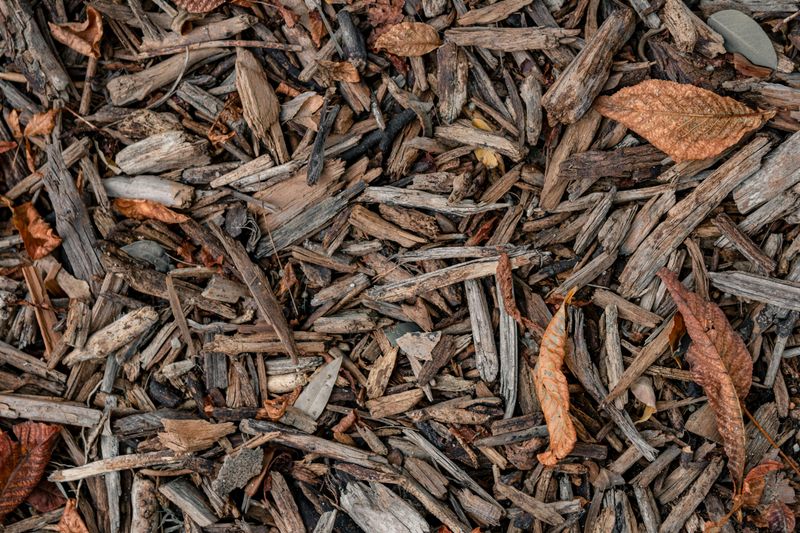
That thick blanket of leaves and mulch looks neat from the outside. Lift a corner of it and the picture changes fast.
Underneath is a warm, moist, sheltered world that insects and moles are quietly moving through.
Leaf litter provides shelter for grubs, beetles, and other invertebrates that moles feed on. When you pile mulch four or five inches deep around your trees and shrubs, you are essentially building insulated tunnels moles can move through without much effort.
Virginia gardeners often over-mulch in autumn to protect plants from harsh winters, which is completely understandable. But that same deep mulch layer that protects your perennials is also creating prime mole real estate right next to your home’s foundation.
Keeping mulch layers at two to three inches thick is a reasonable compromise that still protects plants without rolling out the welcome mat. Rake and refresh mulch regularly to disrupt any tunnels or nesting areas that may have formed underneath.
Avoiding mulch volcanoes around tree trunks also improves tree health and reduces the dark moist hiding spots moles prefer. Leaf litter should be cleared or composted rather than left to pile up through Virginia winters.
Small maintenance habits done consistently are far more effective than big seasonal cleanups that leave months of buildup in between.
5. Infrequent Mowing
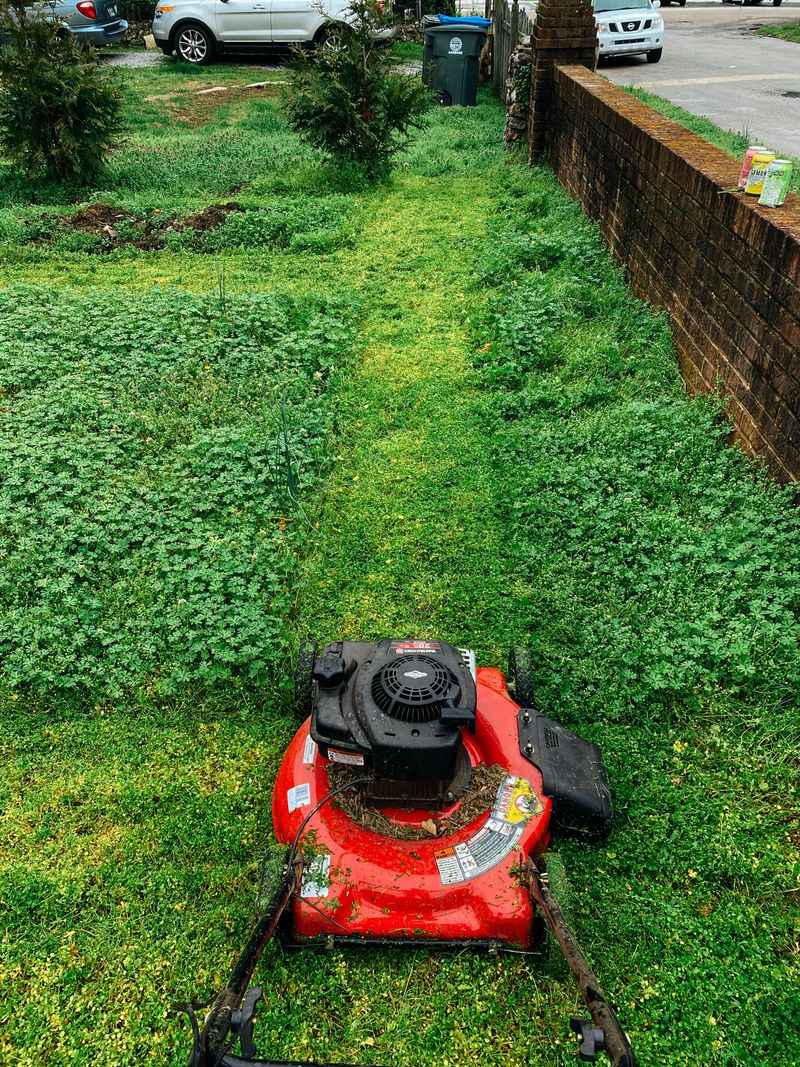
Long grass looks low-effort from the street. At ground level it tells a different story.
Tall blades create cover and warmth that moles and their prey are quietly taking advantage of.
Long grass holds moisture, shades the soil, and keeps ground temperatures cool and stable. Earthworms and grubs could not design a better habitat if they tried.
When the grass is tall, it is also easier for a mole to move closer to the surface without being exposed.
Skipping a few mowing sessions during a hot Virginia summer is completely understandable. Nobody wants to be out there when the heat is at its worst.
The problem is that overgrown patches near garden beds or fence lines do not go unnoticed. For moles moving in from a surrounding property, they are the easiest entry point available.
Regular mowing keeps the Virginia lawn shorter, drier at the surface, and less hospitable overall. A mowing height of two and a half to three inches is a good middle ground for most grass types.
It is short enough to reduce ground-level shelter but long enough to keep roots shaded and healthy.
Sticking to a weekly or biweekly mowing schedule during the growing season is one of the simplest things you can do to make your yard less inviting. Consistency matters more than perfection here, so even an imperfect schedule is better than none.
6. No Natural Deterrents Nearby
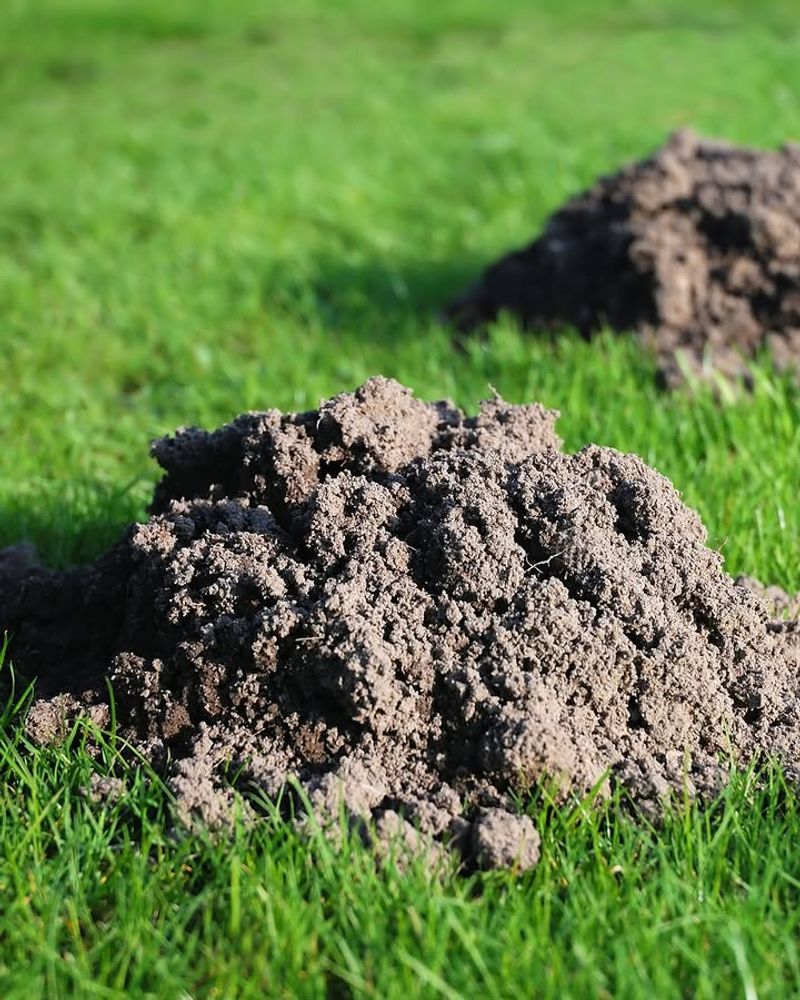
Nature has built-in ways to discourage moles, but most suburban Virginia yards have stripped those systems away entirely.
Daffodils contain compounds that burrowing animals tend to avoid. Some gardeners plant them near mole-prone areas, though results vary.
Hard evidence is thin, but gardener results are consistent enough to make them worth adding along borders. When your yard is full of mole-friendly turf grass with no deterrent plants mixed in, there is nothing pushing them away.
Predator presence is another natural deterrent that most yards lack. Owls, hawks, foxes, and even outdoor cats will actively hunt moles, keeping populations in check.
Rural Virginia properties with natural predator activity nearby tend to have far fewer mole problems. Tidy suburban lots, where wildlife has largely been pushed out, are a different story.
Adding deterrent plants along garden borders is an easy, low-cost step that makes a real difference over time. You can also install an owl box to attract barn owls, which are among the most effective natural mole hunters around.
Castor oil-based repellents applied to the lawn surface are another option that works by making the soil taste unpleasant to moles without harming them.
The smartest mole strategy is the one you put in place before you ever see a tunnel. Building a Virginia yard that naturally discourages them through layered deterrents beats chasing damage after the fact every time.
7. Ignoring Mole Activity Along Property Lines
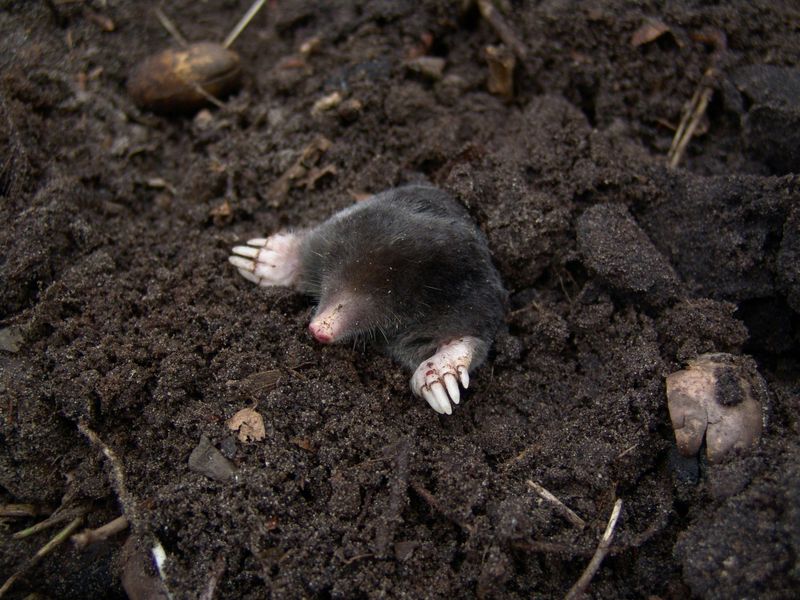
Sometimes you are doing everything right and a mole still shows up in your Virginia yard.
When a nearby homeowner treats their lawn aggressively for moles or grubs, the moles do not just disappear. They relocate, and the next soft welcoming lawn they find becomes the new destination.
This is especially common in dense suburban Virginia neighborhoods where yards share long property lines.
Your lawn and the lawn next door are practically the same ecosystem in many parts of the state. Moles know that.
Migration between properties is one of the most common complaints homeowners in these areas deal with. You can do everything by the book and still end up inheriting someone else’s mole problem.
Talking to those around you about coordinated grub and mole management can actually help everyone on the block. When multiple households reduce food sources and treat problem areas around the same time, moles have fewer places to retreat.
Installing underground wire mesh barriers along shared property lines is another option, though it requires some effort to do properly. A mole following a food trail does not respect fences or property lines, so a community wide approach is far more effective than going it alone.
Building that kind of awareness around yard care is one of the most underrated mole prevention strategies available to Virginia homeowners today.