Plant These In Pennsylvania If You Want More Fireflies This Summer
Fireflies are one of the best parts of a Pennsylvania summer, and if you grew up here, you probably remember evenings when the whole yard seemed to glow. Lately though, a lot of people have noticed fewer of them, and that slow disappearance is not just in your head.
Habitat loss, light pollution, and changes in landscaping have all taken a toll on firefly populations across the state. Here is something most people do not know: what you plant in your yard has a direct impact on whether fireflies show up and stick around.
These insects have very specific needs when it comes to shelter, moisture, and food, and the right plants can check every one of those boxes.
Pennsylvania gardens are actually well suited for this, and with a few smart planting choices, you can turn your yard into the kind of place fireflies are drawn to all summer long.
1. Switchgrass
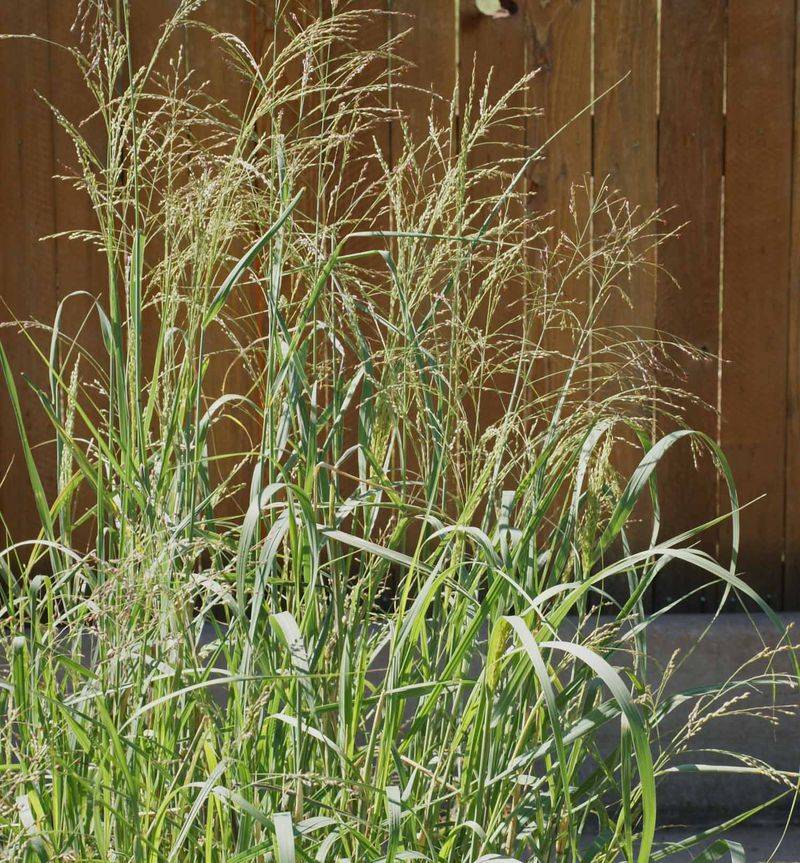
Walk past a patch of switchgrass on a humid summer evening, and you might just notice the first fireflies of the season rising from its base.
Switchgrass is a native grass that grows naturally across Pennsylvania, and it is one of the best plants you can add to your yard if you want to see more lightning bugs flashing after dark.
Fireflies spend most of their lives not as glowing adults but as larvae crawling through moist soil. They need dense, damp ground cover to survive, and switchgrass delivers exactly that.
Its thick clumps trap moisture near the soil surface and create the kind of sheltered microhabitat where firefly larvae can hunt, grow, and eventually emerge as adults.
Switchgrass grows tall, usually between three and six feet, and its upright form creates natural corridors where adult fireflies can fly, signal, and mate.
The grass also supports a healthy food web by providing habitat for the small snails, worms, and soft-bodied insects that firefly larvae feed on underground.
Planting switchgrass is simple. It thrives in full sun to partial shade and tolerates a wide range of soil conditions, including wet and clay-heavy soils that are common in Pennsylvania.
Once established, it needs very little maintenance. You can plant it along fence lines, near ponds, or in naturalized garden beds.
Leave the base uncut through the growing season so larvae and other beneficial insects have an undisturbed place to develop all summer long.
2. Joe-Pye Weed
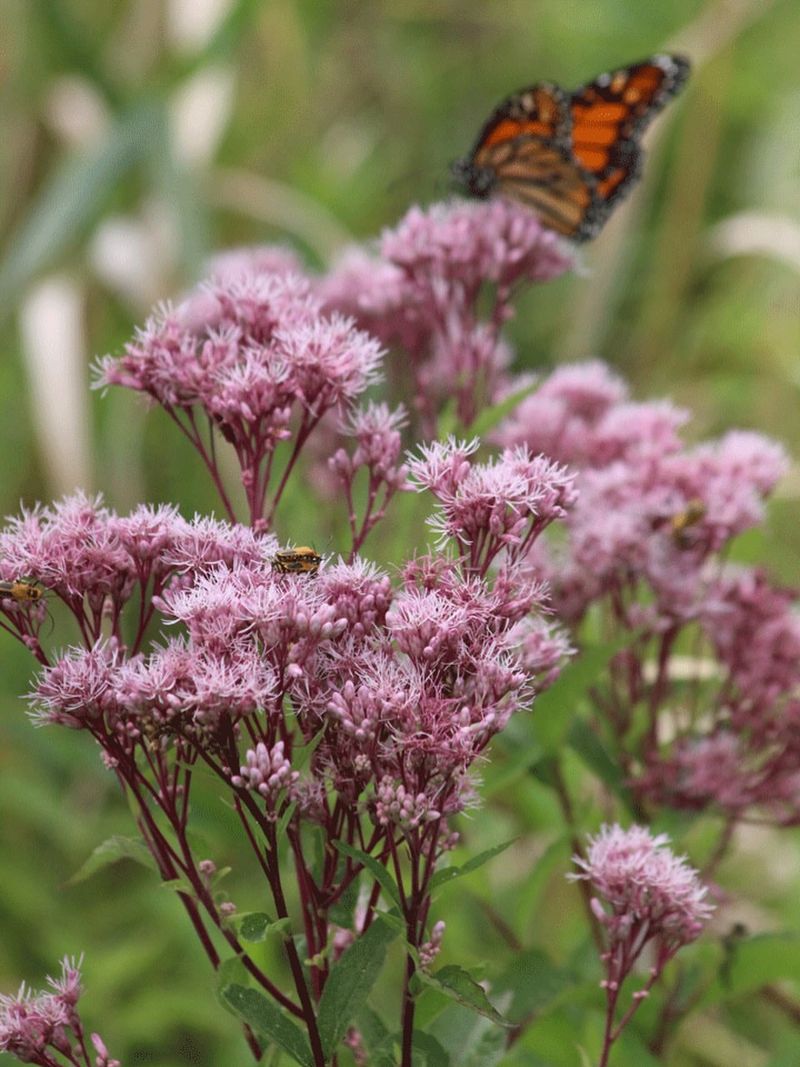
Joe-Pye Weed has one of the most memorable names in the native plant world, and it earns its place in any Pennsylvania garden that wants to attract fireflies.
This tall, striking perennial can reach heights of five to seven feet, creating a lush, vertical presence that transforms an ordinary backyard into something that feels wild and alive.
Fireflies are drawn to humid, shaded areas, and Joe-Pye Weed helps create those conditions naturally. Its large leaves shade the ground beneath it, slowing evaporation and keeping the soil moist even during warm summer stretches.
That consistent moisture near the ground is critical for firefly larvae, which need damp soil to move through as they search for food.
Your Pennsylvania Garden Changes Every Week. Your Plan Should Too.
Gardening in Pennsylvania changes quickly throughout the season. Every Friday you’ll receive a simple weekly plan showing exactly what to plant, prune, fertilize, harvest, and protect so you never miss the right timing.
Beyond its practical benefits for fireflies, Joe-Pye Weed is genuinely beautiful. It blooms in late summer with large, dome-shaped clusters of dusty pink or mauve flowers that attract butterflies, bees, and other pollinators.
A garden buzzing with diverse insect life during the day tends to support fireflies at night, because a rich insect community means more food and a more balanced ecosystem overall.
Plant Joe-Pye Weed in a spot that gets full sun to partial shade, and make sure the soil stays reasonably moist. It grows well near rain gardens, along stream edges, or in low-lying areas of your yard where water tends to collect.
Once it gets established, it comes back reliably every year with almost no extra care needed from you.
3. Pennsylvania Sedge
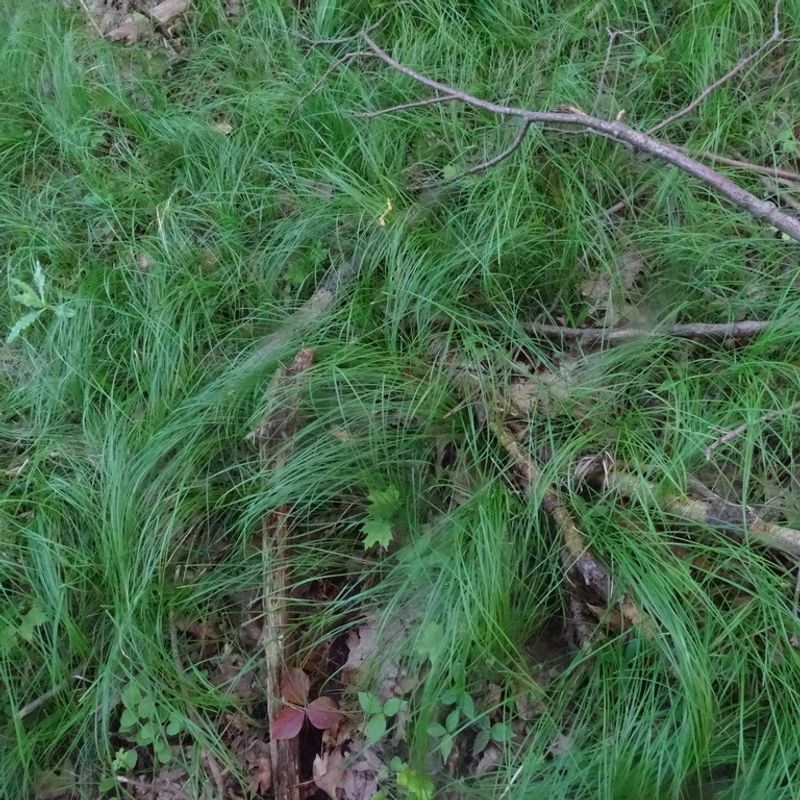
Not every firefly-friendly plant needs to be tall and dramatic. Pennsylvania Sedge is a quiet, low-growing native that does some of the most important work in a firefly garden, right at ground level where it matters most.
If you have a shady corner of your yard that feels bare and dry, this plant was practically made for it.
Pennsylvania Sedge stays short, usually under a foot tall, and spreads slowly to form a soft, dense mat of fine green blades. That mat acts like a sponge, holding moisture in the top layer of soil and preventing it from evaporating too quickly in warm weather.
Firefly larvae live in the soil and need that consistent dampness to survive and develop. By keeping the ground cool and moist, Pennsylvania Sedge creates ideal nursery conditions for the next generation of lightning bugs.
This plant is also incredibly easy to grow. It thrives in shade, which makes it perfect for planting under trees or along the north side of buildings where other plants struggle.
It handles average to moist soils well and rarely needs supplemental watering once established. Unlike traditional lawn grass, it does not need mowing, fertilizing, or much attention at all.
Fun fact: Pennsylvania Sedge is actually named for the state, and it grows naturally in the woodlands and forest edges across the region.
Using it in your yard is a way of celebrating the native landscape while also giving fireflies a reliable, low-maintenance place to thrive season after season.
4. Bee Balm
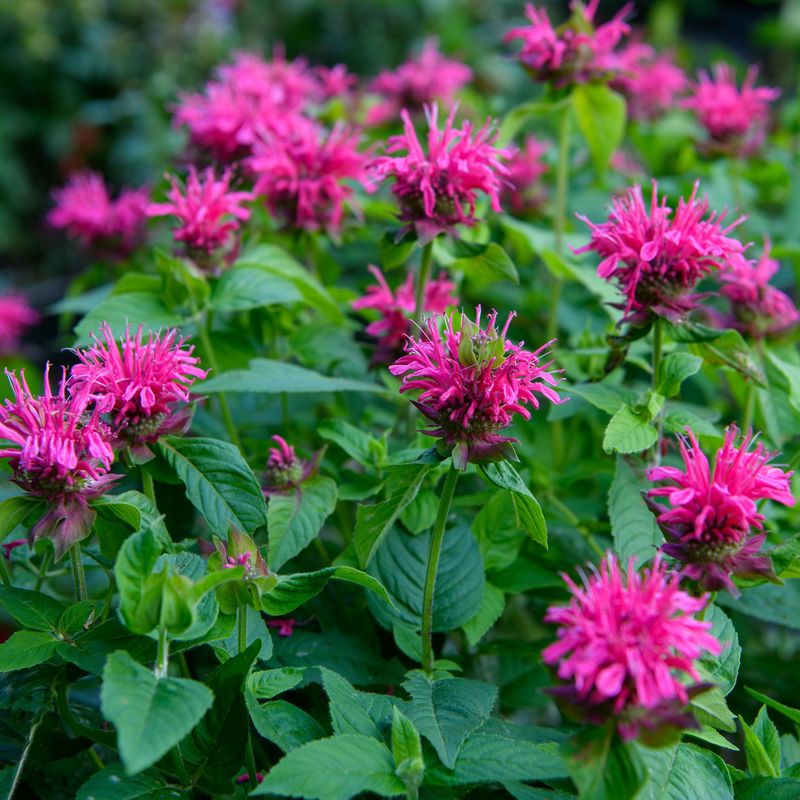
Bee Balm is the kind of plant that makes a garden feel genuinely alive. Its wild, spiky flower heads in shades of red, pink, and purple bloom from midsummer onward, drawing in bees, butterflies, and hummingbirds from every direction.
But beyond its beauty and pollinator appeal, Bee Balm plays an underappreciated role in creating the right conditions for fireflies.
Fireflies do not live in isolation. They are part of a larger insect ecosystem, and when that ecosystem is healthy and diverse, firefly populations tend to be stronger.
Bee Balm supports a thriving community of insects by providing nectar and shelter for dozens of species. More insects in your garden means more prey for firefly larvae underground and a richer food web that benefits the whole nighttime show.
Bee Balm also grows in clumps that stay dense and leafy throughout the season, which helps shade the soil and maintain the moisture levels that fireflies prefer.
It tends to do best in full sun to partial shade and grows well in the moderately moist soils common throughout Pennsylvania.
It spreads steadily over time, filling in gaps in garden beds and creating continuous ground cover.
One thing to keep in mind is that Bee Balm can be prone to powdery mildew in very humid summers. Choosing a mildew-resistant variety and giving plants good air circulation helps prevent that issue.
Overall, it is a rewarding, low-fuss native that earns its spot in any firefly-friendly planting plan with very little extra effort from the gardener.
5. Foamflower
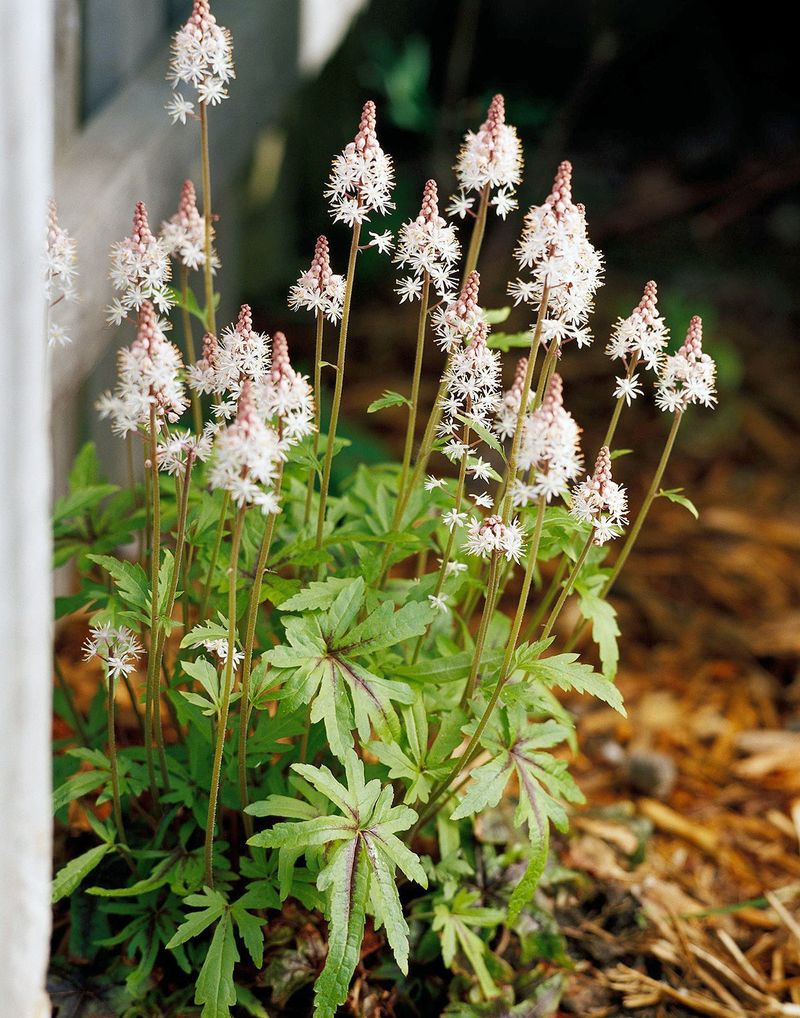
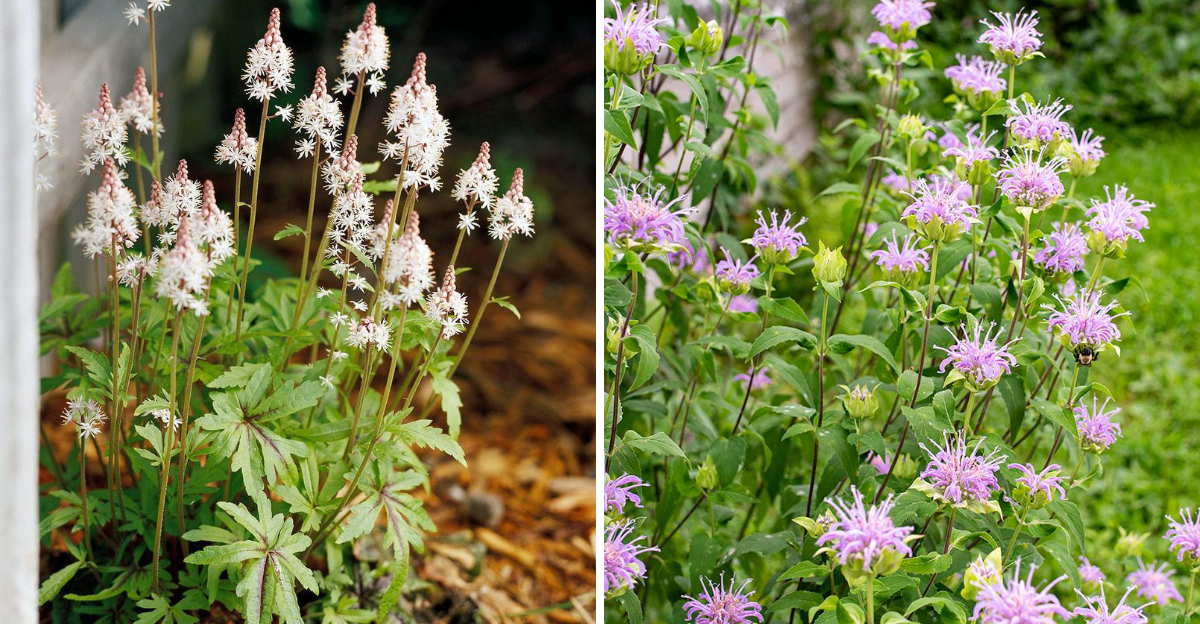
If you have ever walked through a Pennsylvania woodland in late spring, you may have spotted the feathery white flower spikes of Foamflower rising just above the forest floor.
That woodland setting is exactly the kind of environment fireflies love, and planting Foamflower in your yard is one of the best ways to recreate it right outside your door.
Foamflower is a native perennial that grows low to the ground, usually staying under a foot tall, with attractive heart-shaped leaves that form a dense, spreading mat. That mat of foliage does something really valuable for fireflies.
It keeps the soil beneath it cool, moist, and sheltered, which is precisely the kind of underground environment where firefly larvae develop over the months before they emerge as glowing adults.
This plant is also a champion of shady spots. Most flowering plants demand full sun, but Foamflower actually prefers the shade of trees or the dappled light under a pergola.
That makes it an ideal choice for filling in the dim corners of your yard where grass refuses to grow and soil tends to stay naturally moist. It pairs beautifully with ferns, wild ginger, and other woodland natives.
Foamflower blooms in spring with small white or pink flowers that attract early pollinators, adding seasonal interest before most summer plants have even woken up. After blooming, its foliage stays attractive all season long.
Plant it once and it will quietly spread and establish itself, building a stable woodland-style ground cover that fireflies will return to year after year.
6. Little Bluestem
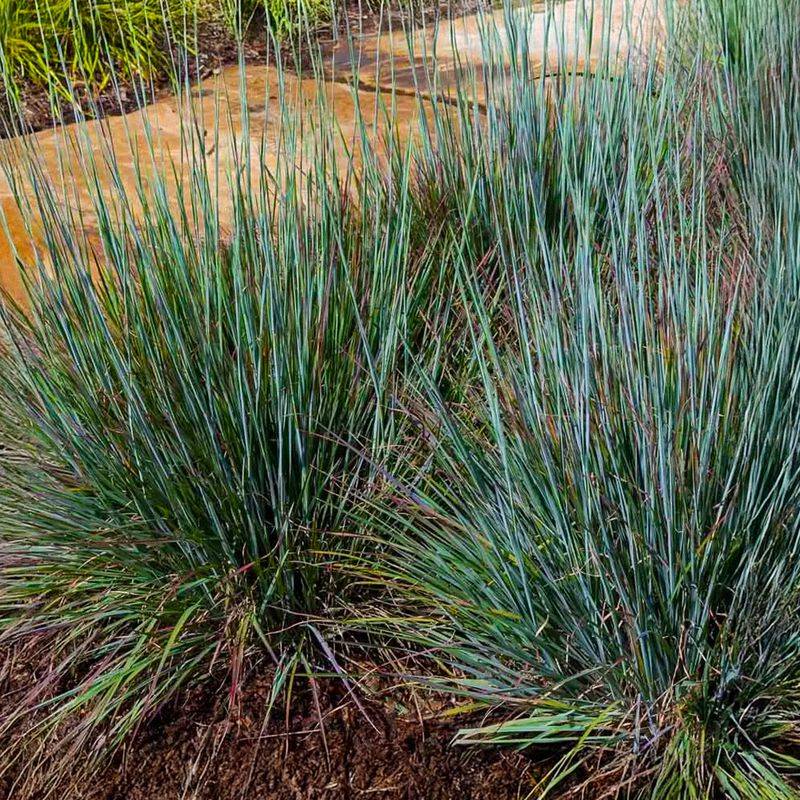
Little Bluestem might be small in name, but it punches well above its weight when it comes to supporting wildlife in a Pennsylvania garden.
This native grass is one of the most widely recommended plants for ecological landscaping, and firefly enthusiasts are starting to take notice of just how much it contributes to a healthy nighttime habitat.
Standing roughly two to four feet tall, Little Bluestem forms upright, airy clumps with blue-green blades in summer that turn a stunning coppery red in fall.
Those clumps create protected pockets of space at the base of the plant where firefly larvae can take shelter, move through the soil, and avoid predators.
The structure of the grass provides a kind of natural architecture that open lawn simply cannot offer.
Little Bluestem is also extremely drought-tolerant once established, which might seem like a disadvantage for a firefly garden. But here is the interesting part: its deep root system actually helps improve soil structure over time, which in turn helps the surrounding soil hold moisture better.
Plant it alongside moisture-loving natives and it helps anchor the whole planting while building healthier ground for fireflies nearby.
Growing Little Bluestem in Pennsylvania is straightforward. It thrives in full sun and adapts to poor, dry, or sandy soils where other plants struggle.
It rarely needs fertilizing or watering after its first season. Leave the clumps standing through winter, because the dried stems and seed heads provide food and shelter for birds and overwintering insects, making your garden work hard for wildlife all year long.
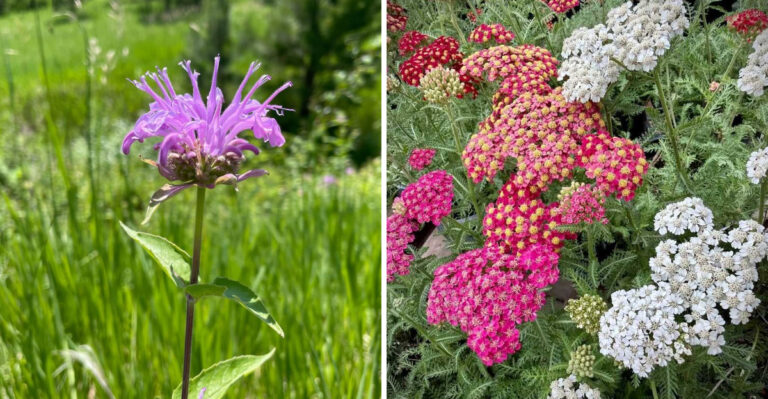
7. Wild Bergamot
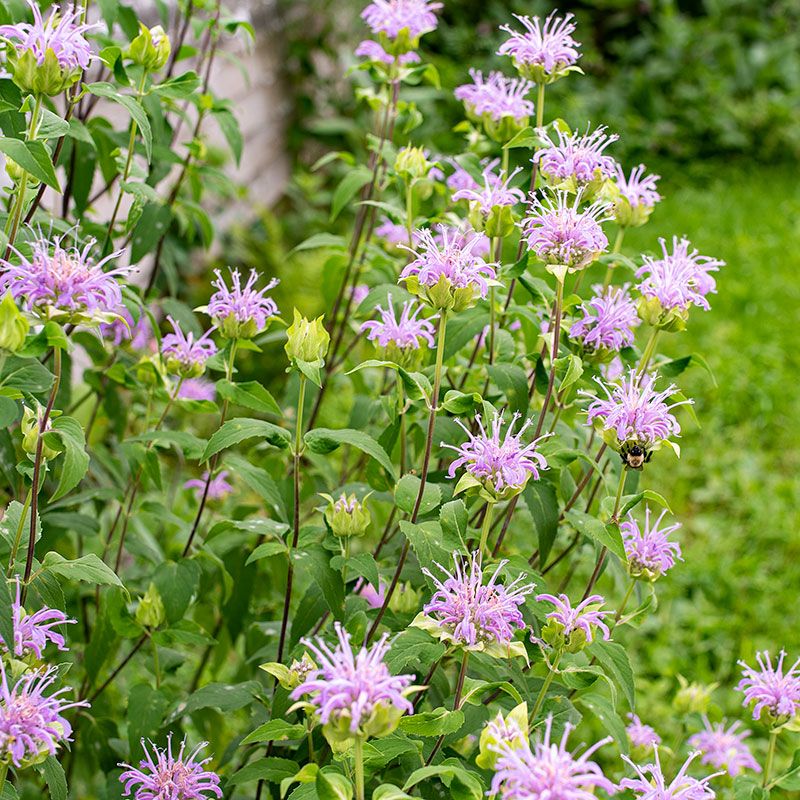
Wild Bergamot has a reputation in the native plant world for being one of those plants that makes everything around it better.
Its lavender-purple flower heads bloom from midsummer into early fall, and on a warm evening when the garden is humming with pollinators, it is hard not to feel like the yard has come fully alive. That kind of biodiversity is exactly what a firefly garden needs.
Fireflies are most active in gardens that support a rich and varied insect community. Wild Bergamot draws in an impressive range of native bees, moths, and butterflies throughout the season.
Those insects contribute to a thriving food web, and a garden with a healthy food web tends to support stronger, more consistent firefly populations. The connection is indirect but genuinely meaningful for the overall health of your nighttime ecosystem.
Wild Bergamot also has a pleasant, minty fragrance that makes it a joy to have near a patio or sitting area. Its foliage stays bushy and full throughout the season, helping shade the soil and reduce moisture loss.
In the evening hours, that retained ground moisture creates the humid microclimate that encourages fireflies to stay active and visible longer.
This plant grows best in full sun and handles dry to medium soils with ease, making it a reliable choice across most of Pennsylvania. It spreads gradually by rhizomes, slowly filling in garden areas without becoming invasive.
Plant Wild Bergamot in clusters for maximum visual impact and to give pollinators and fireflies the richest, most welcoming habitat possible in your summer garden.