The Soil Mistake That Can Hurt Lilacs In Ohio

Ohio gardeners know the heartbreak well: a lilac that looks alive, puts out leaves, and still refuses to give you those big, fragrant spring blooms everyone brags about. Annoying, right?
Before you blame the weather, the variety, or your so-called black thumb, take a closer look at what your lilac is planted in. One common soil mistake can throw the whole plant off, and it often goes unnoticed until bloom season turns into a letdown.
Lilacs may look tough and old-fashioned, but they have strong opinions underground. Give them the wrong foundation, and they will not exactly keep it a secret.
The tricky part? Ohio soil can make this mistake easier than many gardeners realize.
So, what is going on beneath those roots, and how can you help your lilac get back to its showy, sweet-scented self?
1. Planting Lilacs In Wet Clay Is The Big Mistake

Walk out to your lilac right after a heavy spring rain and pay attention to what you see around the base of the shrub. If the soil looks slick, smells musty, or has puddles sitting nearby, that is a warning sign worth taking seriously.
Lilacs are tough shrubs in many ways, but they have a real weakness when it comes to wet feet.
Clay soil is common across much of this state. It is especially common in central and western yards, and in newer subdivisions where construction has compacted the ground.
Clay itself is not the enemy. It holds nutrients reasonably well and can support many plants.
The problem comes when clay stays saturated for long stretches. That happens often during rainy spring weather, when the ground may stay soggy for days.
When roots sit in waterlogged soil, they have less access to the oxygen they need to function properly. A lilac planted in persistently wet clay may show weak growth, yellowing leaves, poor blooming, or general decline over several seasons.
The shrub is not necessarily diseased or pest-ridden. The site itself may simply be wrong.
Recognizing that the soil environment is the issue is the first and most useful step toward making a real improvement for the plant.
2. Check Drainage Before You Blame The Shrub
Blaming the plant is a natural first reaction when something in the yard is not performing well. But a lilac struggling in a wet spot is not a weak plant.
It is a plant in the wrong place, and that distinction matters a lot when you are trying to figure out what to do next.
Spend a few minutes watching your yard during or after a heavy rain. Notice where water flows, where it collects, and how long it takes for the soil near your lilac to stop looking muddy.
Soil that stays sticky and slick for three or more days after rain is a clue that drainage is limited. Check whether a nearby downspout, paved surface, or slope is directing runoff toward the planting area.
Compacted paths, driveways, and patios can all funnel water into garden beds in ways that are easy to miss on a dry day.
Your Ohio Garden Changes Every Week. Your Plan Should Too.
Gardening in Ohio changes quickly throughout the season. Every Friday you’ll receive a simple weekly plan showing exactly what to plant, prune, fertilize, harvest, and protect so you never miss the right timing.
You can also do a simple percolation test by digging a hole about twelve inches deep, filling it with water, and watching how long it takes to drain. If water is still sitting in the hole many hours later, or into the next day, drainage in that area is genuinely slow.
Identifying this before adding fertilizer or pruning aggressively will save you time and help you focus on the real cause of the problem.
3. Give Lilacs Soil That Drains After Spring Rain

Healthy lilac roots need room to breathe. The ideal soil holds some moisture after rain but releases excess water within a reasonable time.
Lilac roots should never sit in saturated ground for days. That balance is easier to achieve in some yards than others, depending on soil type and site conditions.
Lilacs generally perform best in loamy, well-drained soil with neutral to slightly alkaline pH, often around 6.5 to 8.0. Ohio soils vary quite a bit across the state.
Northern regions near Lake Erie can stay cool and wet longer into spring. Central and western areas often have heavier clay.
Southern parts of the state may dry out faster but can still have compacted or poorly drained sites, especially around older homes with established clay beds.
If your native soil drains slowly, one practical option is to plant on a slight rise or gently mounded area so gravity helps move excess water away from the root zone. Raised planting areas do not need to be dramatic to make a difference.
Even a few extra inches of elevation can reduce how long roots stay wet after a heavy rain.
Choosing a better-drained spot from the beginning, rather than fighting poor drainage indefinitely, tends to produce a healthier shrub over the long term.
4. Avoid Low Spots Where Roots Stay Too Wet
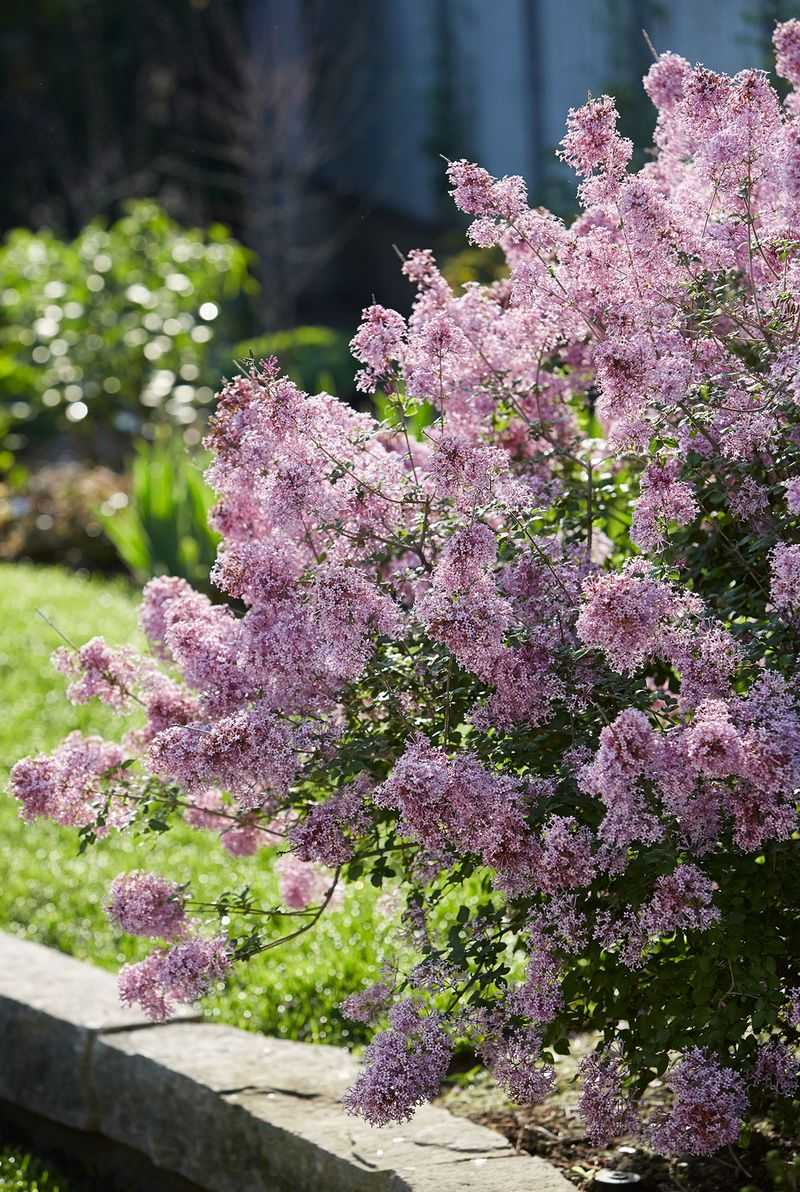
Spring in this state can bring stretches of steady rain that keep the ground saturated for longer than most people expect.
A low spot in the yard that looks harmless in summer can turn into a temporary pond zone from March through May, and any shrub planted there will feel the effects.
Lilacs planted in drainage channels, natural low points, or areas near downspout outlets are especially vulnerable. The roots may stay wet not just during rain events but for days afterward as water slowly works its way into the soil profile.
Over multiple seasons, that repeated stress can weaken the shrub even if it does not cause obvious symptoms right away. Watch where water flows across your yard during a real storm, not just after a light sprinkle.
The path water takes when rain is heavy will tell you more about your drainage situation than anything else.
A spot that is slightly higher, sunnier, and more open is almost always a better choice for a lilac than a damp, shaded corner near a foundation or fence line.
If you are planning a new planting, take time in early spring to observe your yard during and after a rainstorm before choosing the location.
That extra step before planting is far easier than correcting a drainage problem after the shrub is already in the ground and showing signs of stress.
5. Improve Heavy Soil Without Burying The Crown
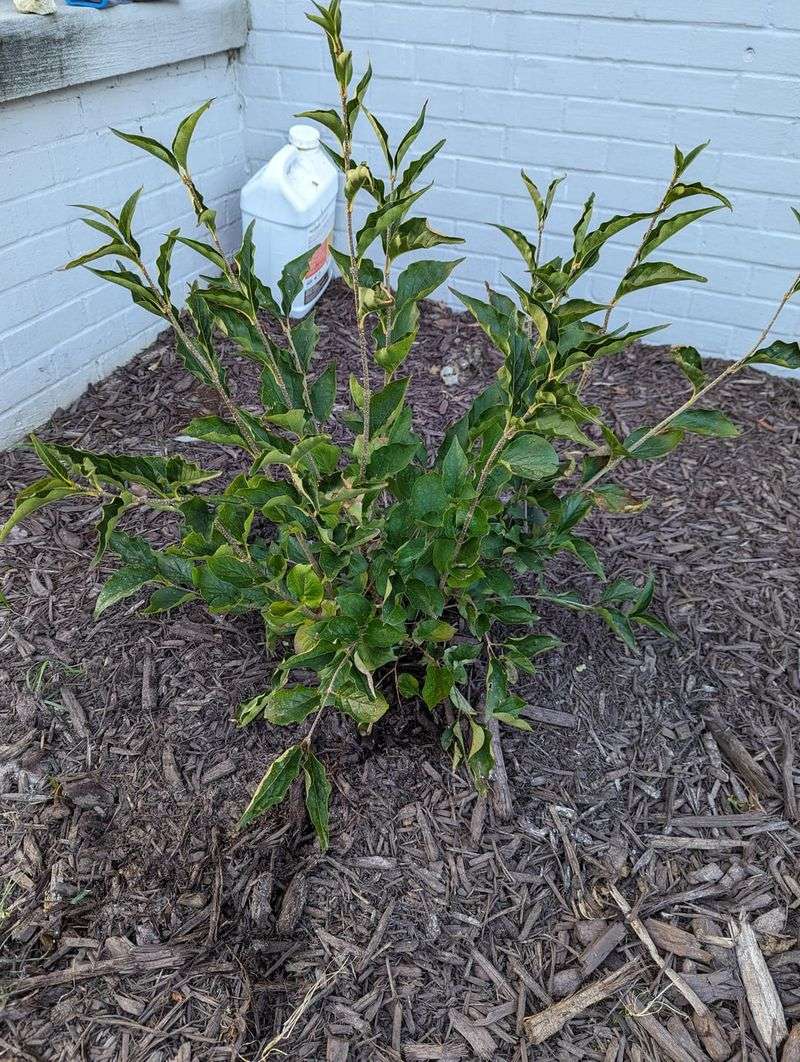
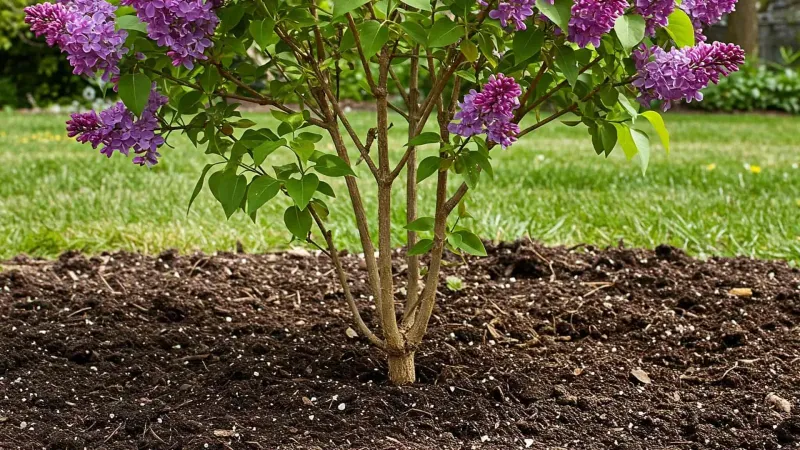
One of the quieter mistakes that happens during planting is setting the shrub too deep. It seems like a small detail, but burying the crown or root flare can cause problems over several seasons.
By then, the cause can be hard to trace back to planting day.
The crown is the area where the main stem transitions into the root system. That zone needs to stay at or just above the soil surface.
When it gets buried under several inches of soil or mulch, moisture can collect around the base of the stem in ways that are not healthy for the plant. Organic matter like compost can help loosen heavy clay over time and improve how it handles water.
But the way you apply it matters as much as what you use.
Do not just dig a small hole and backfill it with amended soil. That can create a bowl that traps water.
Instead, loosen a wider area and work organic matter broadly into the native soil. Ohio State University Extension and similar Midwest horticulture resources generally suggest improving a broad planting zone rather than just the immediate hole.
Keep the crown visible, keep mulch pulled back from the stem base, and avoid piling extra soil around the shrub after planting, even with good intentions.
6. Skip Extra Fertilizer Until You Test The Soil
Reaching for a bag of fertilizer when a shrub looks off is a reflex many gardeners share. The logic feels right: the plant looks weak, so maybe it needs a nutrient boost.
But in many cases, especially with lilacs in heavy or poorly drained soil, fertilizer is not the answer and may even make things worse.
Lilacs that are stressed by waterlogged roots or compacted soil are not going to respond to extra nitrogen the way a healthy plant in good conditions might.
High nitrogen fertilizer can push leafy, green growth at the expense of flower production, which is the opposite of what most people want.
If your lilac is producing plenty of leaves but few or no blooms, adding more nitrogen may deepen the problem rather than fix it.
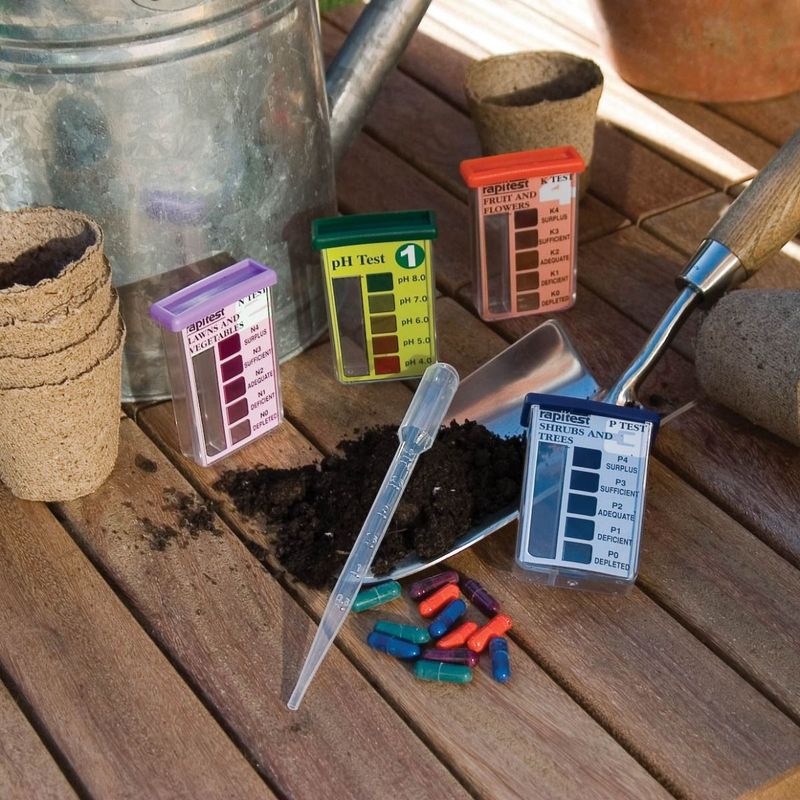
Soil testing is a much more useful starting point. Ohio State University Extension and local county Extension offices can help gardeners find reputable soil-testing labs and interpret pH and nutrient results.
Lilacs prefer neutral to slightly alkaline soil. If your soil is too acidic, the plant may struggle to take up nutrients no matter how much fertilizer you add.
Testing first, adjusting based on results, and addressing drainage before adding amendments will get you further than guessing at the cause of the problem.
7. Mulch Lightly Without Piling It Against Stems
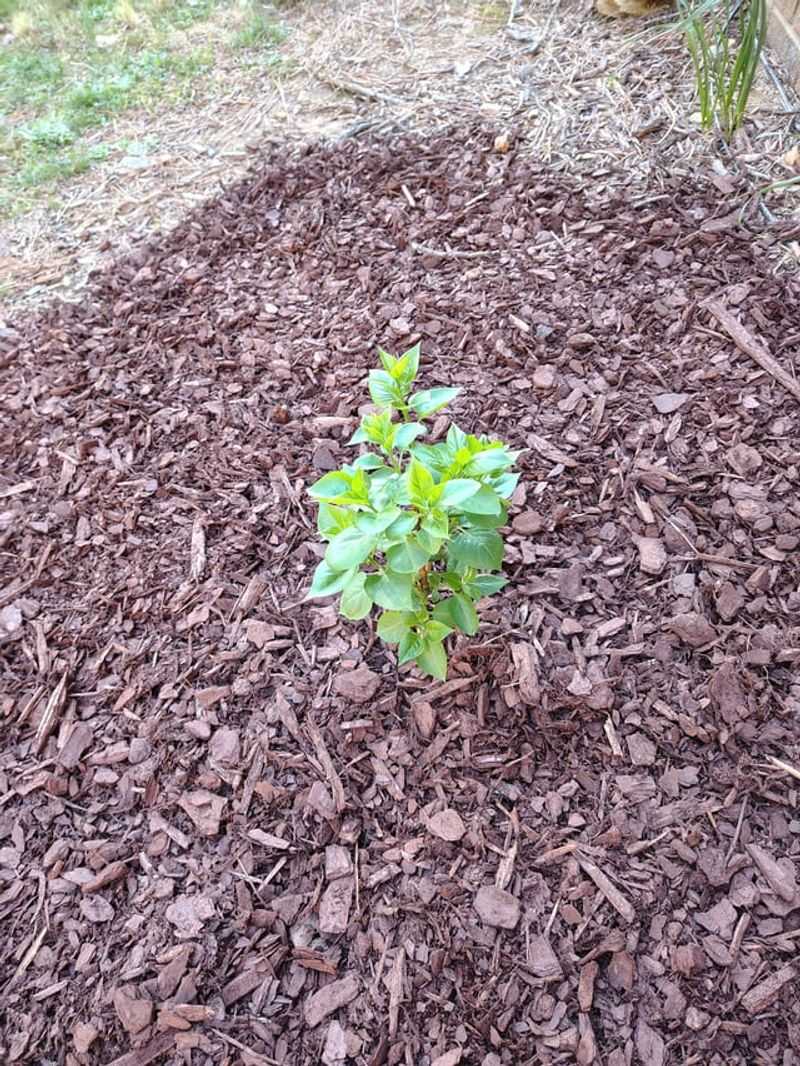
Mulch gets a lot of praise in gardening circles, and for good reason. A moderate layer around the base of a shrub can reduce weeds, moderate soil temperature, and help the ground hold moisture during dry spells.
But the way mulch is applied makes a real difference, especially for a plant like a lilac that already has a sensitivity to overly wet conditions around its base.
The problem shows up most often when mulch is piled high against the stem of the shrub, sometimes called a mulch volcano in horticulture circles.
That mounded buildup traps moisture against the bark and creates conditions that can encourage rot and other issues over time.
It also sometimes invites pests and can interfere with the natural drying of the stem area after rain. The mulch is doing the opposite of what it is supposed to do in that situation.
Use about two to three inches of wood chips or shredded bark around the shrub. Spread it broadly, but keep it pulled back a few inches from the stem.
Each spring, before refreshing the mulch, check what is already there. If the existing layer is still thick and has not broken down much, skip adding more that season.
Keeping the mulch thin and clear of the stem base is a small habit that protects the shrub consistently over time.
8. Move Struggling Lilacs Only When The Site Is Wrong
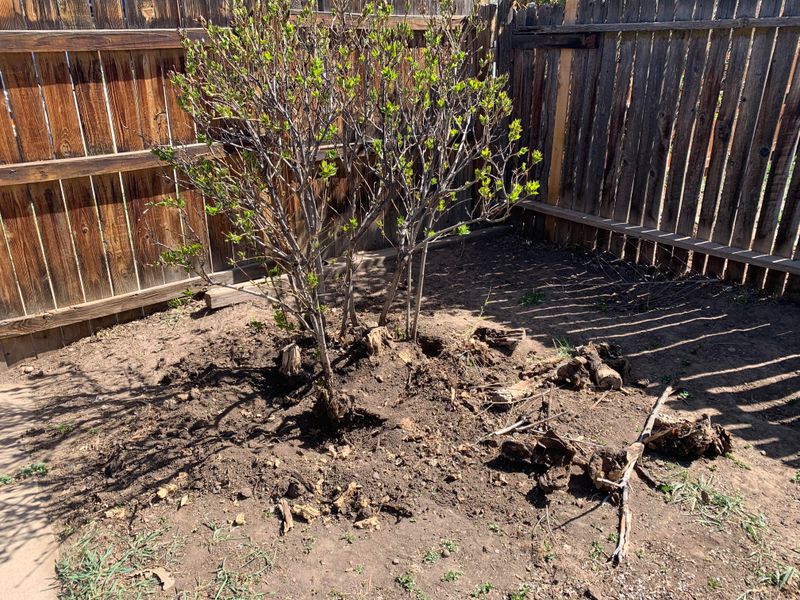
Relocating an established shrub is not a decision to make lightly. Transplanting causes real stress.
A lilac that has been in the ground for several years will need time to recover before it performs the way you hope. That said, sometimes moving the plant is genuinely the right call.
If a lilac sits in a persistently wet, heavily shaded, or cramped spot, quick fixes rarely last. Extra mulch, fertilizer, or pruning will not solve a bad site.
The site itself is the limiting factor, and the shrub will keep struggling as long as it stays there. In that situation, relocating to a better spot makes more sense than repeatedly trying workarounds that address symptoms rather than the actual problem.
Timing matters for transplanting. Dormancy is generally the least stressful time to move a lilac.
Aim for late fall after leaf drop, or very early spring before new growth begins. Before transplanting, prepare the new site first.
Correct any drainage issues, check the sun exposure, and make sure the soil conditions are actually better than where the shrub is coming from. Moving a lilac from one wet, shaded corner to another wet, shaded corner will not produce a different result.
Fix the new location first, then make the move, and give the plant time and patience to settle in.